Elderly households
How to Organise an Elderly Person’s Bedroom and Clear Pathways
Keep a familiar layout, remove floor obstacles and place daily items within easy reach
Overview
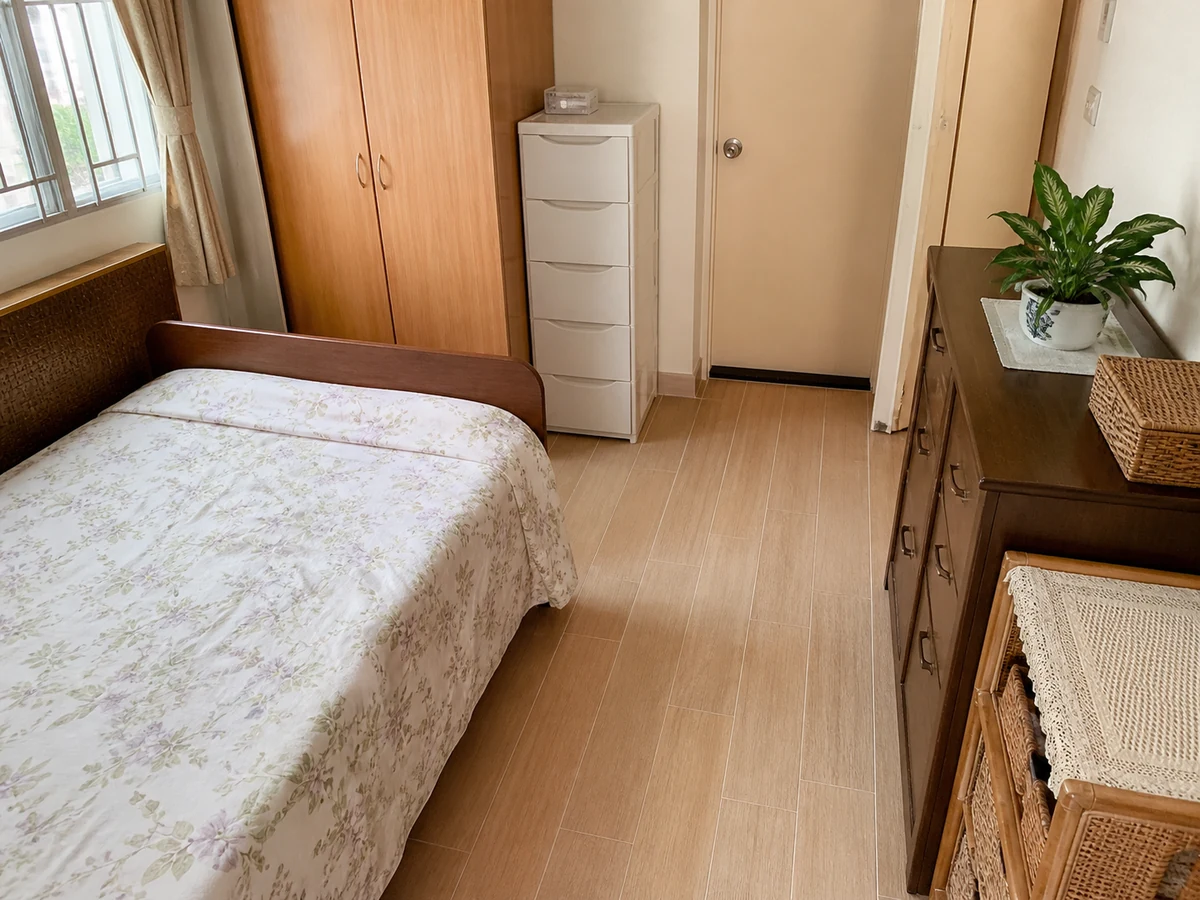
The goal is not an empty-looking room but stable, clear, dry daily routes between the bed, doorway, toilet direction and frequently used items. Do not move assistive devices or significantly change familiar furniture without agreement.
Tools needed
- Sorting boxes
- Stable storage baskets
- Dry cloth
- Waste bag
- Tape measure if the household has an agreed clearance
Cleaning steps
Ask about daily routes first
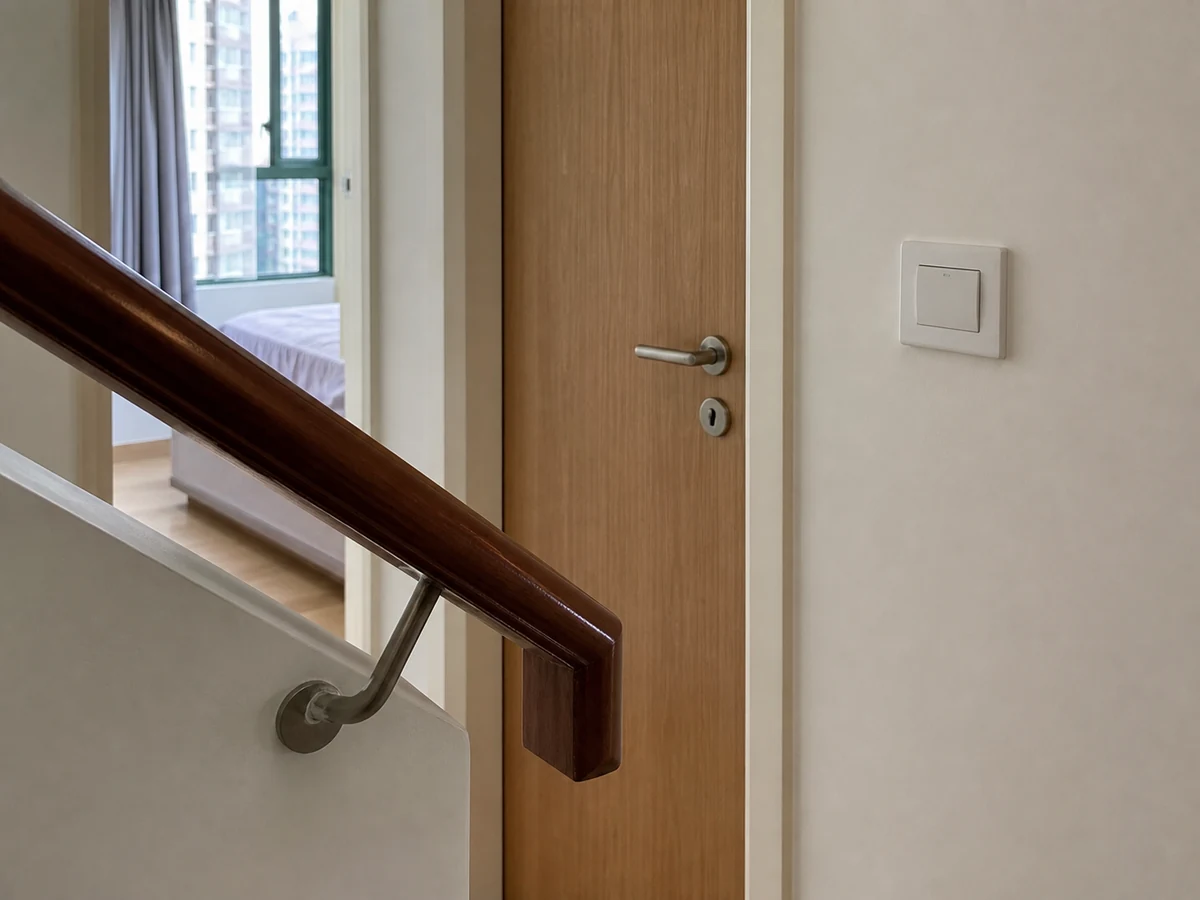
Confirm the usual route from bed to doorway, toilet, light switch and wardrobe, and where frequently used items belong.
Remove floor obstacles
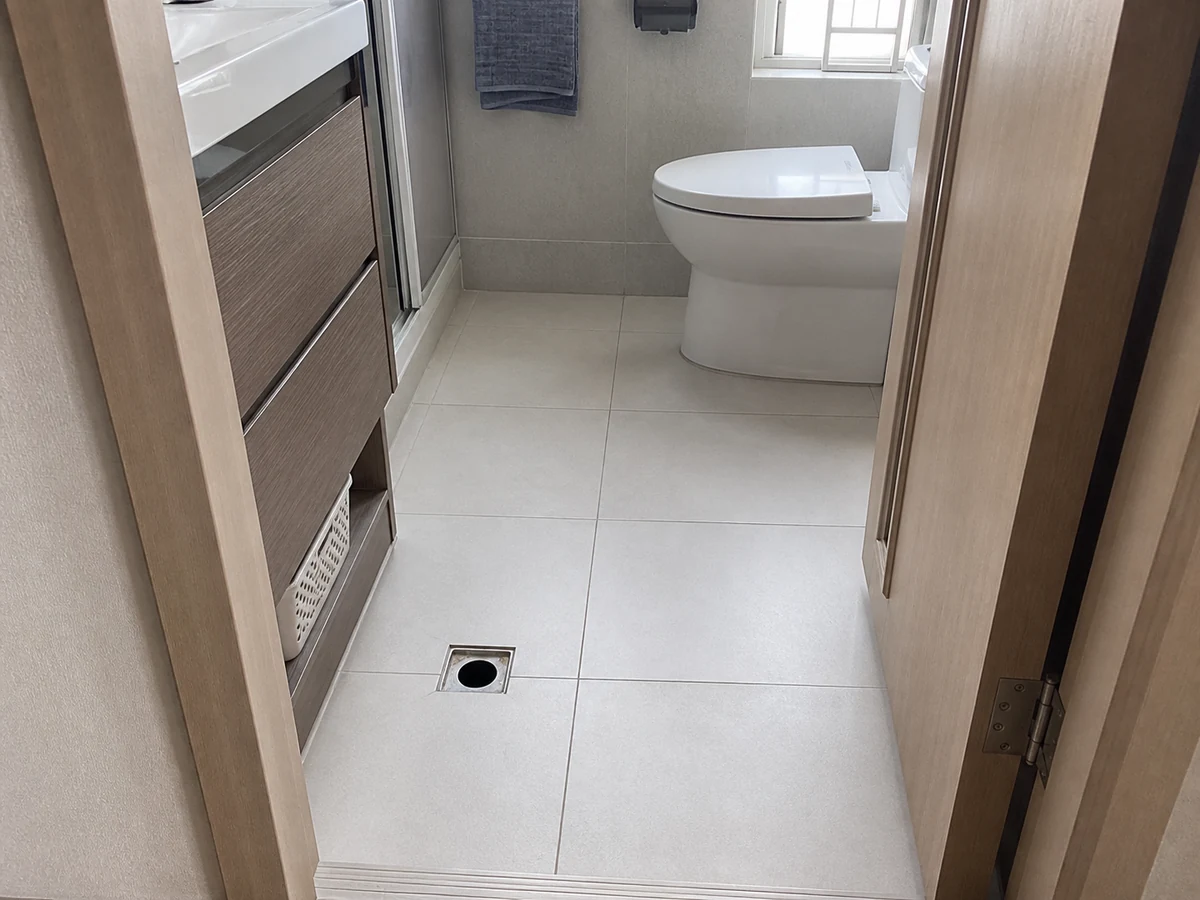
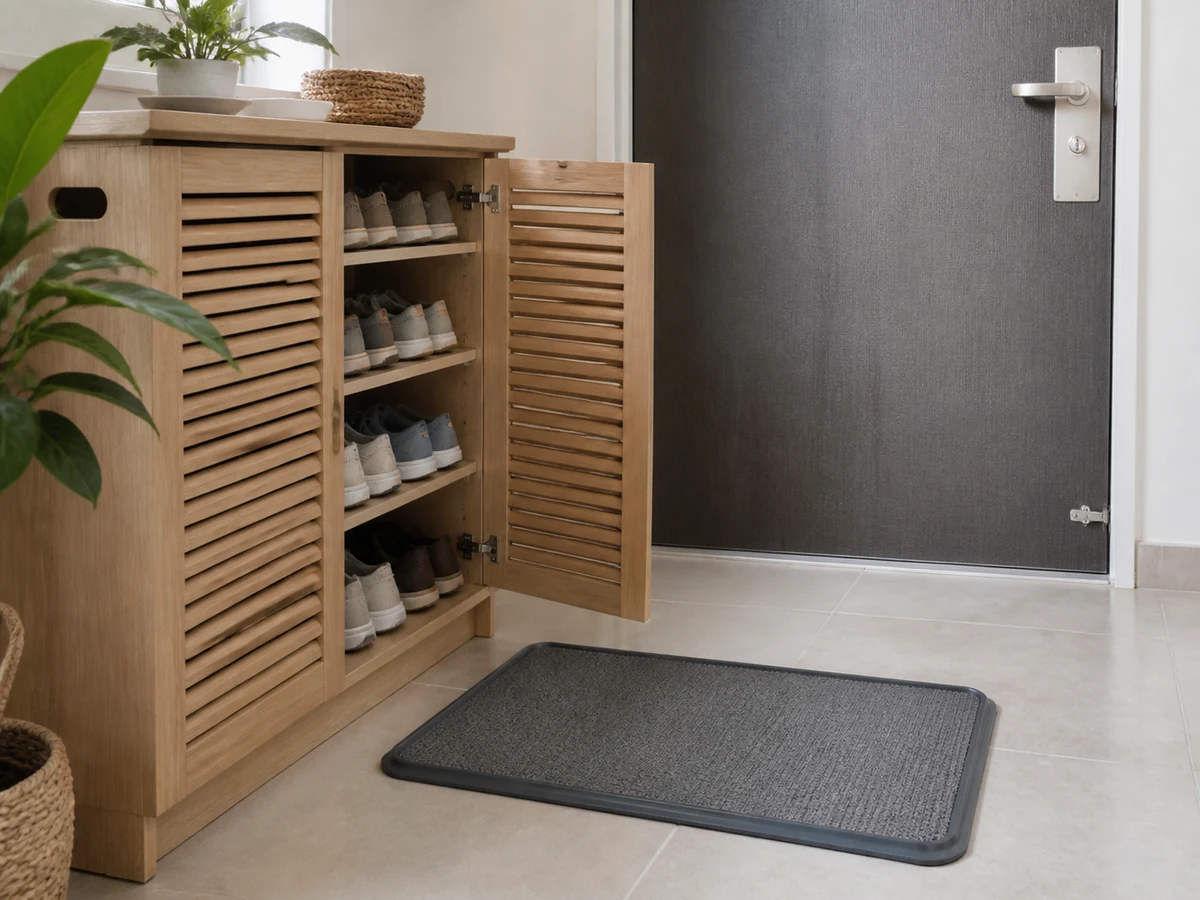
Clear cables, bags, shoes, low stools and loose mats. Route cables safely so none cross the walkway.
Keep furniture layout stable
Move furniture only with household agreement. Maintain clear space at bed and doorway; never use a wheeled chair as support.
Place daily items within reach
Keep clothing, phone, glasses and tissues around waist-to-shoulder height to avoid climbing, deep bending or over-reaching.
Set the bedside and night route
Keep lamp, phone and essentials easy to reach. Ensure the floor is dry and the night route has no charging cable or clutter.
Walk through together
Check the whole route with the elder or carer; finish only when placement is familiar, lighting works and items are stable.
Common mistakes
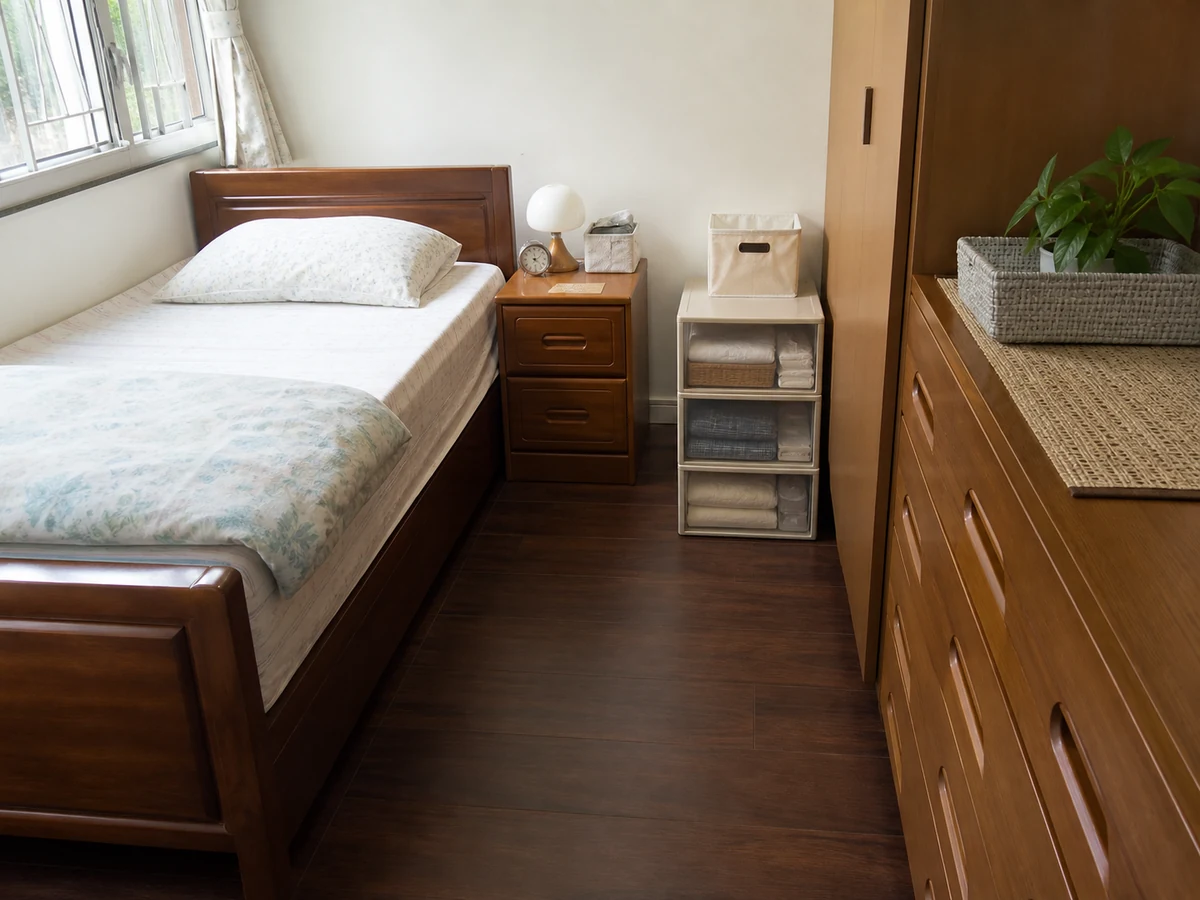
Making a major layout change without asking
✓ Correct actionConfirm routines first and make only necessary agreed changes.
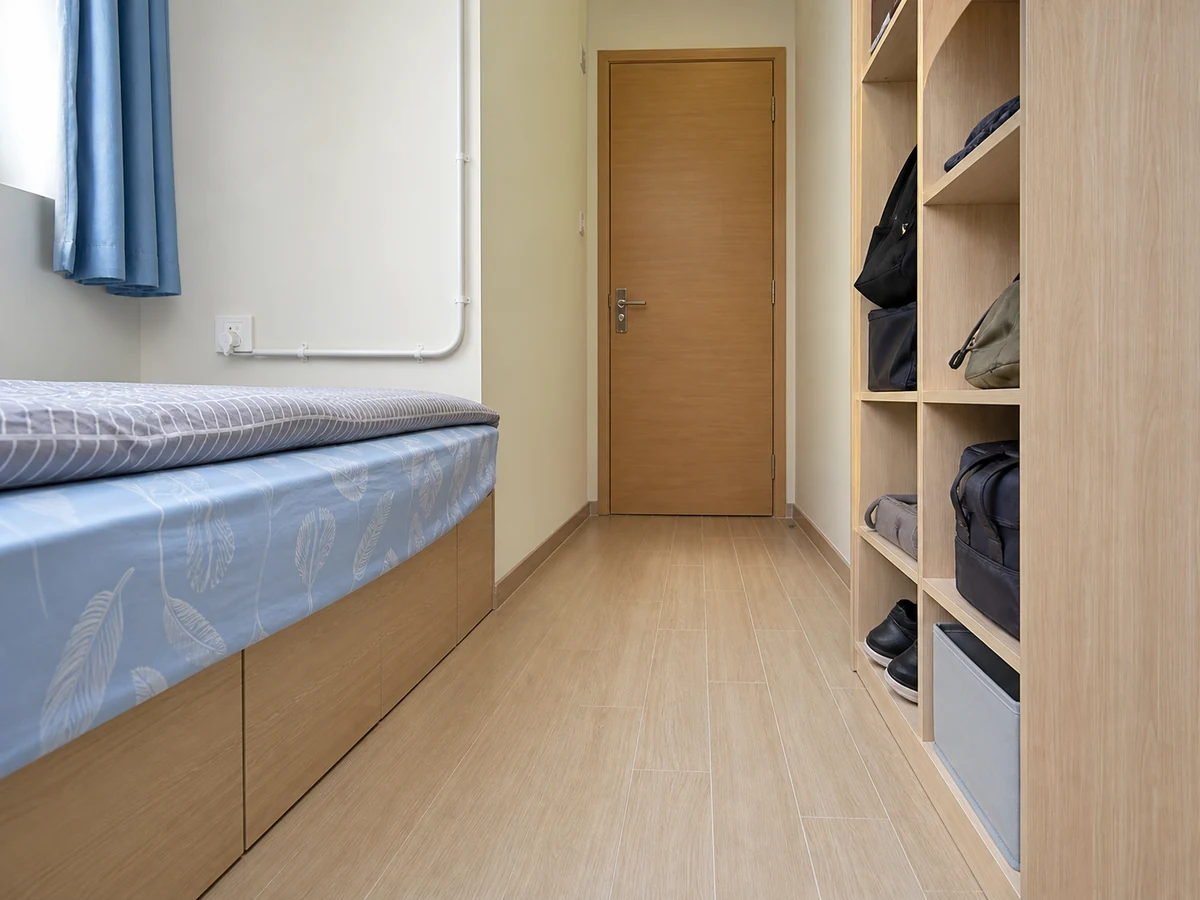
Leaving shoes and baskets beside the bed route
✓ Correct actionMove them into stable storage and clear the full route.
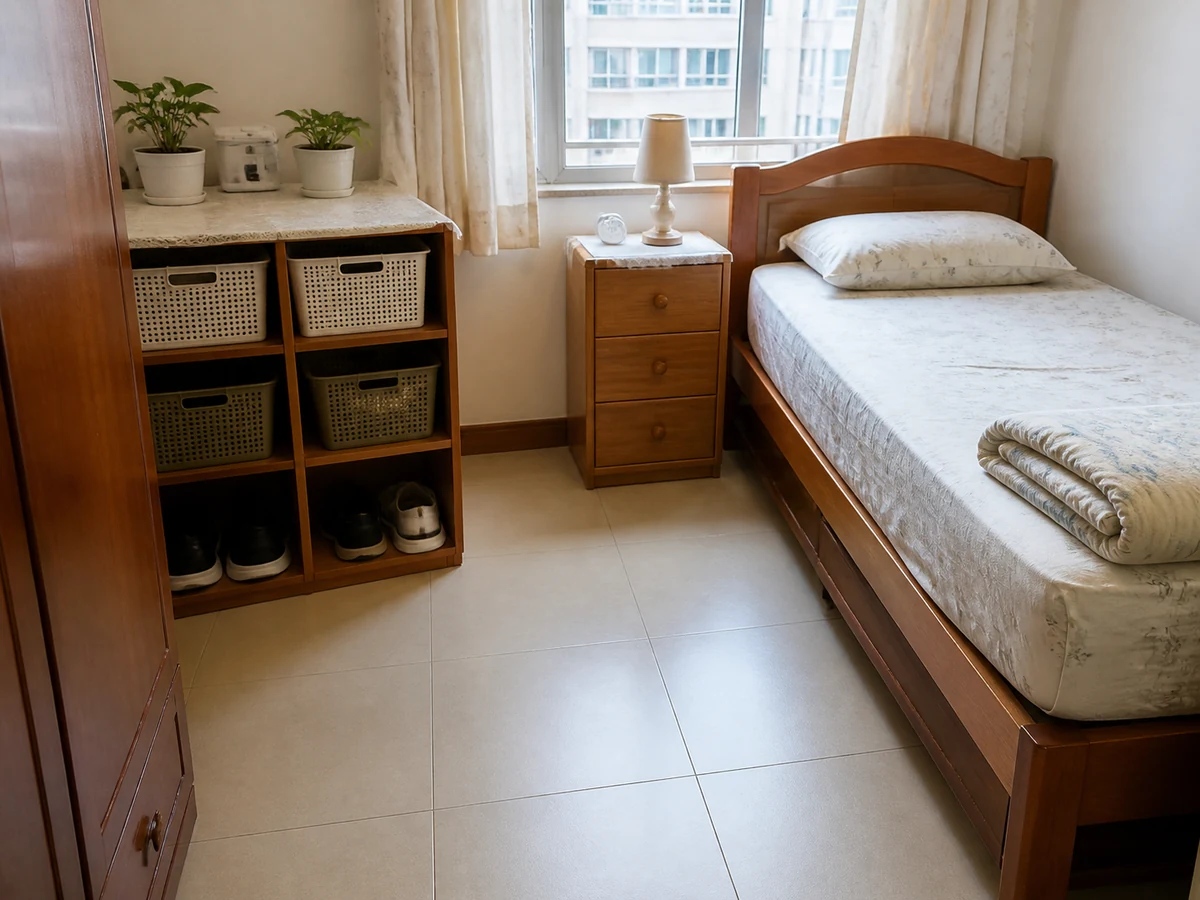
Putting daily items on top shelves
✓ Correct actionPlace them at an easy waist-to-shoulder reach.
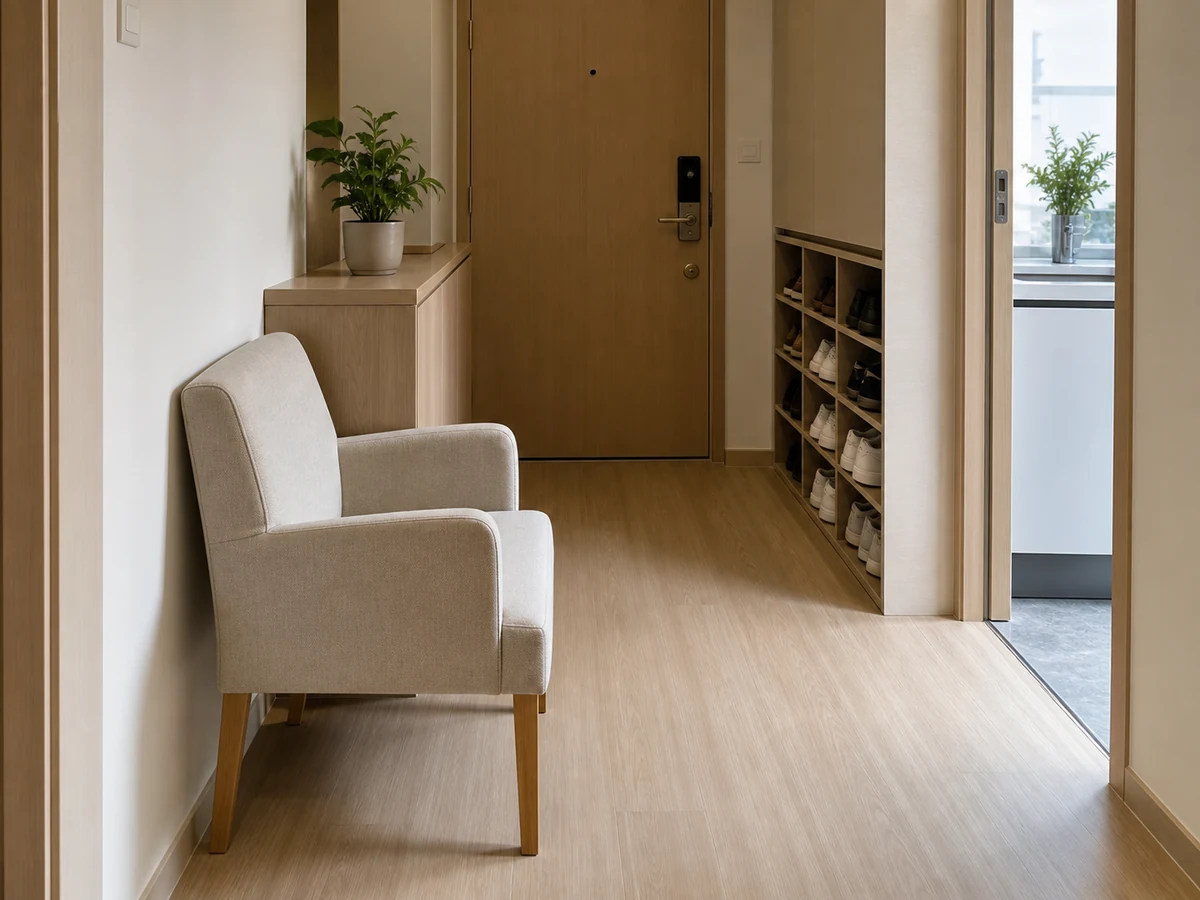
Using a wheeled or folding chair as support
✓ Correct actionKeep genuinely stable support; stop using and report unstable furniture.
Practical tips
Tips for helpers
- Use one fixed daily-items basket to prevent loose objects.
- Check the route from bed to door every evening.
Tips for employers
- Agree with the elder and carer which furniture and possessions must not move.
- Use qualified help for drilling, electrical work or assistive-device adjustment.
Completion checklist
Checked 0 / 6