
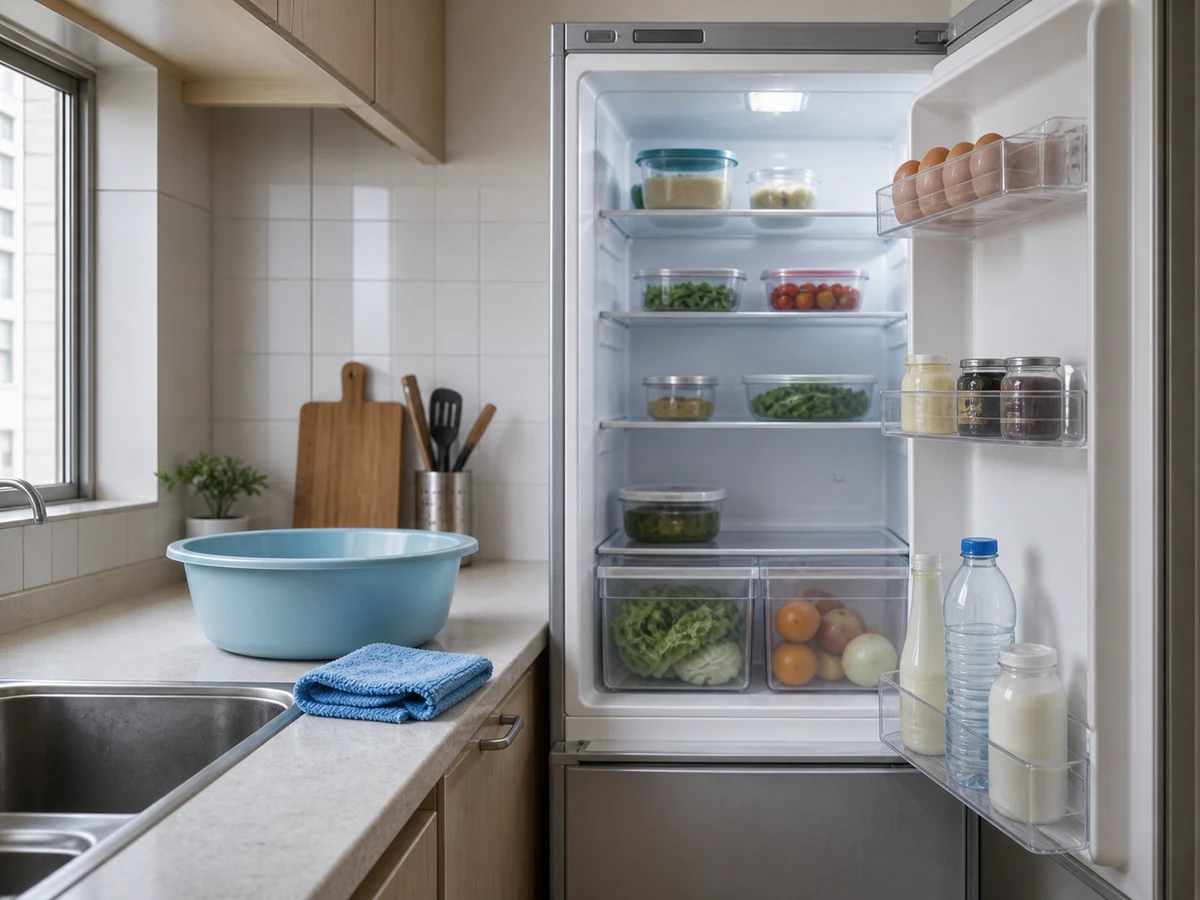
How to Clean a Refrigerator Properly
Eight steps for the interior, shelves, drawers and door seals
Real images, clear steps, tools, warnings and checklists for practical housework in Hong Kong homes.
200 housework guide
Collections ↓200 results
Eight steps for the interior, shelves, drawers and door seals
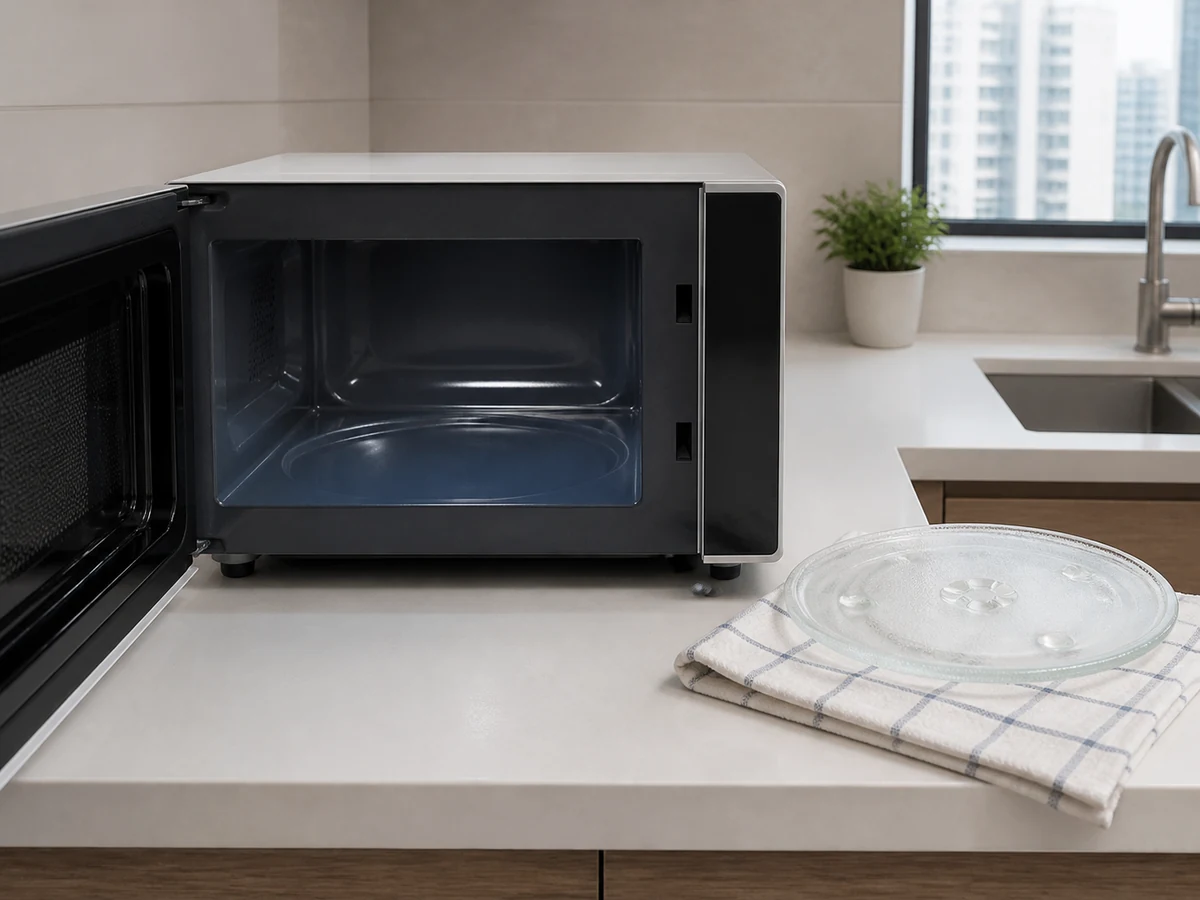
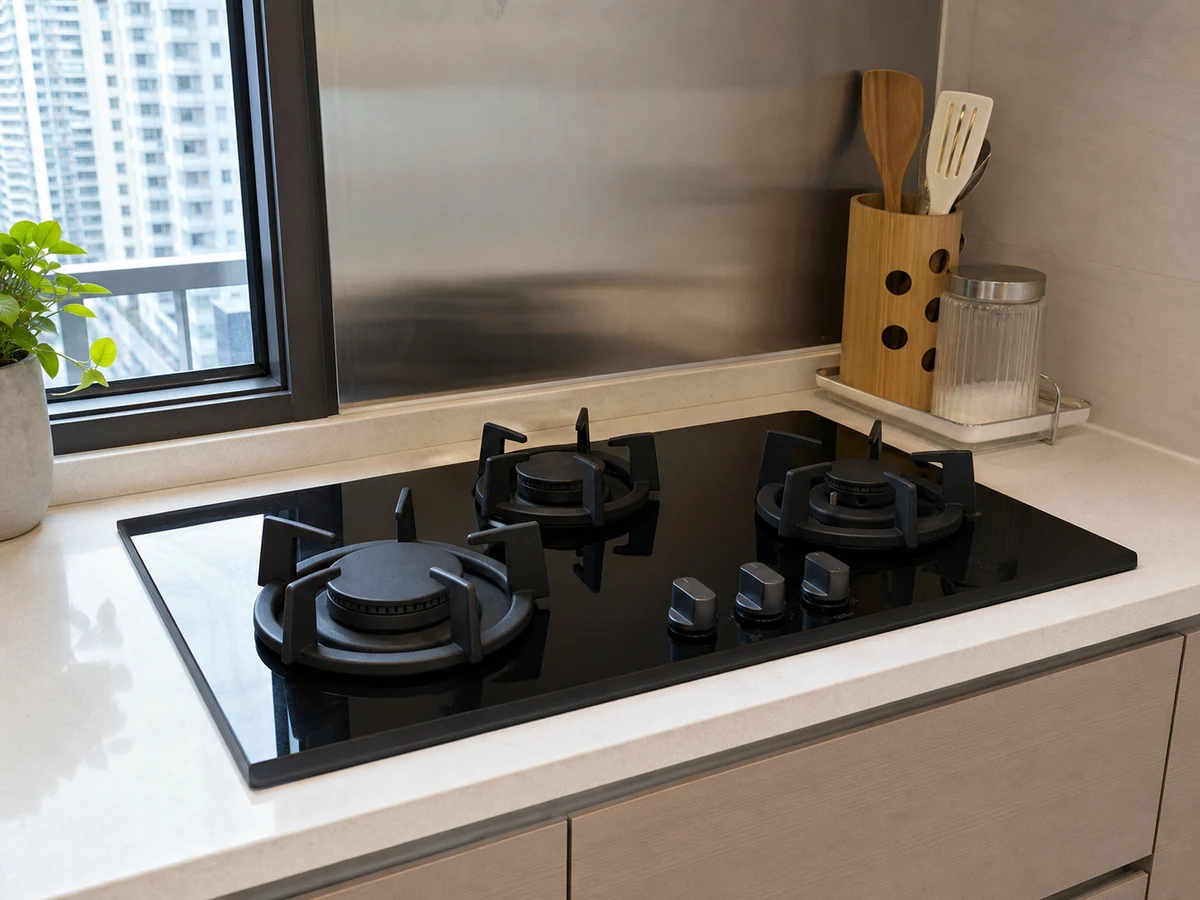
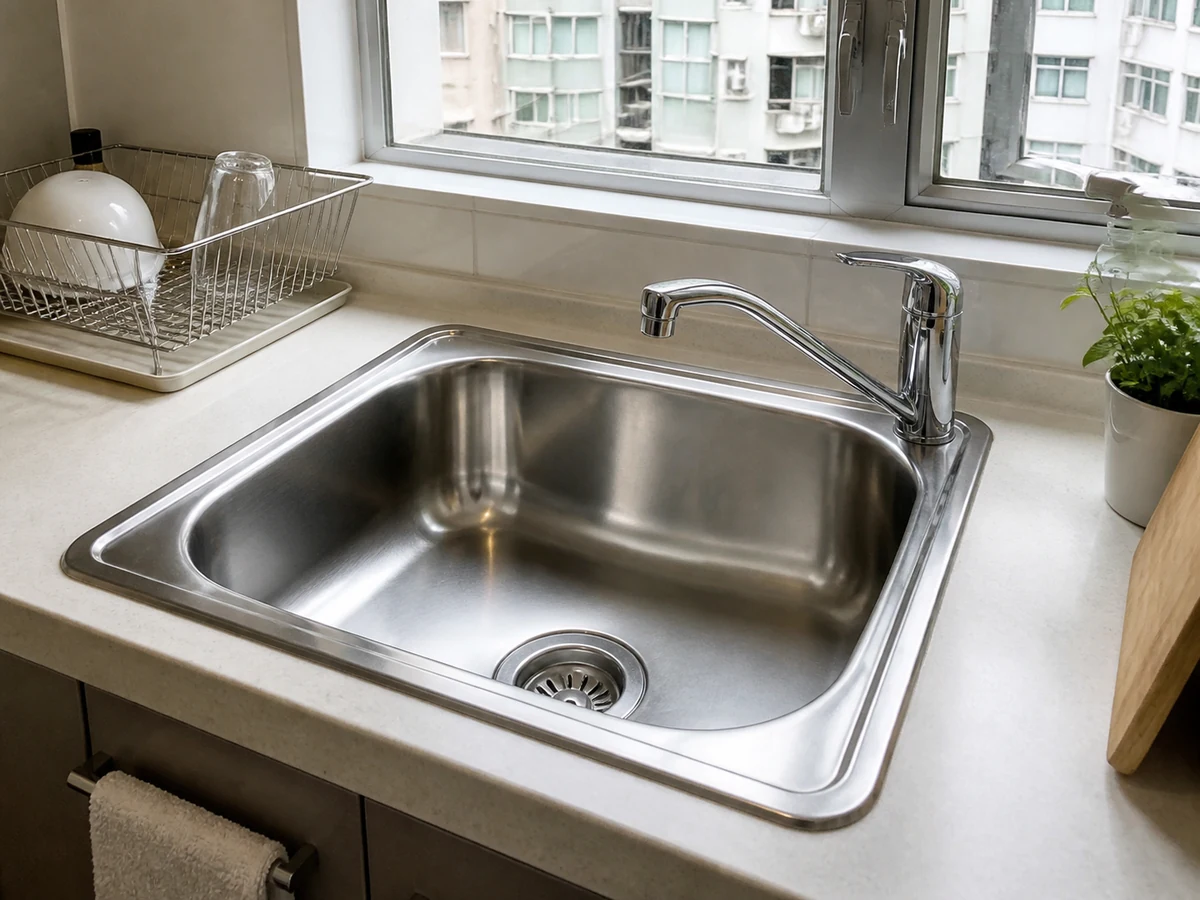
Remove food debris, greasy film, and drain-edge dirt
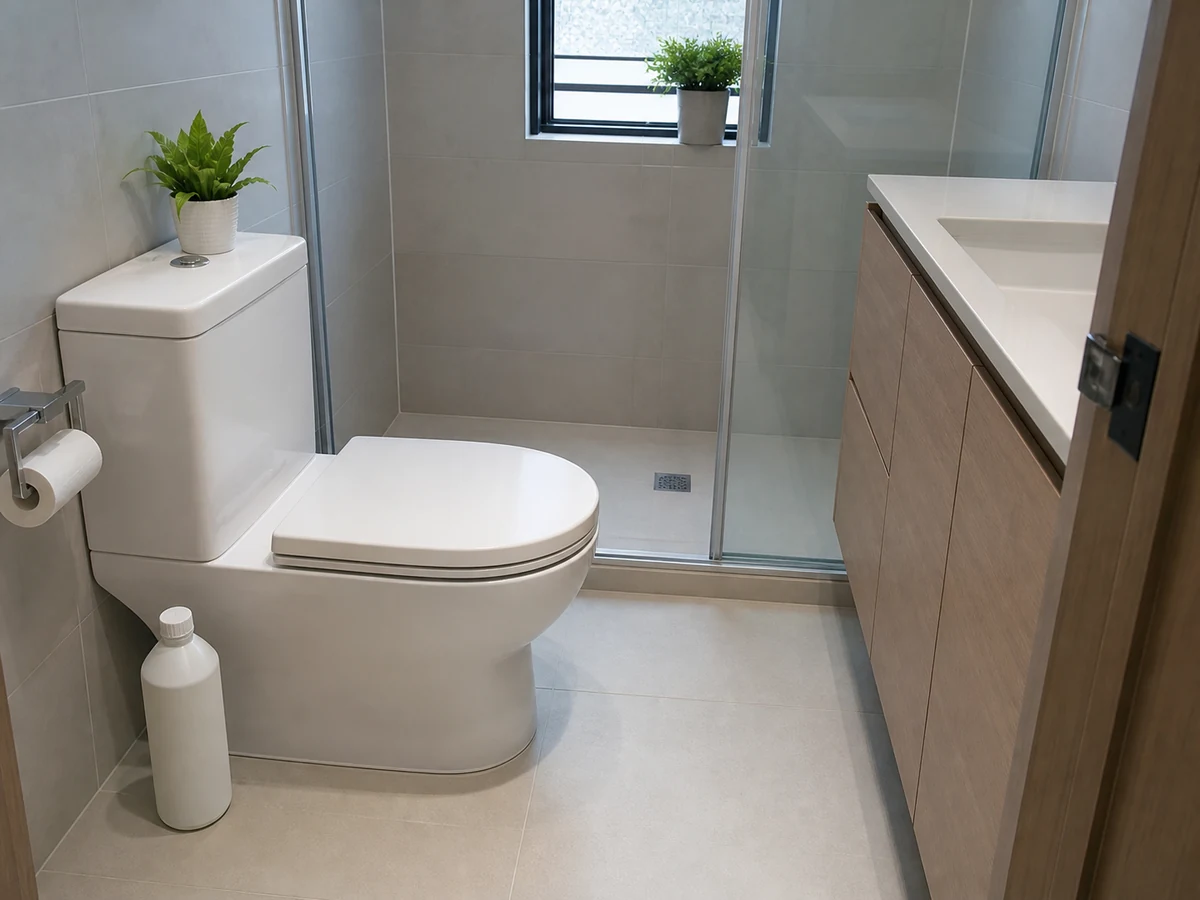
Work from cleaner areas to the bowl and reduce cross-contamination
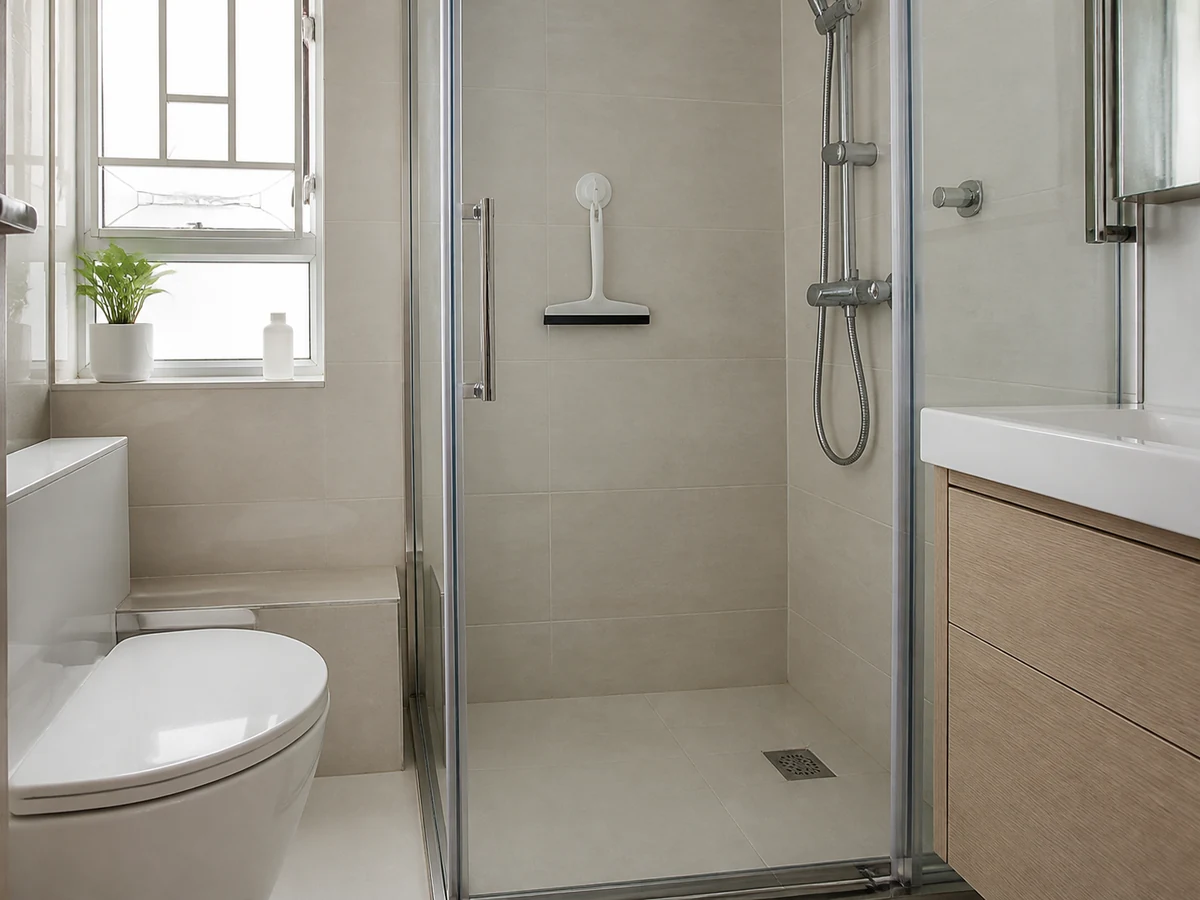
Gently remove water spots and soap film without scratches
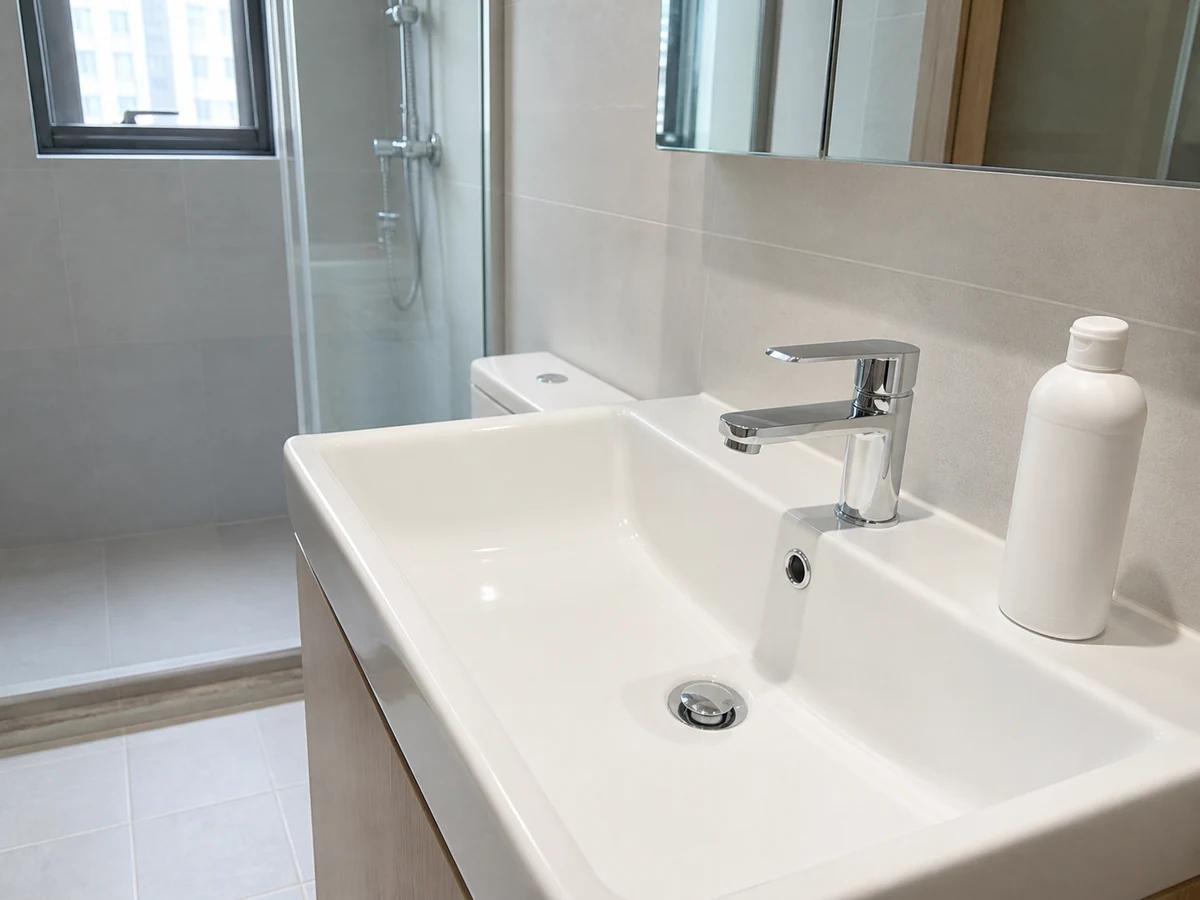
Remove soap film and limescale gently for the material
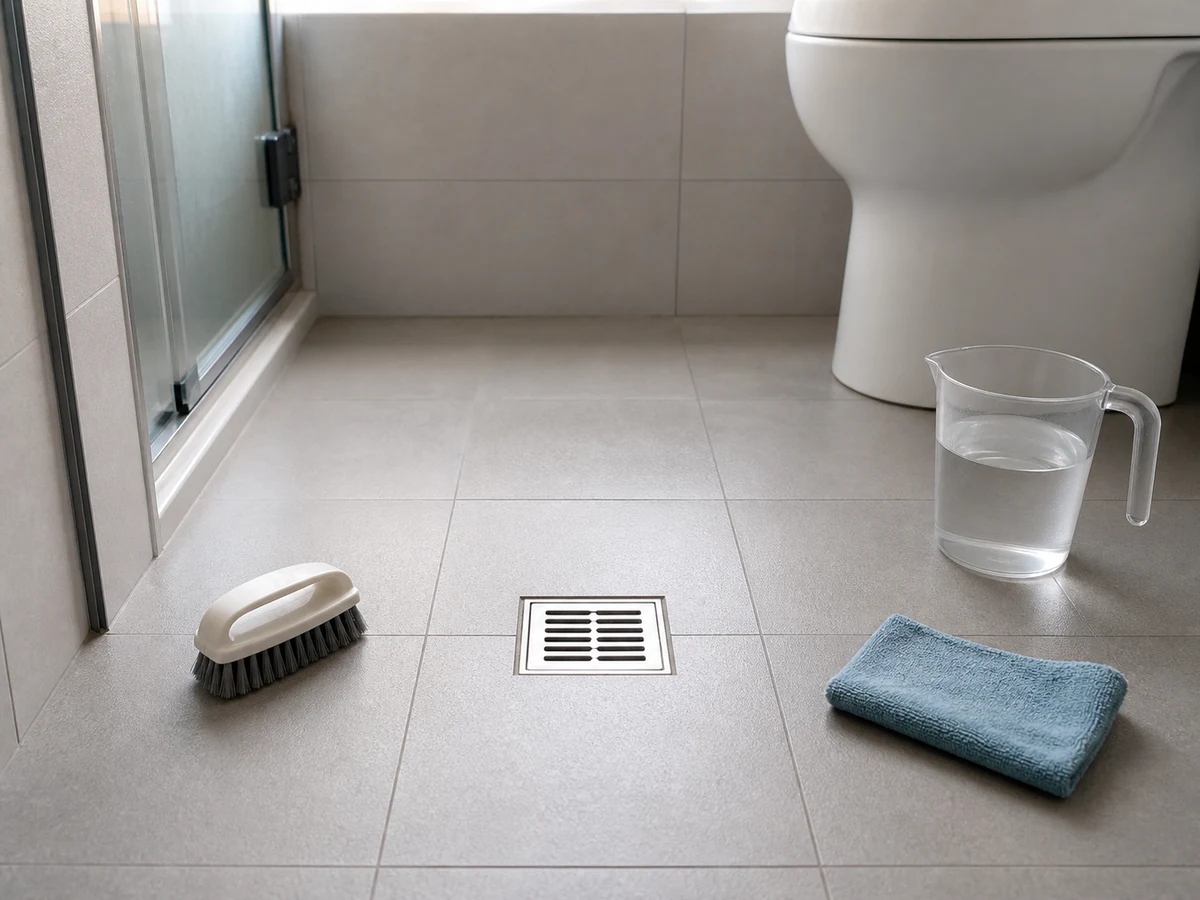
Remove visible debris and maintain the water-trap seal
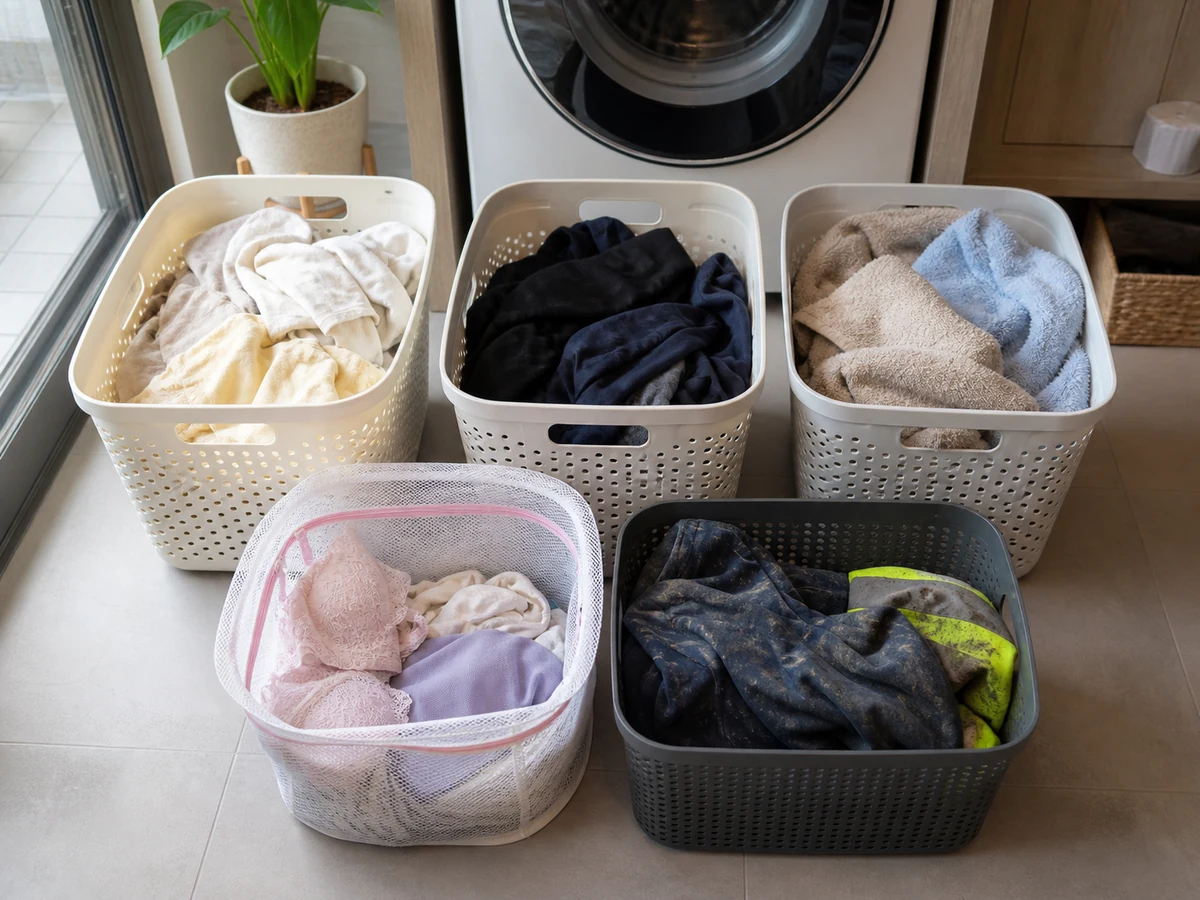
Check care labels, then separate by colour, fabric and soil level
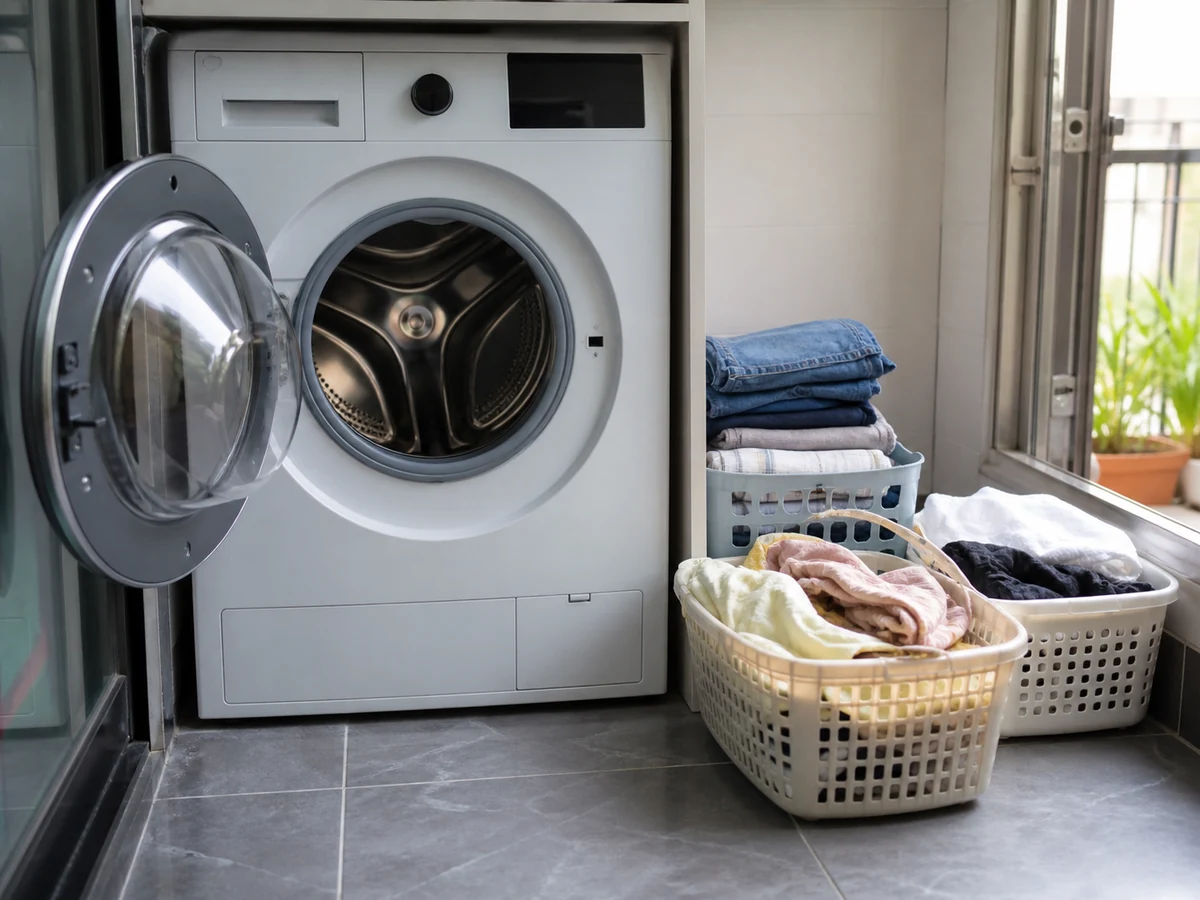
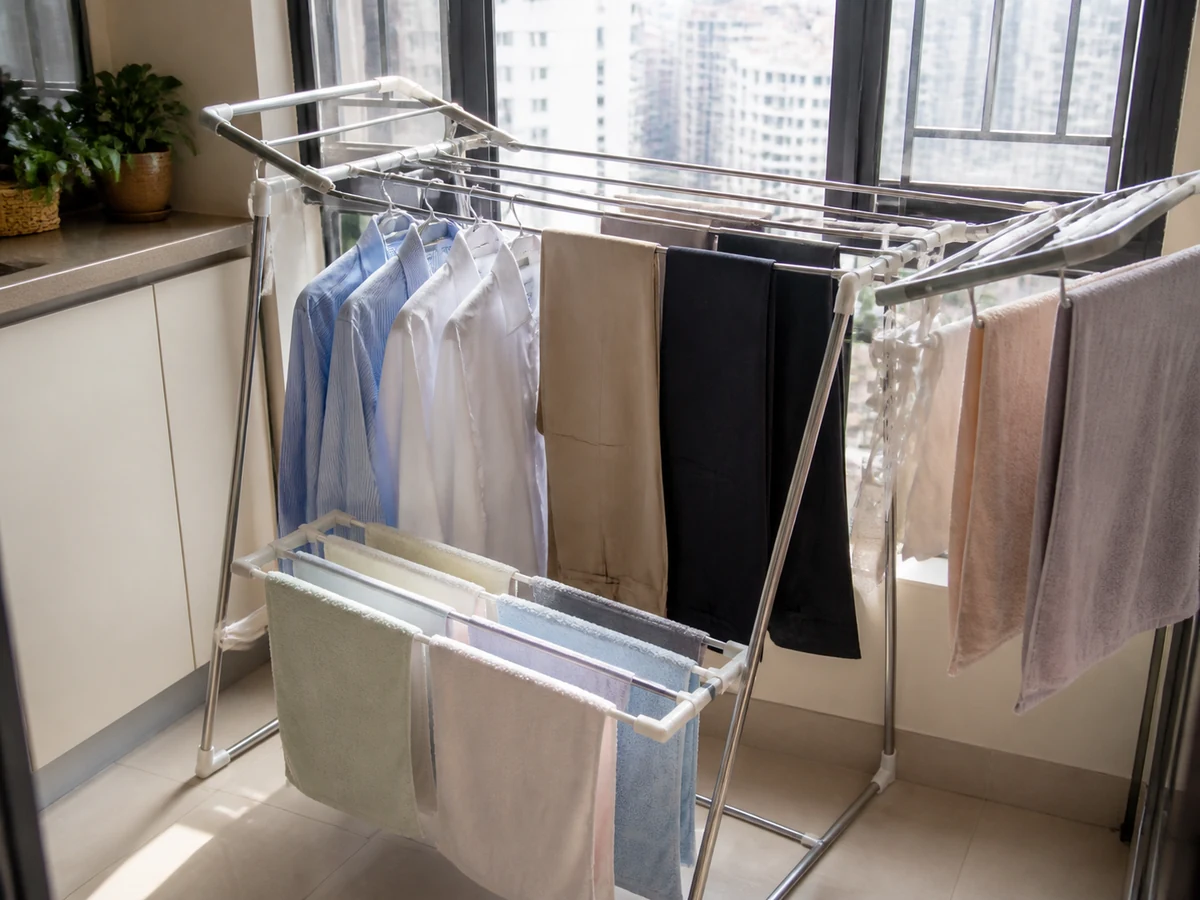
Read the care label, reshape clothes, allow airflow and dry fully
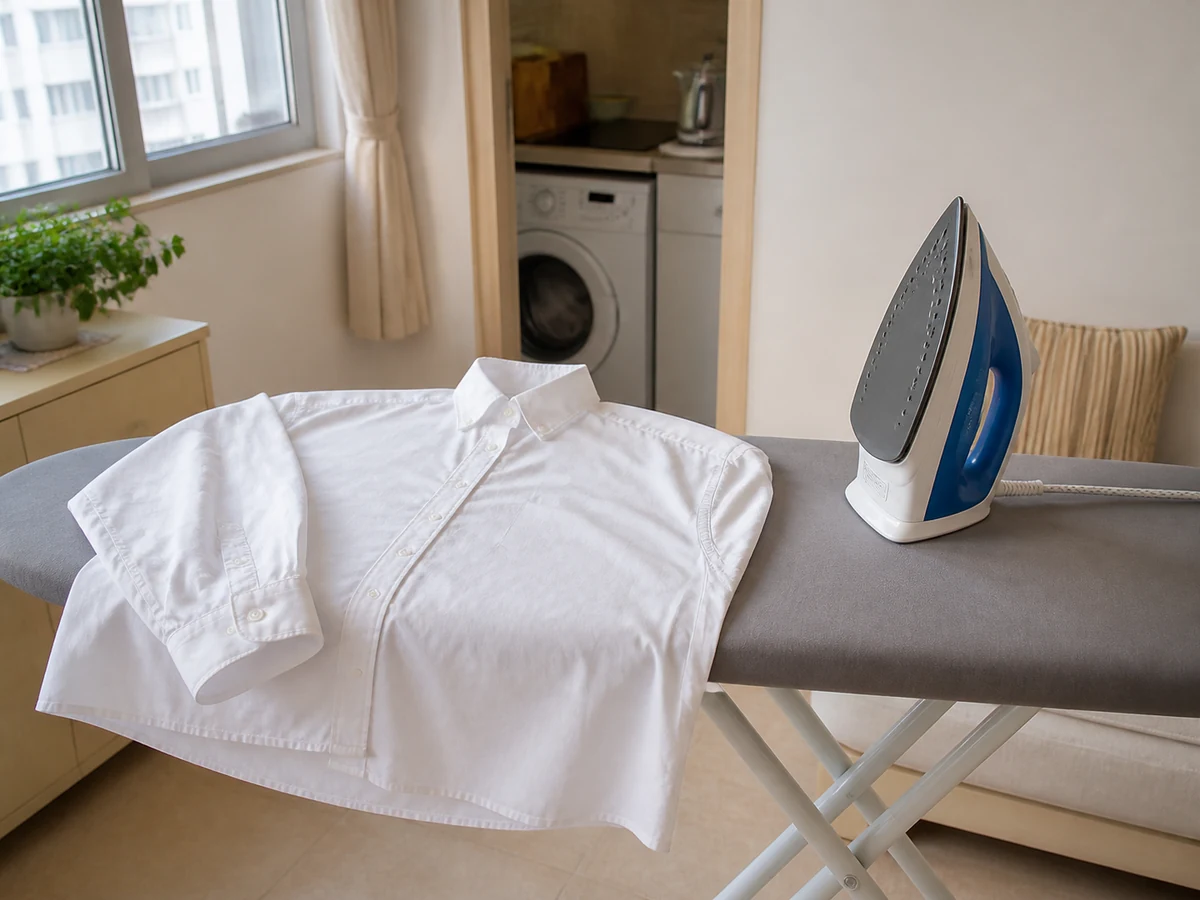
Follow the garment label and iron manual, working from details to large panels
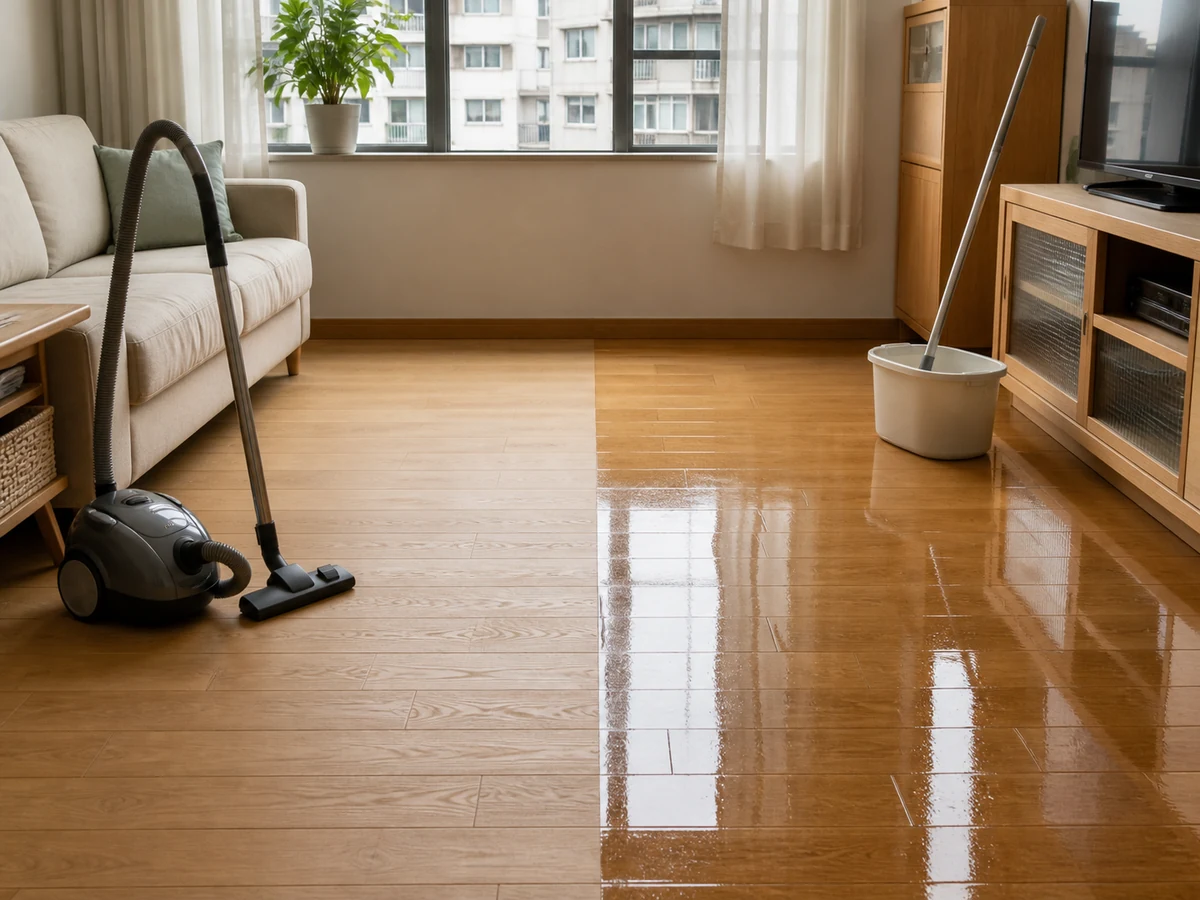
Declutter and dust first, vacuum second, then mop for the floor type
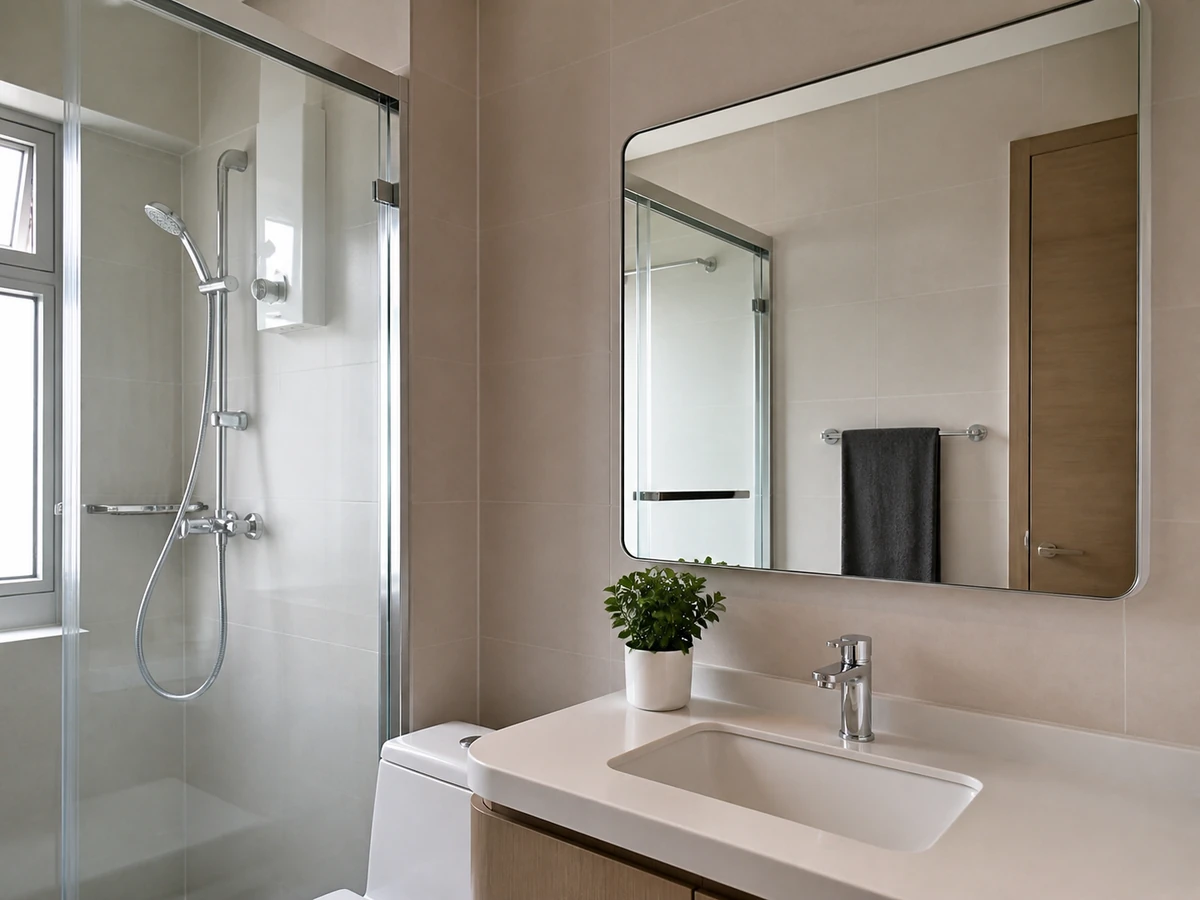
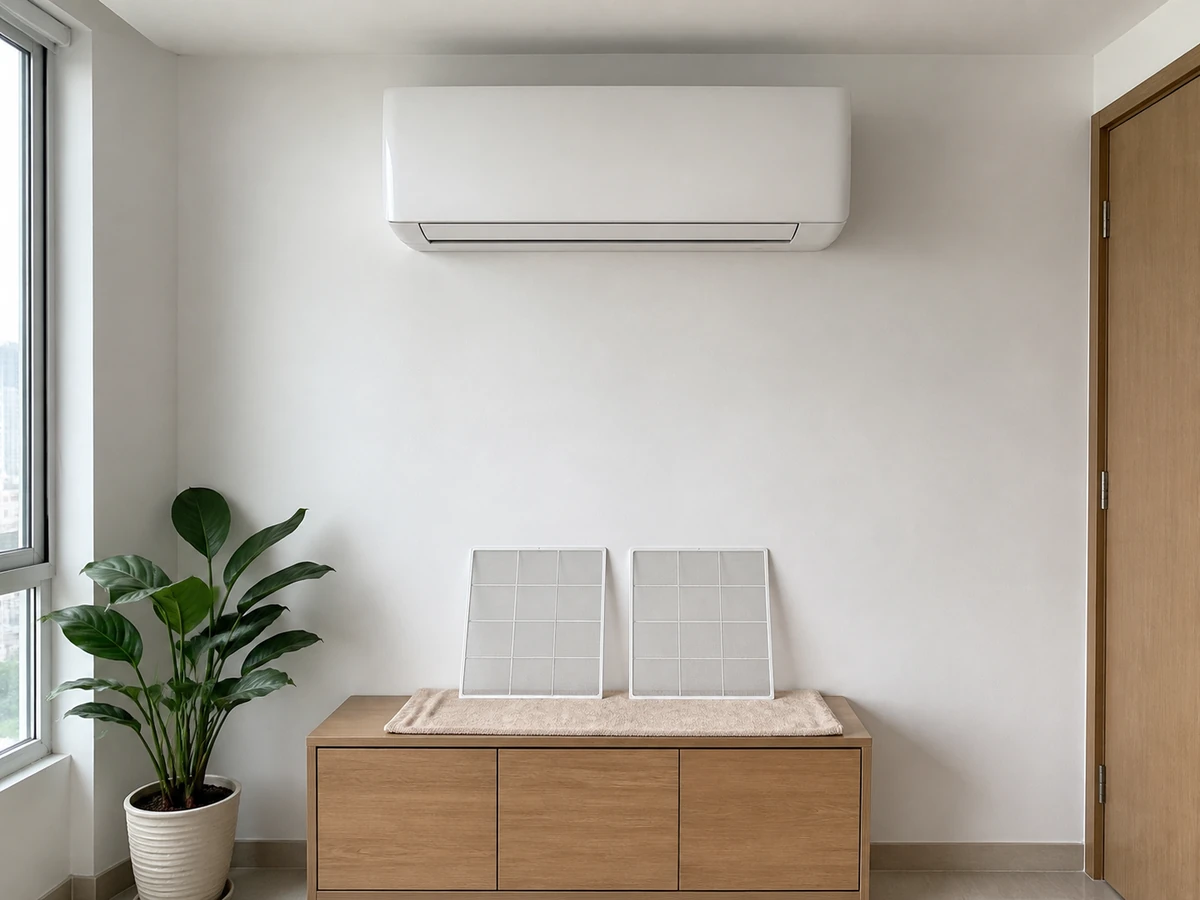
Six resident-safe steps for the casing and removable filter only

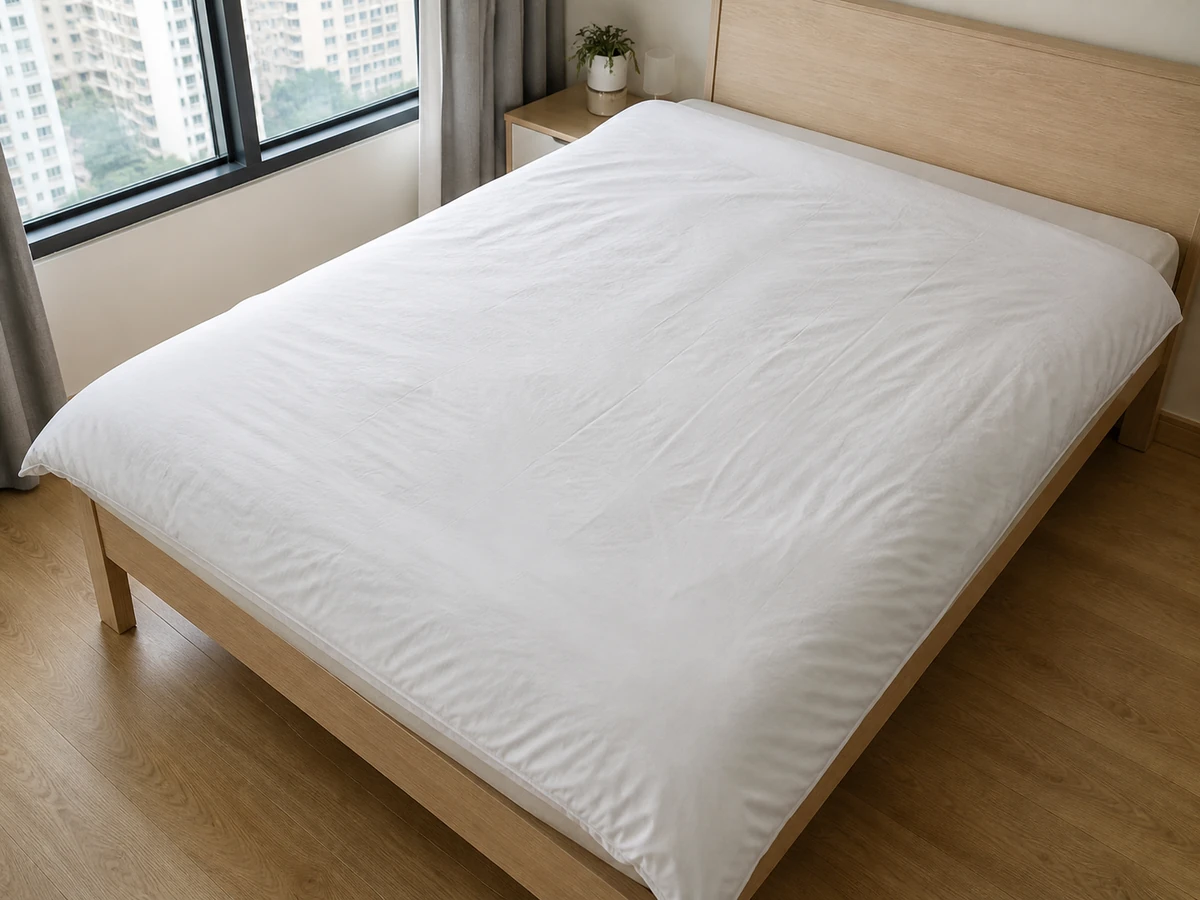
Six steps to align corners, secure and smooth the insert
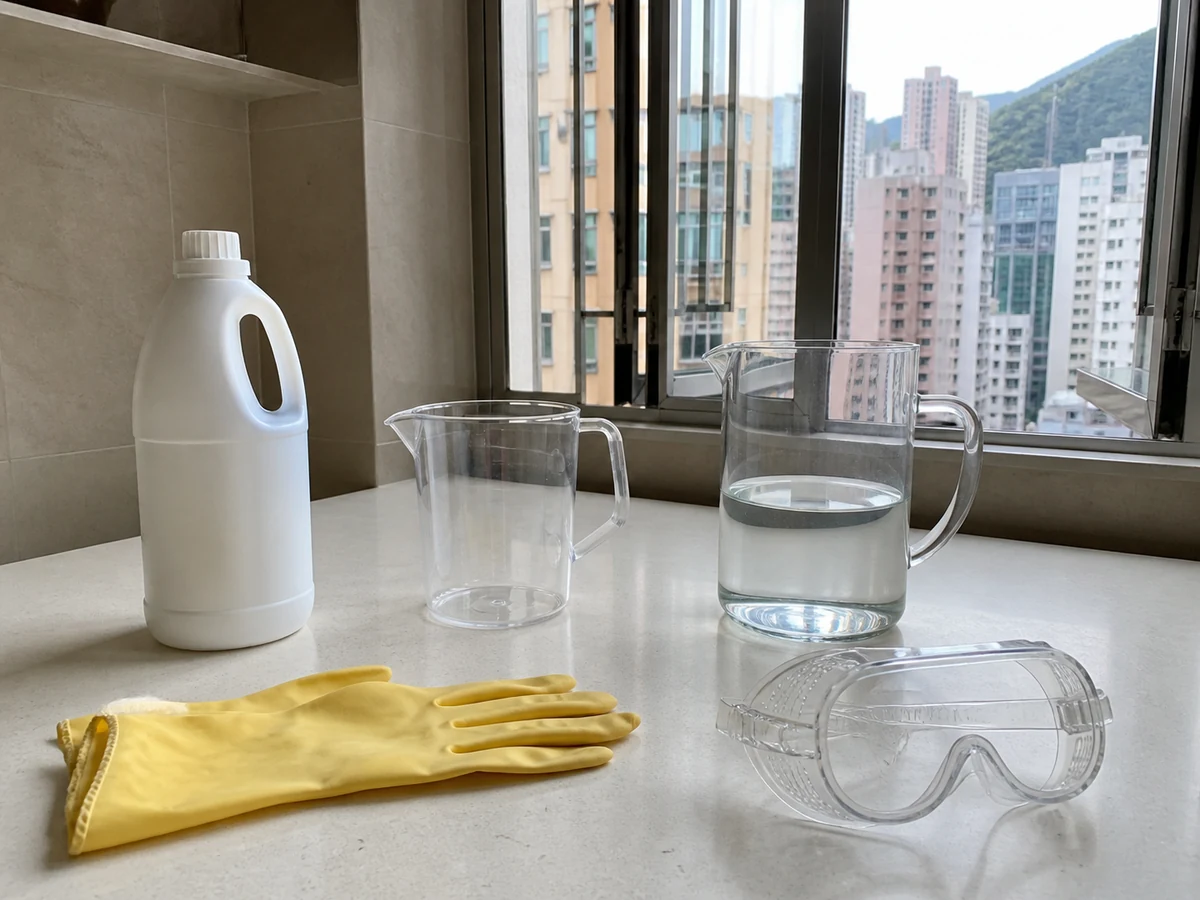
Eight steps to read, measure, use alone and finish safely
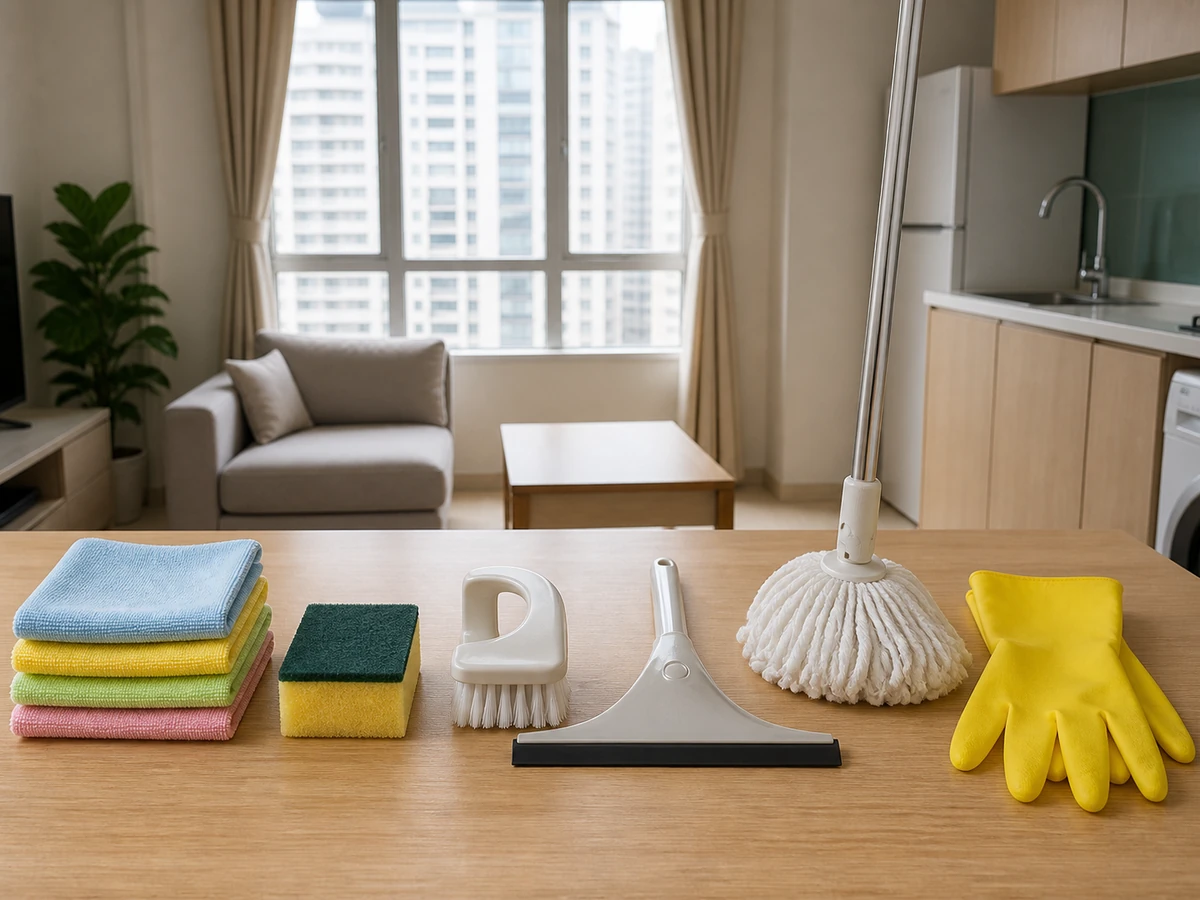
Five steps to identify, match, separate and maintain tools
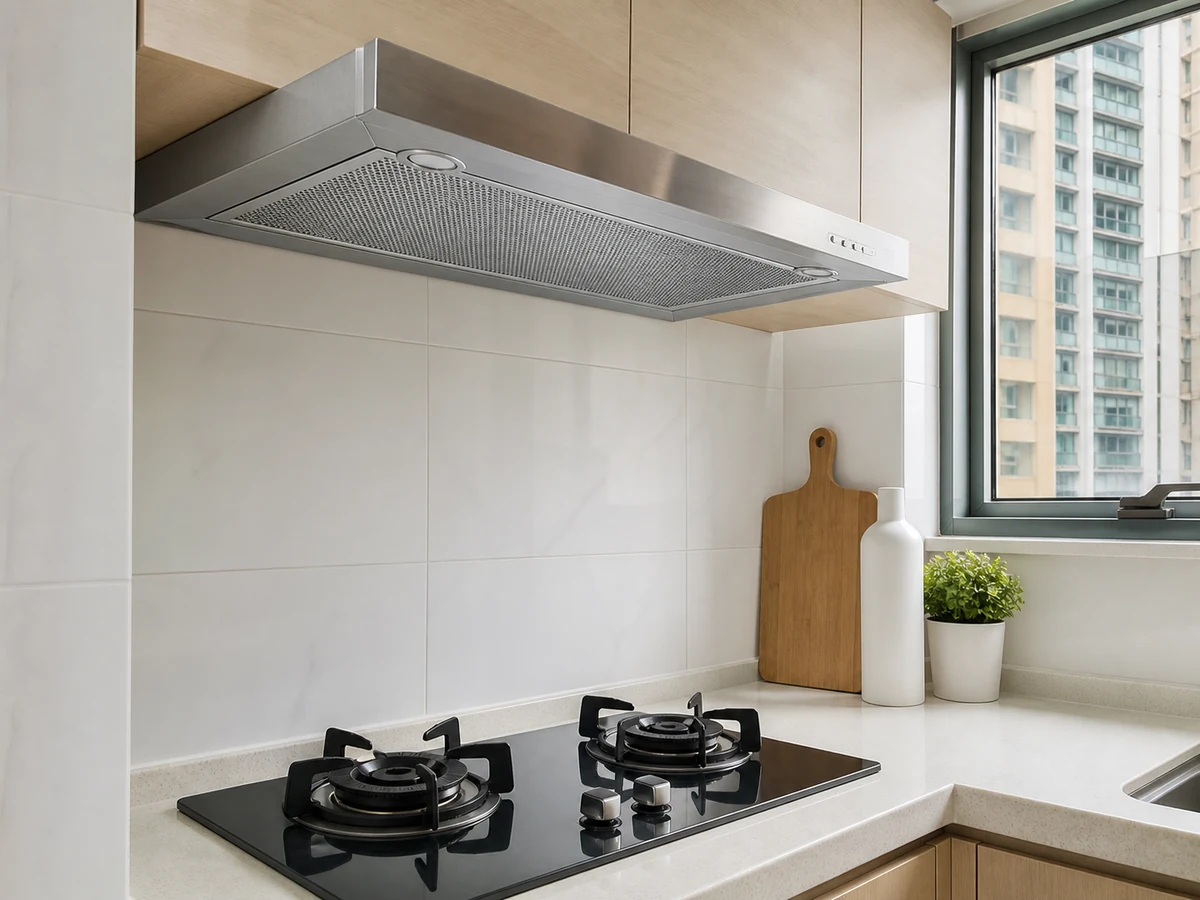
Remove exterior grease and clean only a model-approved washable filter
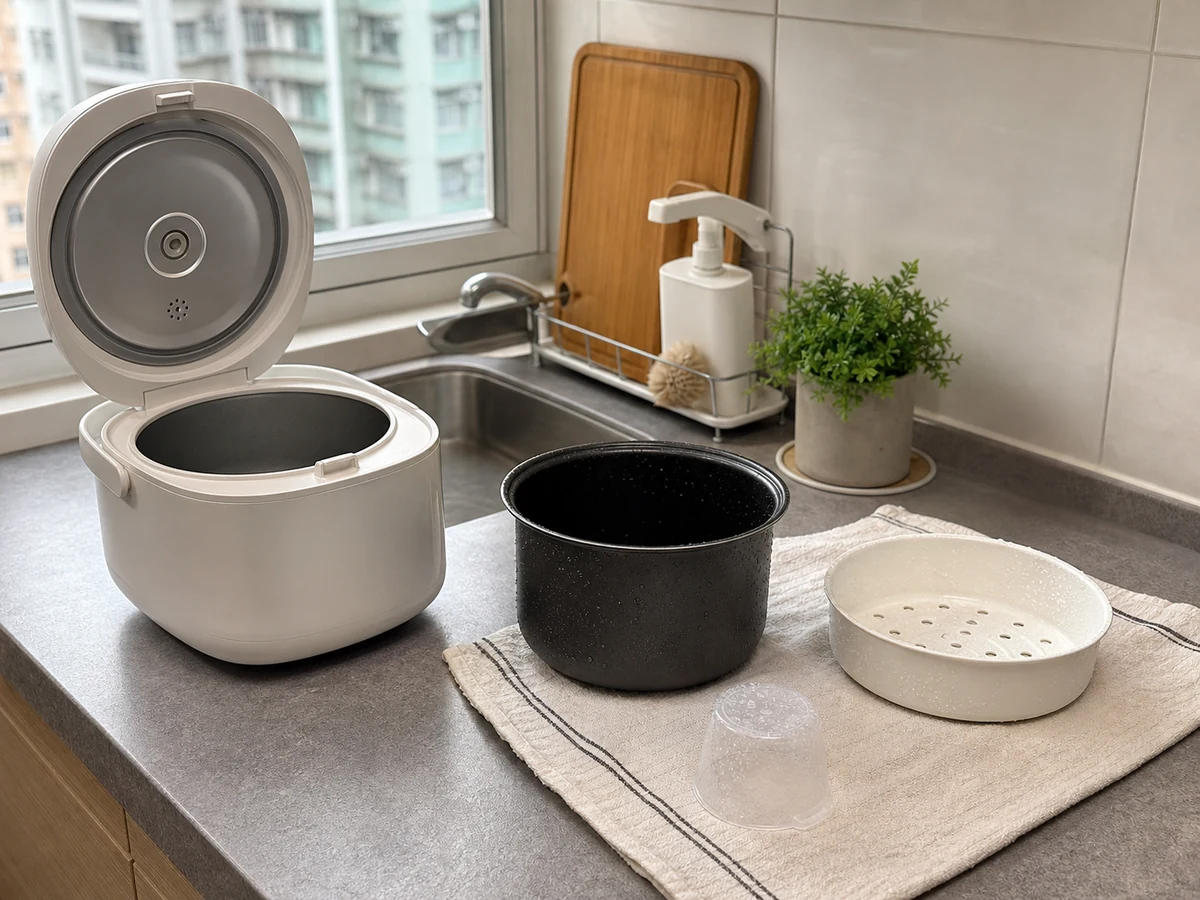
Wash approved removable parts after cooling and keep the body and sensors dry
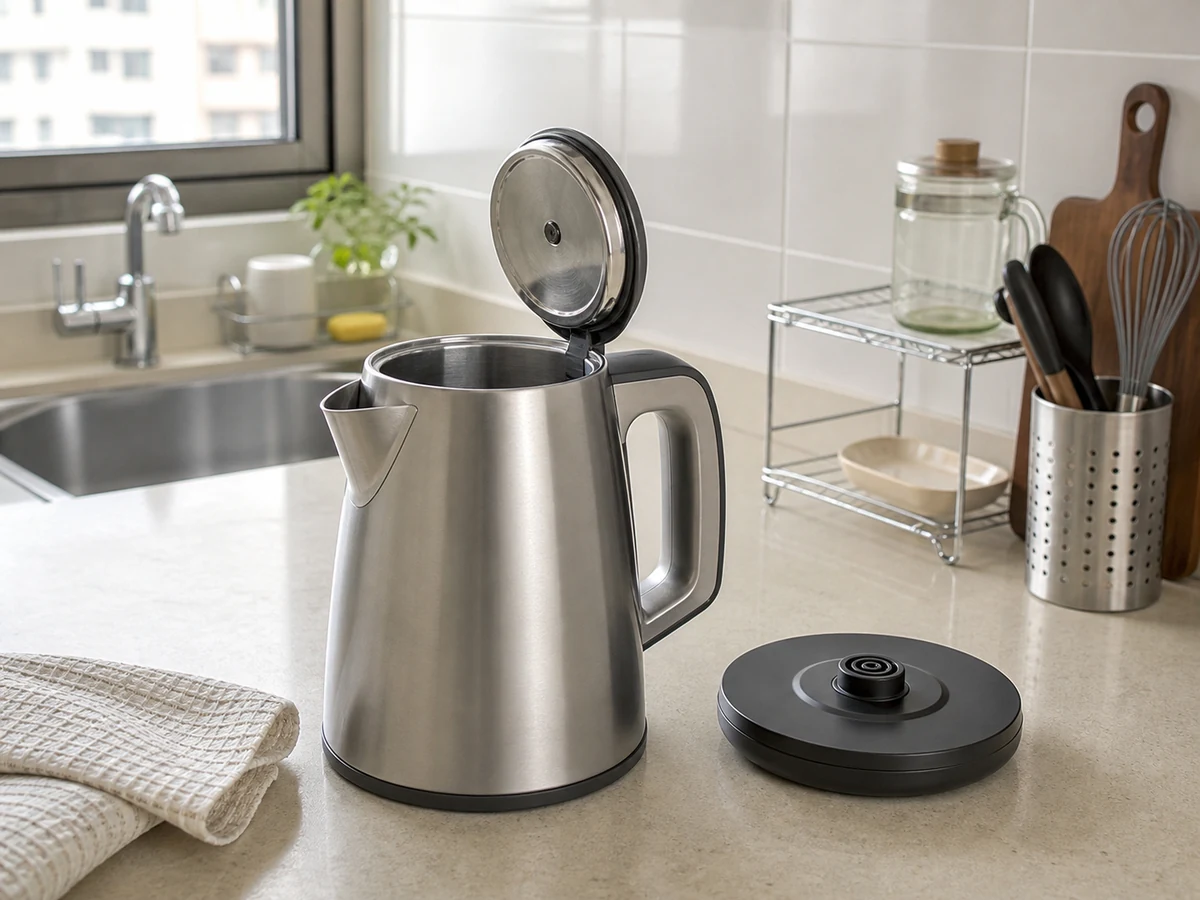
Follow the model method and keep strict control of heat, power, and water
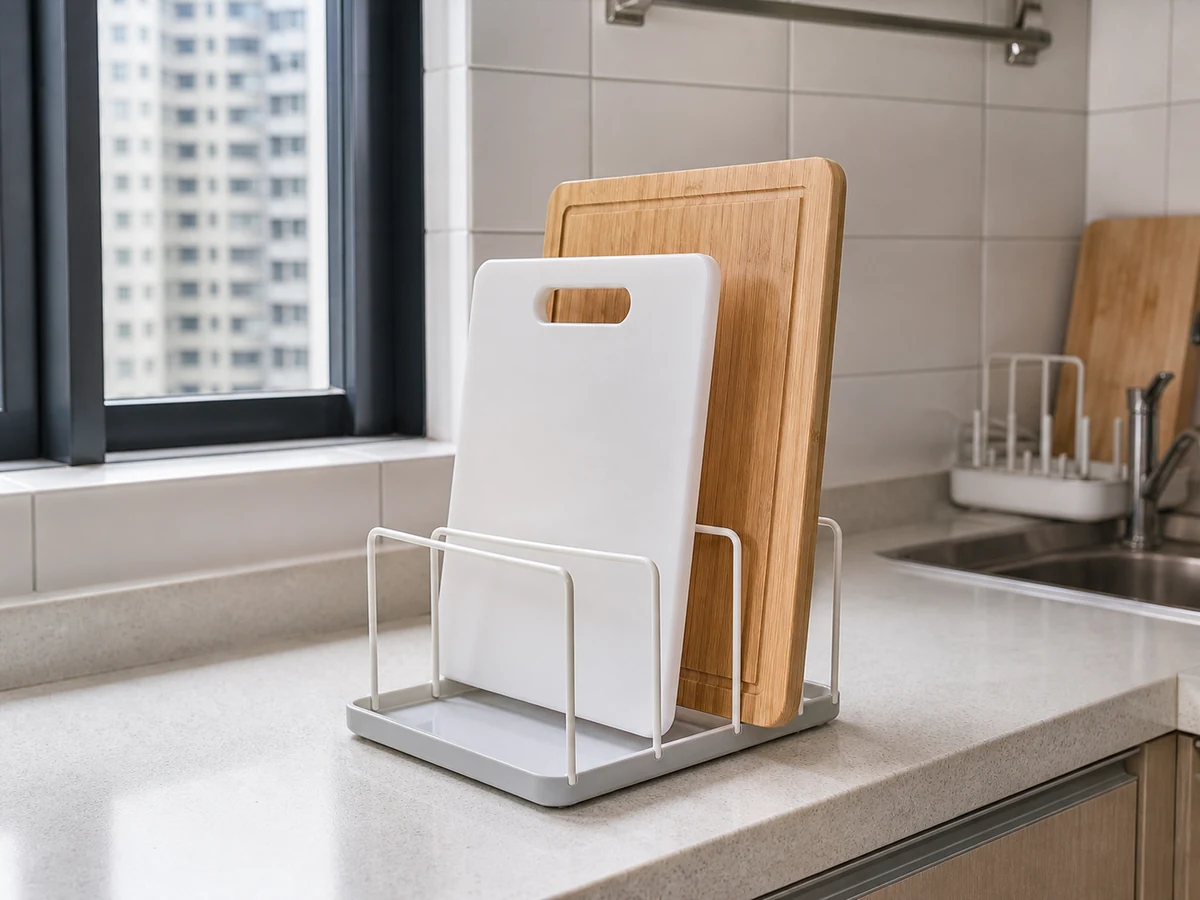
Remove food residue, separate raw and ready-to-eat use, and dry fully
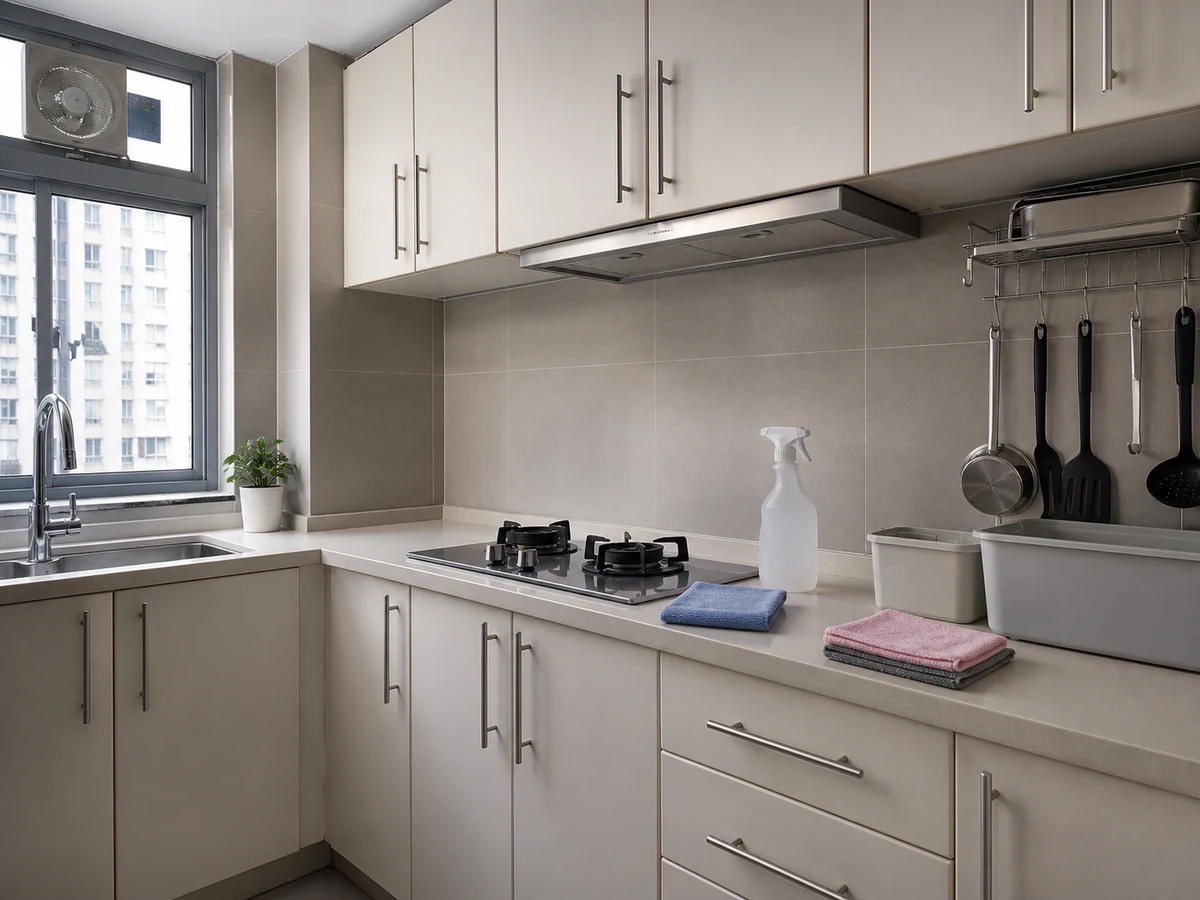
Clean by material without soaking edges, seams, or hinges
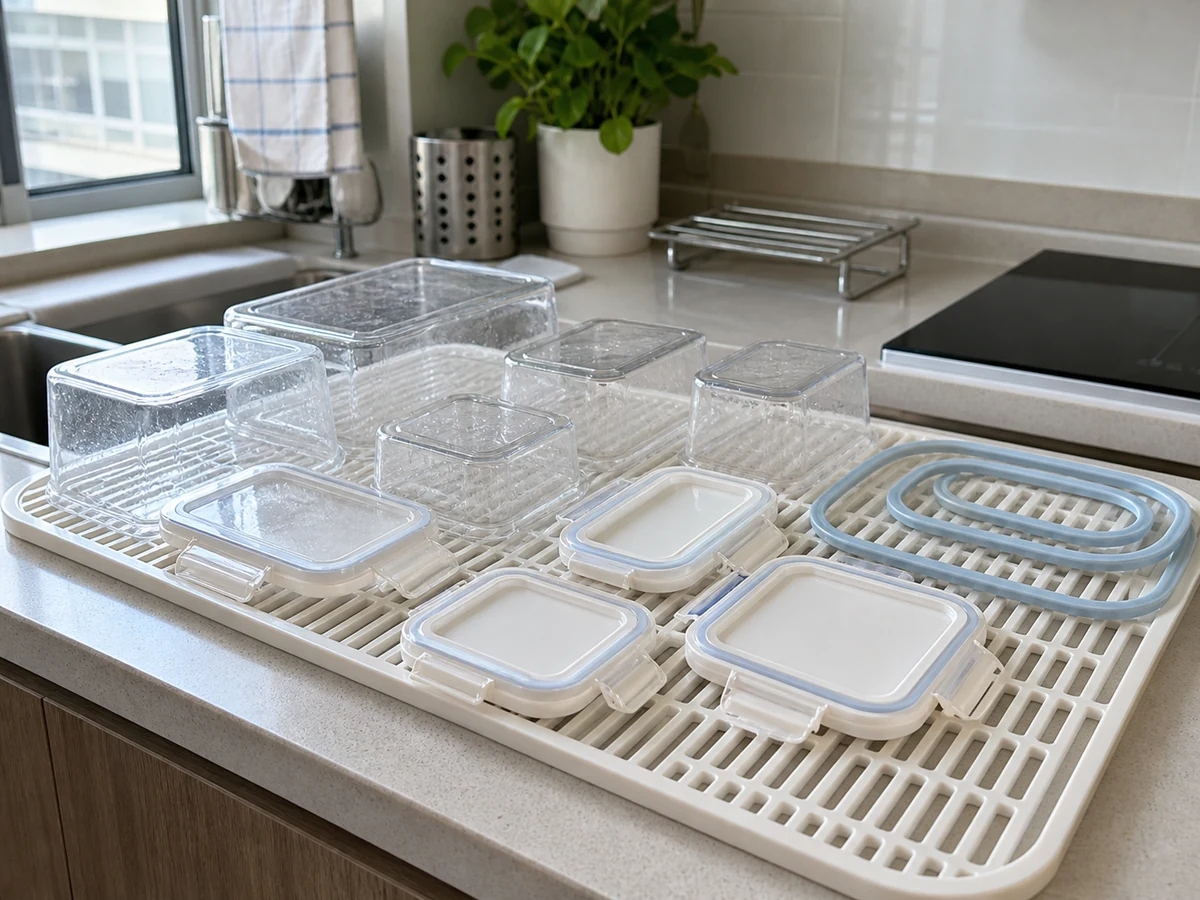
Remove grease, wash approved removable parts, and dry fully before closing
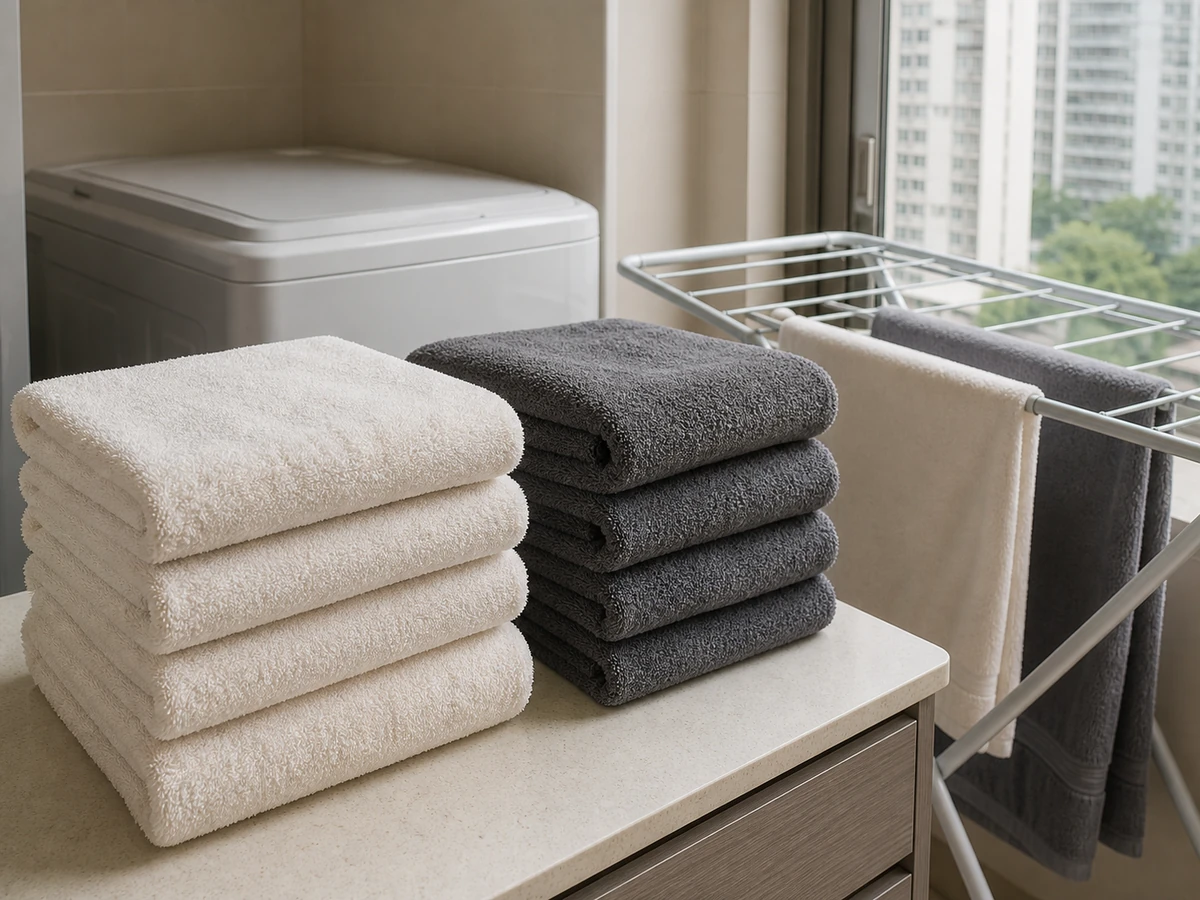
Sort, load loosely, follow the label and dry fully before storage
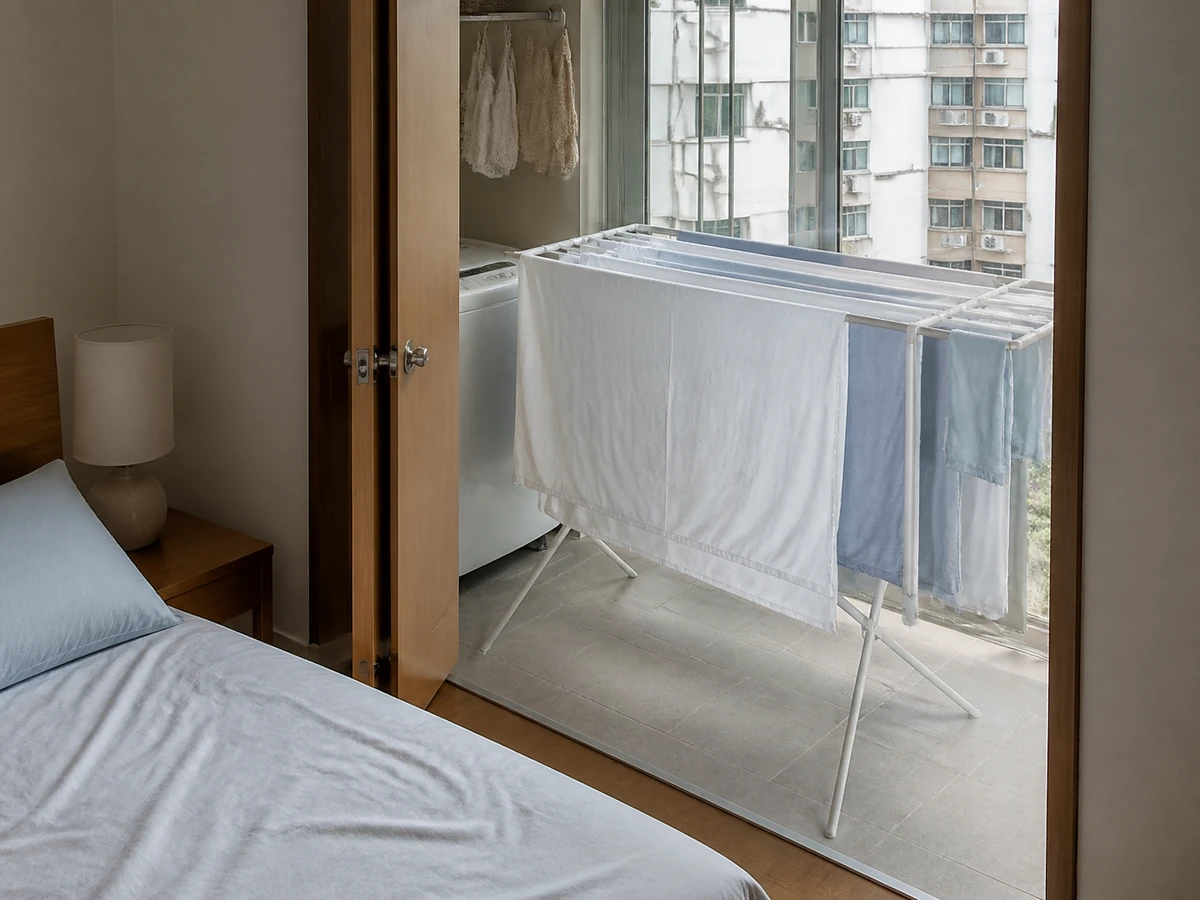
Read labels, separate pieces, load loosely and dry every fold
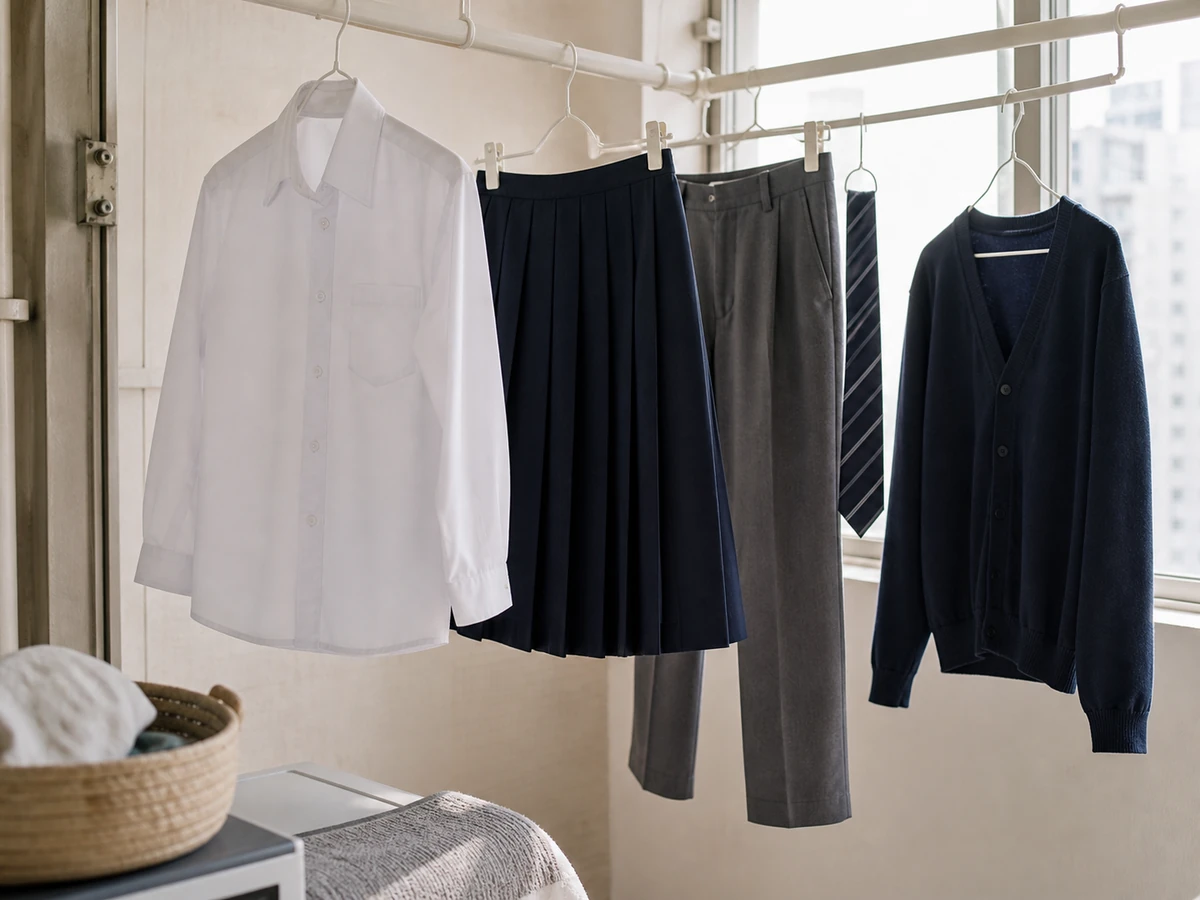
Check every label and school instruction before sorting, gentle washing and shape-safe drying
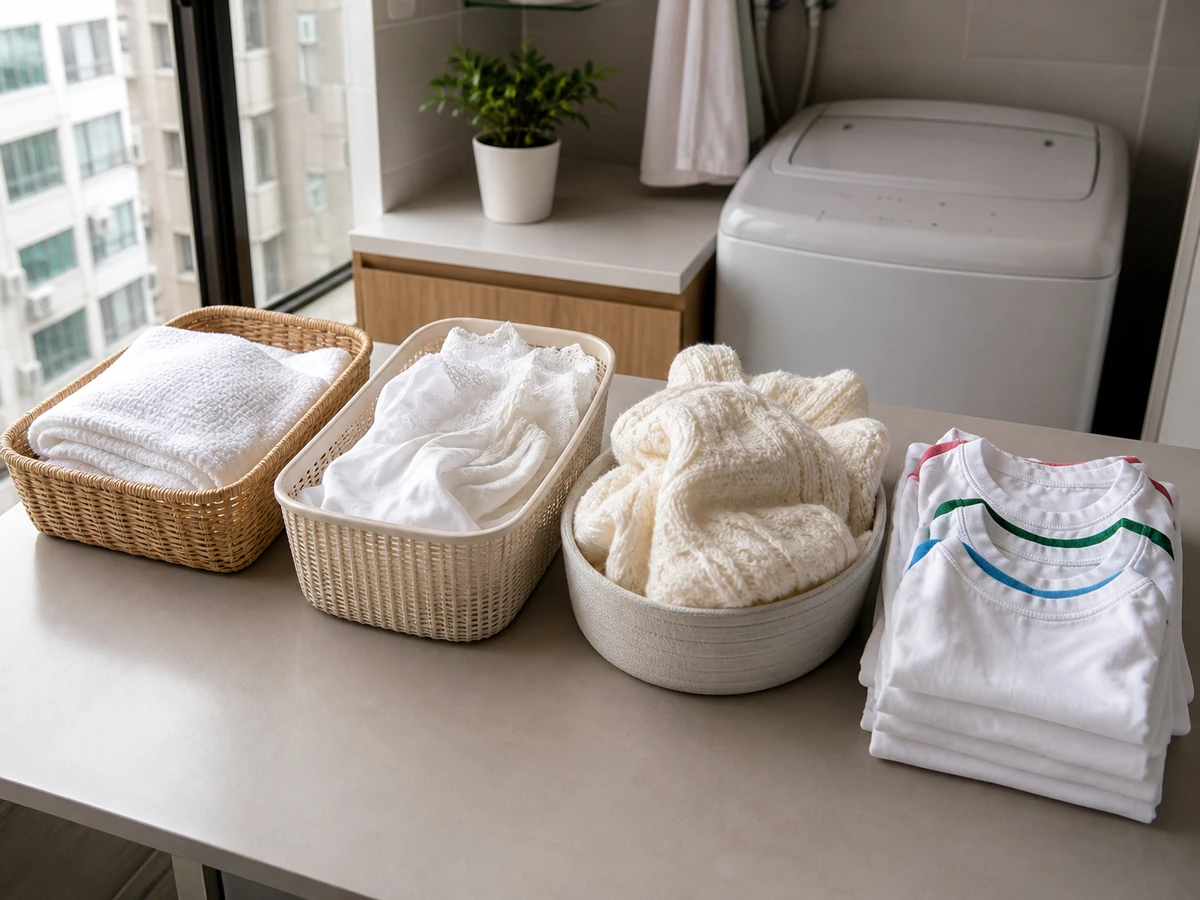
White does not automatically mean hot water or bleach; garment and product labels both control
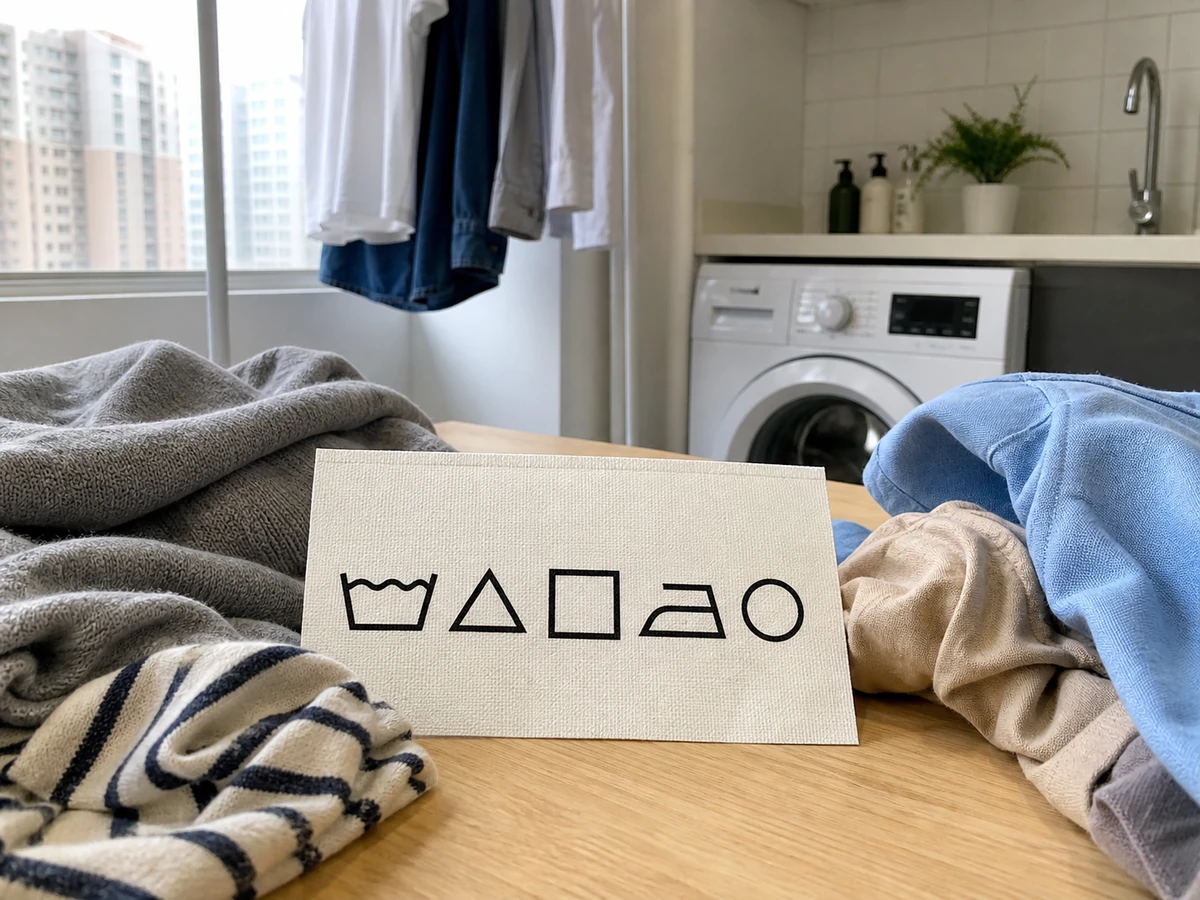
Read the five groups: washing, bleaching, drying, ironing and professional care
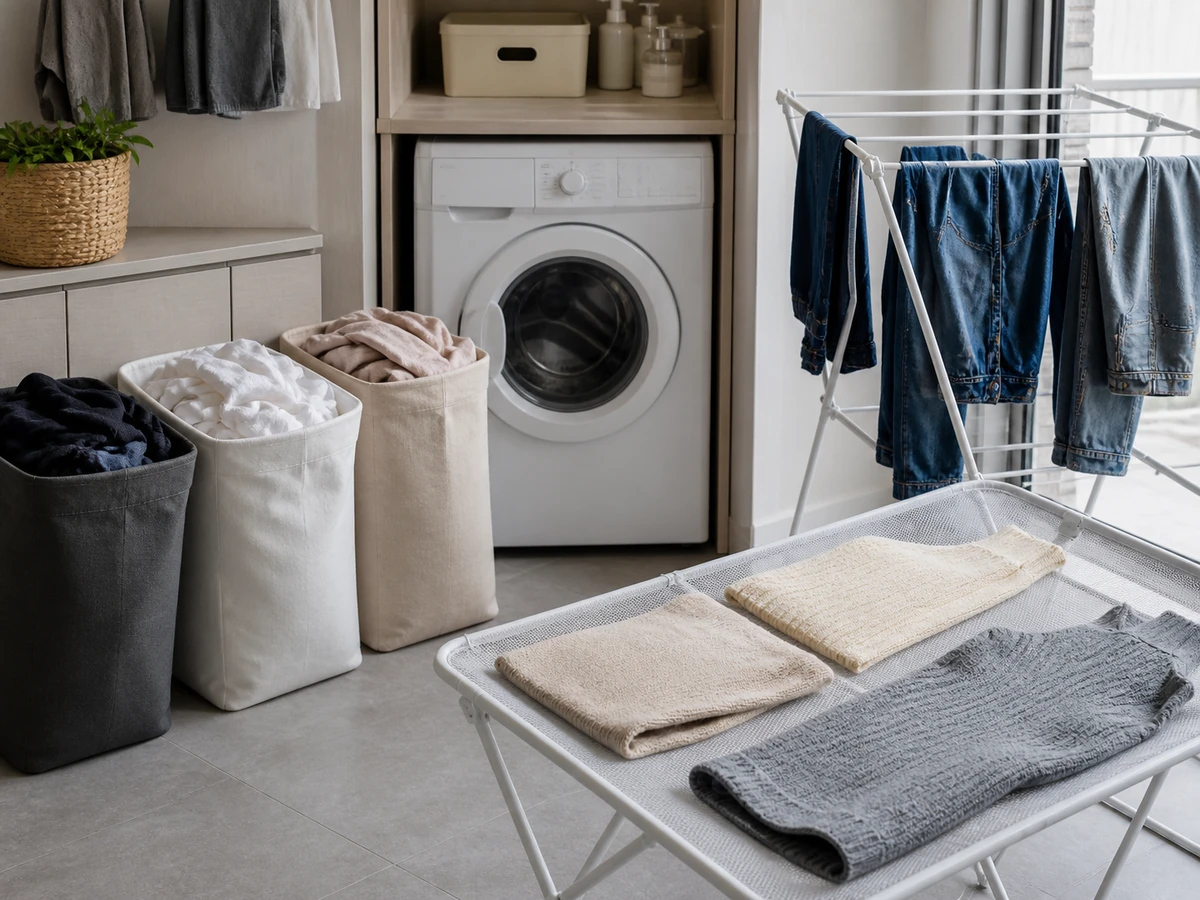
Put the care label first, sort colours, reduce friction and heat, and dry as directed
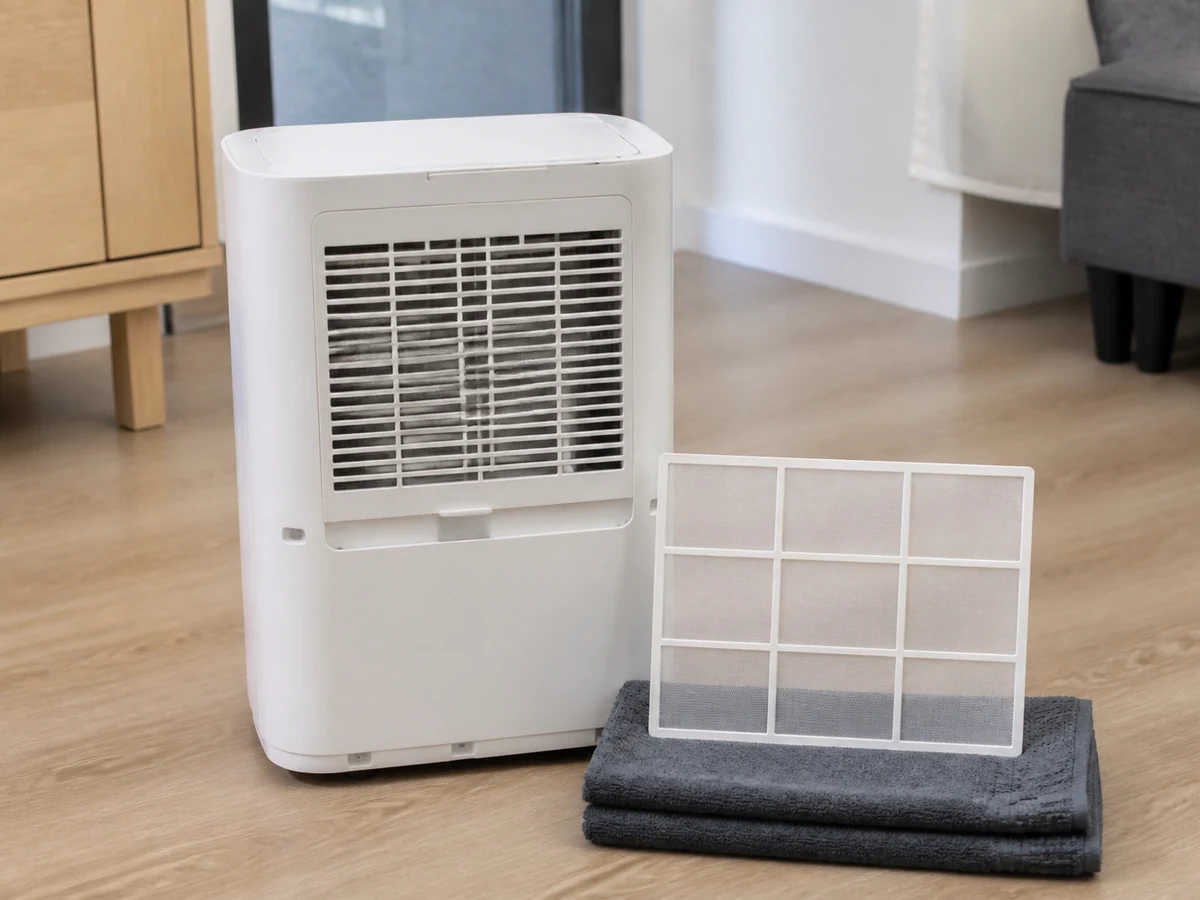
Clean only the resident-serviceable filter identified by the model manual
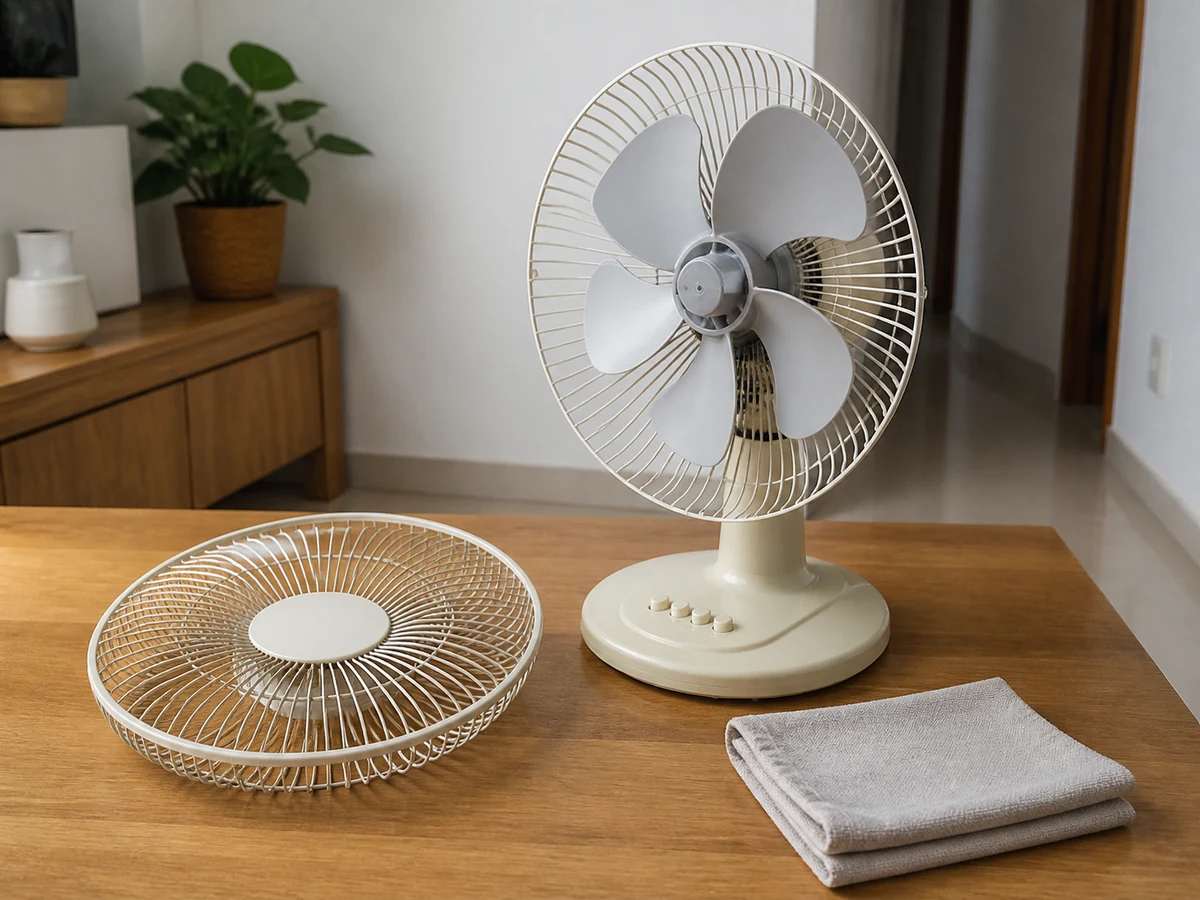
With power disconnected, clean only the exterior and manual-approved removable guard or blade
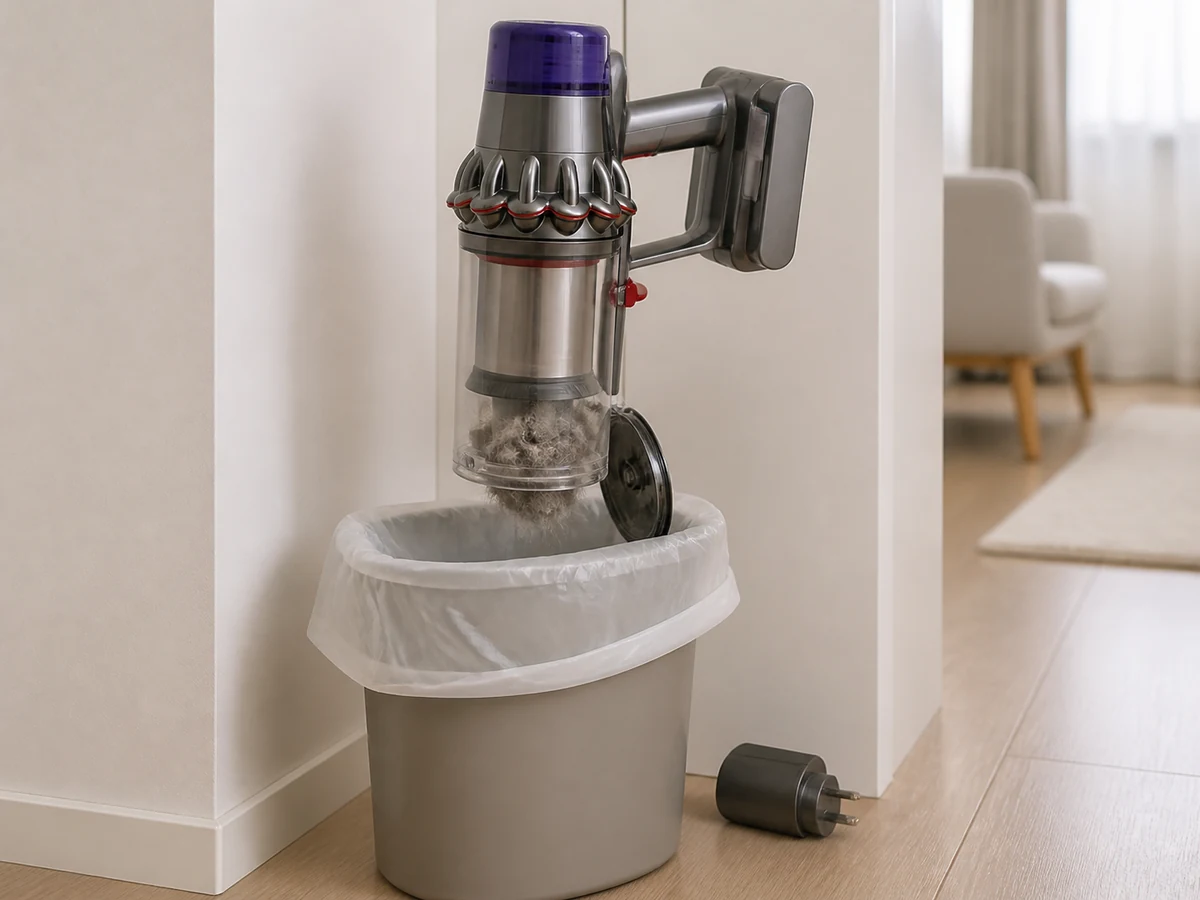
Identify washable and non-washable parts before following model instructions
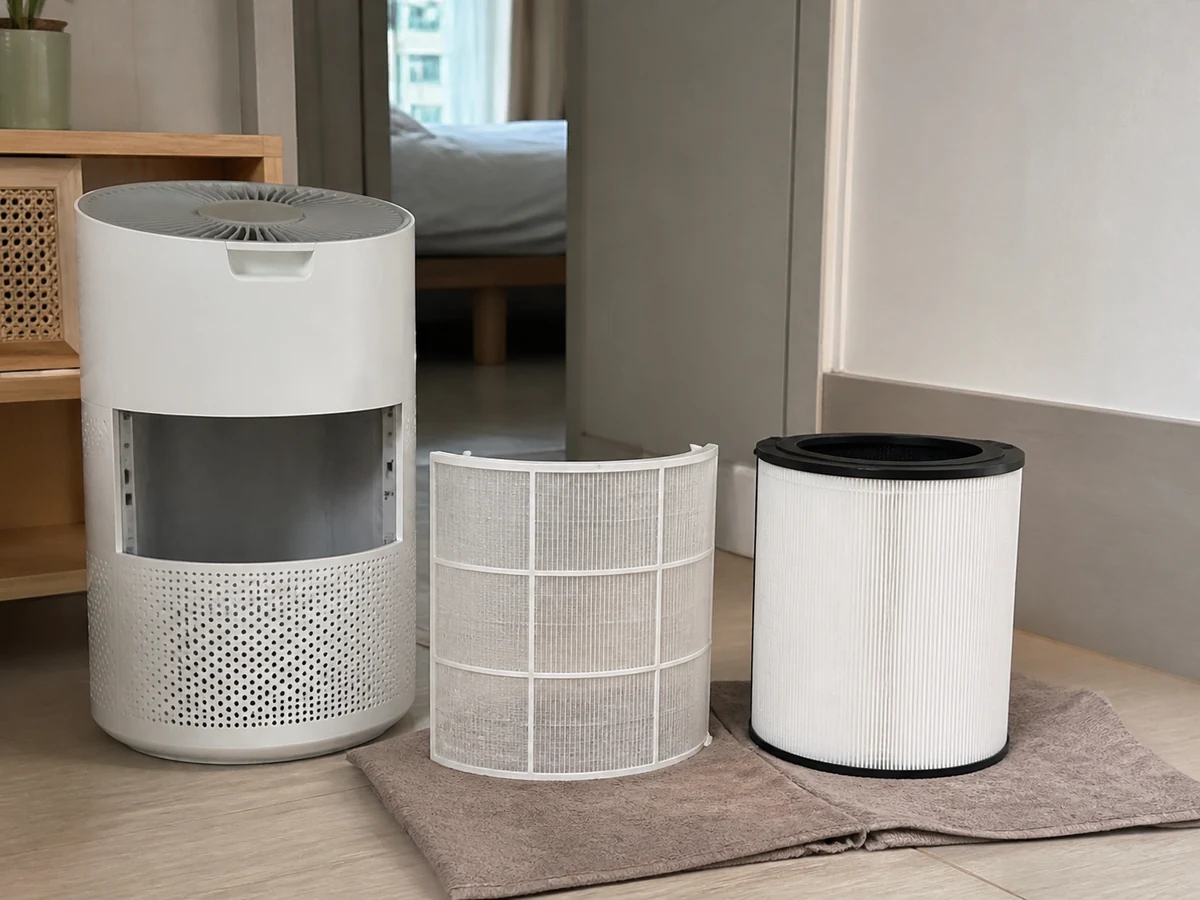
Separate pre-filter from main filters; never wash without model permission
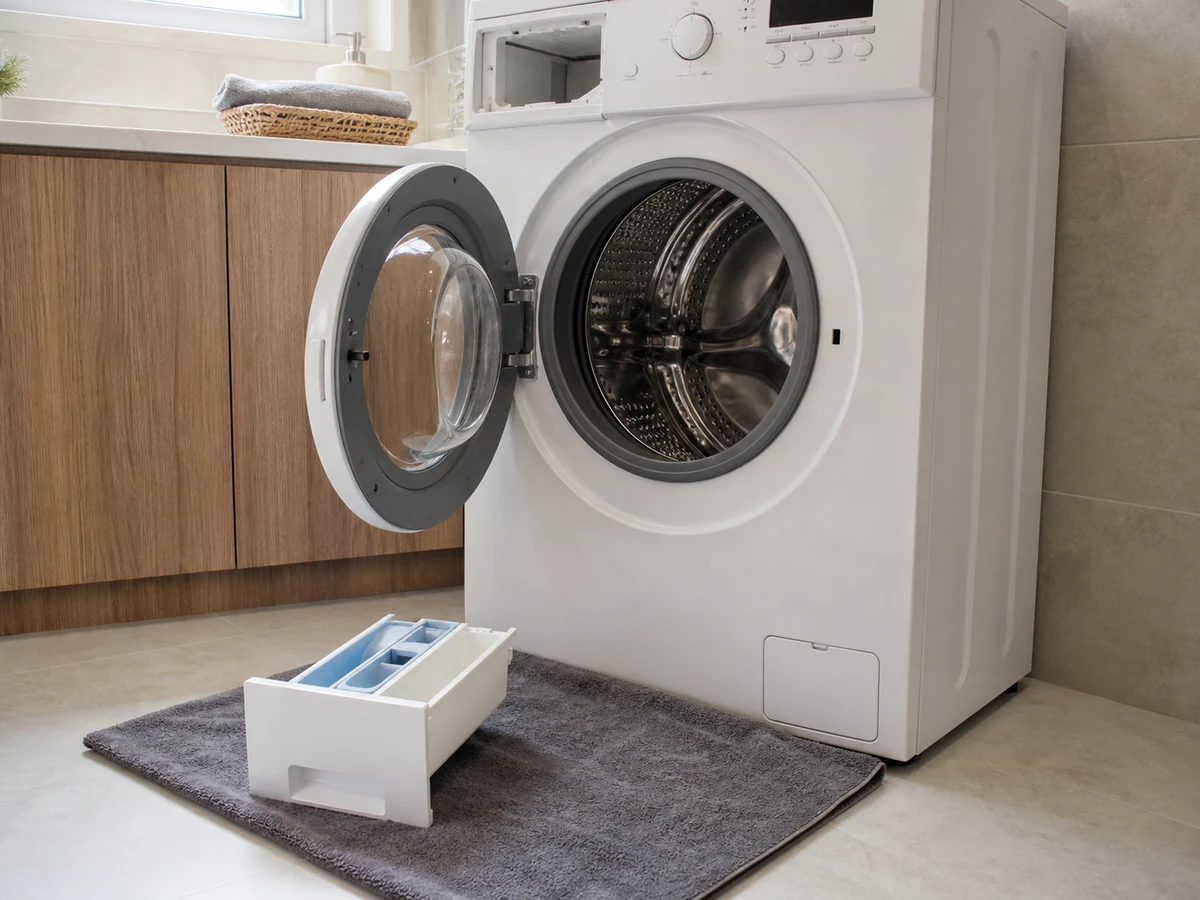
Follow front-load or top-load model instructions for the dispenser and visible seal only
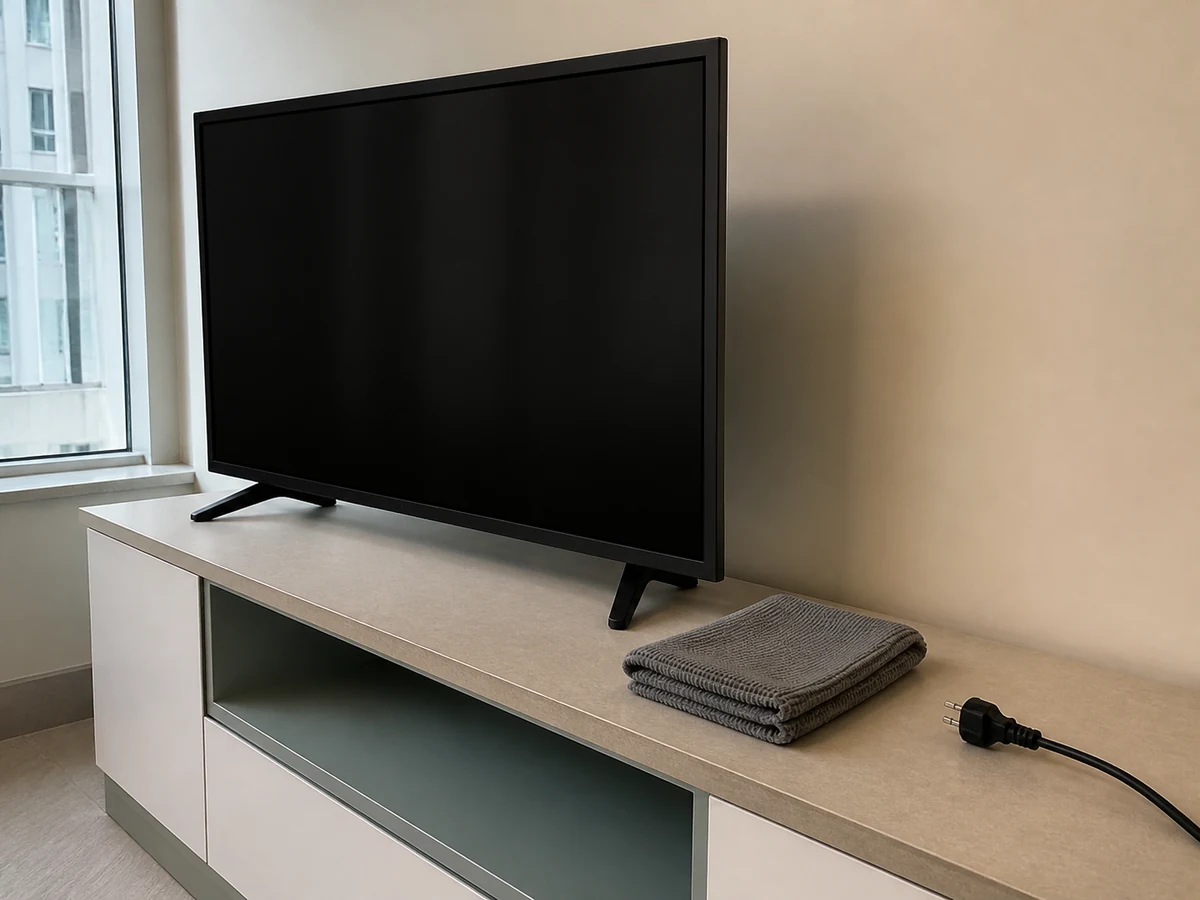
After switching off and unplugging, use a clean soft dry cloth with no liquid entering the television
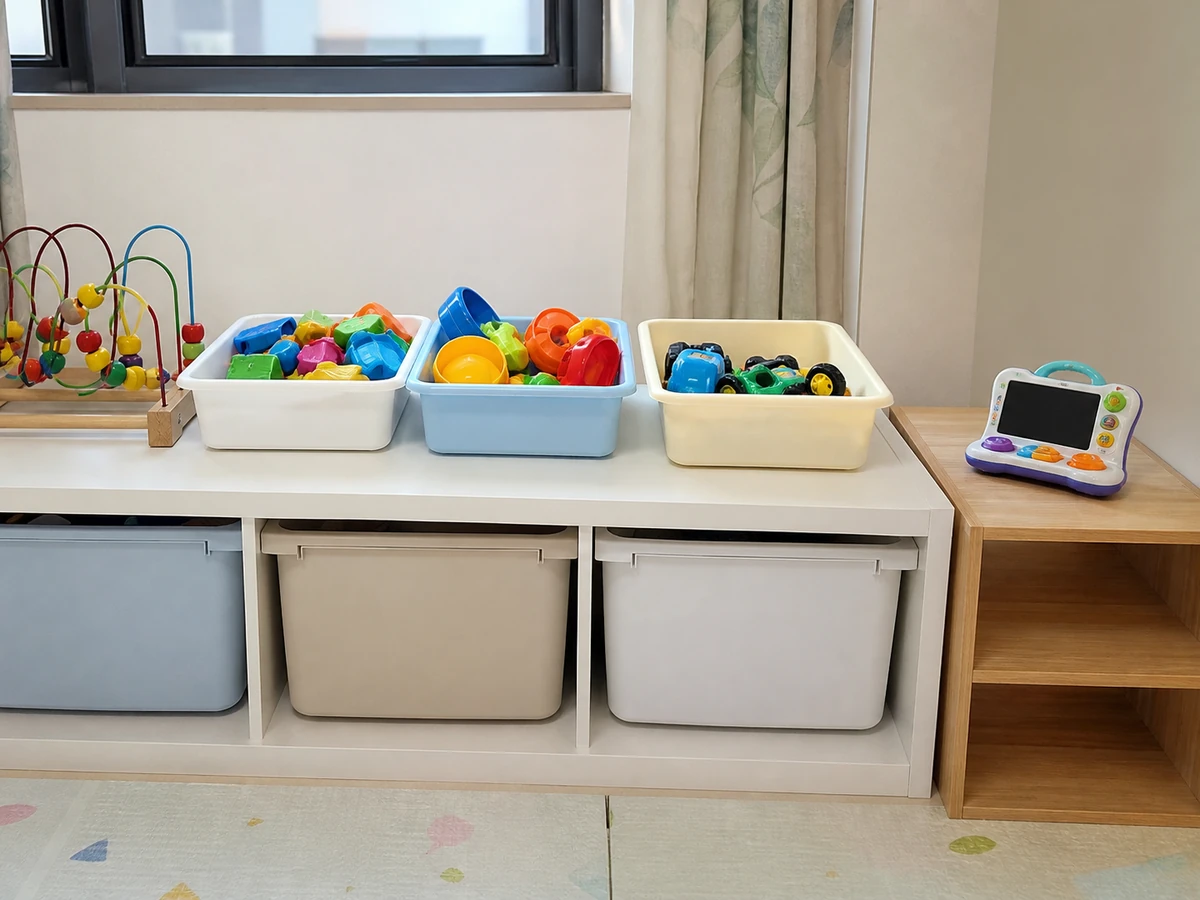
Sort by material and use, then clean by the maker’s method and dry fully
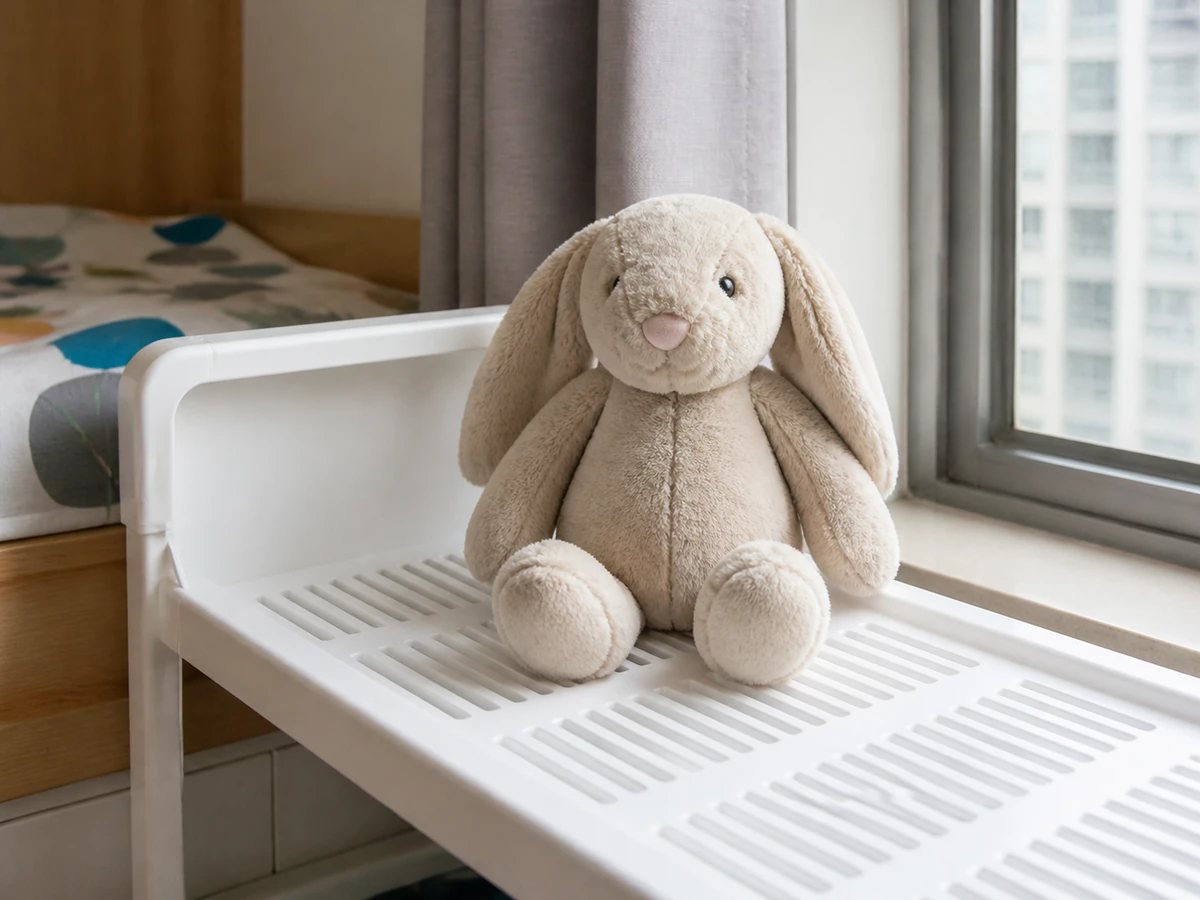
Read the label and construction before surface cleaning or an approved wash
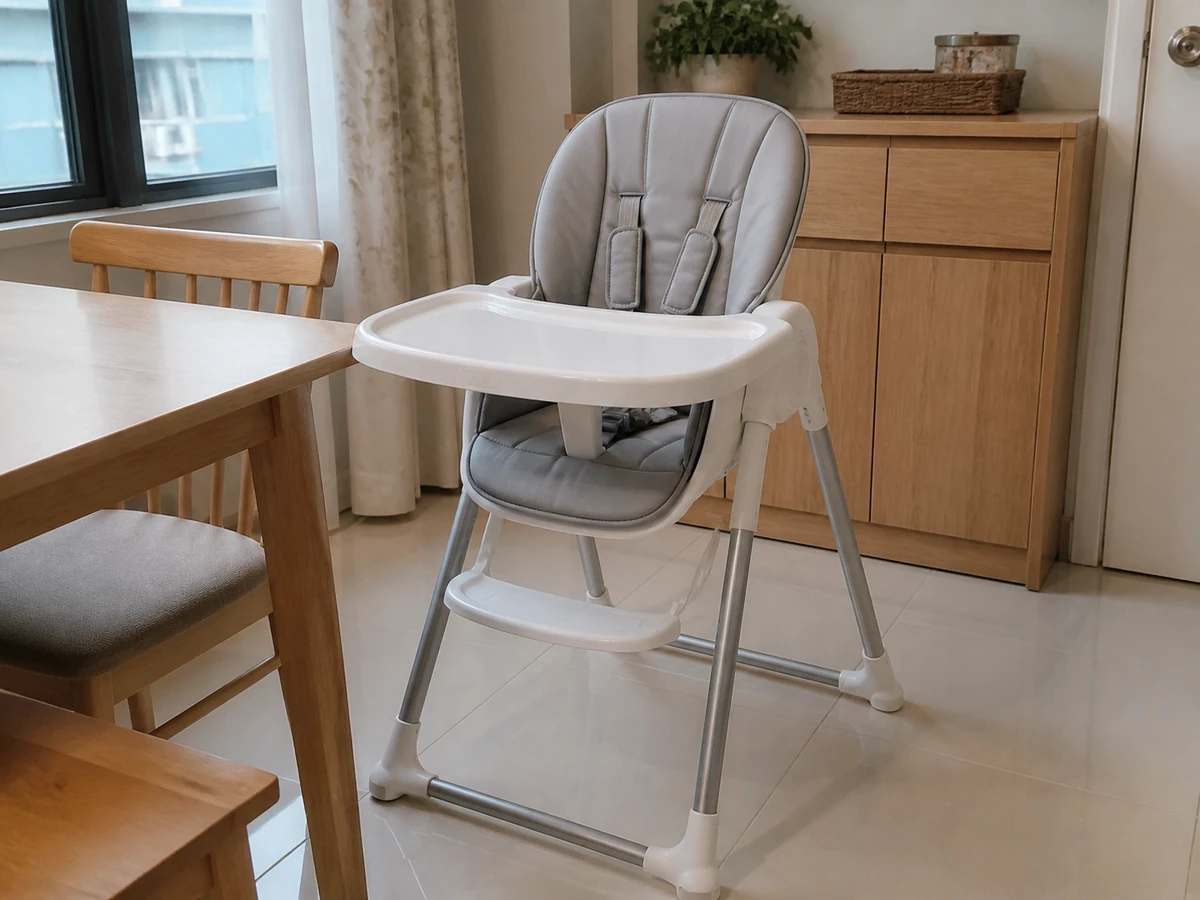
Remove approved parts, then clean before sanitizing food-contact surfaces
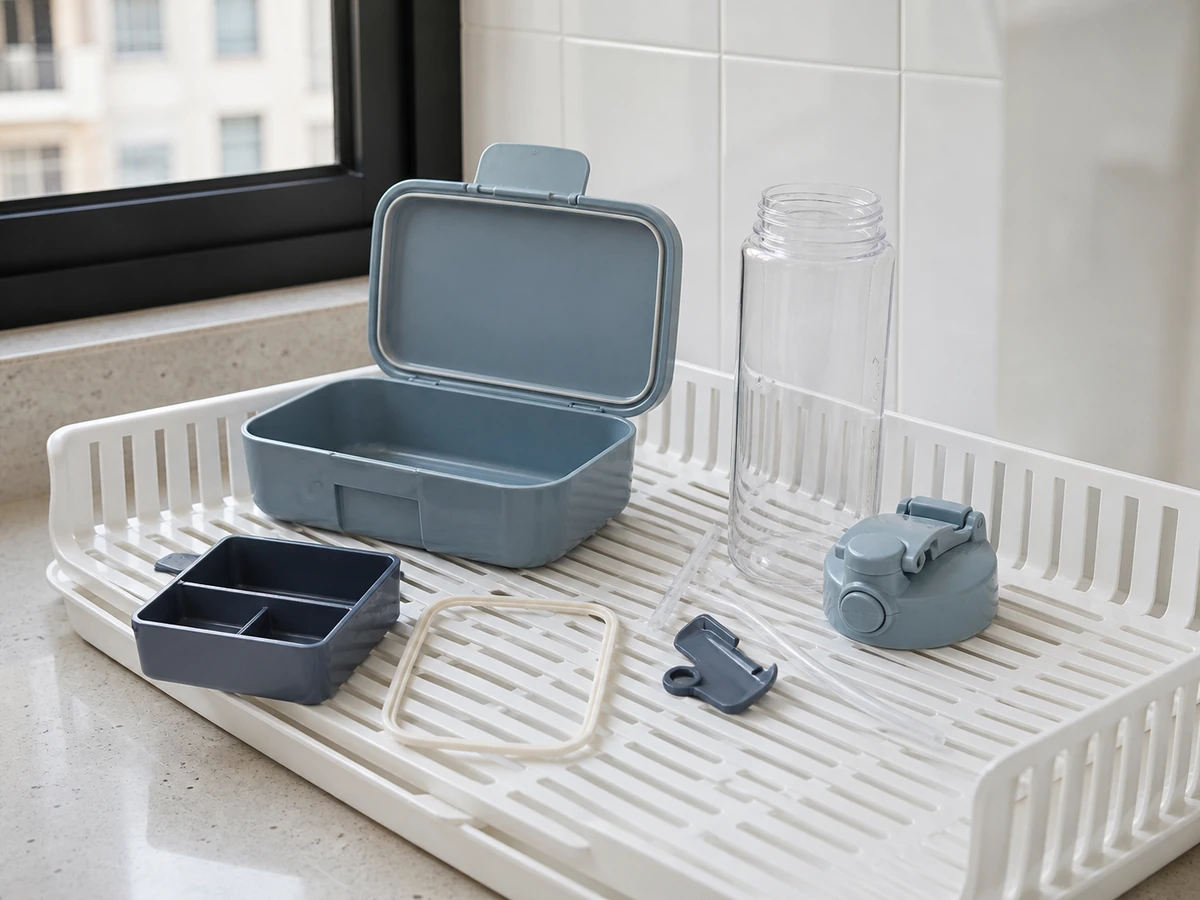
Empty promptly, disassemble as directed, wash, rinse and dry fully
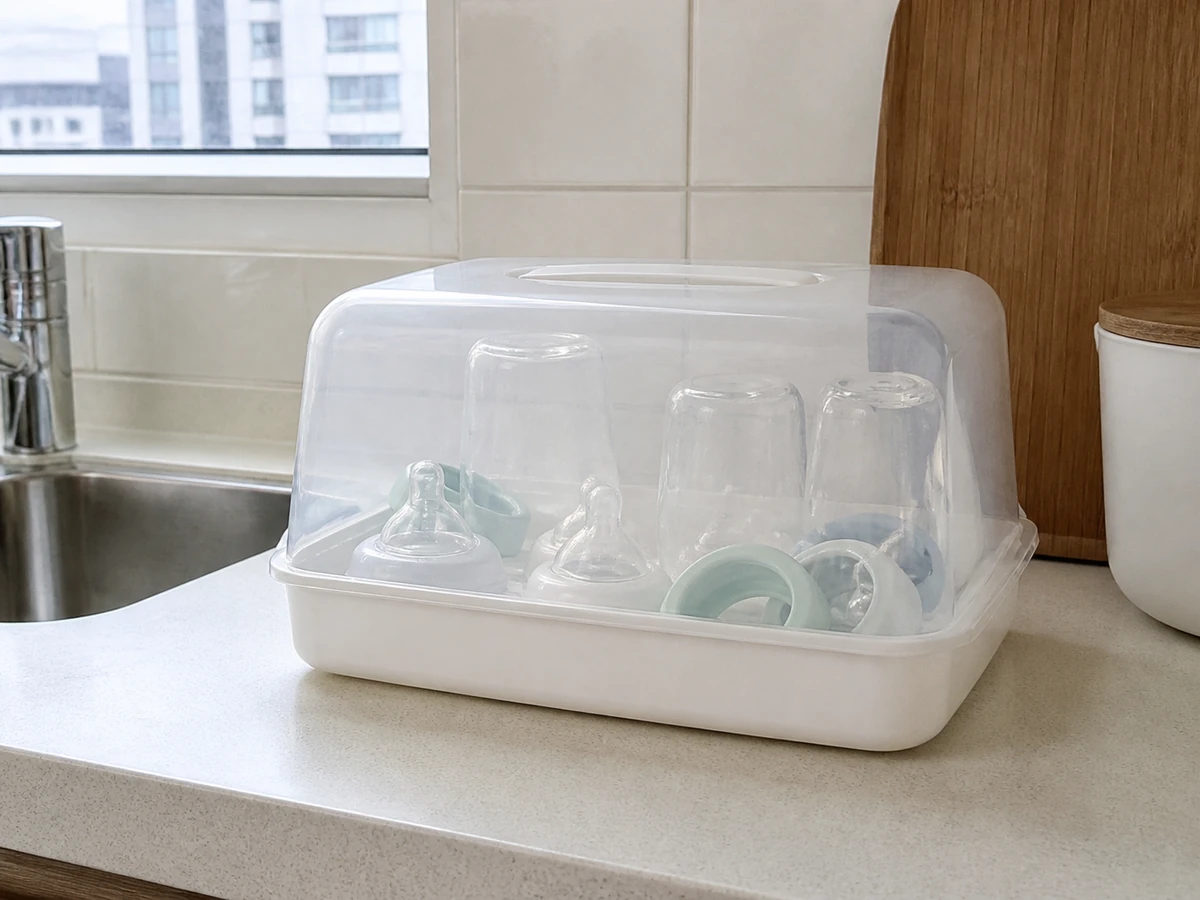
Wash and rinse thoroughly first, then sterilise by verified guidance
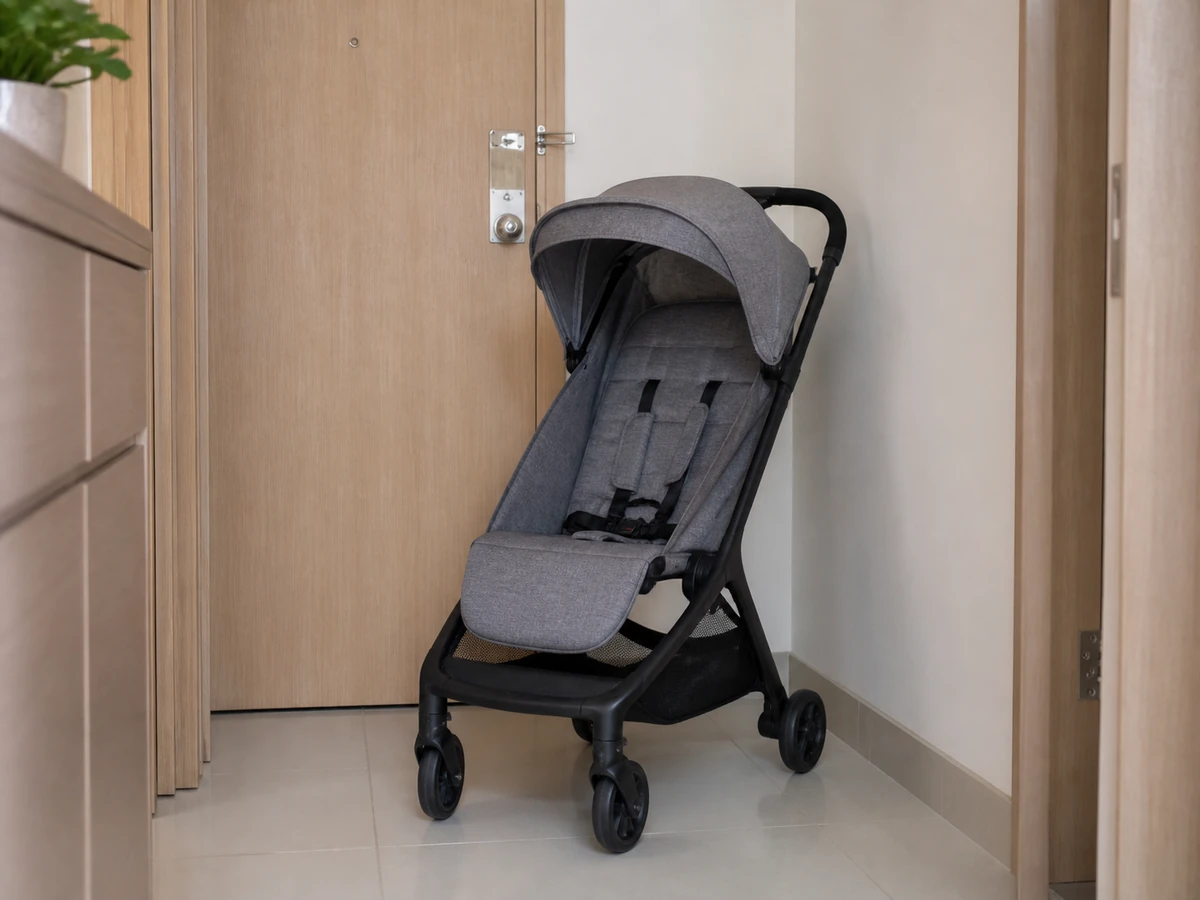
Treat fabric, frame, wheels and removable parts separately as directed
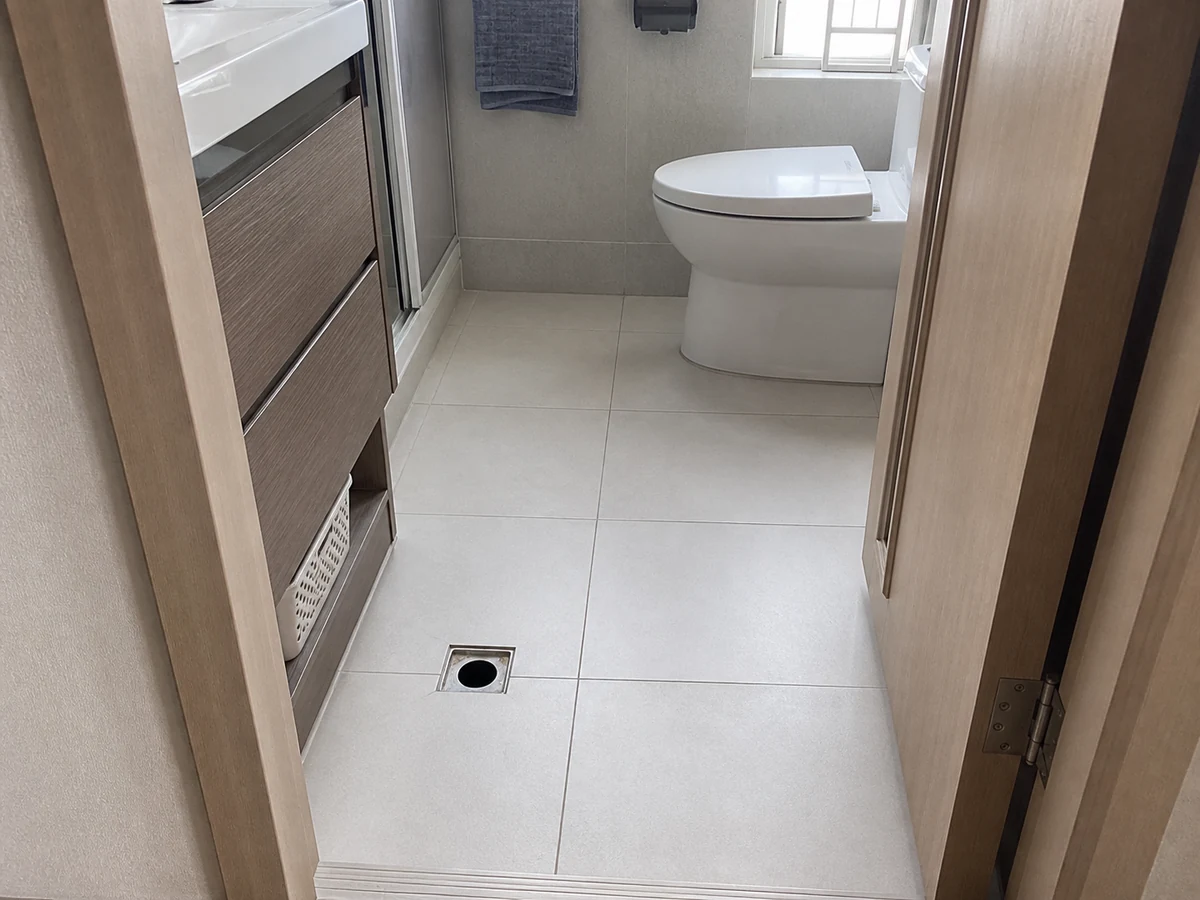
Close the route, remove water and residue, then reopen only when fully dry
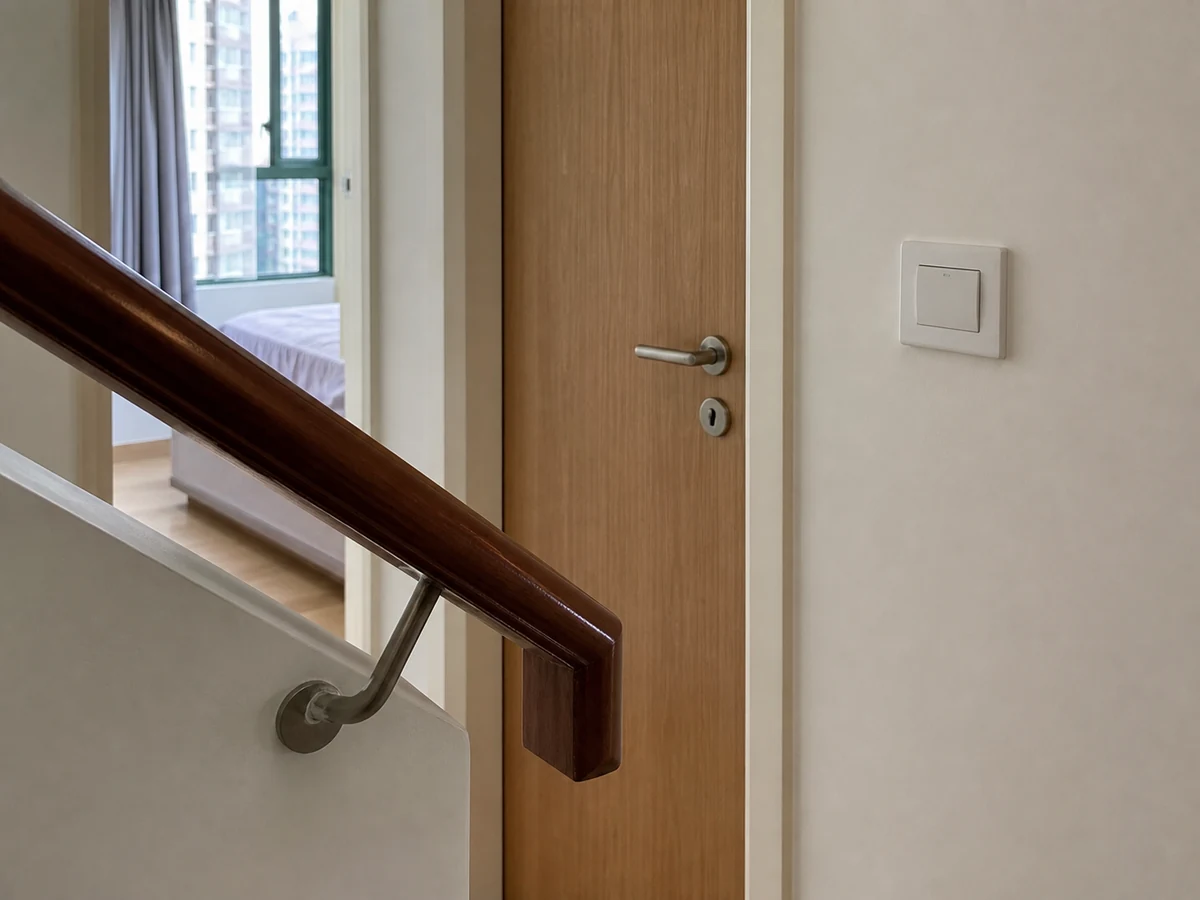
Confirm the material, work from cleaner to dirtier areas and leave every support fully dry
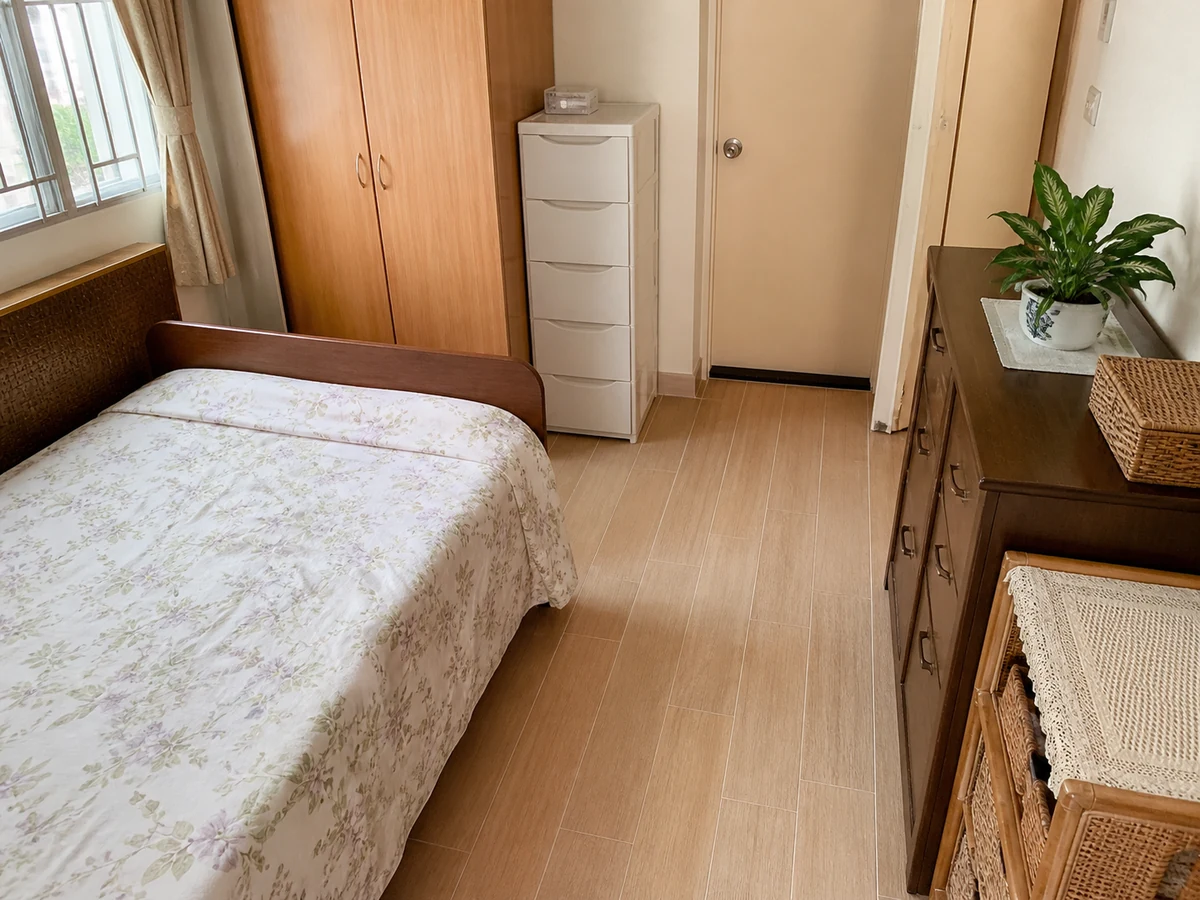
Keep a familiar layout, remove floor obstacles and place daily items within easy reach
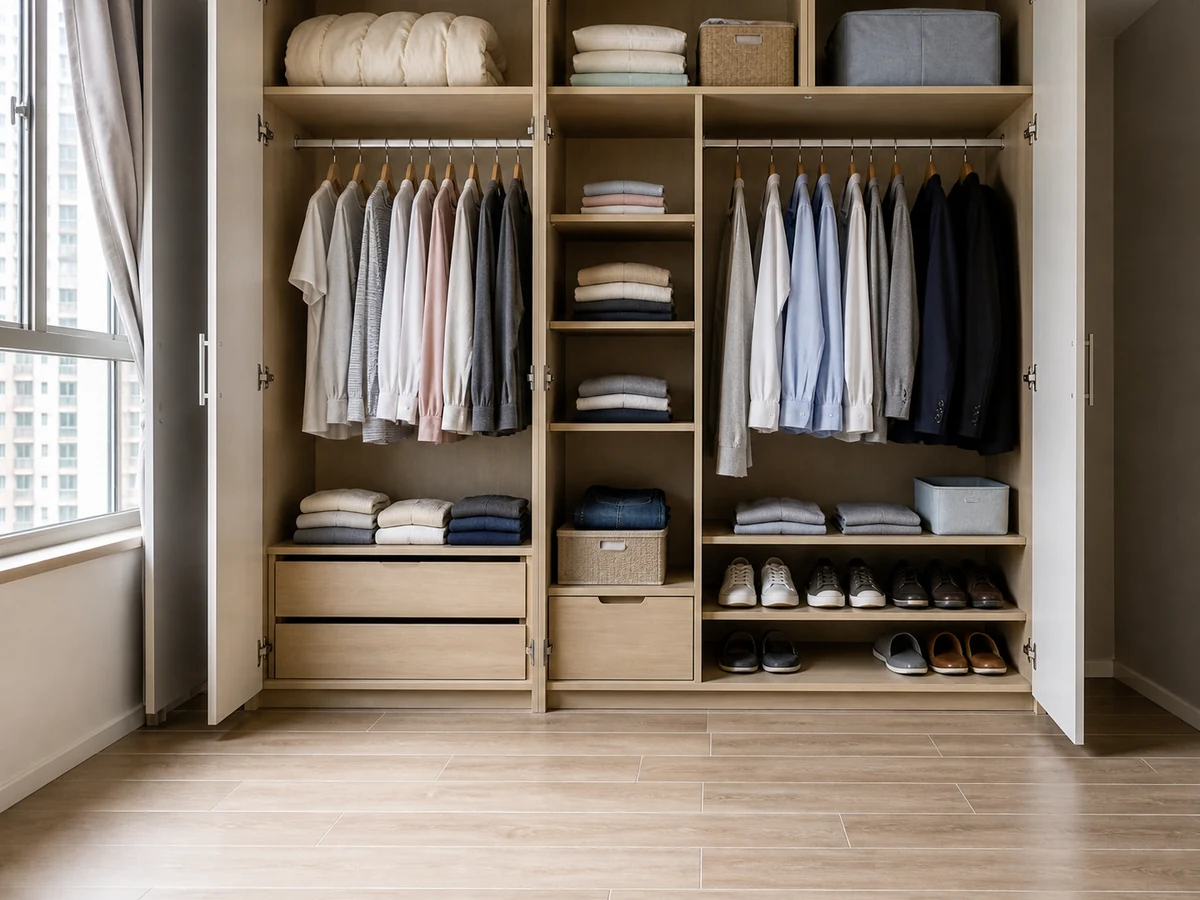
Clear one small zone, sort by use and avoid crowding or overloading
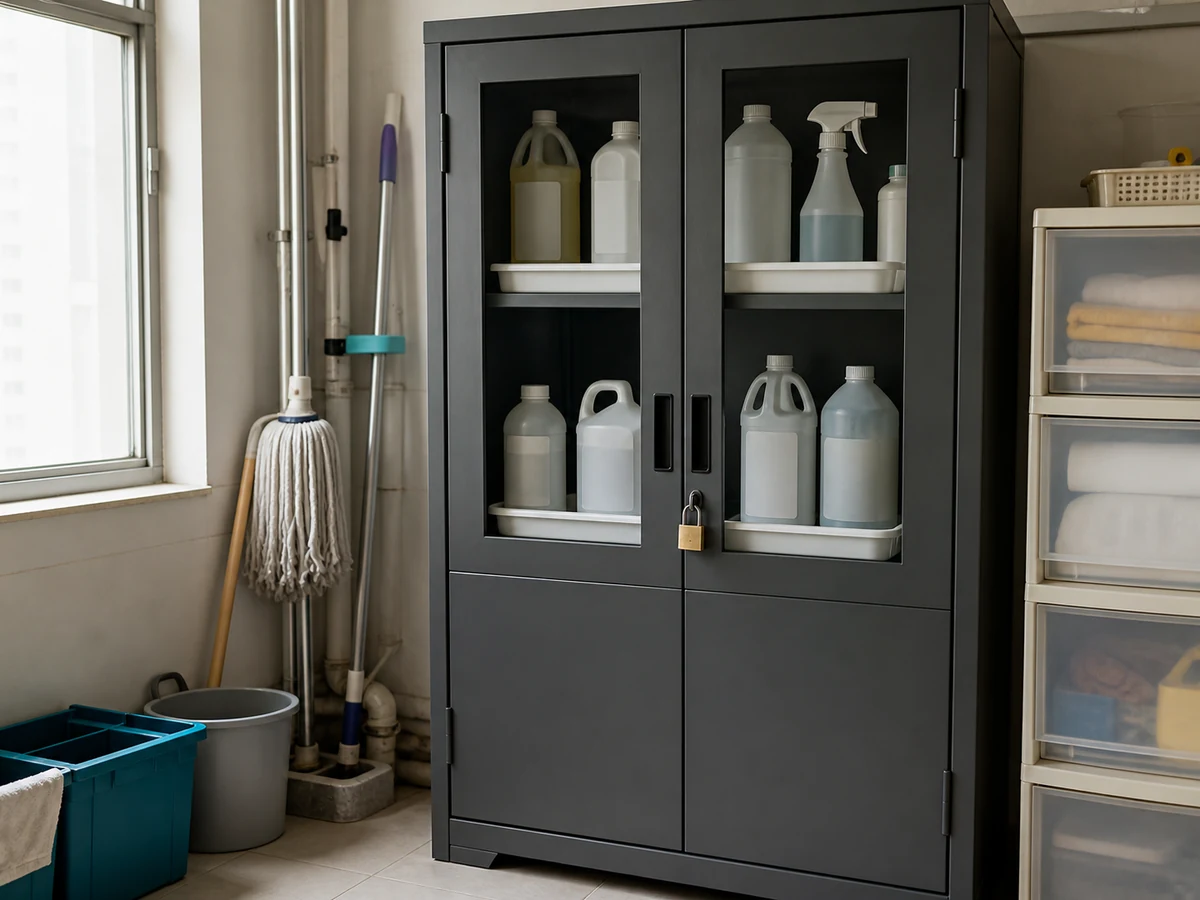
Keep every product in its original labelled container, locked away and separate from food
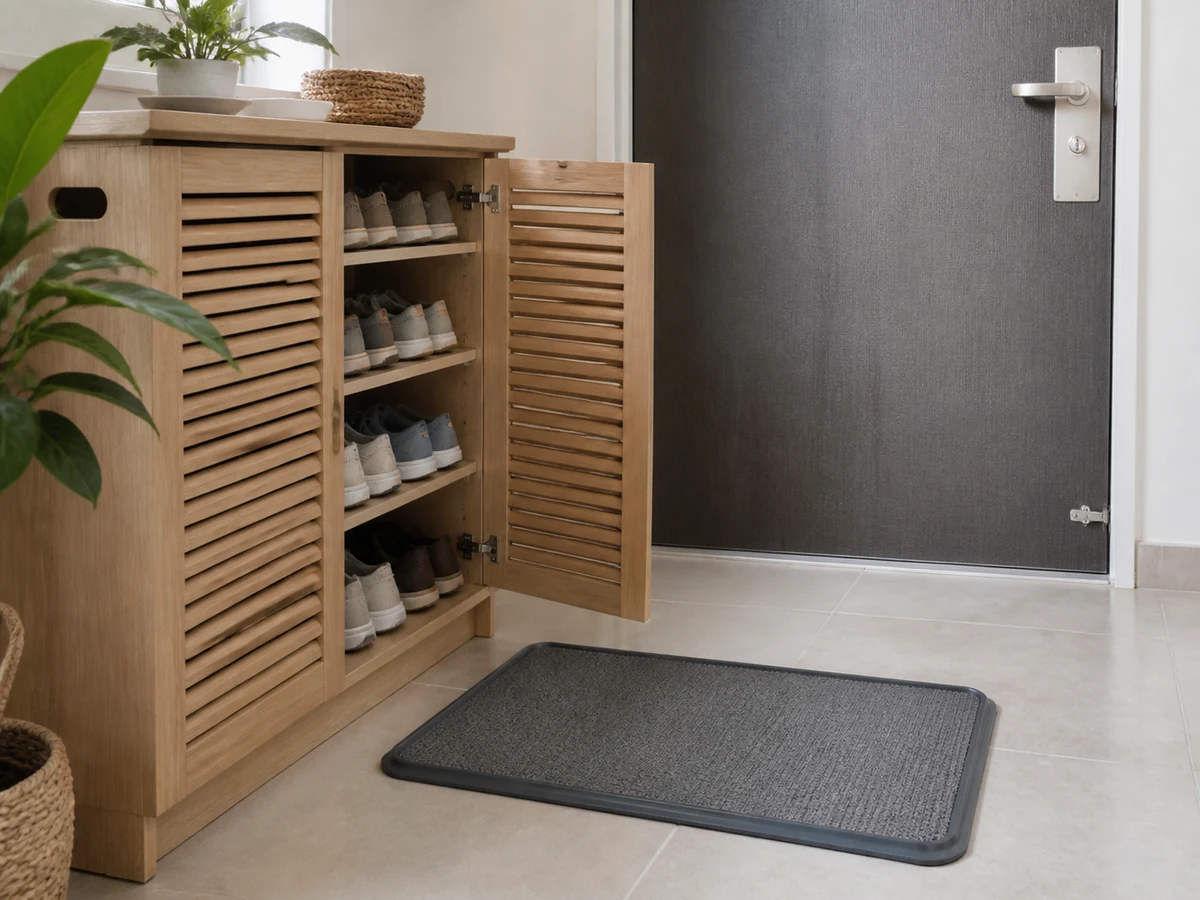
Dry wet shoes in a ventilated place before cleaning and storing them loosely
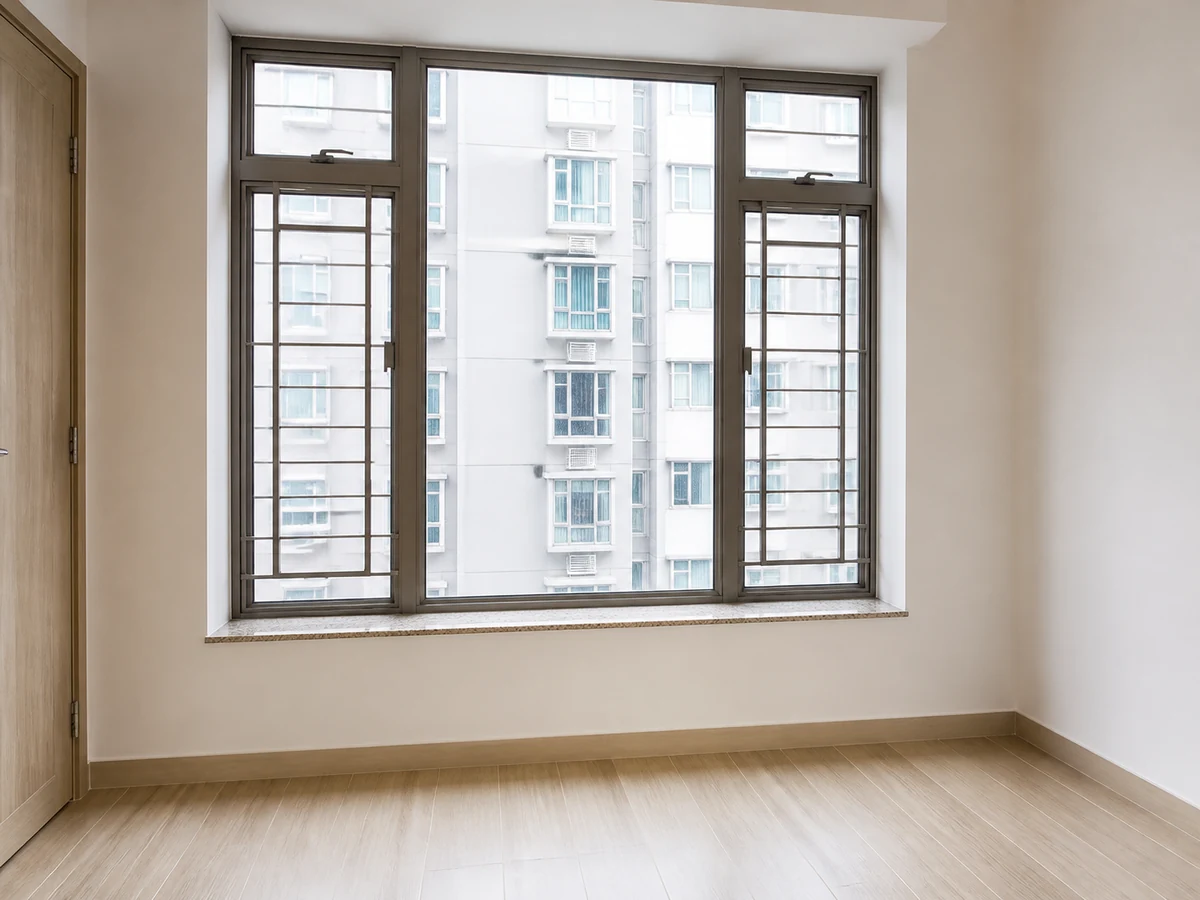
Clean only safely reachable interior areas and apply Hong Kong safety rules before any exterior-window work
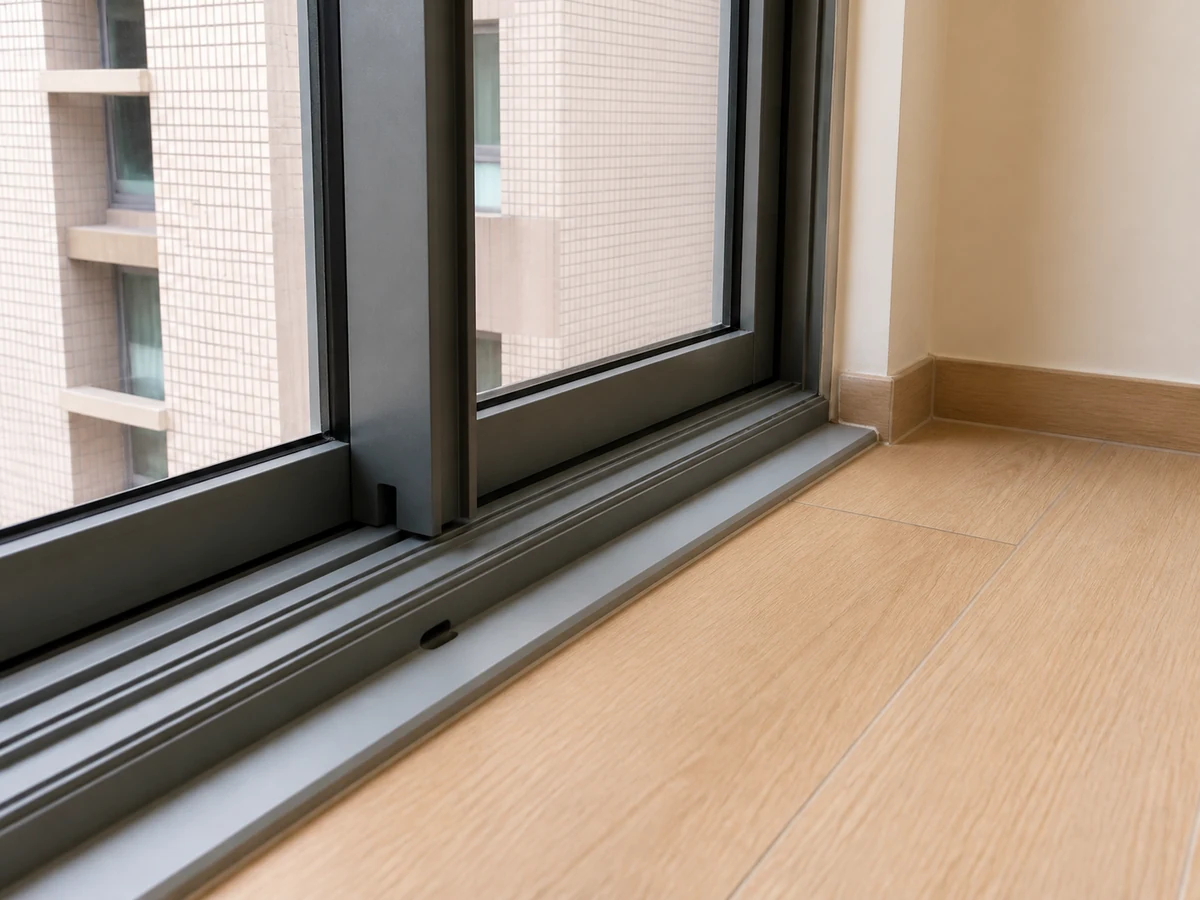
Work from a safe interior position, remove debris dry, then damp-clean by material and dry fully

Read the care label and identify the fabric; never assume every curtain is machine washable
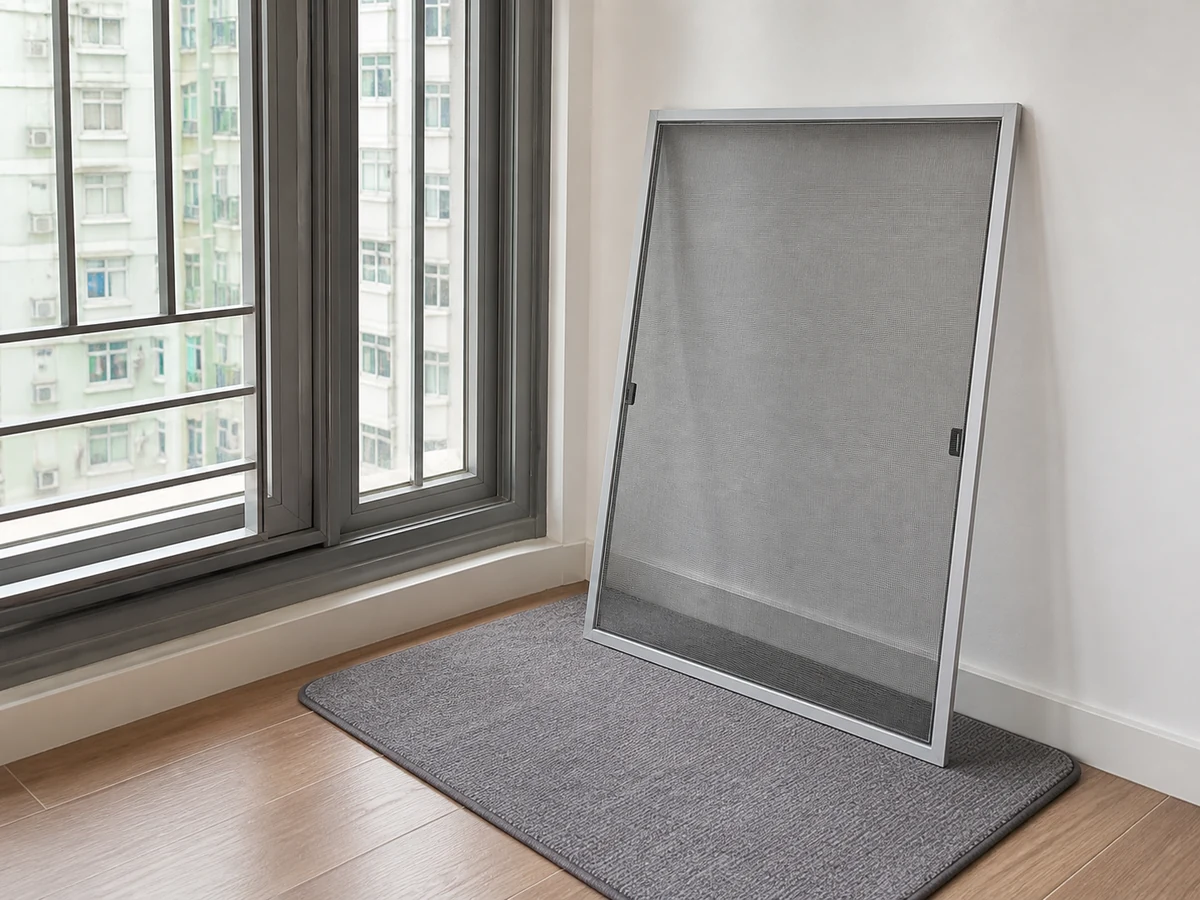
Confirm whether the screen is safely removable from indoors; treat fixed models gently in place
Identify paint, wood, laminate or metal first, then use minimal moisture and non-abrasive care
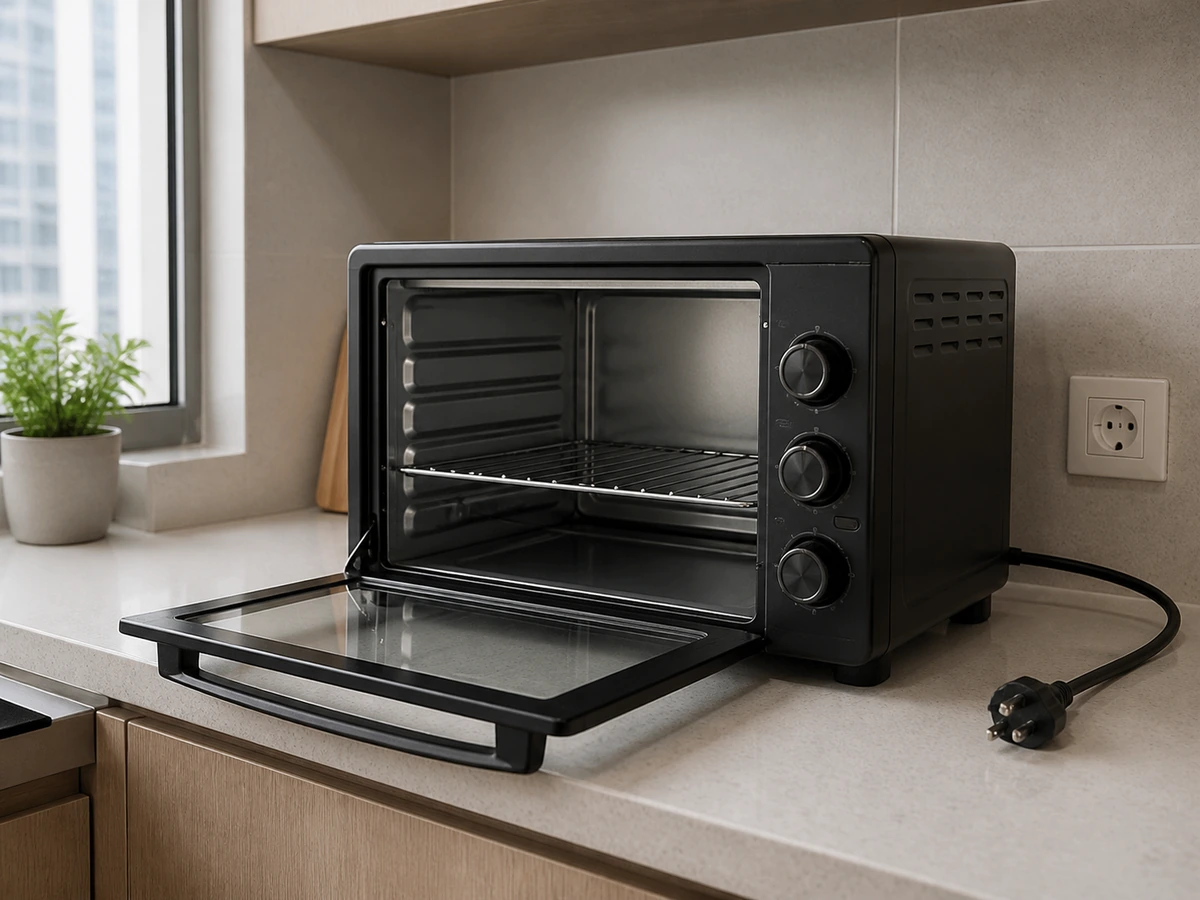
Cool and isolate power first, then follow the model manual for the cavity, racks, and any cleaning cycle
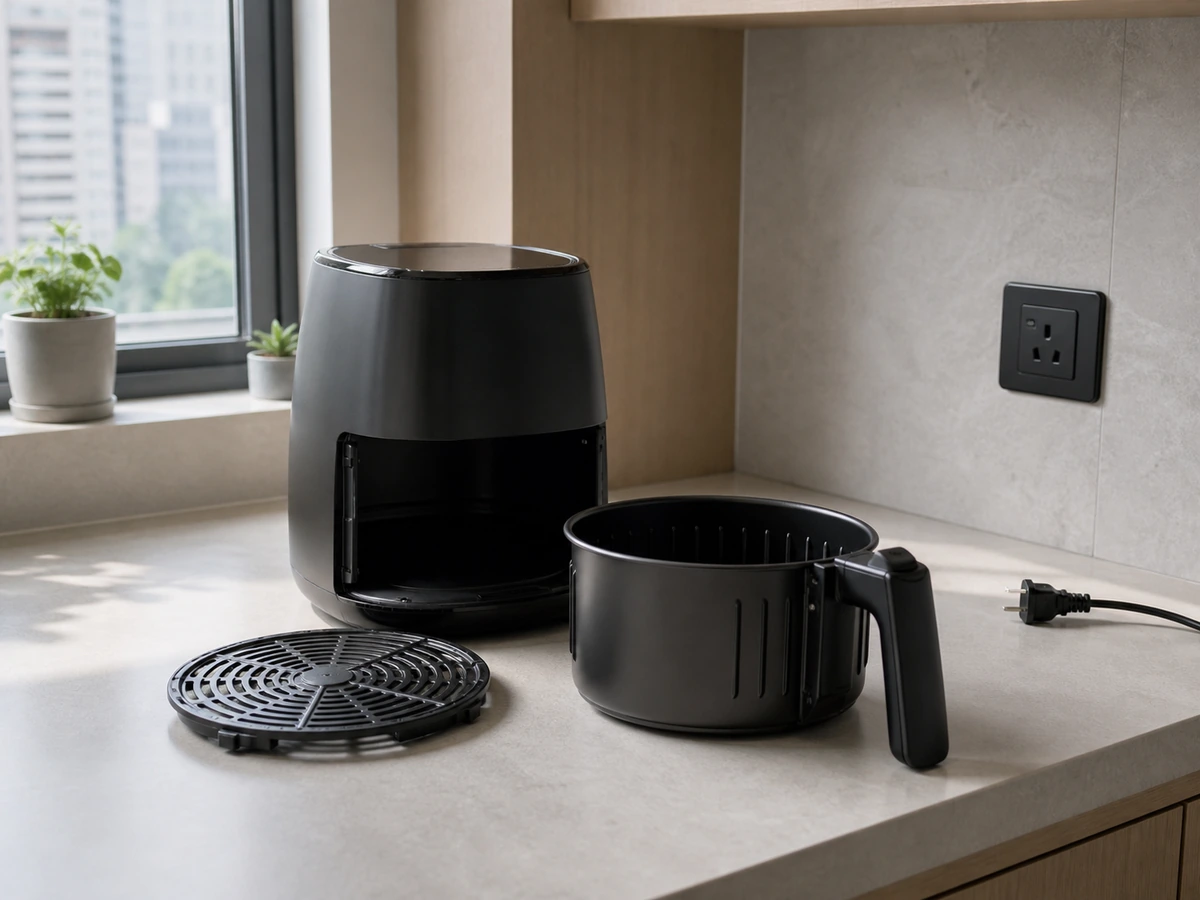
Wash approved removable parts separately and treat the body and heater area only as the manual allows
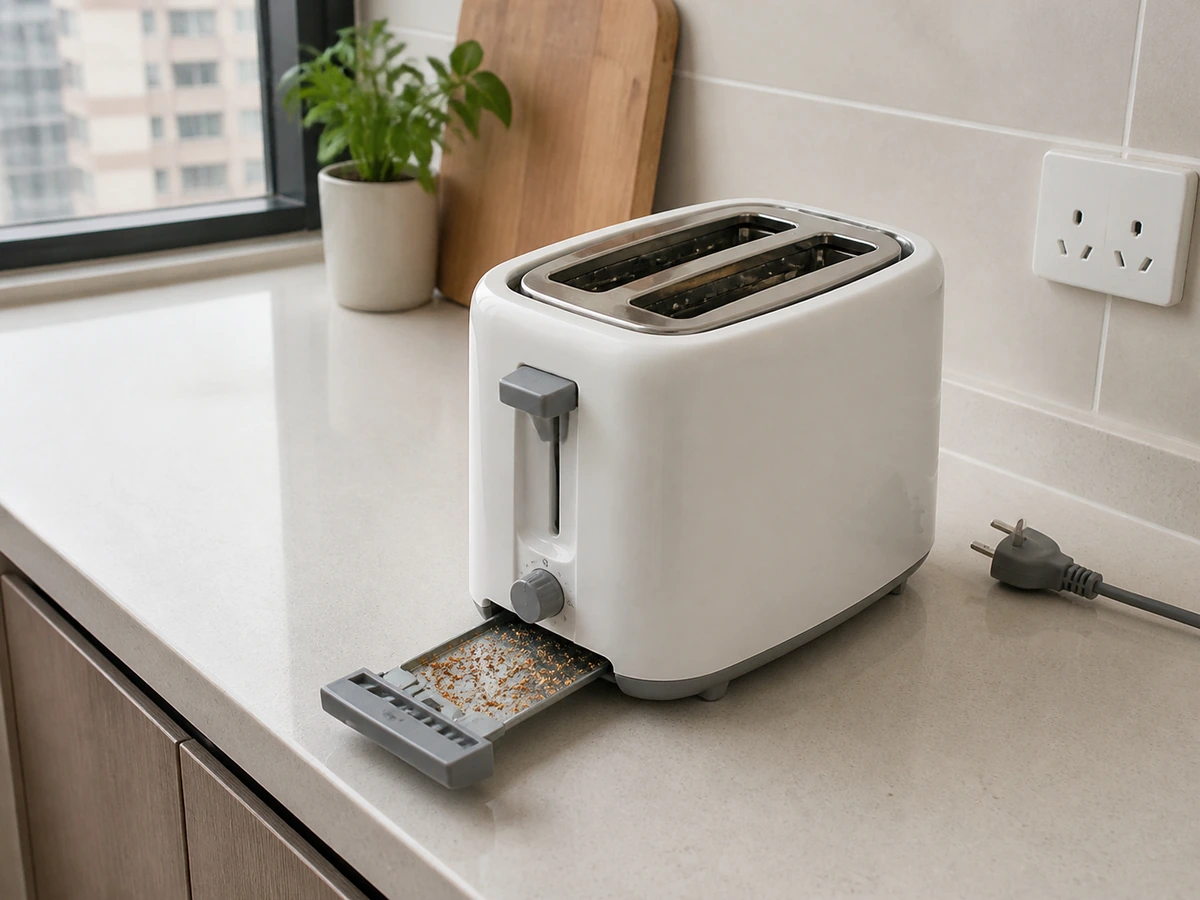
Unplug and cool before emptying the model’s crumb tray while keeping the body dry
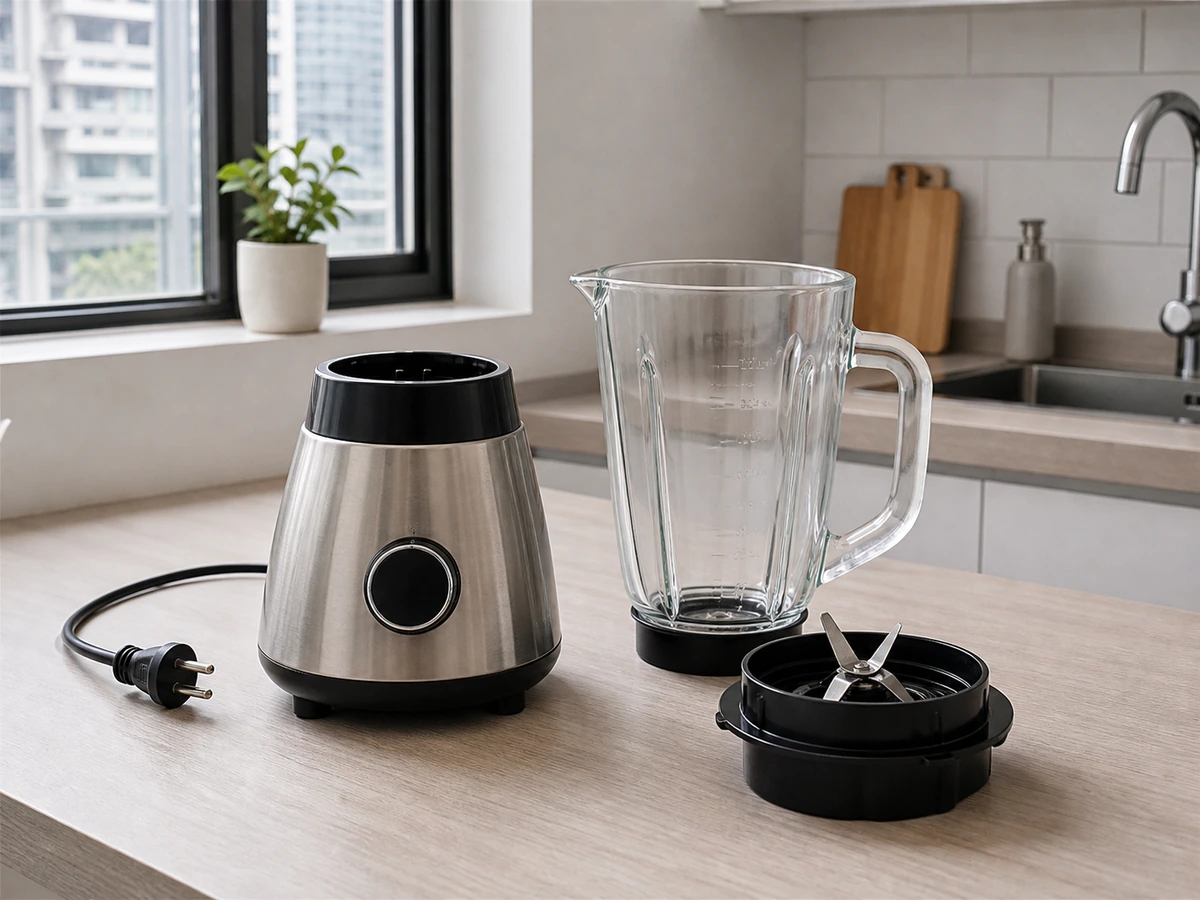
Unplug, wash listed food-contact parts, keep blades still, and keep the motor base dry
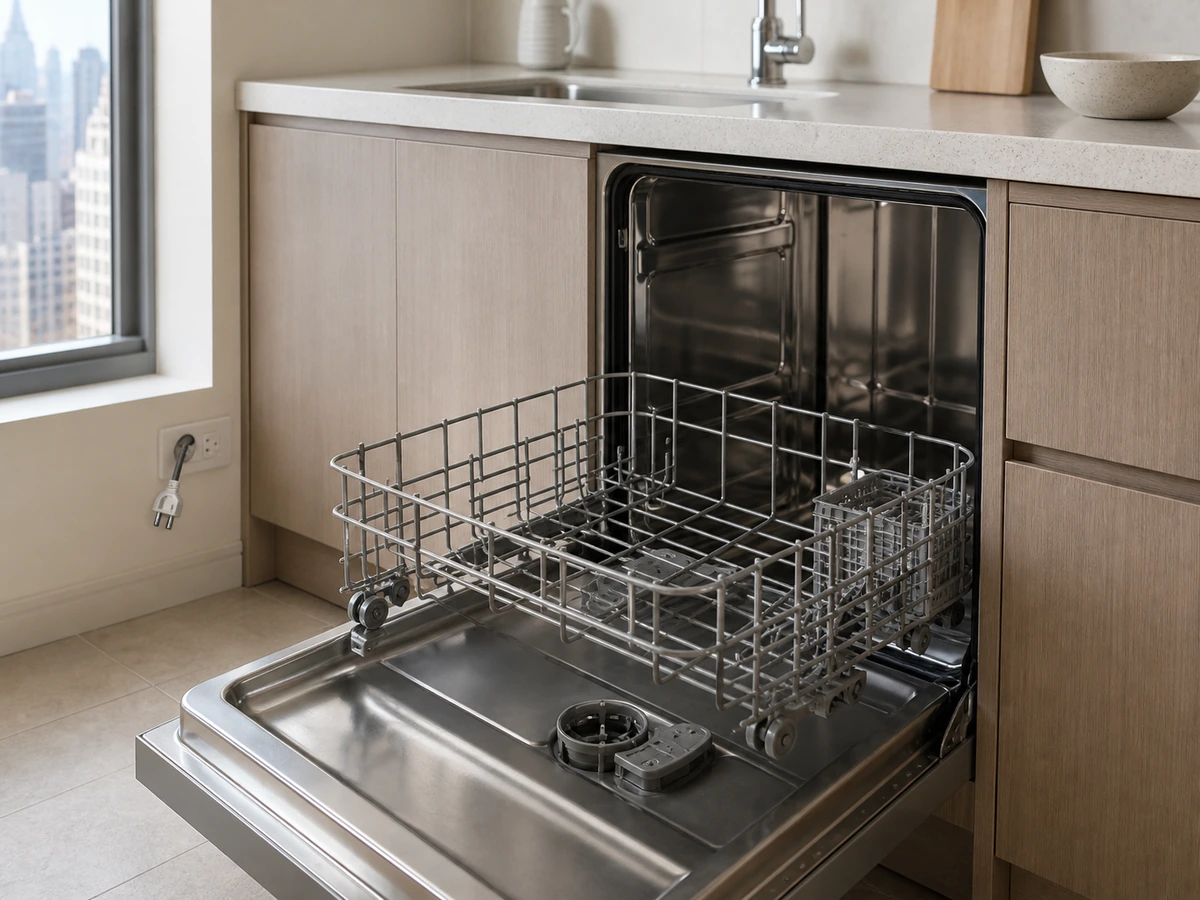
Remove the filter only as the model manual directs, keep debris out of the sump, and lock it back correctly
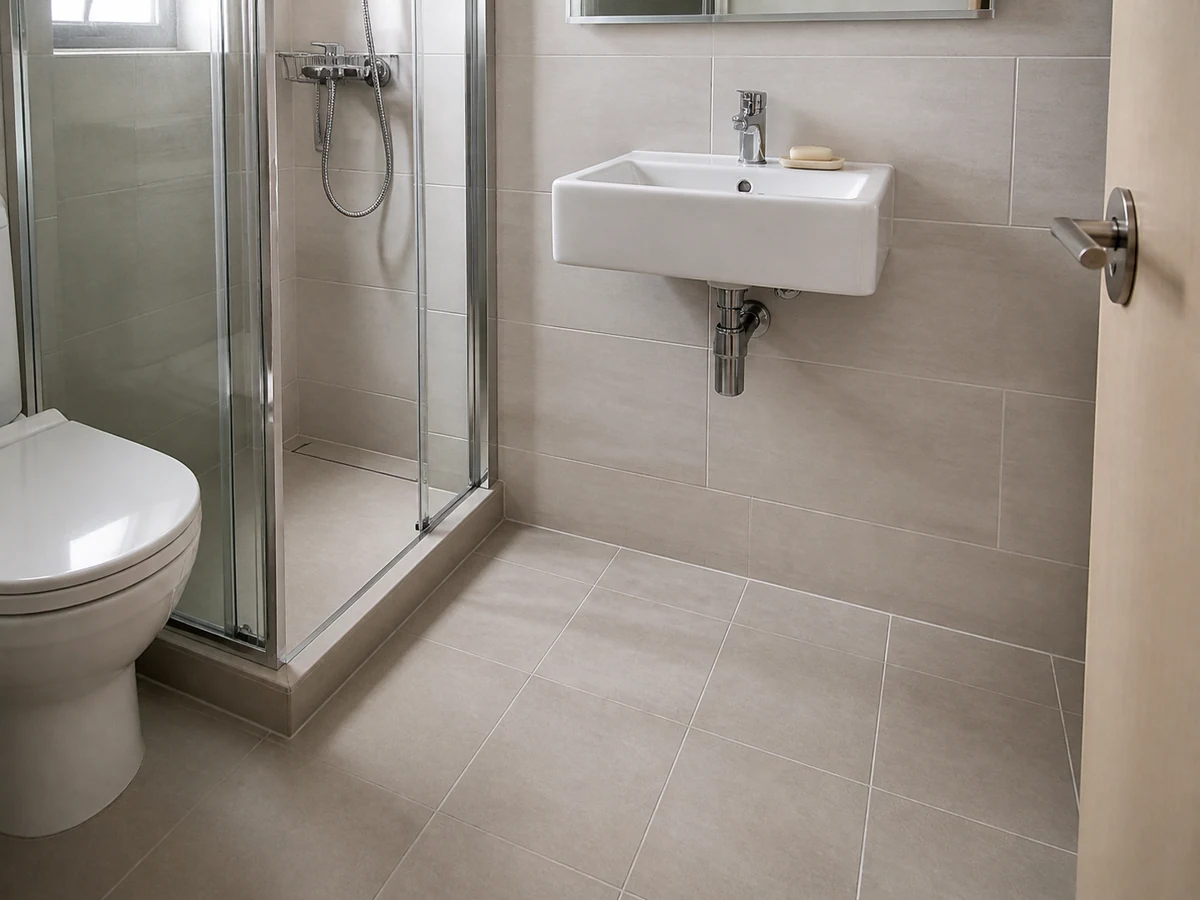
Confirm the materials, clean in sections, remove residue and dry fully
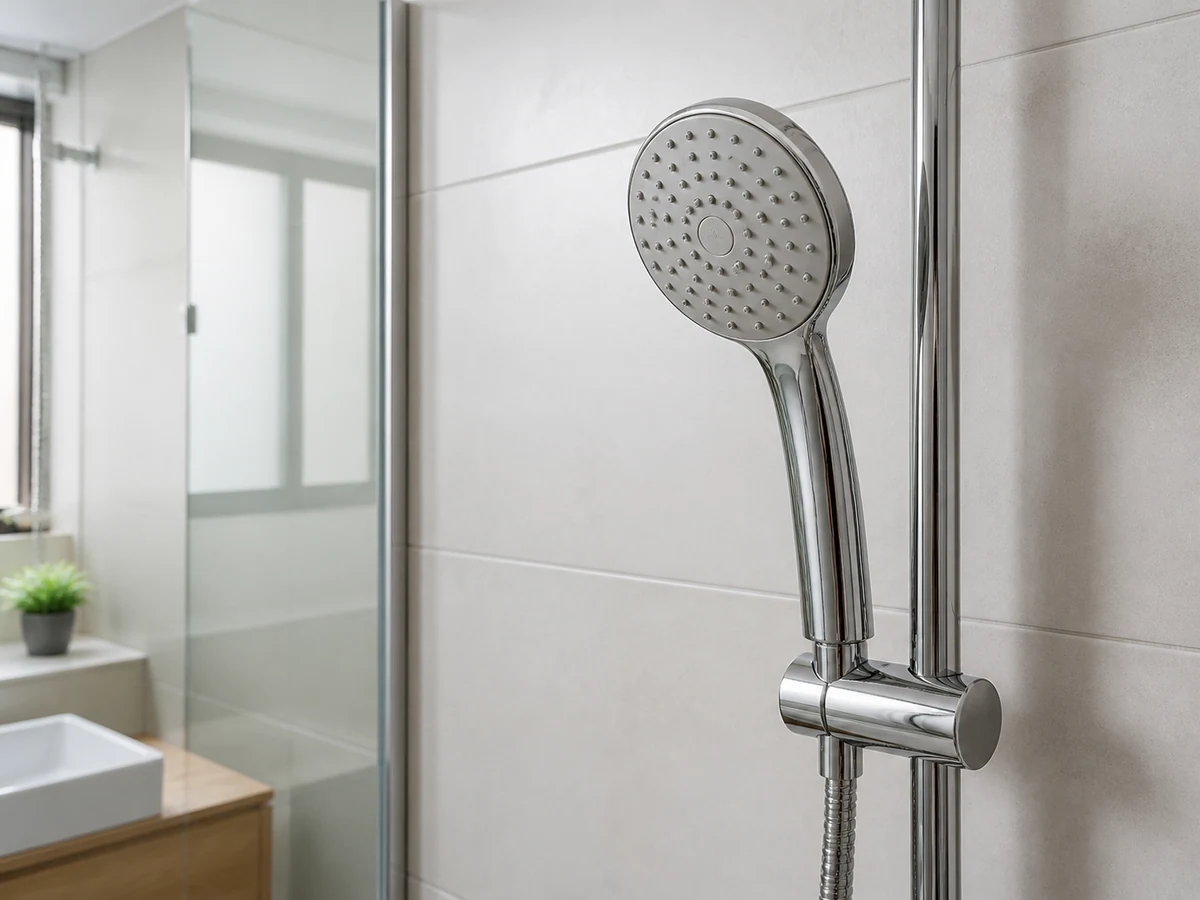
Confirm the model and serviceable scope, then follow its maker-approved method
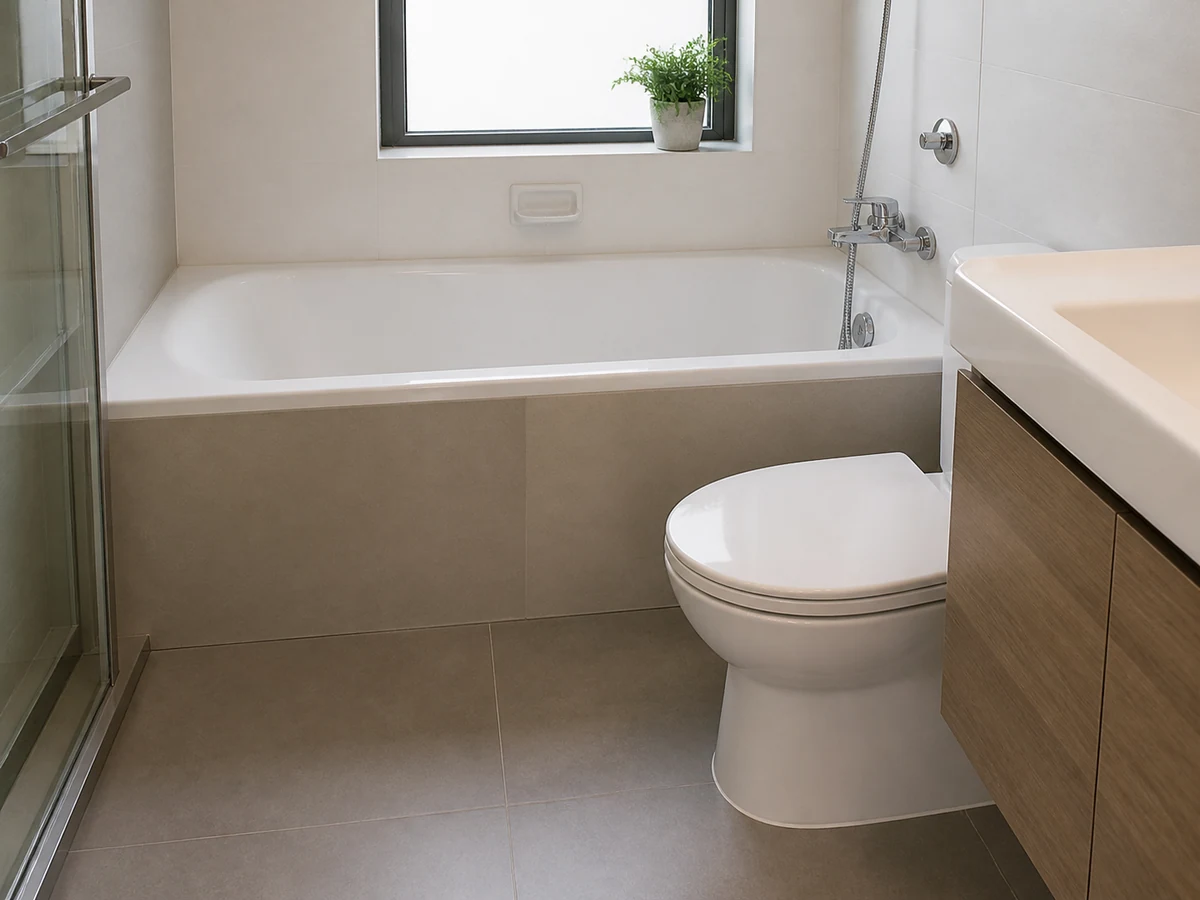
Identify the bath material, use a compatible gentle method and remove all residue
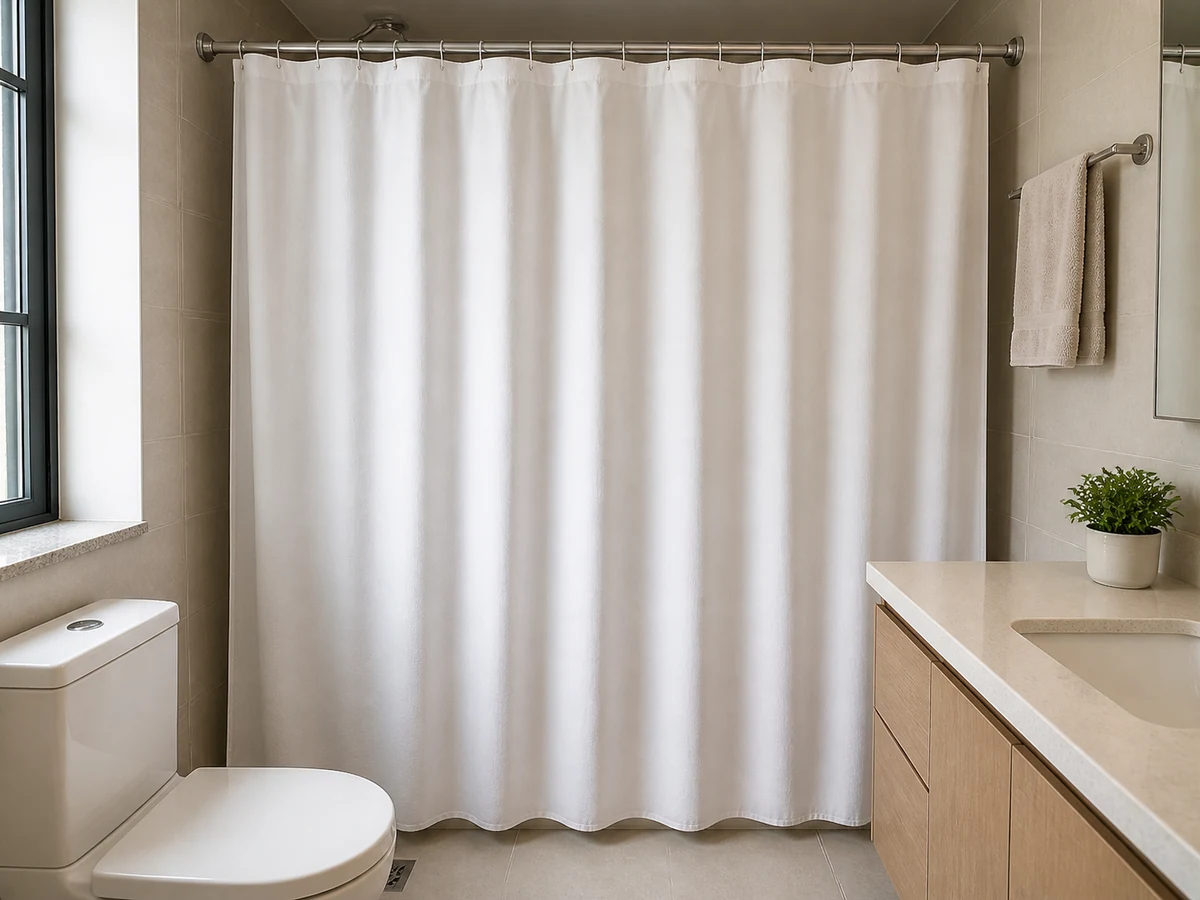
Read the care label, treat curtain and seal separately, and dry everything fully
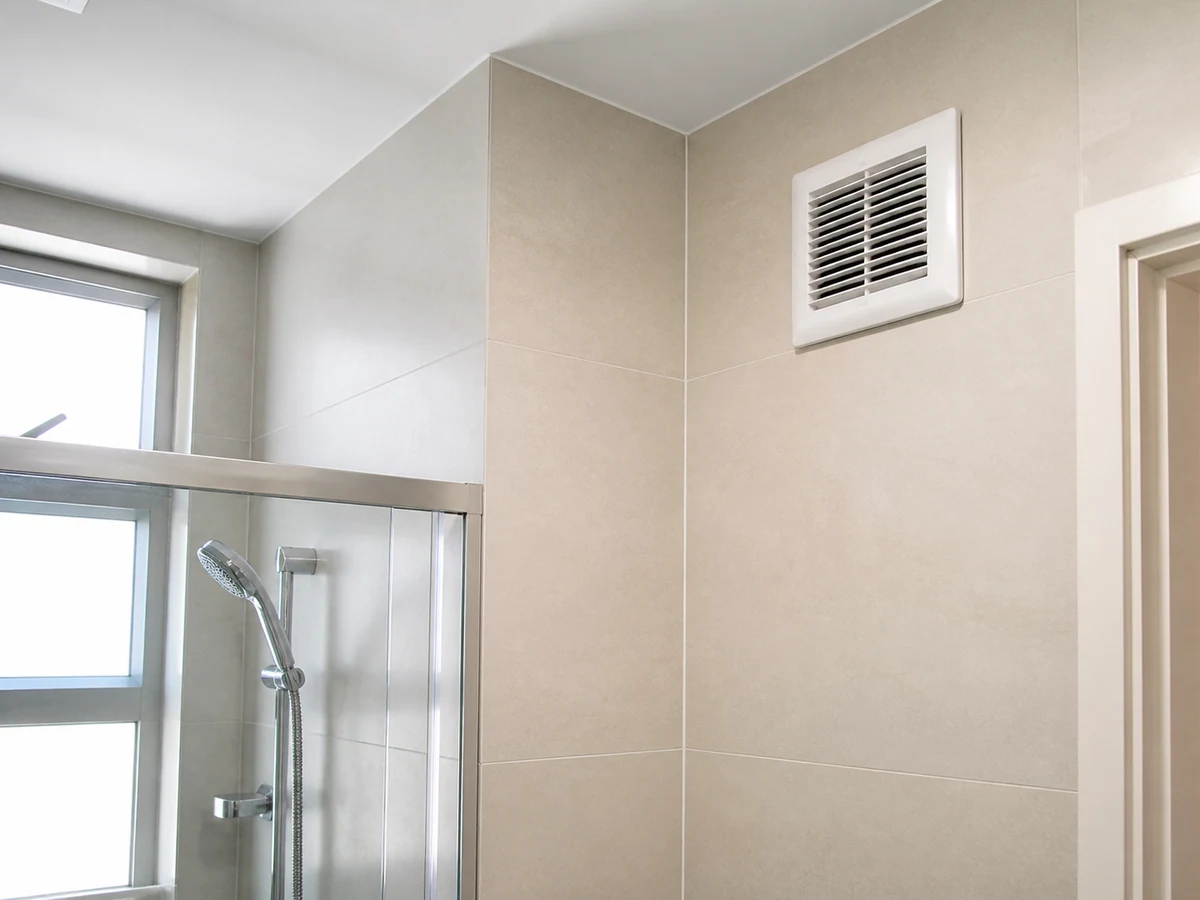
Isolate power and handle only the exterior and maker-approved removable cover
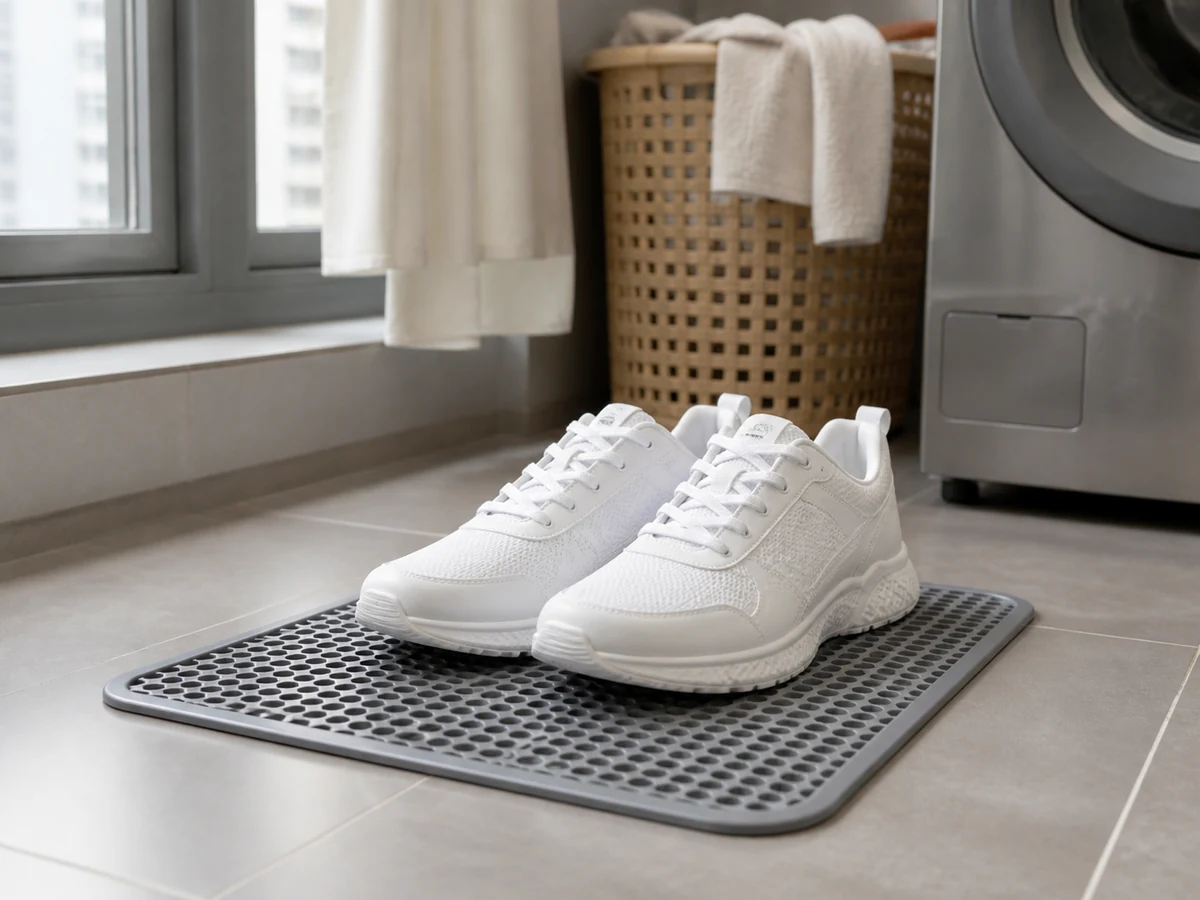
Clean by material and section without soaking or high heat.
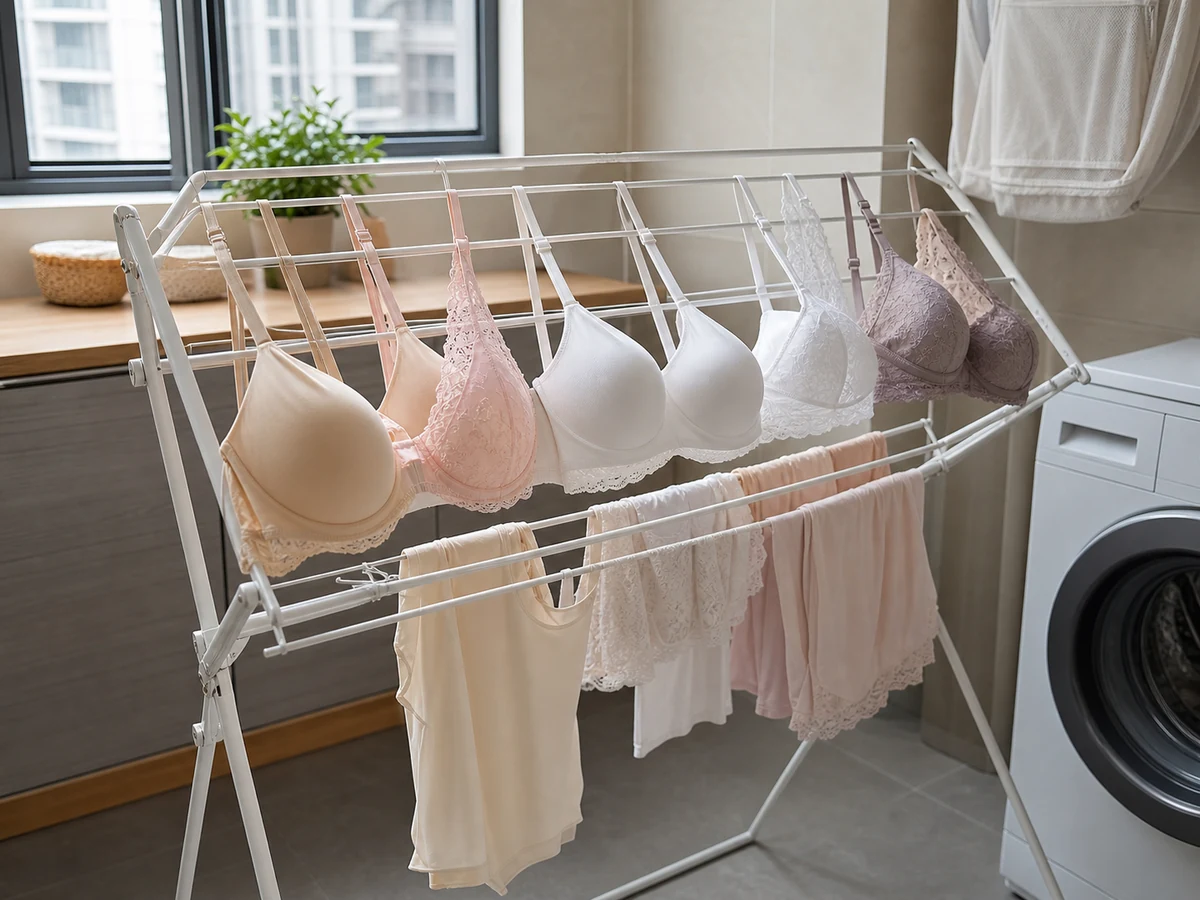
Protect underwires, straps, lace and elastics with gentle no-wring care.
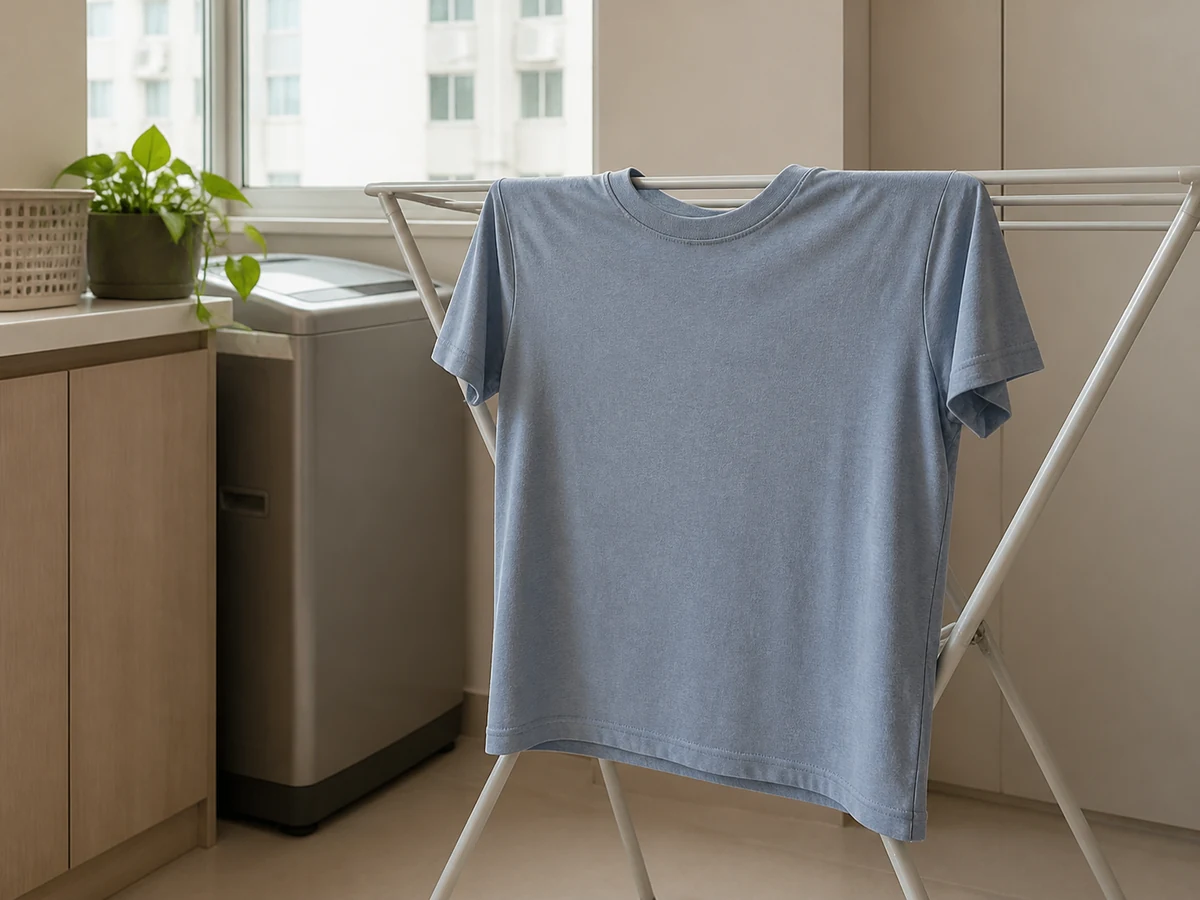
Identify stain and fabric, treat by product label, and inspect before heat.
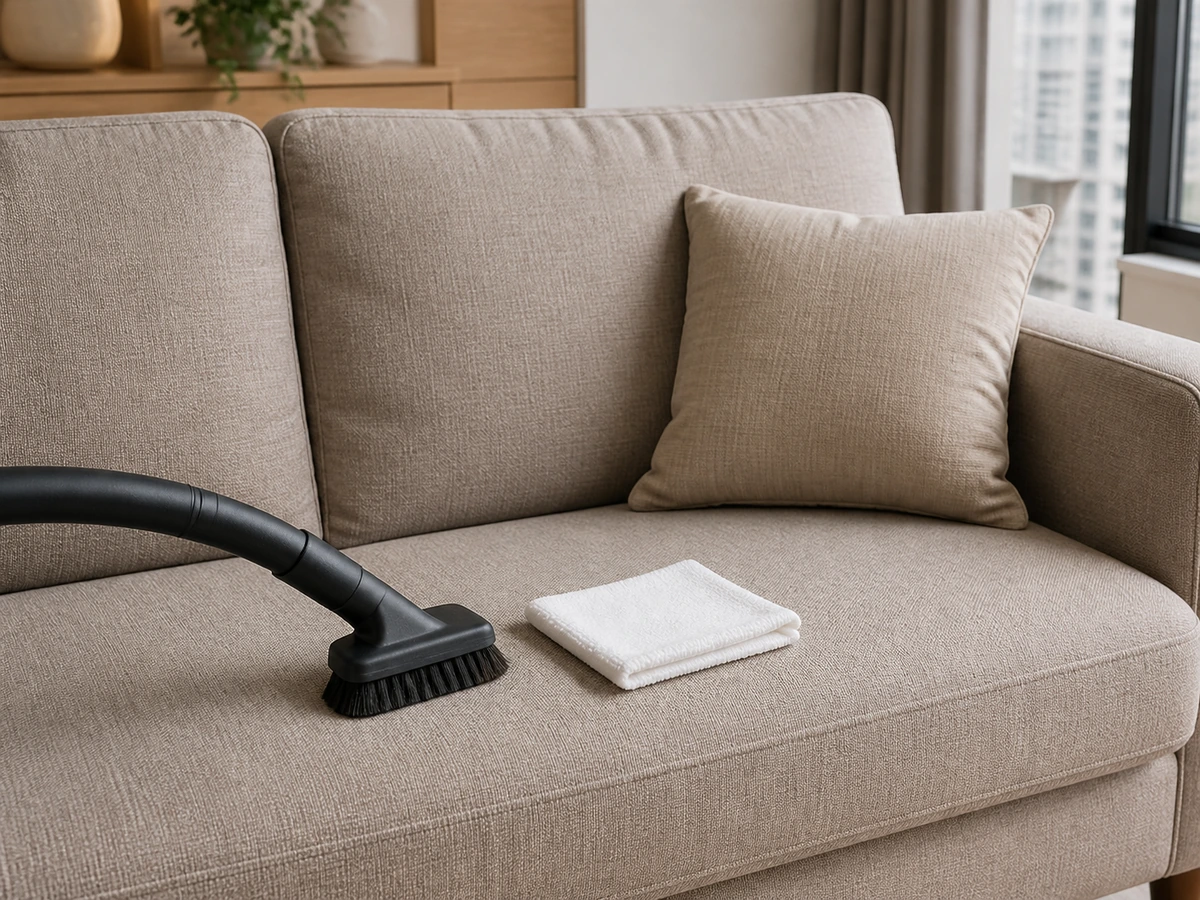
Check the upholstery cleaning code before vacuuming, blotting, or spot treatment

Identify the leather and finish; use only manufacturer-approved care
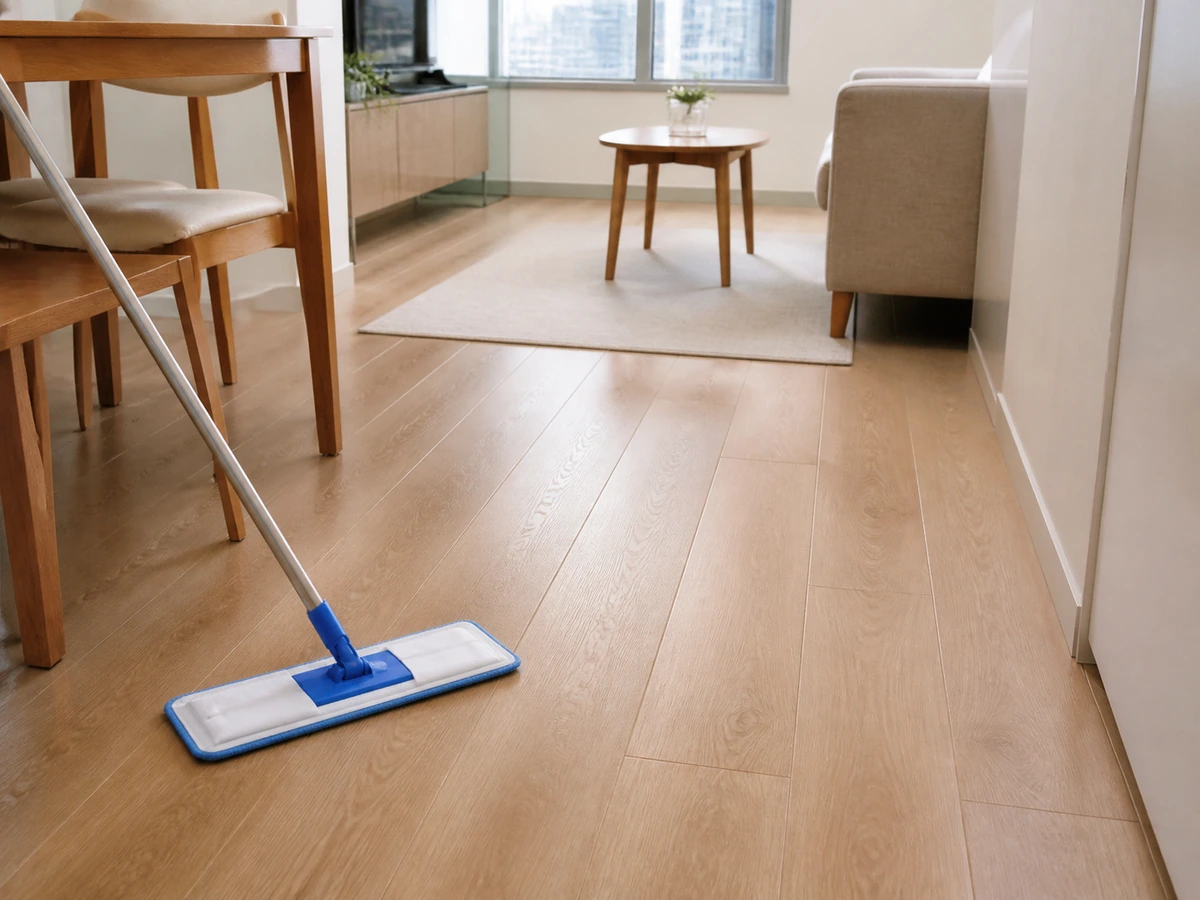
Identify sealed wood, engineered wood, or laminate and use minimal moisture
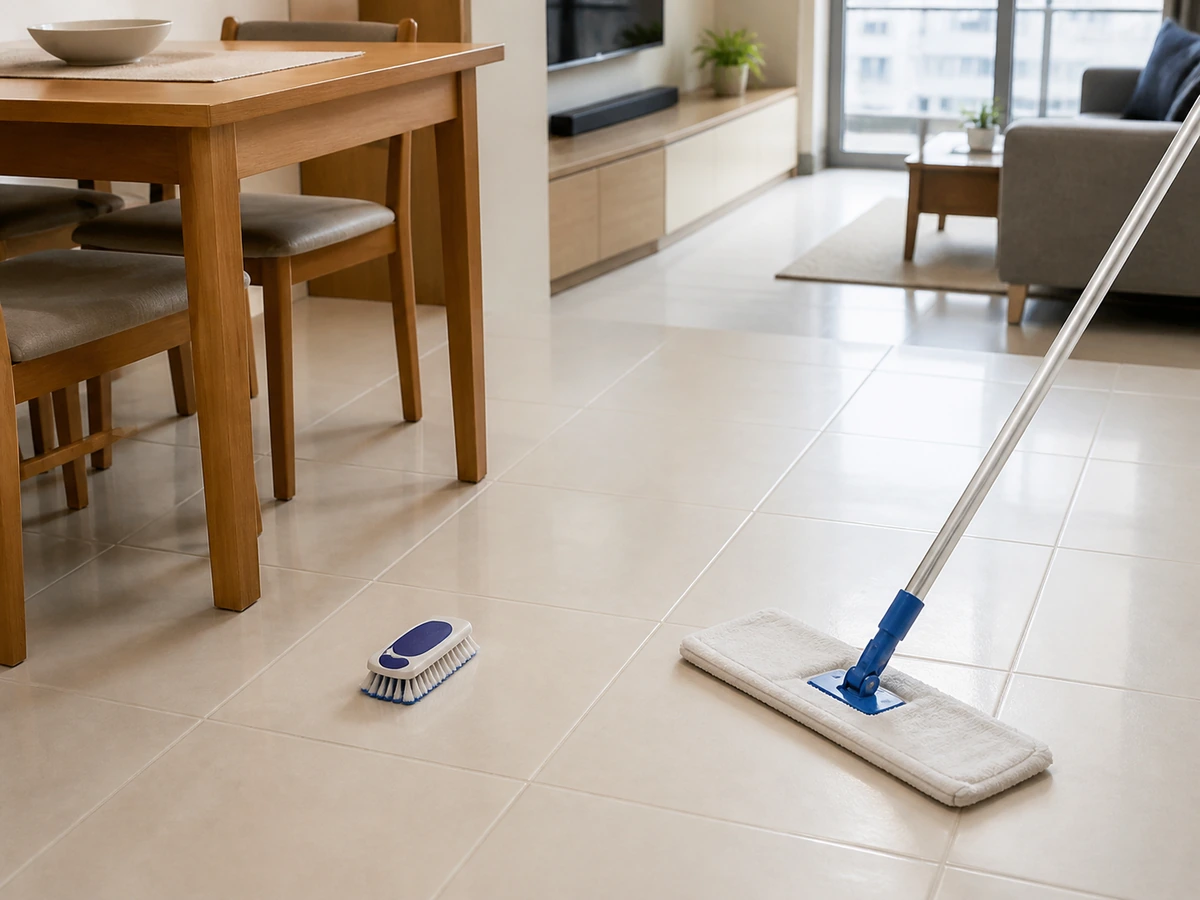
Identify ceramic, porcelain, glass, or natural stone before choosing a cleaner
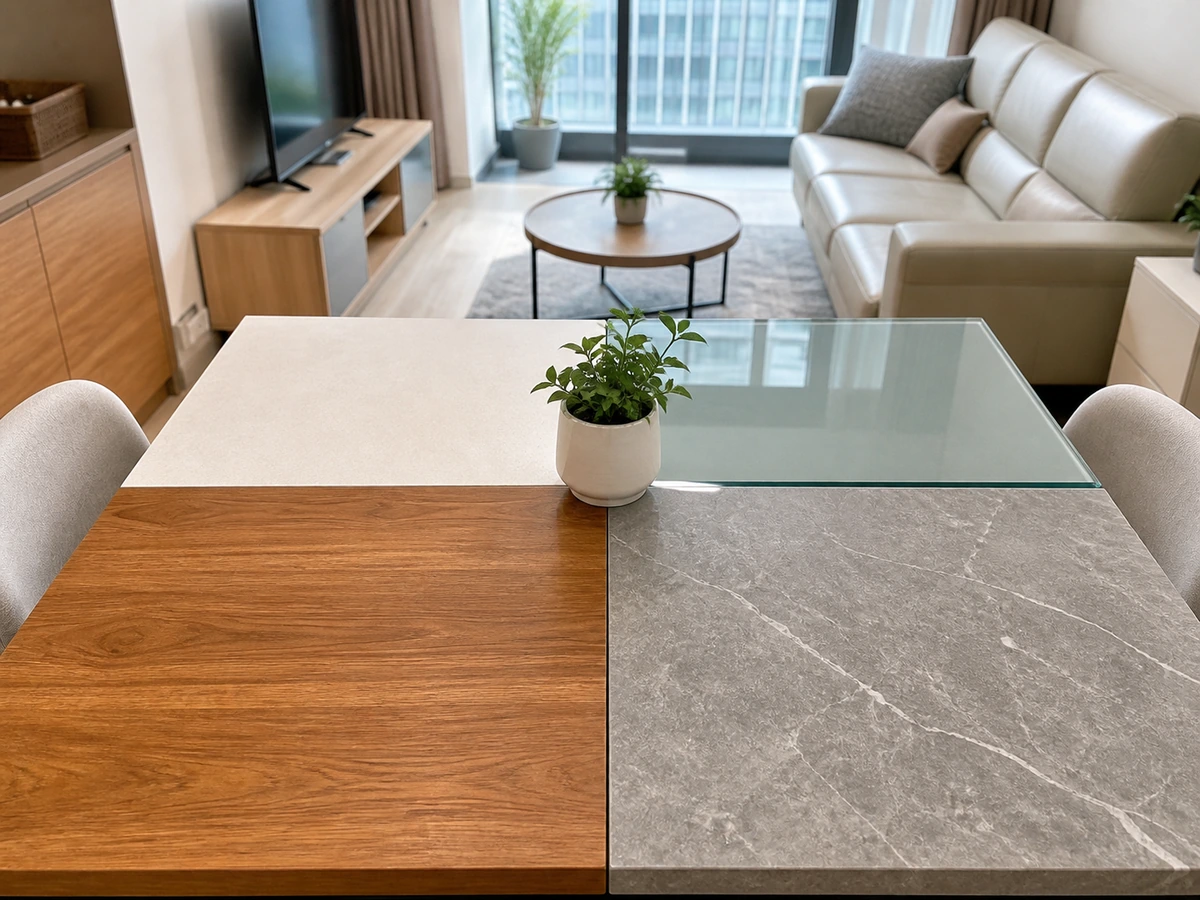
Treat laminate, glass, wood, and stone as separate materials
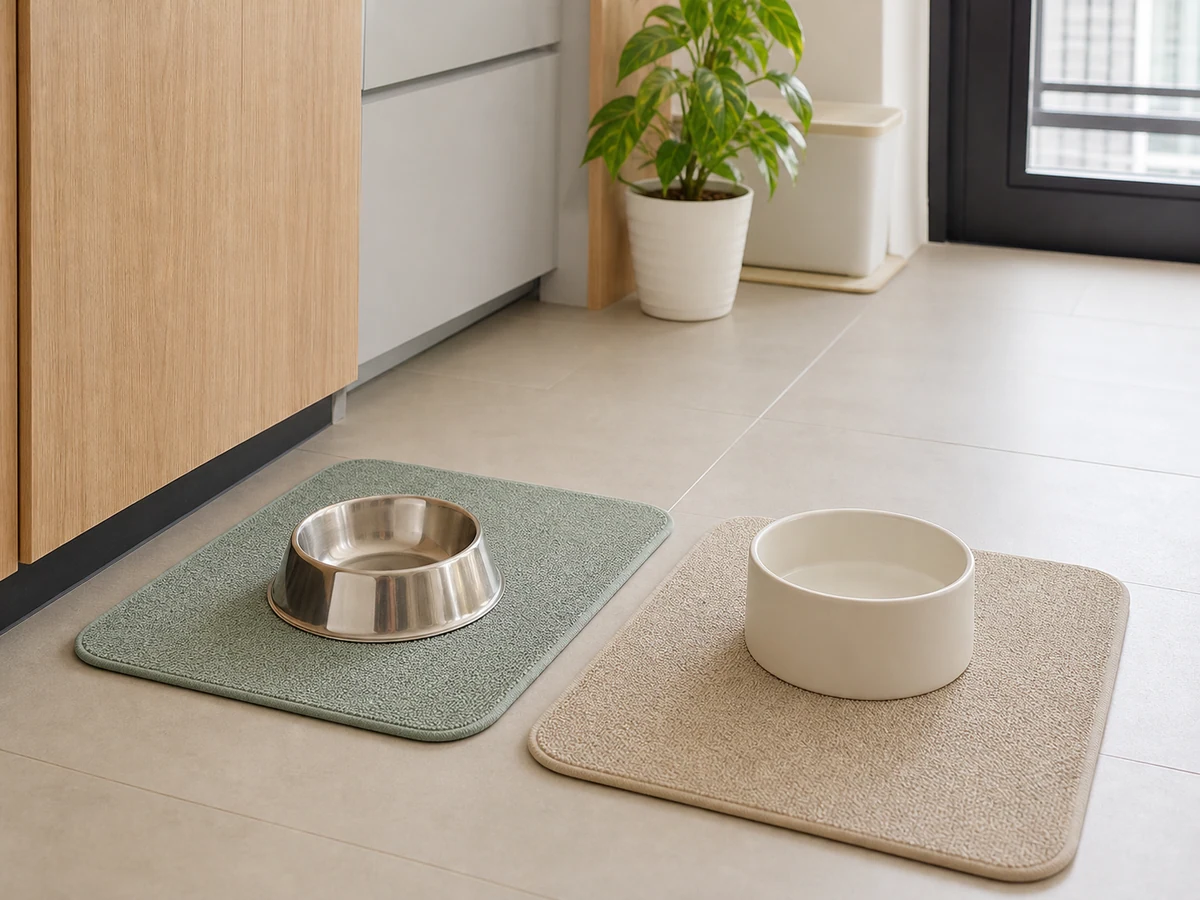
Separate feeding items, remove residue, dry fully and wash hands
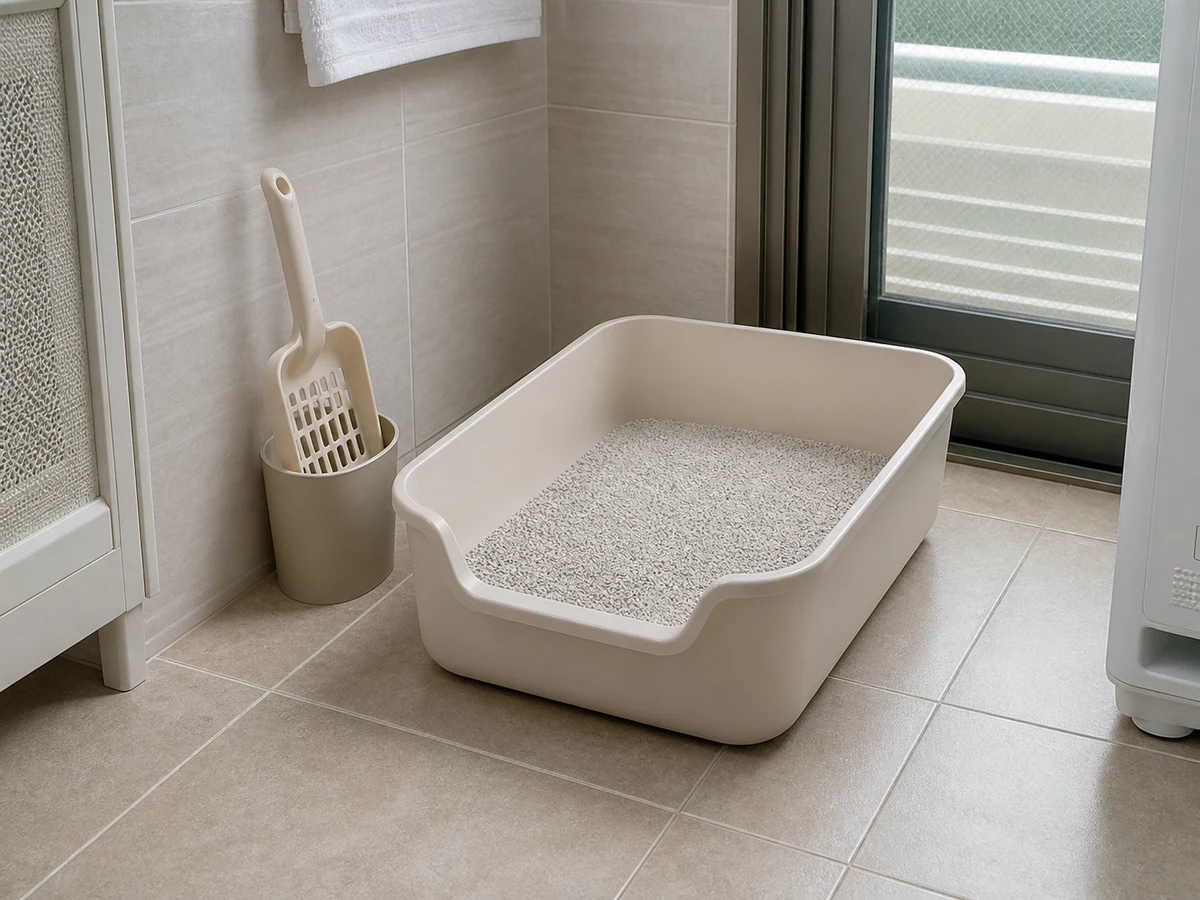
Ventilate, remove waste gently, wash in a separate zone and wash hands
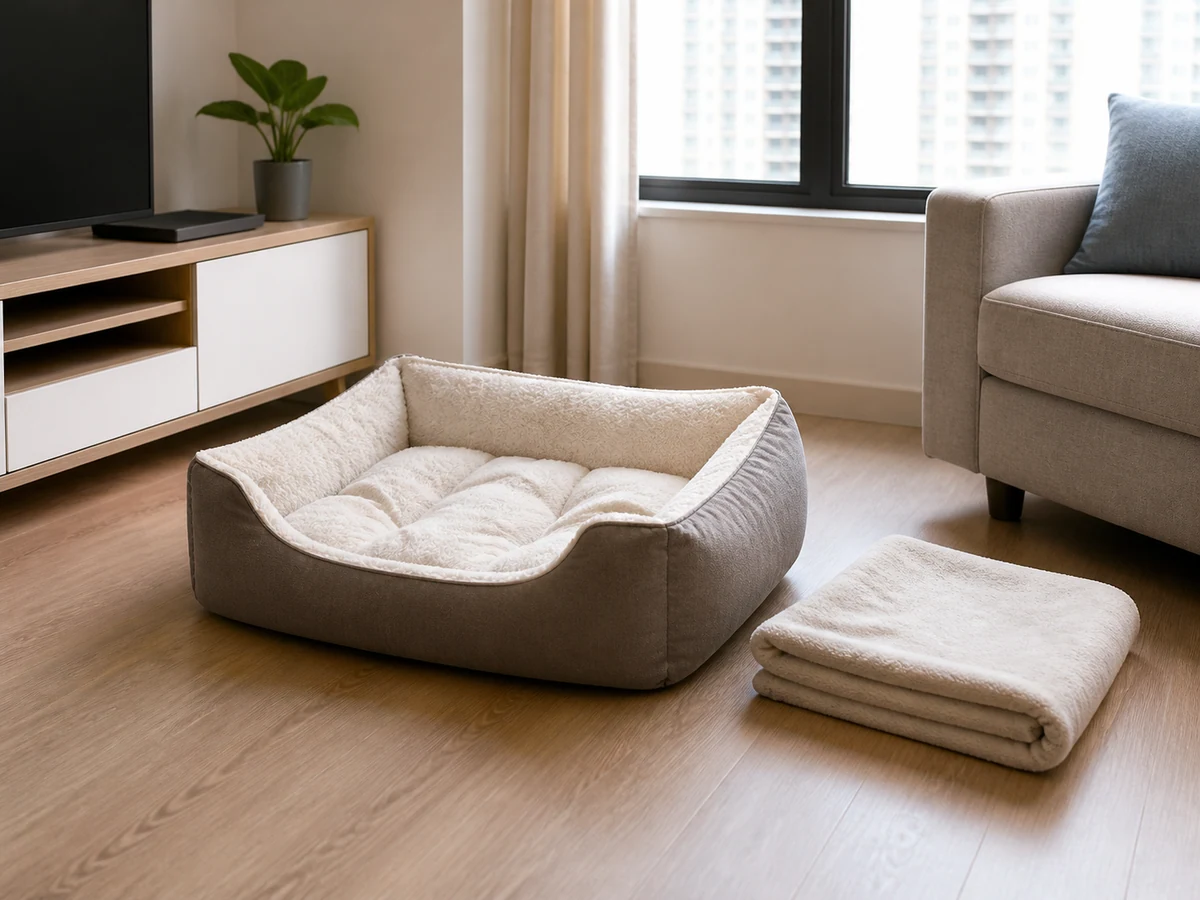
Read the care label, remove loose hair, wash separately and dry fully

Confirm surface limits, then collect hair dry from top to bottom
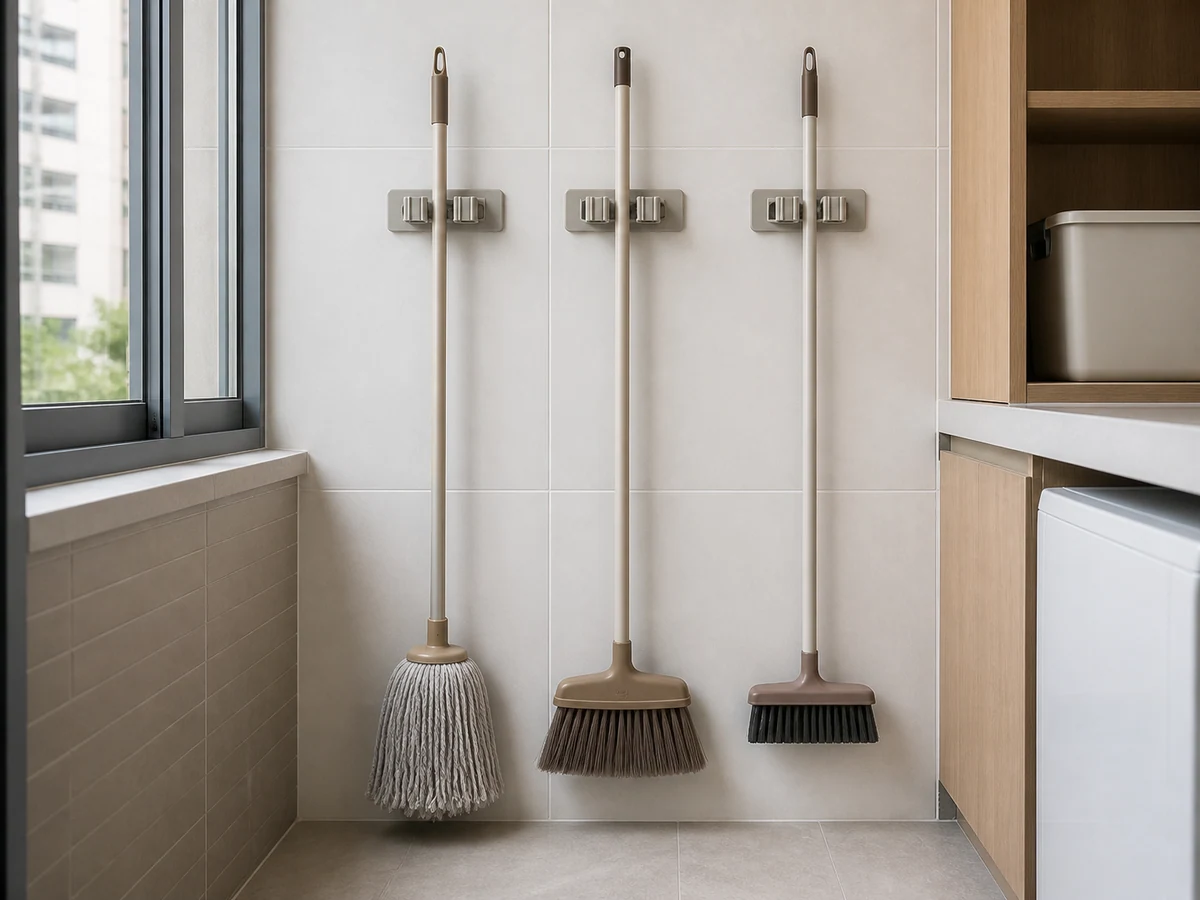
Separate by use, remove dry debris, wash compatible parts and air-dry
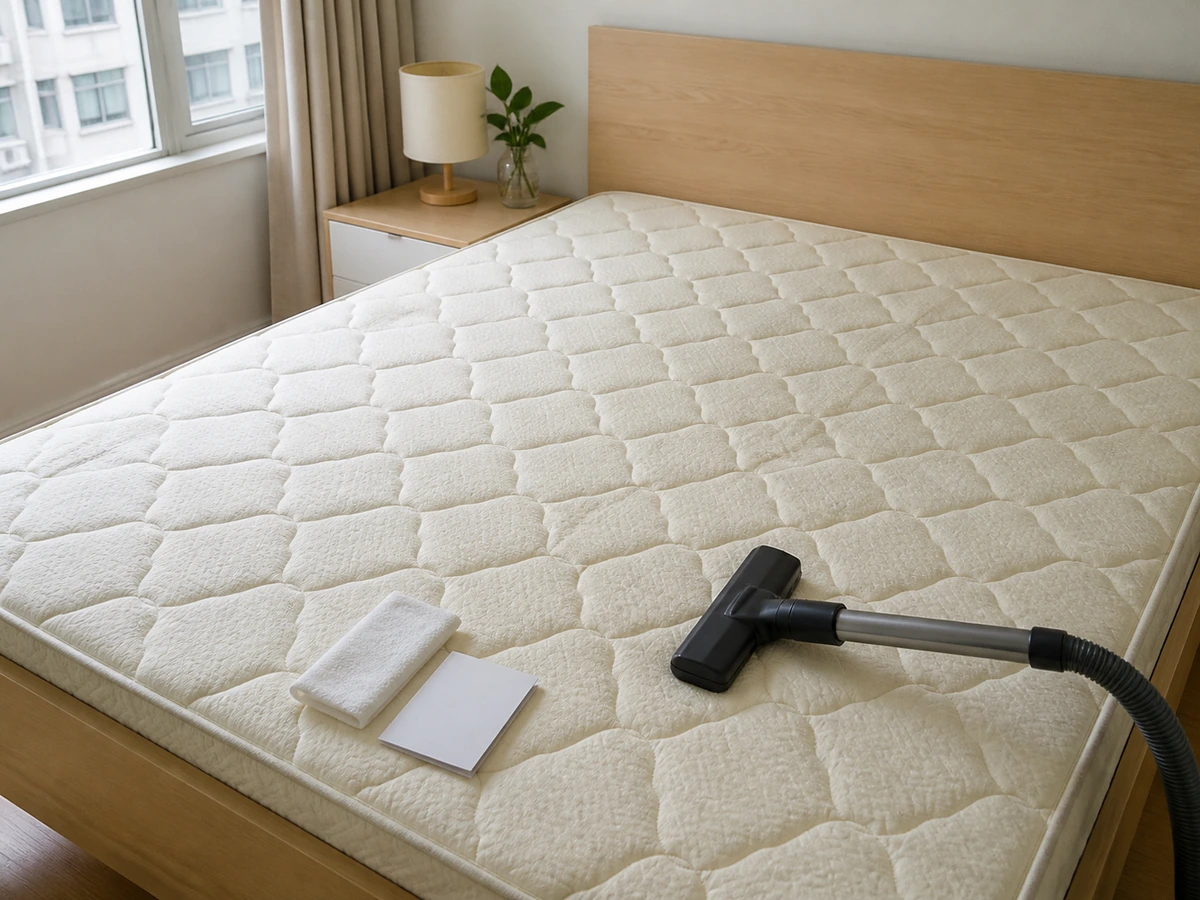
Identify the mattress and care label before low-moisture spot care and complete drying
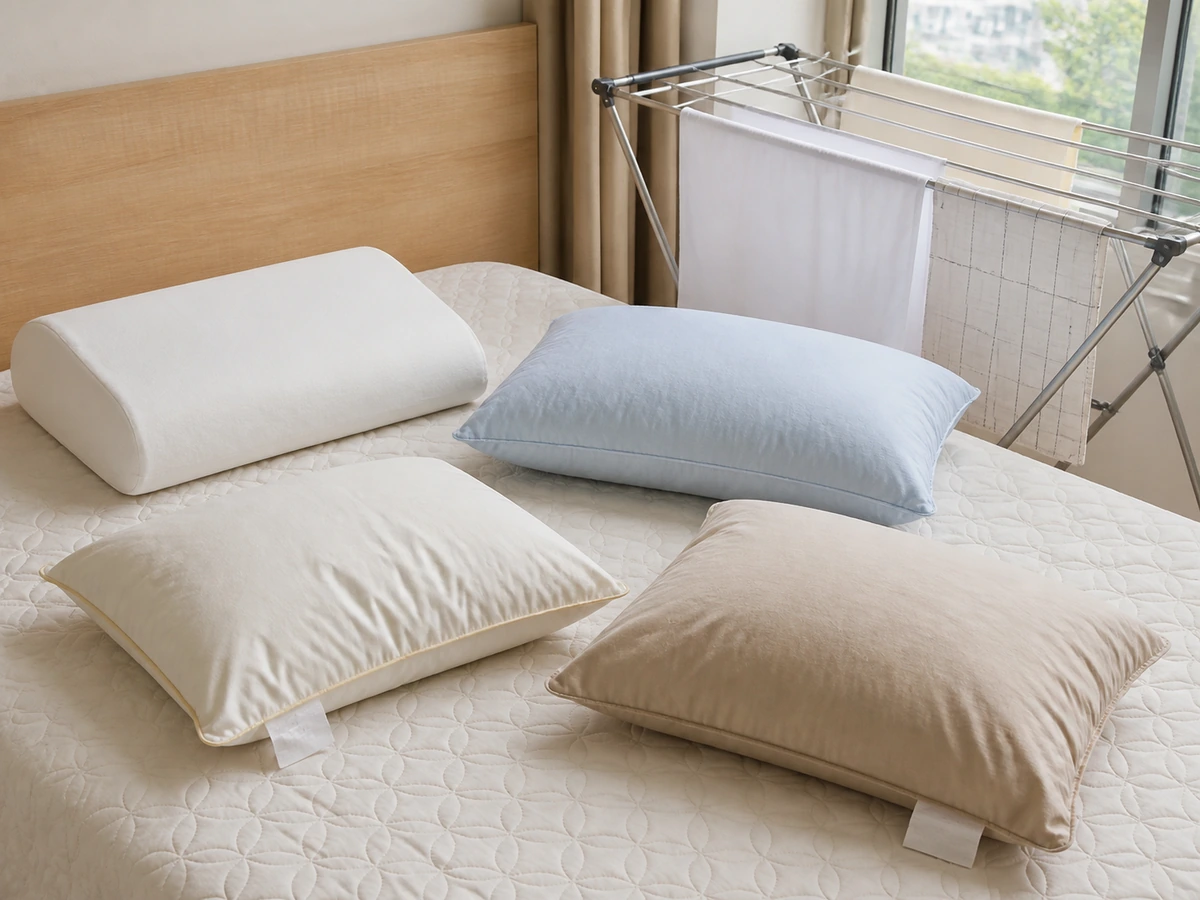
Sort by filling and care label; not every pillow can be machine-washed or sun-dried
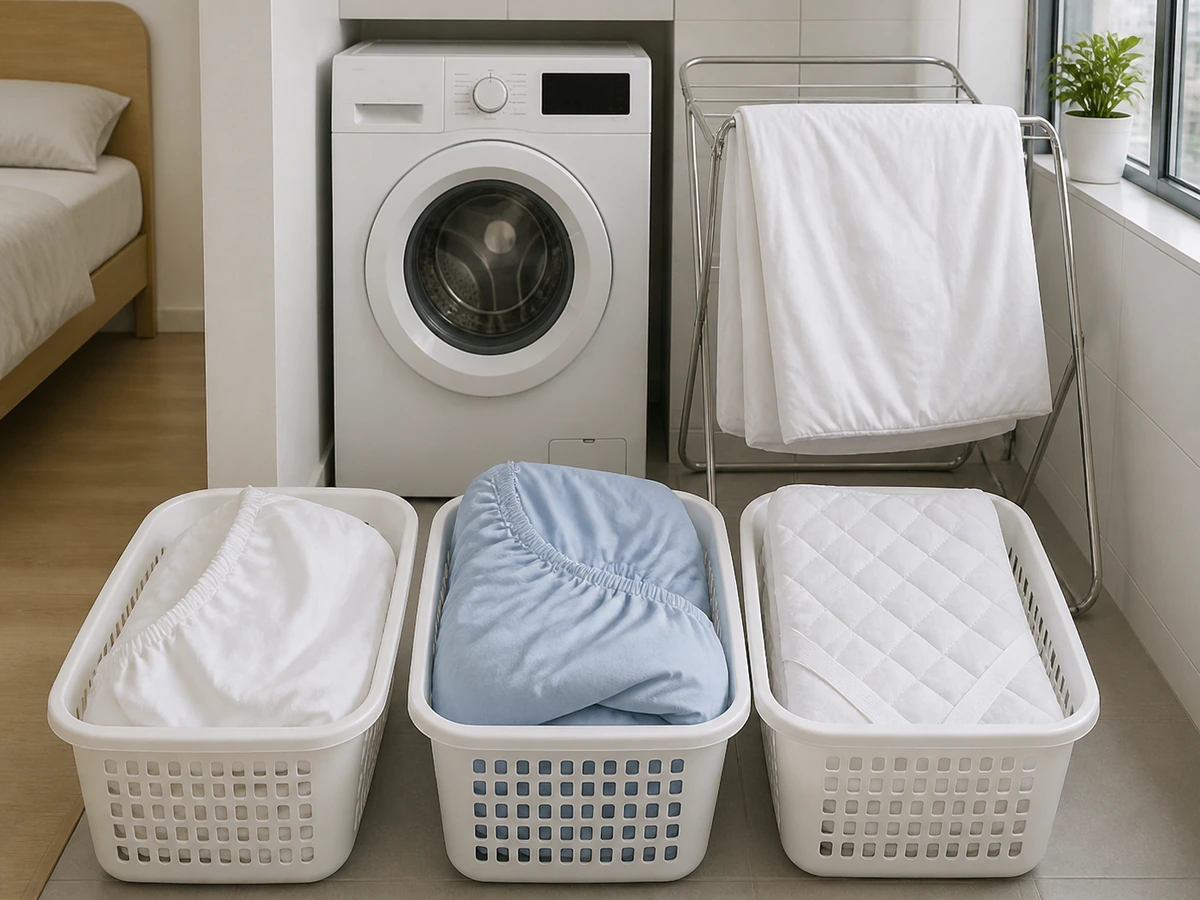
Read every label, sort, and size the load; the two bedding types are not interchangeable
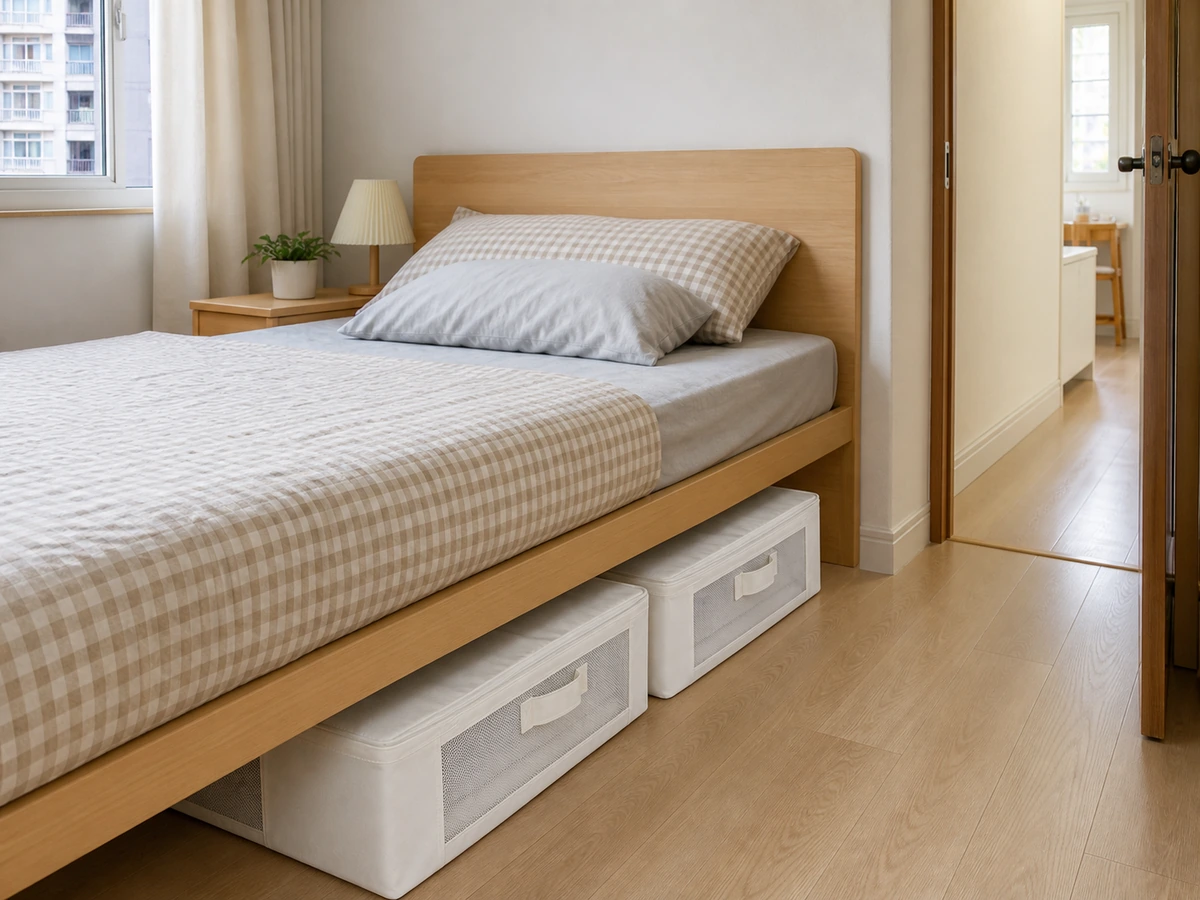
Clear pathways and ventilation first, then sort, dust, and use suitable storage
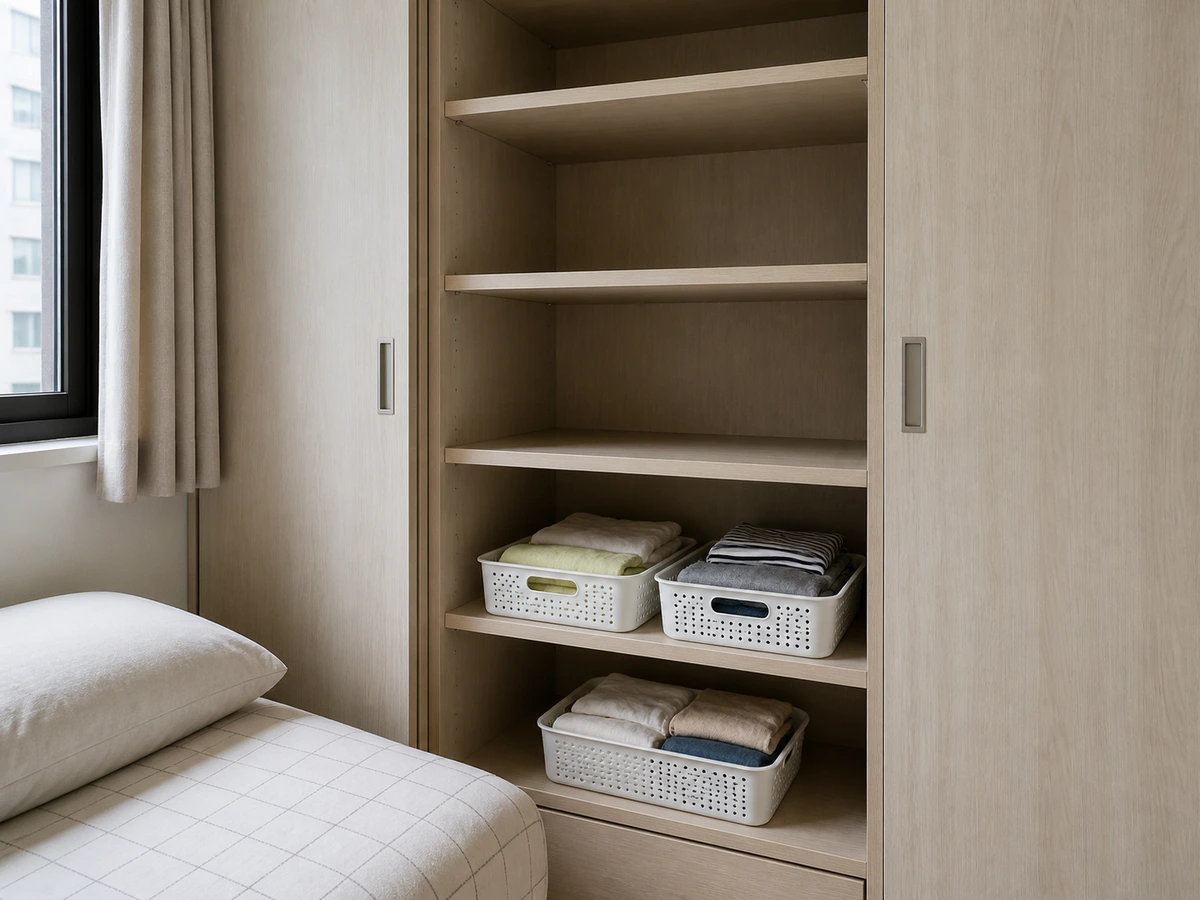
Identify wood or finish, use minimal moisture, and return clothes only after complete drying
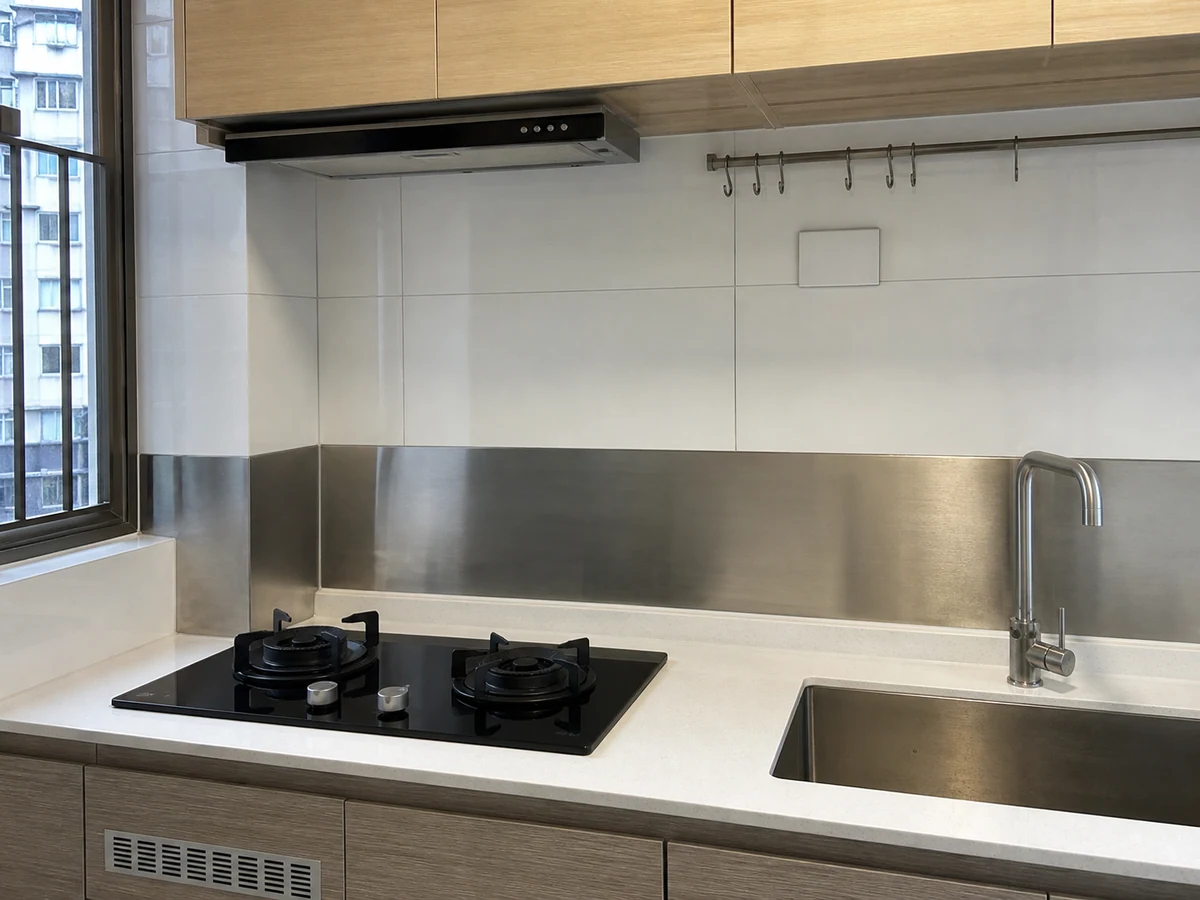
Identify the material, then clean compatible sections and dry
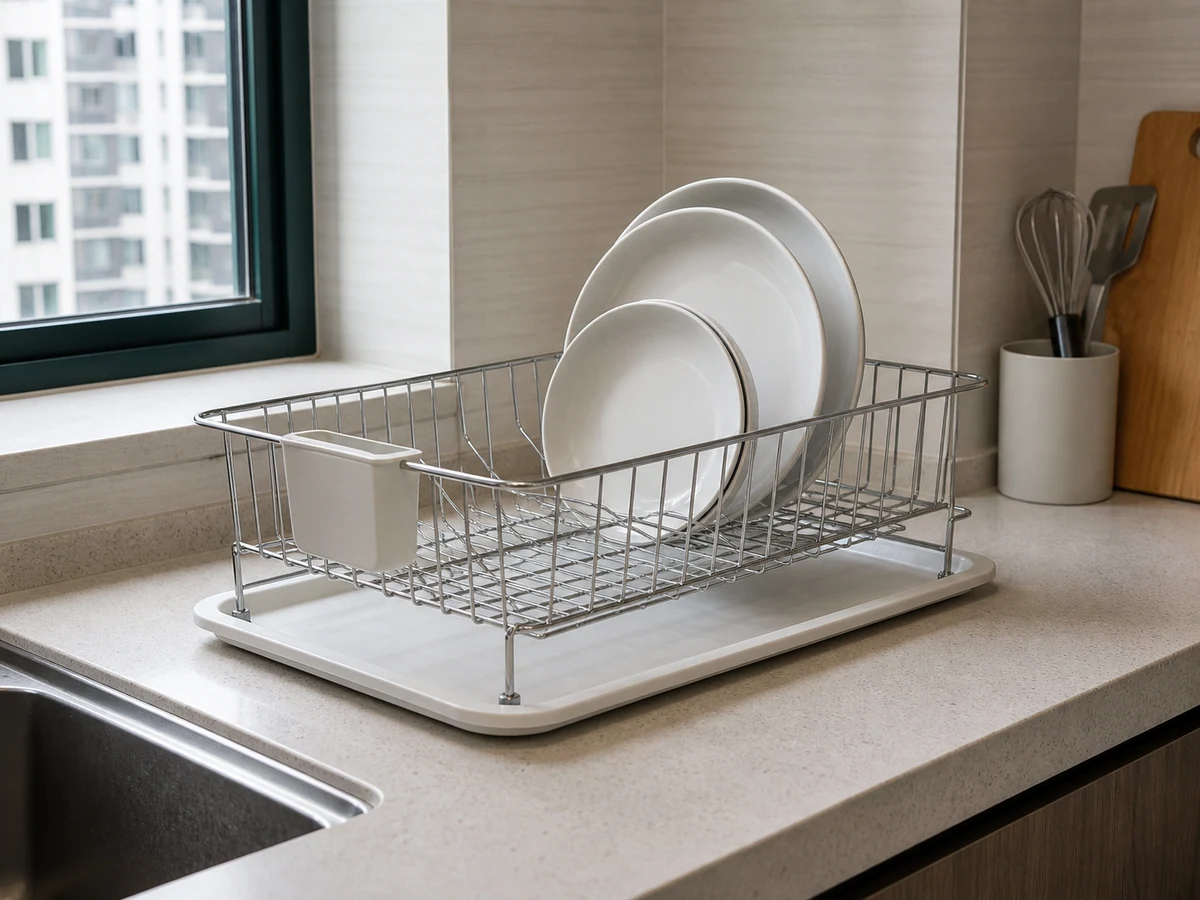
Remove detachable parts, empty standing water, wash and air-dry fully
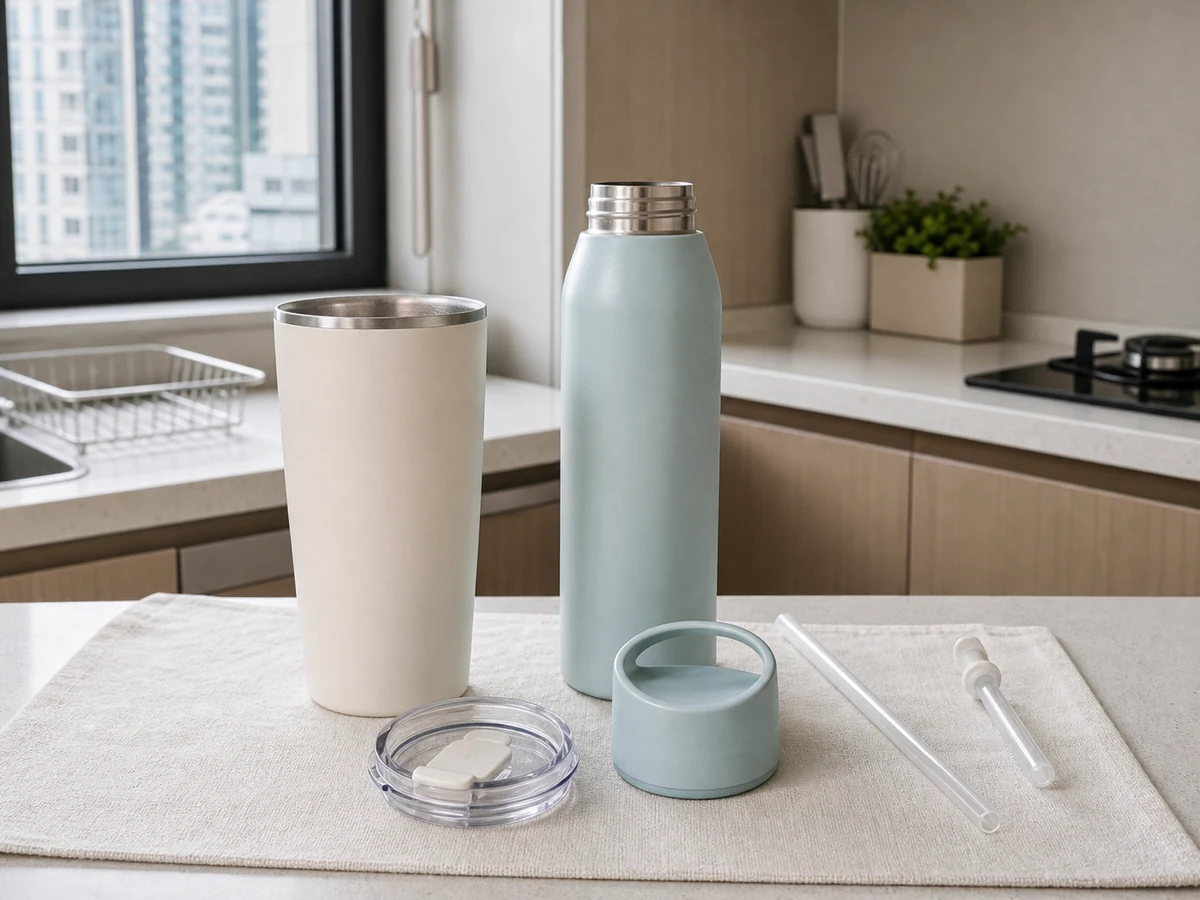
Clean the model-specific lid, seals and straw, then rinse and dry fully
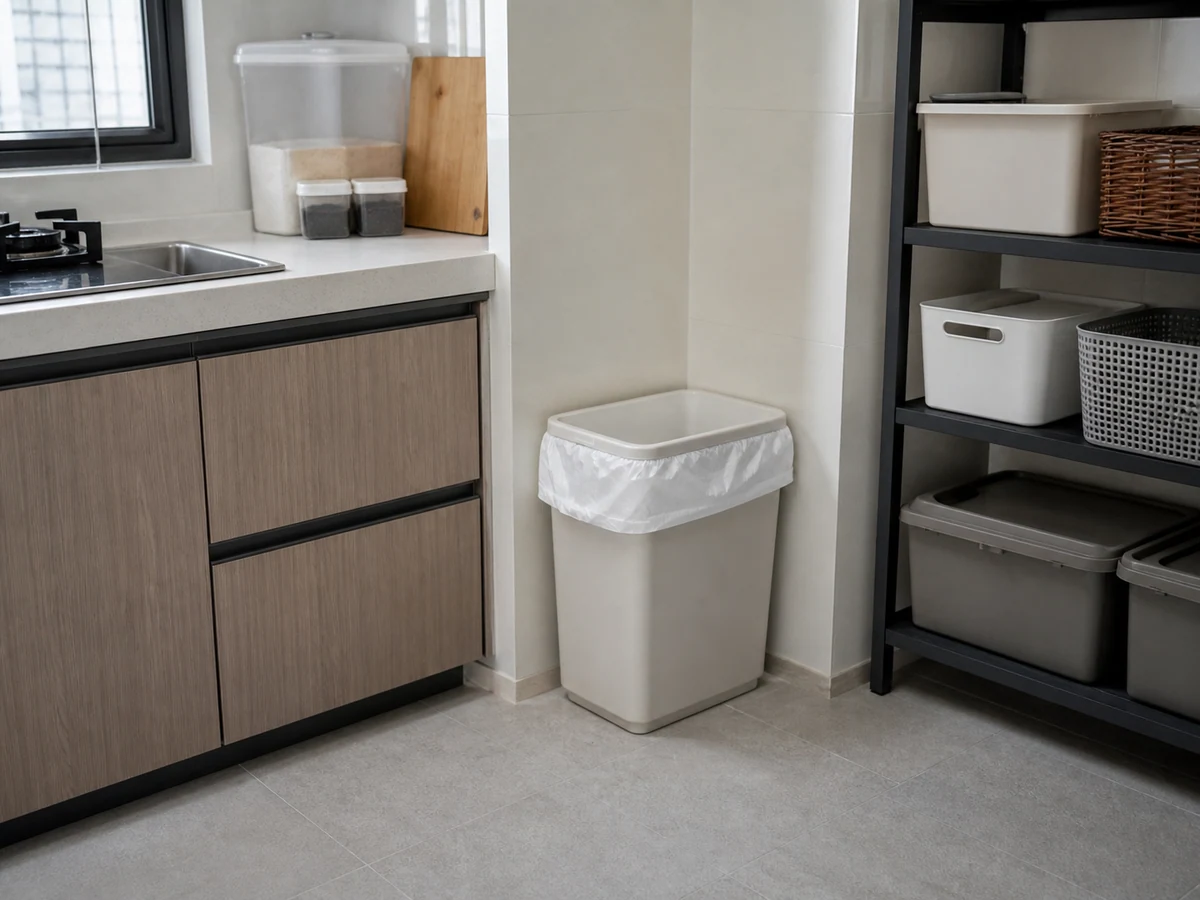
Remove waste safely, clean in a separate zone, dry fully and wash hands
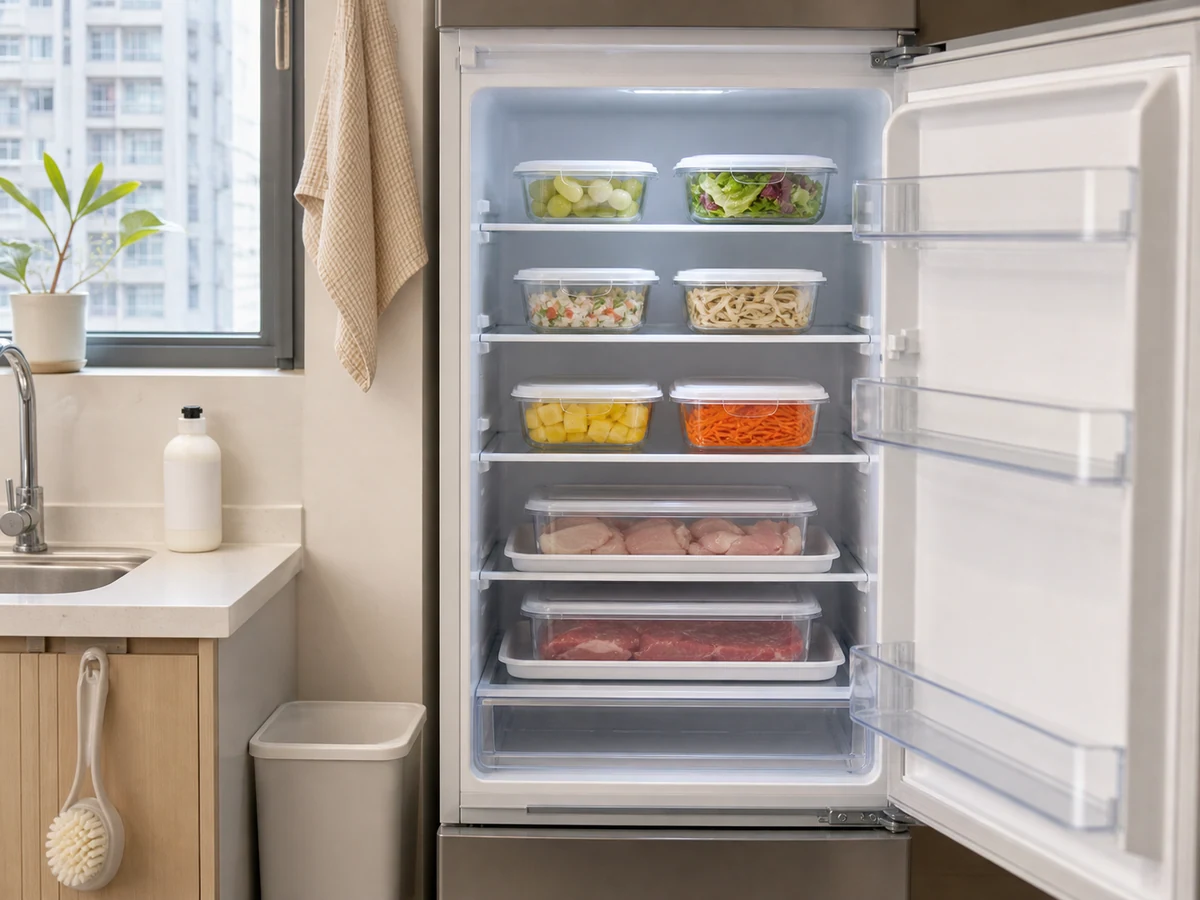
Contain raw food, separate ready-to-eat items, use safe shelf order and preserve airflow
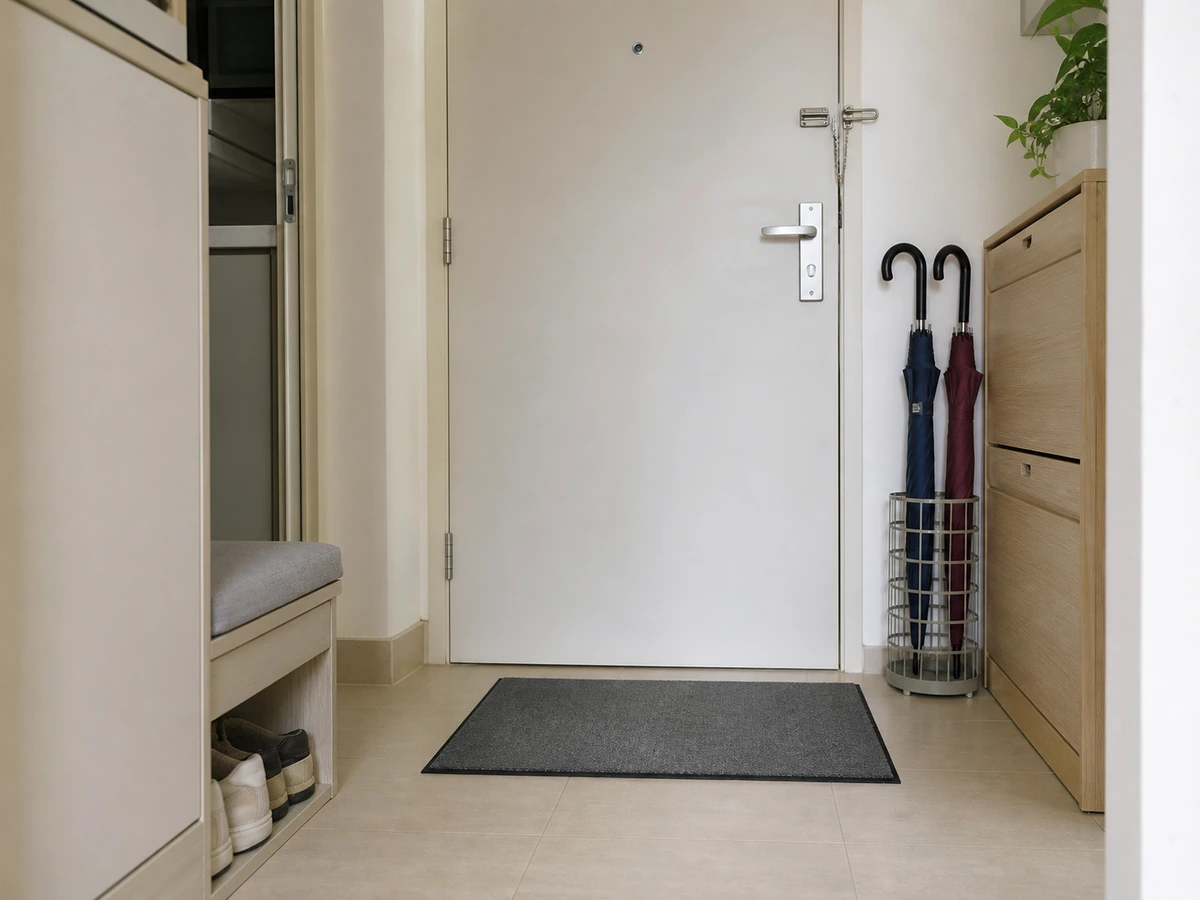
Keep the route dry and clear, then clean each door and floor material correctly
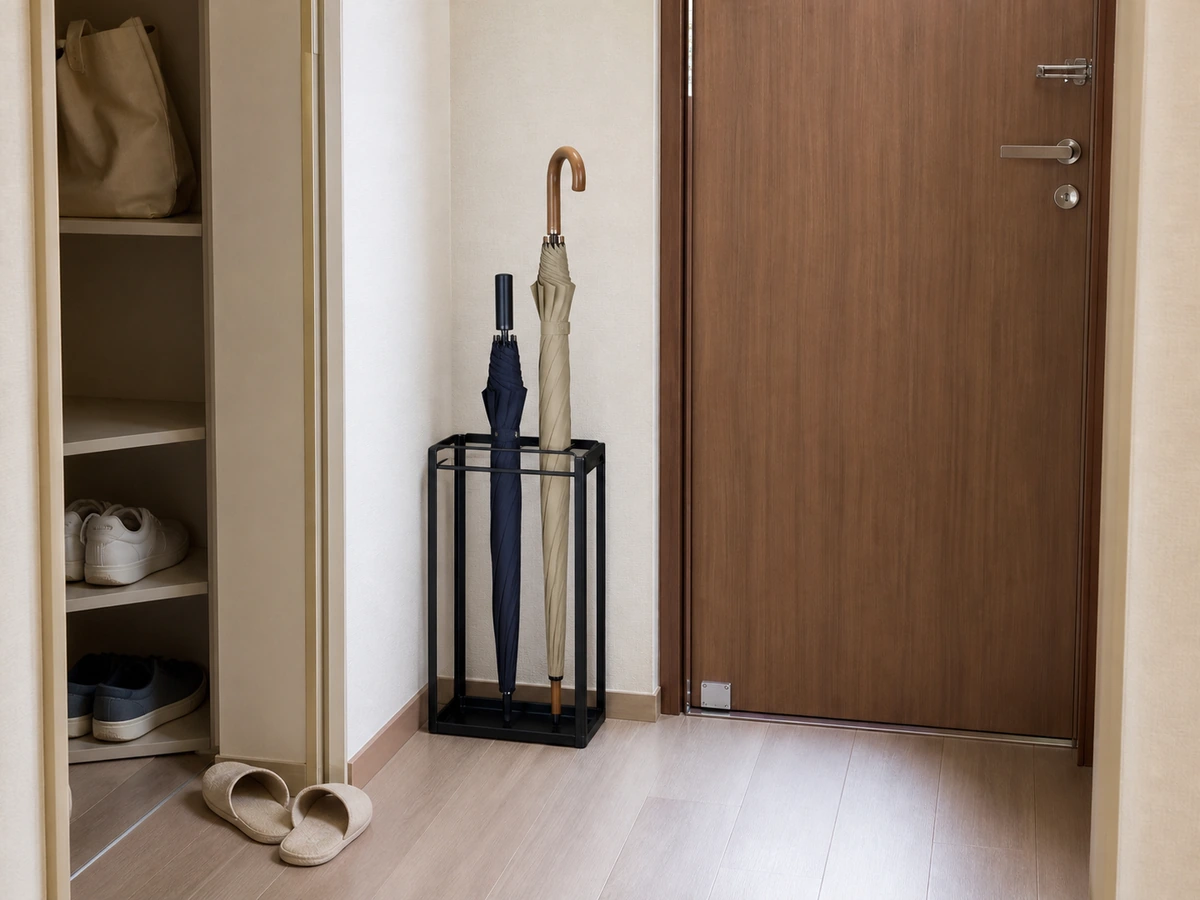
Drain gently, clean by the canopy and frame instructions, then store only when fully dry
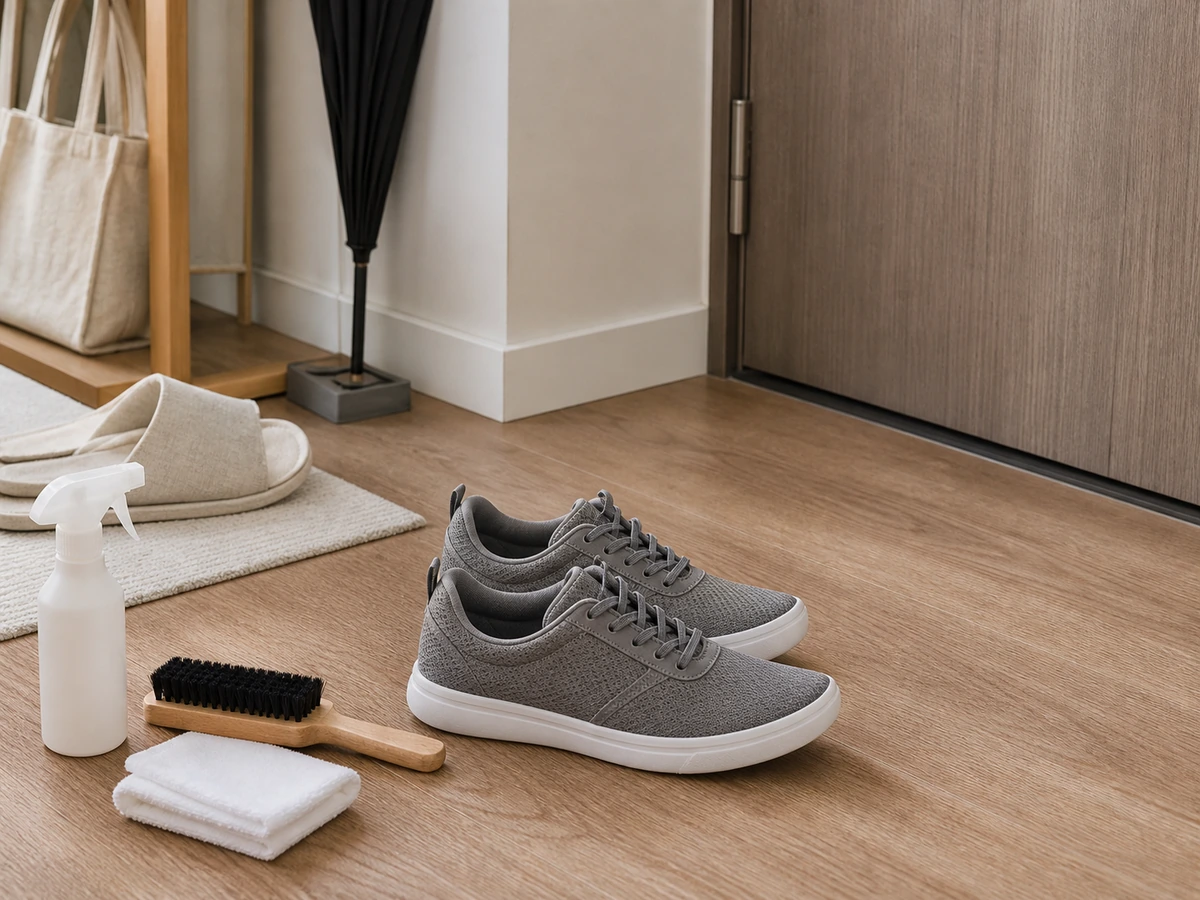
Separate dirty soles from material-sensitive uppers and air-dry fully
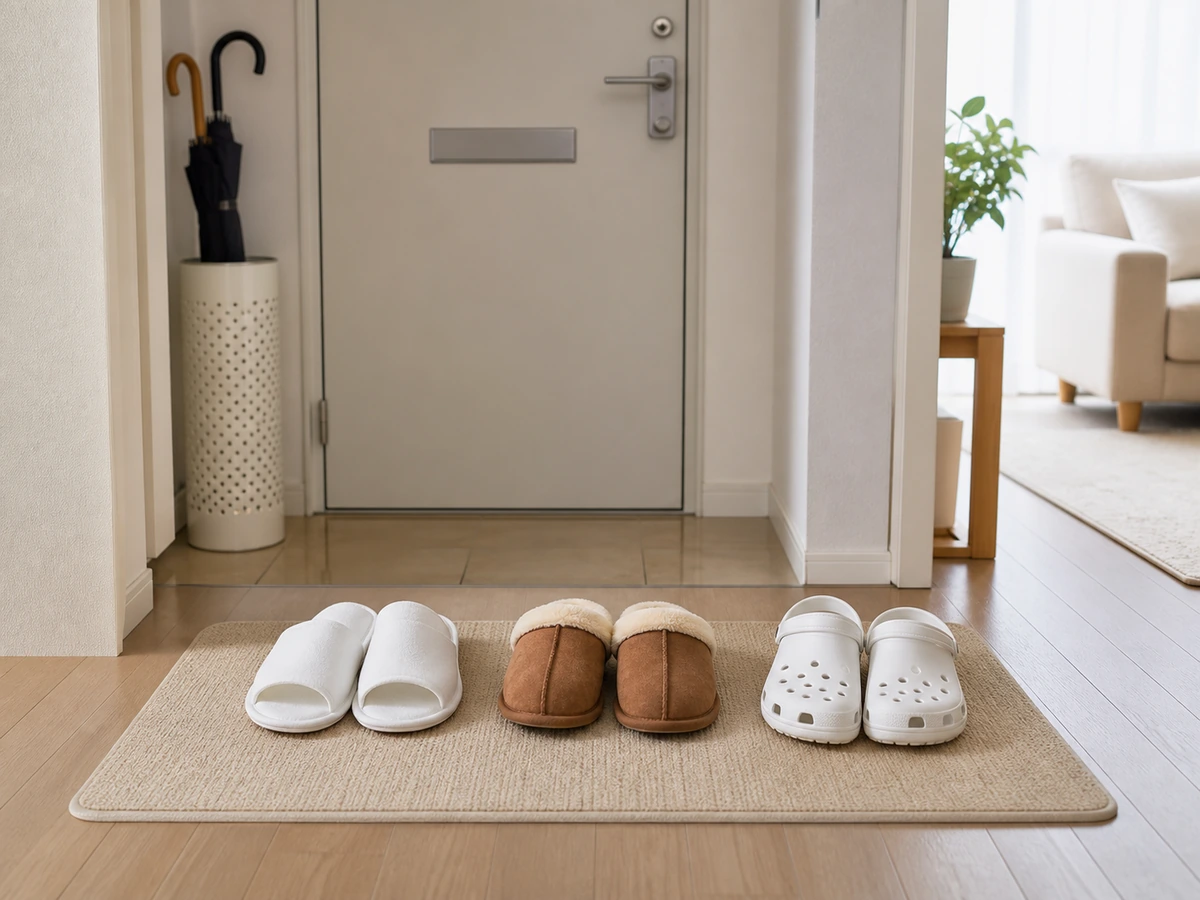
Identify fabric, foam, rubber, suede, leather, and lining before cleaning
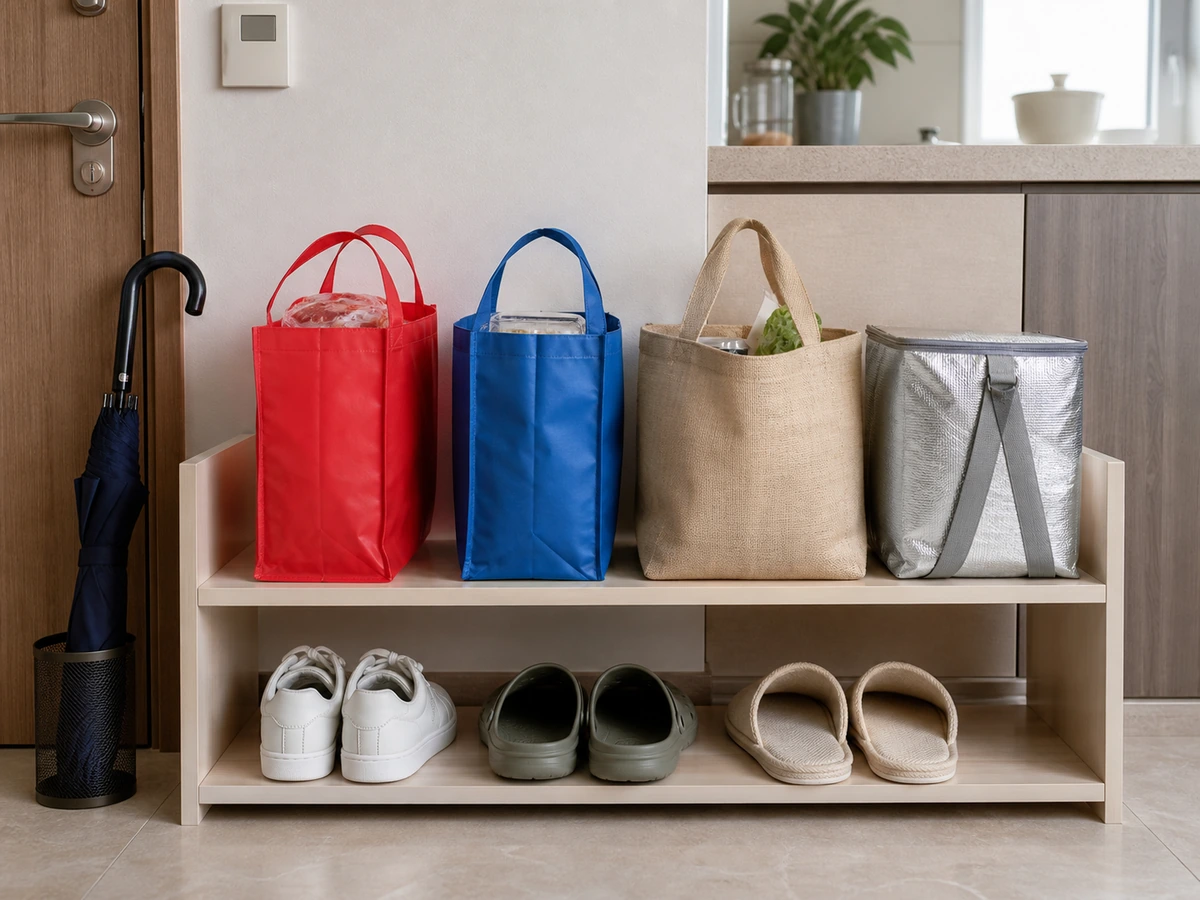
Separate food-use bags, follow each material label, and store only clean and dry
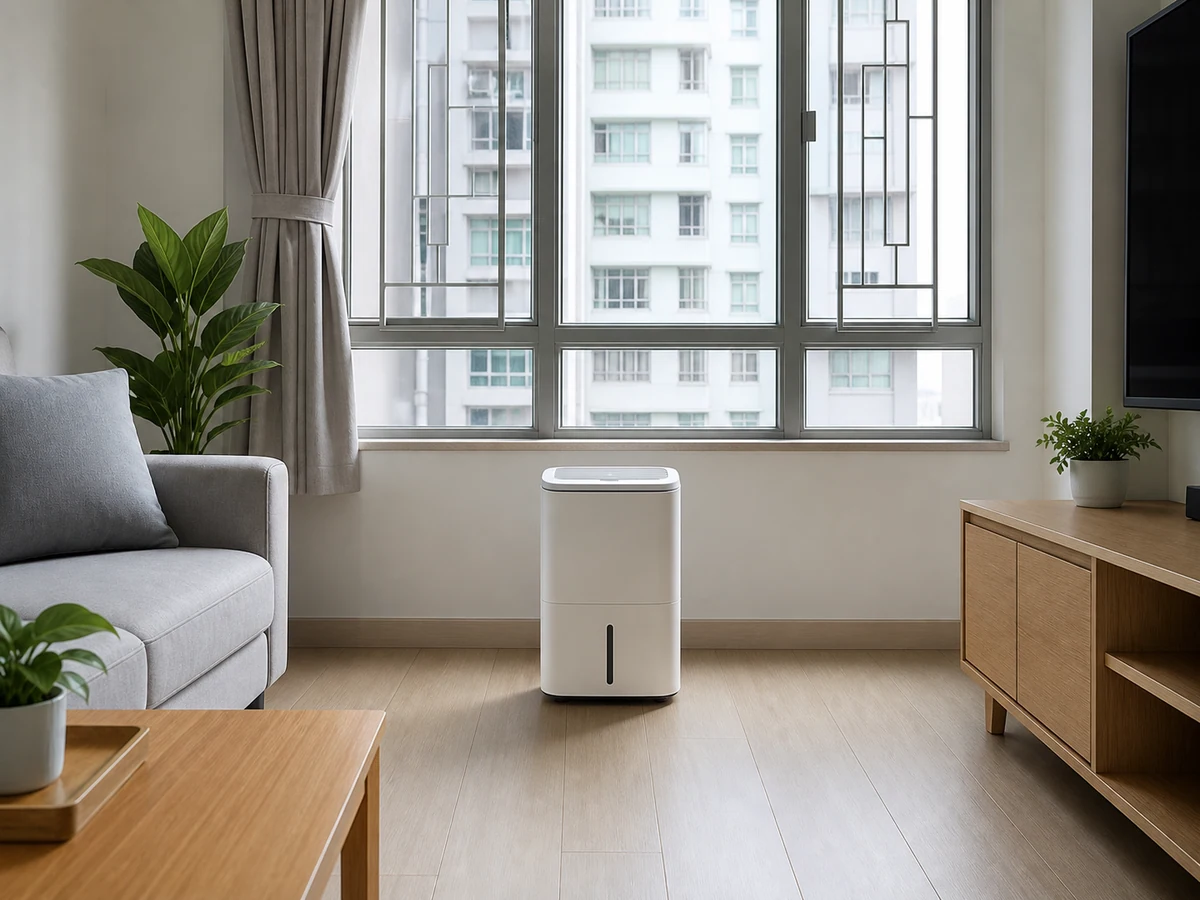
Find moisture, dry condensation, improve safe airflow and use appliances correctly
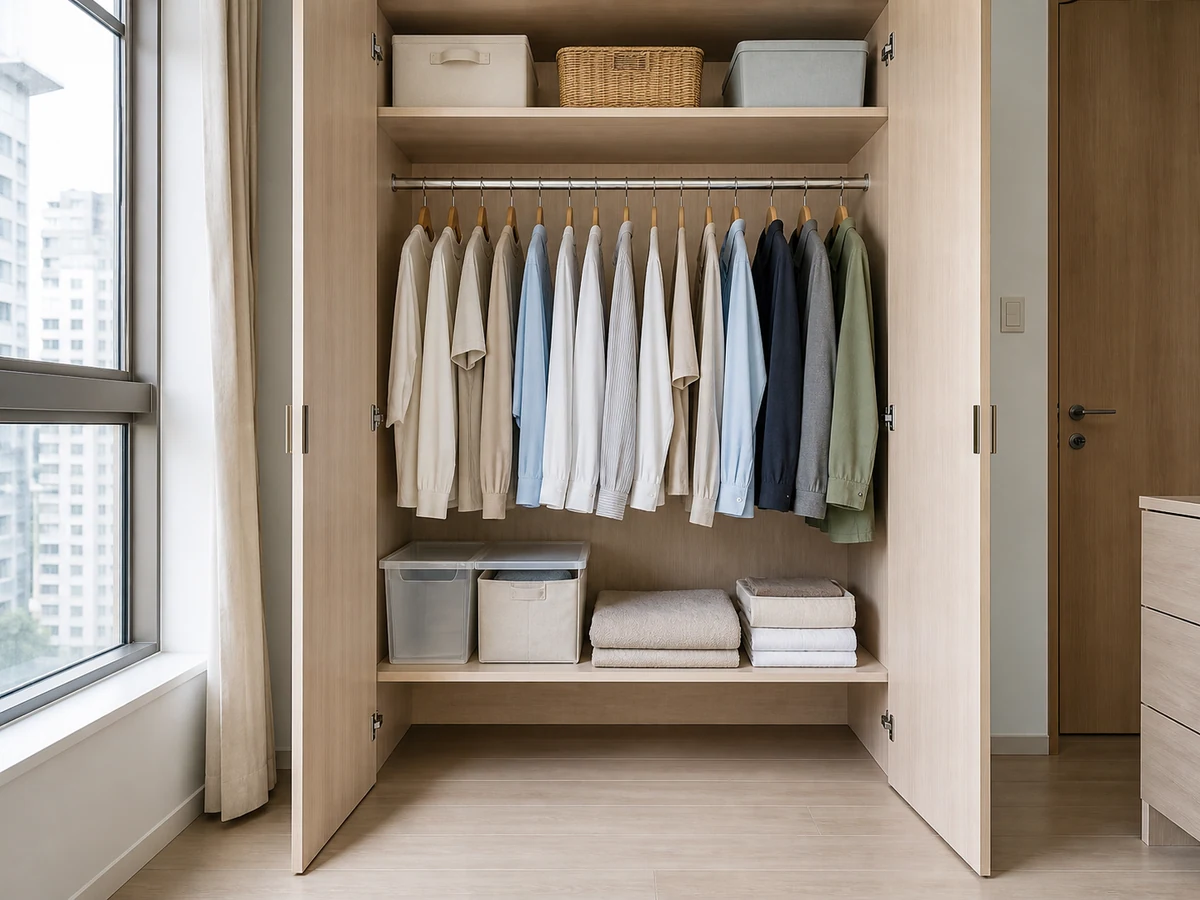
Store only dry clothes, improve airflow and address the moisture source
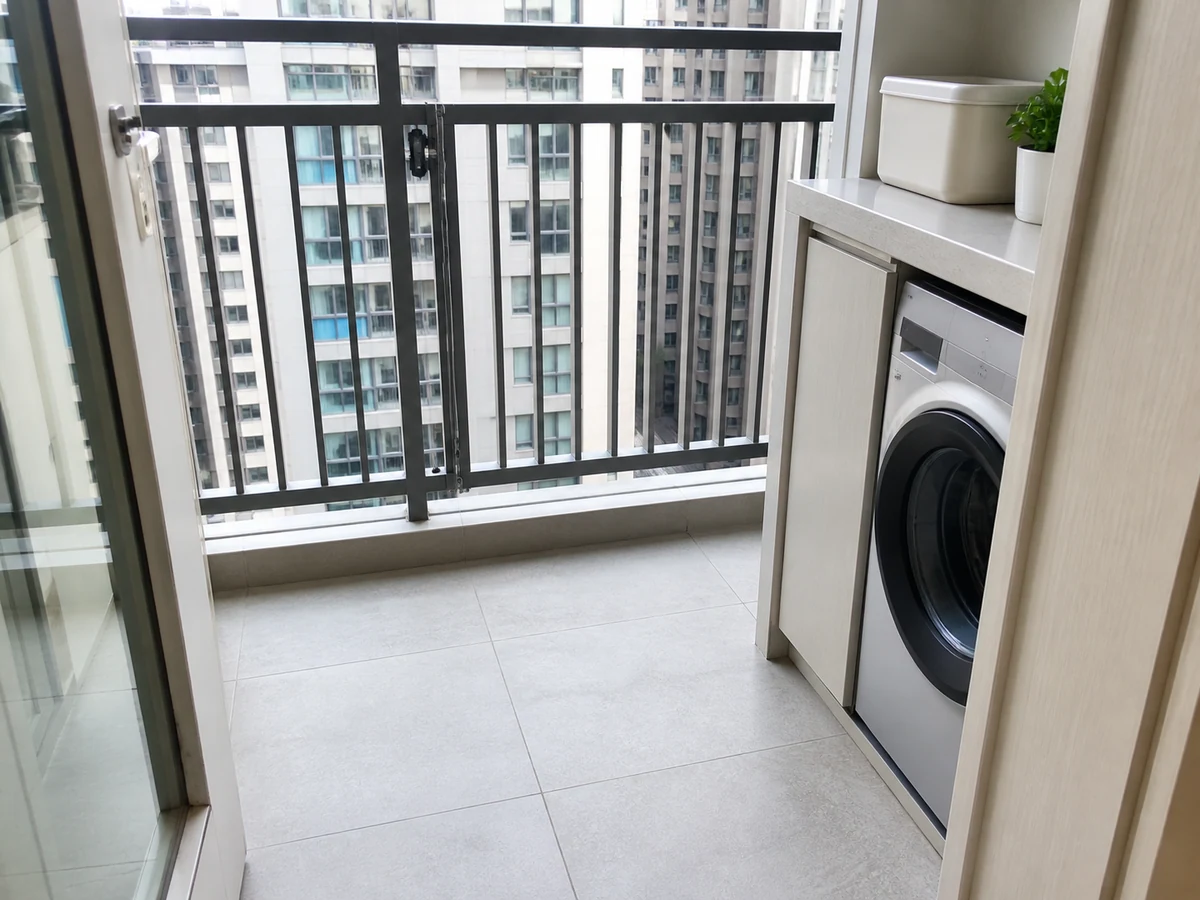
Work only inside the protected area, control water and never lean or climb
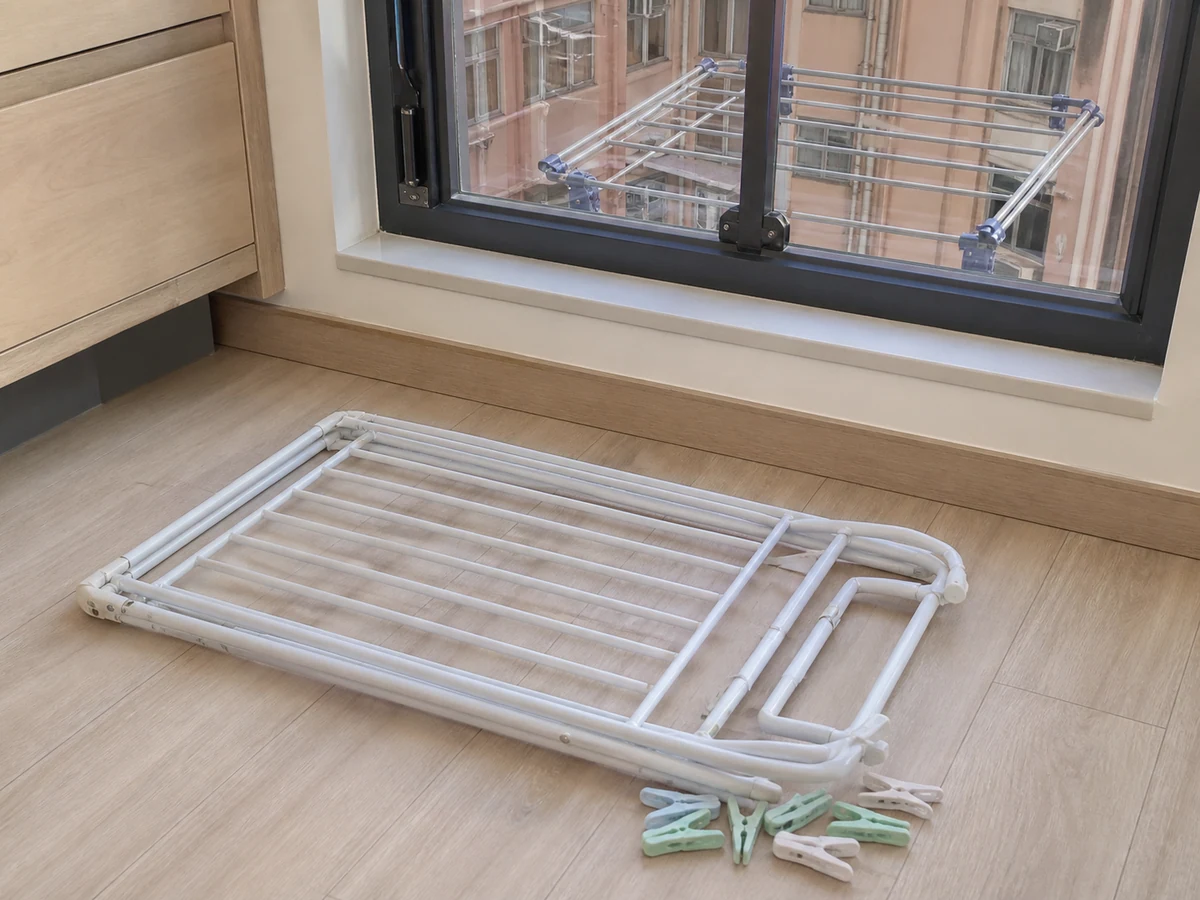
Inspect, clean removable parts indoors and never lean out or climb
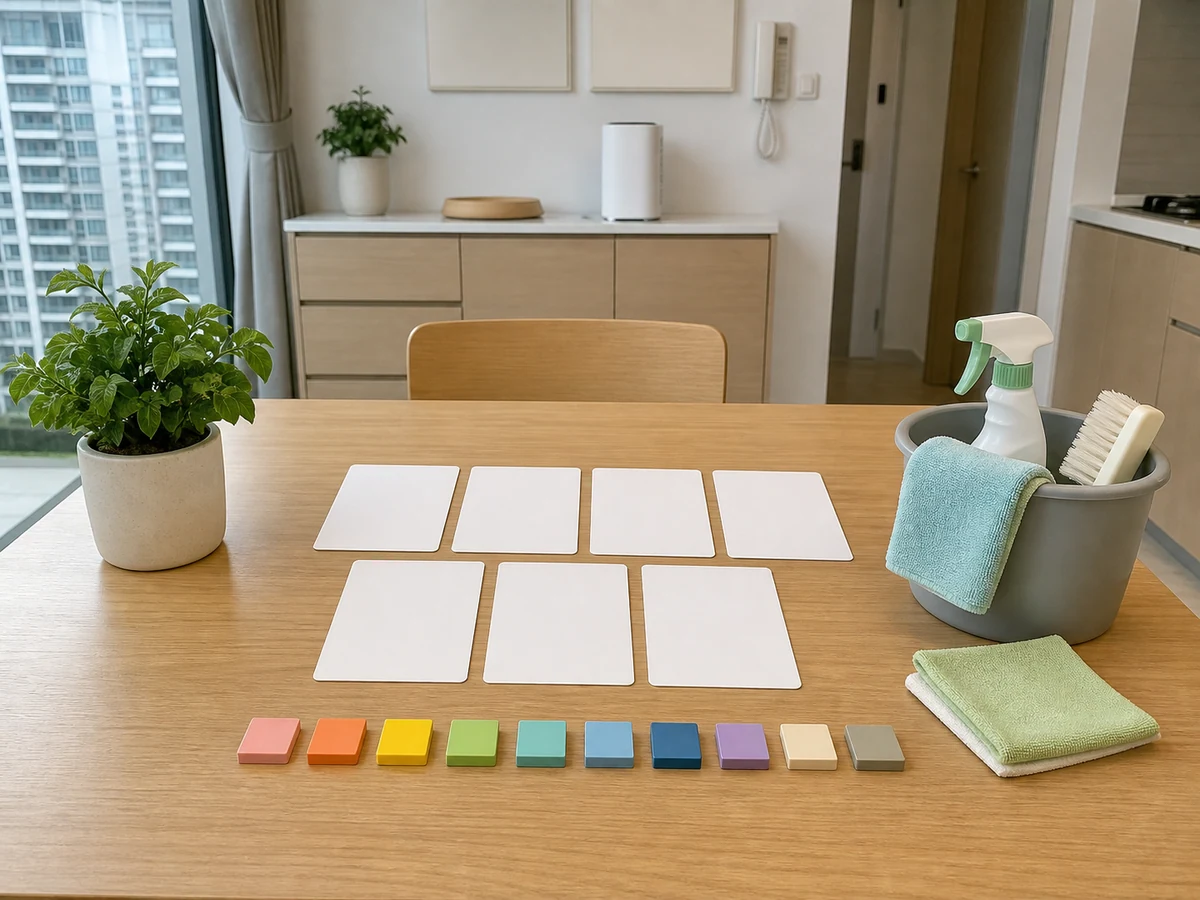
Build an adaptable plan from daily, weekly and as-needed priorities
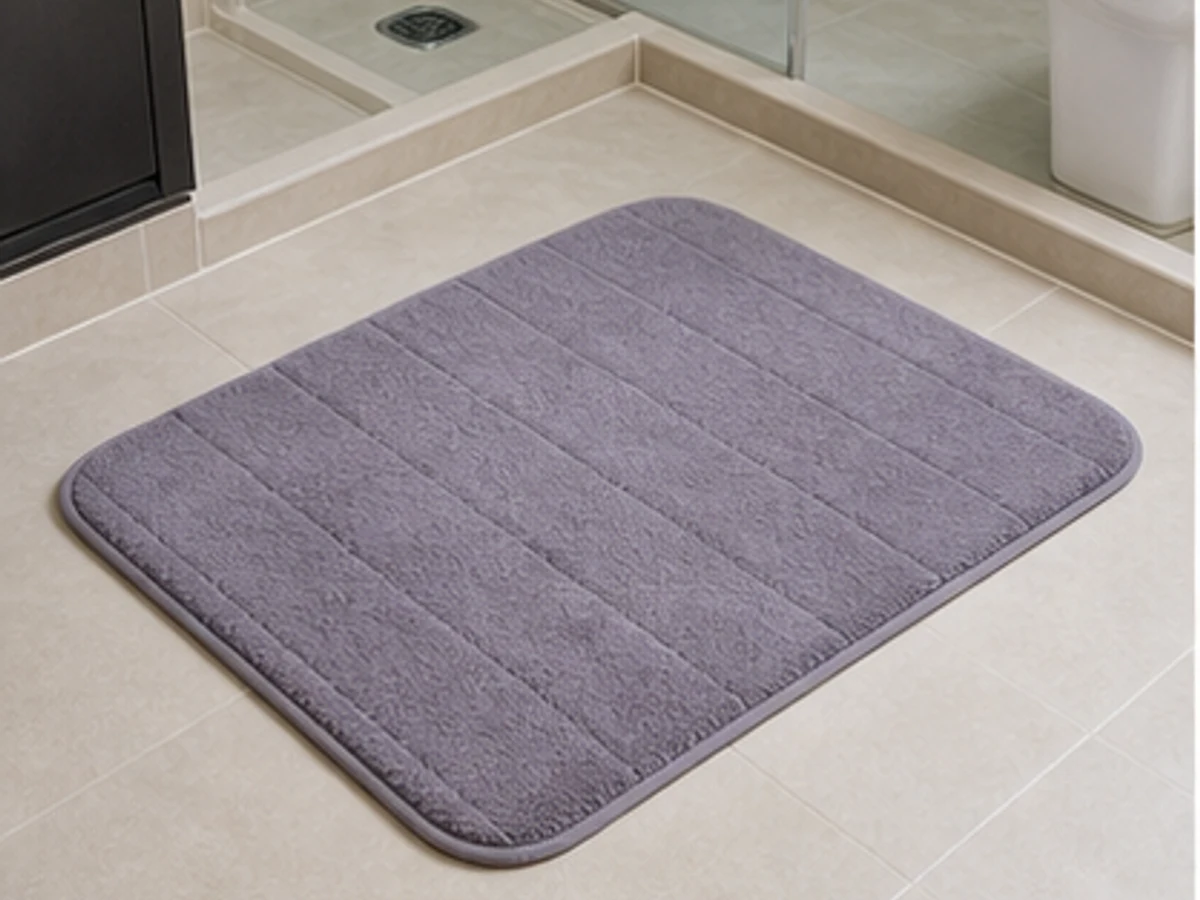
A practical sequence from “Read the care label” to “Rinse and reshape”
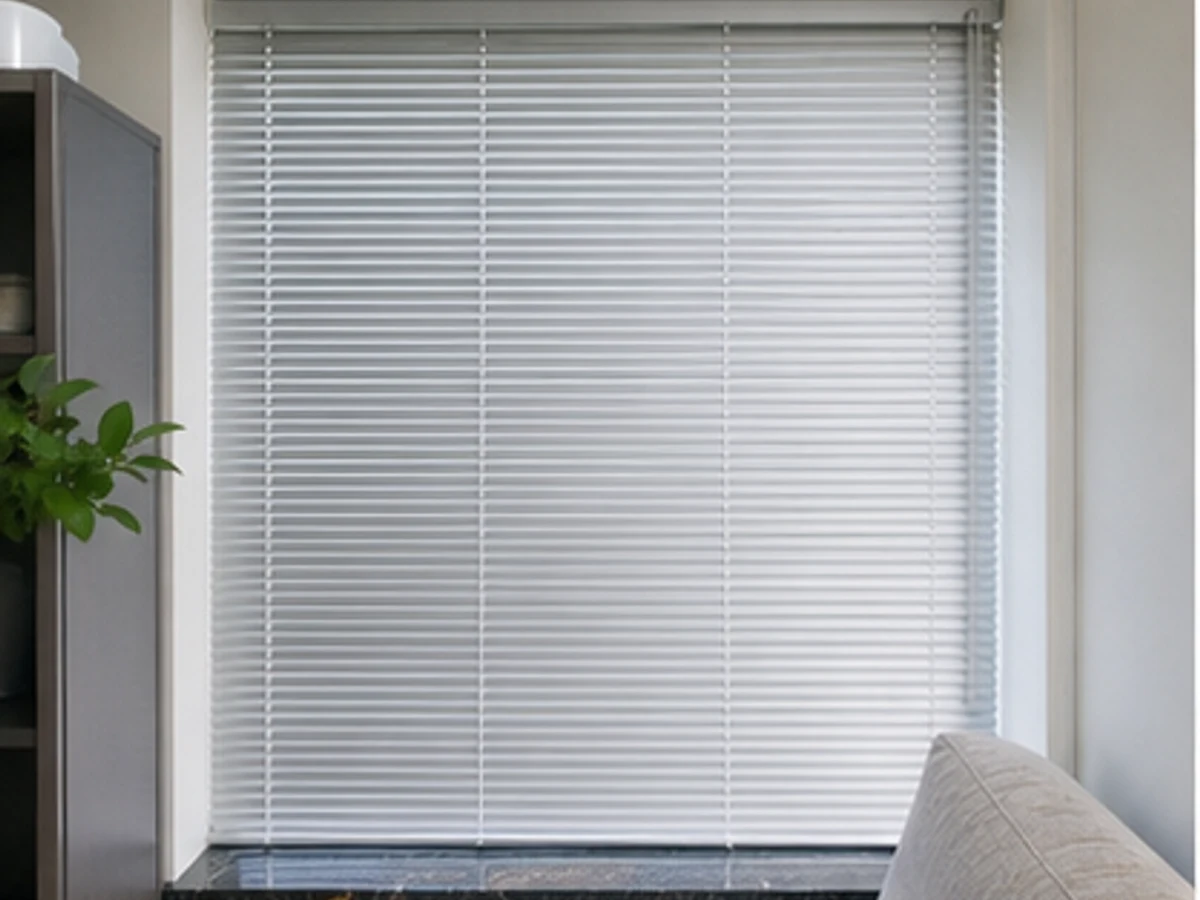
A practical sequence from “Confirm the material and safe reach” to “Remove residue and dry fully”
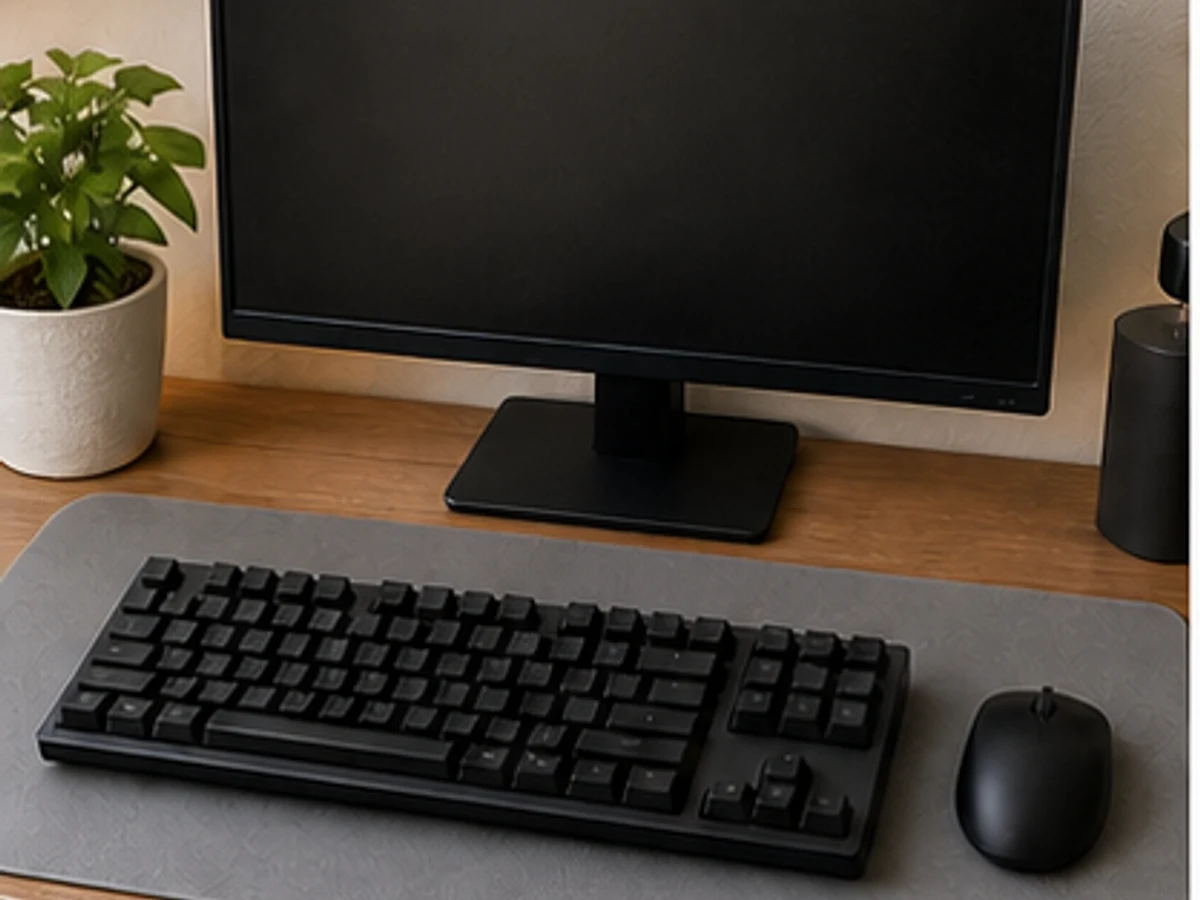
A practical sequence from “Power off and disconnect” to “Wipe, dry and reconnect”
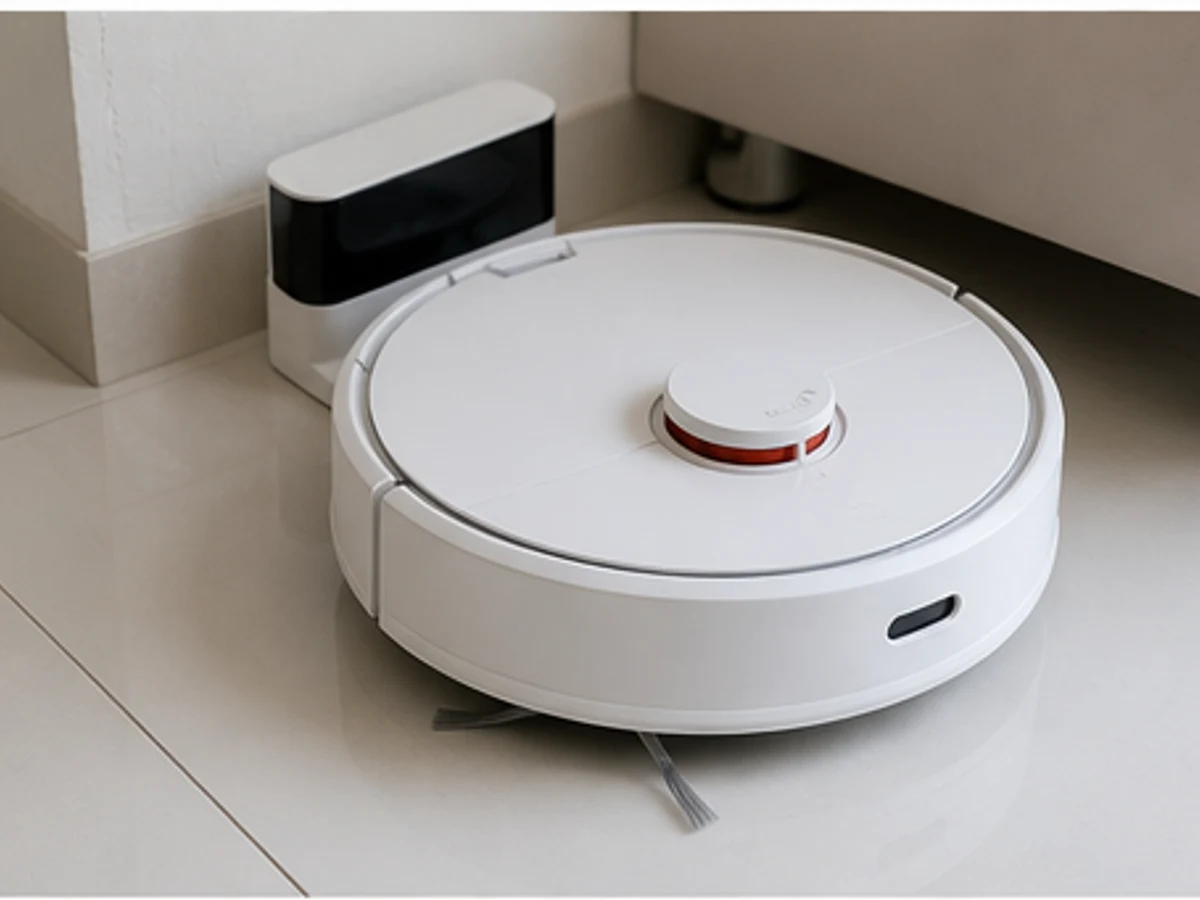
A practical sequence from “Power off and disconnect” to “Clean permitted surfaces”
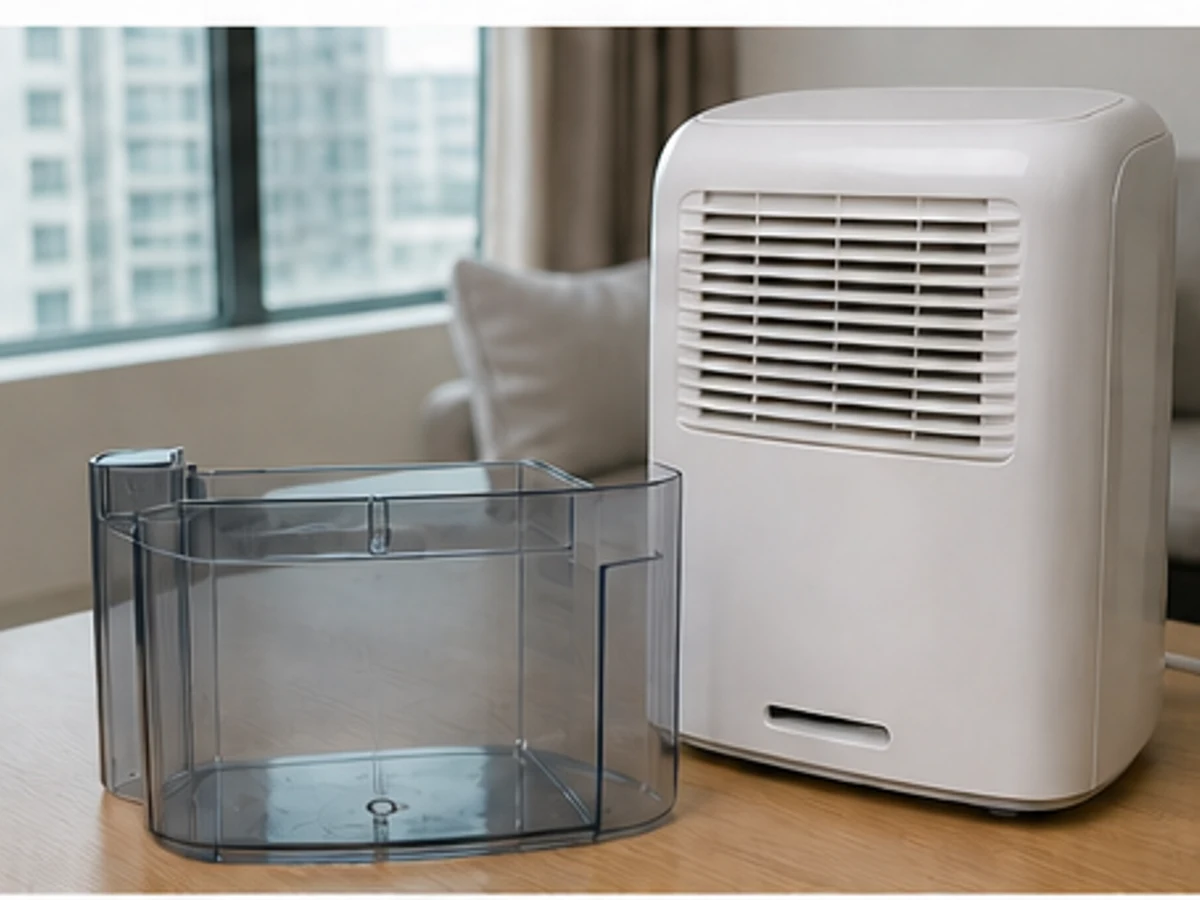
A practical sequence from “Switch off, unplug and remove the tank” to “Dry fully and refit correctly”
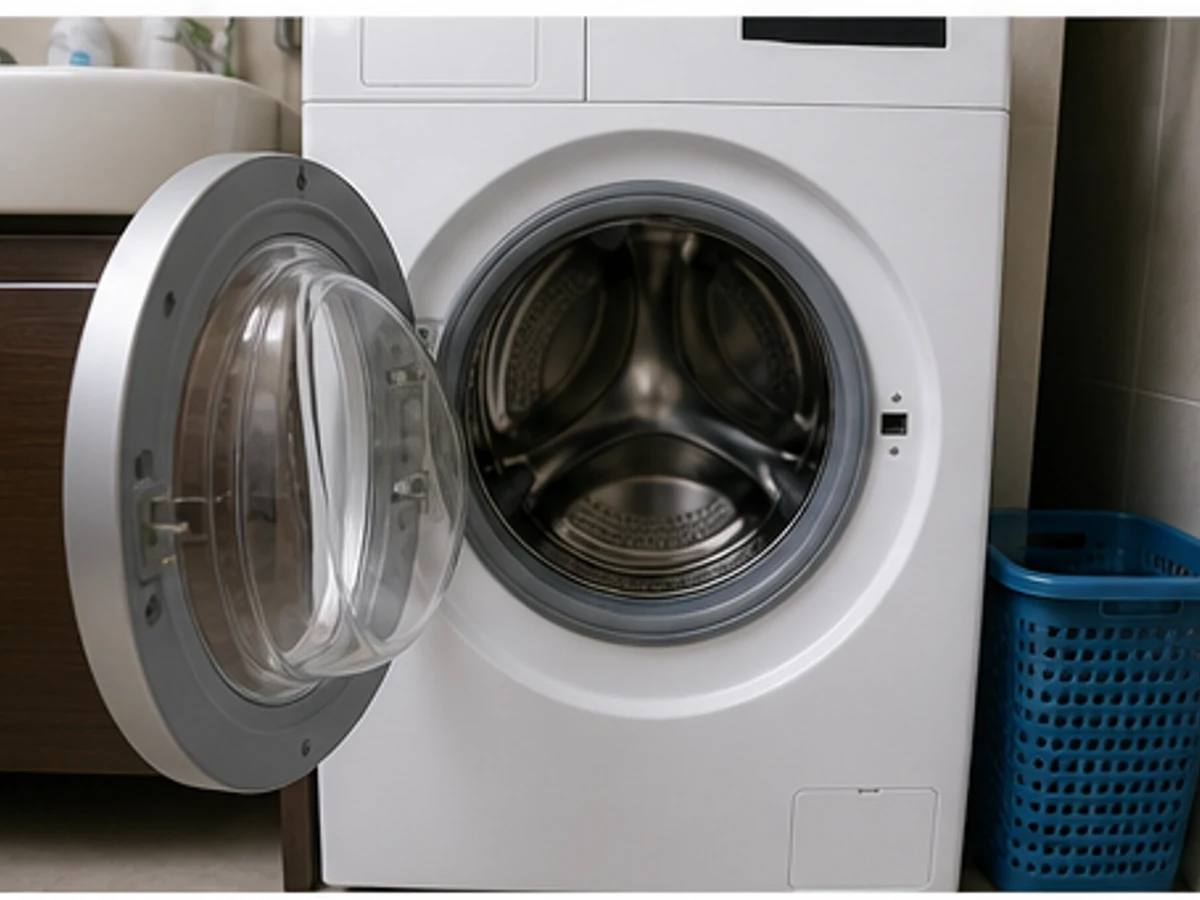
A practical sequence from “Check the exact model instructions” to “Run the approved cycle”
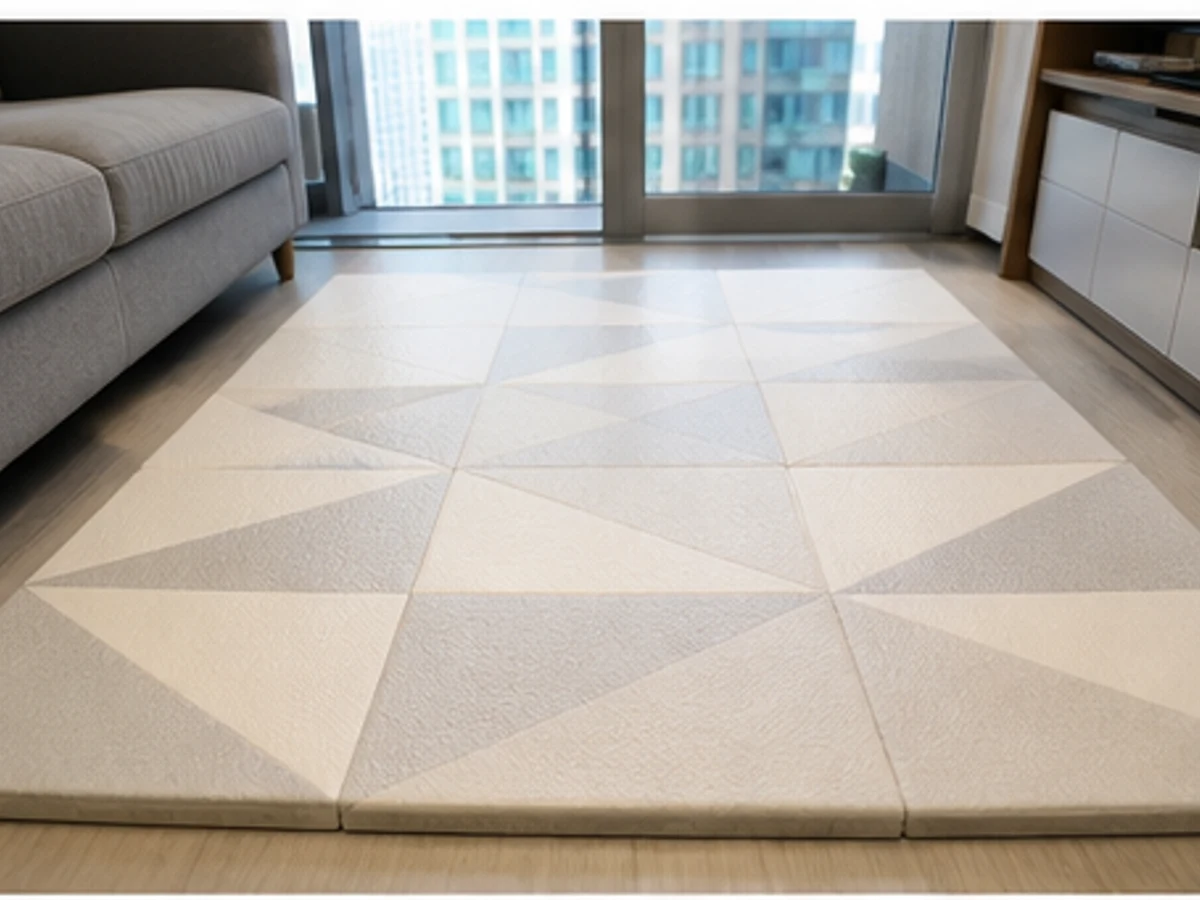
A practical sequence from “Read the material label and clear the area” to “Remove residue and block use until dry”
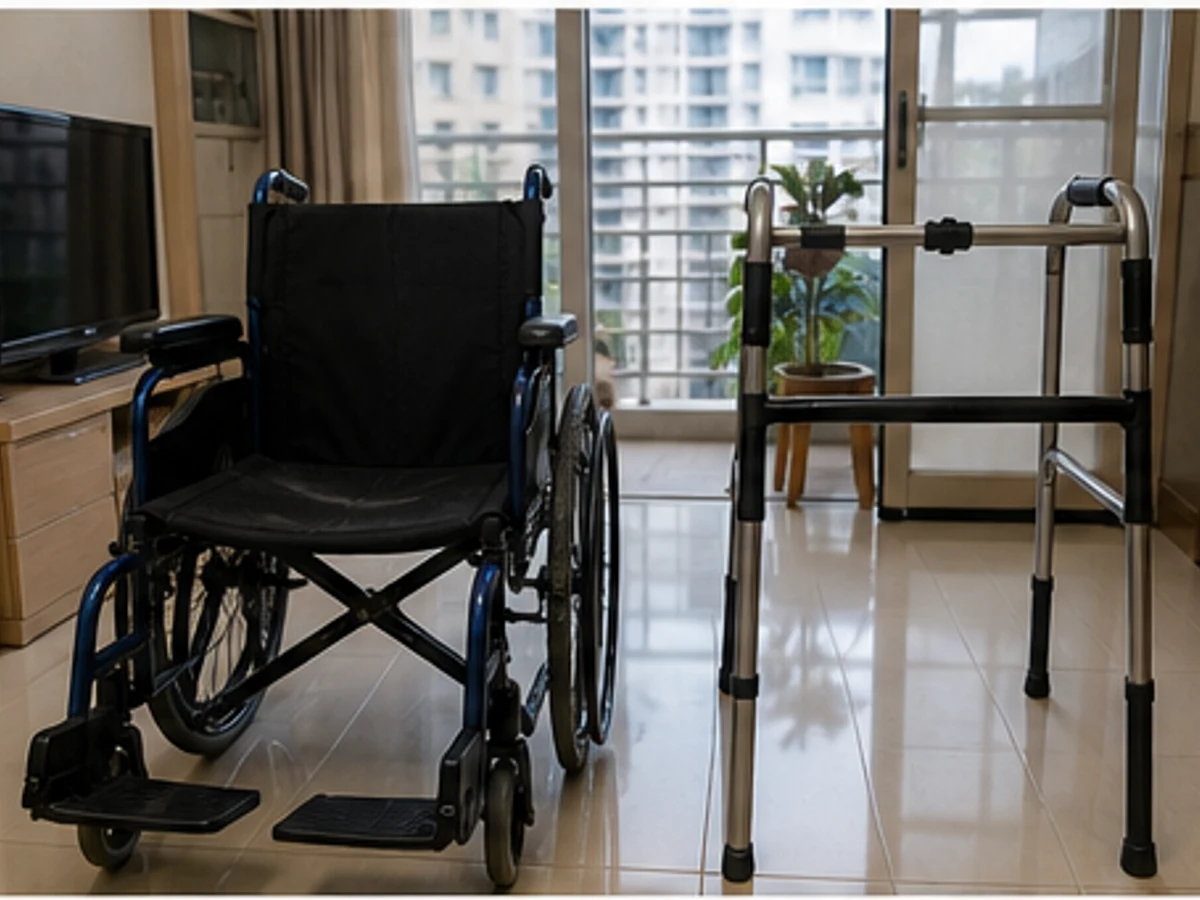
A practical sequence from “Ask permission and apply brakes” to “Clean wheel surfaces, not bearings”
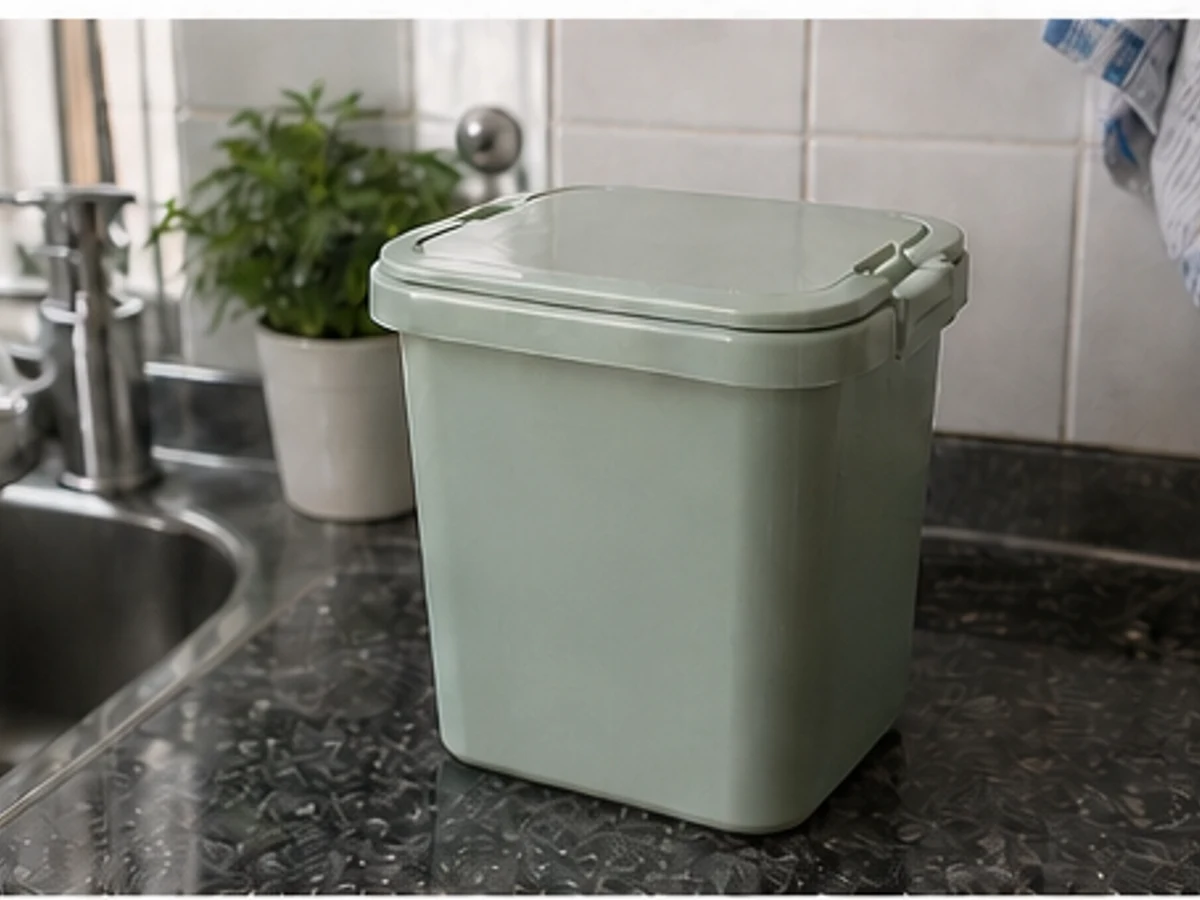
A practical sequence from “Empty and sort correctly” to “Remove residue”
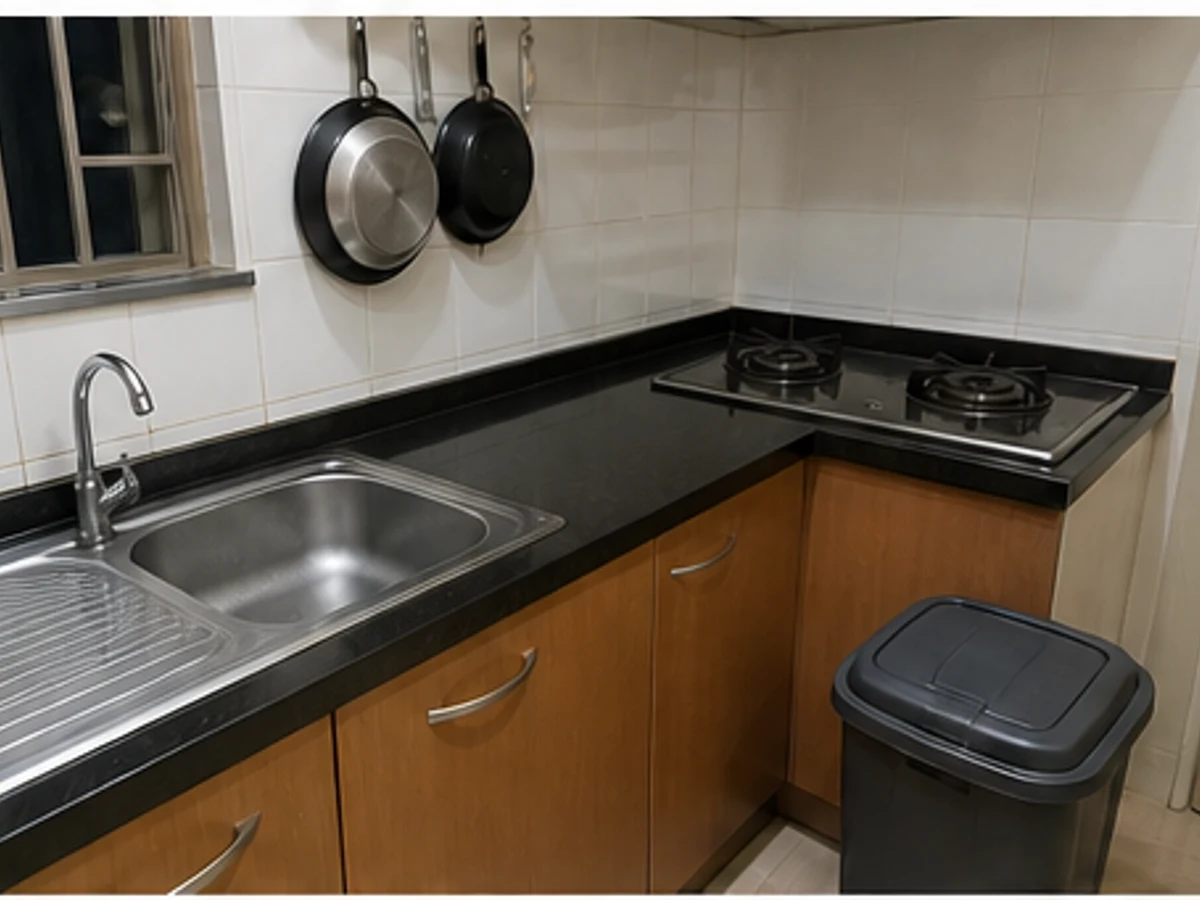
A practical sequence from “Remove food debris and standing water” to “Handle rubbish and cardboard daily”
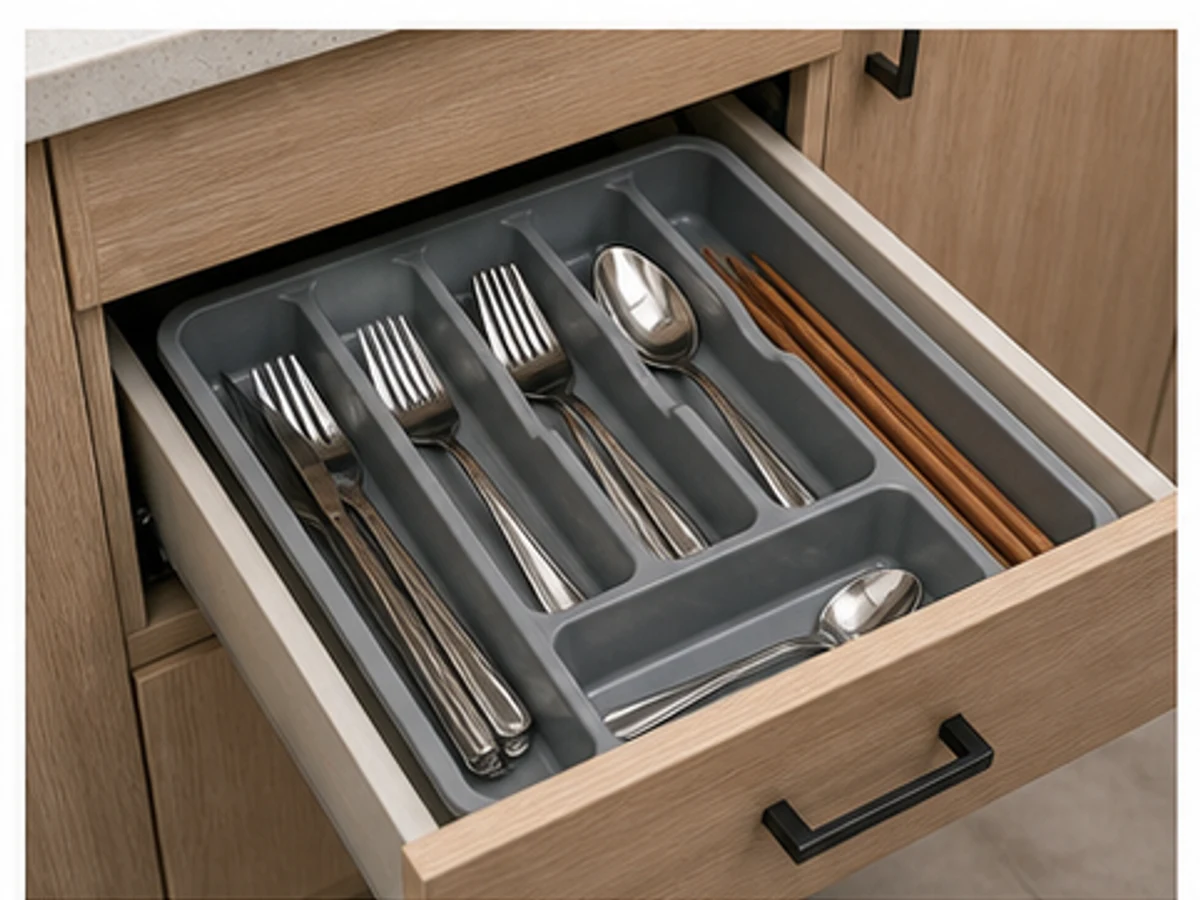
Empty and sort first, then clean by material, dry fully and return utensils safely
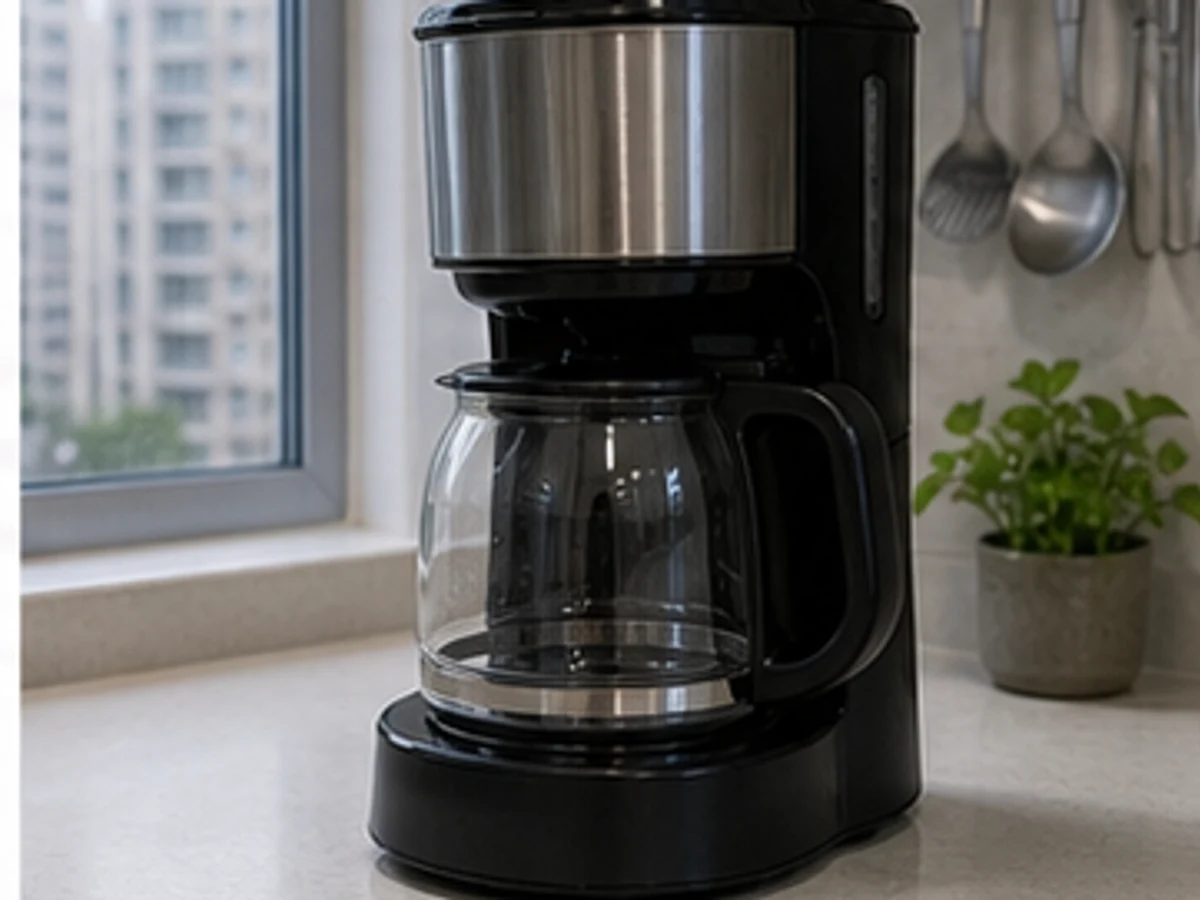
A practical sequence from “Unplug, cool and read the manual” to “Descale by model and rinse fully”
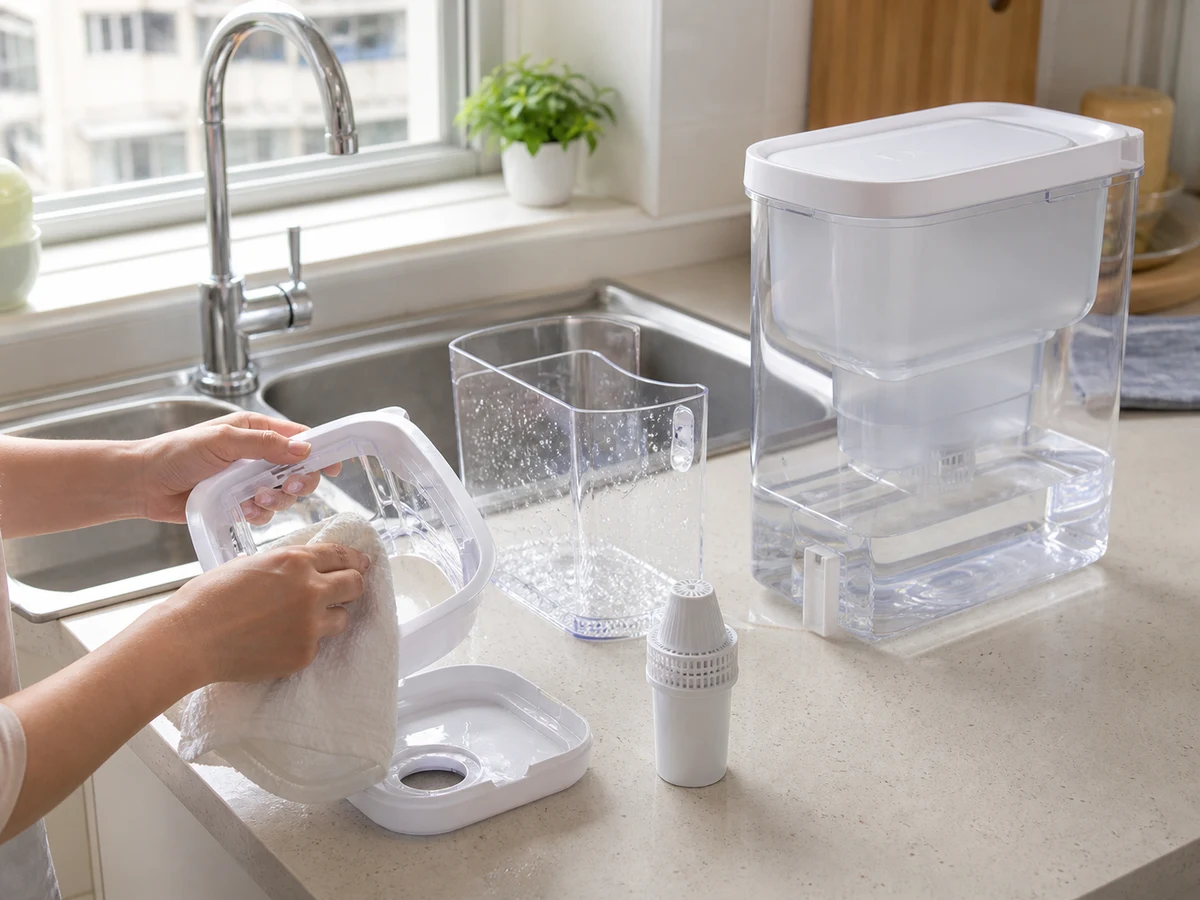
A practical sequence from “Check the model and cartridge directions” to “Rinse, dry and refit correctly”
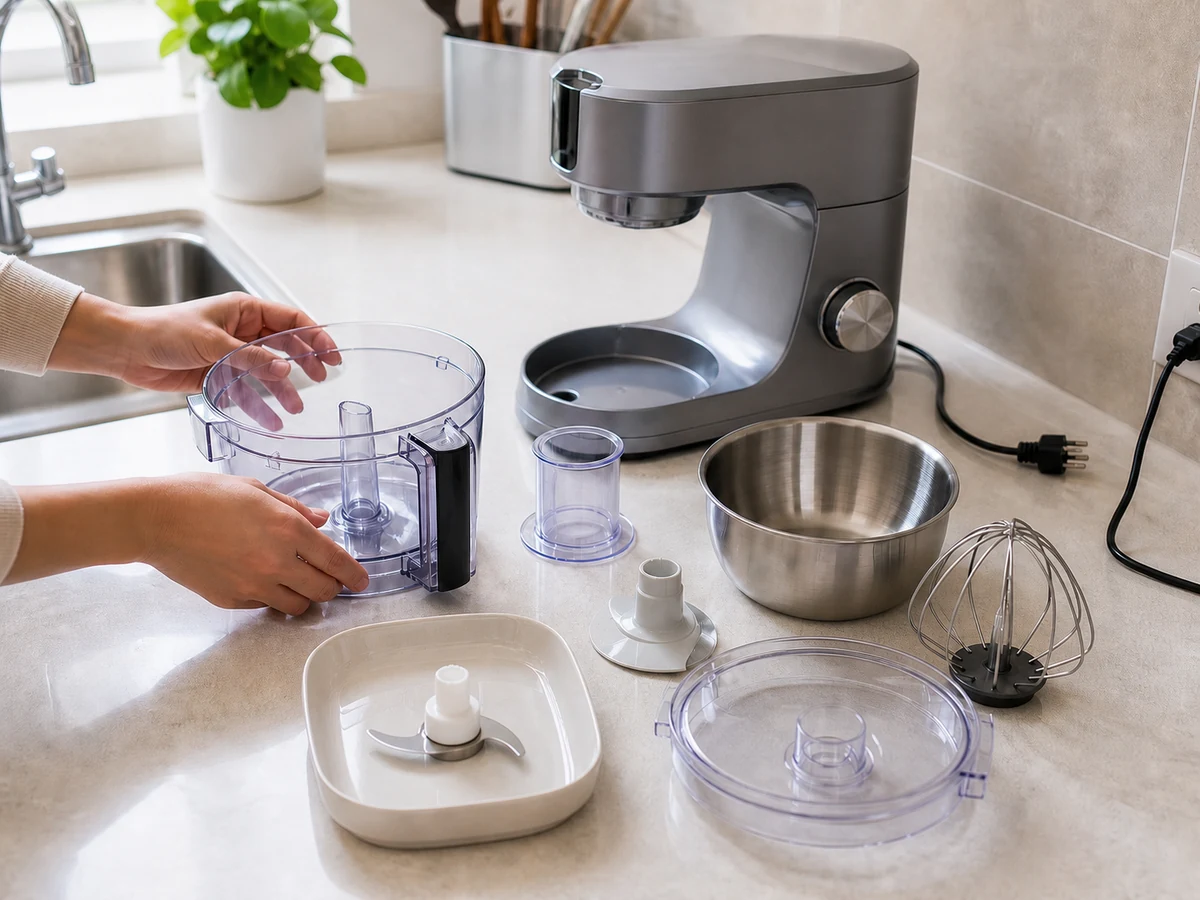
A practical sequence from “Switch off, unplug and wait” to “Wipe the body, dry and restore”
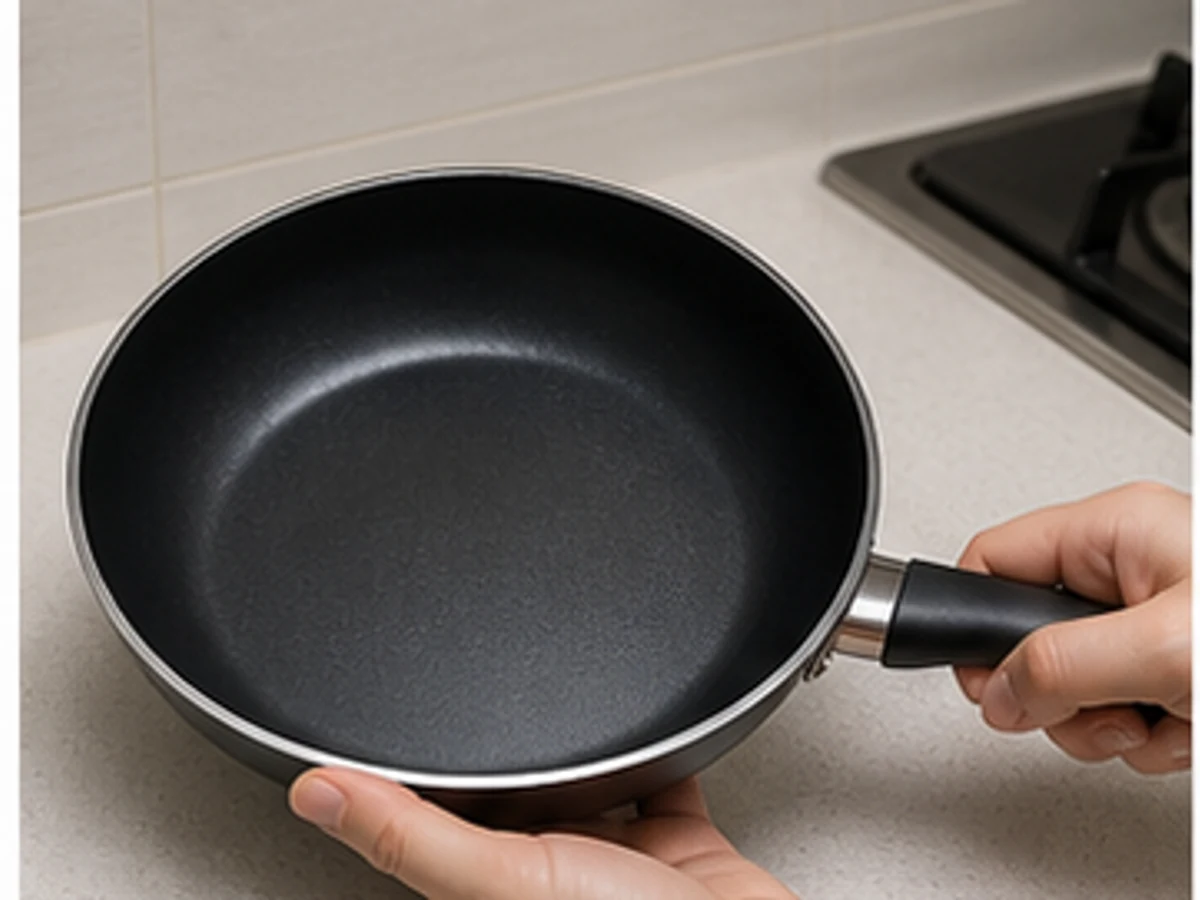
A practical sequence from “Cool and check” to “Rinse and inspect”
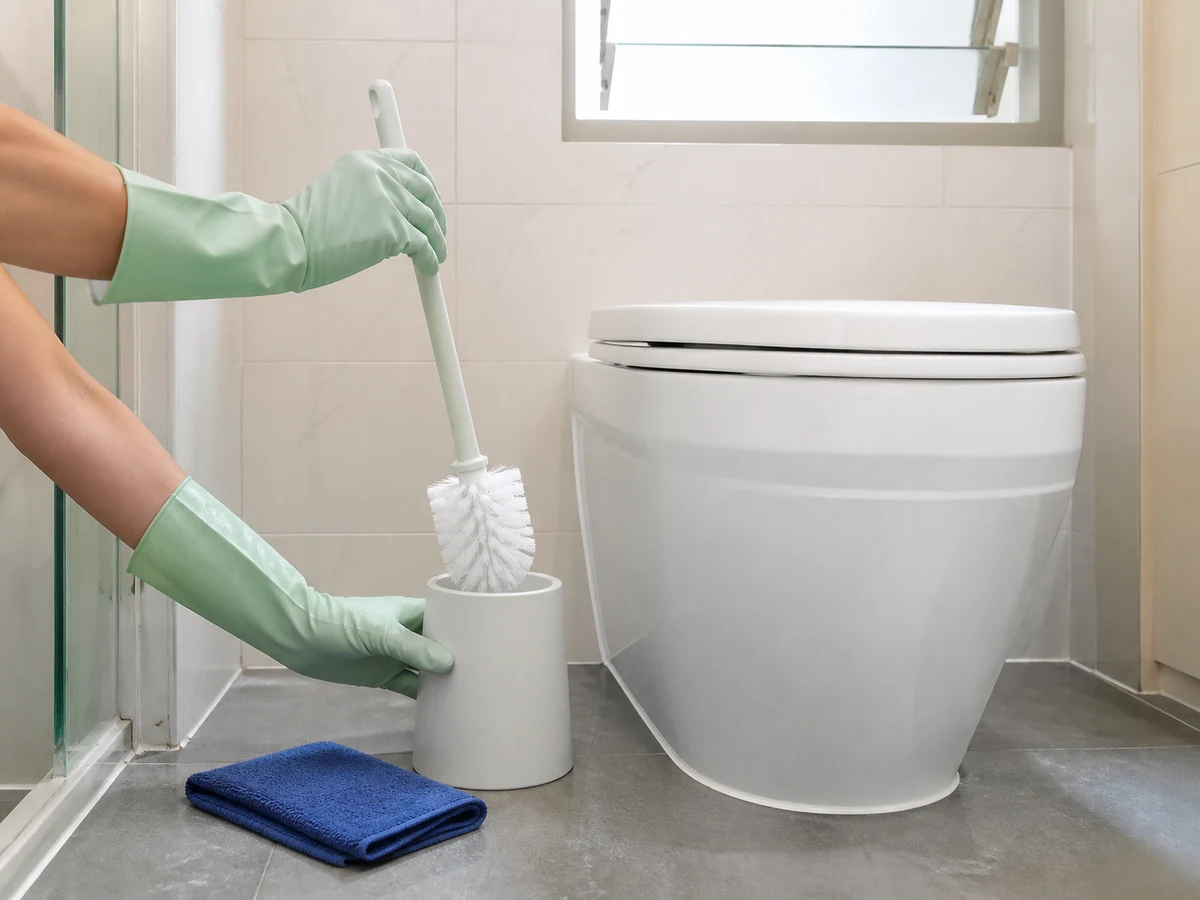
A practical sequence from “Glove and empty” to “Dry and return”
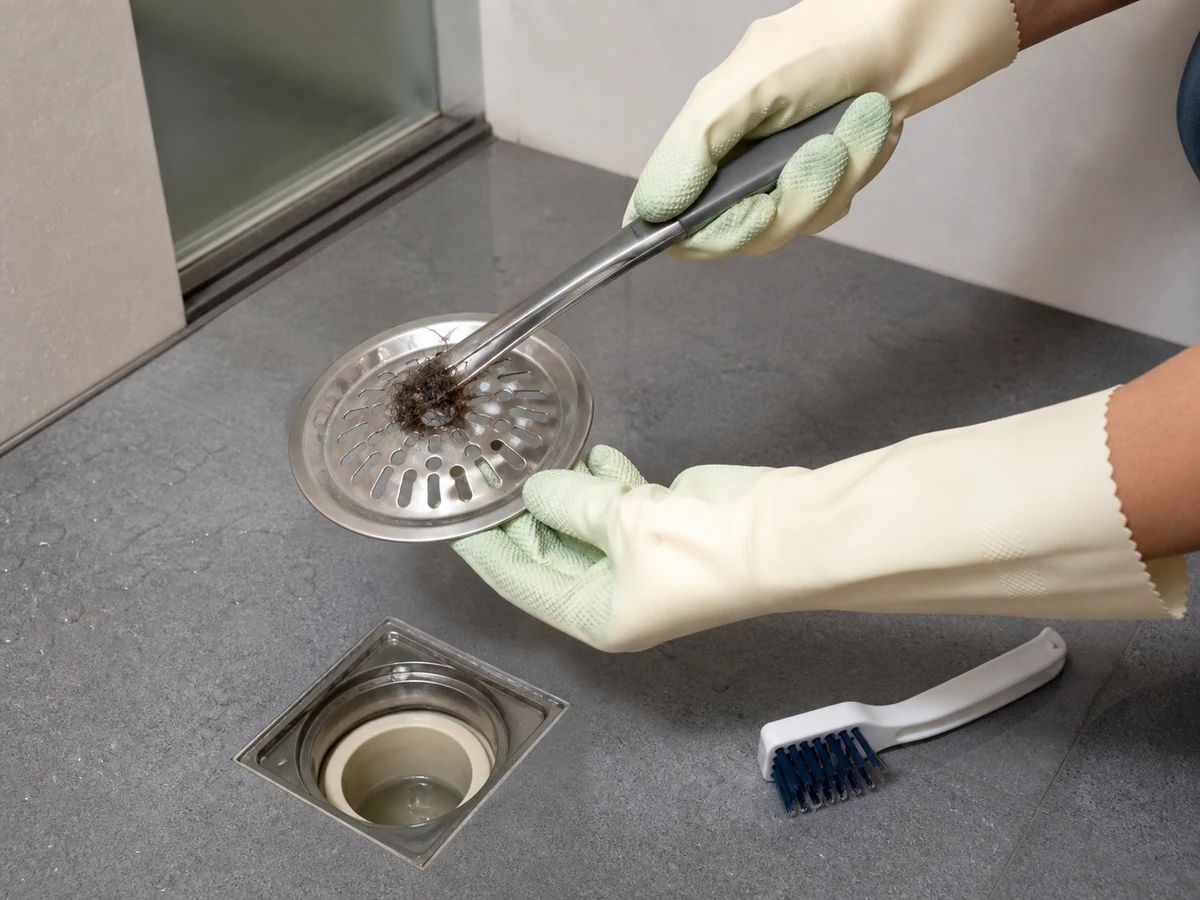
A practical sequence from “Block the wet area” to “Dry and test”
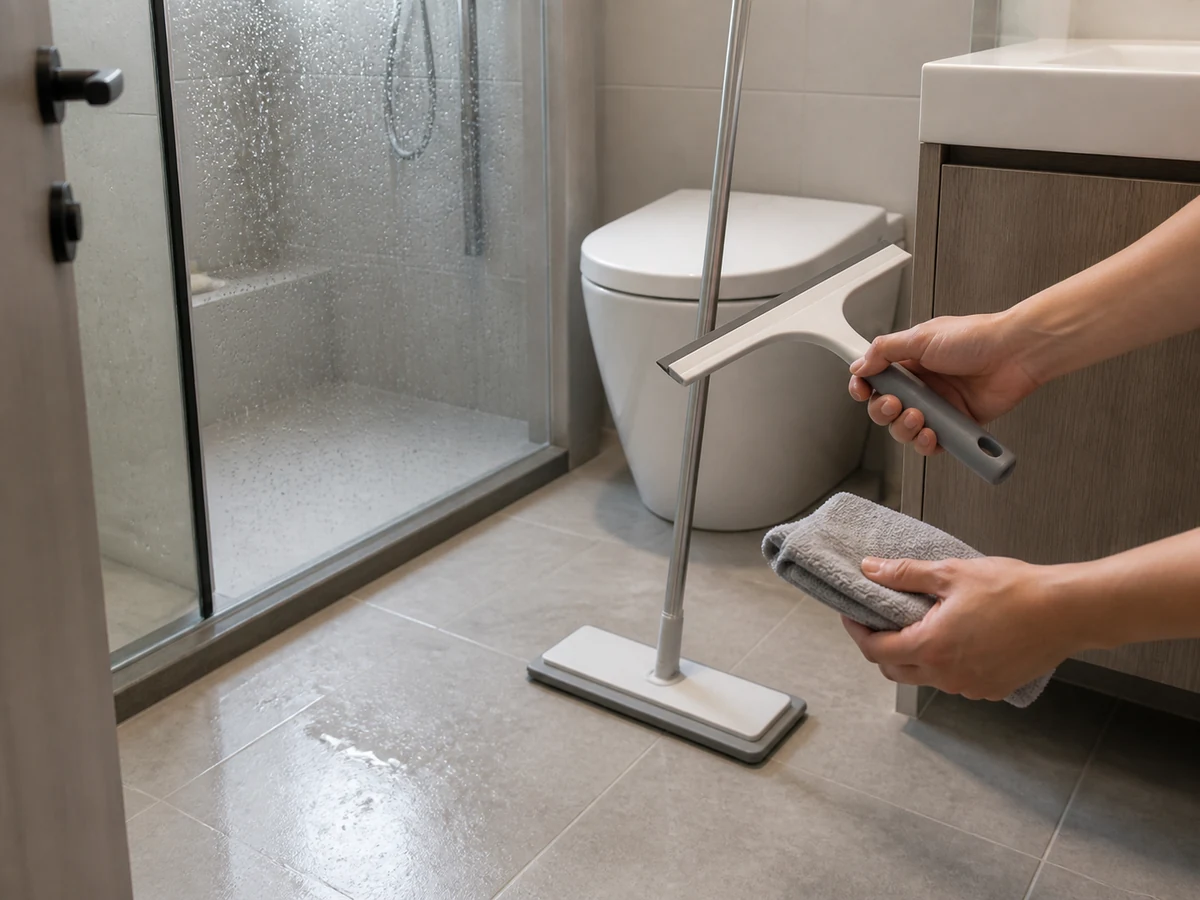
A practical sequence from “Warn about the wet area” to “Check and ventilate”
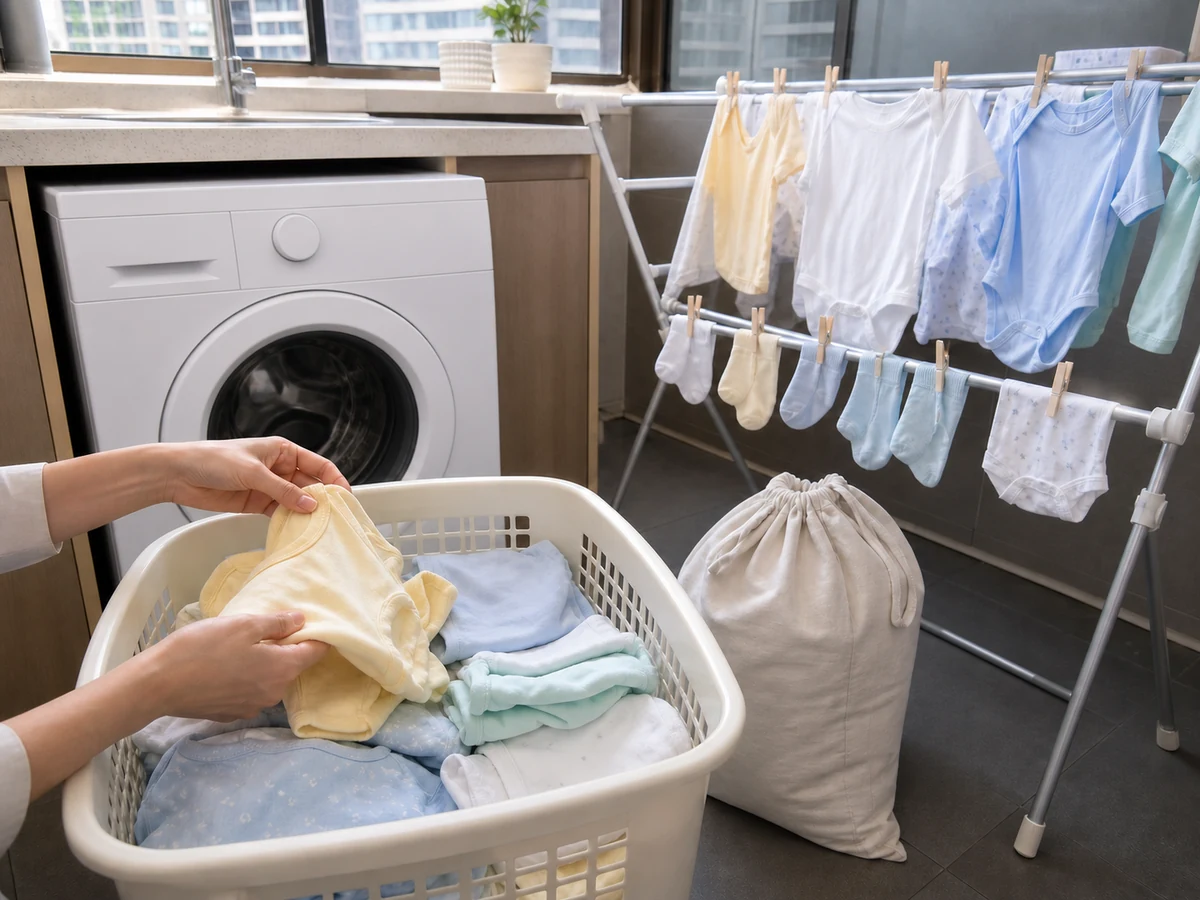
A practical sequence from “Label and sort” to “Dry before storing”
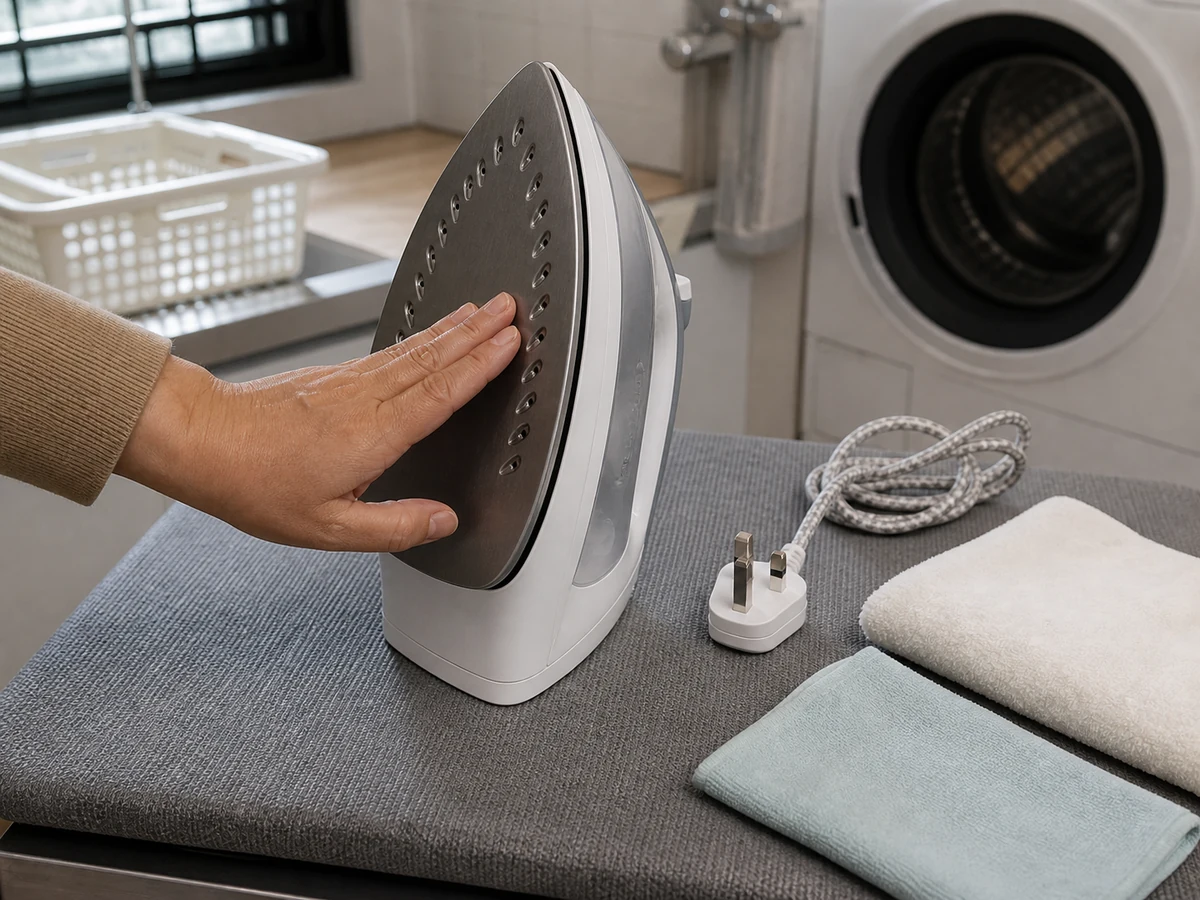
A practical sequence from “Unplug and cool” to “Handle the reservoir”
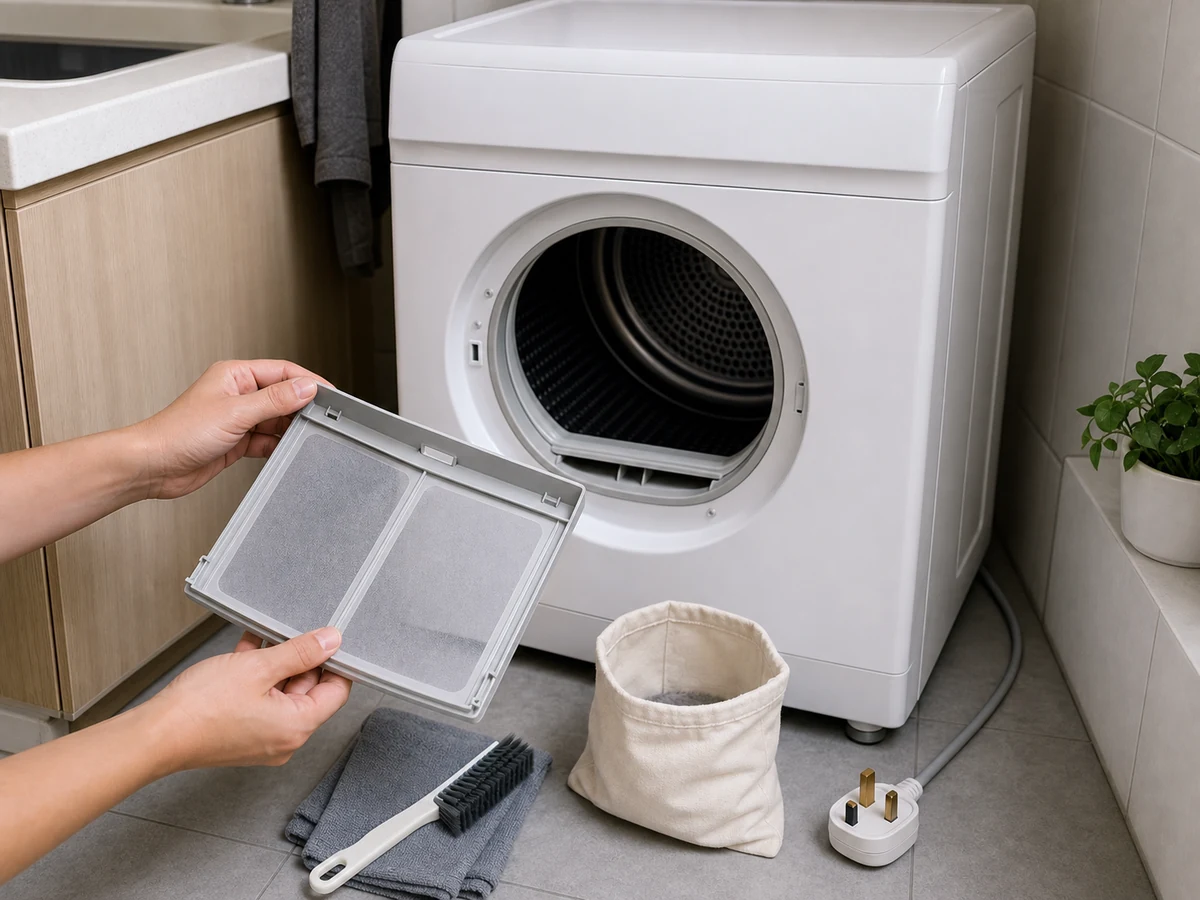
A practical sequence from “Stop and unplug” to “Refit and check”
A practical sequence from “Identify the material” to “Remove residue”
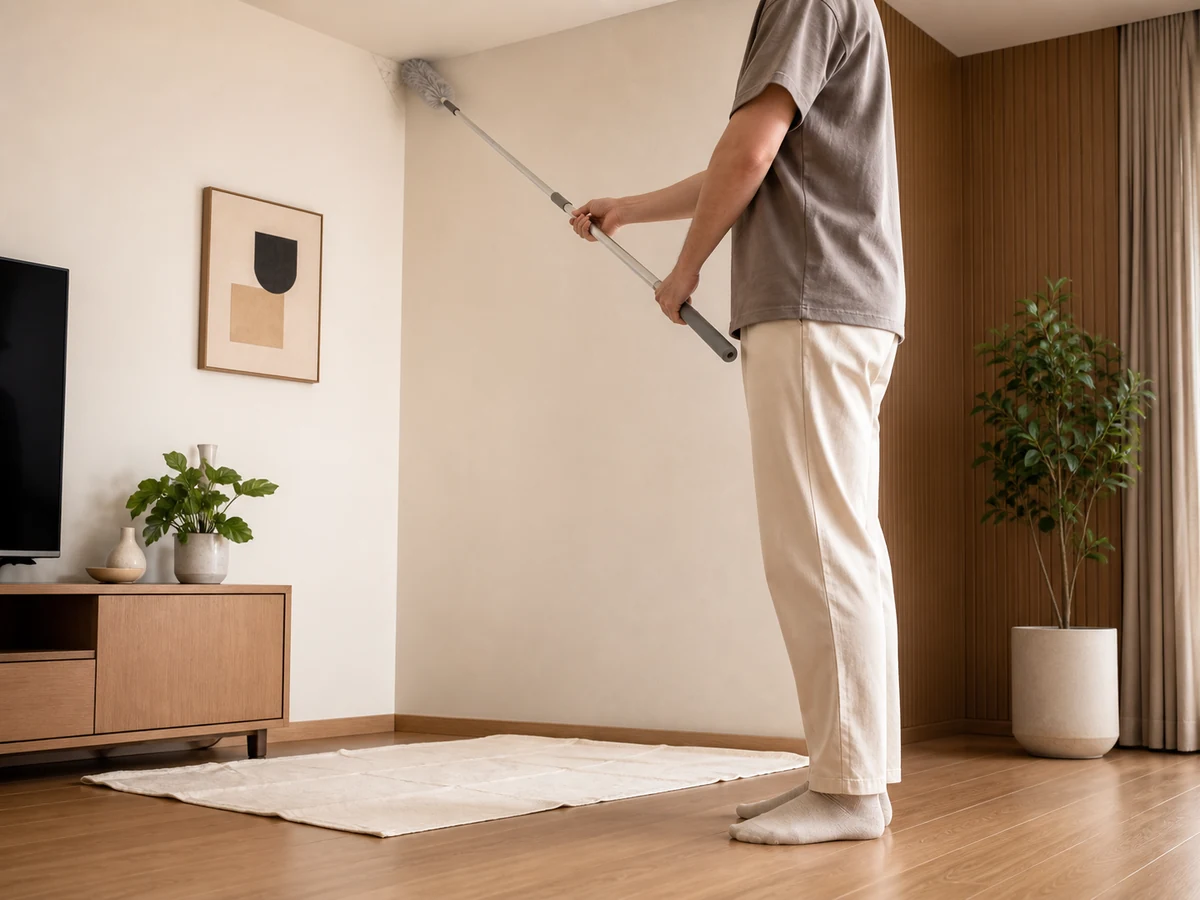
A practical sequence from “Clear below” to “Collect fallen dust”
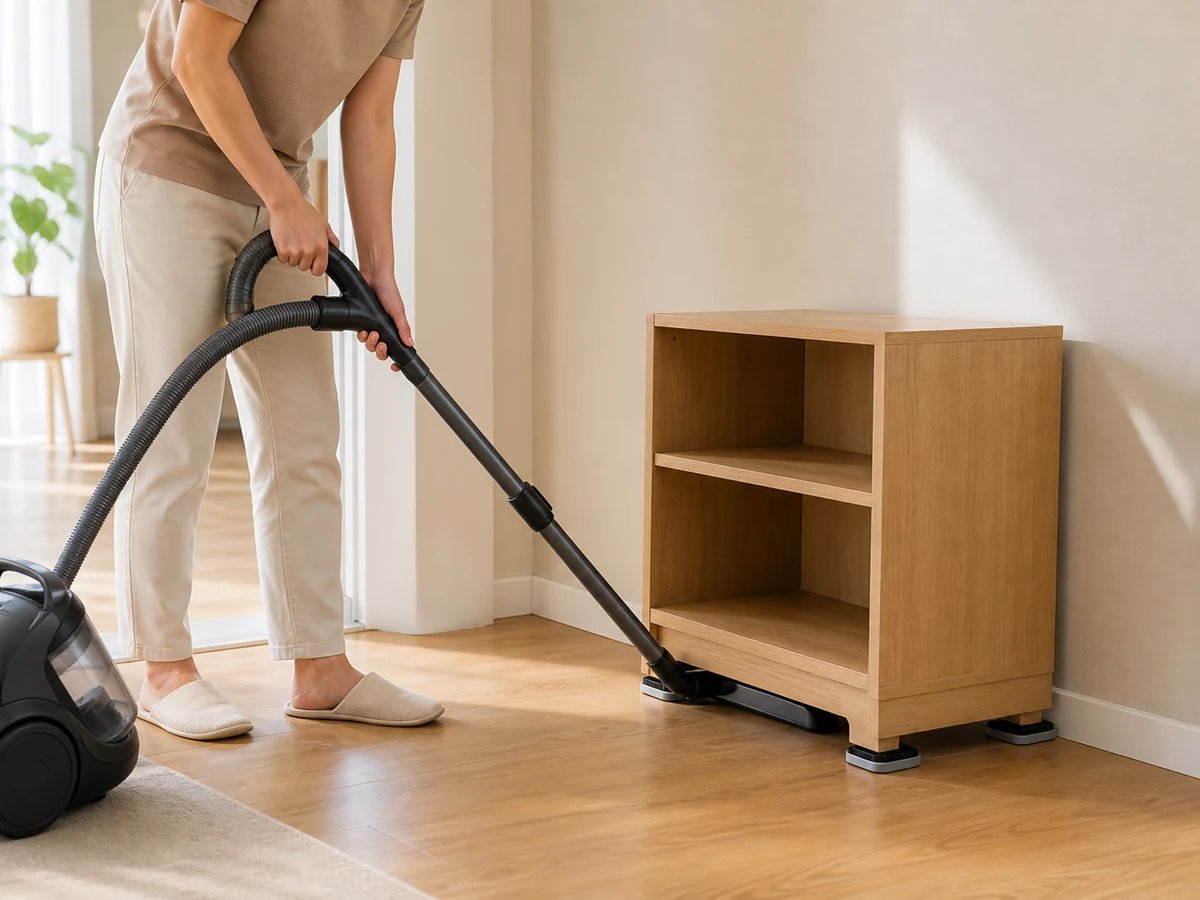
A practical sequence from “Assess first” to “Clean and restore”
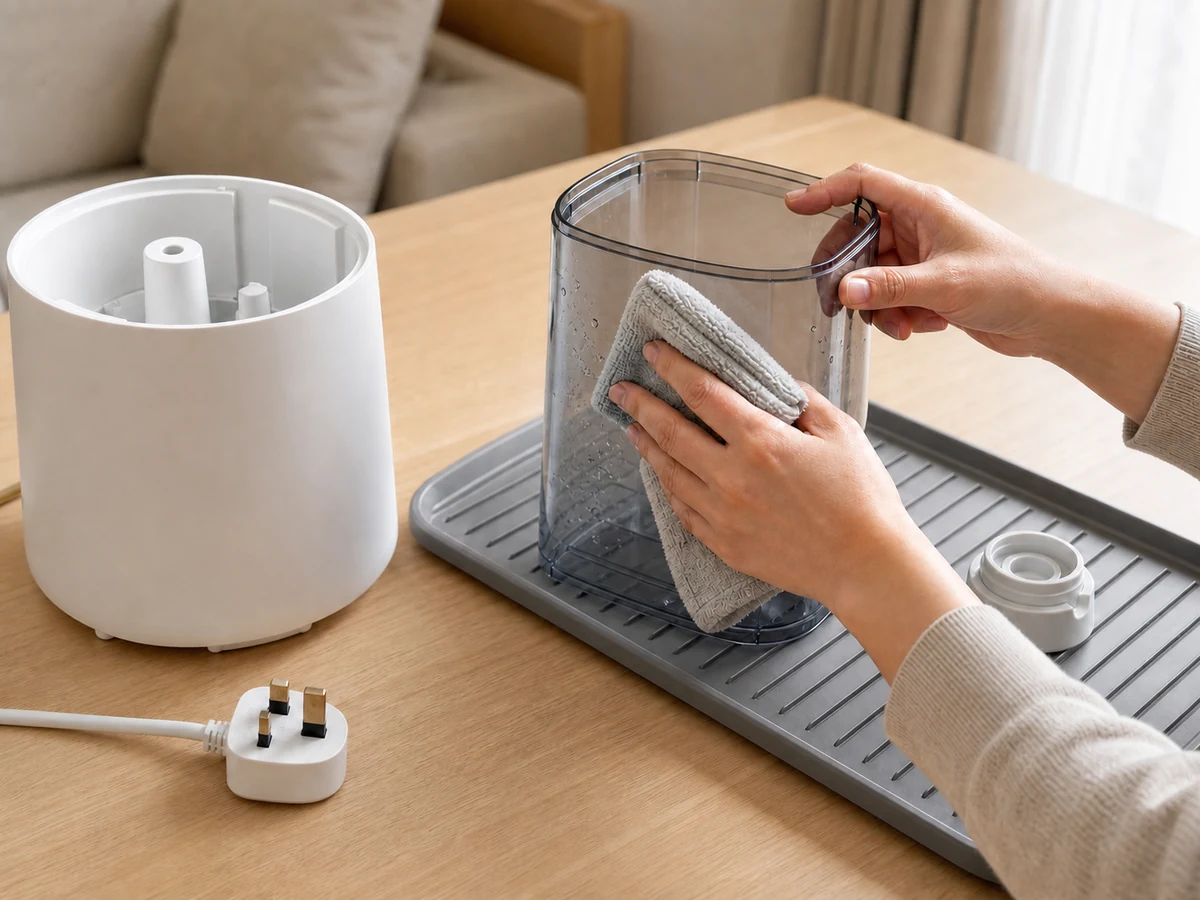
A practical sequence from “Switch off and cool” to “Rinse and air-dry”
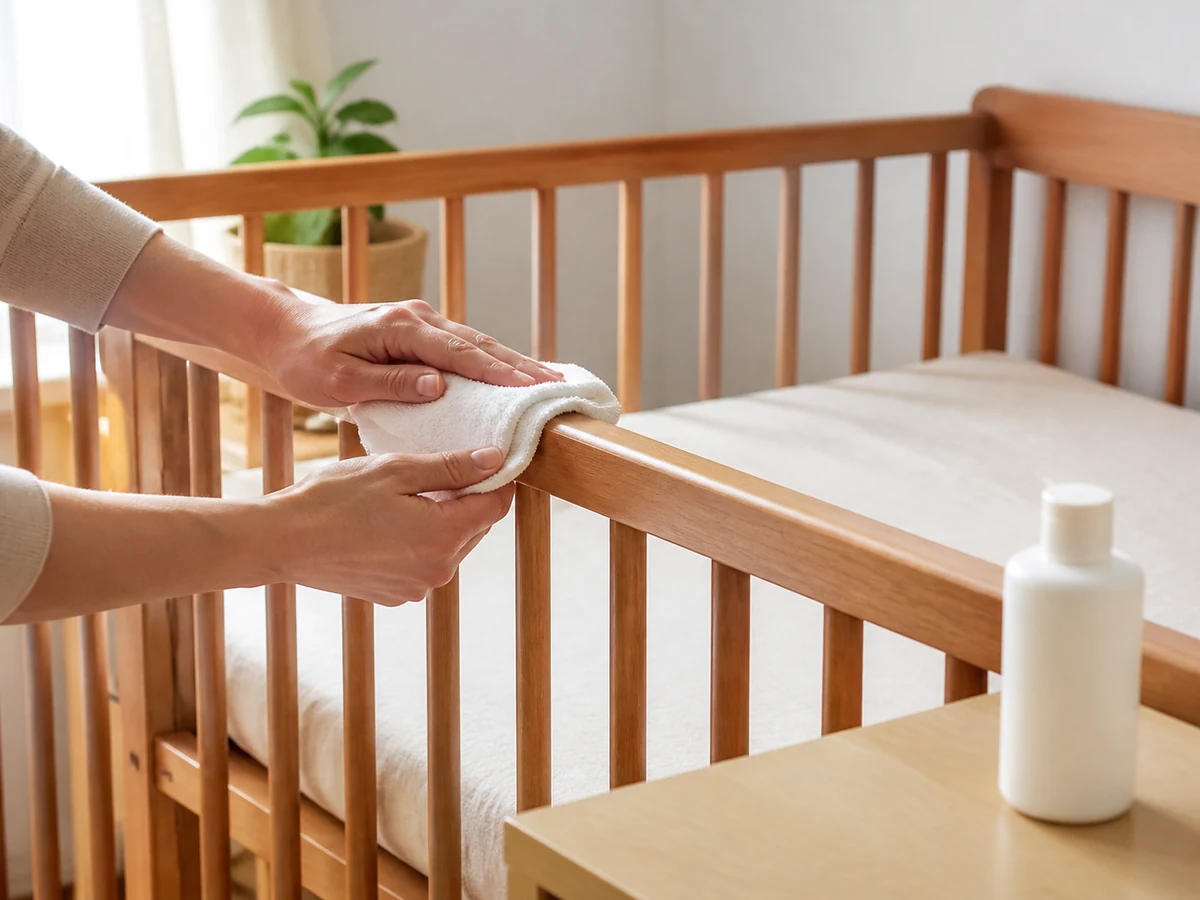
A practical sequence from “Move the baby first” to “Dry and recheck”
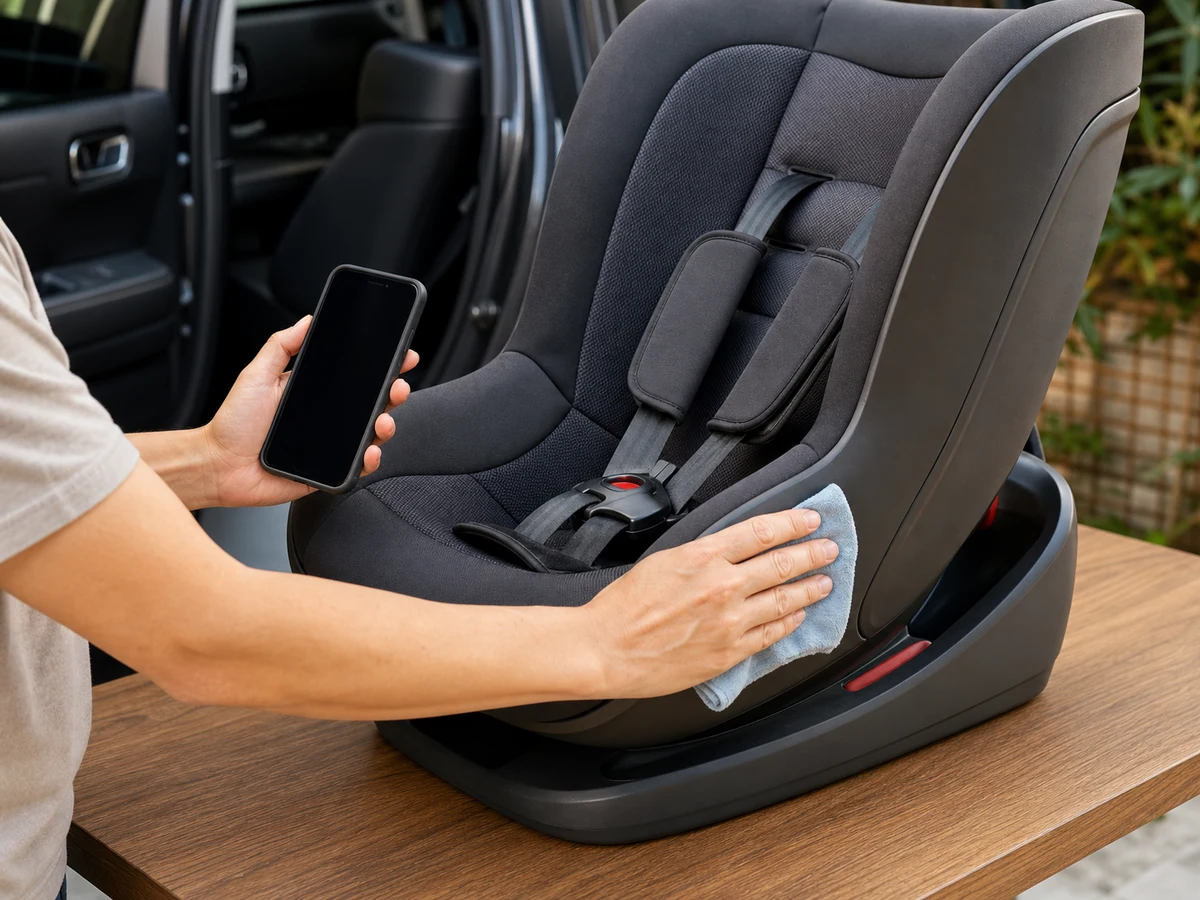
A practical sequence from “Confirm the model” to “Dry and hand over”
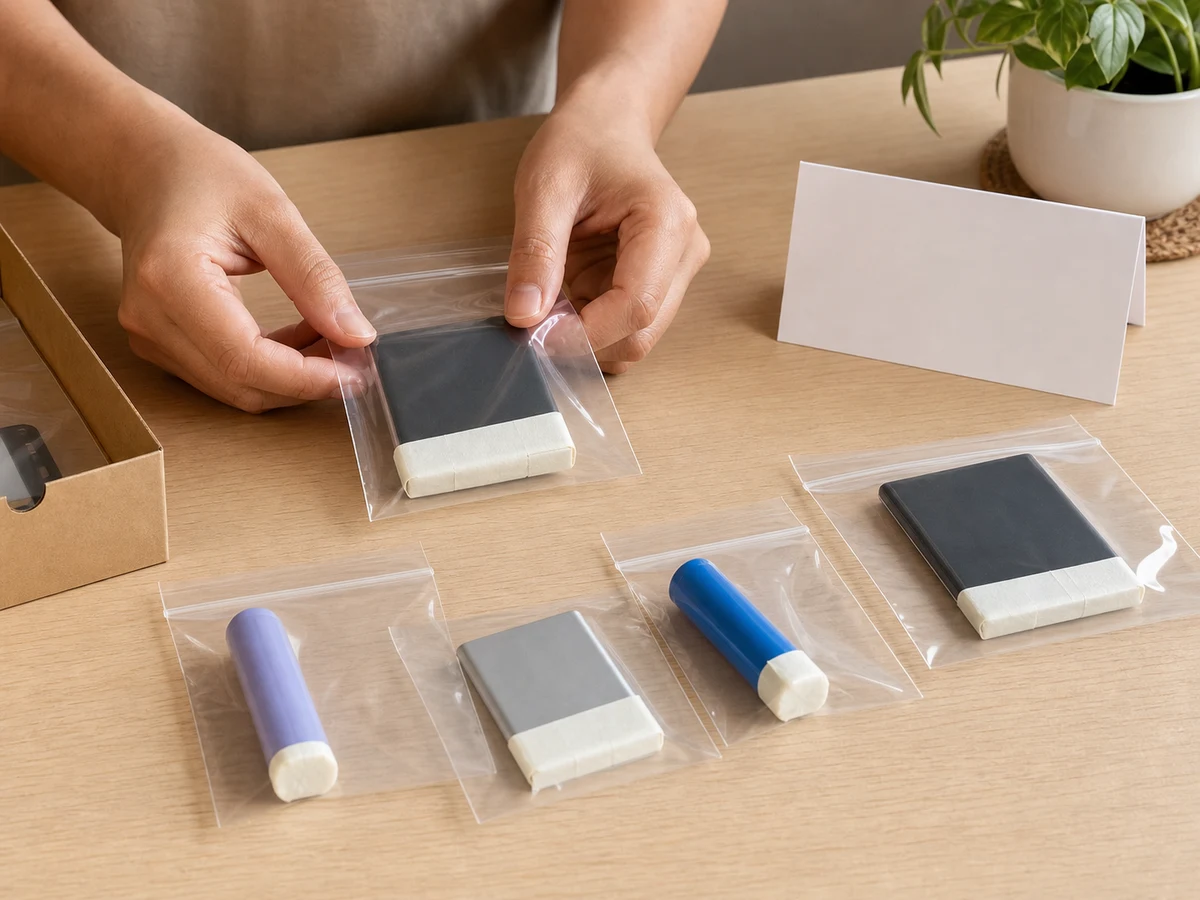
A practical sequence from “Confirm battery and point” to “Take to the named point”
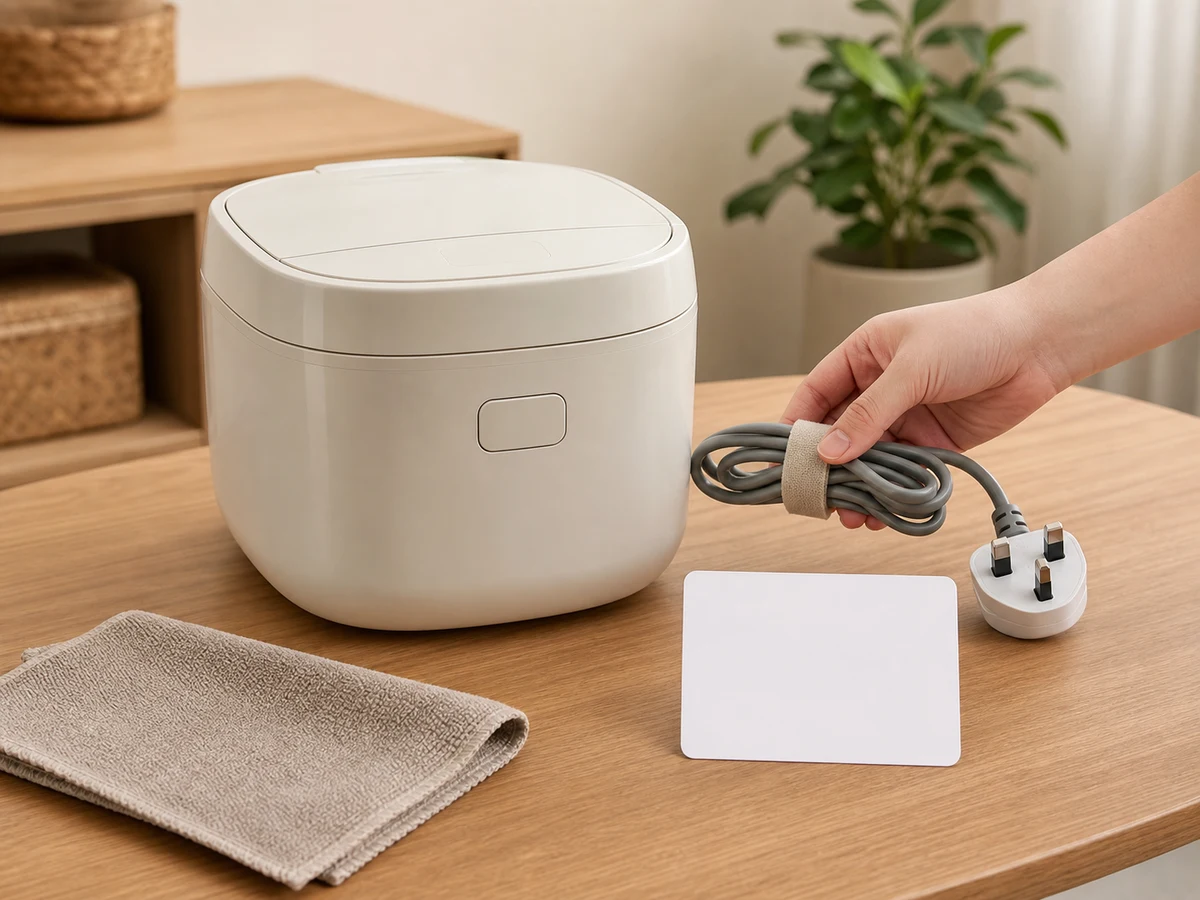
A practical sequence from “Confirm the accepted category” to “Wipe and secure”
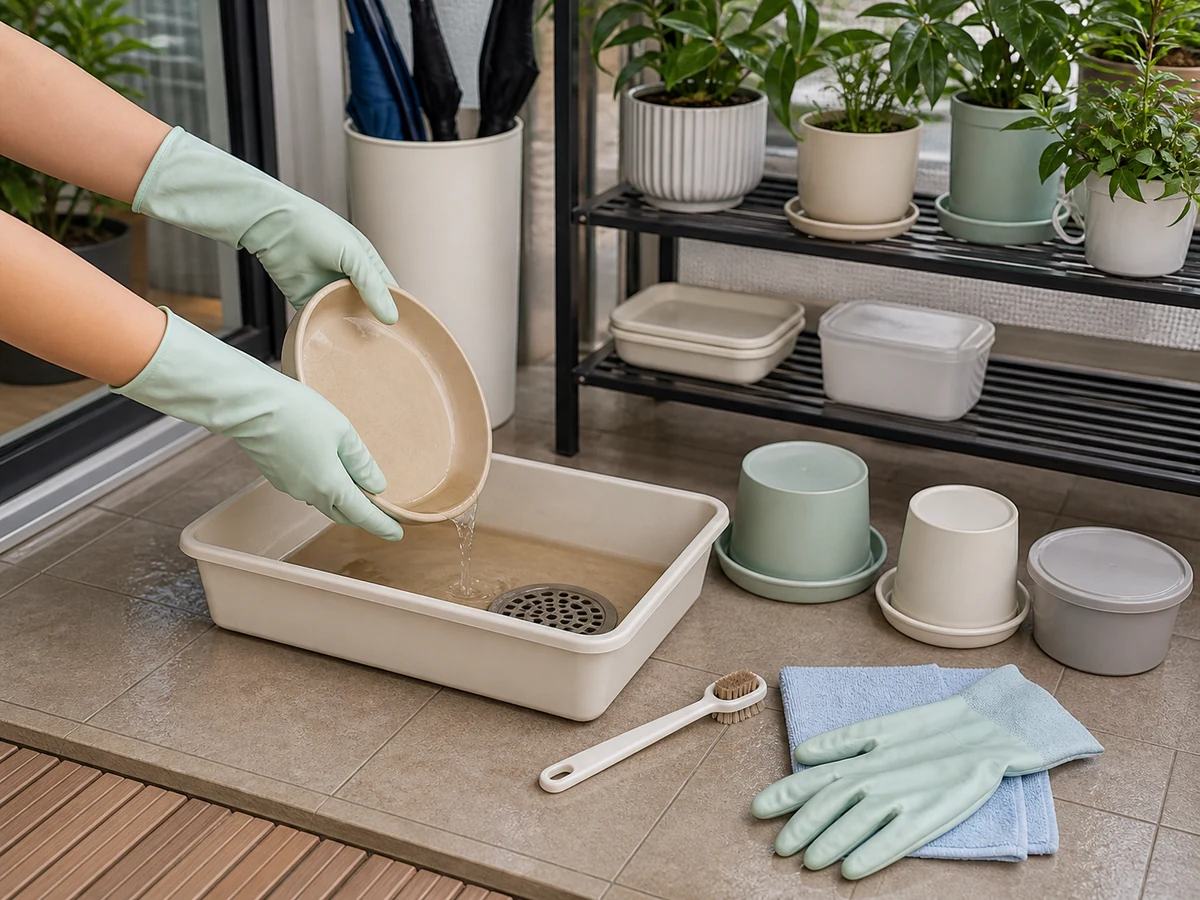
A practical sequence from “Follow a check route” to “Record and report”
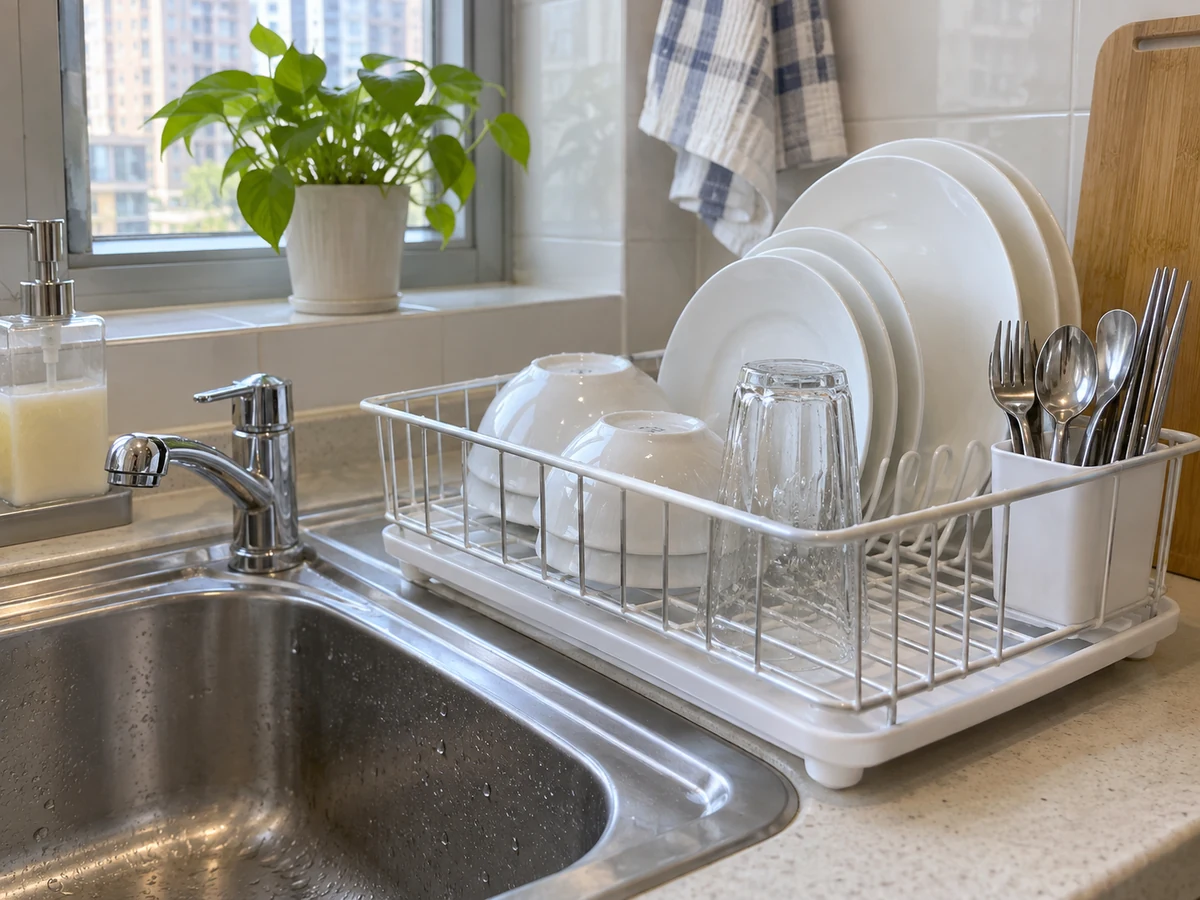
Keep a clear order from separating knives to dry storage.
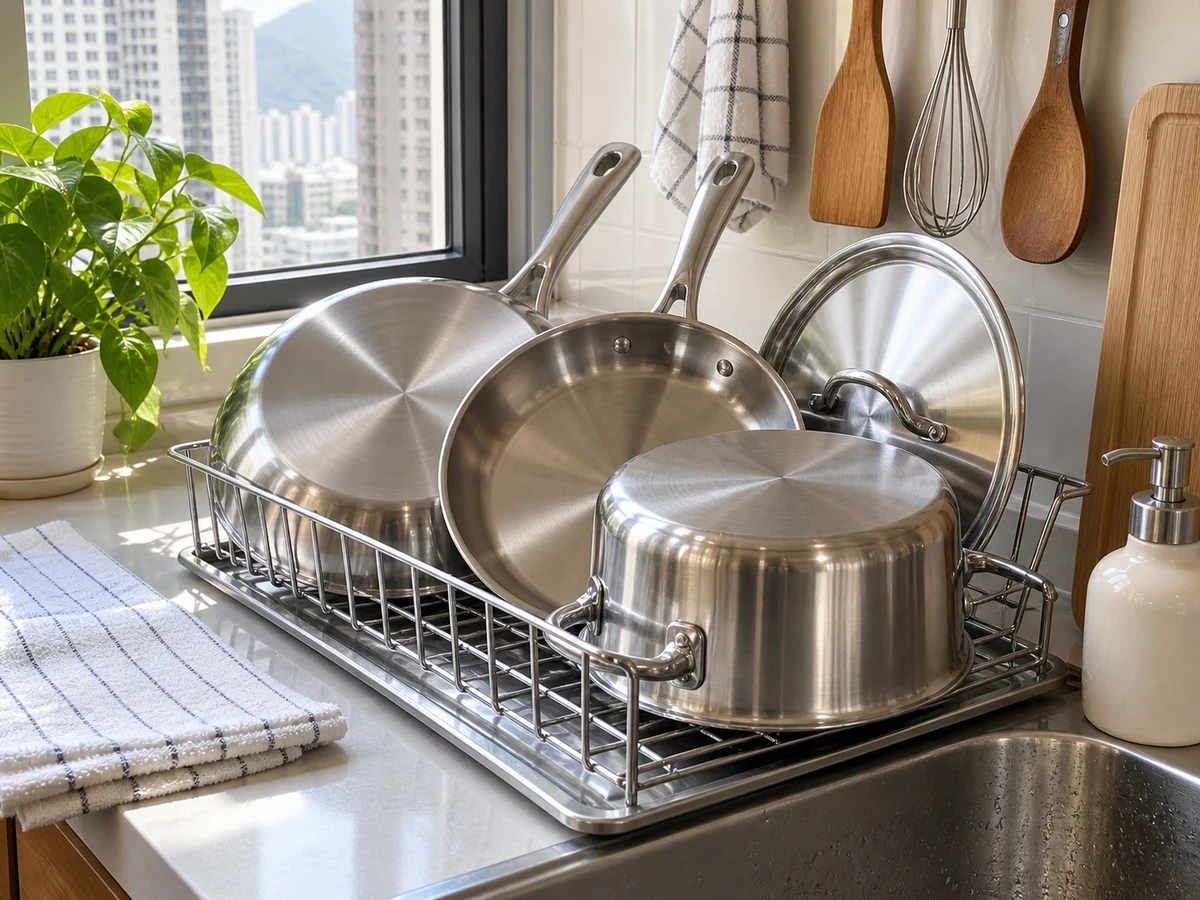
Identify uncoated steel before cleaning burnt food and joints.
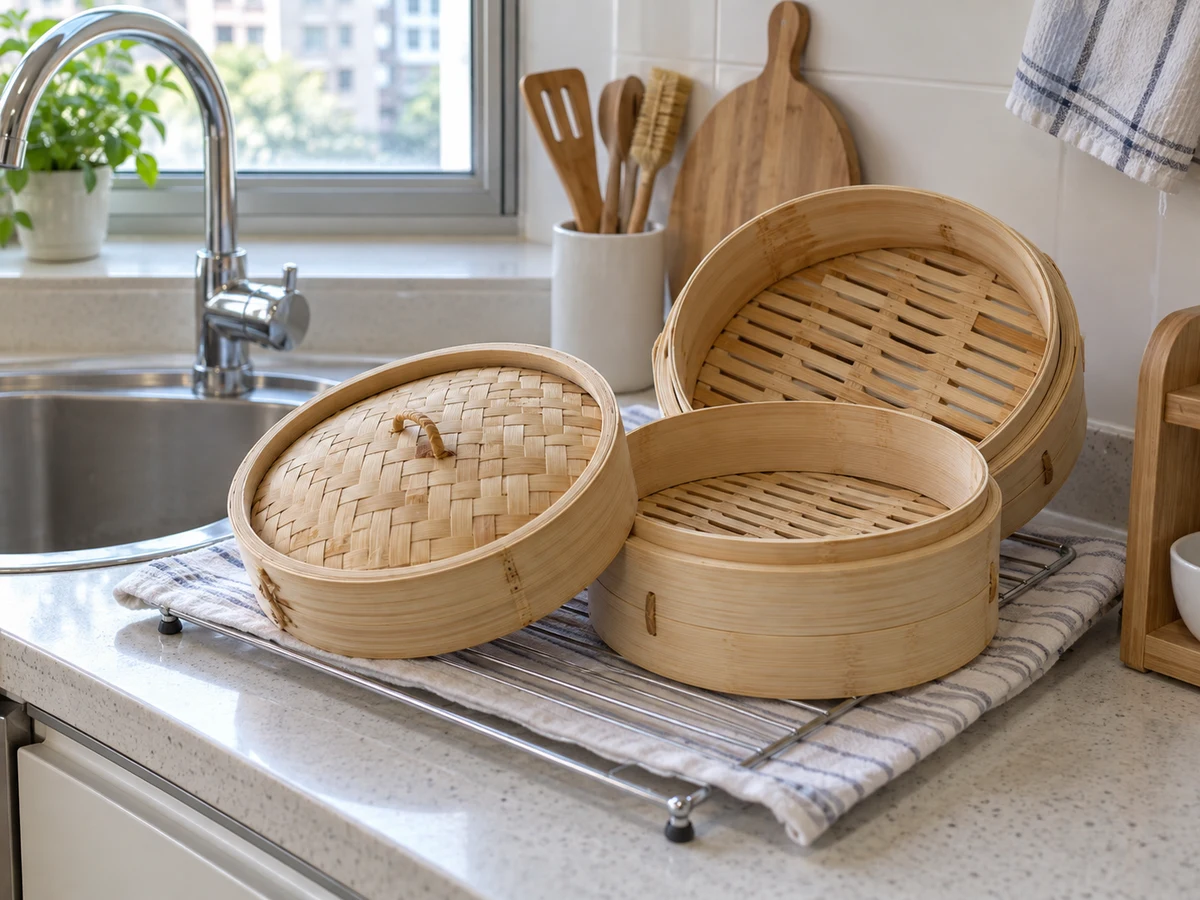
Let every bamboo tier dry separately, including the joints.
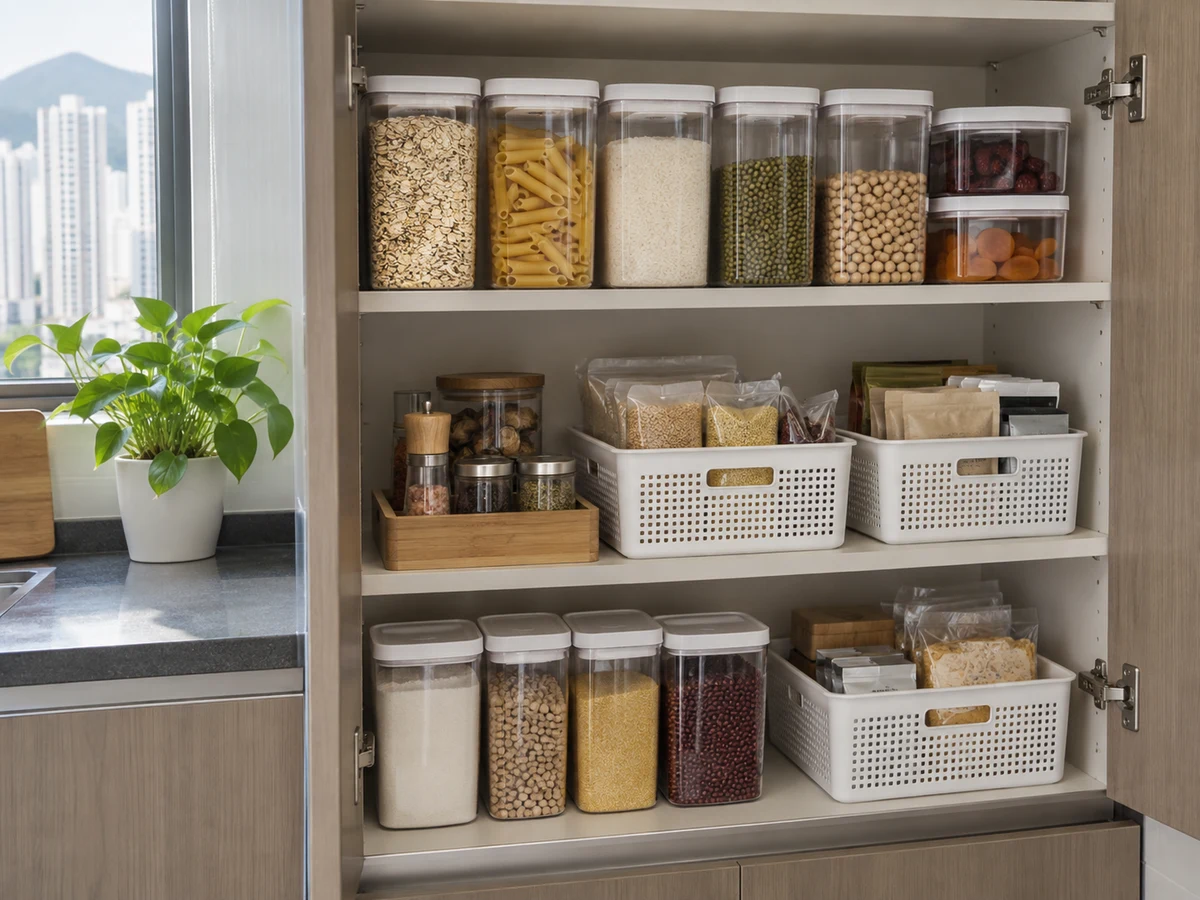
Keep product identity, dates and allergen information with stored food.
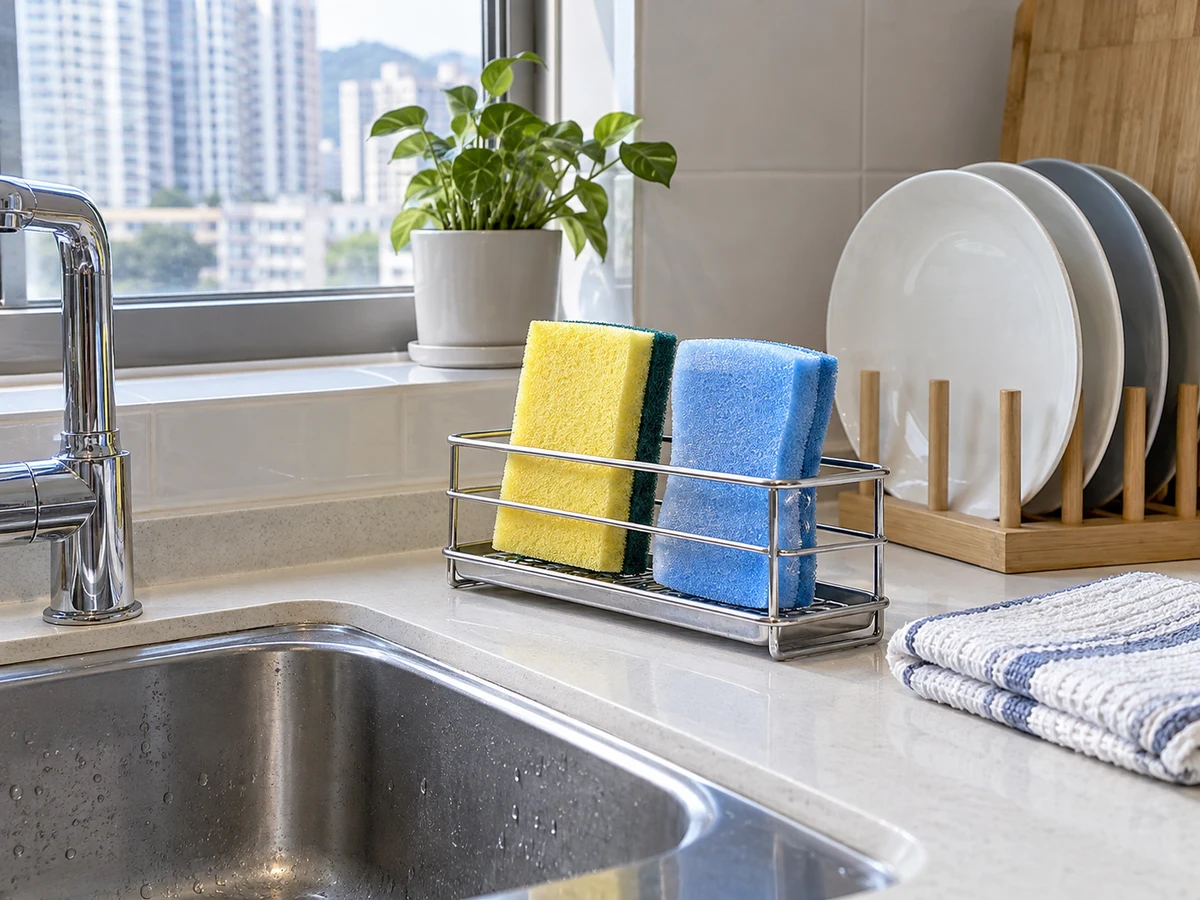
Treat washing, drying and replacement as separate sponge-care decisions.
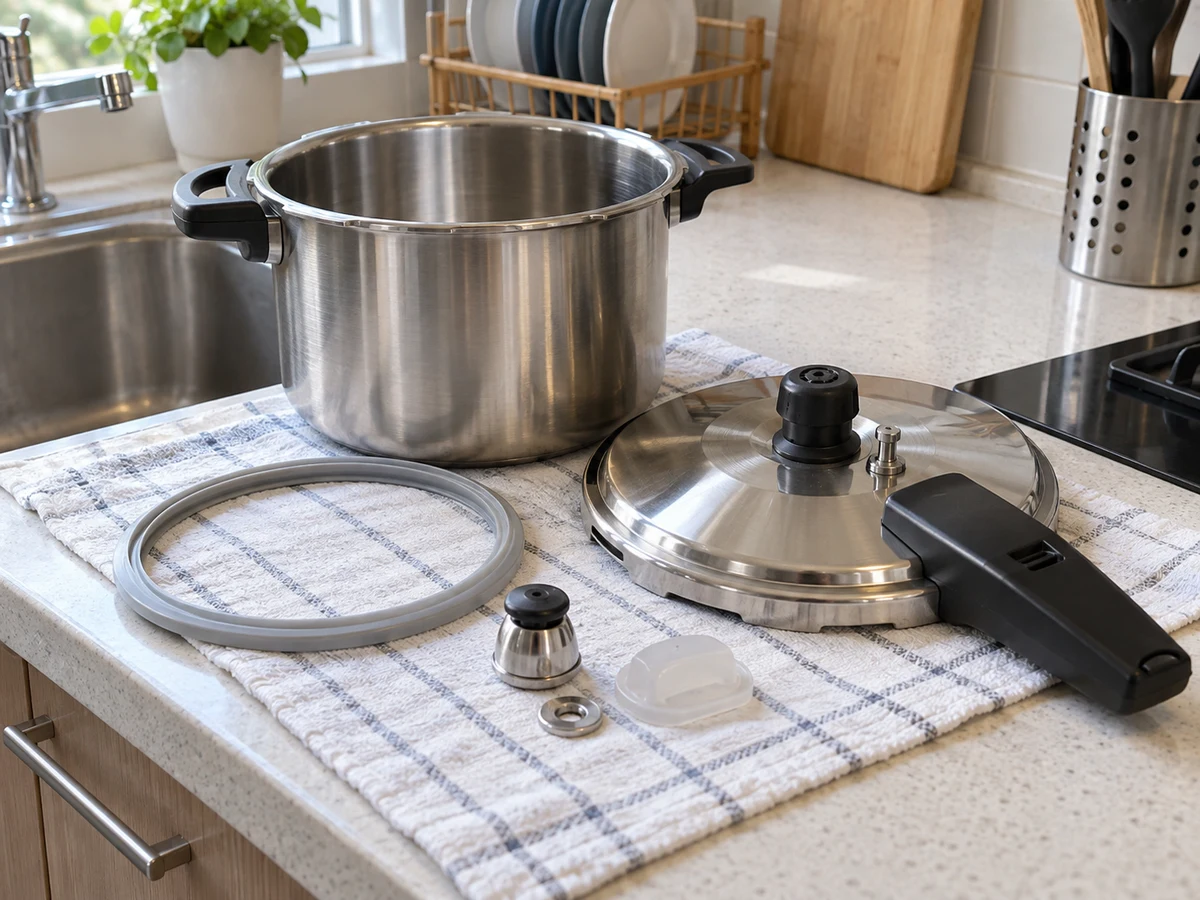
Confirm zero pressure and preserve safety assemblies before cleaning.
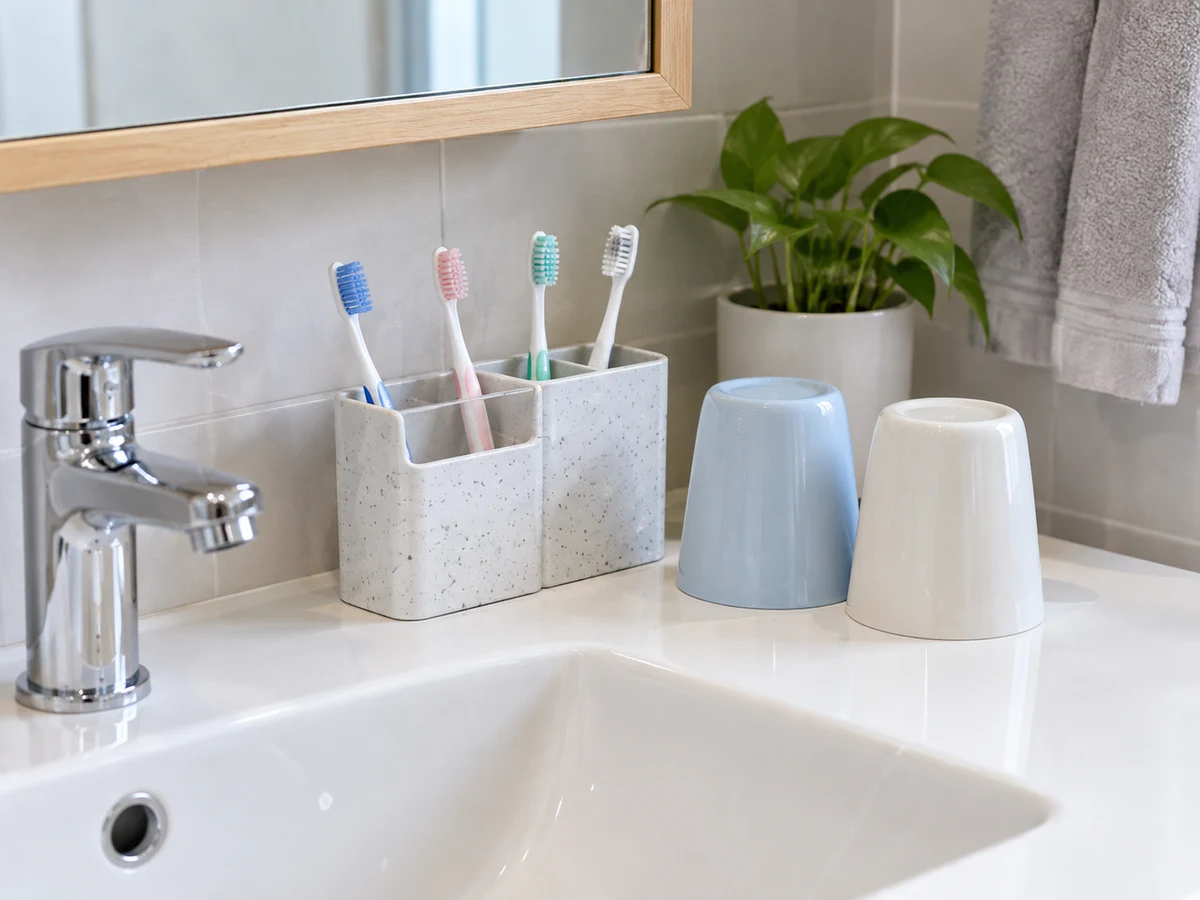
Inspect water trapped in cup bases and toothbrush holders.
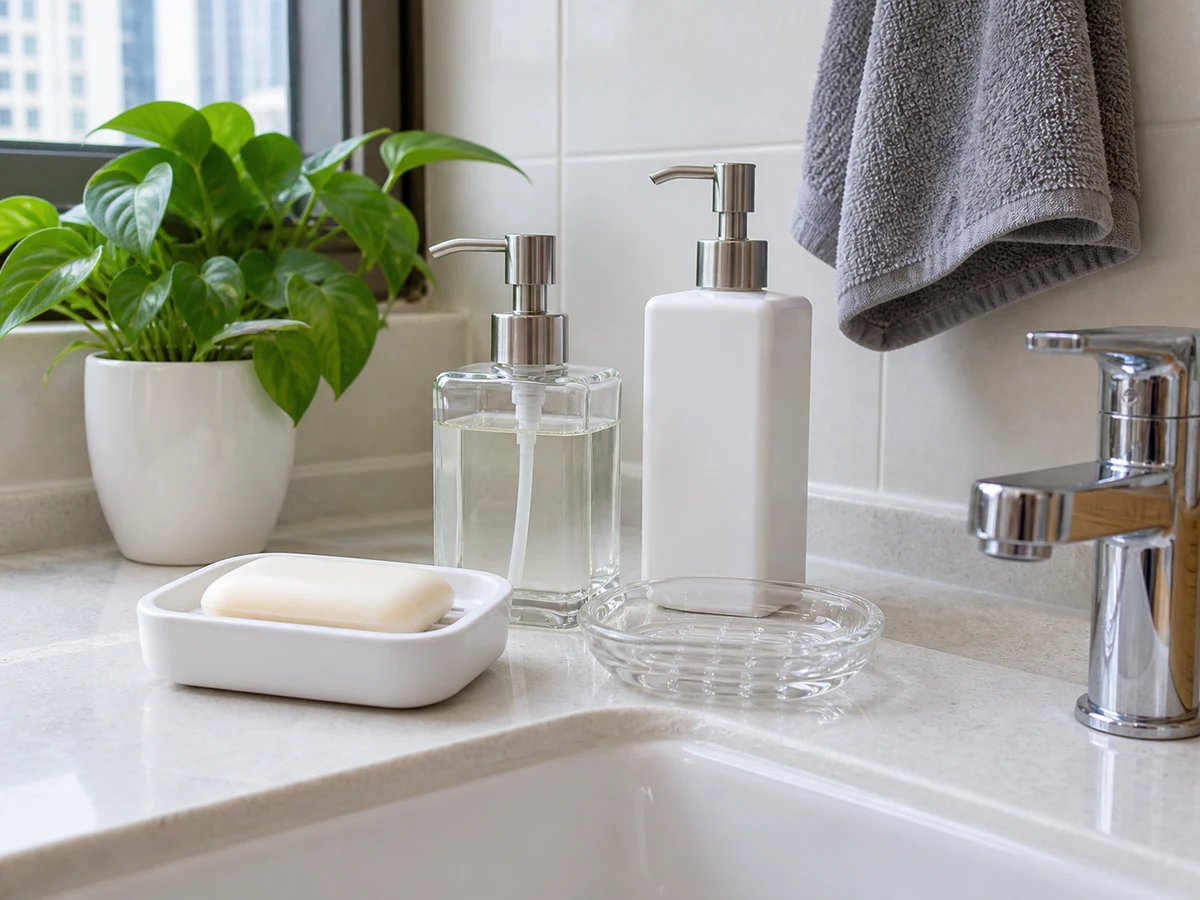
Empty, clean and dry the container before the permitted refill.
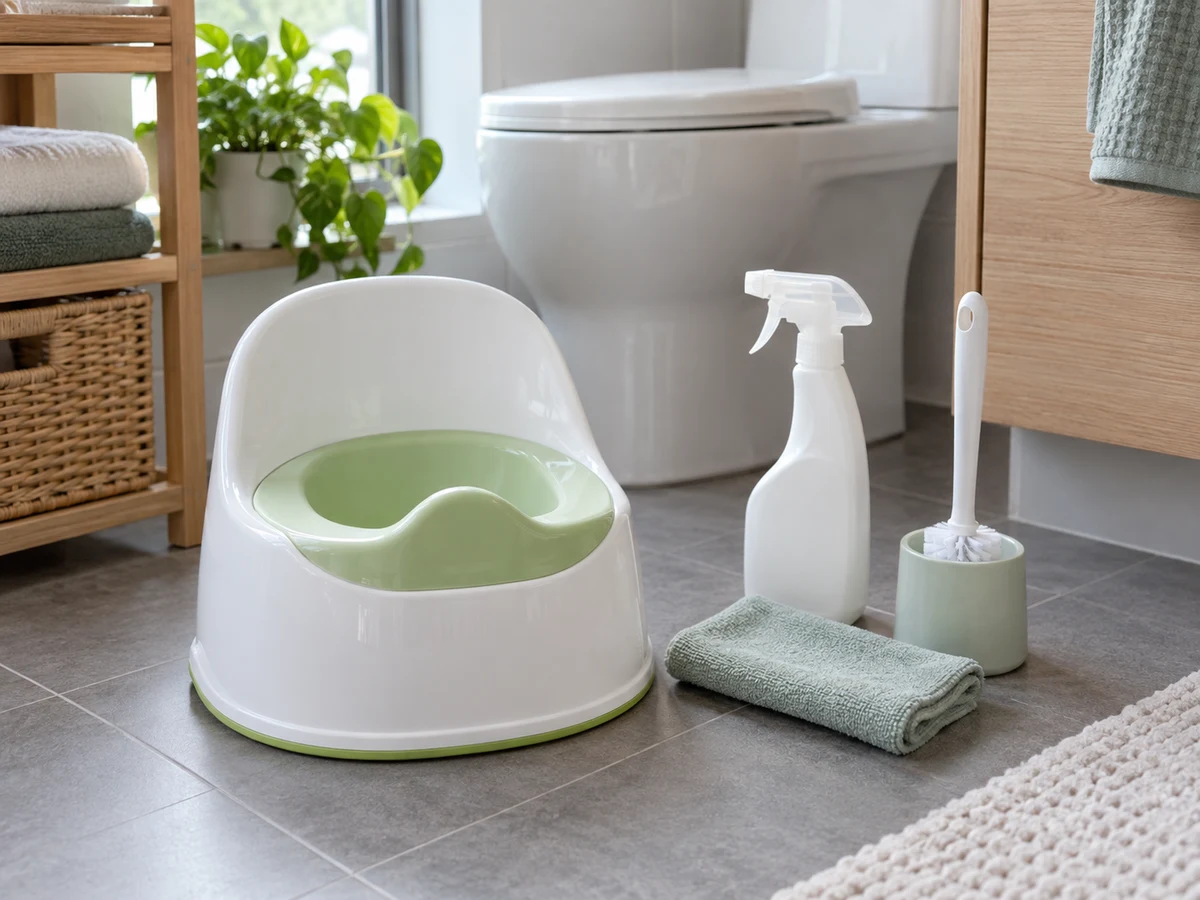
Move the child first, then clean and dry in the bathroom.
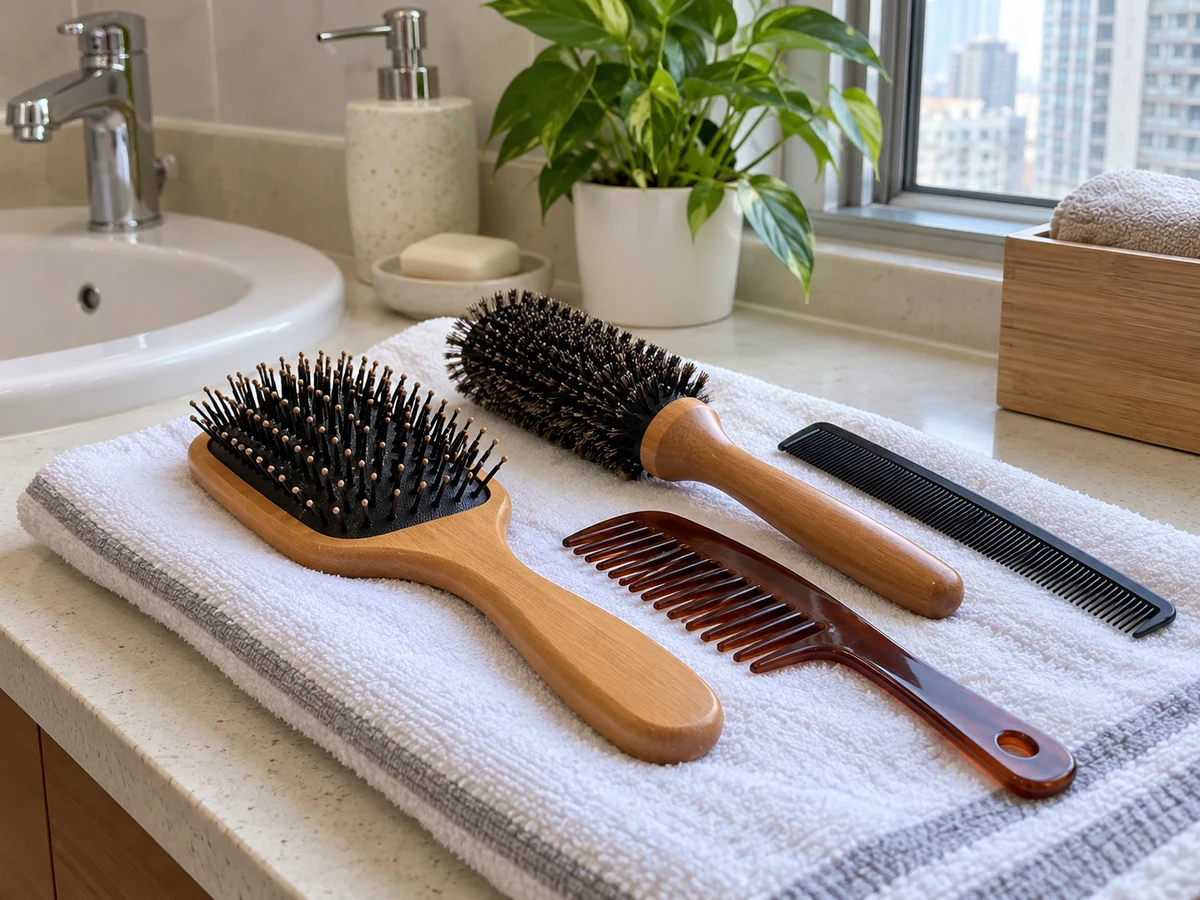
Wood, cushions and all-plastic brushes need different wet-cleaning limits.
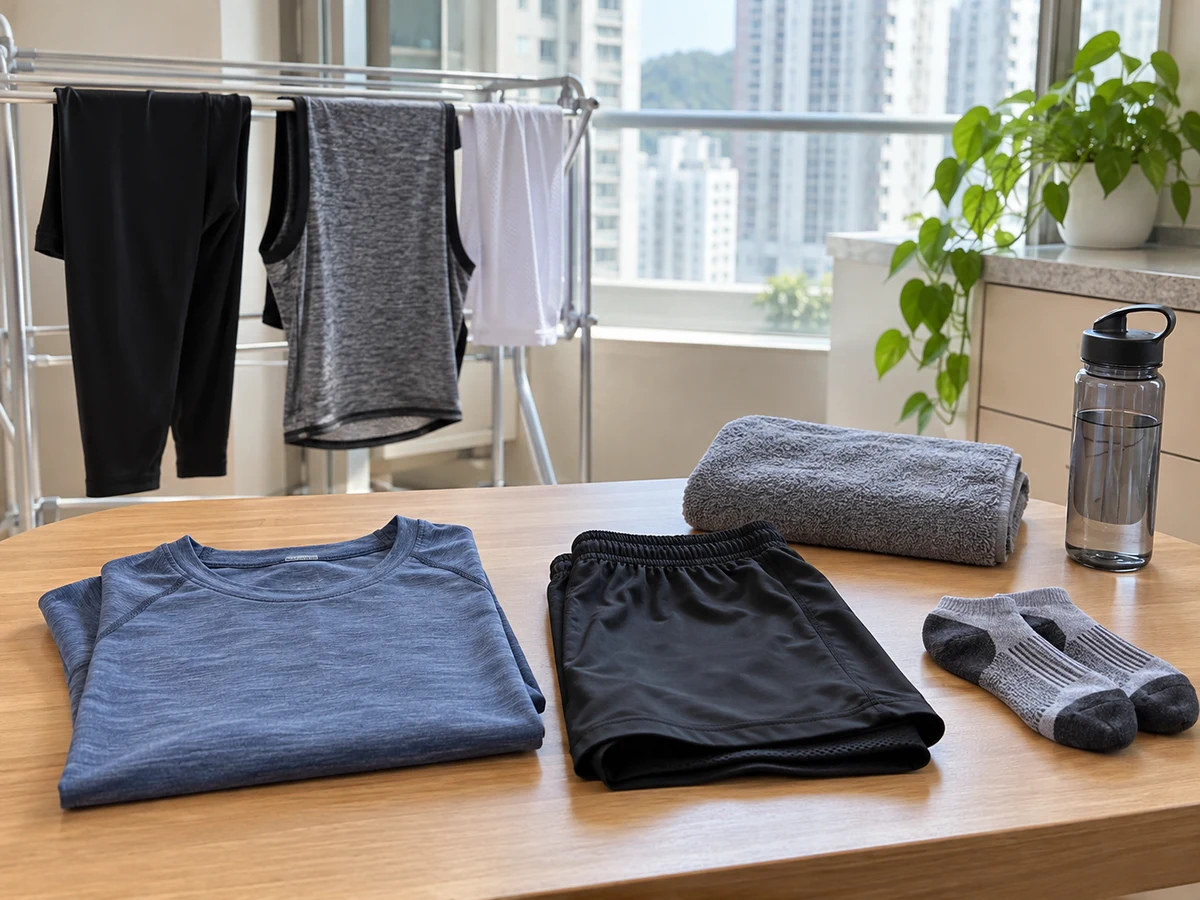
Quick-dry fibres still need suitable detergent and drying temperatures.
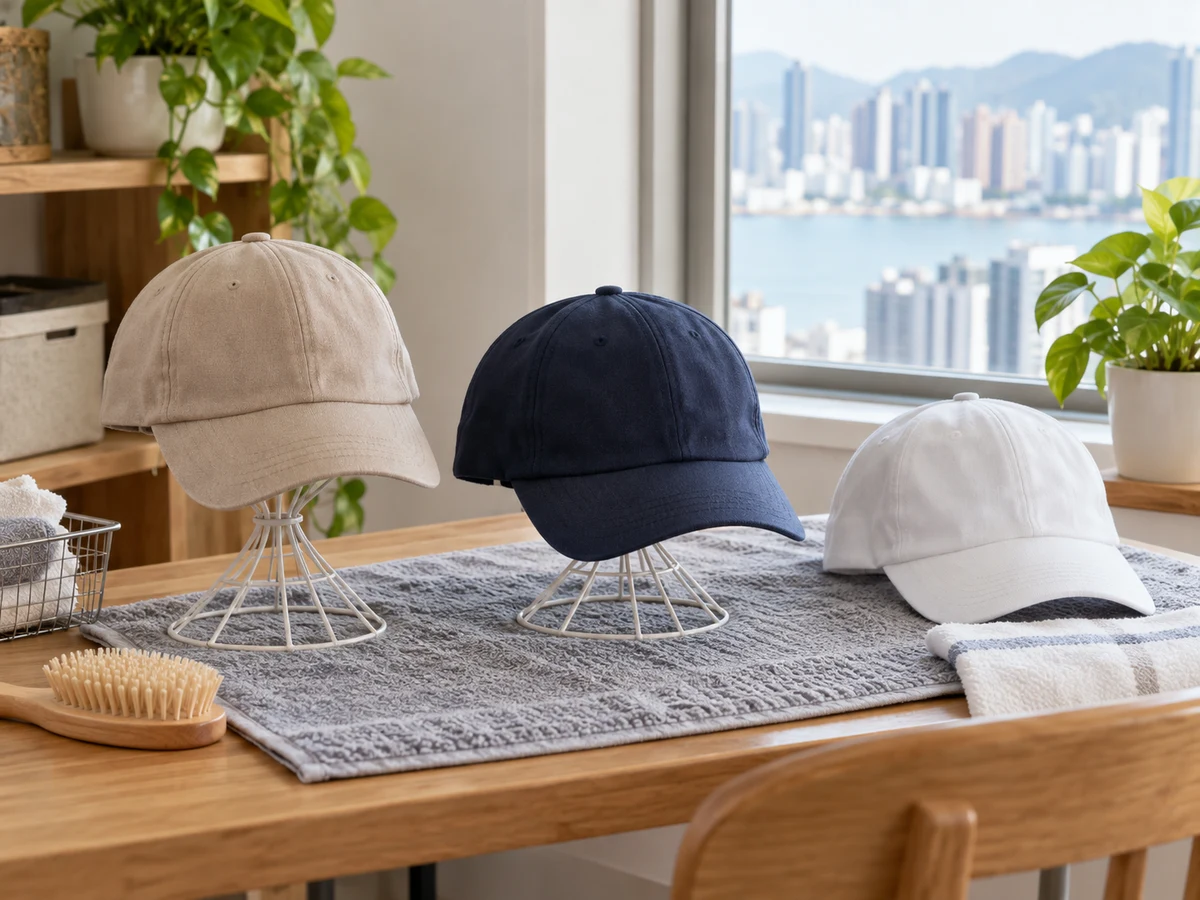
Clean sweat marks while protecting the brim and crown shape.
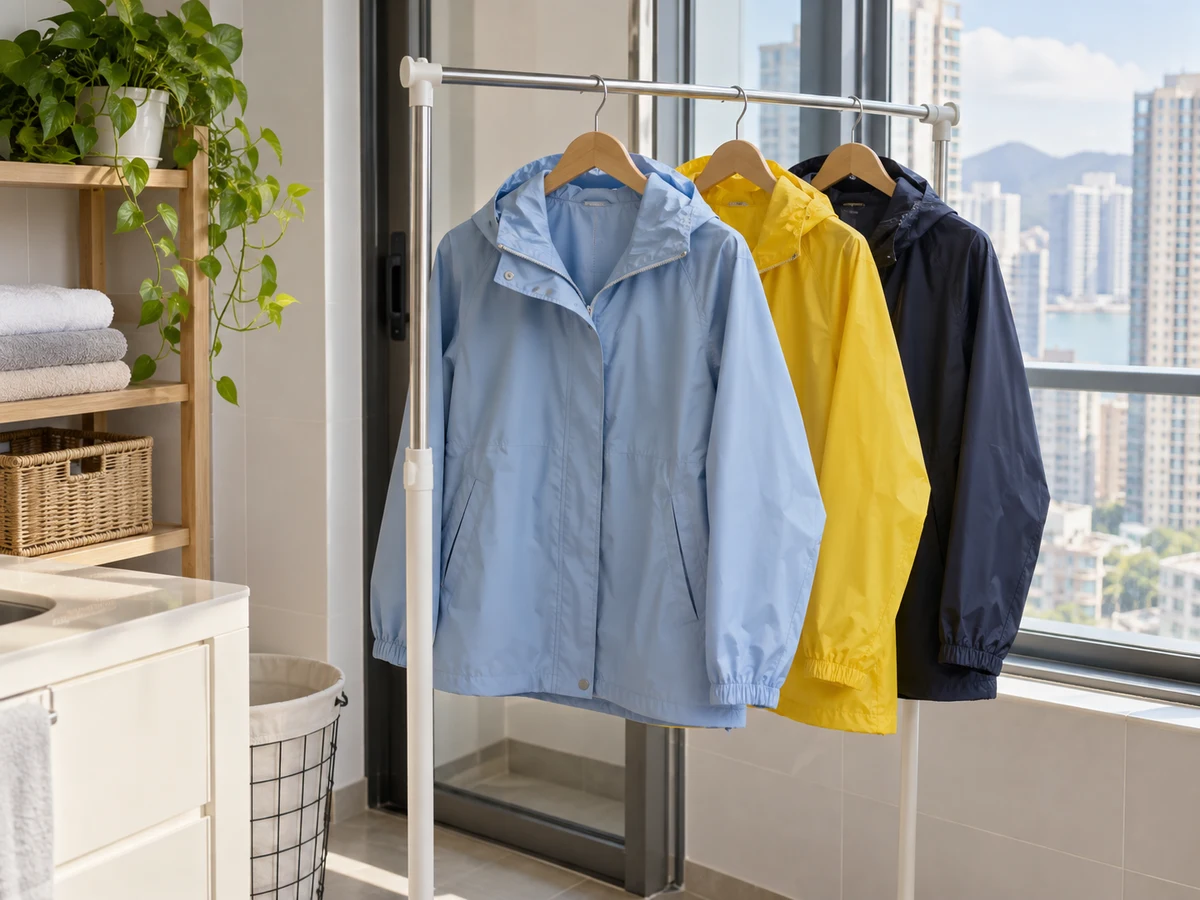
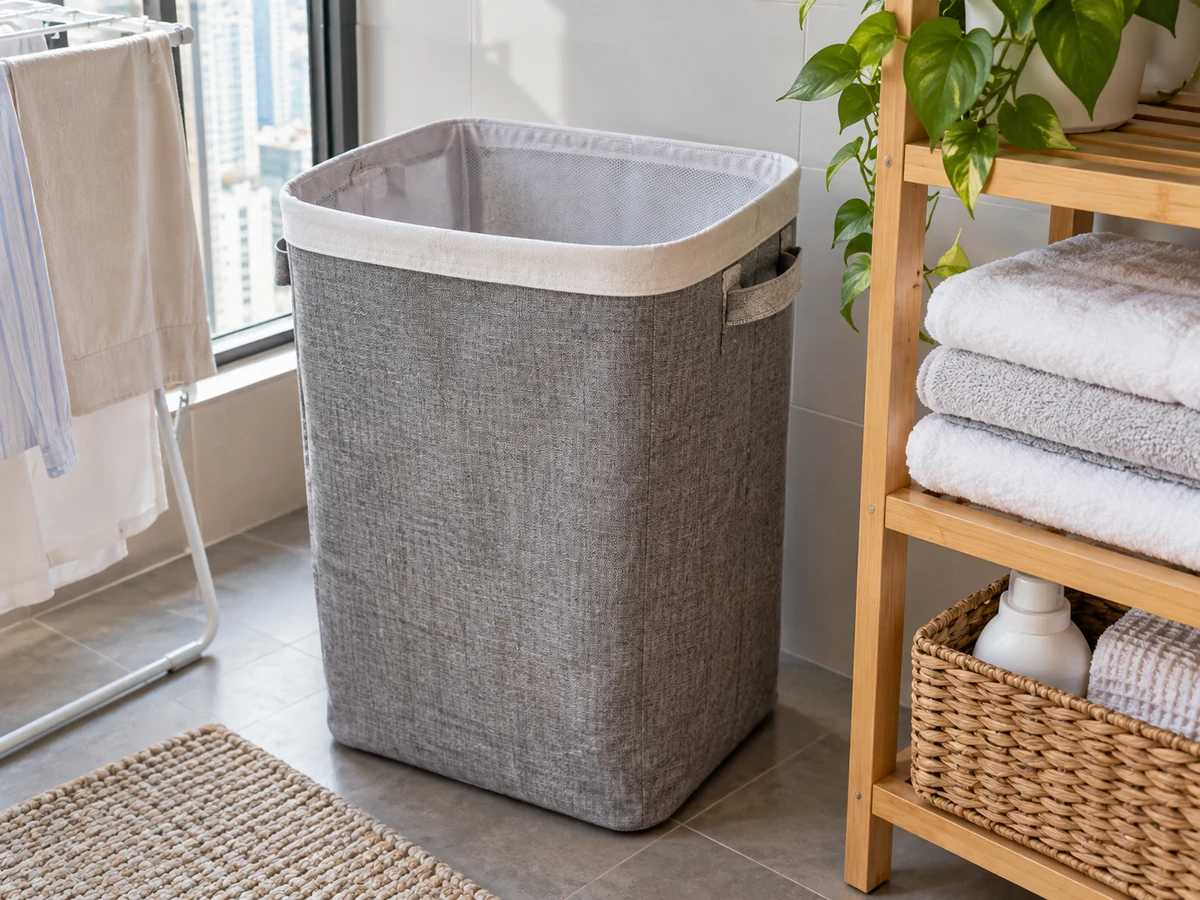
Give the hamper body and its removable liner separate material care.
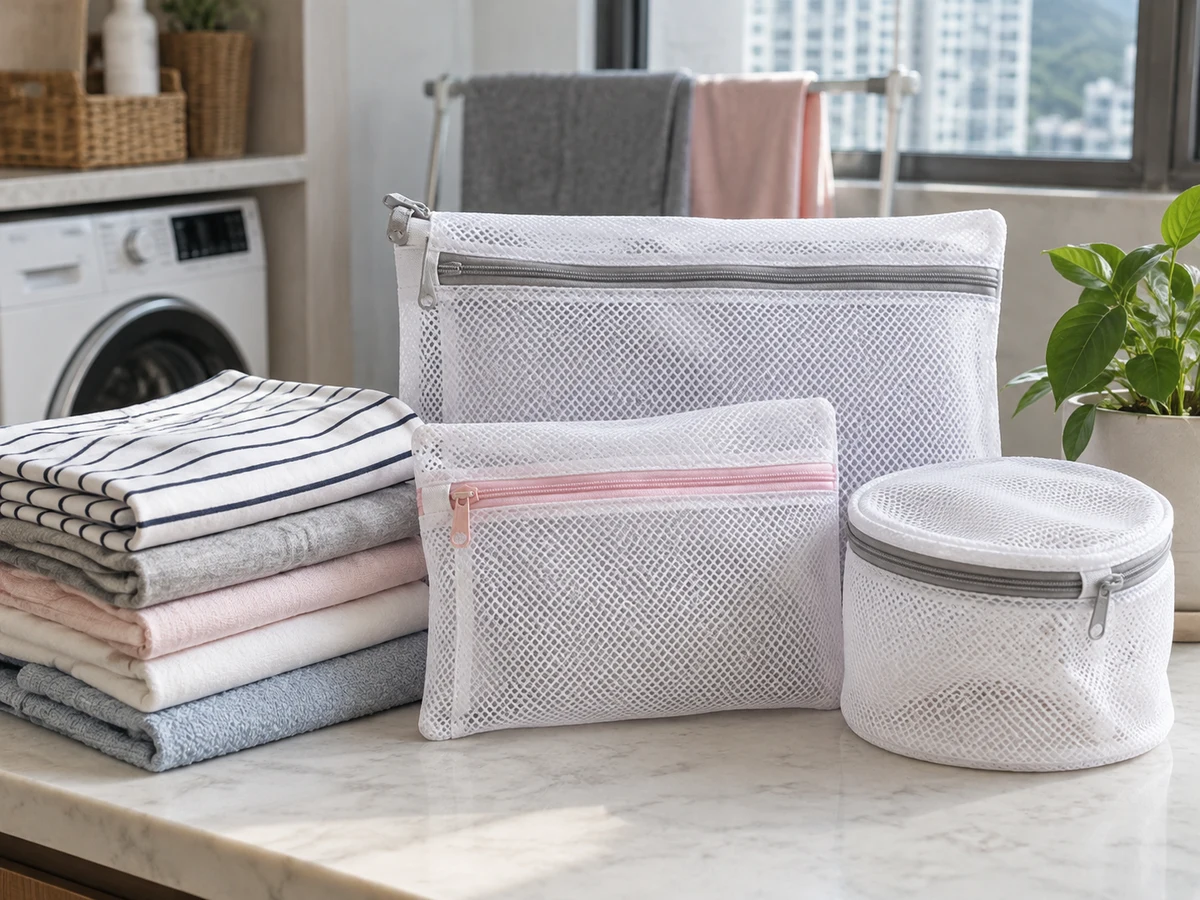
Clean empty mesh bags and inspect the fabric and zip before reuse.
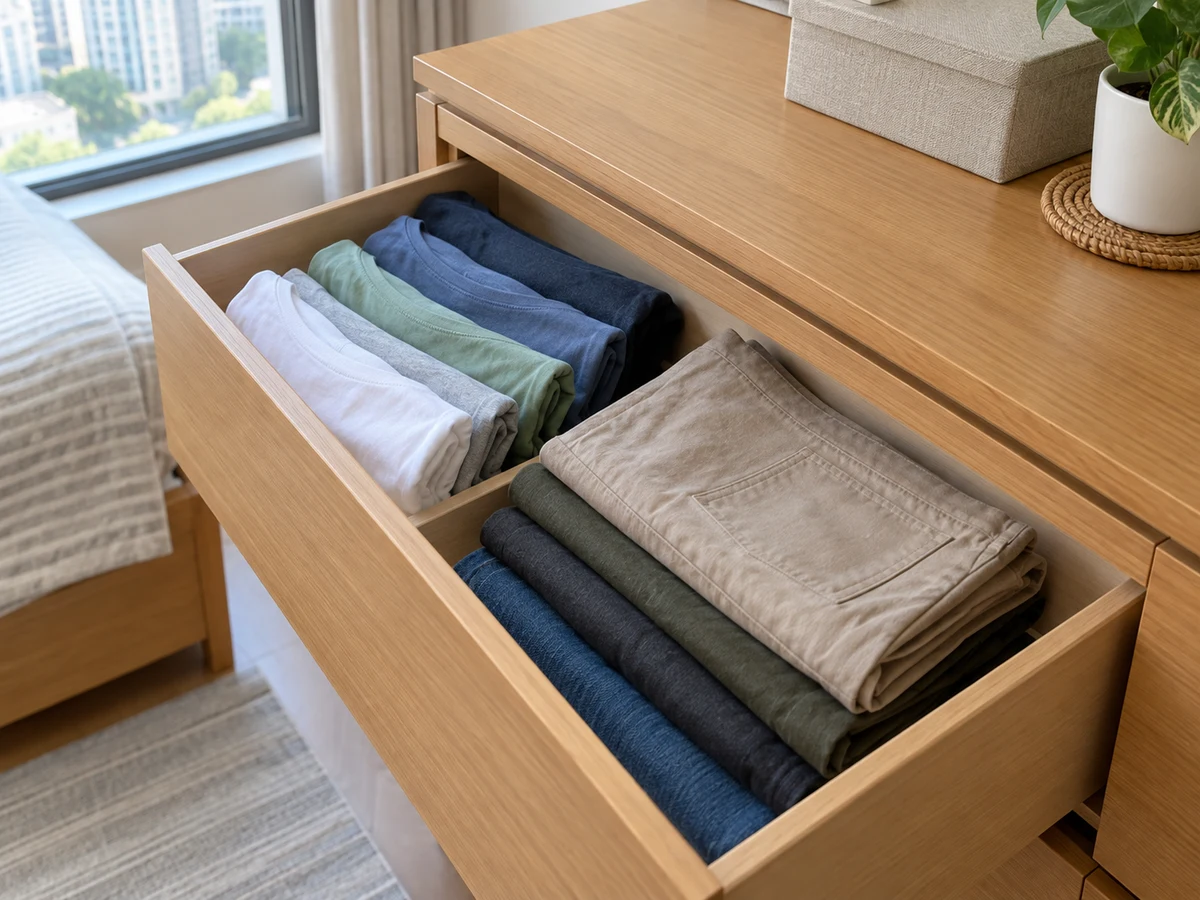
Fit folds to the drawer so each garment is easy to find and remove.

Use dry dusting to protect spines, page edges and shelving.

Test a small area to avoid removing paint or changing its sheen.
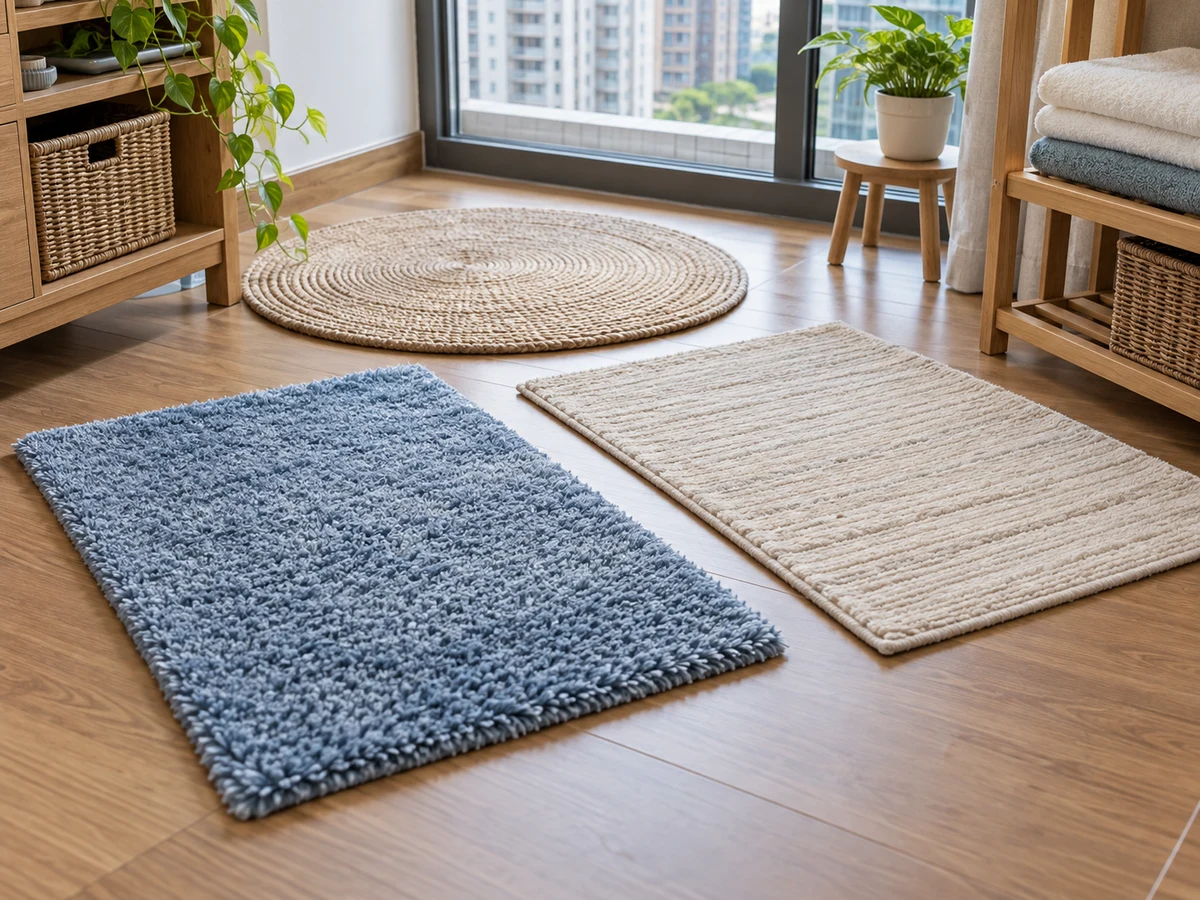
Check both rug backing and washing-machine capacity.
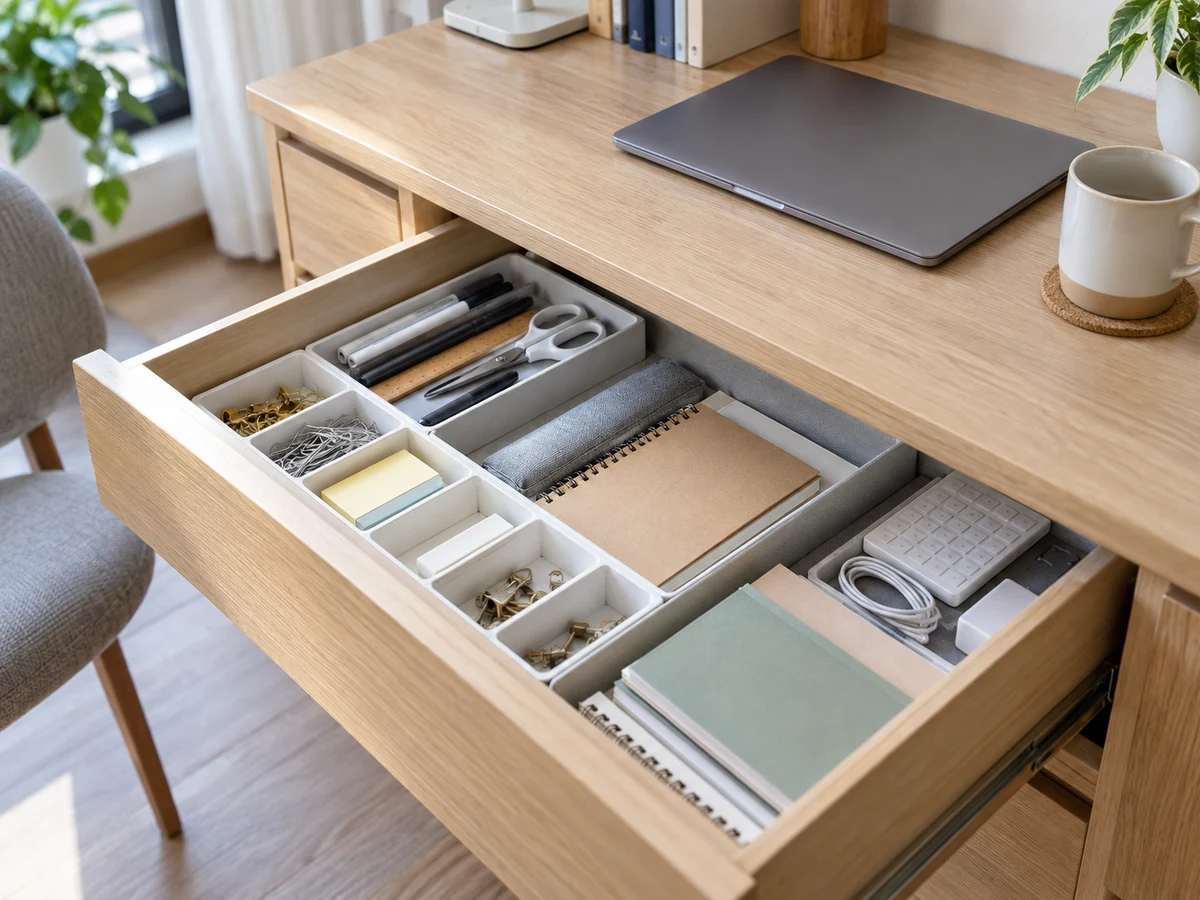
Keep private-item decisions with the owner and work one drawer at a time.
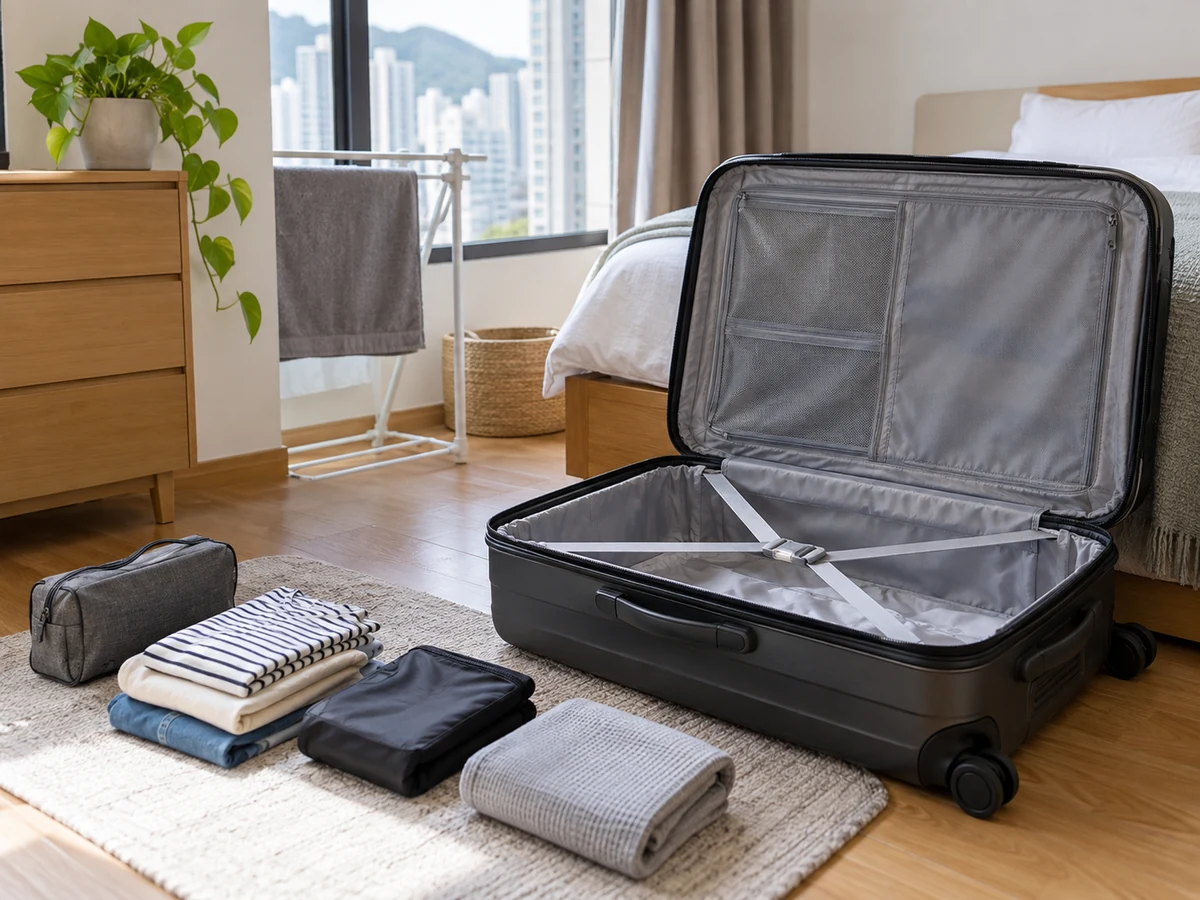
Keep travel soil outside and dry cases fully before nesting.
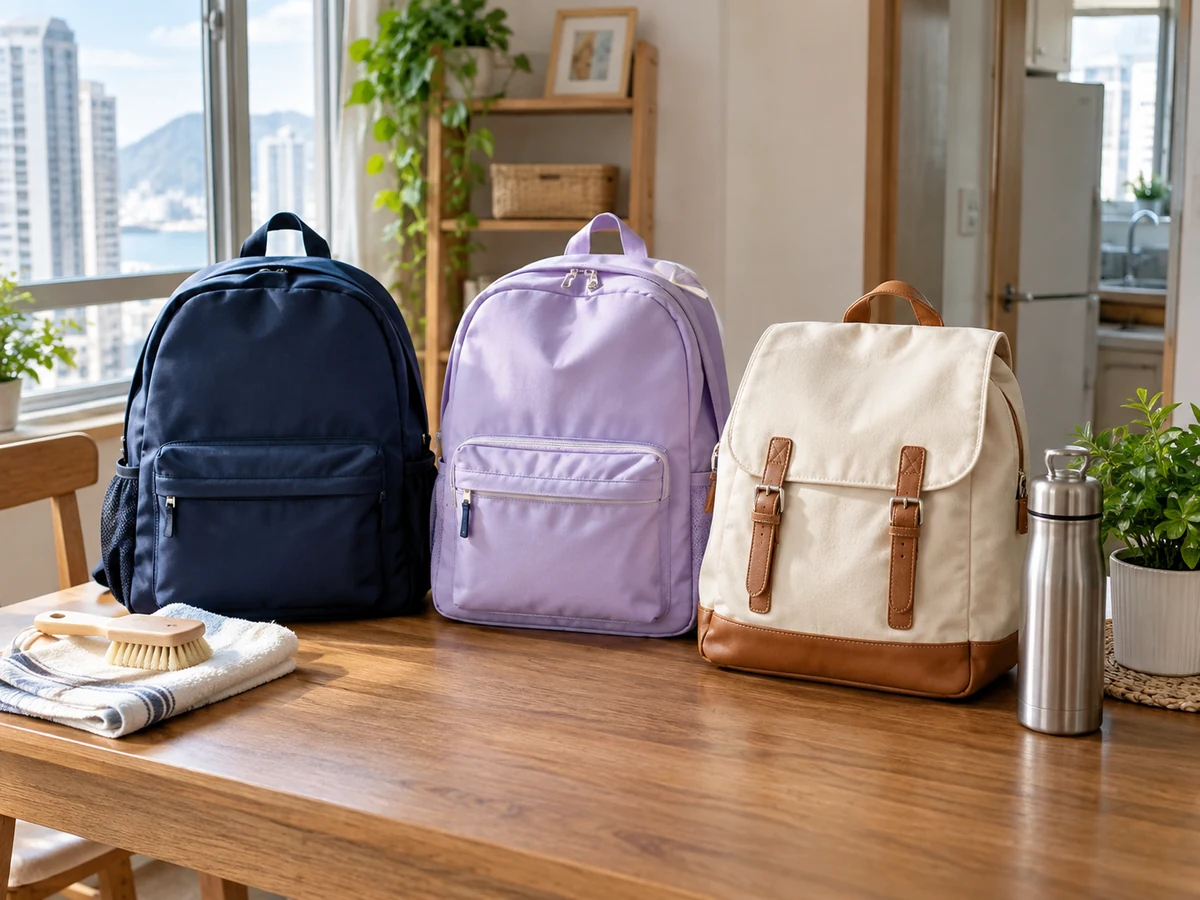
Empty school bags first and protect rigid backing and electronics from water.
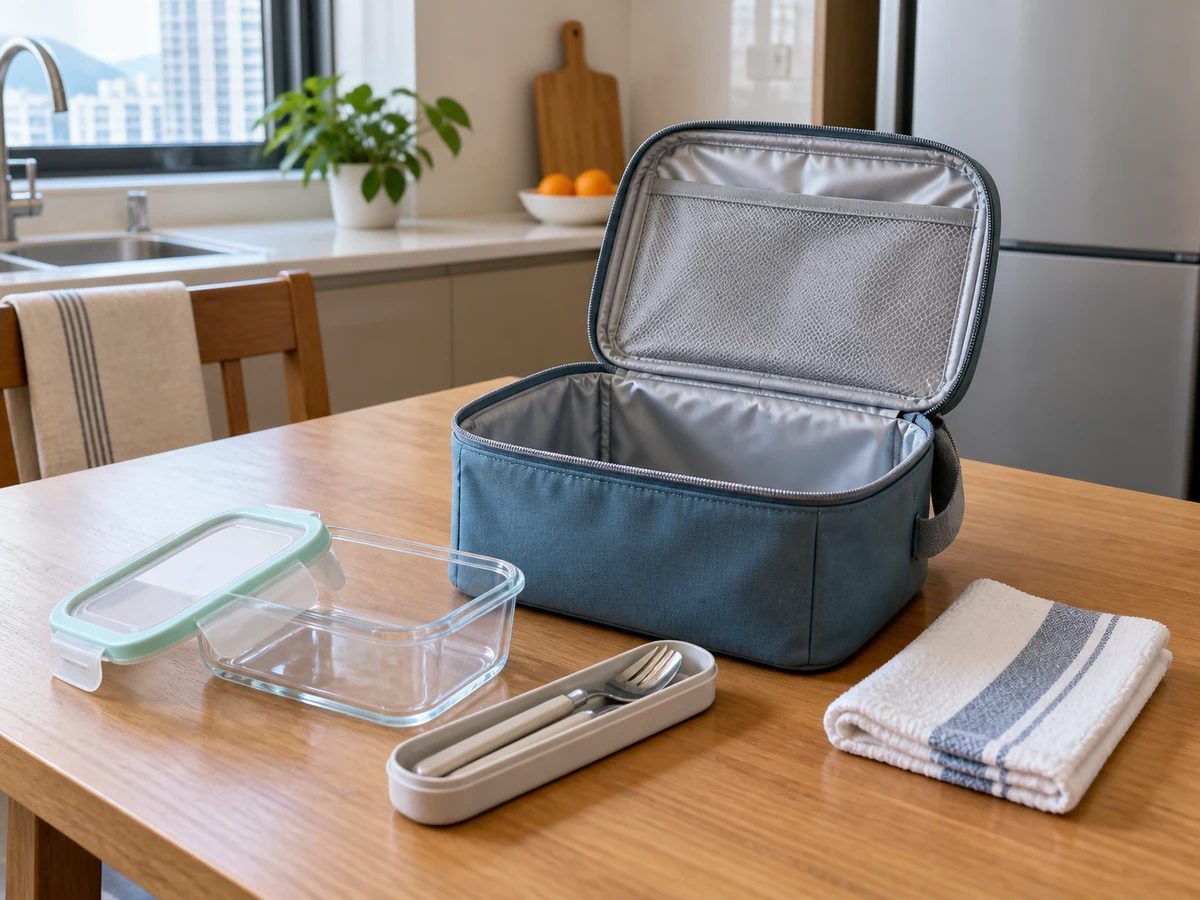
Wipe insulated lining gently; water resistance does not permit soaking.
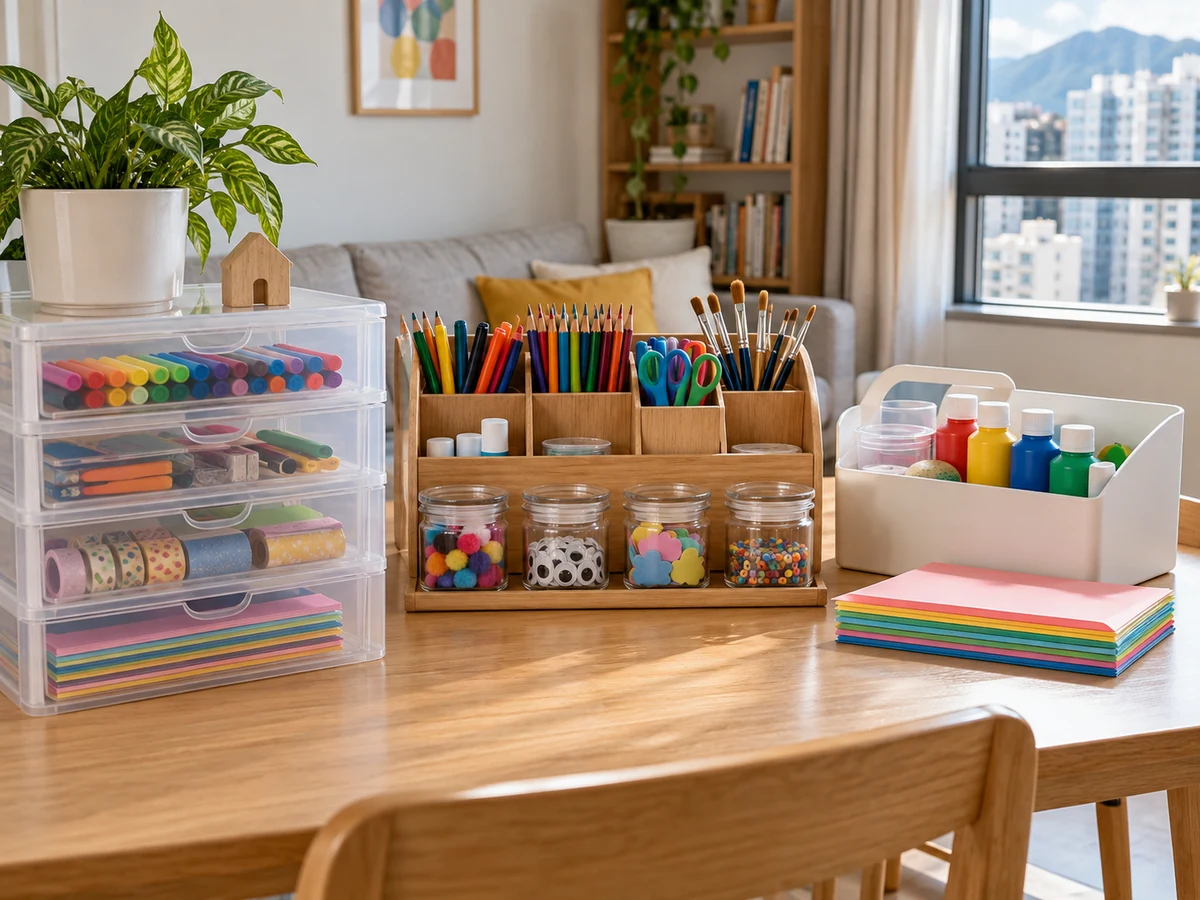
Retain product labels, clean washable materials and secure small pieces.
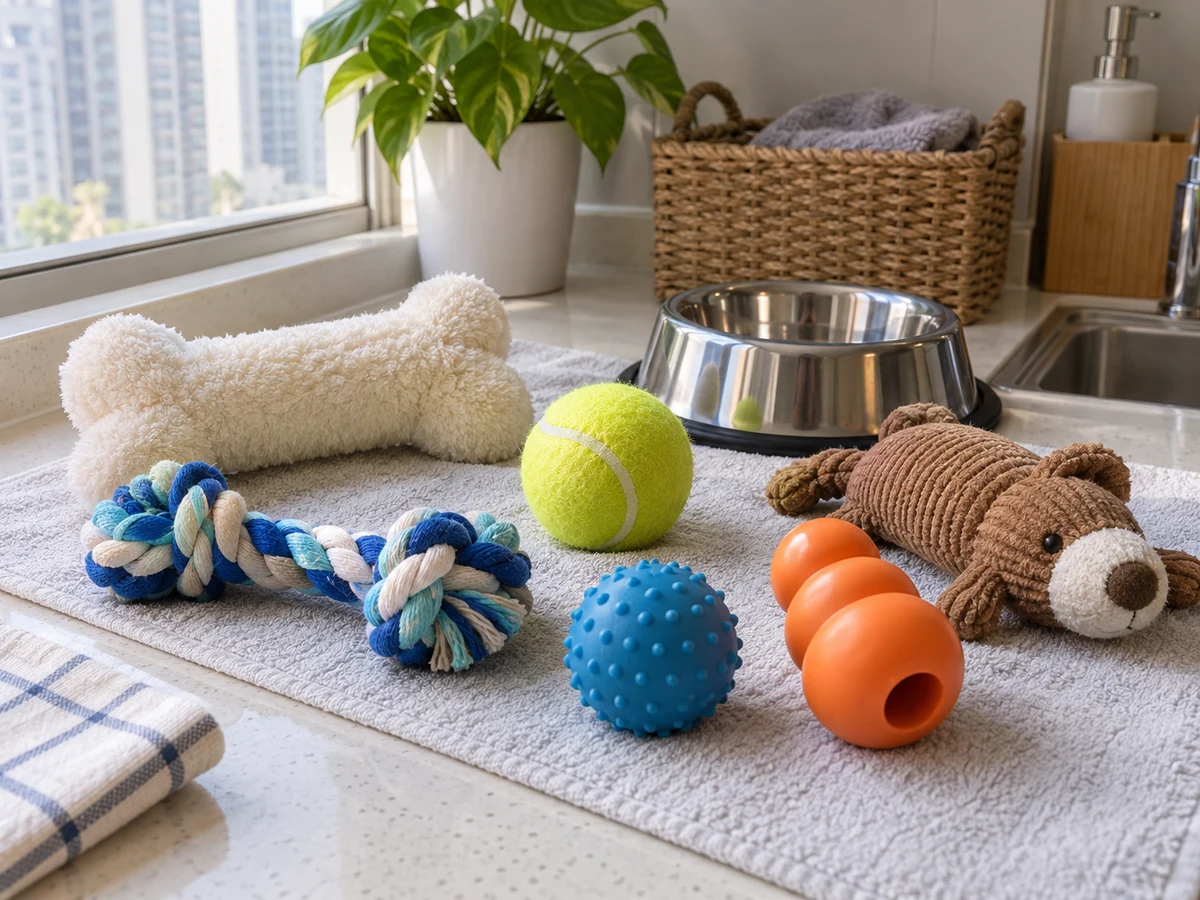
Inspect bite damage and hidden food before material-specific washing.
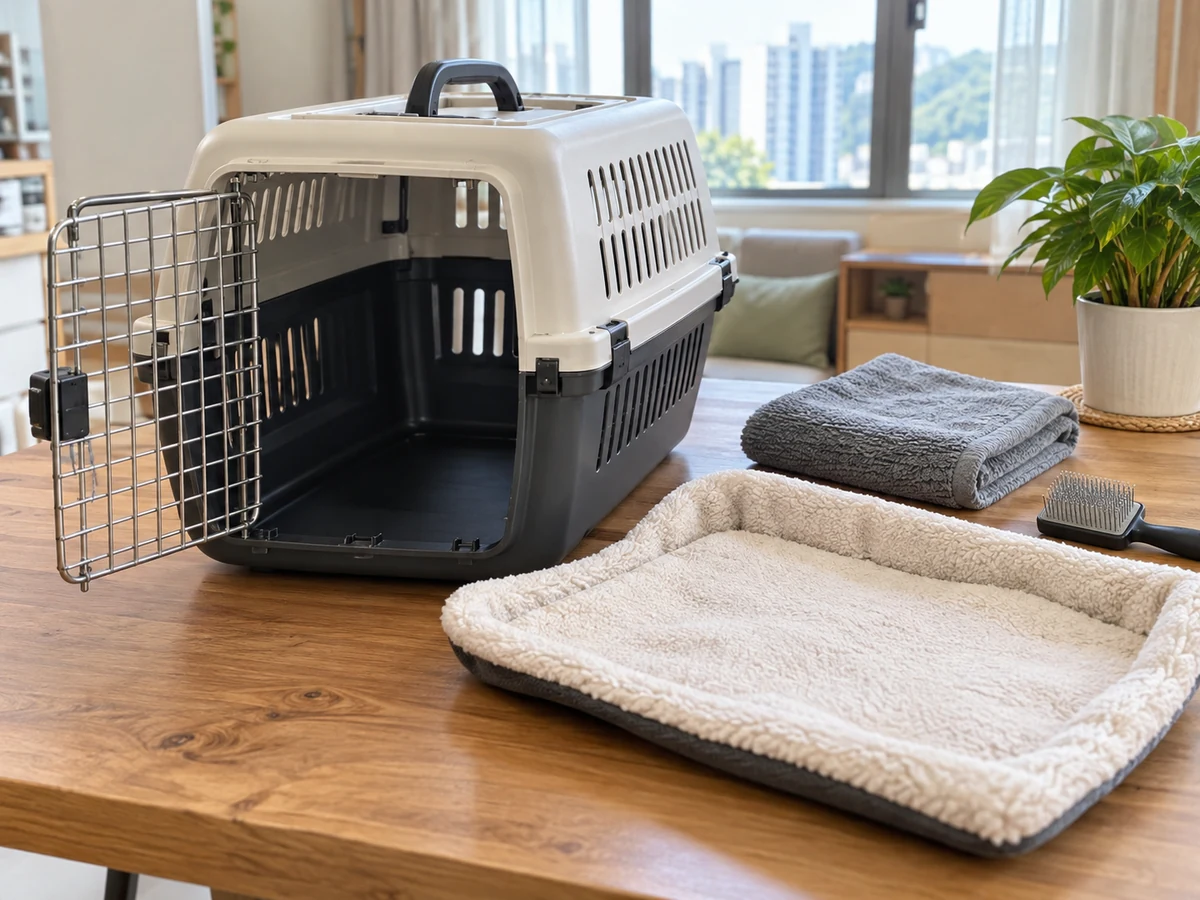
Complete cleaning and transport-structure checks as separate tasks.
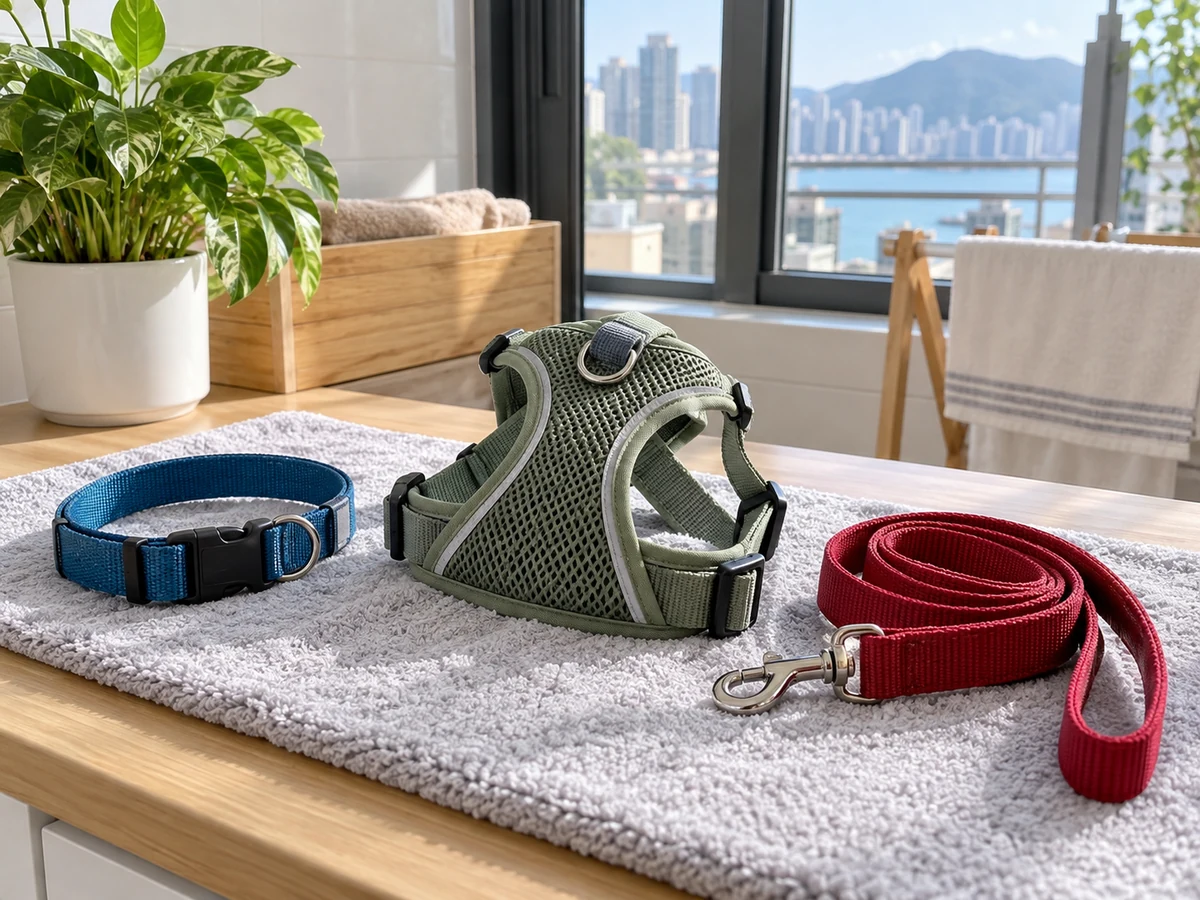
Preserve ID tags, adjustments and load-bearing structure during cleaning.
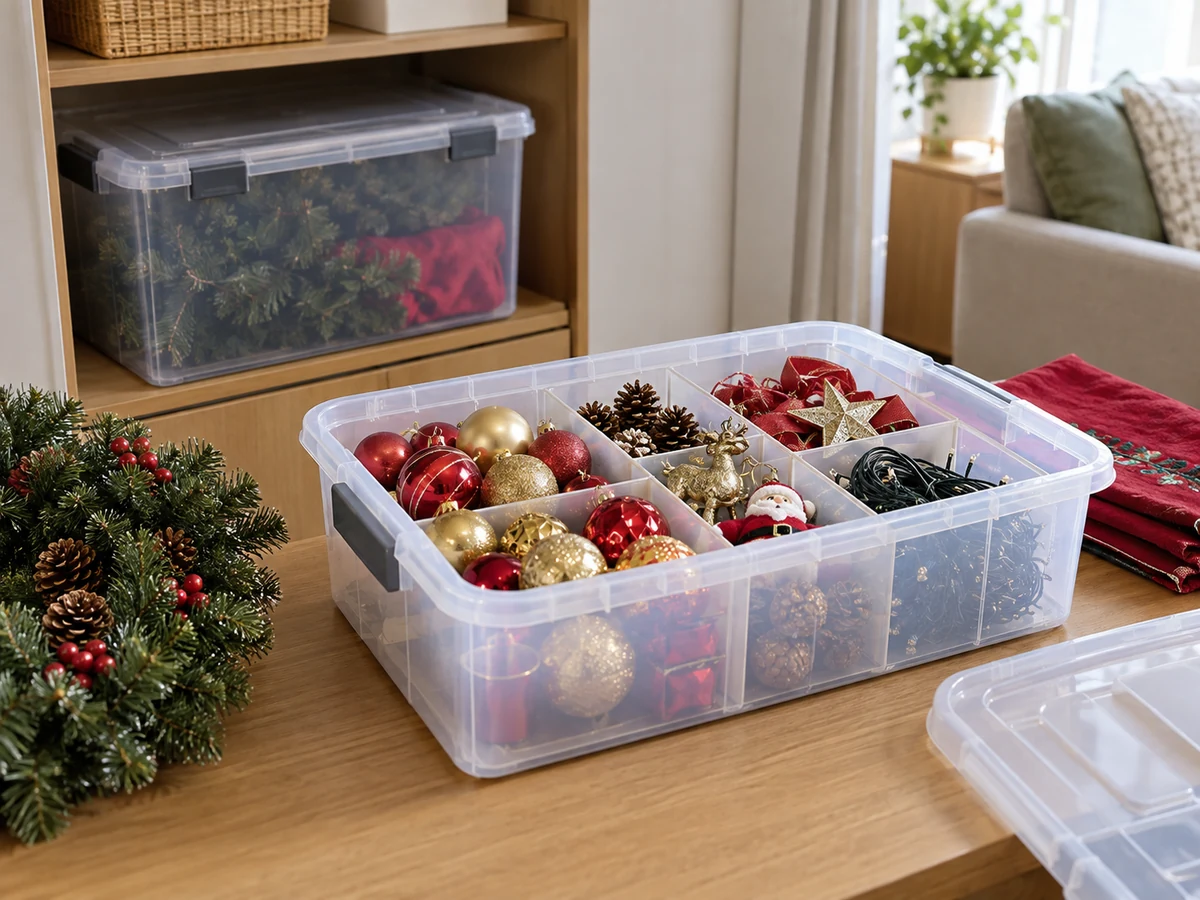
Separate fragile, water-sensitive and electrical seasonal items.
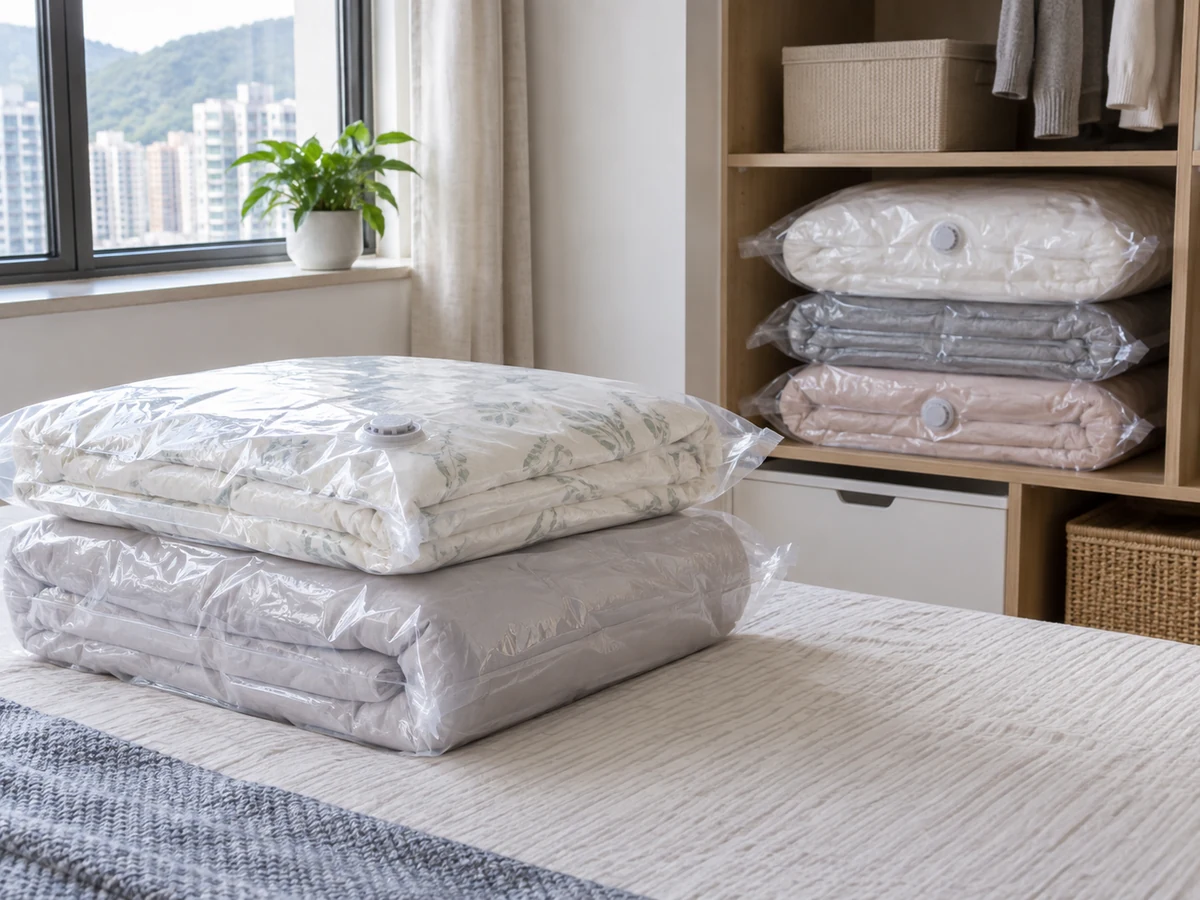
Confirm filling compatibility and complete drying before vacuum storage.
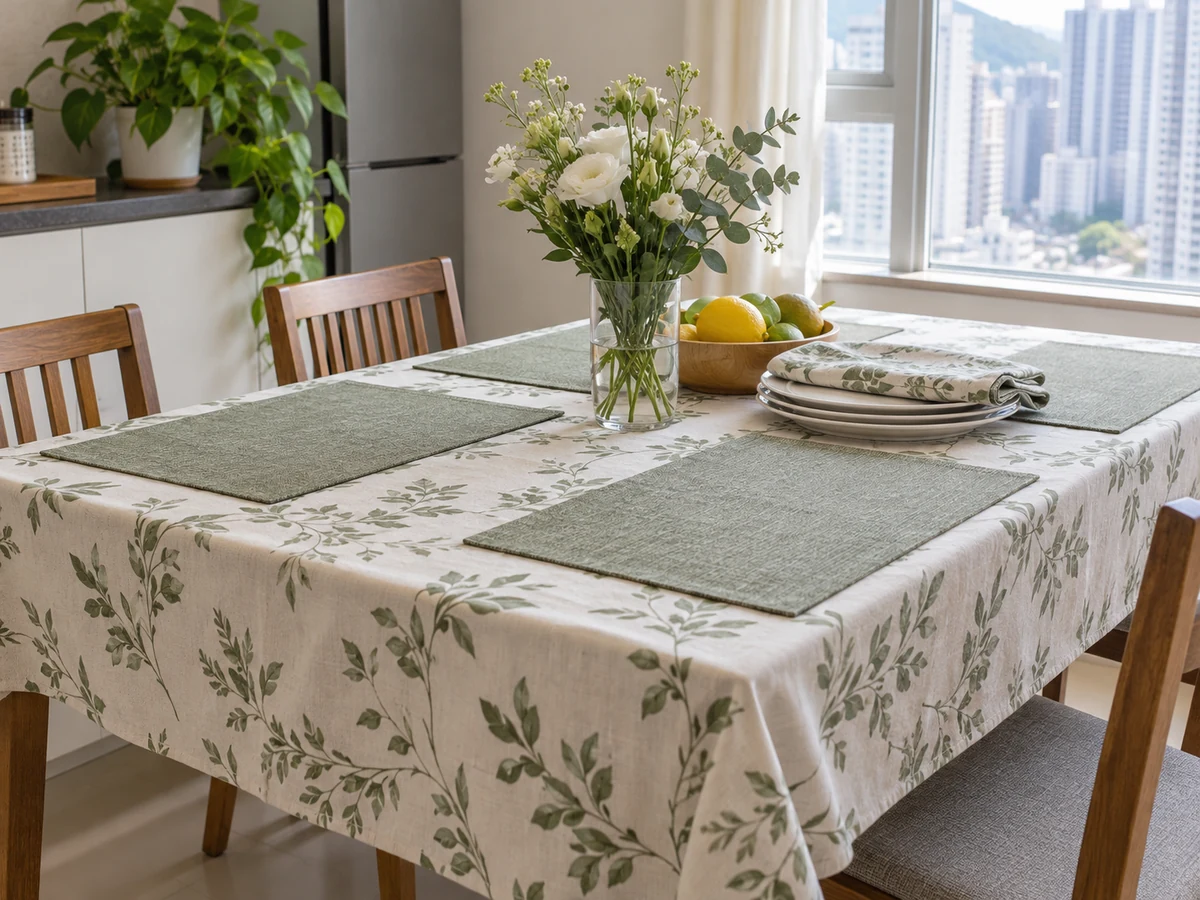
Treat food stains before washing within fabric and coating limits.
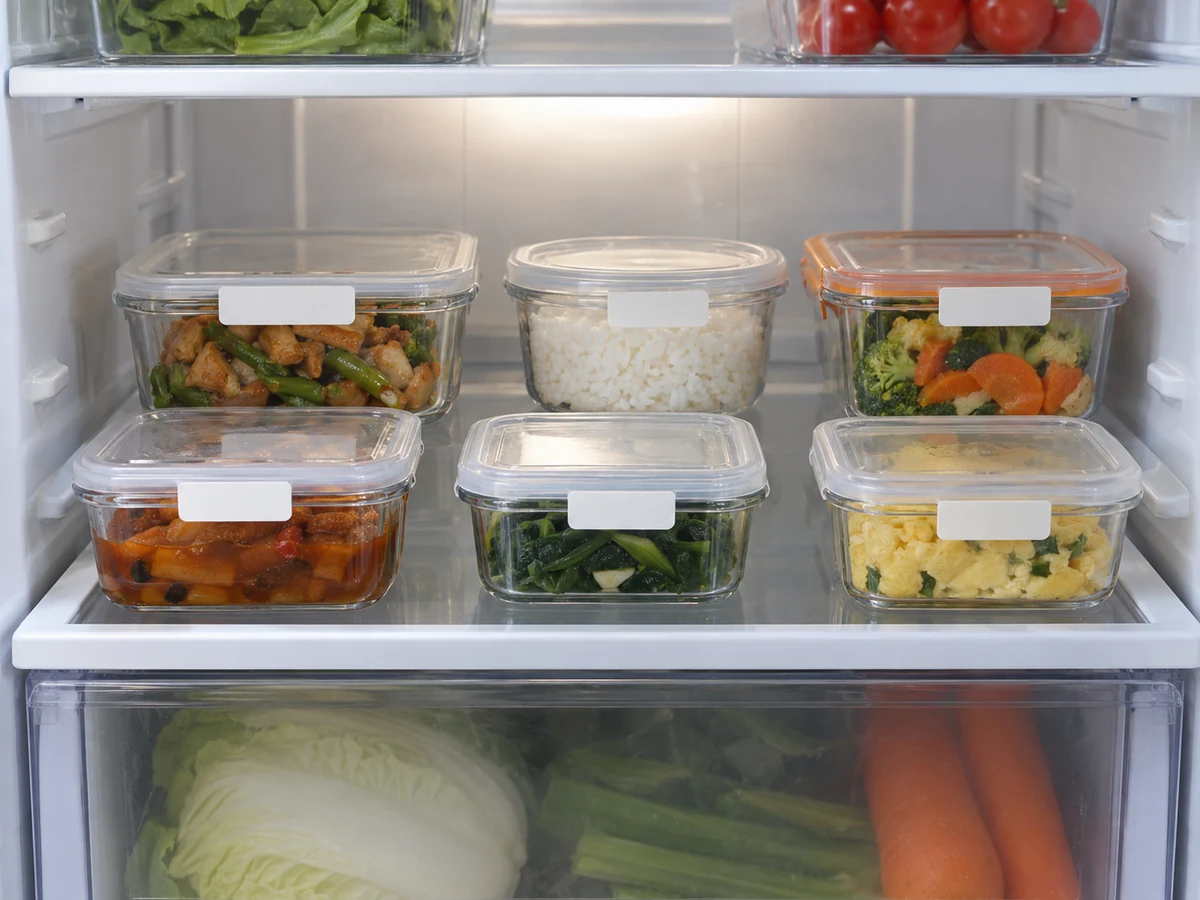
Cool cooked food, label it clearly and refrigerate it on time
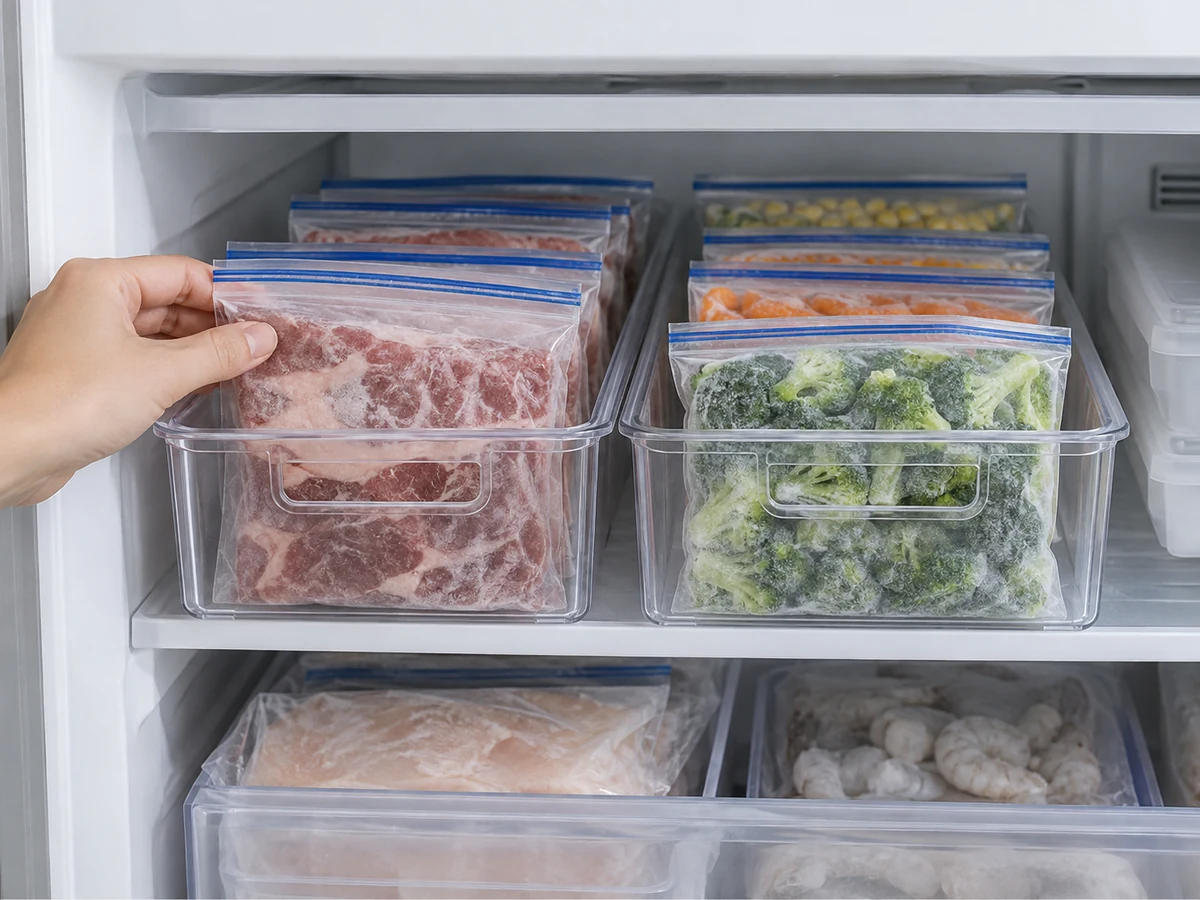
Check packages and dates so earlier food is used first
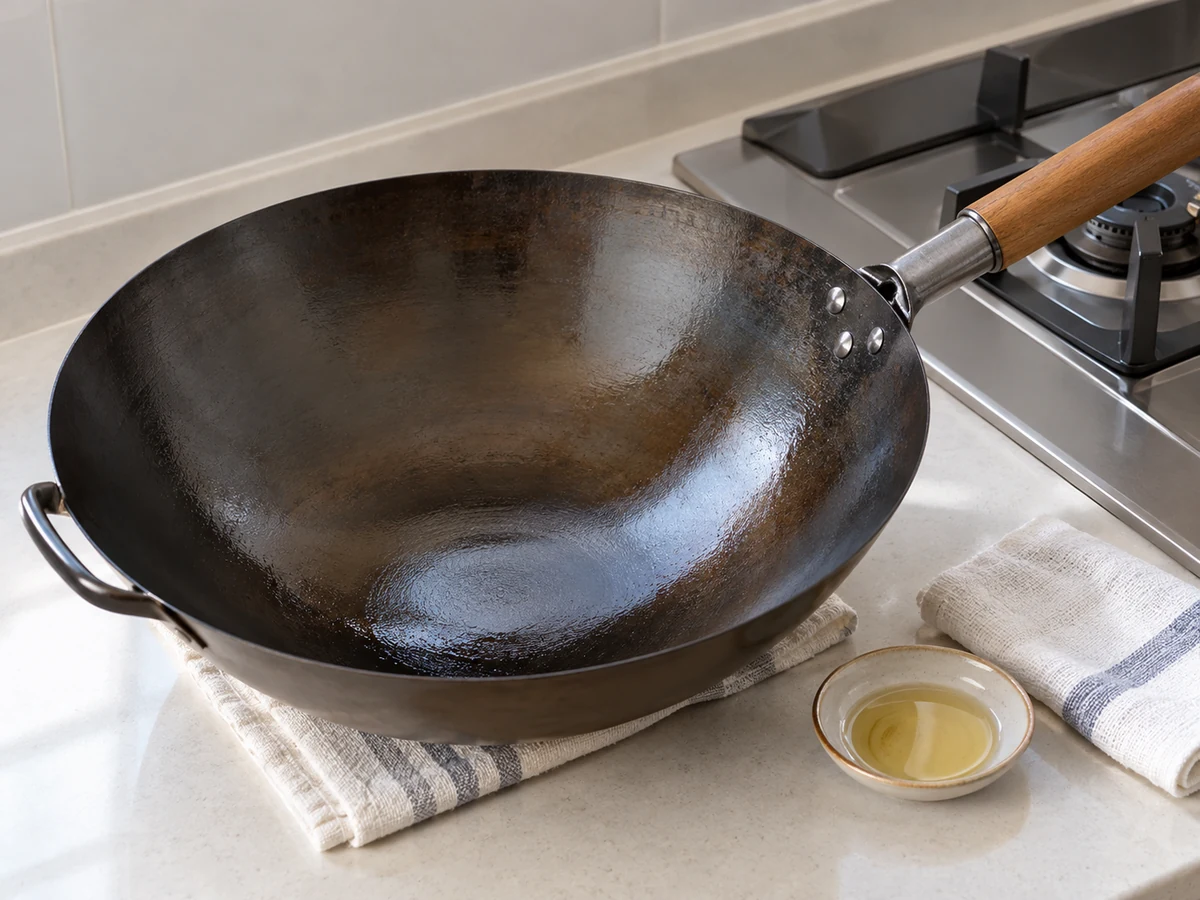
Hand-wash, dry promptly and apply a very light oil film only as the maker directs
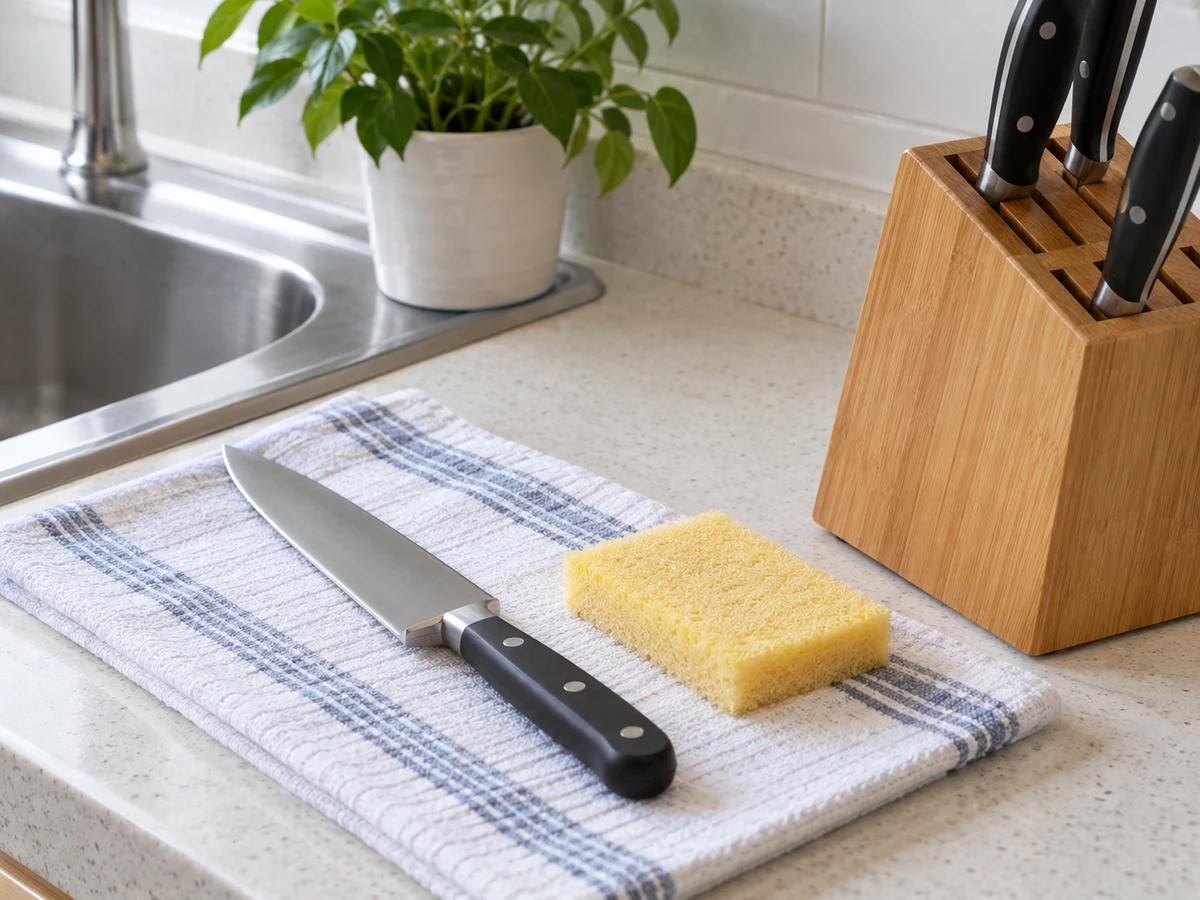
Hand-wash one knife at a time, dry it fully and clean only safely reachable parts of the block
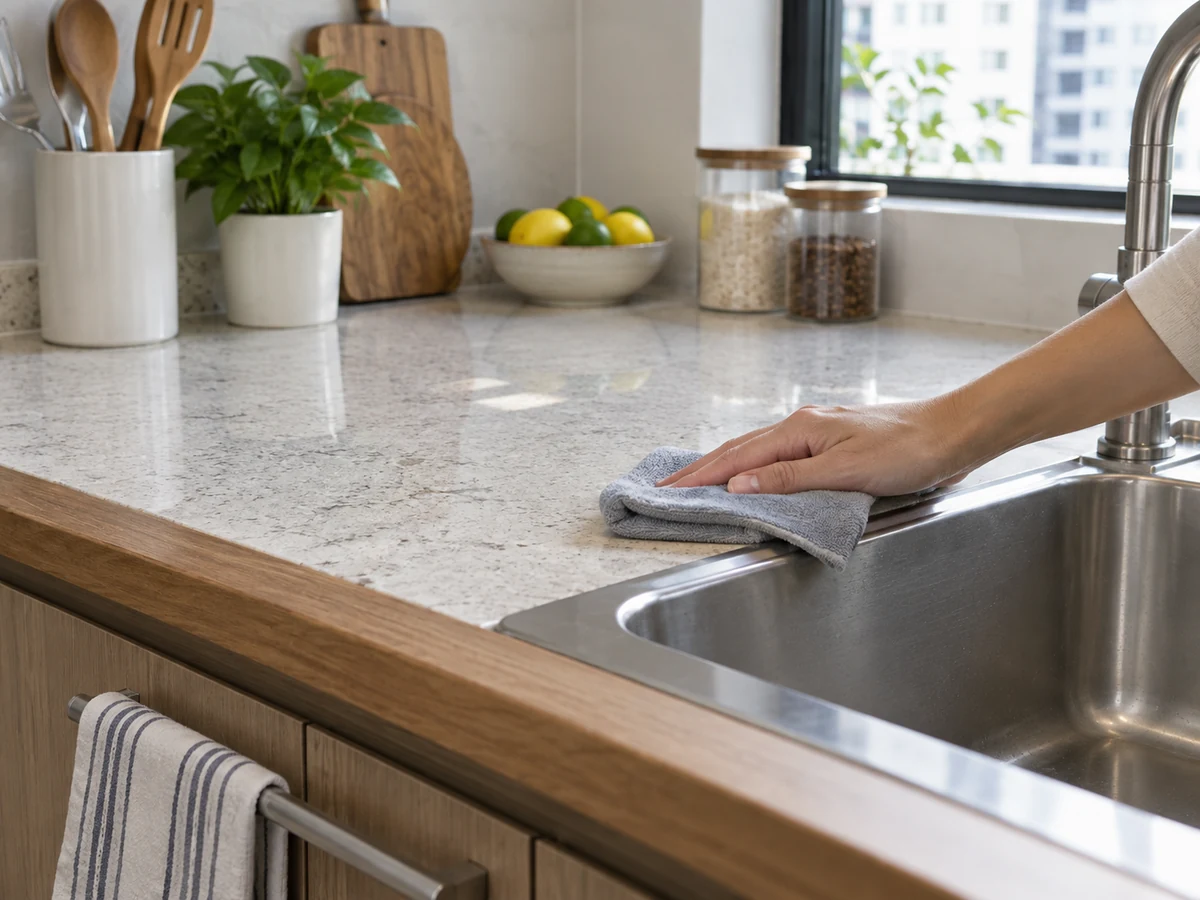
Identify the worktop first, then respect its moisture, scratch and heat limits
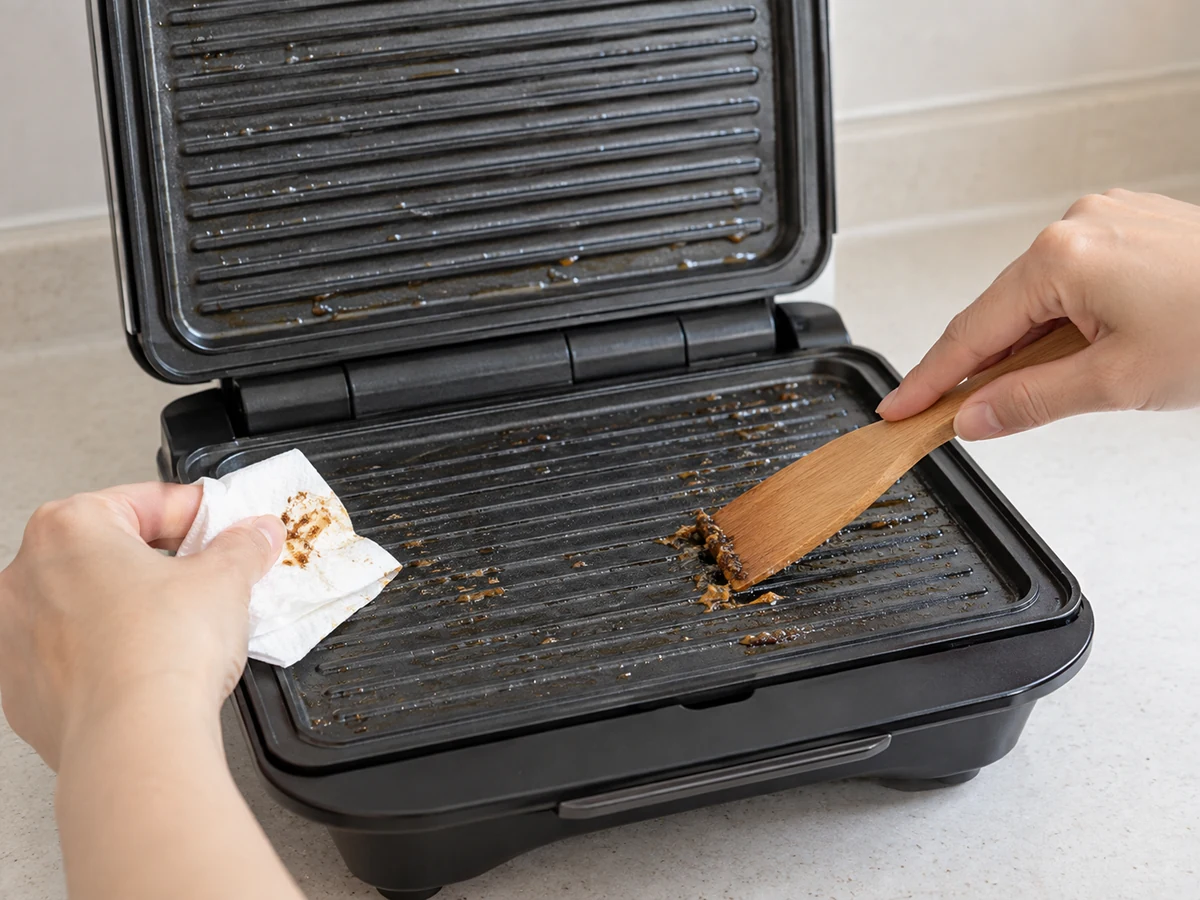
Identify fixed or removable plates first and clean only as the model allows
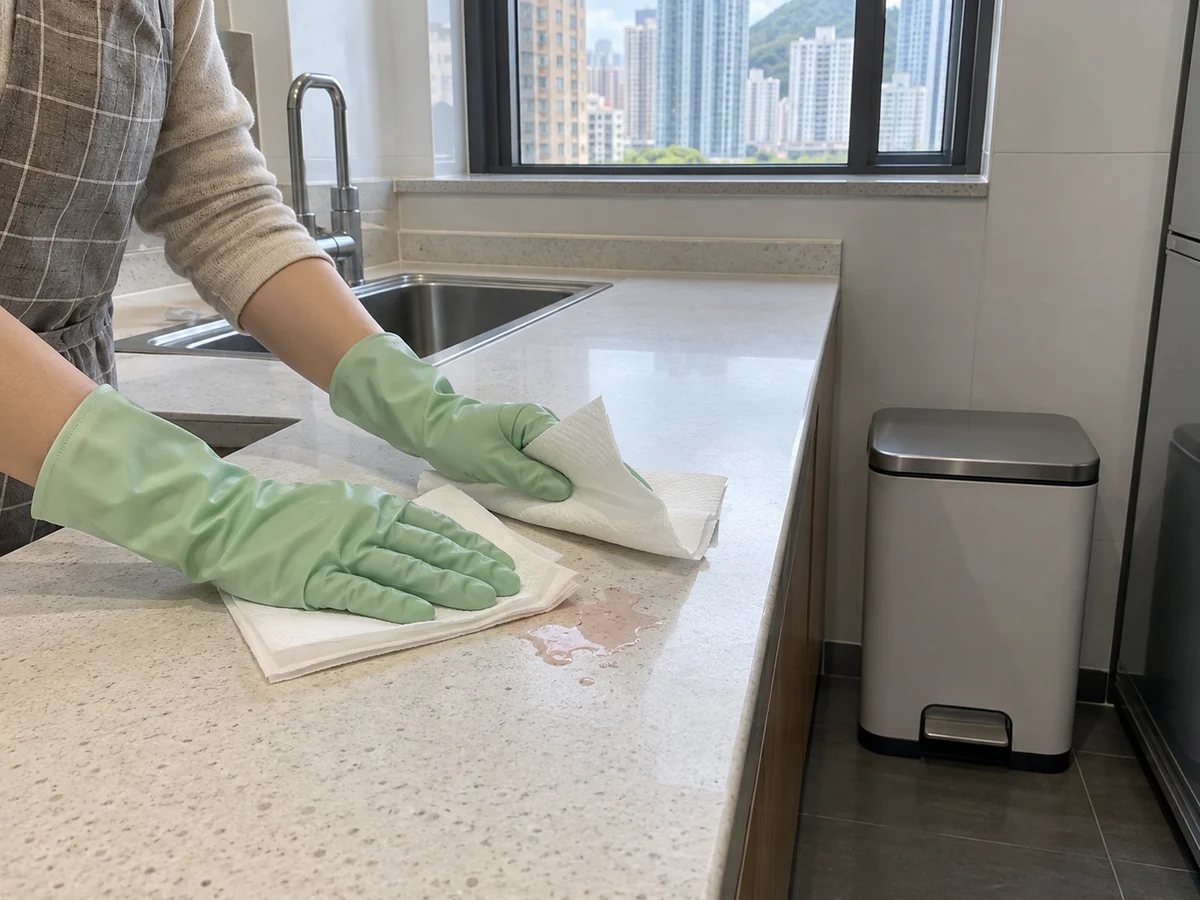
Isolate food and people first, then lift the spill, clean and follow the approved household method
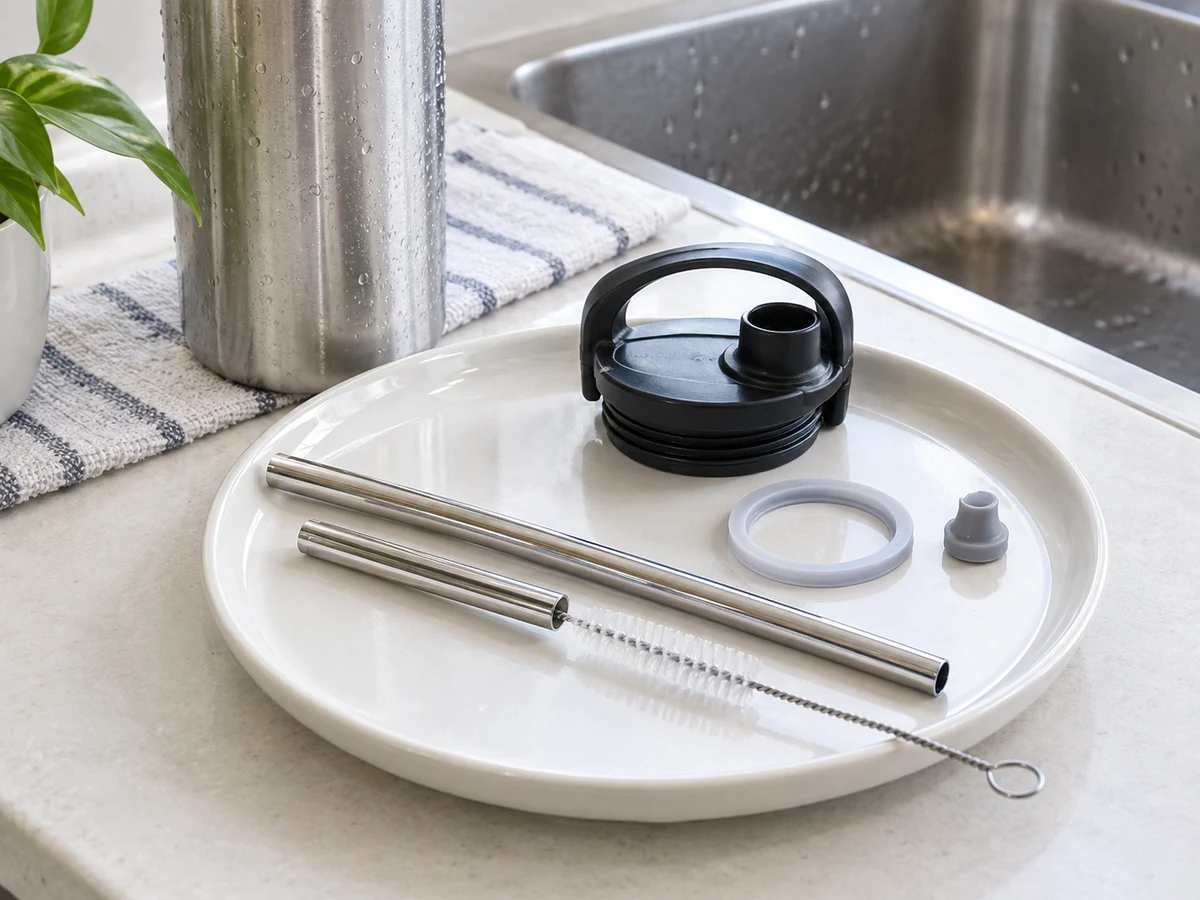
Disassemble only approved parts, brush narrow channels, rinse well and dry completely
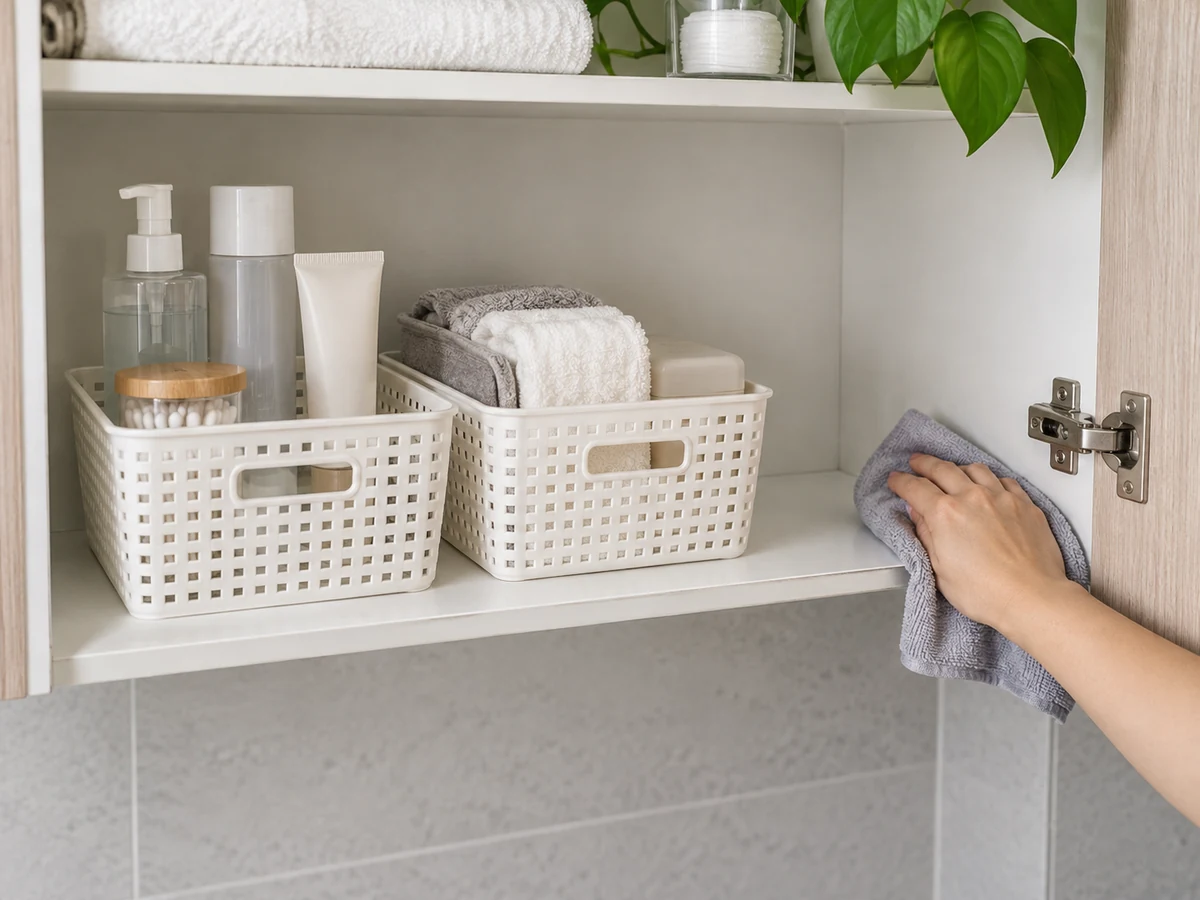
Get owner approval first, then clean moisture-prone shelves and return personal items by their arrangement
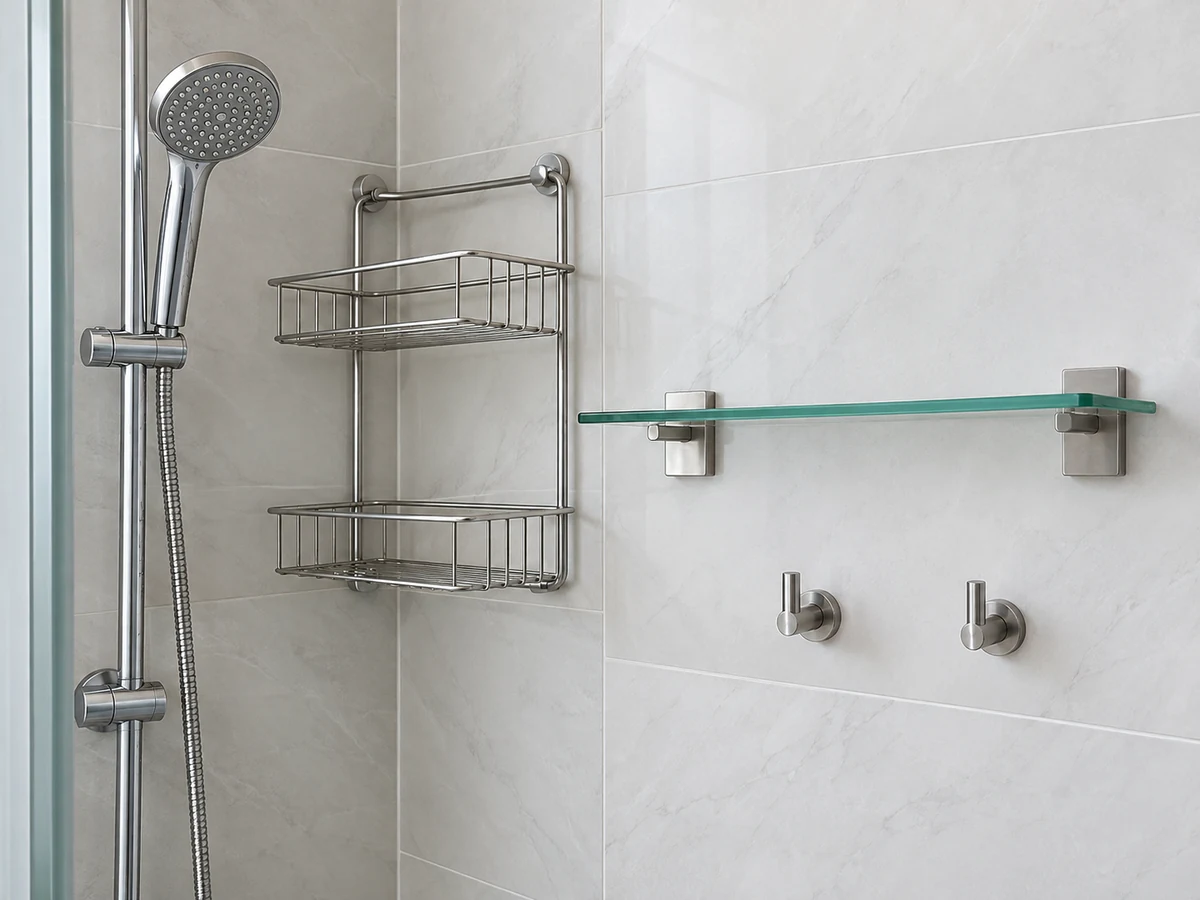
Remove soap residue and trapped water while respecting the limits of fixings and suction fittings
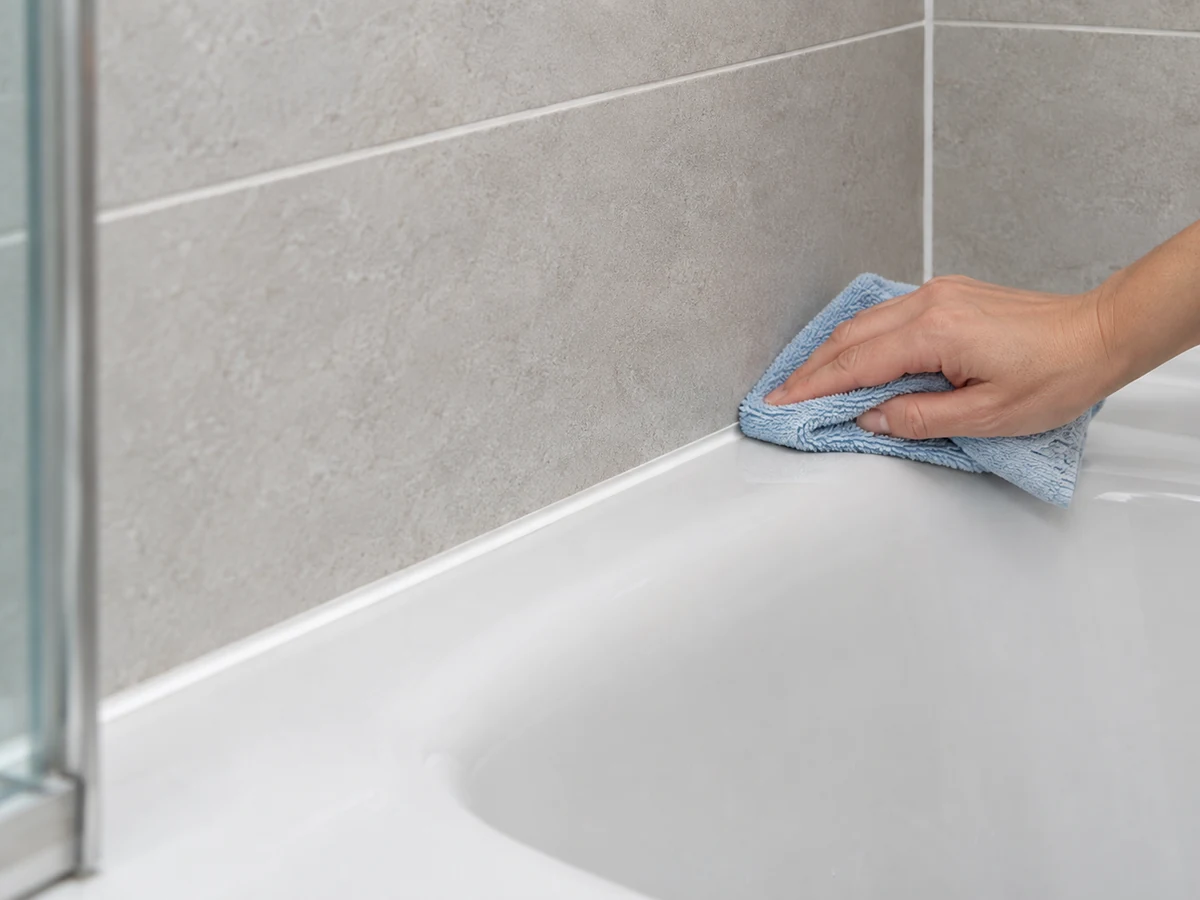
Clean intact sealant gently; report separated, cracked or persistently affected sealant instead of repairing it.
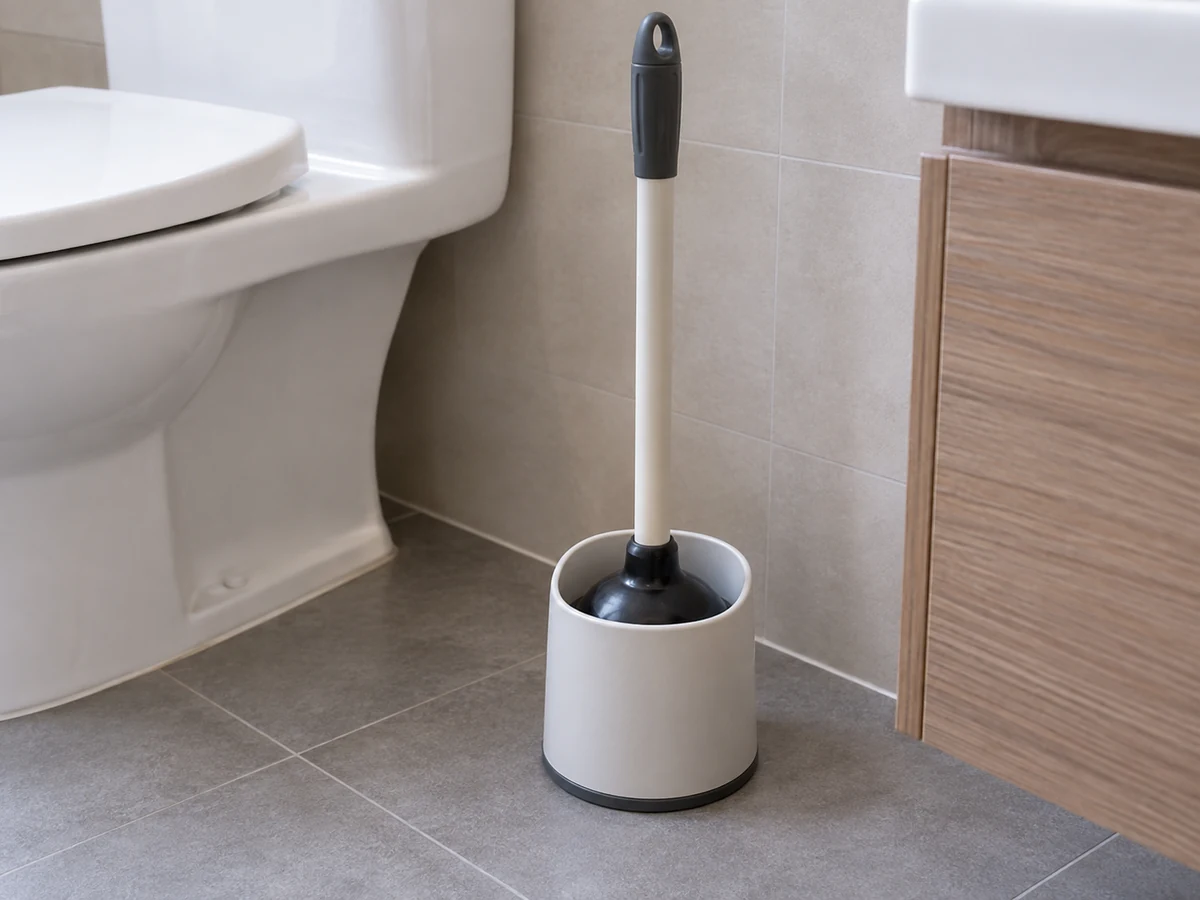
Contain the tool after use, then clean, air-dry and store it upright; this is not a drain-unblocking or chemical-mixing guide.
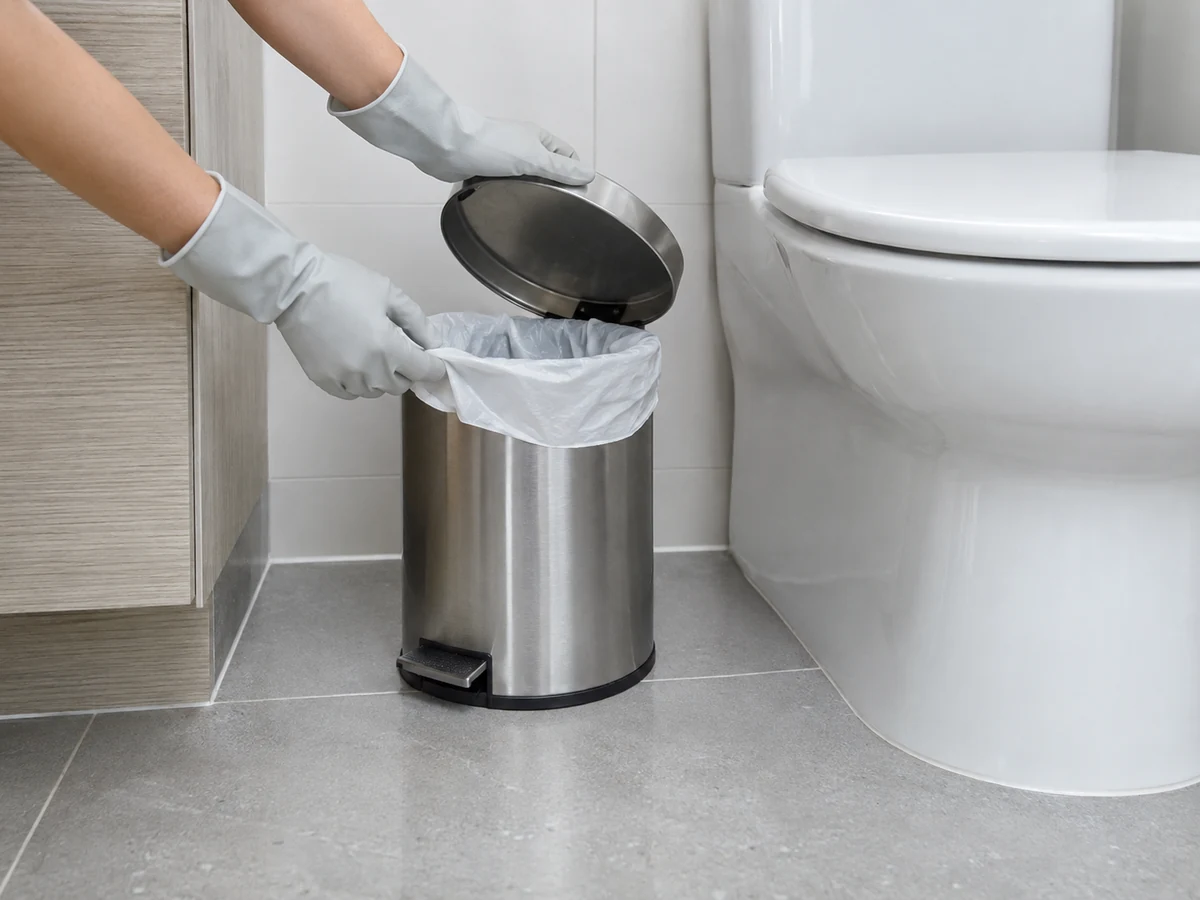
Handle the bag, lid, pedal and nearby floor safely; do not sort or compact personal sanitary waste.
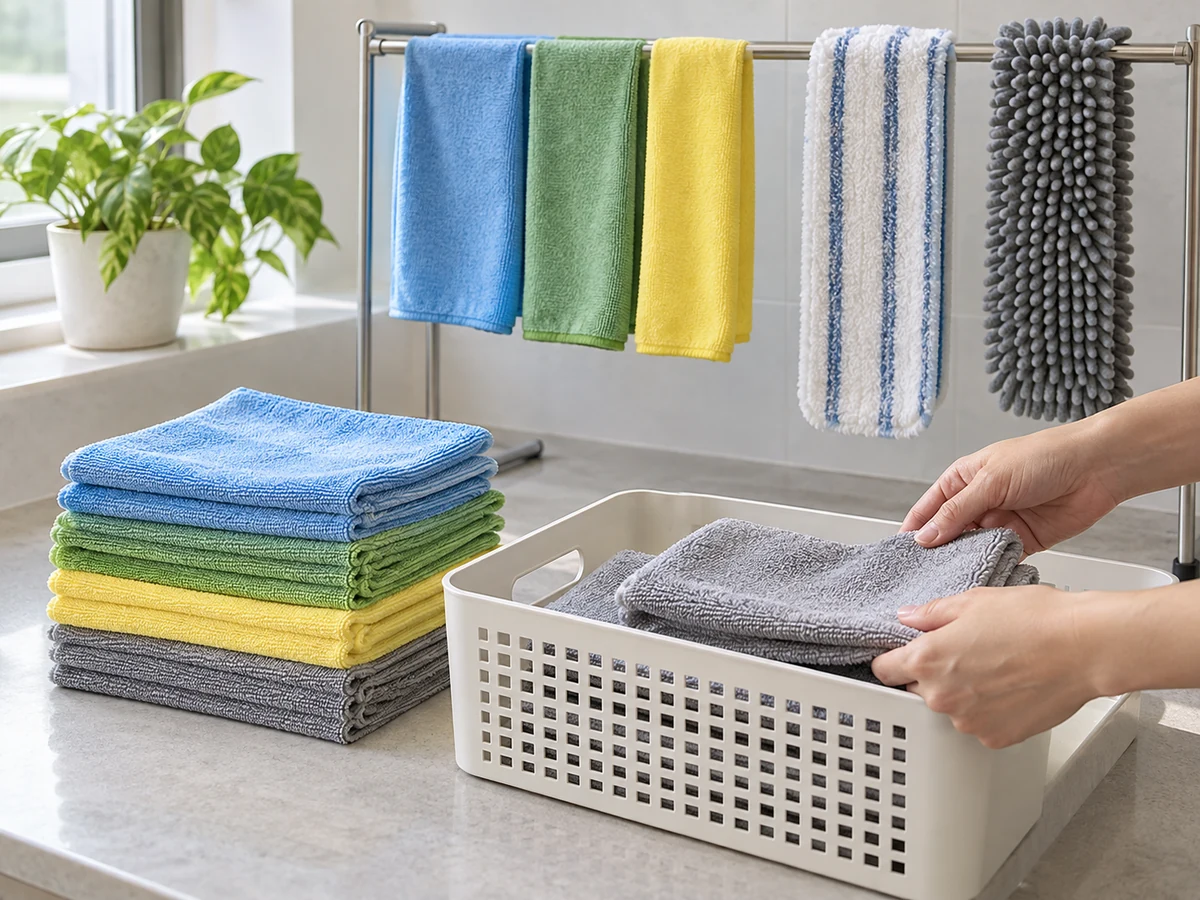
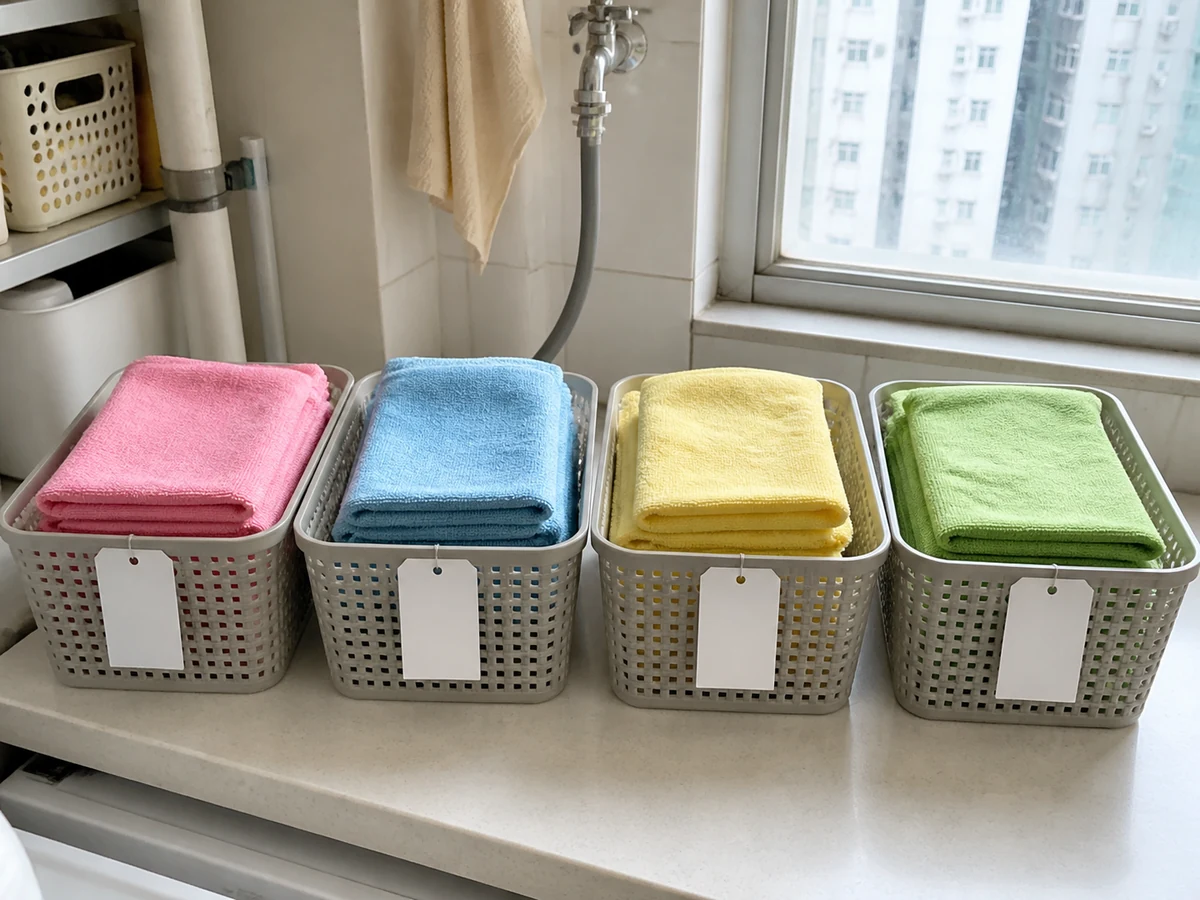
Separate cleaning textiles by zone, material and care label; return them only when fully dry.
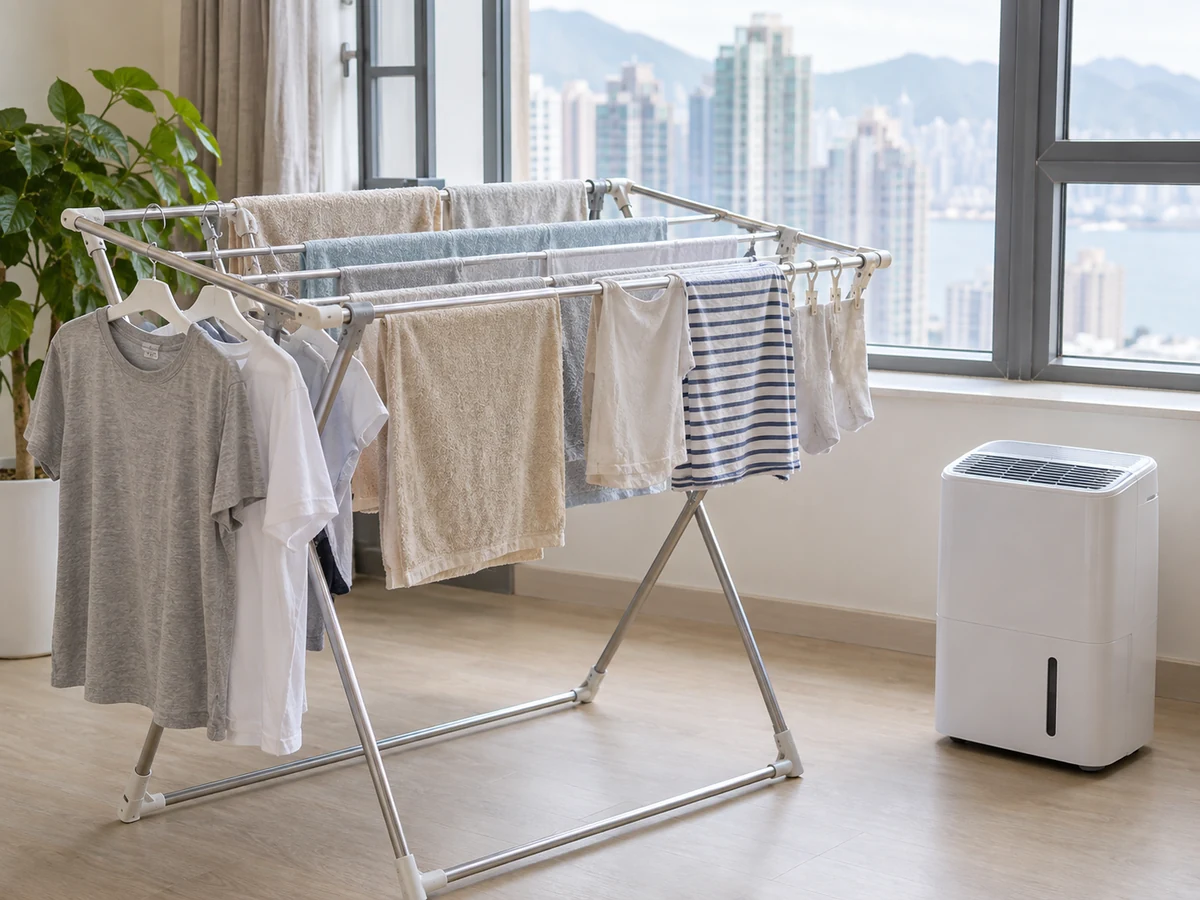
Sort by care label and thickness; ask the employer about items not suitable for indoor drying.
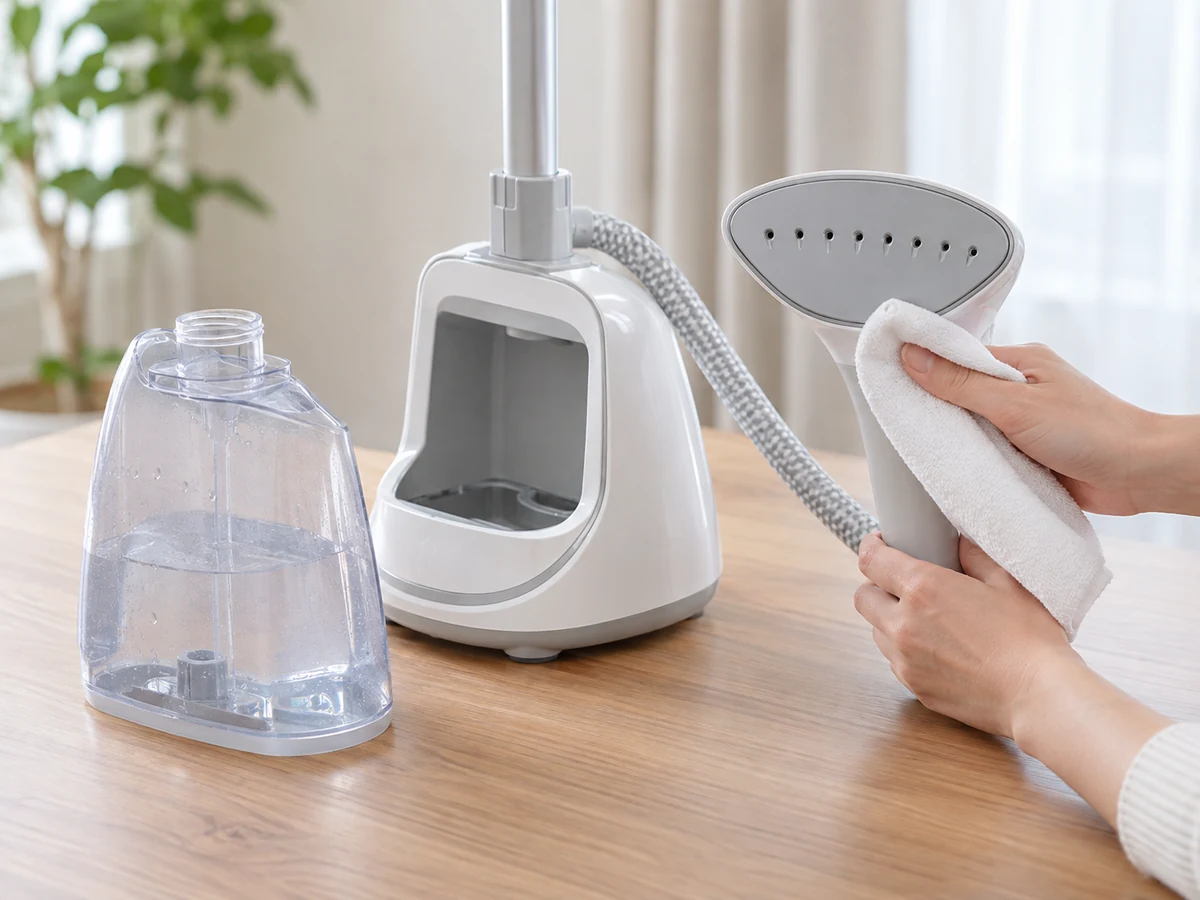
Check the model and manual to identify permitted tank, drain or accessory care; do not improvise descaling or add chemicals.
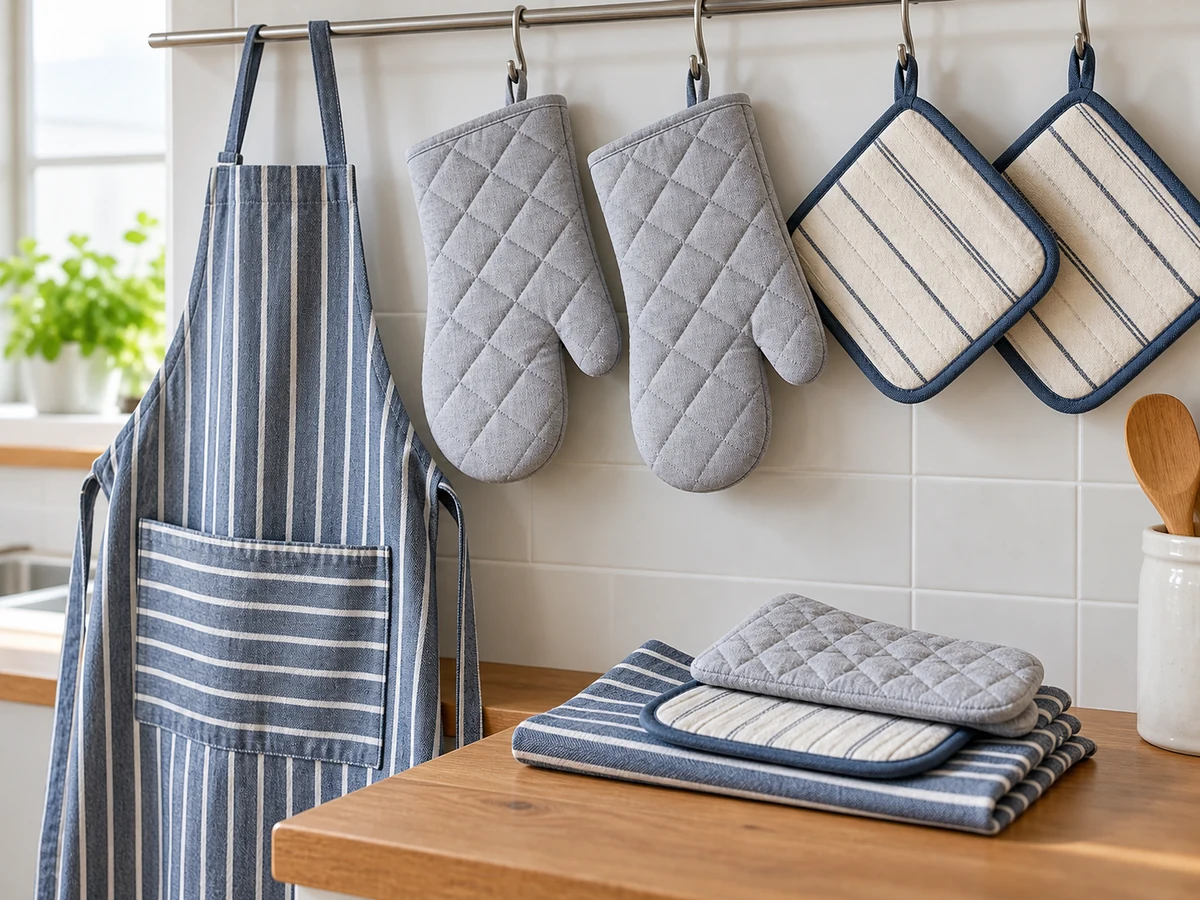
Read every apron, oven-glove and pot-holder label; separate machine-washable, hand-wash and no-wash items.
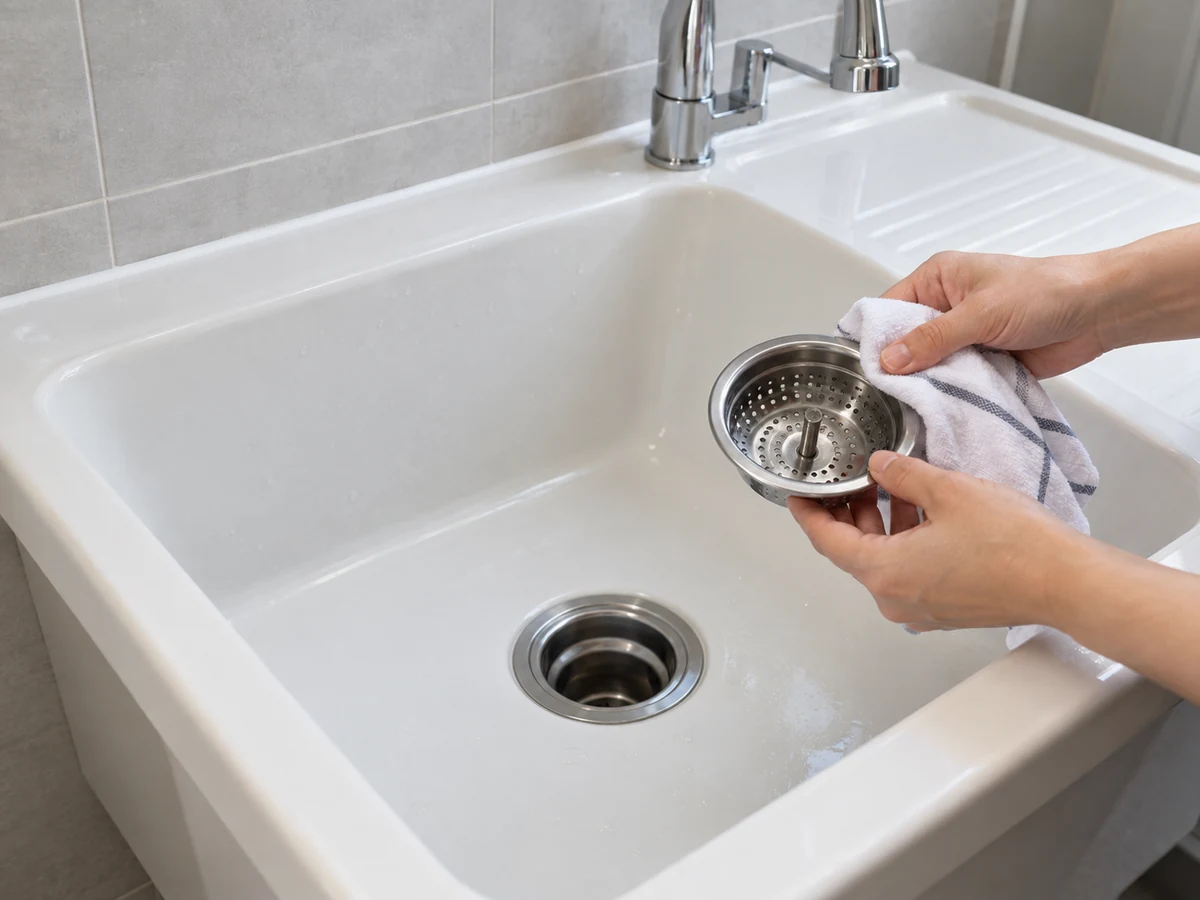
Confirm the utility-sink material and maker limits and prepare utility-zone tools; never mix kitchen or toilet tools.
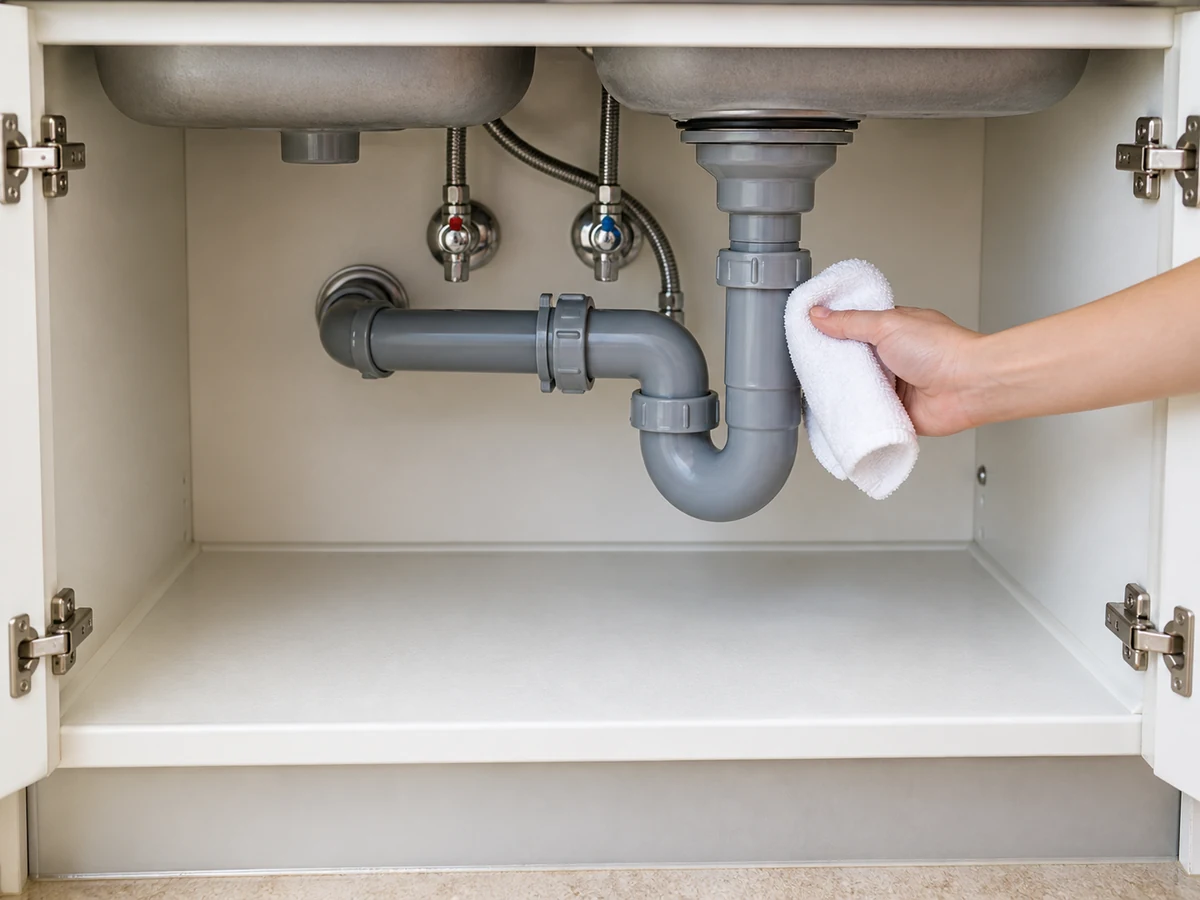
Remove items in their original labelled containers and separate acids, bleach and other products; do not decant or mix storage.

Identify laminate, veneer or sealed wood and check maker guidance; ask the employer when the finish is uncertain.
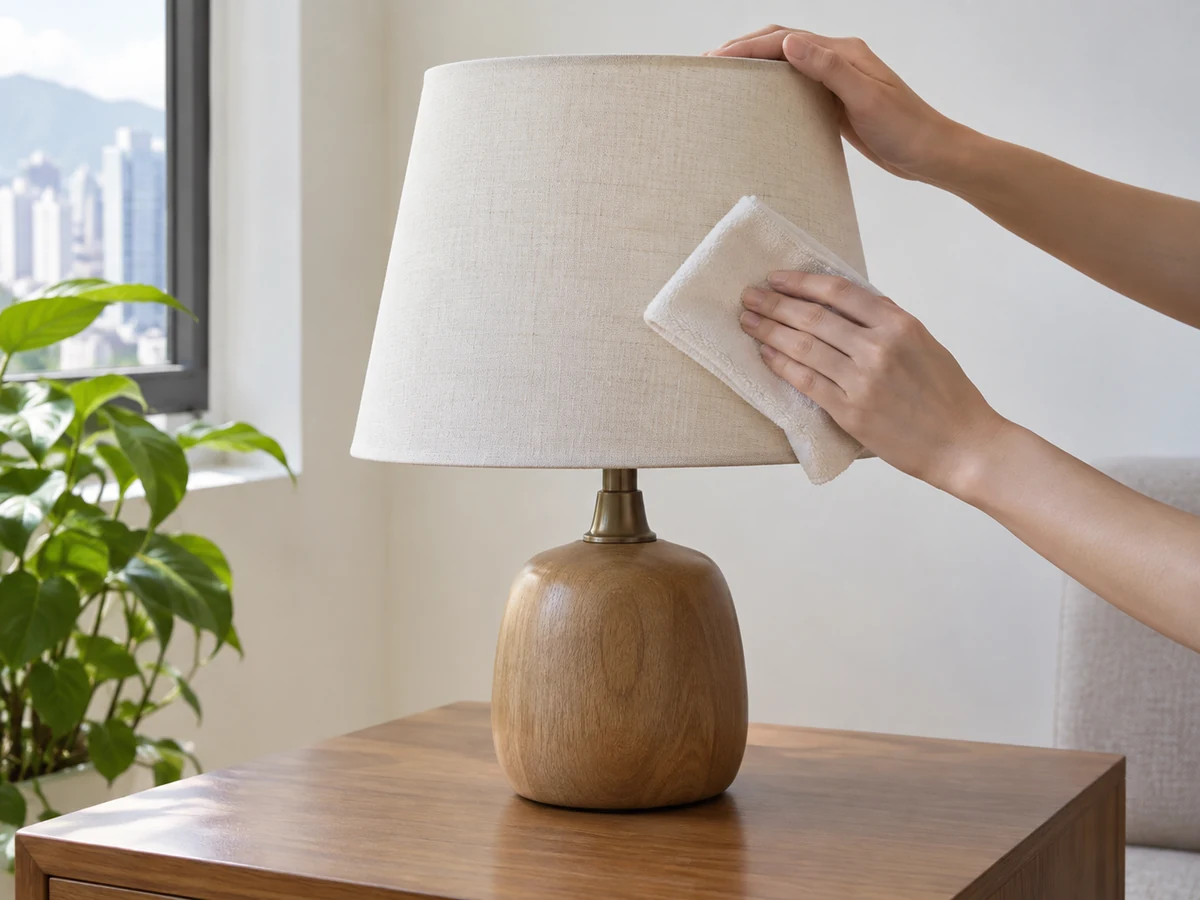
Isolate power and cool first, then dust dry and spot-clean by shade material.
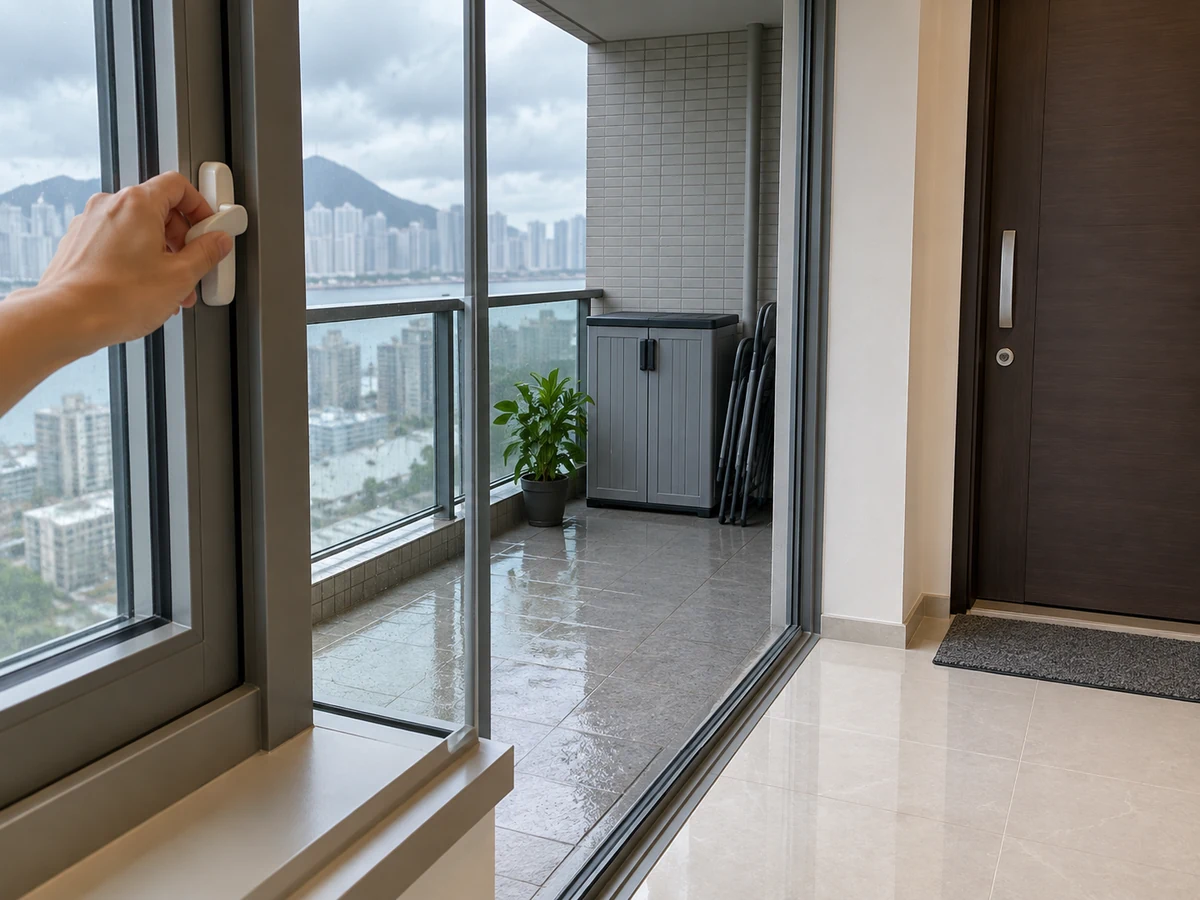
Before conditions worsen, secure loose items, close reachable openings and keep the entry dry.
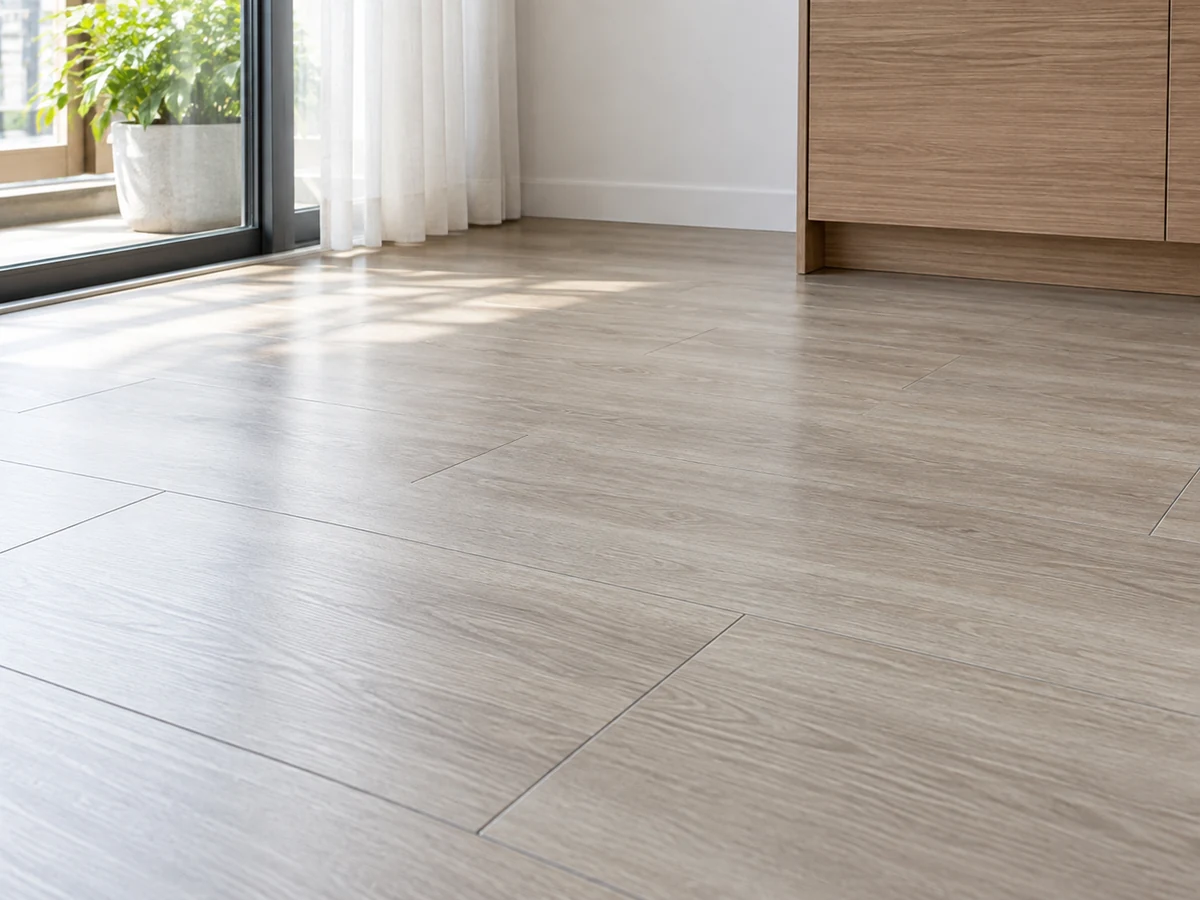
Remove grit first, then damp-mop sparingly and dry every seam.
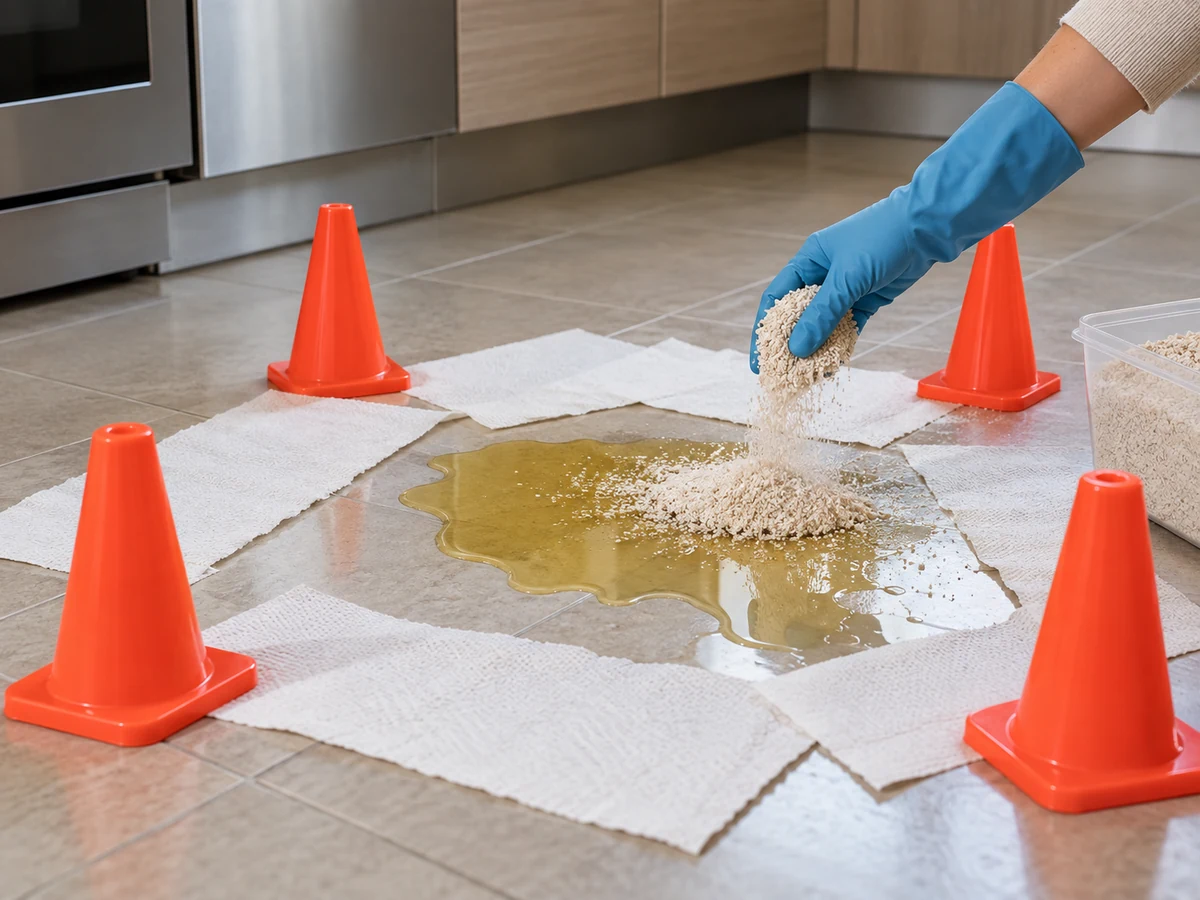
Block the spill first; absorb, degrease by floor type, rinse residue and prove the floor is not slippery.
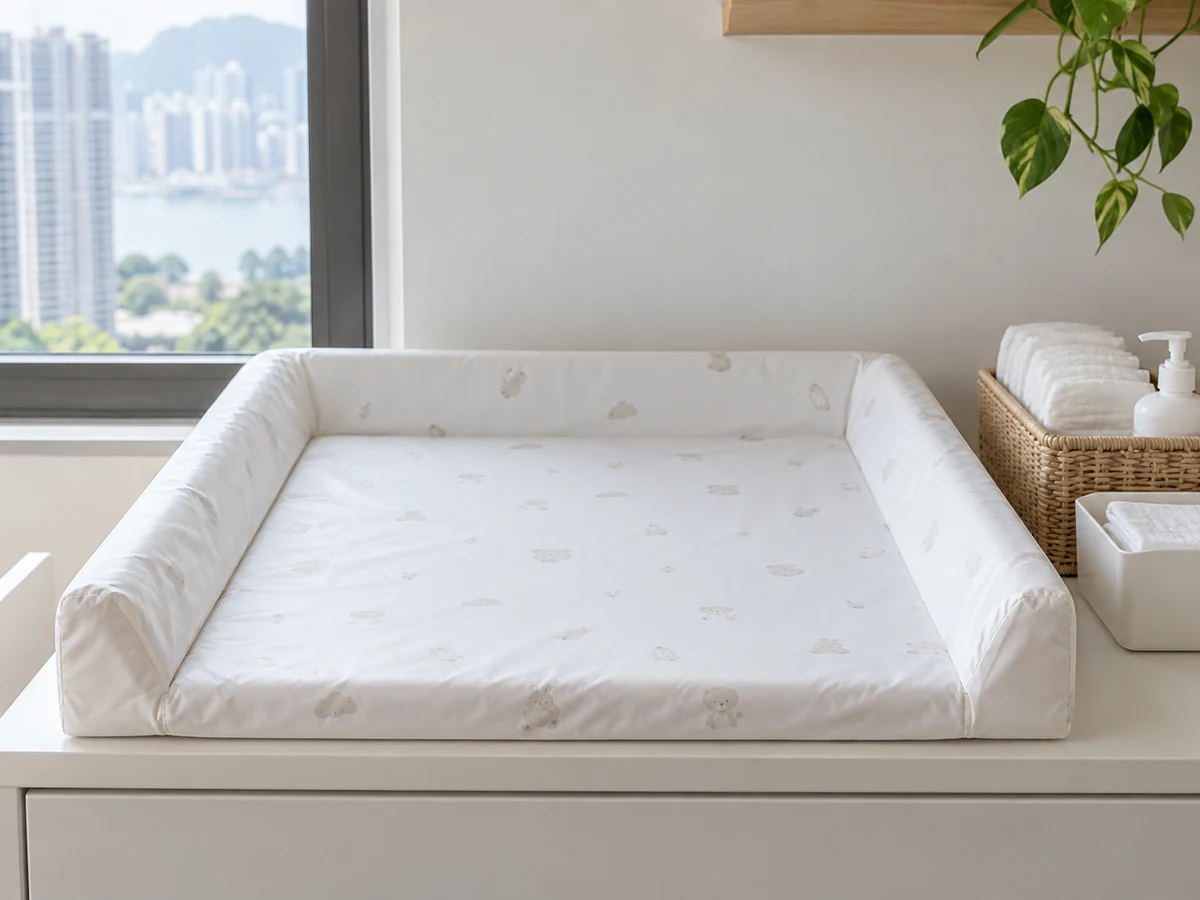
Remove the baby to a safe supervised place, wipe visible soil, clean then use only the surface-compatible disinfectant as labelled, and let the mat dry before the next change.
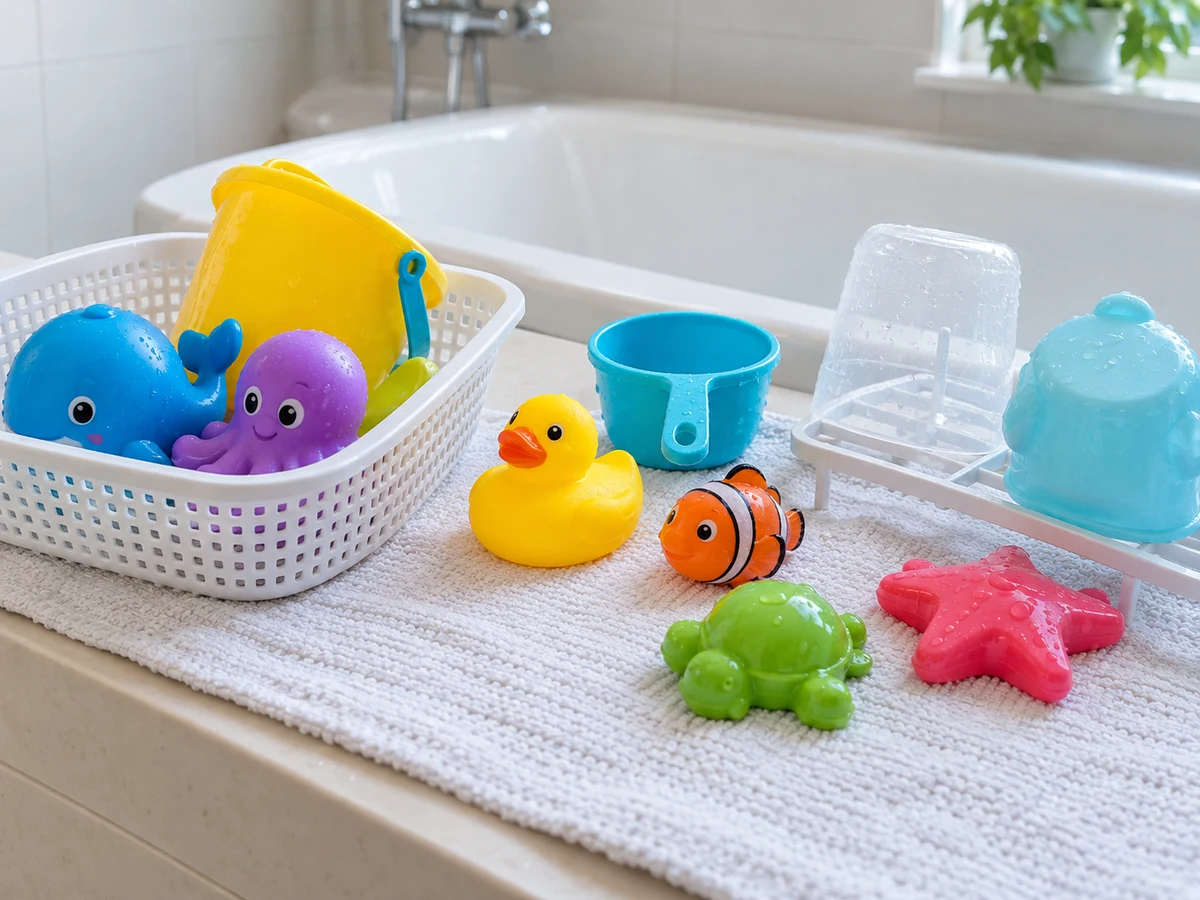
Squeeze out bath water, separate battery toys from washable toys, clean by material, air-dry inside and out, and discard a mouldy toy that cannot be cleaned.
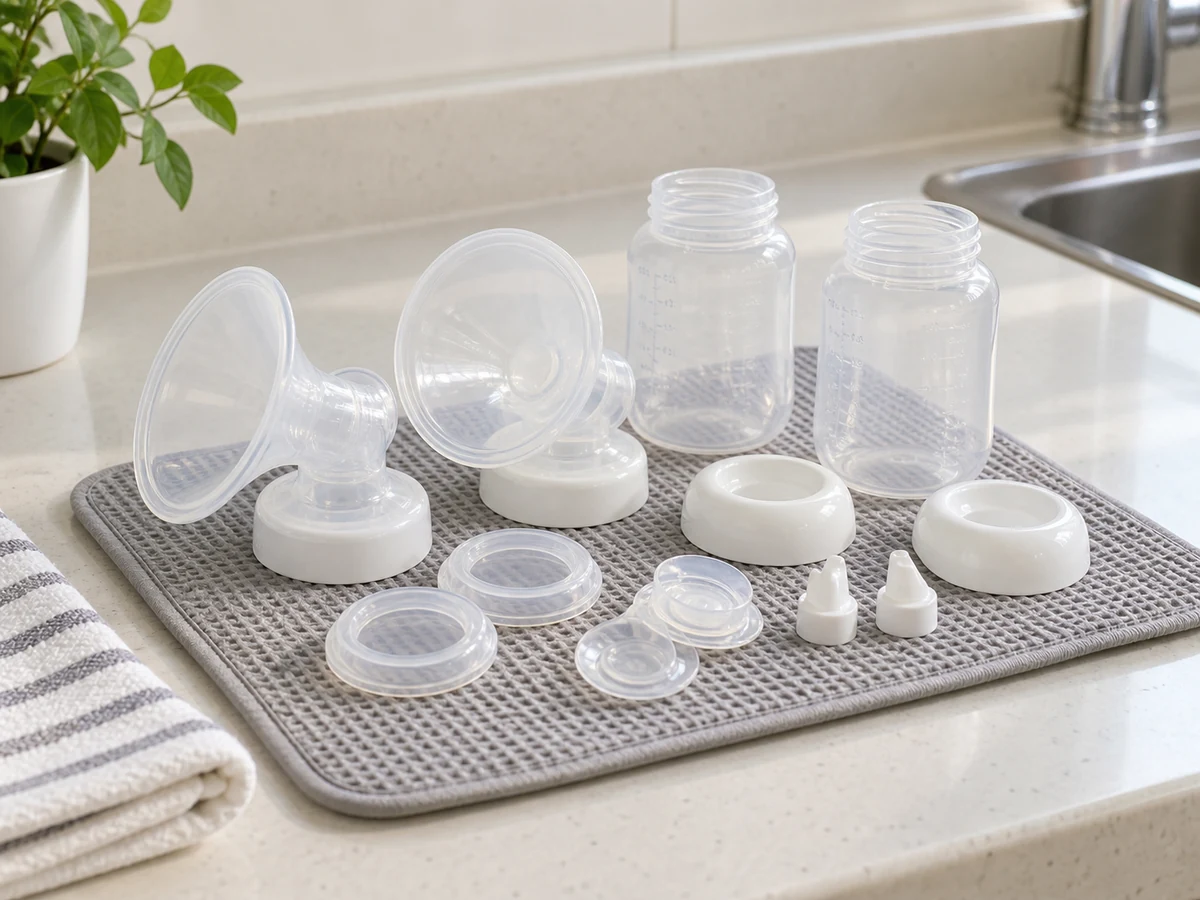
Take apart only the removable milk-contact parts, rinse, wash in warm water, rinse again, and air-dry on a clean surface; sanitising follows only the maker or health authority.
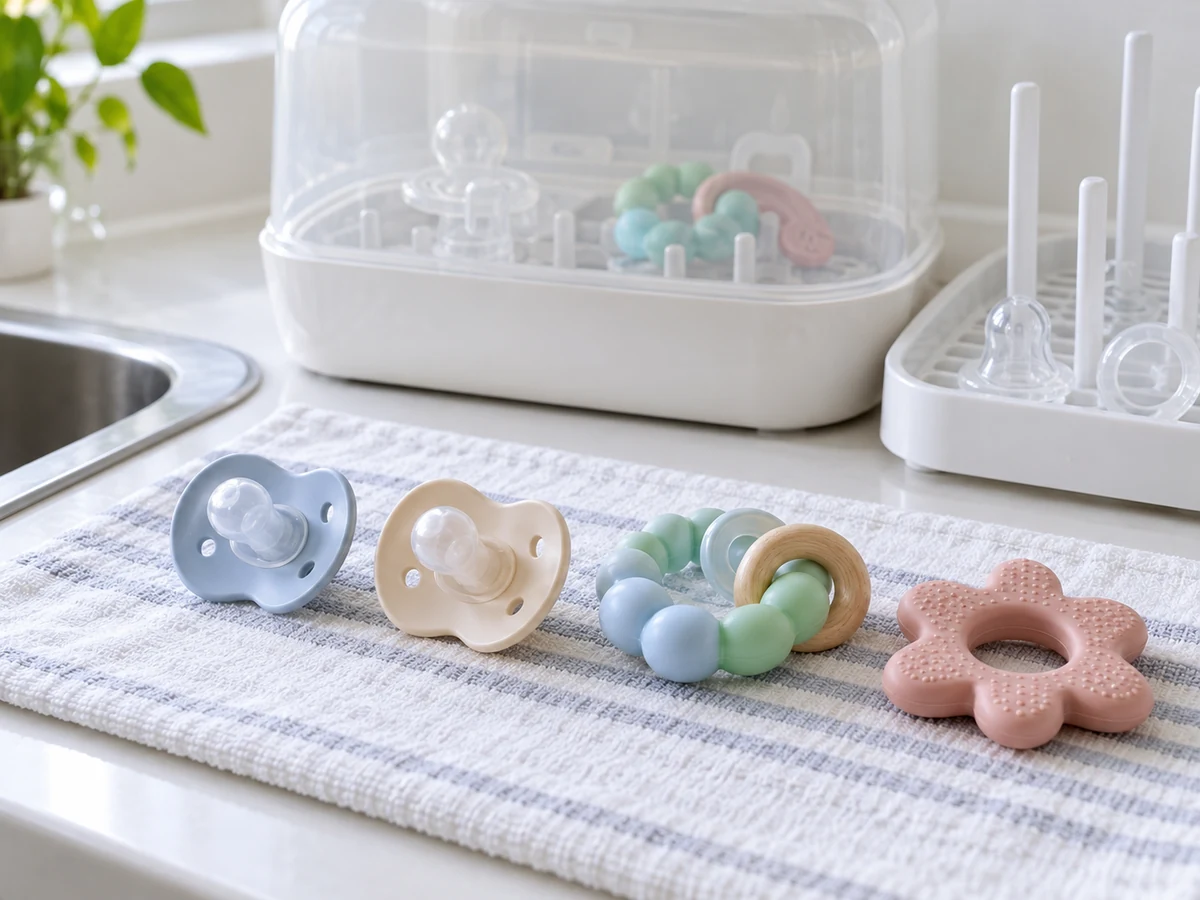
Wash and rinse first, inspect seams and liquid-filled items, then sterilise only as the specific pacifier or teether maker permits; never boil a teether by assumption.
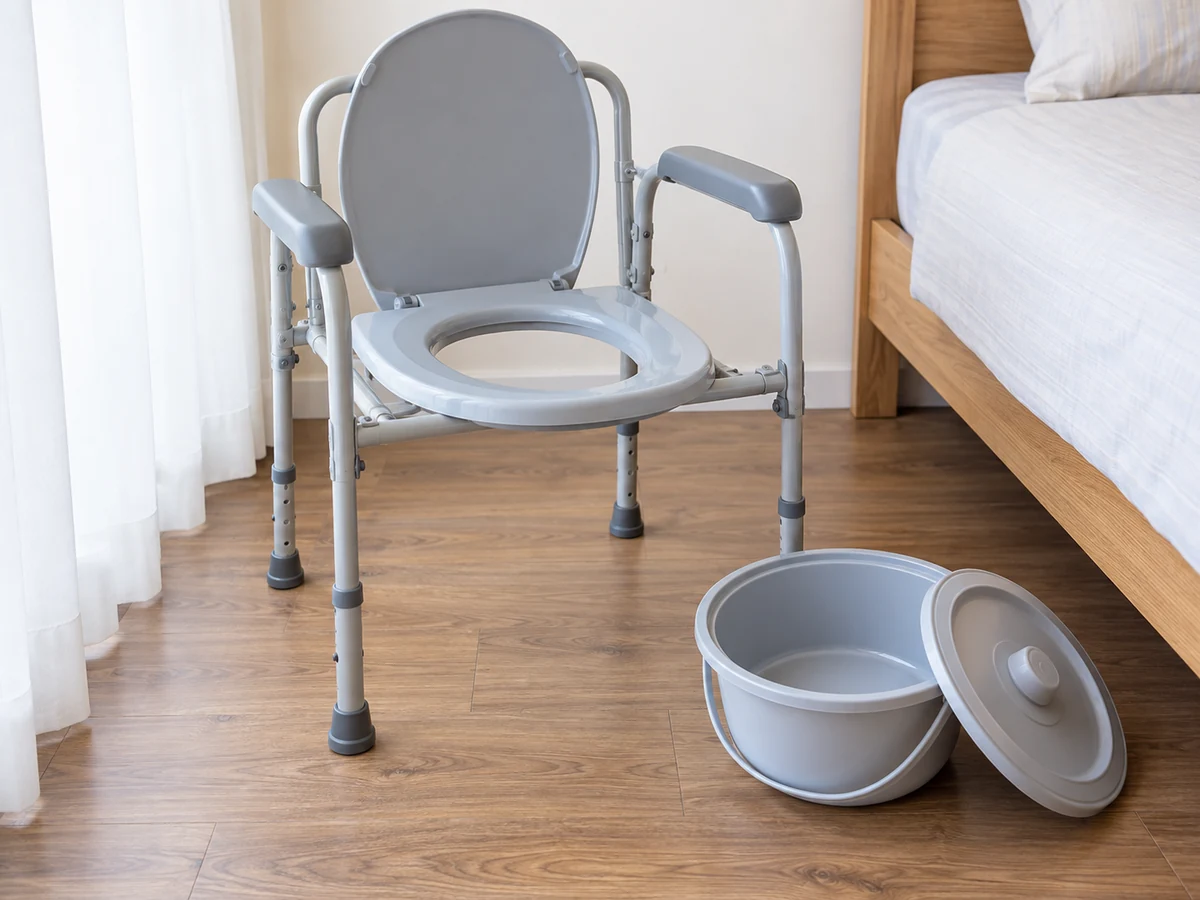
Wear PPE, carry the lidded pan to the designated disposal point, empty without splashing, wash then disinfect as the care plan directs, and wash hands without mixing chemicals.
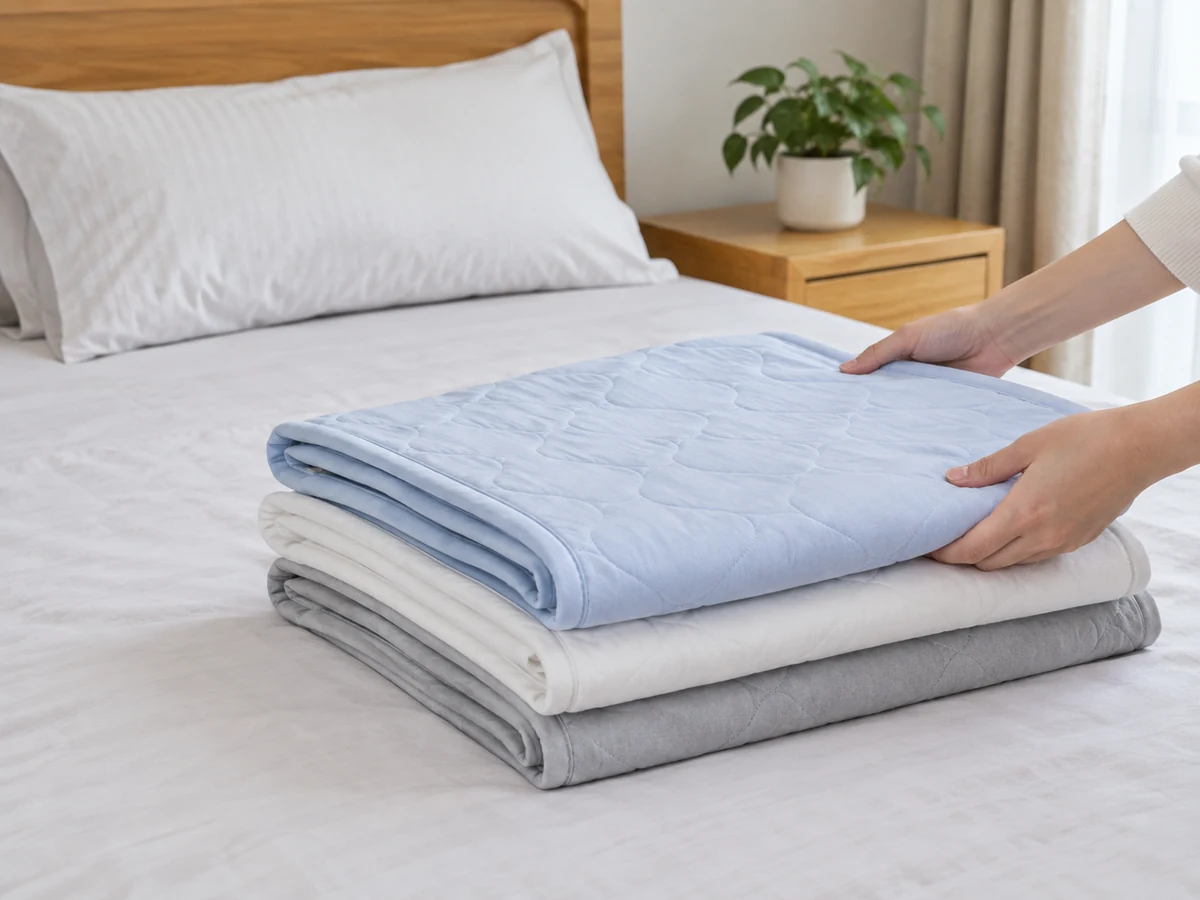
Fold the soiled surface inward, carry in the designated bag, follow that pad’s care label on a separate wash and rinse, then dry the absorbent and waterproof layers fully.
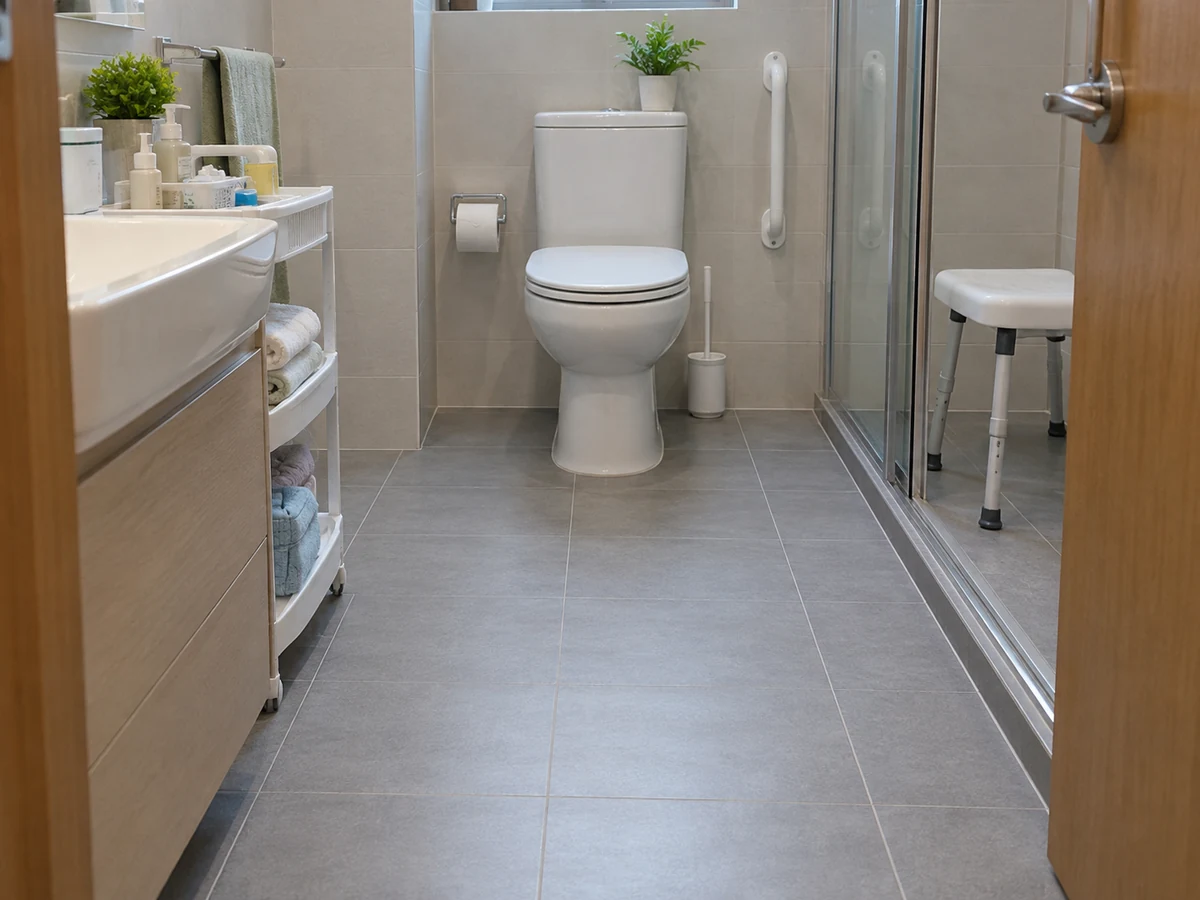
Keep daily wash items at the older person’s usual reach and the route from door to basin dry.
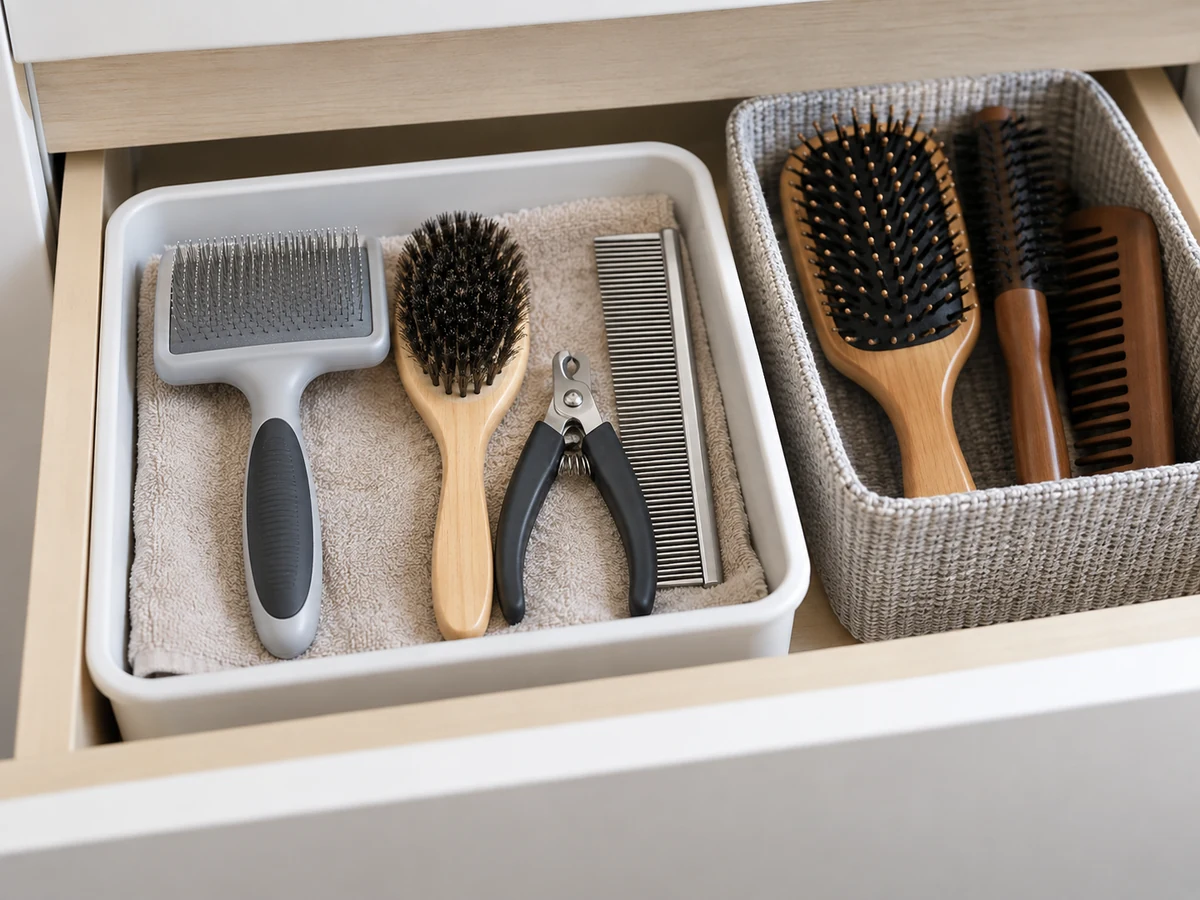
Use the maker’s hair-release method for brush heads, then limit care to comb, brush and nail-tool exteriors.
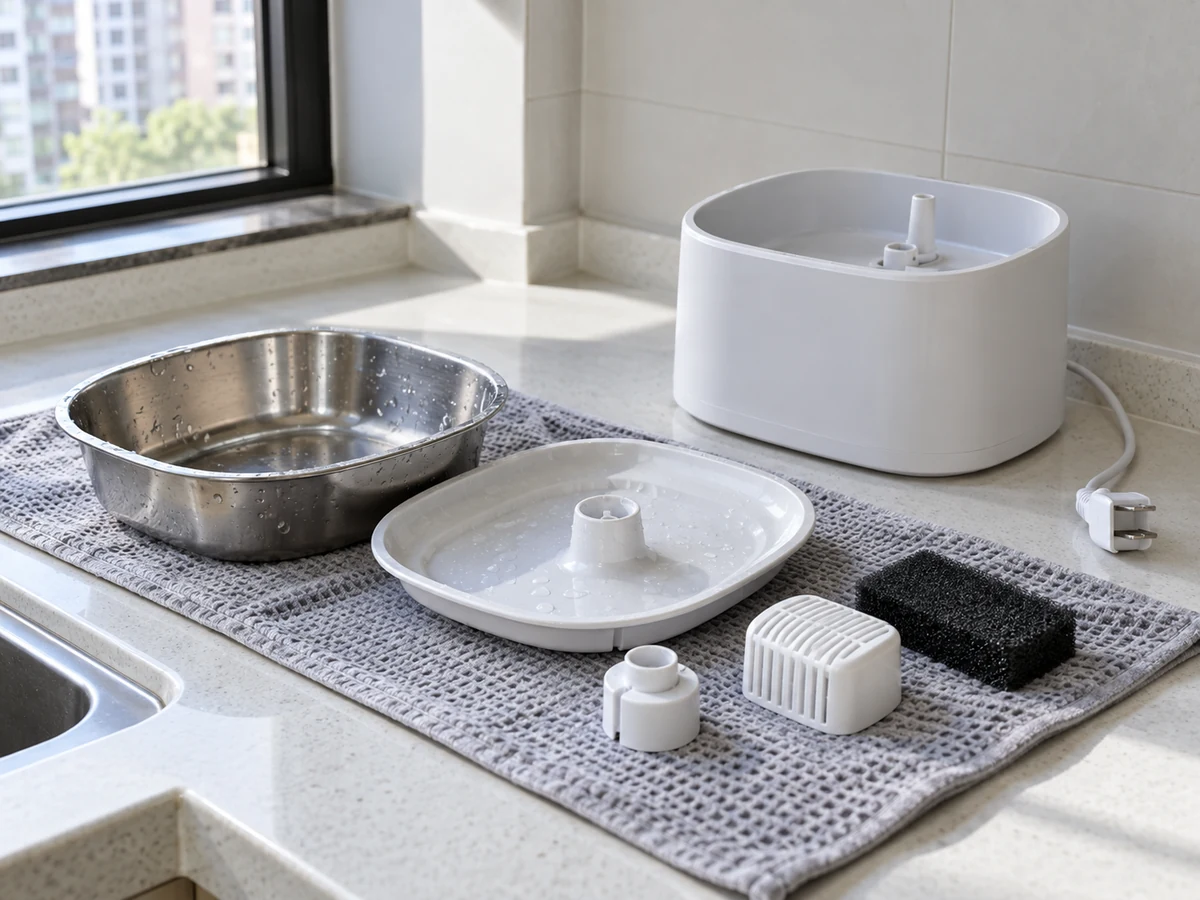
Wash only model-approved removable water-path parts and keep the powered section dry.
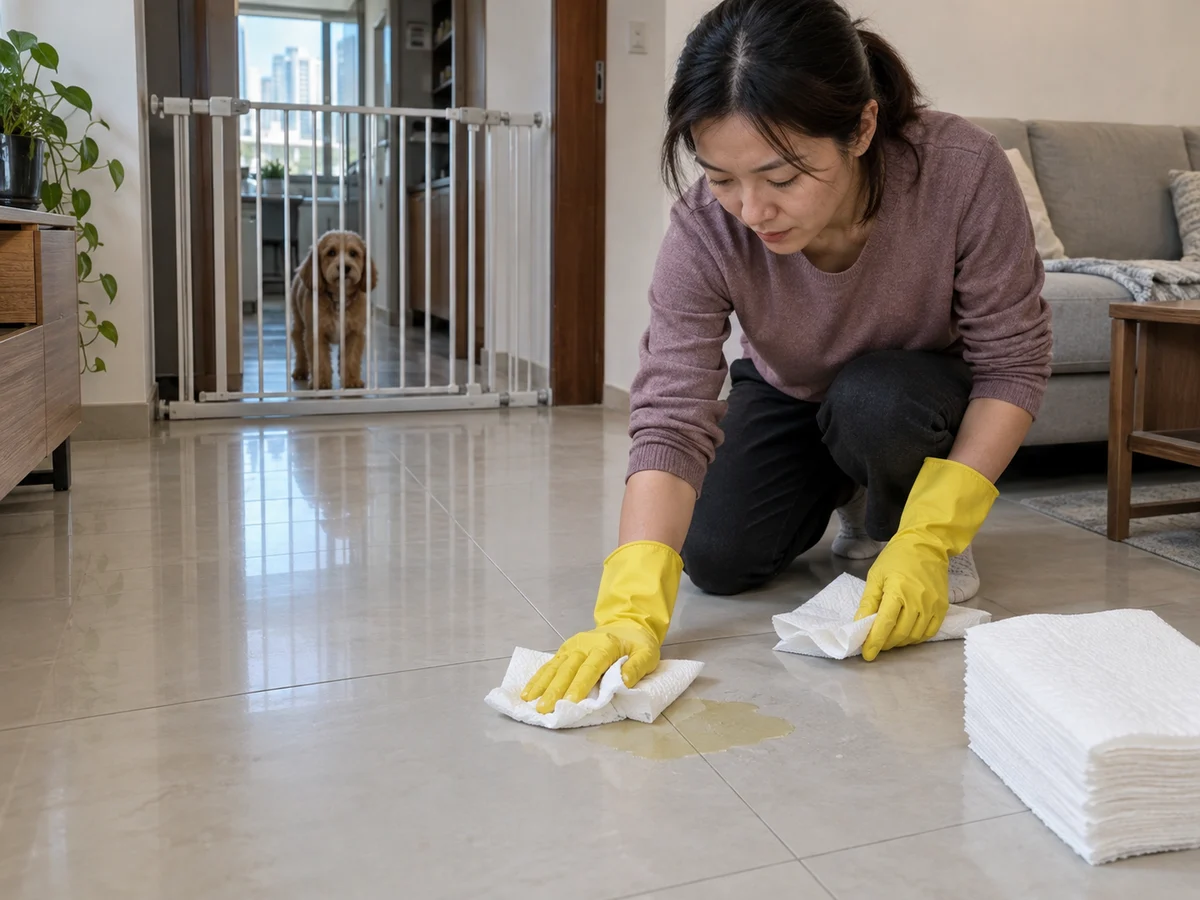
Contain the pet accident before treating residue and slip risk for the confirmed hard-floor material.
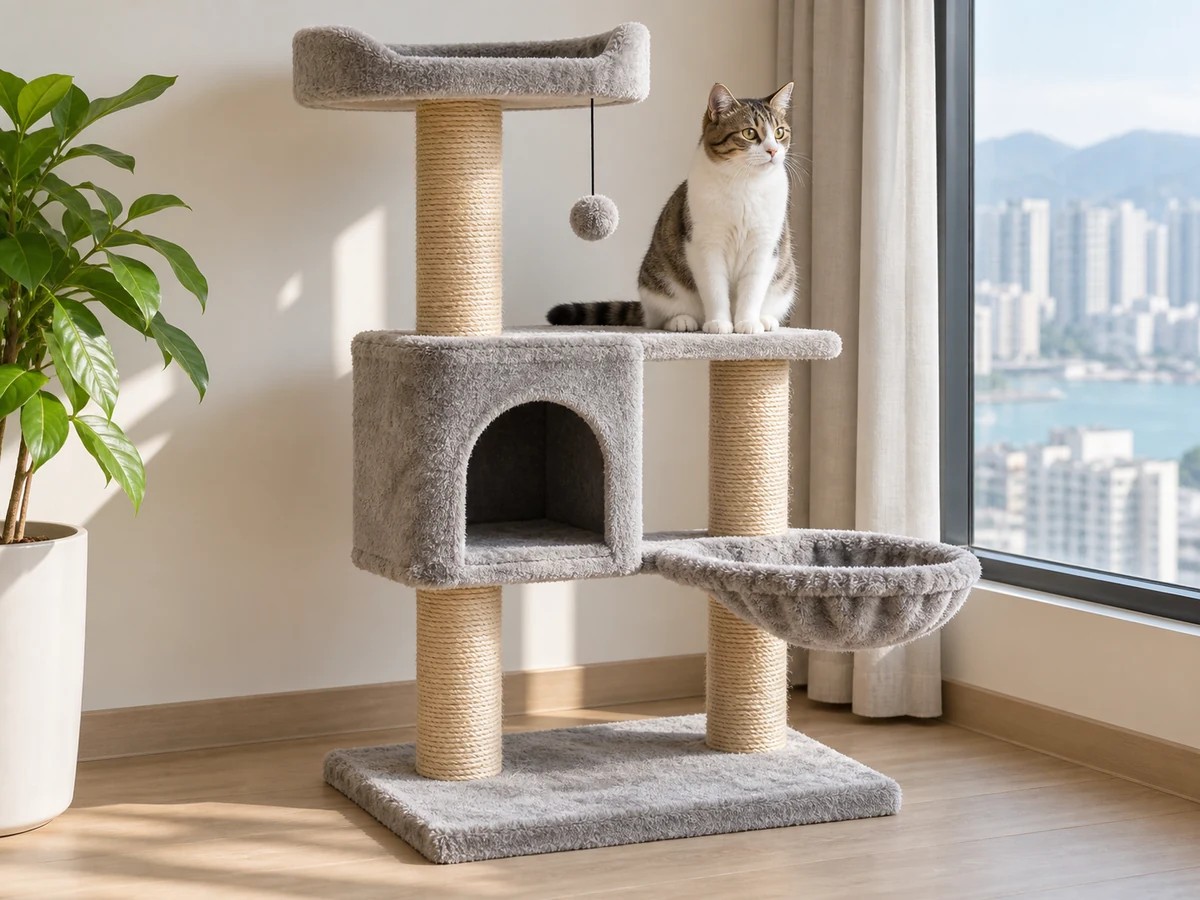
Remove hair and dust without soaking the sisal, cardboard or fixed padding of a cat tree.
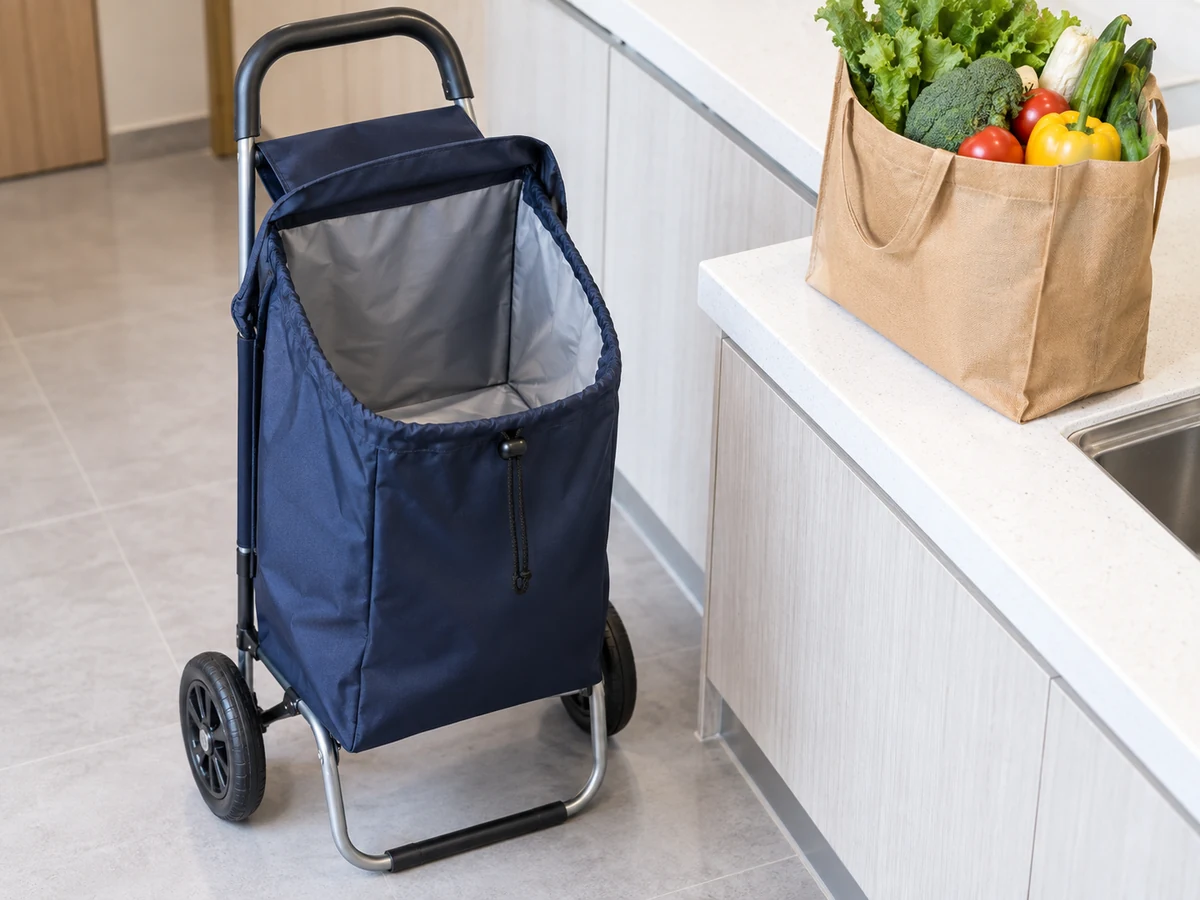
Clean and dry the food-contact trolley bag separately from street-soiled wheels.
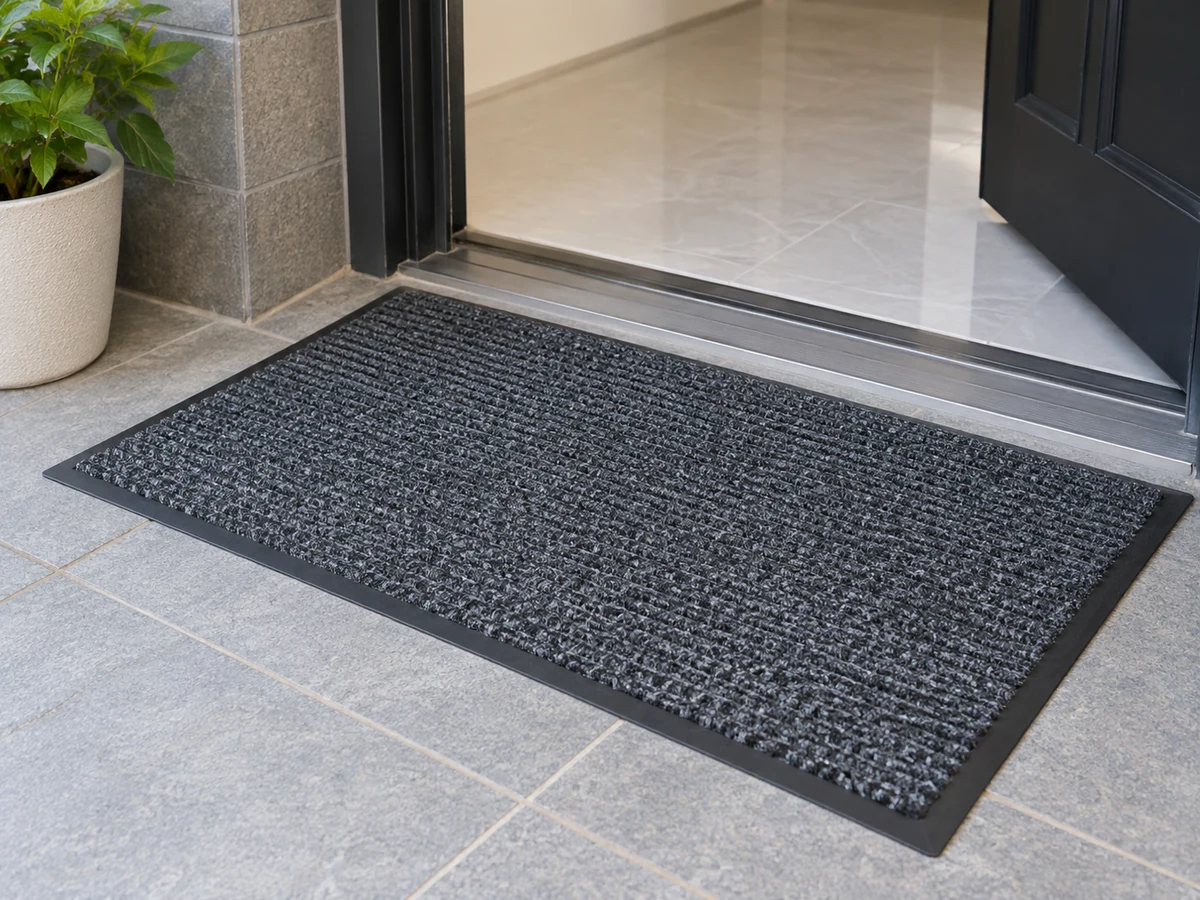
Identify coir, rubber backing, fabric or synthetic material before choosing how to clean an entrance mat.
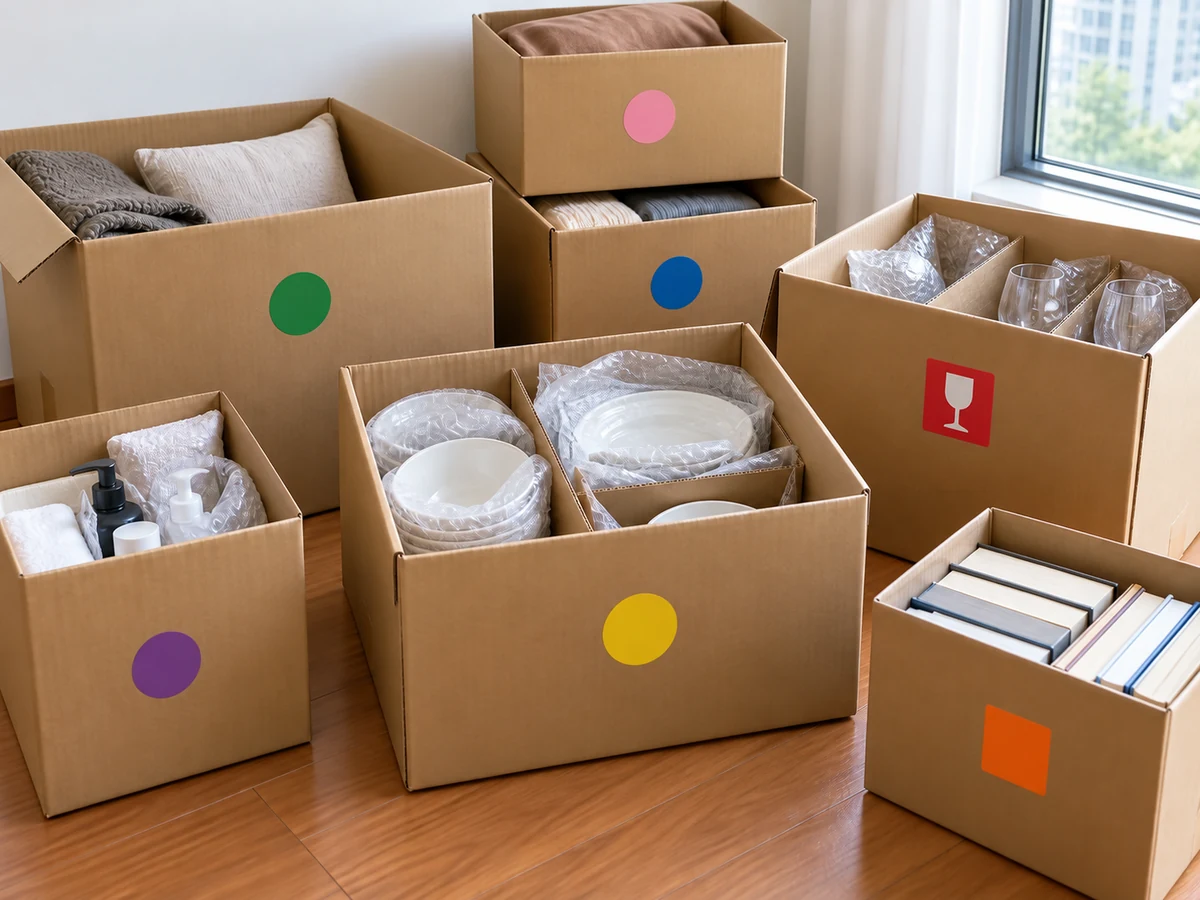
Label every box with room, contents and fragility, then close it at a weight that can move safely.
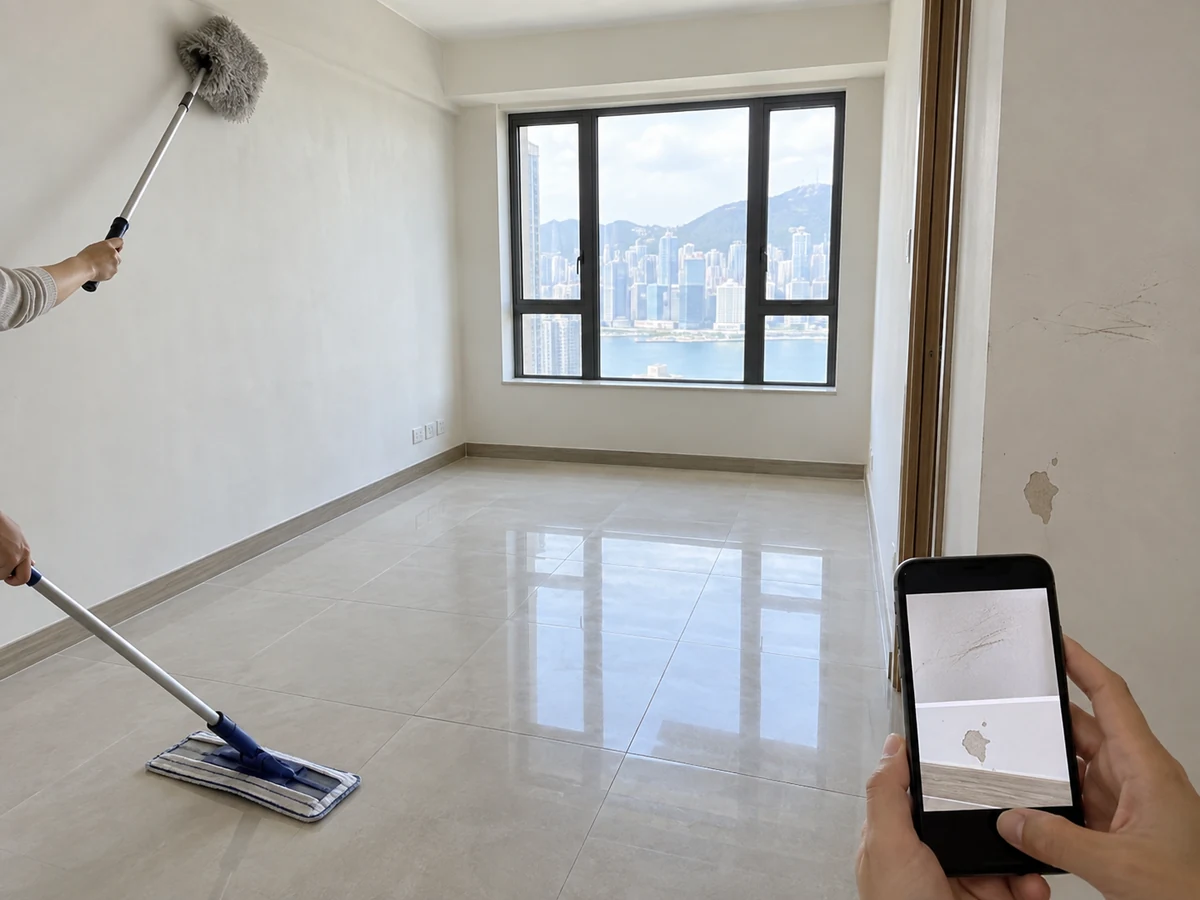
Photograph original condition and defects before cleaning each empty-home zone from high to low.

Protect visible guest belongings first, then ventilate, dust and remake the room with care-label-compatible bedding.
No matching guide. Try another search.
Showing 200 / 200
A practical starting set covering cleaning tools, separated cloths, laundry, bedding and safe use of cleaning products in Hong Kong homes.
Practical guides for the refrigerator, microwave, cooktop, range hood, rice cooker, kettle, chopping board, cabinets and food containers.
Clean the toilet, shower glass, basin, floor drain and bathroom floor while including drying and practical slip-risk reduction.
From sorting, washing-machine safety, drying and ironing to towels, bedding, uniforms, whites, care labels, fading and shrinkage.
Resident-safe cleaning of accessible exteriors and removable parts, with power isolation, model instructions and complete drying as core rules.
Guides for toys, soft toys, high chairs, lunch boxes, bottles, baby-feeding equipment and strollers, separated by material, food contact and child safety.
A material-aware deep-cleaning set for windows, frames, baseboards, bathrooms, sofas, wood and tile floors, and dining-table surfaces.
Safely clean reachable interior glass, frames, tracks, curtains, screens, baseboards and doors without hazardous exterior-window work.
Model-aware cleaning for microwaves, cooktops, range hoods, ovens, air fryers, toasters, blenders and dishwashers, with power isolation first.
Care-label-led guidance for fading and shrinkage, sneakers, knitwear, down jackets, bras, delicates and safe stain pre-treatment.
Clean pet bowls, litter boxes, bedding and hair while keeping pet-area tools separate from kitchen, bathroom and general-floor tools.
Care for bed sheets, duvet covers, mattresses, pillows, under-bed storage and wardrobes according to material, care labels and complete drying.
Combine floors, bathroom slip-risk reduction, common surfaces, rubbish, cleaning tools and the entryway into an adaptable daily and weekly routine.
Manage dehumidification, ventilation, curtains, screens, mattresses, wardrobes and fabric items during humid or condensation-prone weather without promising mould prevention.
Clean and organise the front-door area, shoe cabinet, trainers, shoe soles and uppers, slippers, umbrellas and reusable bags while keeping the route dry and clear.