
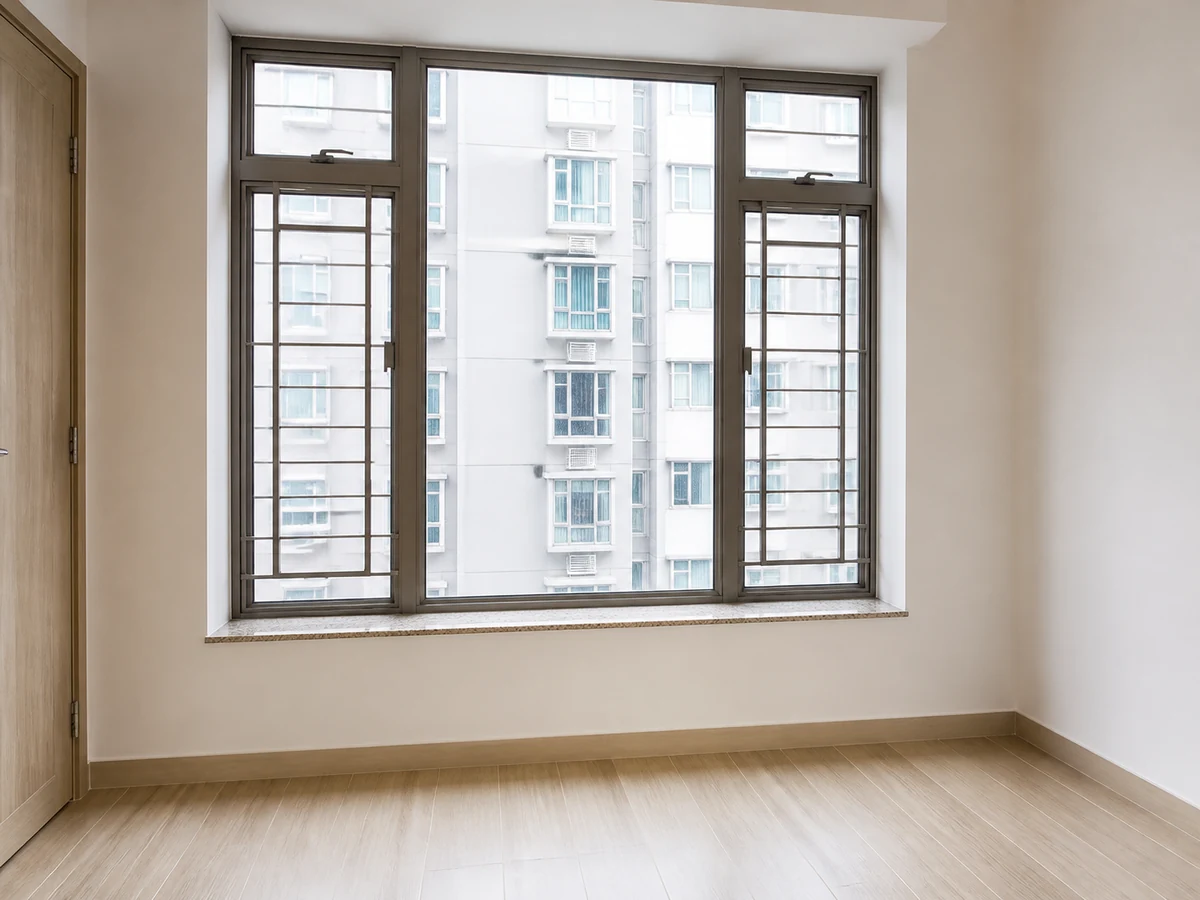
How to Clean Window Glass Safely
Clean only safely reachable interior areas and apply Hong Kong safety rules before any exterior-window work
A material-aware deep-cleaning set for windows, frames, baseboards, bathrooms, sofas, wood and tile floors, and dining-table surfaces.
40 results
Clean only safely reachable interior areas and apply Hong Kong safety rules before any exterior-window work
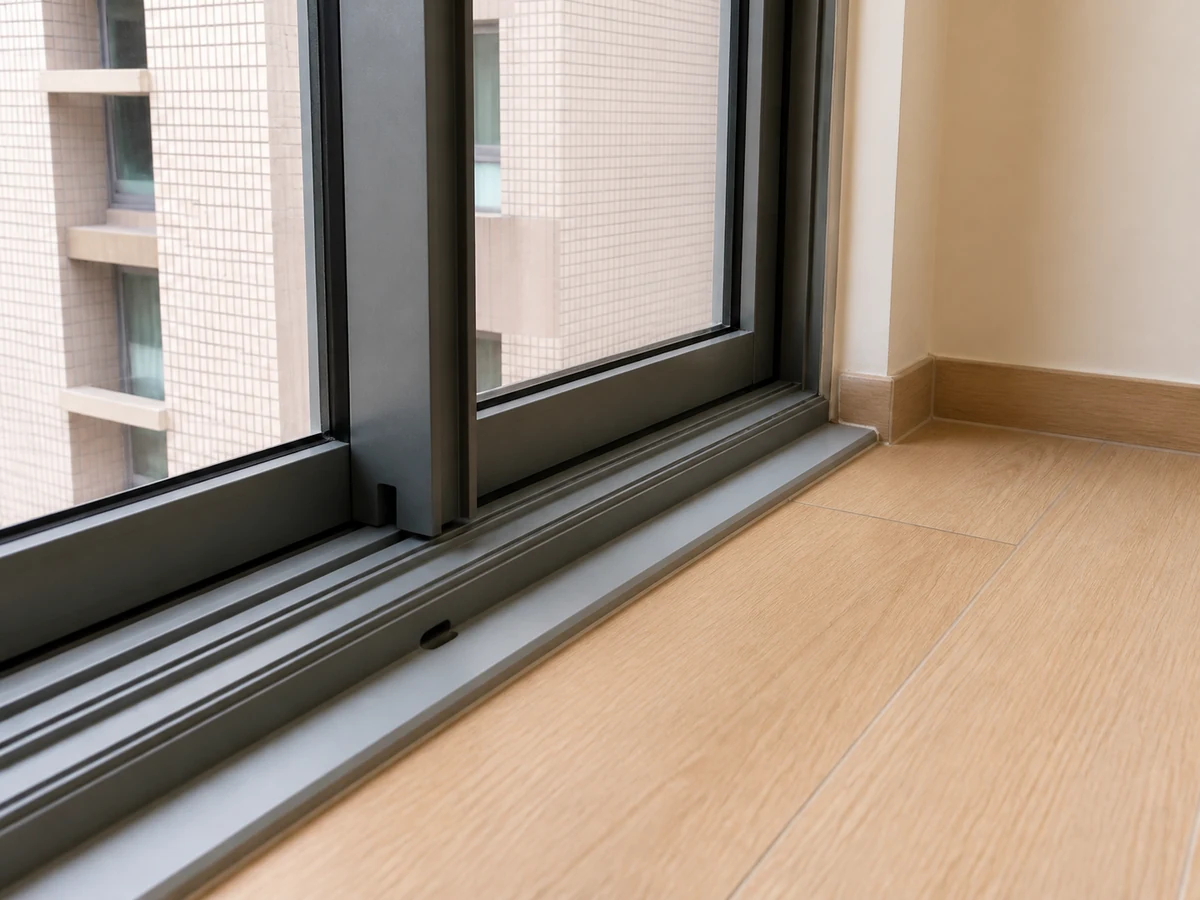
Work from a safe interior position, remove debris dry, then damp-clean by material and dry fully
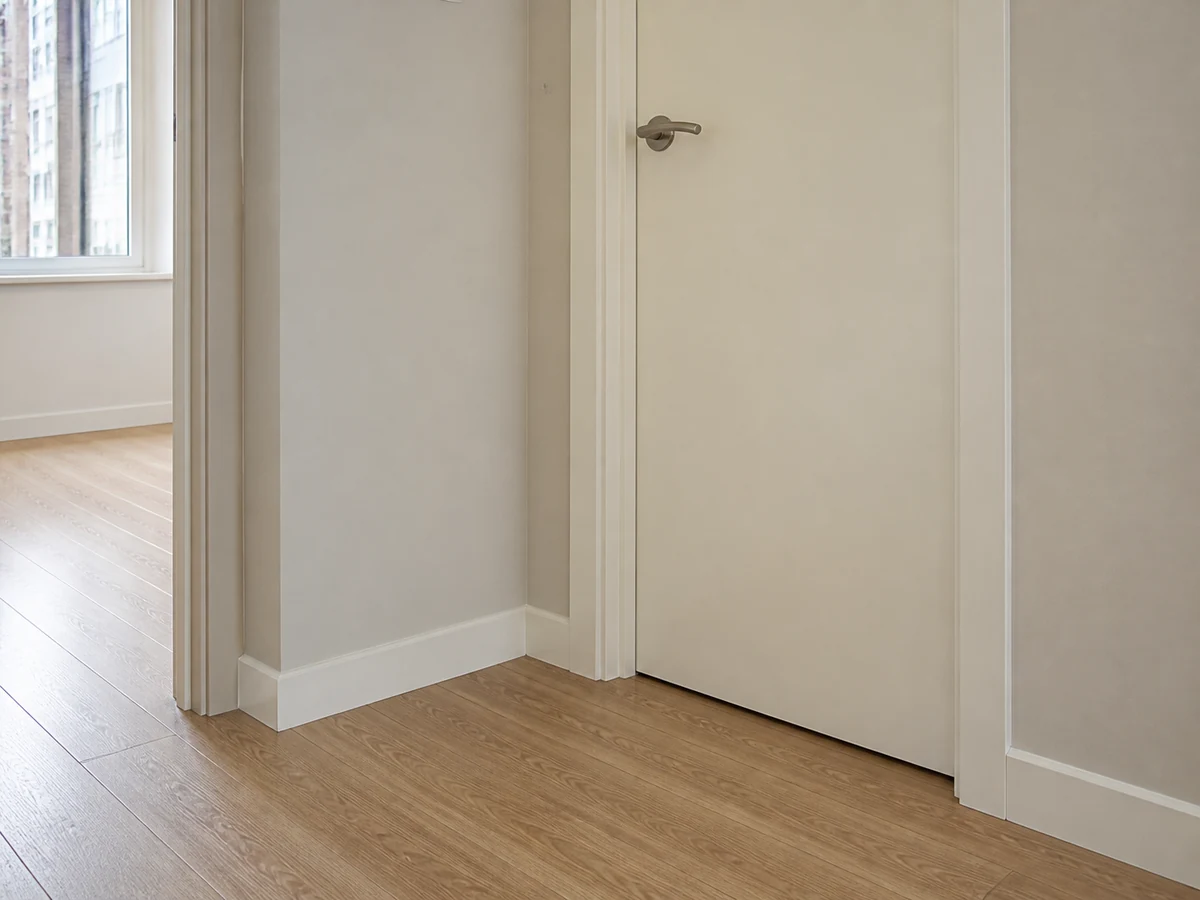
Identify paint, wood, laminate or metal first, then use minimal moisture and non-abrasive care
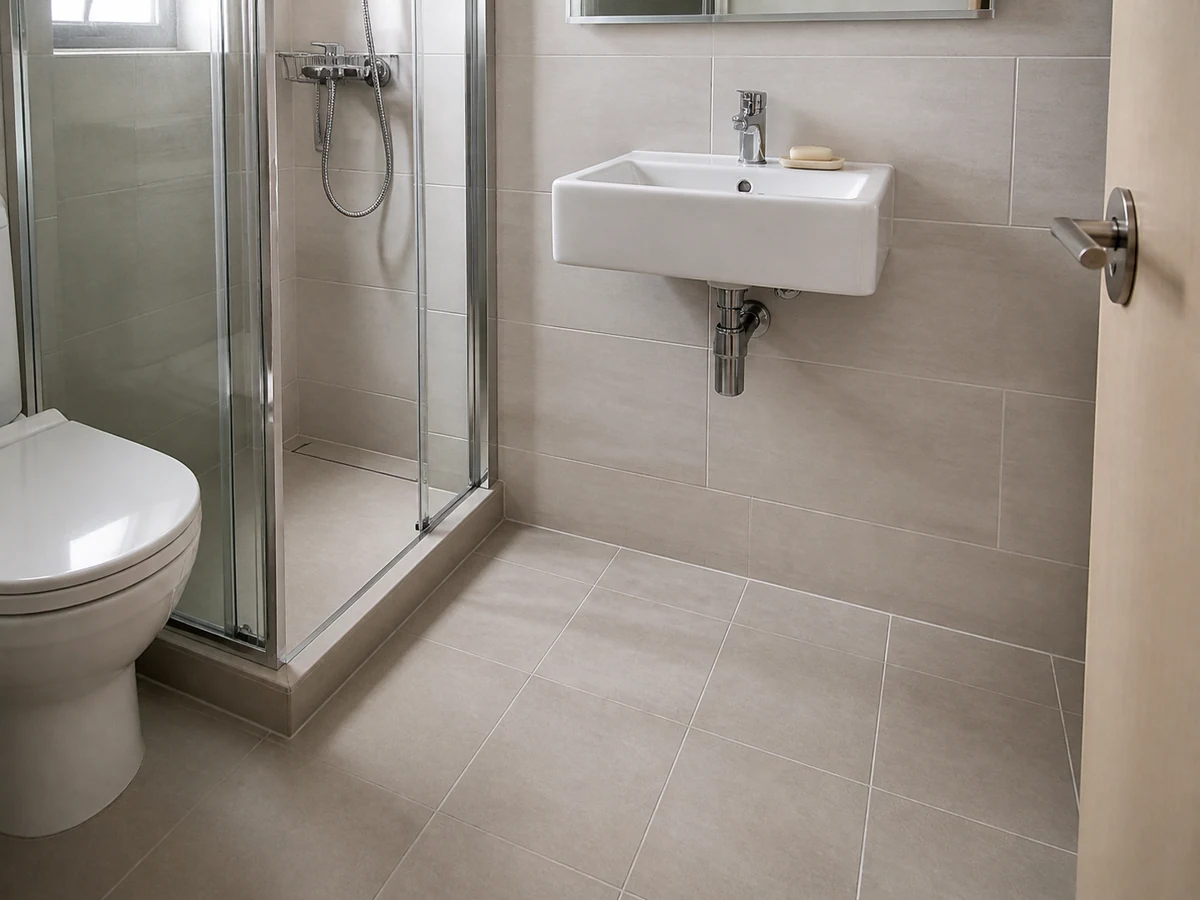
Confirm the materials, clean in sections, remove residue and dry fully
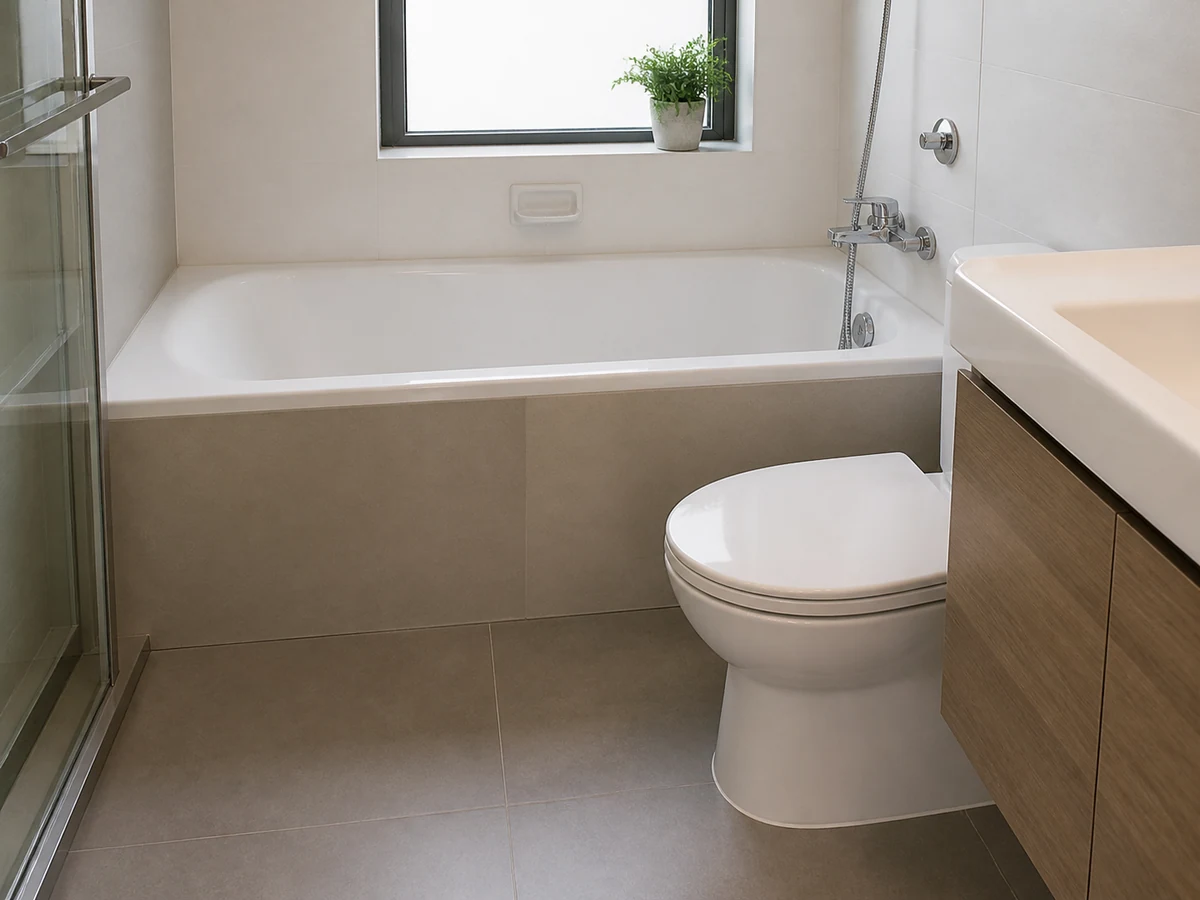
Identify the bath material, use a compatible gentle method and remove all residue
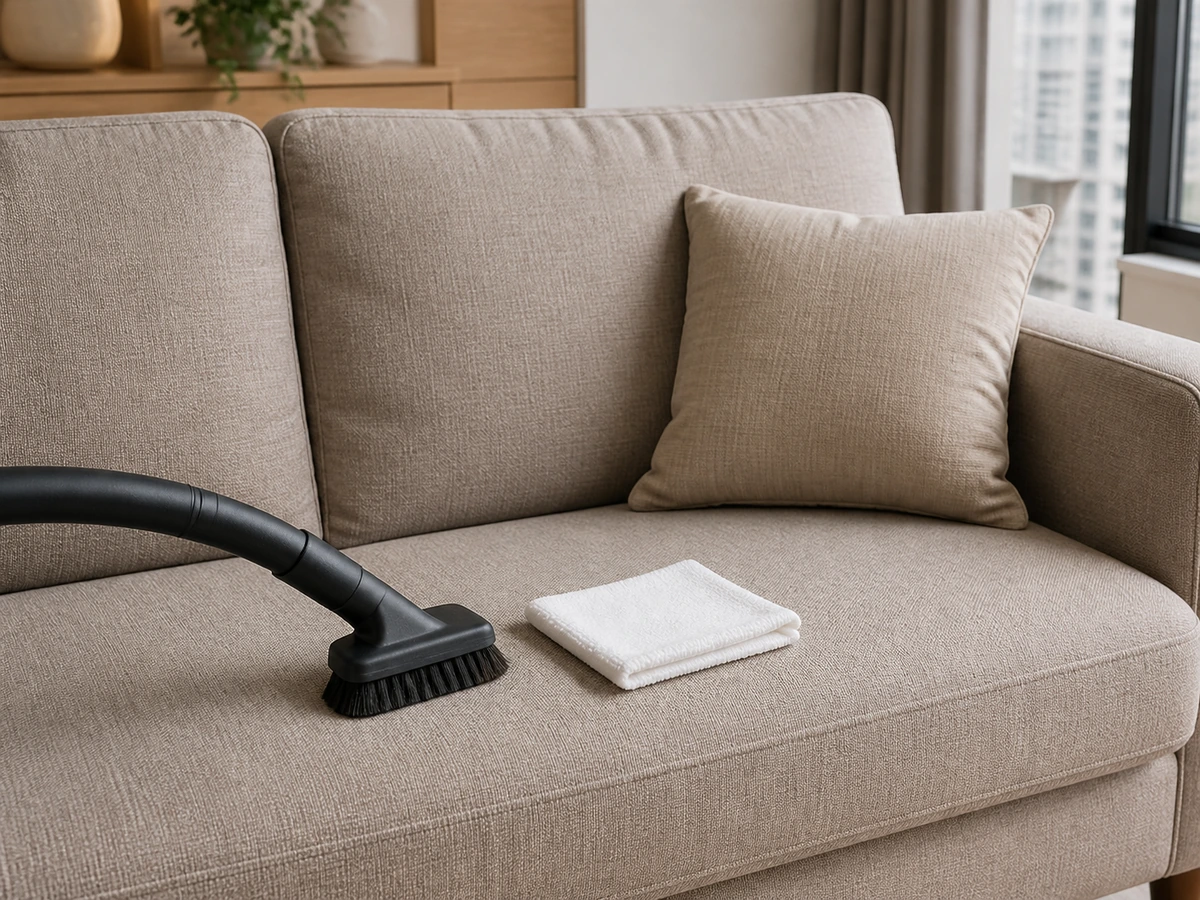
Check the upholstery cleaning code before vacuuming, blotting, or spot treatment
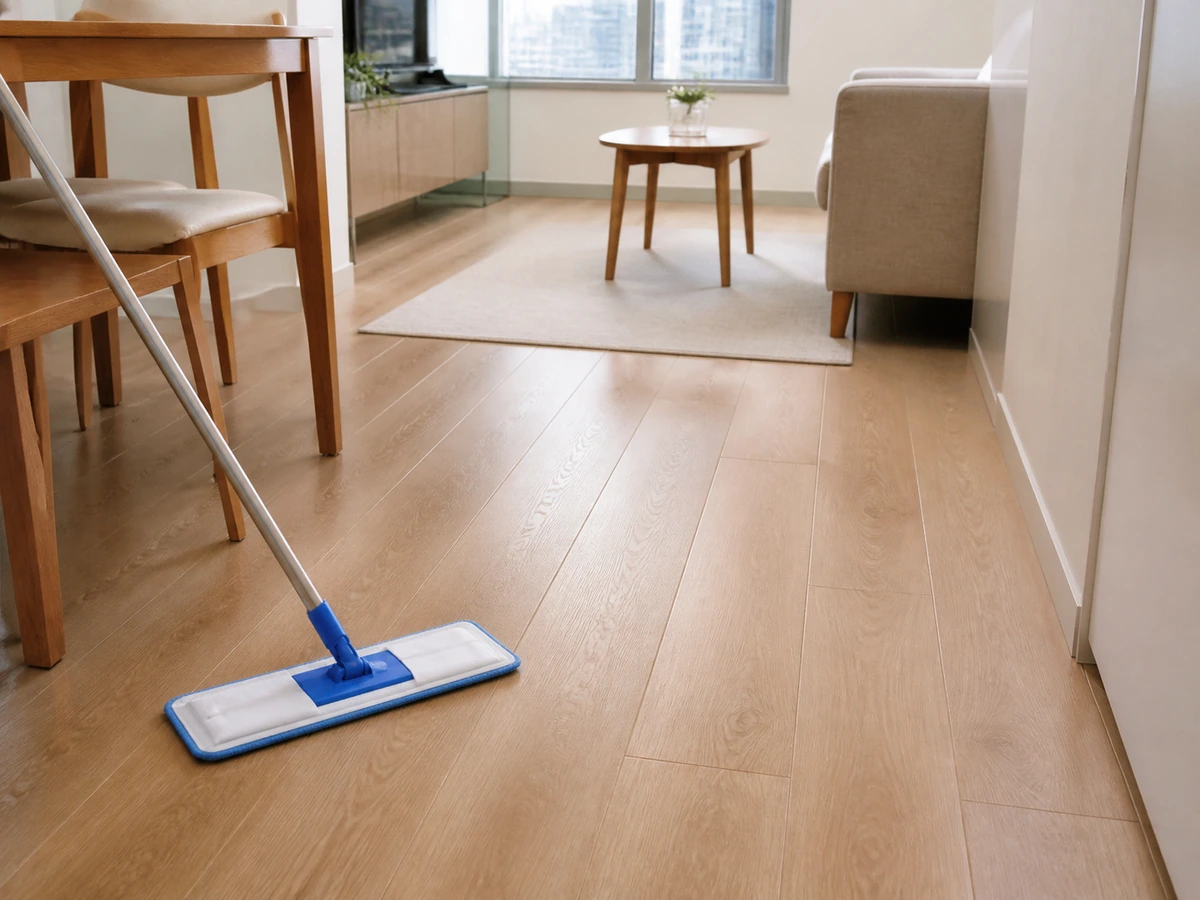
Identify sealed wood, engineered wood, or laminate and use minimal moisture
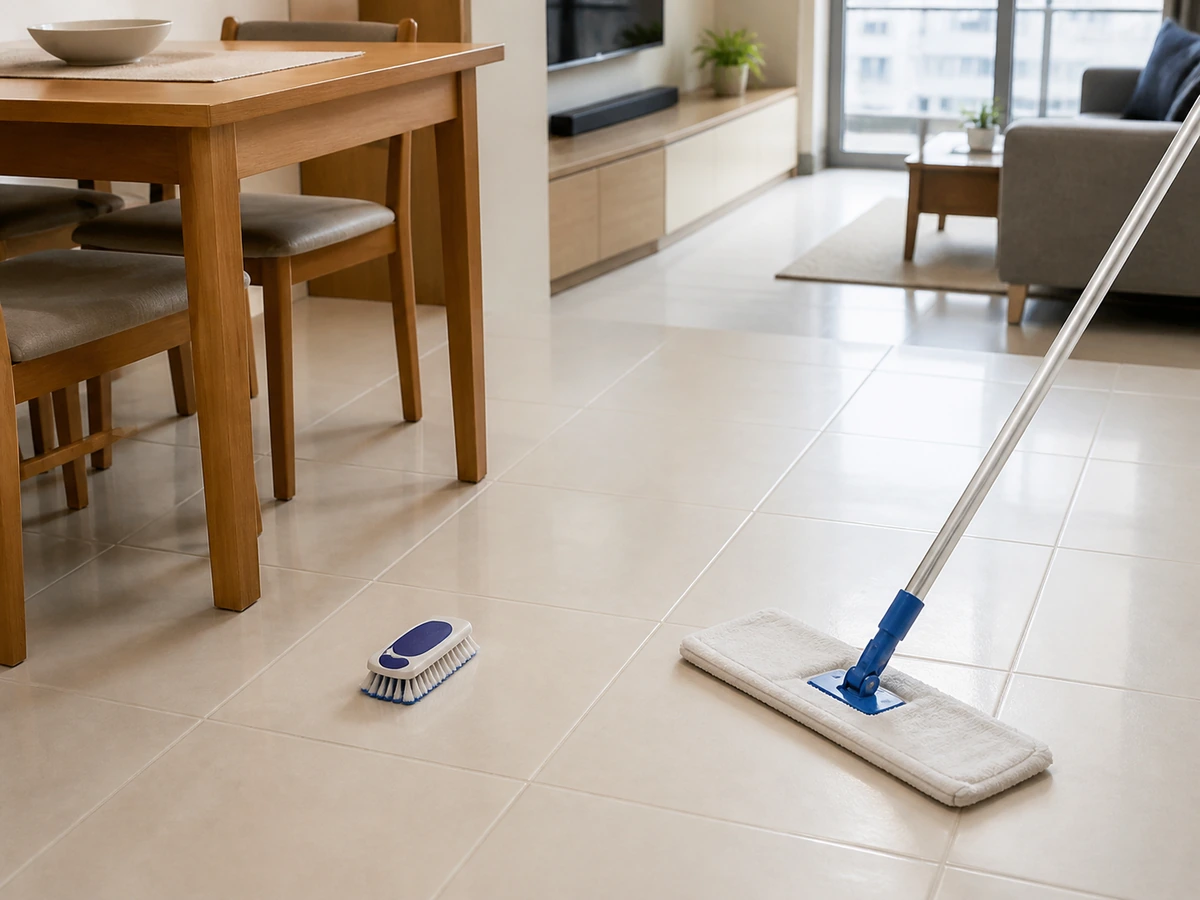
Identify ceramic, porcelain, glass, or natural stone before choosing a cleaner
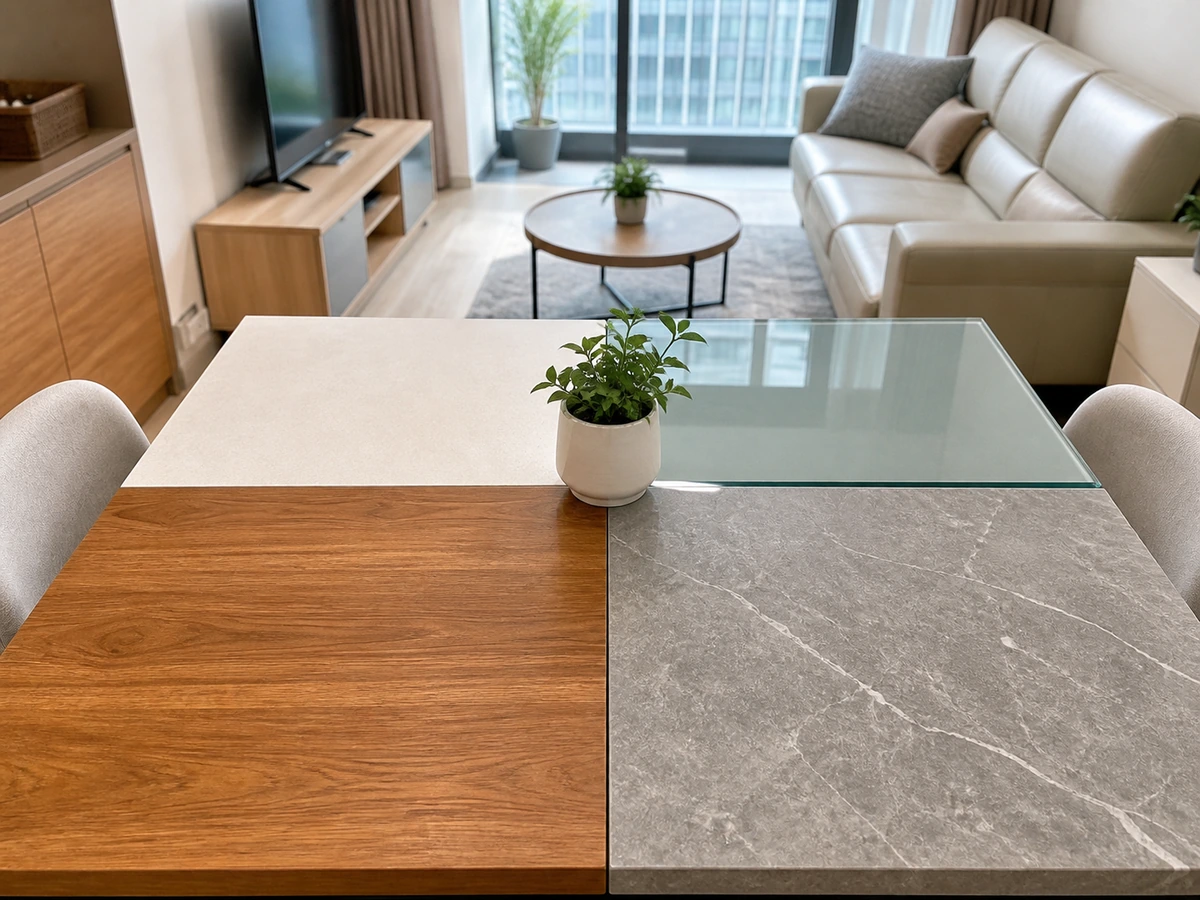
Treat laminate, glass, wood, and stone as separate materials
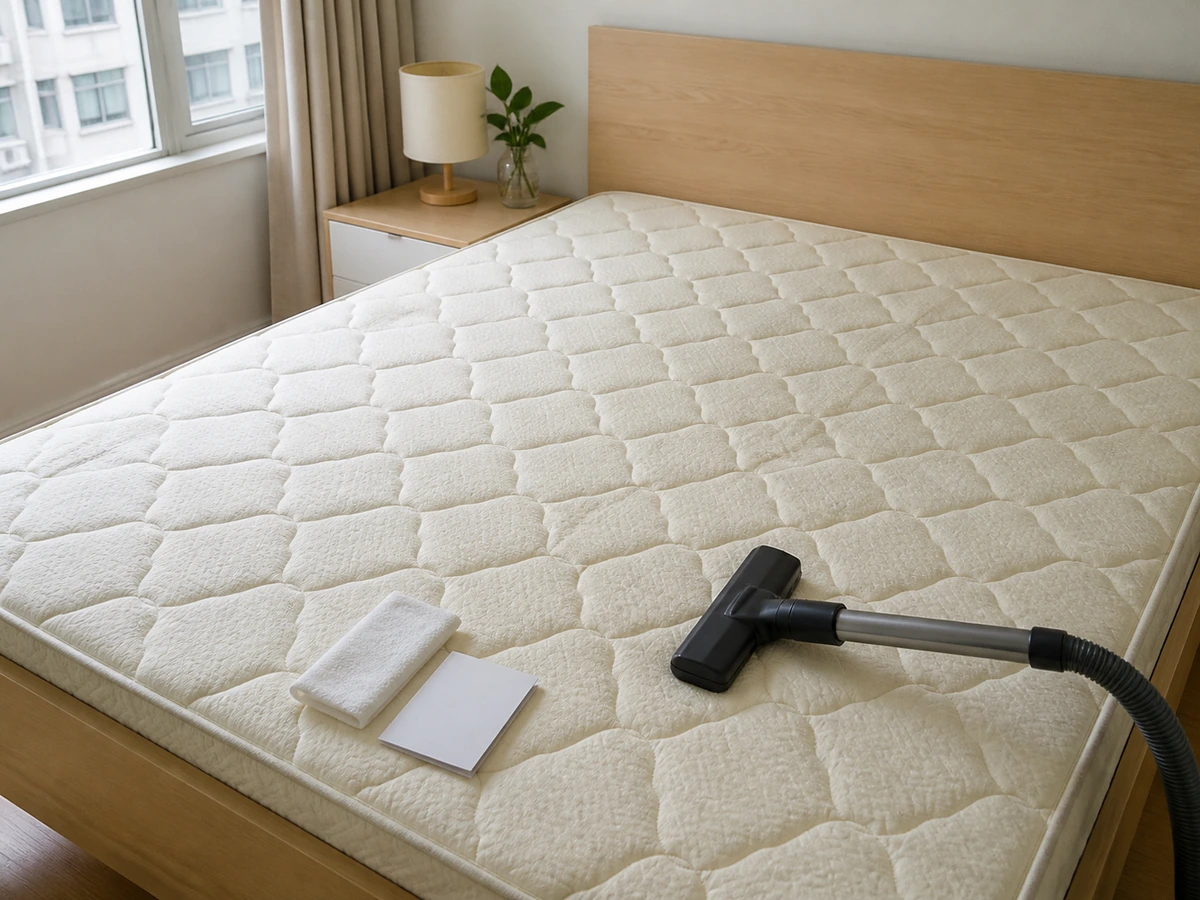
Identify the mattress and care label before low-moisture spot care and complete drying
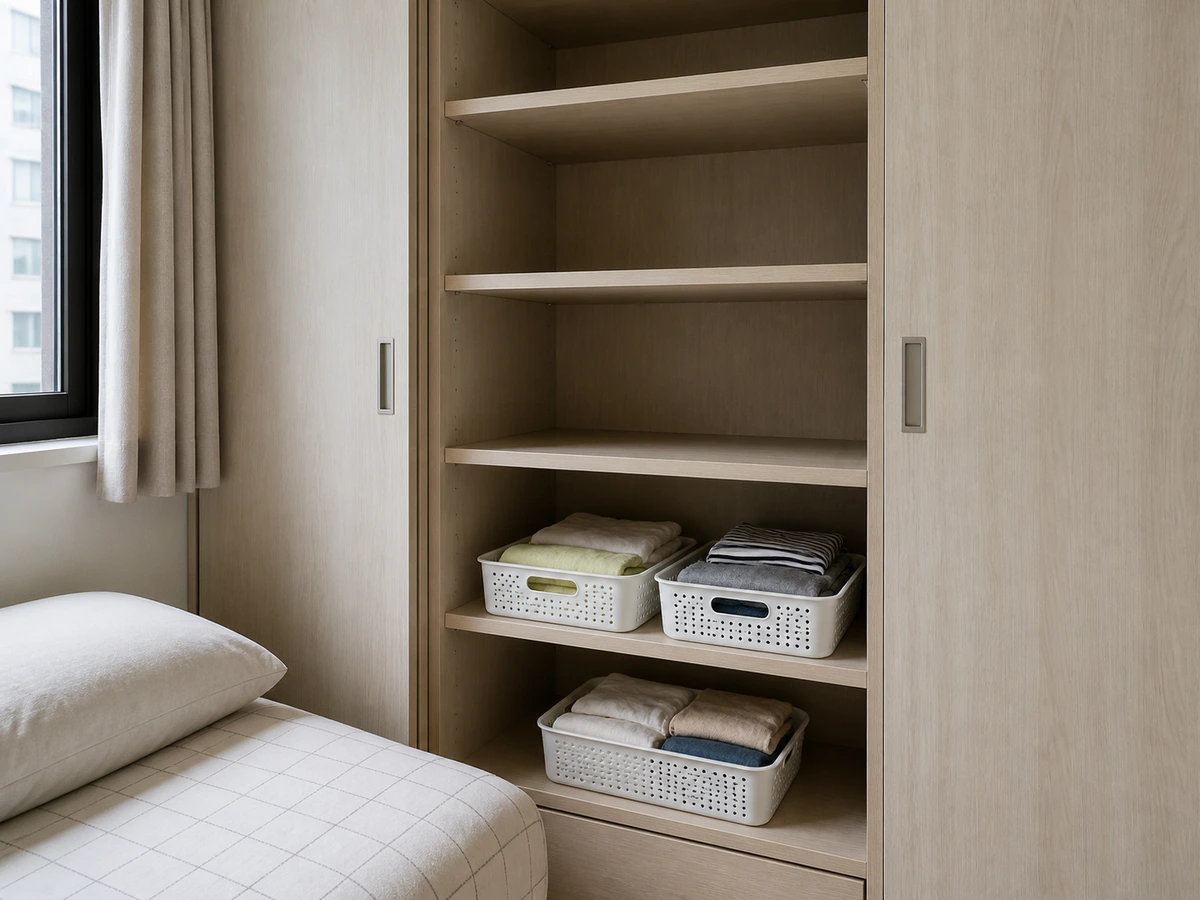
Identify wood or finish, use minimal moisture, and return clothes only after complete drying
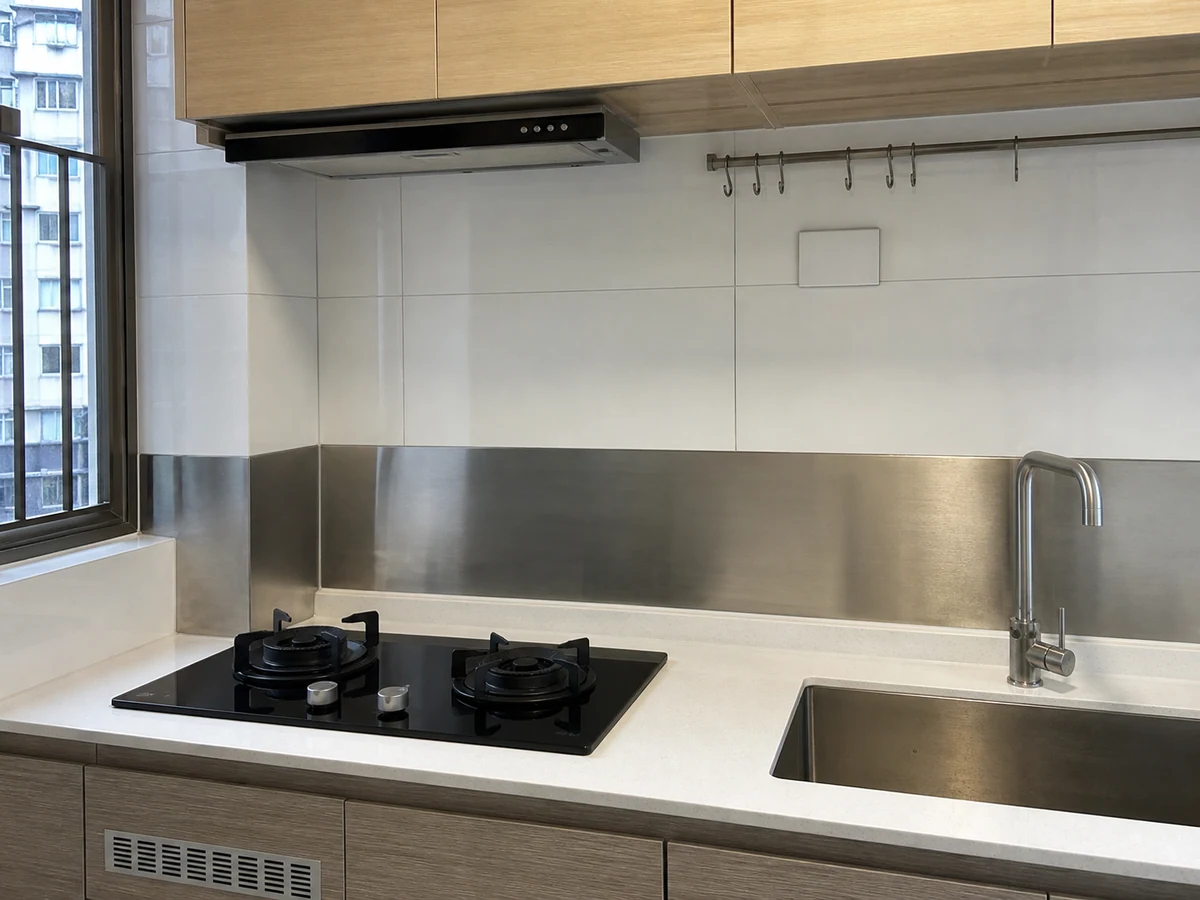
Identify the material, then clean compatible sections and dry
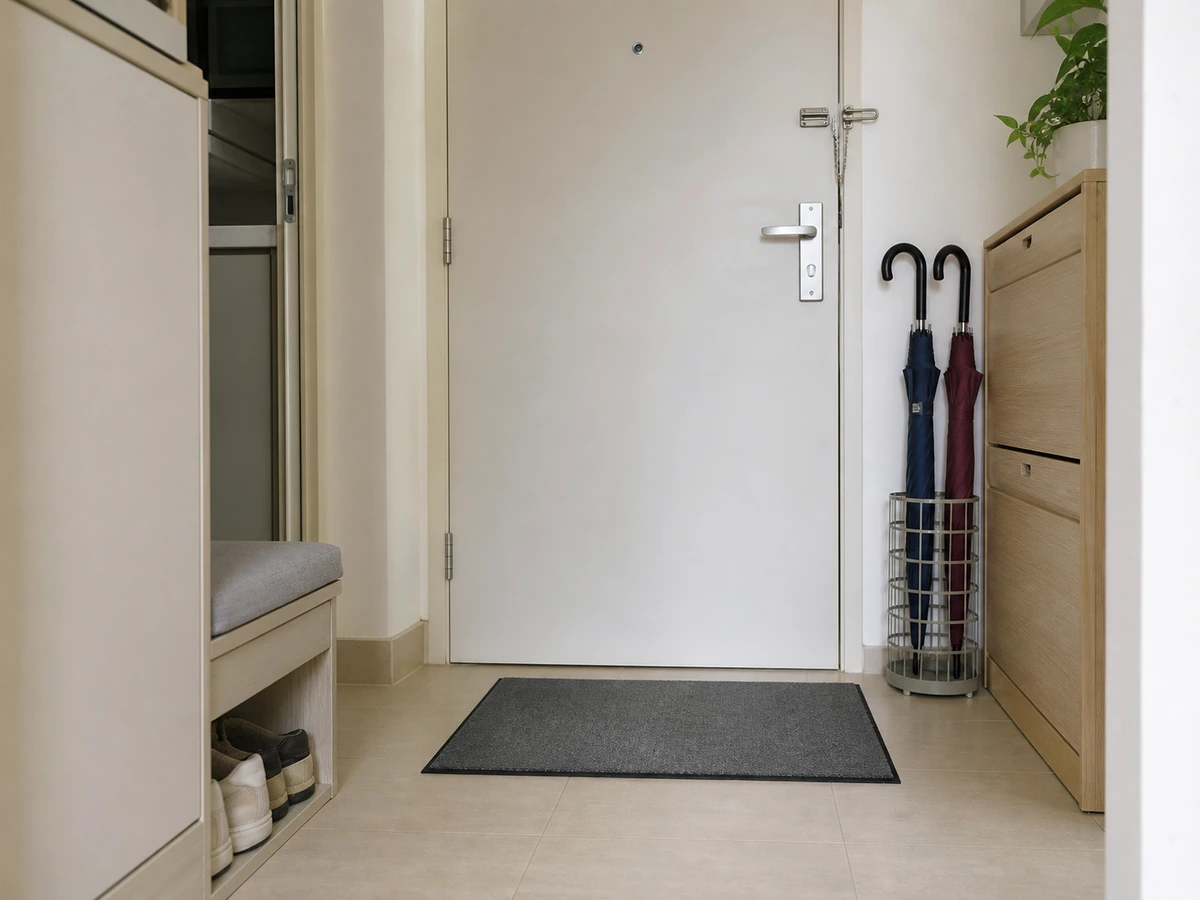
Keep the route dry and clear, then clean each door and floor material correctly
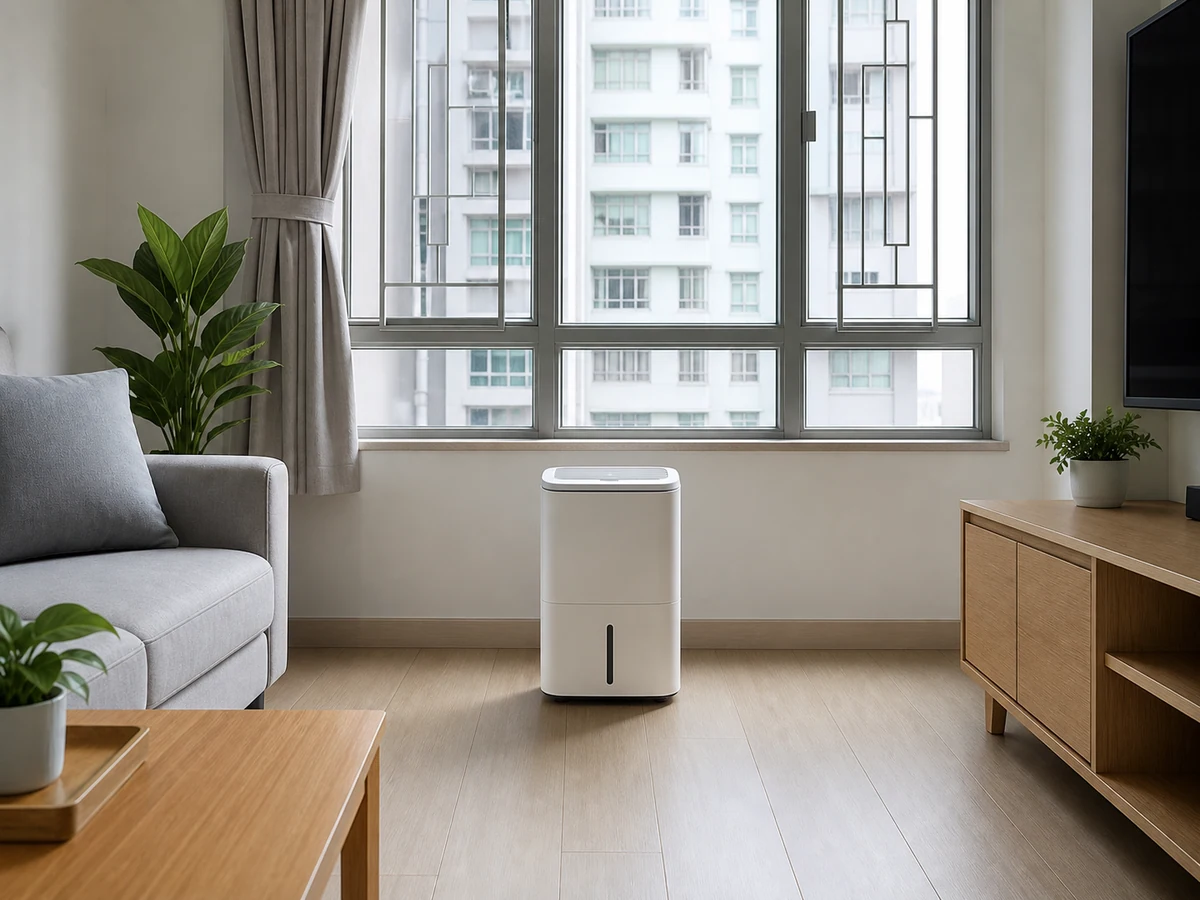
Find moisture, dry condensation, improve safe airflow and use appliances correctly
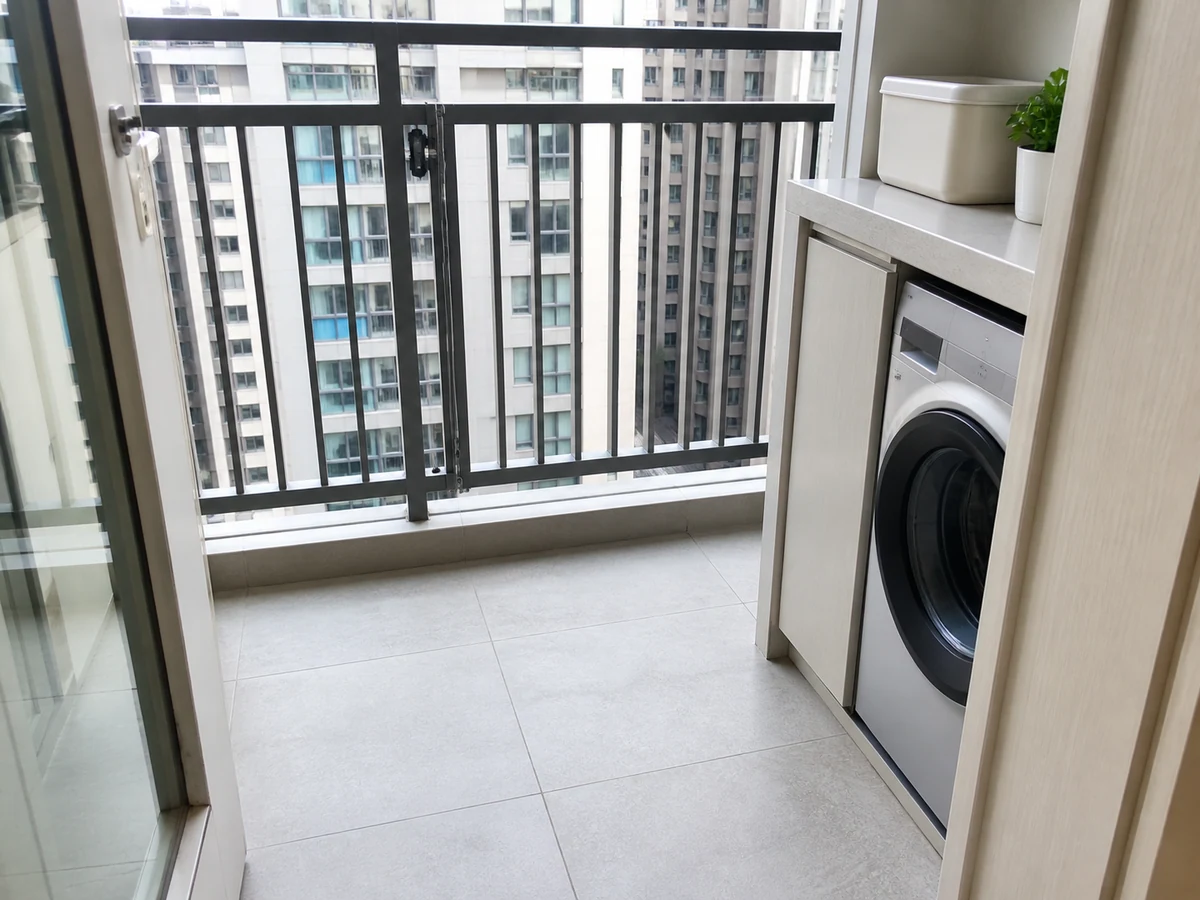
Work only inside the protected area, control water and never lean or climb
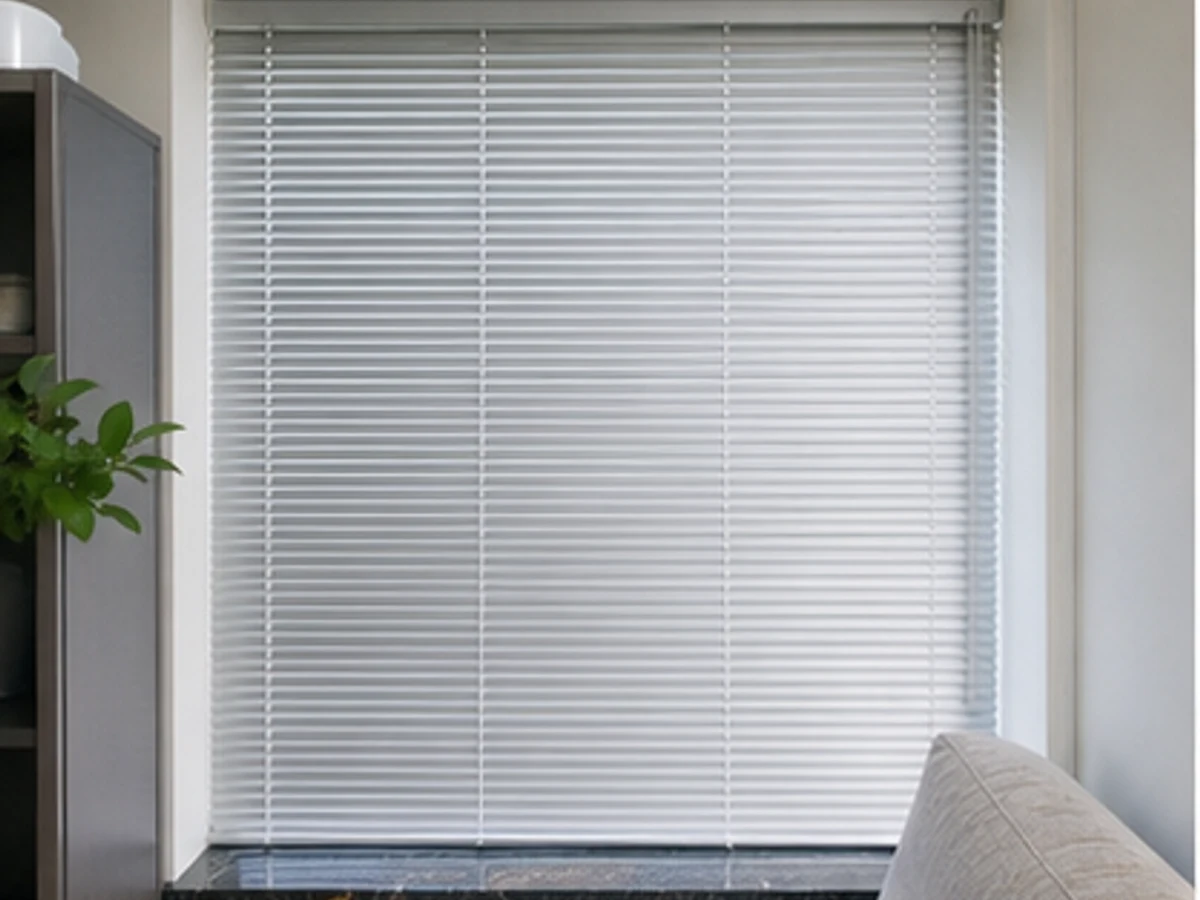
A practical sequence from “Confirm the material and safe reach” to “Remove residue and dry fully”
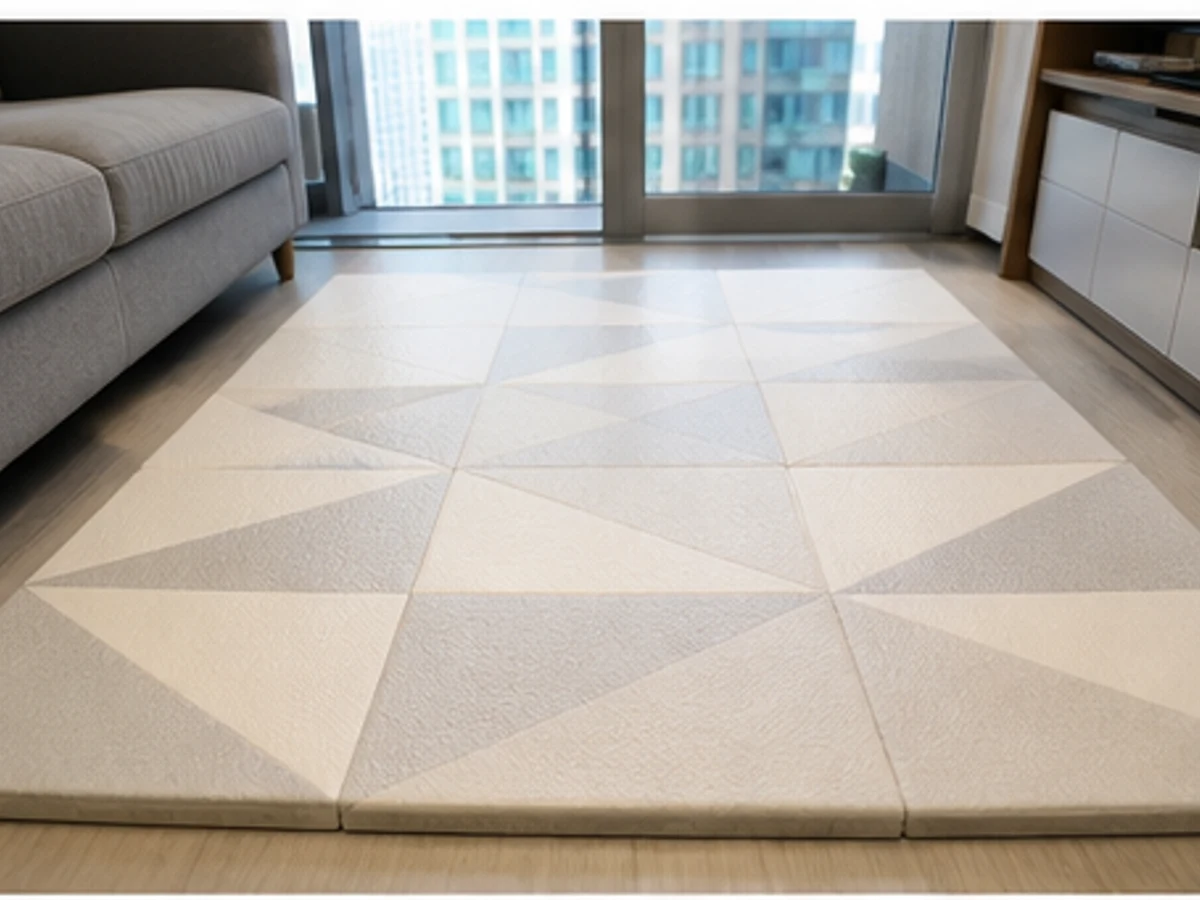
A practical sequence from “Read the material label and clear the area” to “Remove residue and block use until dry”
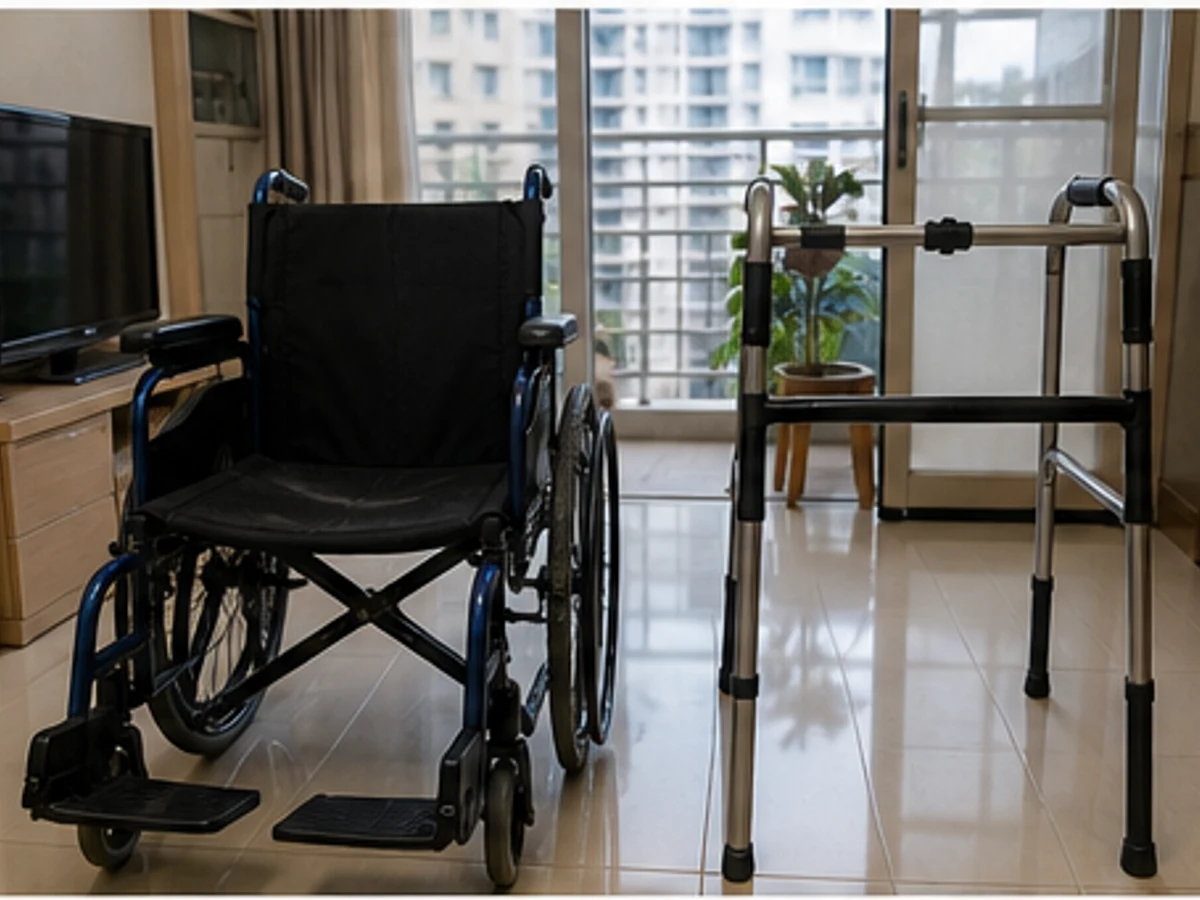
A practical sequence from “Ask permission and apply brakes” to “Clean wheel surfaces, not bearings”
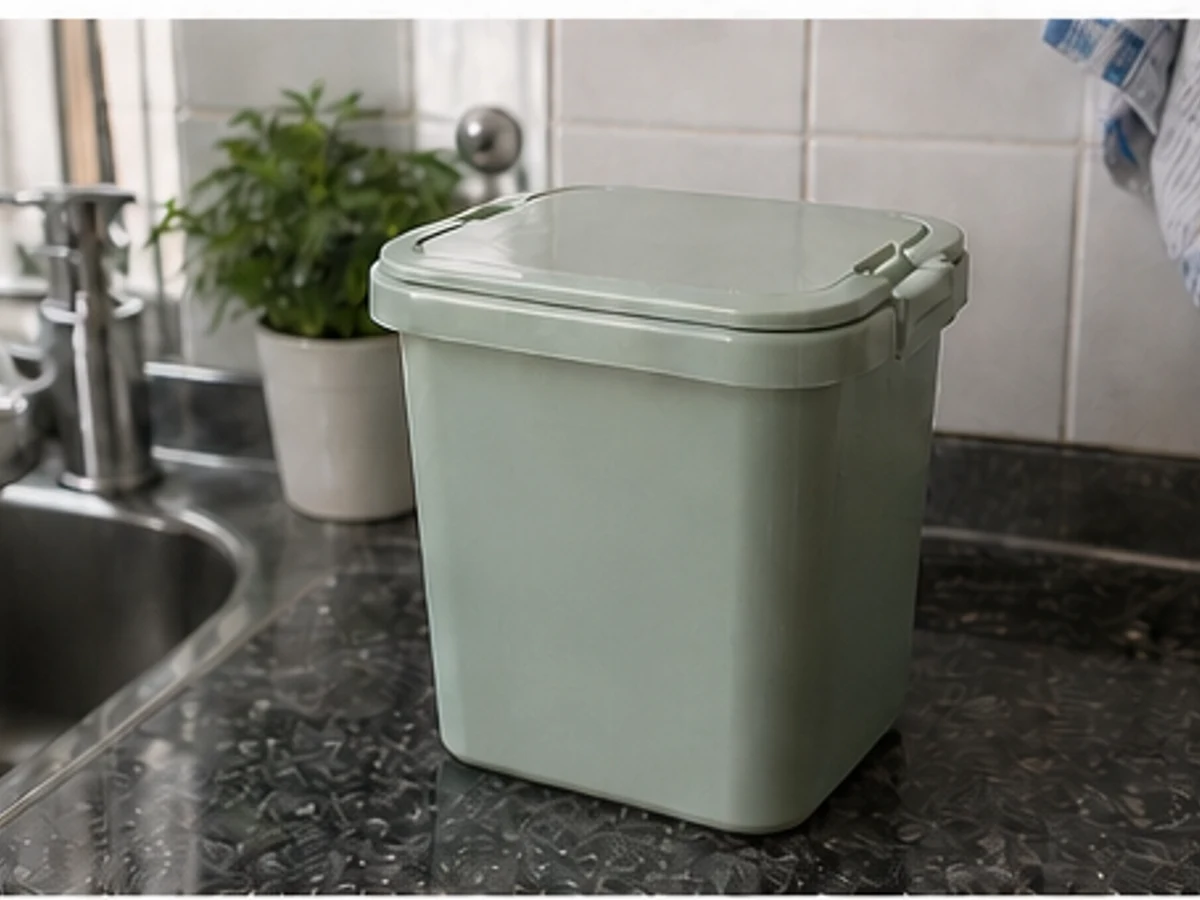
A practical sequence from “Empty and sort correctly” to “Remove residue”
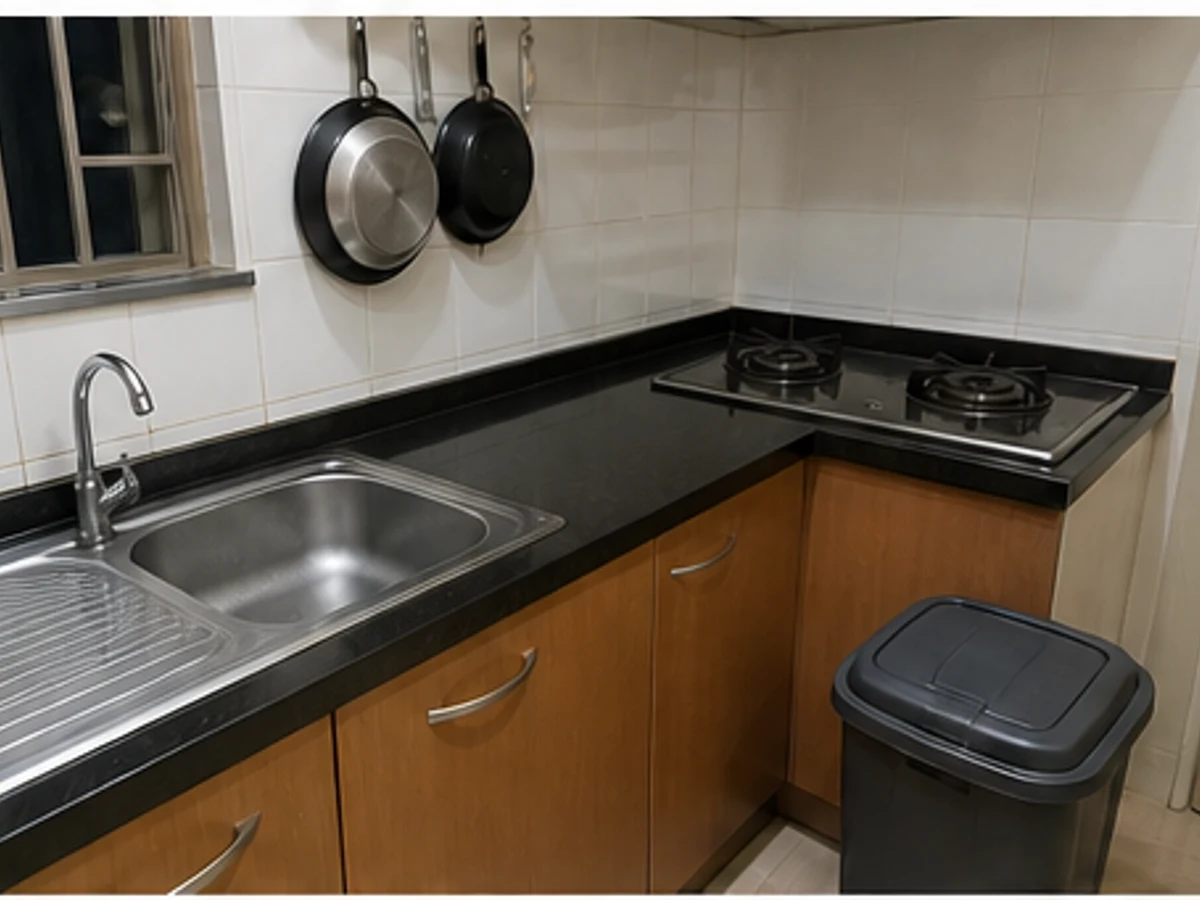
A practical sequence from “Remove food debris and standing water” to “Handle rubbish and cardboard daily”
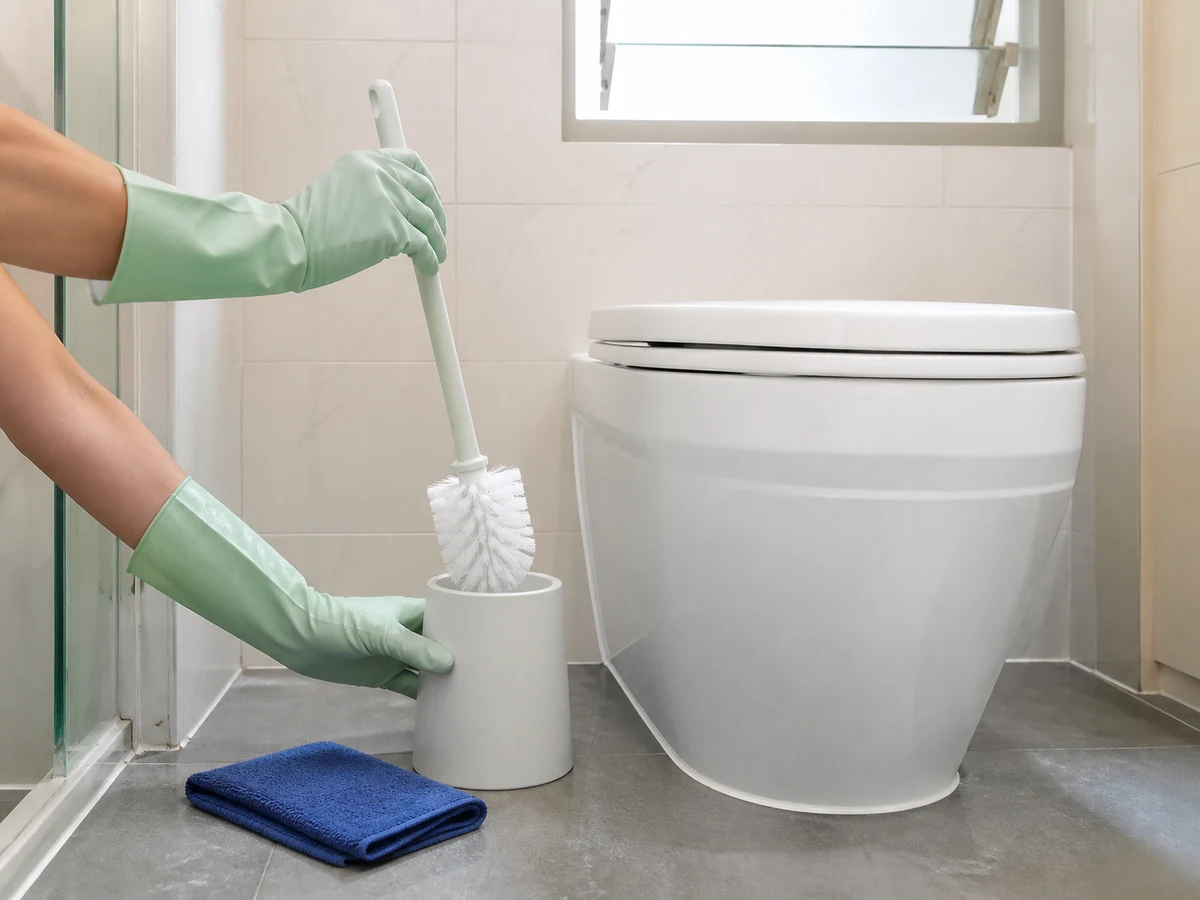
A practical sequence from “Glove and empty” to “Dry and return”
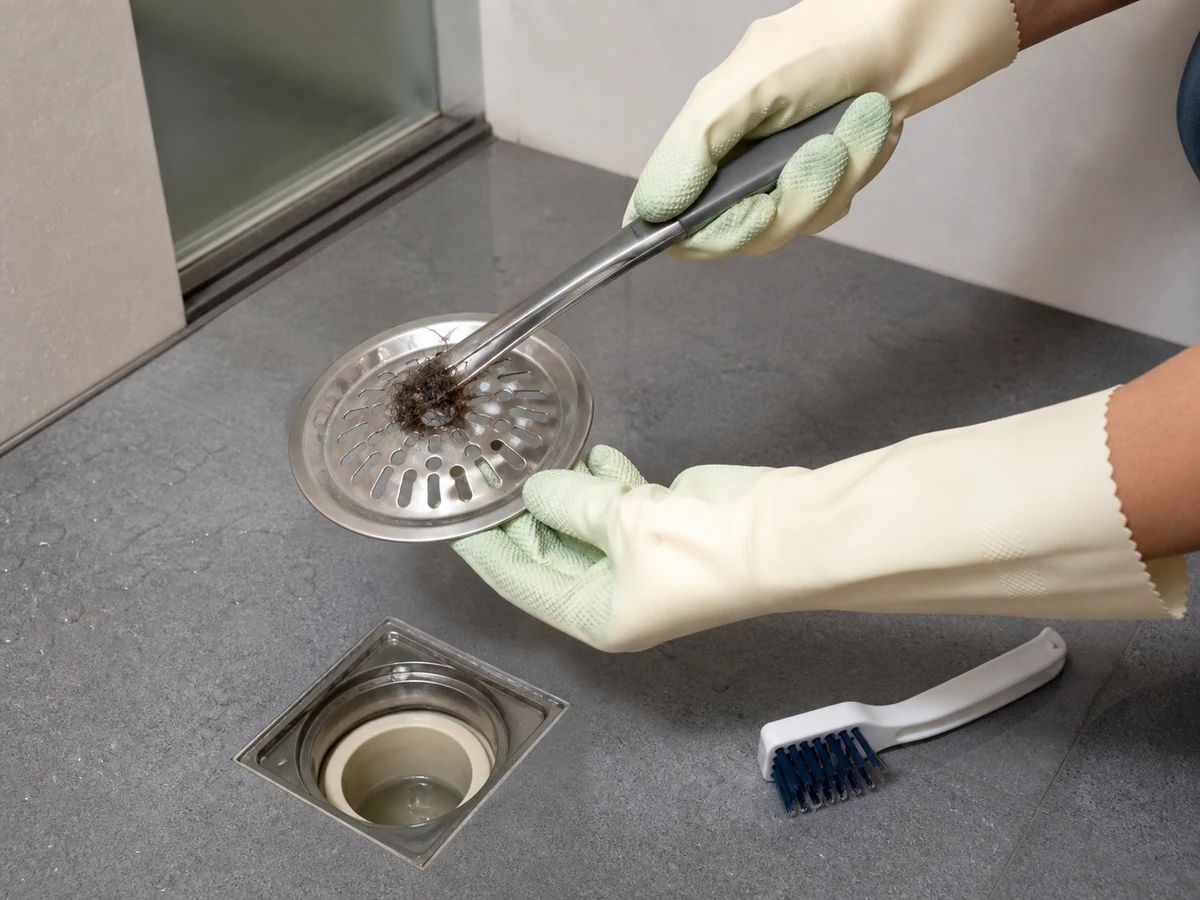
A practical sequence from “Block the wet area” to “Dry and test”
A practical sequence from “Identify the material” to “Remove residue”
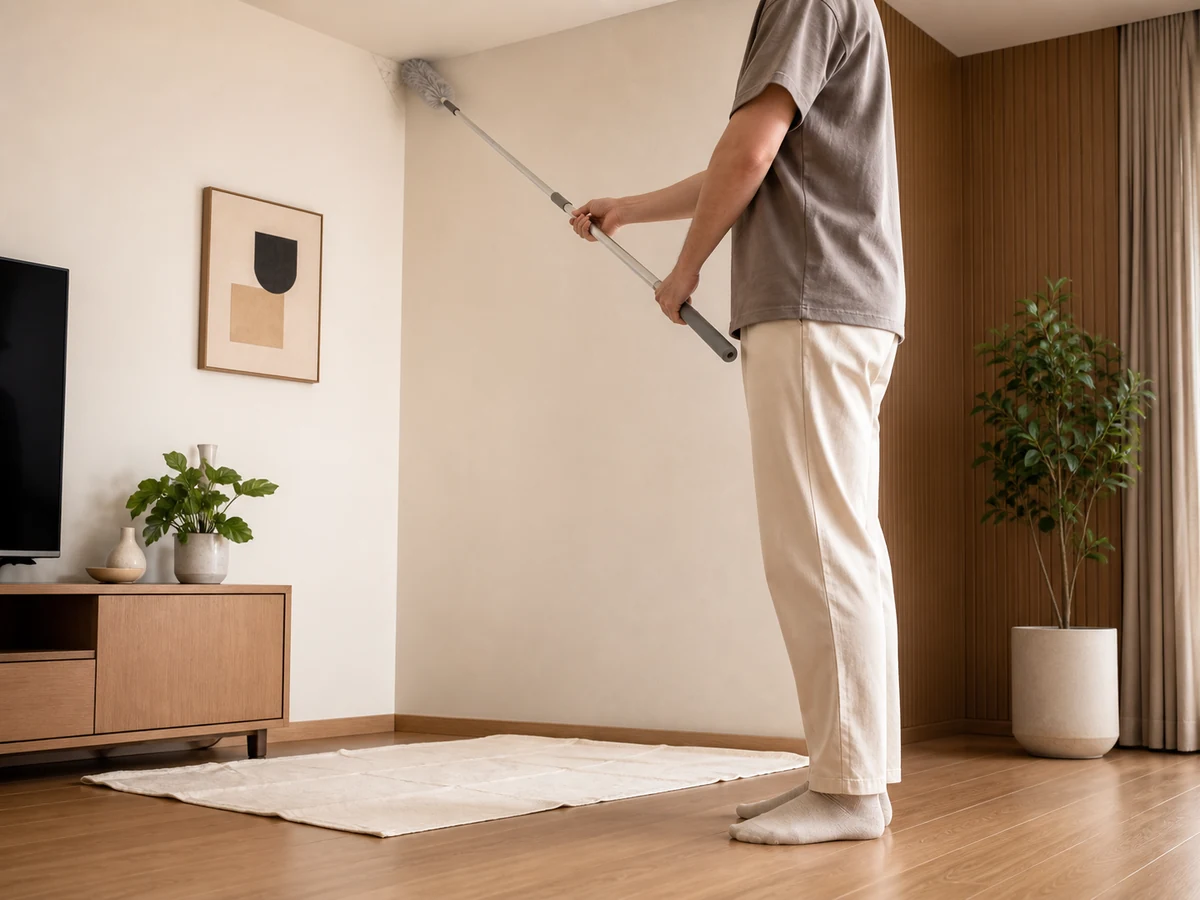
A practical sequence from “Clear below” to “Collect fallen dust”
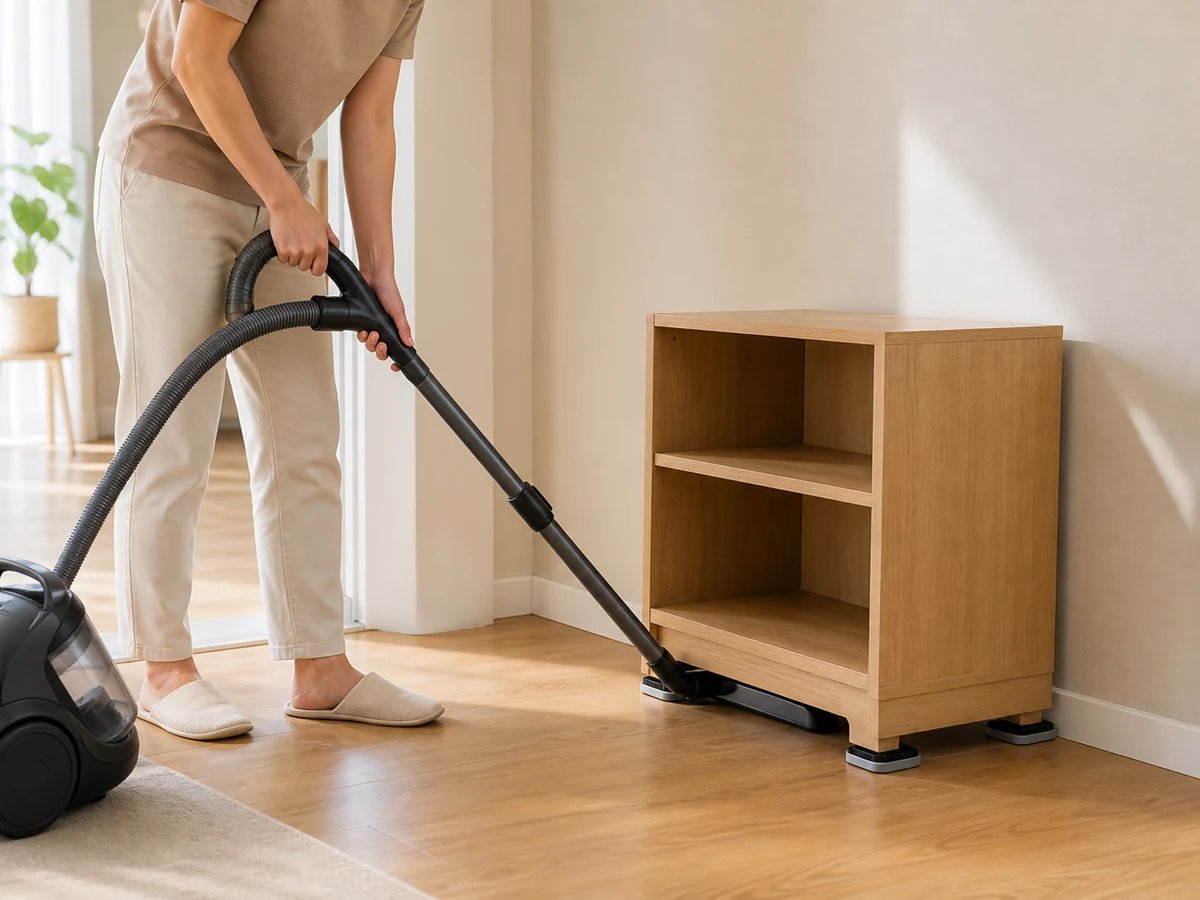
A practical sequence from “Assess first” to “Clean and restore”

Use dry dusting to protect spines, page edges and shelving.

Test a small area to avoid removing paint or changing its sheen.
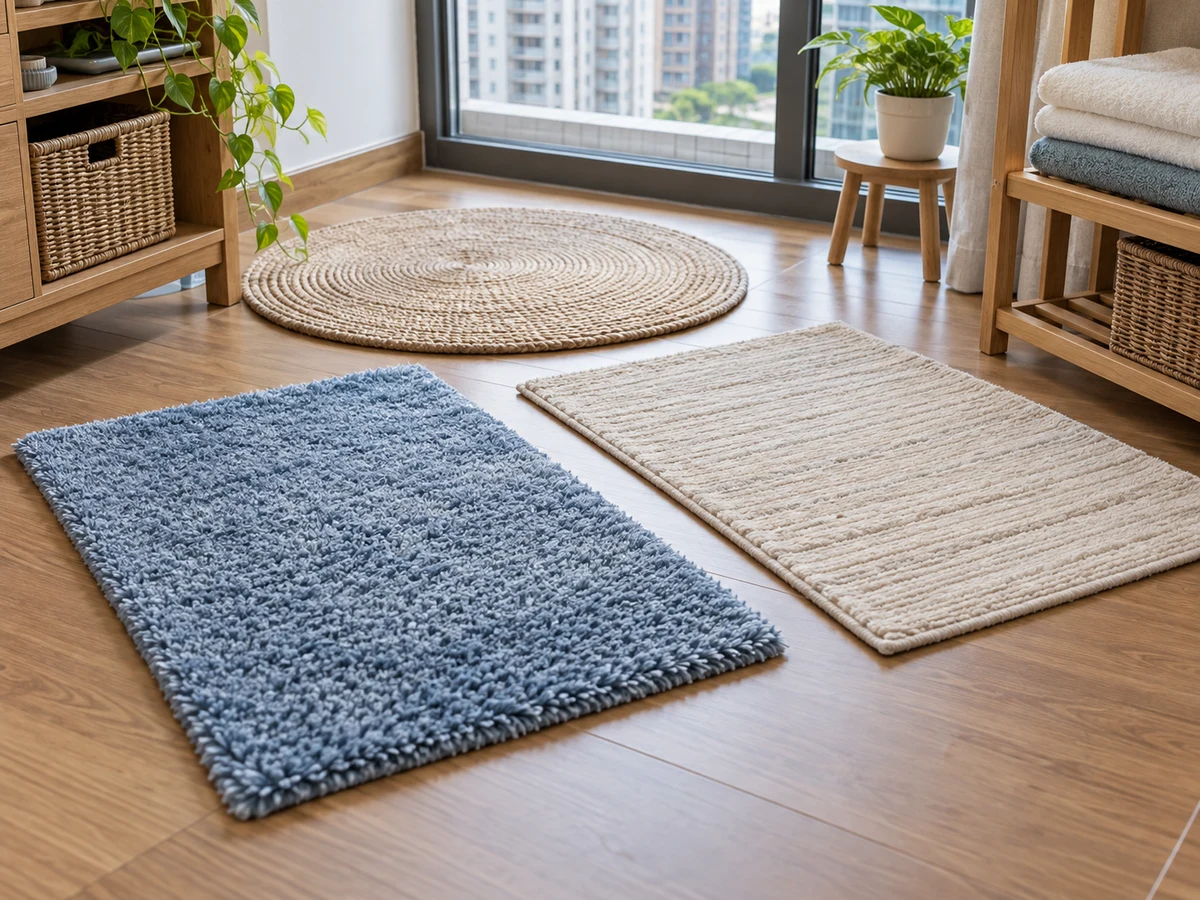
Check both rug backing and washing-machine capacity.
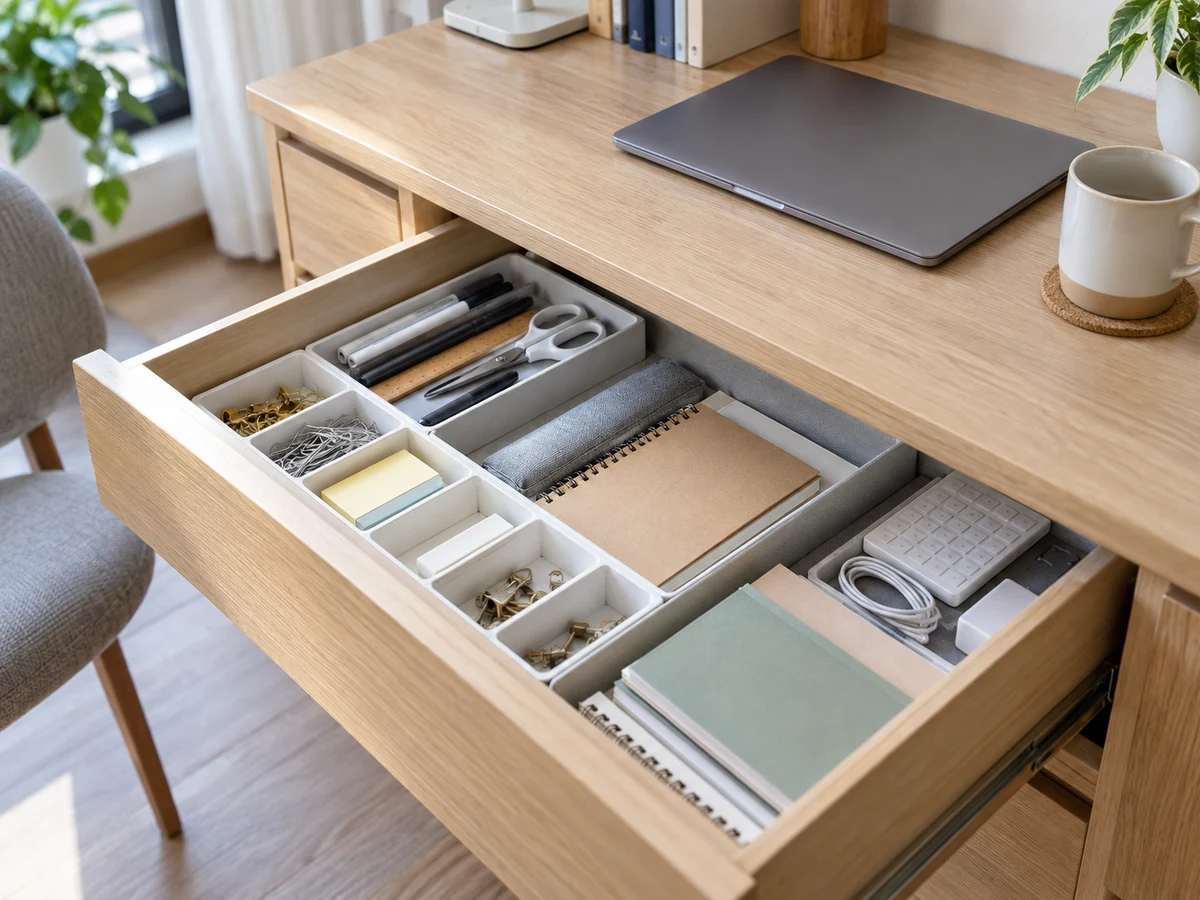
Keep private-item decisions with the owner and work one drawer at a time.
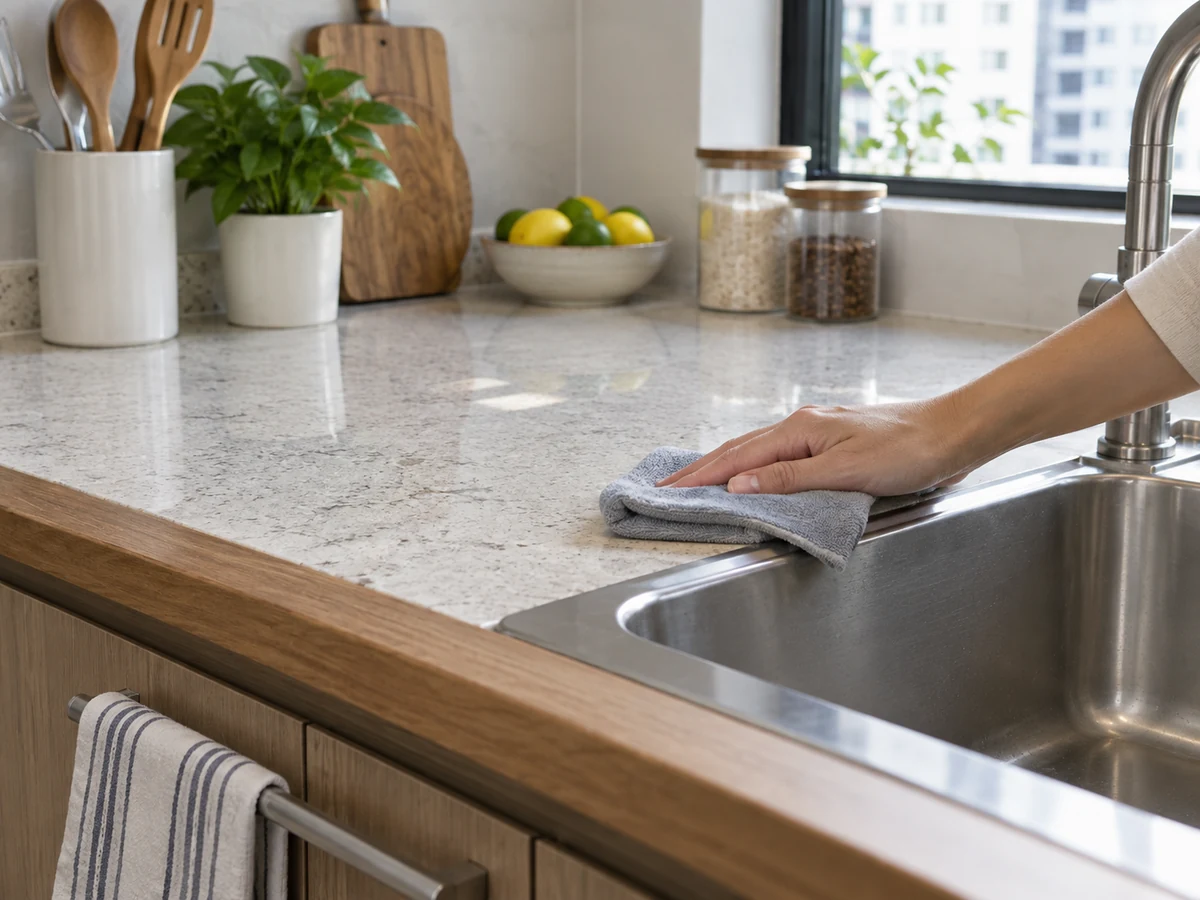
Identify the worktop first, then respect its moisture, scratch and heat limits
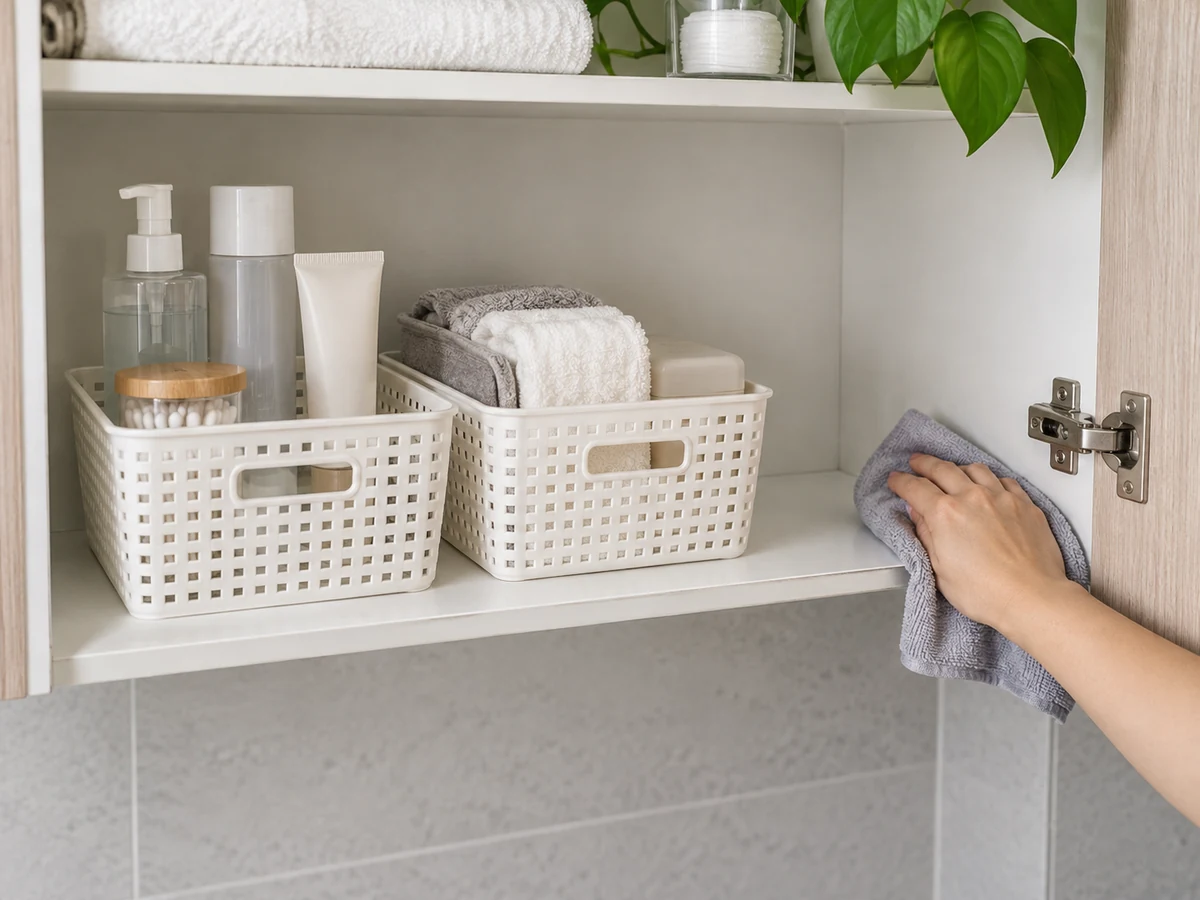
Get owner approval first, then clean moisture-prone shelves and return personal items by their arrangement
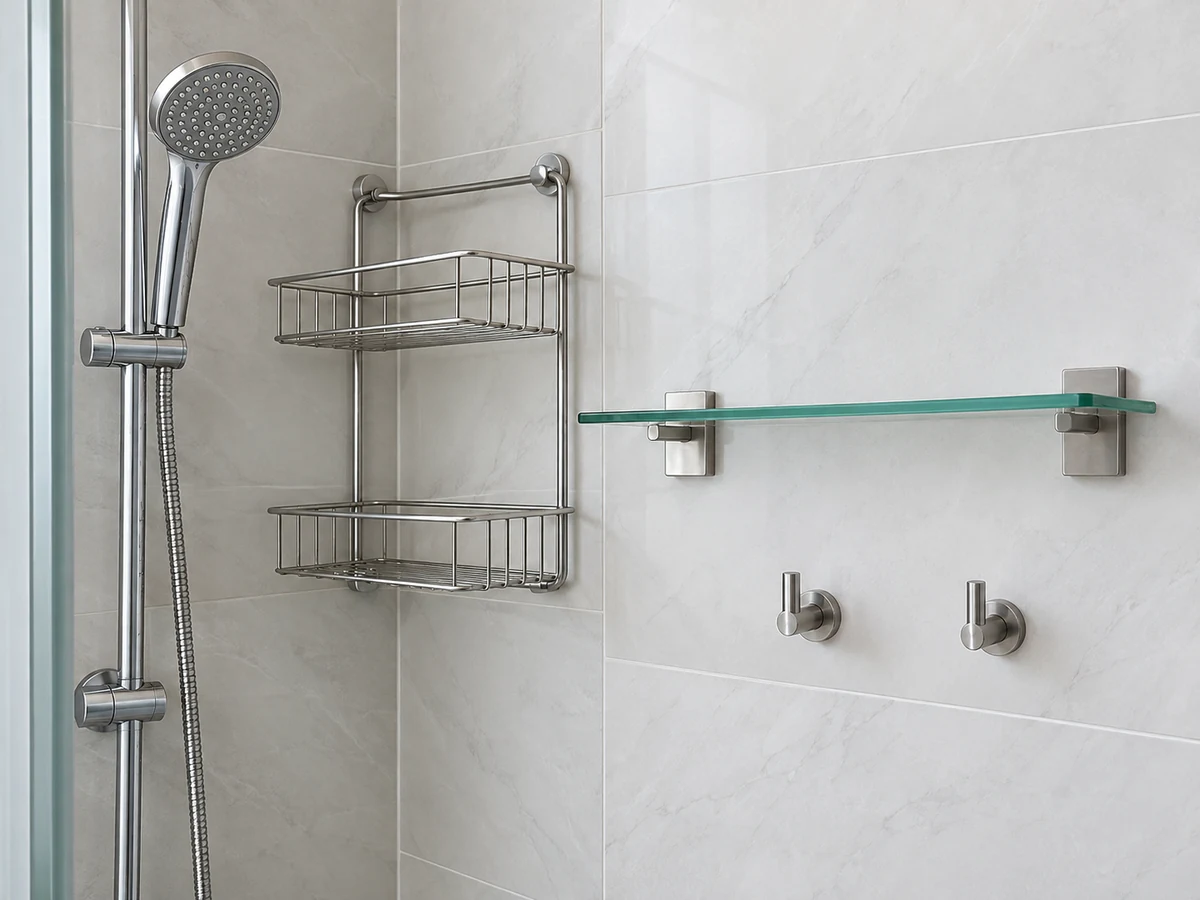
Remove soap residue and trapped water while respecting the limits of fixings and suction fittings
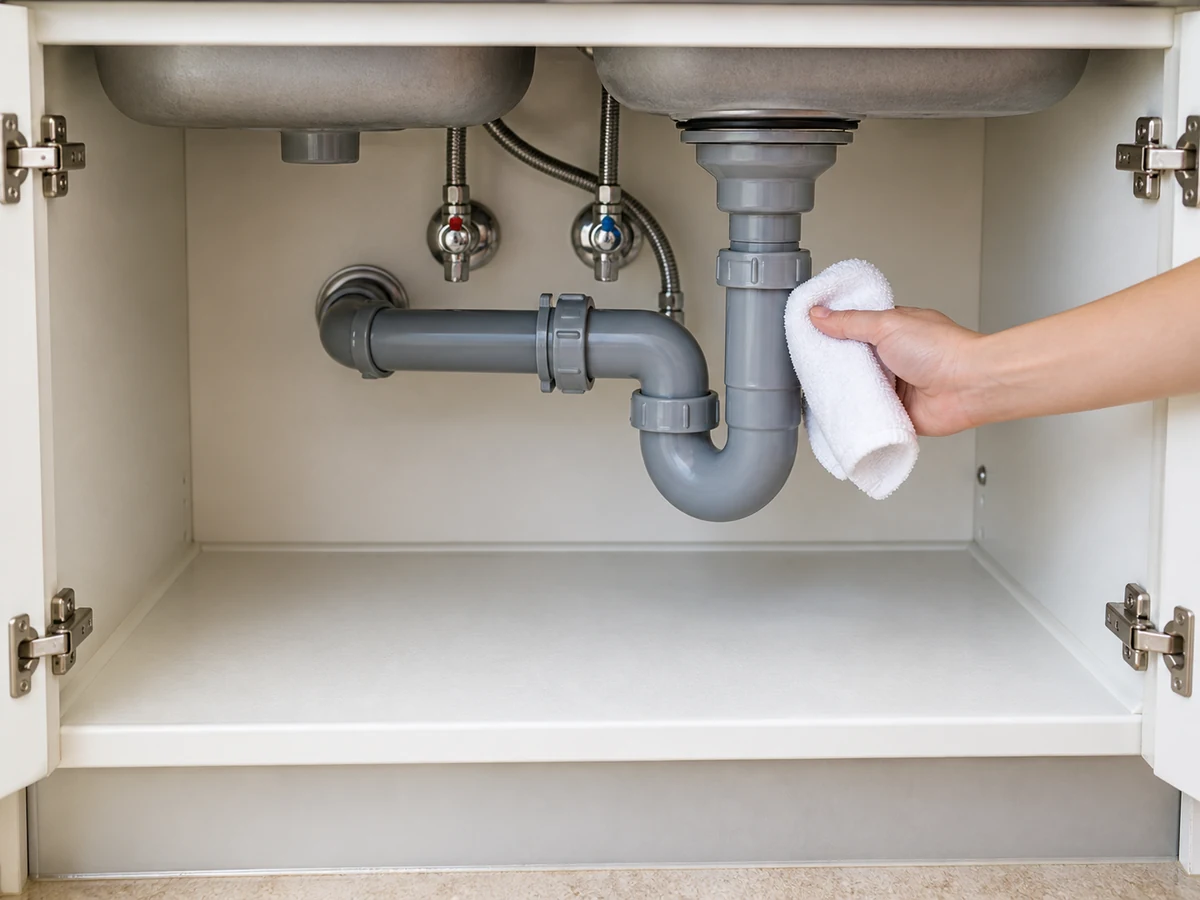
Remove items in their original labelled containers and separate acids, bleach and other products; do not decant or mix storage.
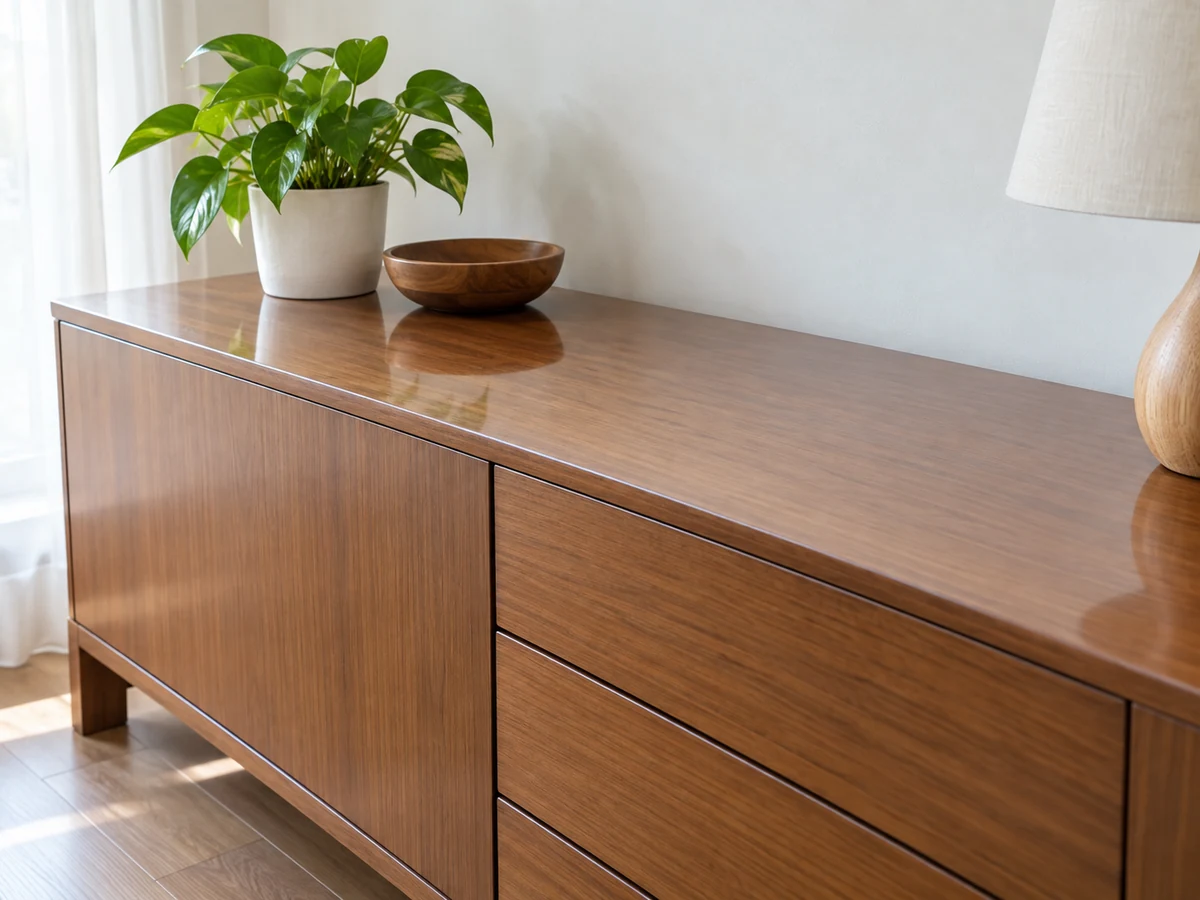
Identify laminate, veneer or sealed wood and check maker guidance; ask the employer when the finish is uncertain.
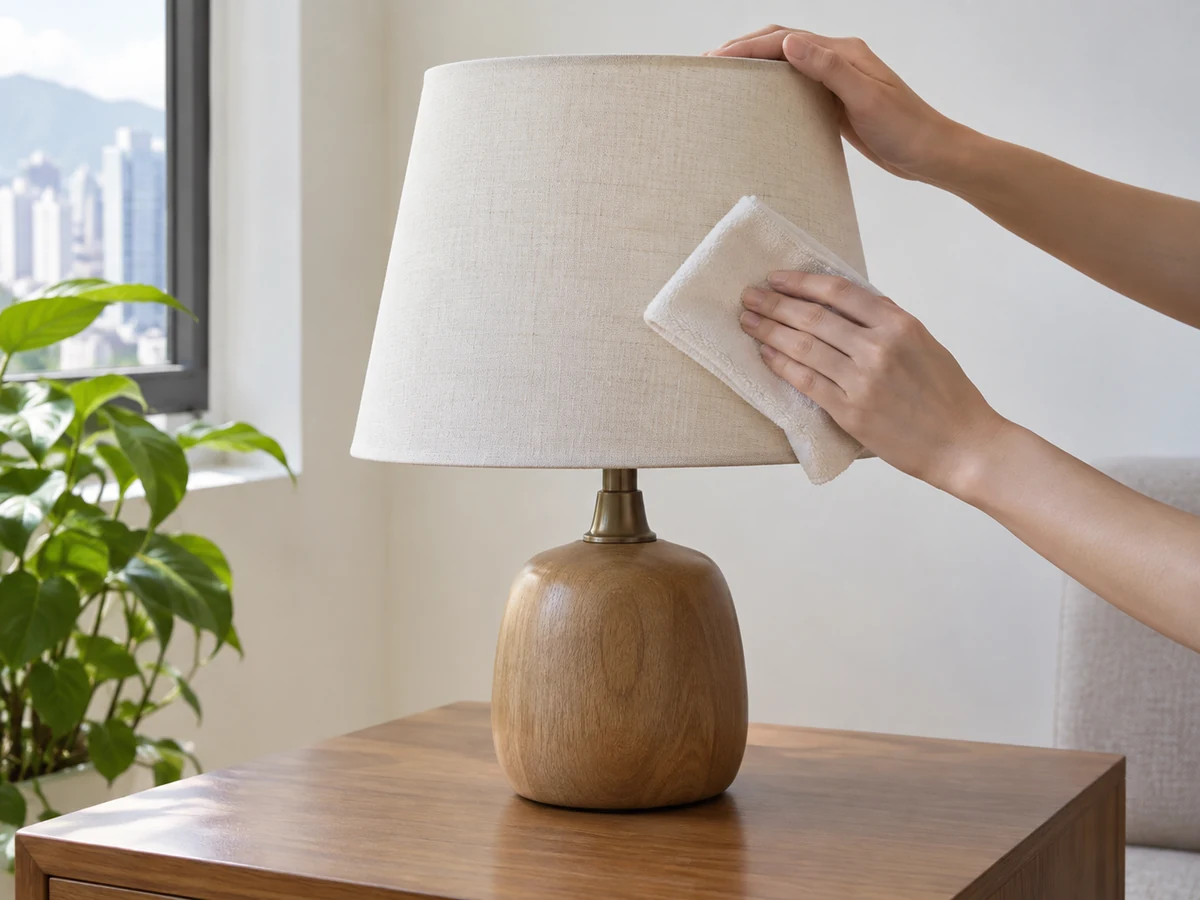
Isolate power and cool first, then dust dry and spot-clean by shade material.
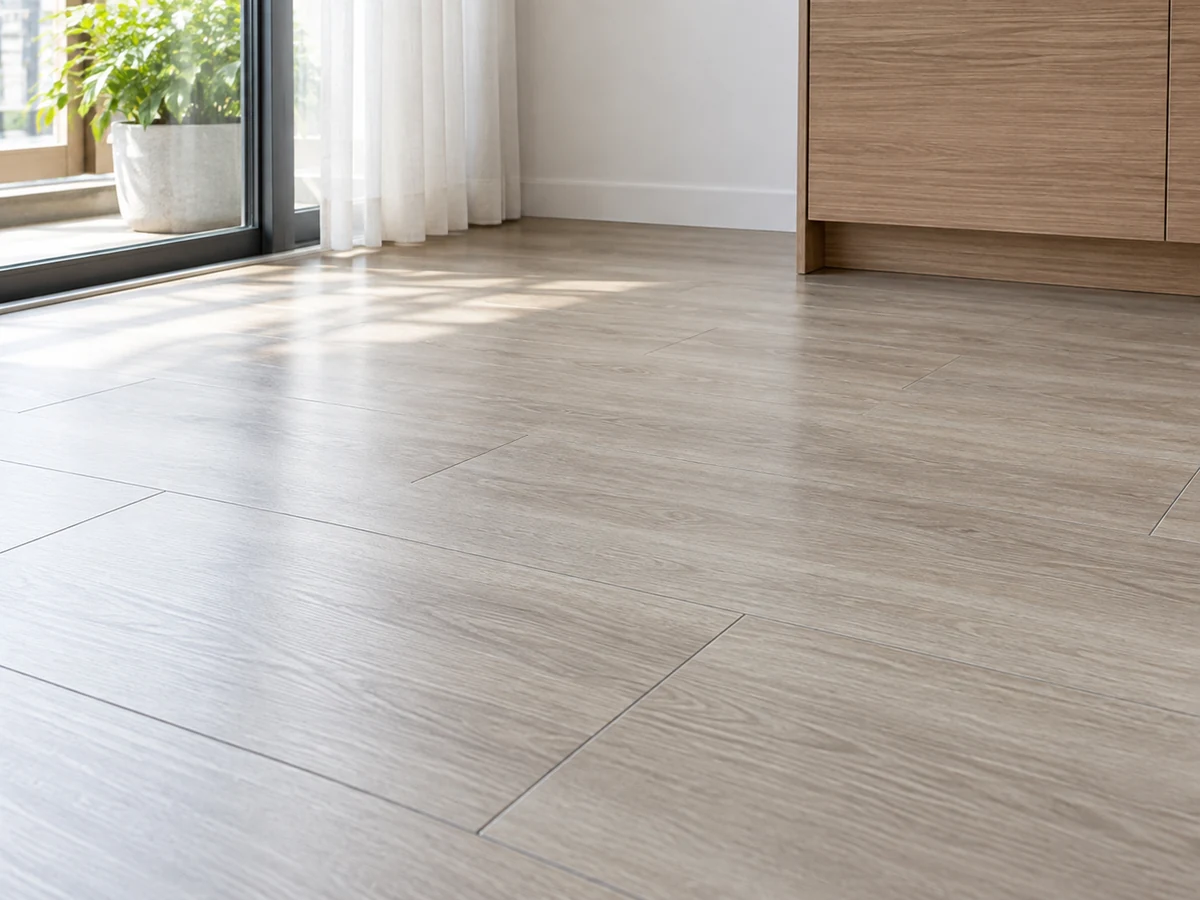
Remove grit first, then damp-mop sparingly and dry every seam.
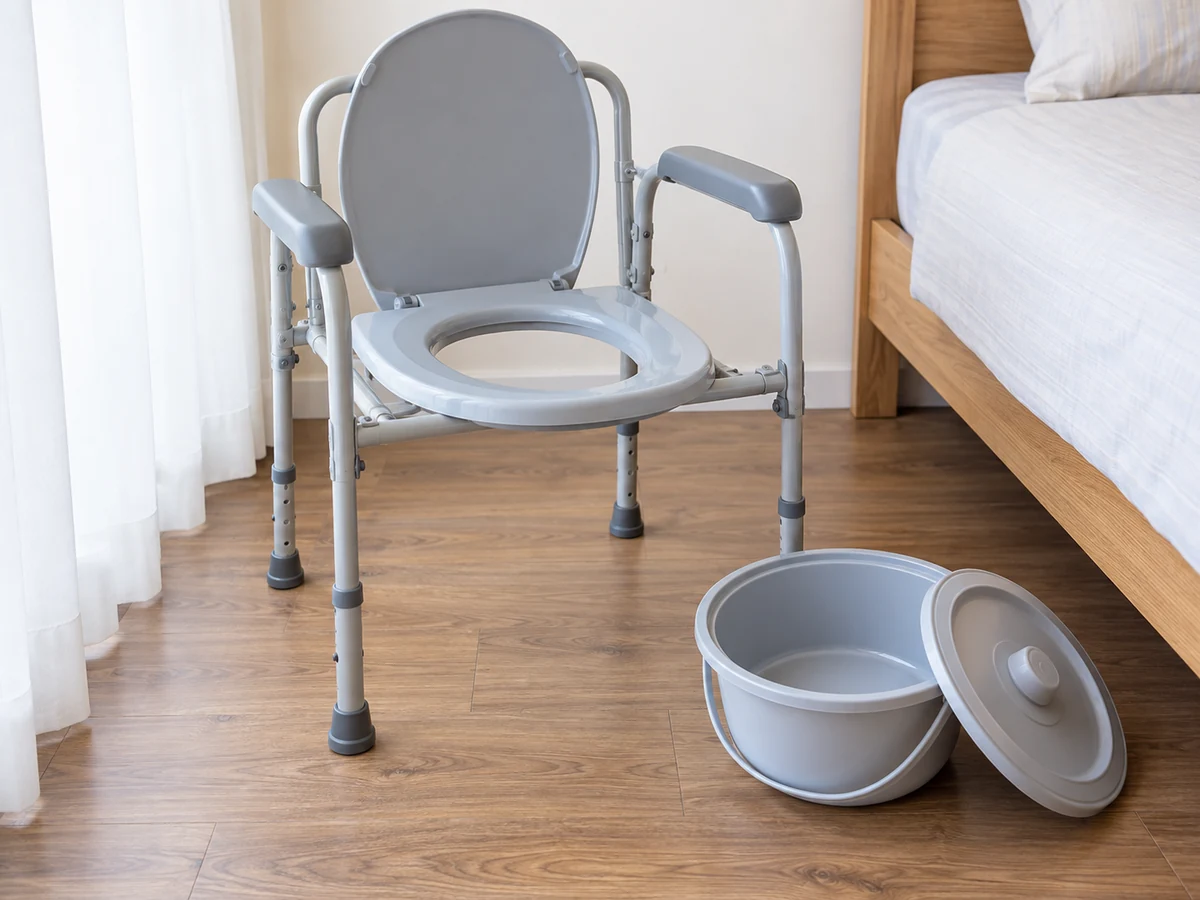
Wear PPE, carry the lidded pan to the designated disposal point, empty without splashing, wash then disinfect as the care plan directs, and wash hands without mixing chemicals.
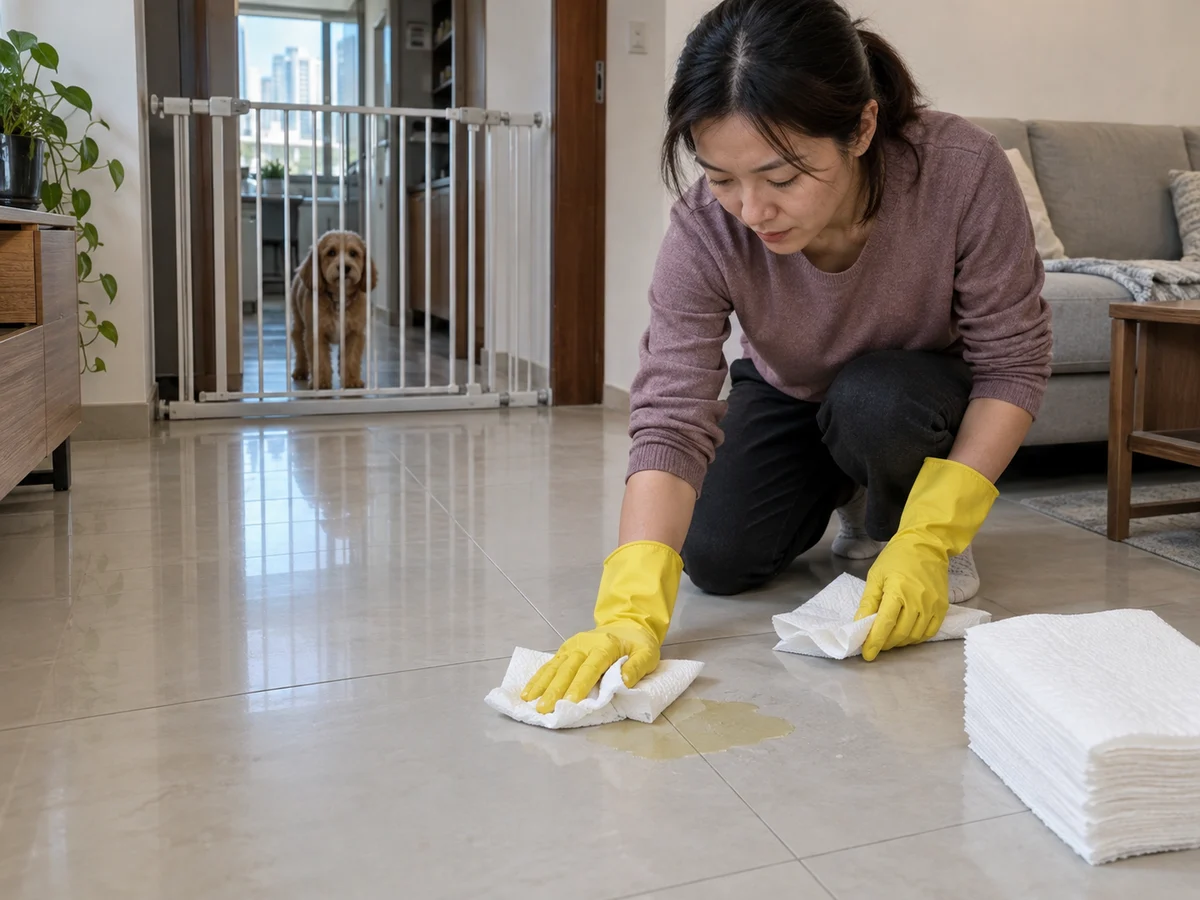
Contain the pet accident before treating residue and slip risk for the confirmed hard-floor material.

Remove hair and dust without soaking the sisal, cardboard or fixed padding of a cat tree.
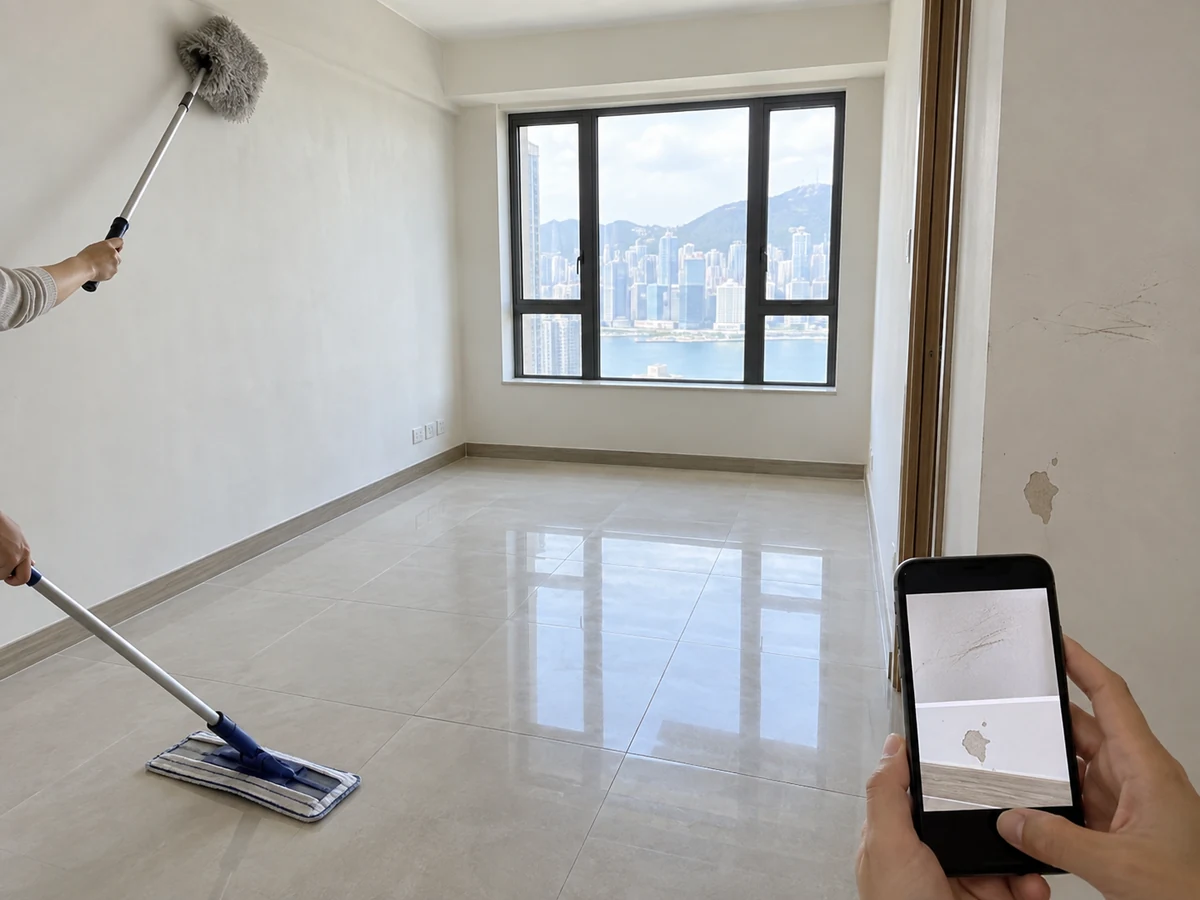
Photograph original condition and defects before cleaning each empty-home zone from high to low.
No matching guide. Try another search.
Showing 40 / 40