Home cleaning
How to Manage Home Humidity and Condensation
Find moisture, dry condensation, improve safe airflow and use appliances correctly
Overview
Humid Hong Kong weather can leave condensation on cool indoor surfaces. Check where moisture is collecting, dry it promptly, reduce the source and use ventilation or a dehumidifier only when suitable. This guide makes no health claim or guarantee that mould will be prevented.
Tools needed
- Clean absorbent microfibre cloths
- Shallow drip tray or dry mat
- Simple humidity monitor if available
- Closed, intact dehumidifier used to its manual
- Dry gloves for wiping
- Waste bag for damaged damp items
Cleaning steps
Inspect for moisture
Check the inside of windows, sills, walls, pipes and furniture backs. Identify drips, leaks or a blocked air path before cleaning.
Dry condensation promptly
Use a clean absorbent cloth on safely reachable indoor surfaces. Keep the floor dry and change cloth faces as they become wet.
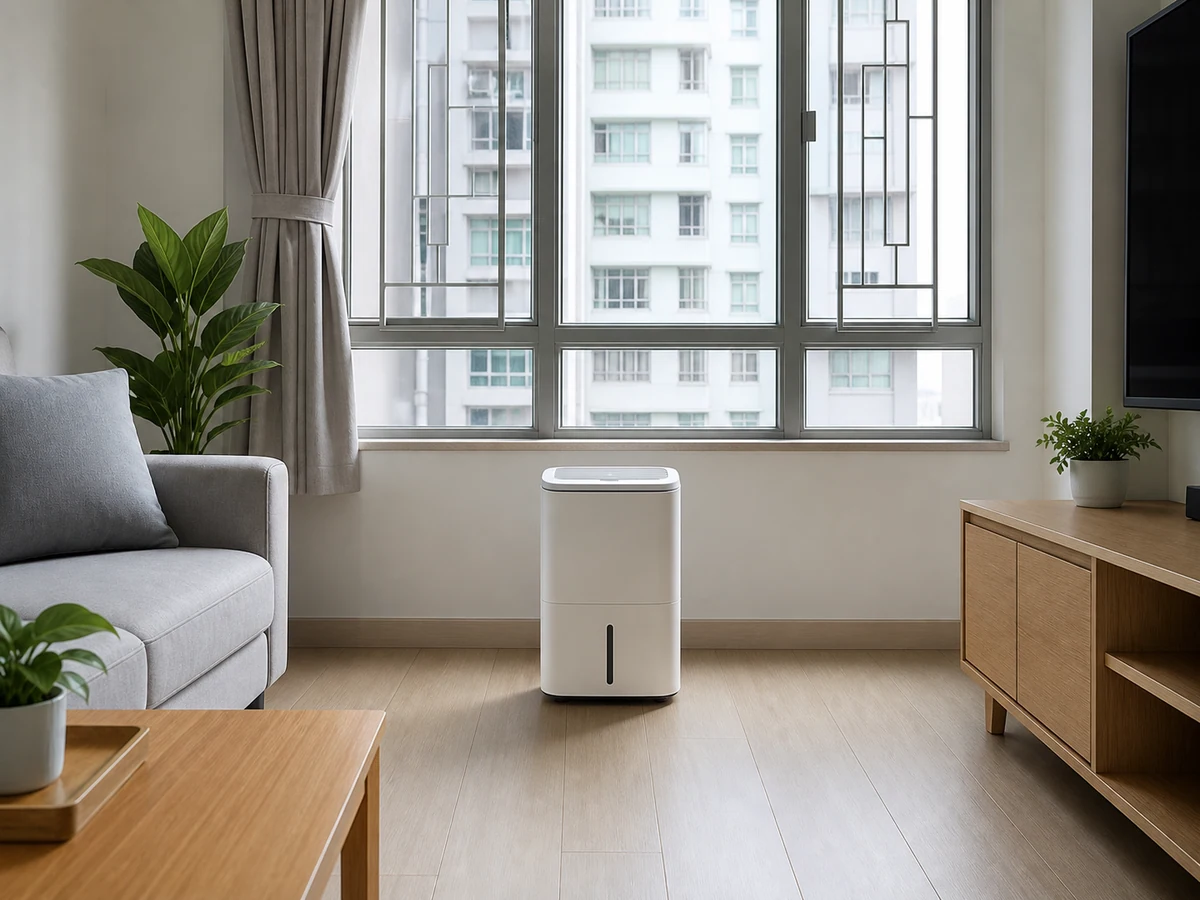
Position a dehumidifier safely
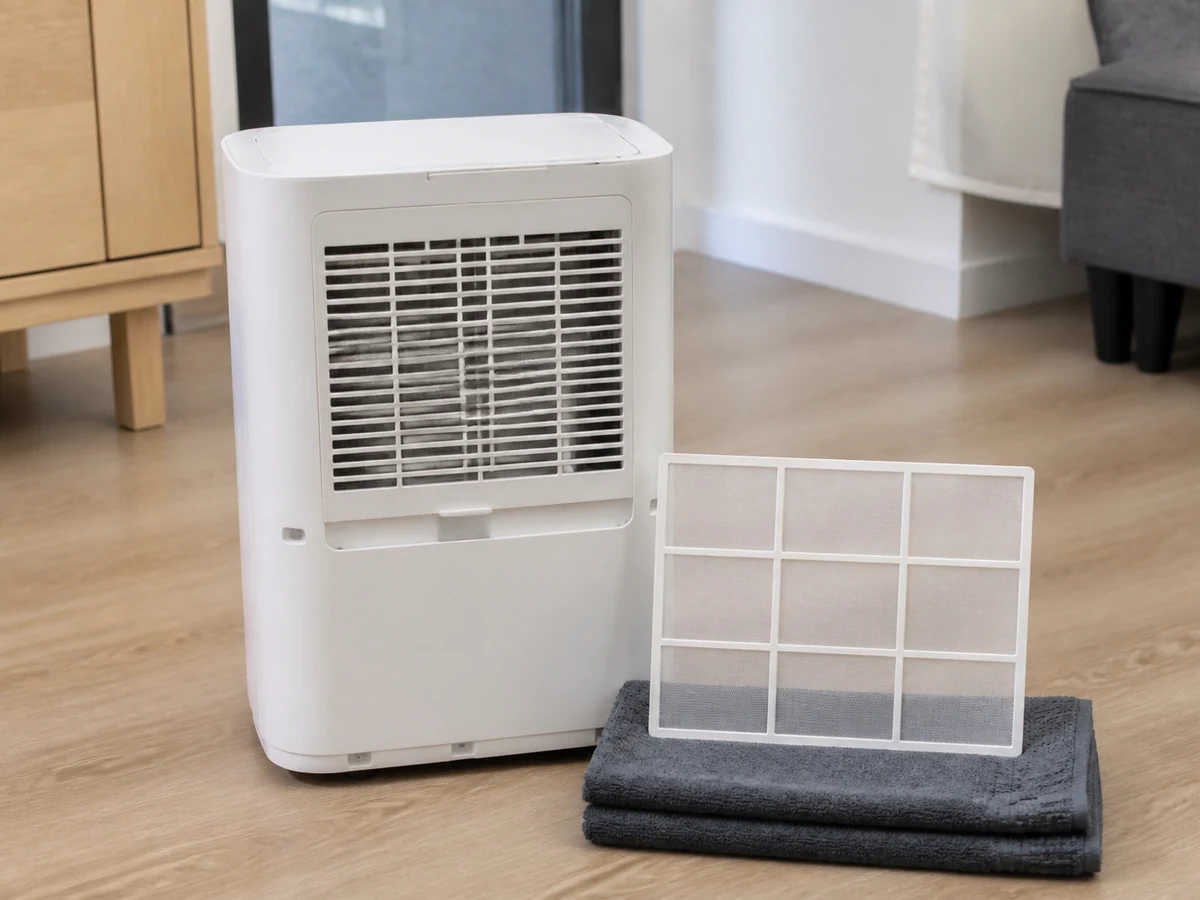
If using one, follow its manual. Keep the unit upright on a level dry floor, away from bathrooms, dripping clothes, heat and blocked air inlets or outlets.
Control moisture at the source
Use intact kitchen or bathroom exhaust ventilation when suitable and safe. Do not direct damp air into another enclosed area.
Monitor conditions without inventing a target
Use a household humidity monitor if available and watch for recurring condensation. Follow appliance and building guidance rather than an invented universal number.
Improve safe air movement
Open internal doors or provide appropriate ventilation when outdoor and indoor conditions make it useful. Keep wardrobes and furniture from blocking intended airflow.
Recheck and escalate defects
Confirm surfaces and floors are dry. Report persistent leaks, damaged finishes, electrical dampness or extensive mould for appropriate professional assessment.
Common mistakes
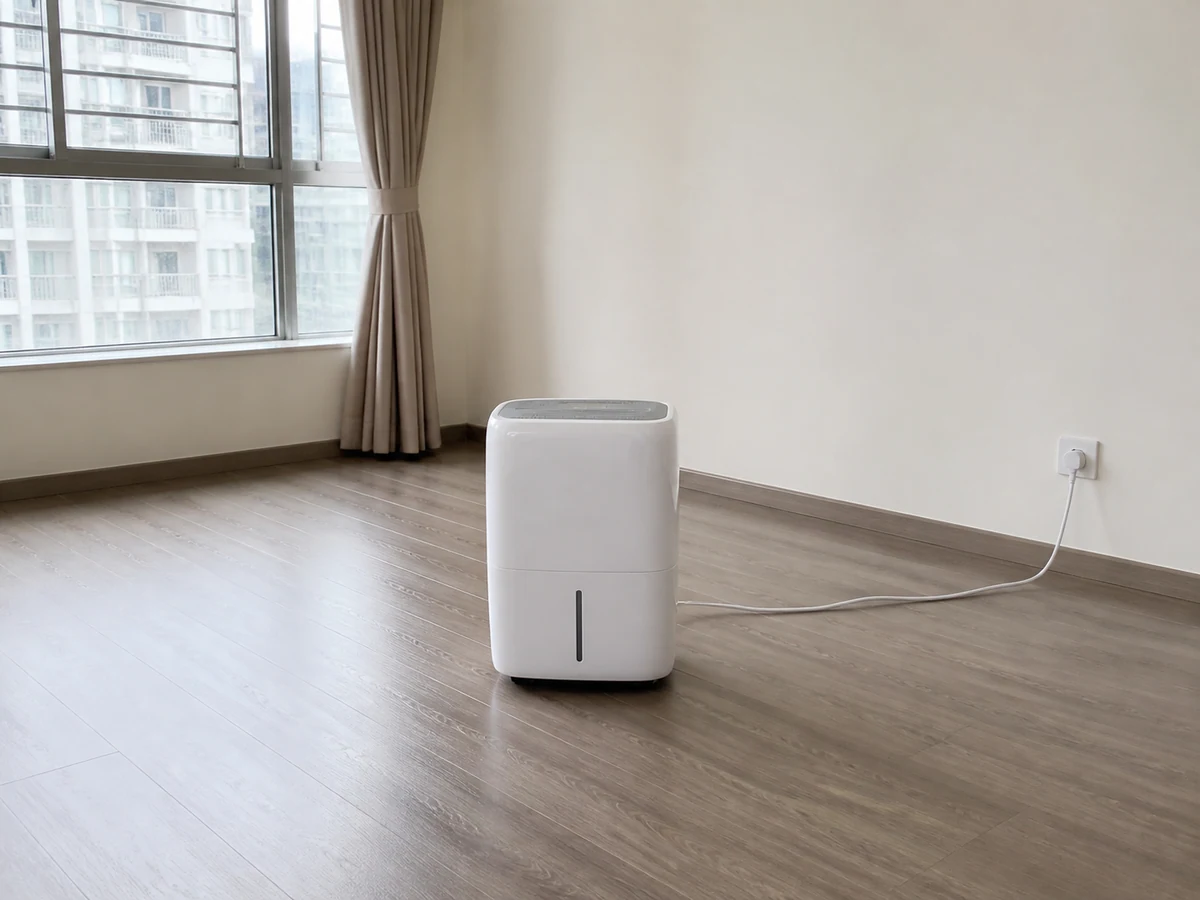
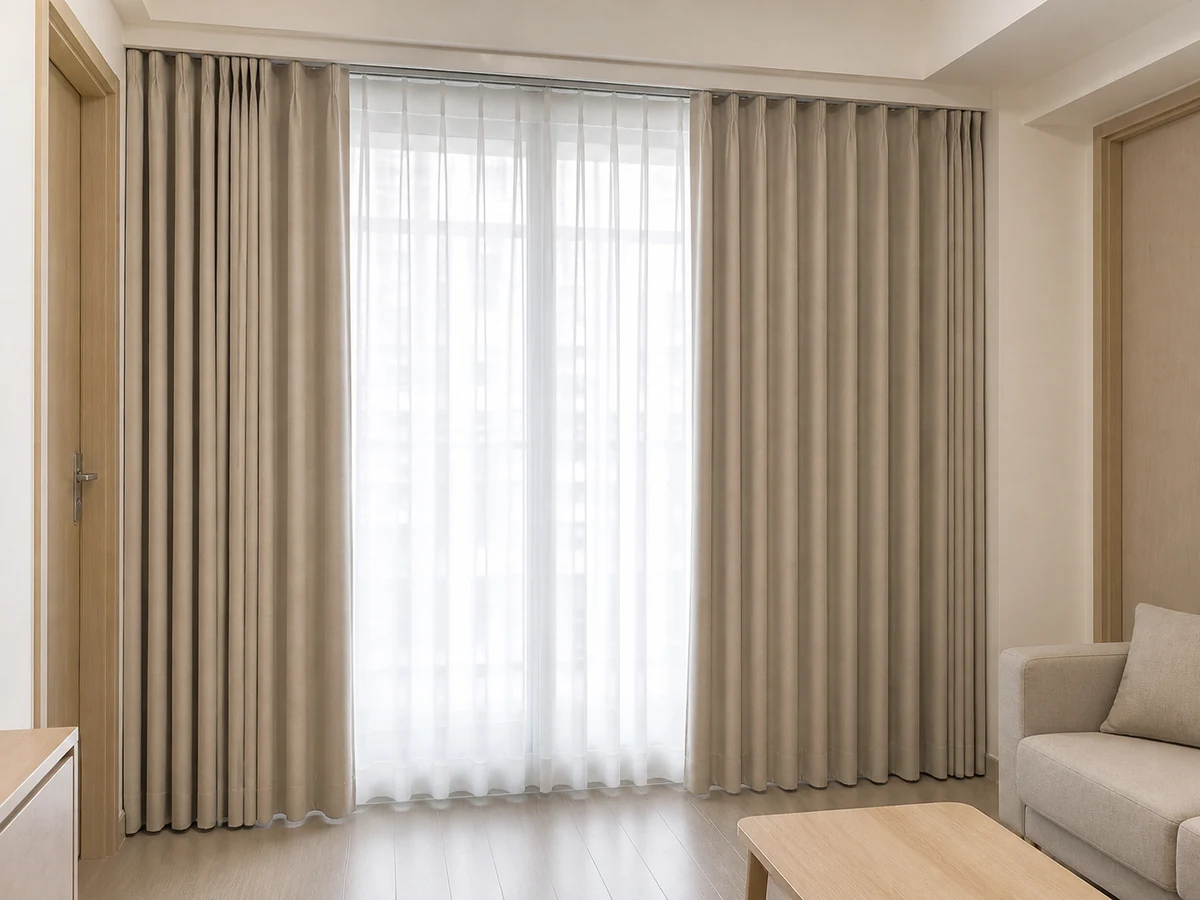
Blocking the dehumidifier with curtains or furniture
✓ Correct actionLeave the maker-required clear air path around the intact appliance.
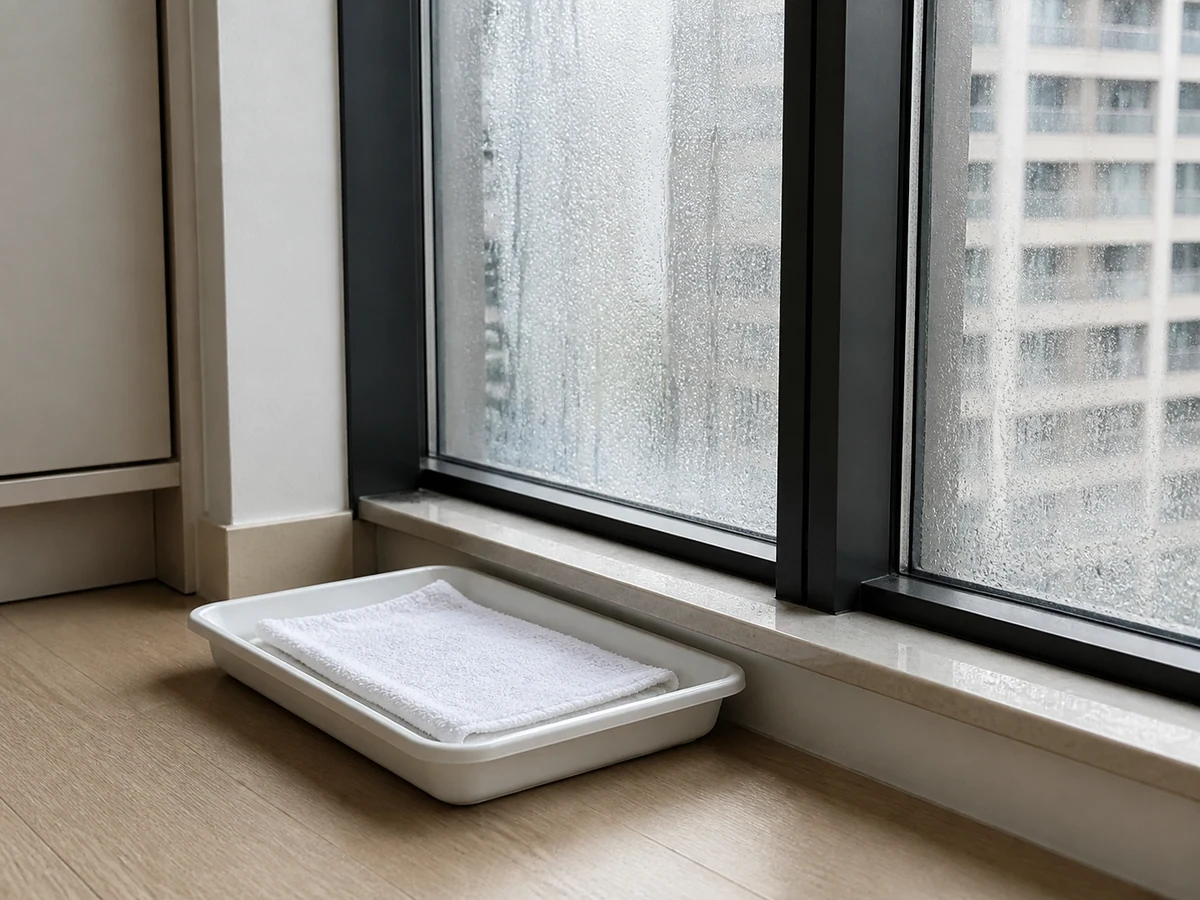
Letting condensation drip onto the floor
✓ Correct actionCatch and wipe moisture promptly, then dry the floor.
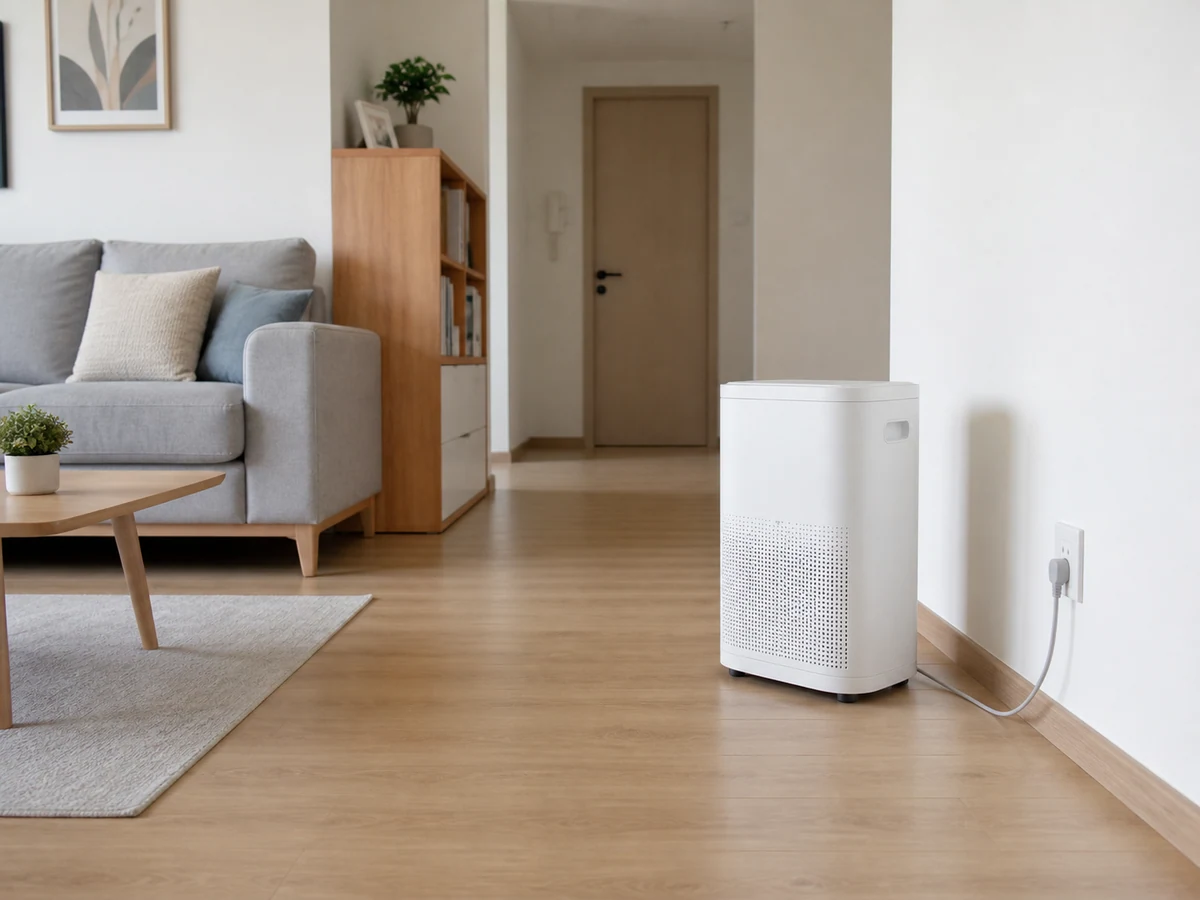
Using an appliance beside water or dripping laundry
✓ Correct actionKeep the dehumidifier and its cord on a dry floor away from bathrooms and dripping clothes.
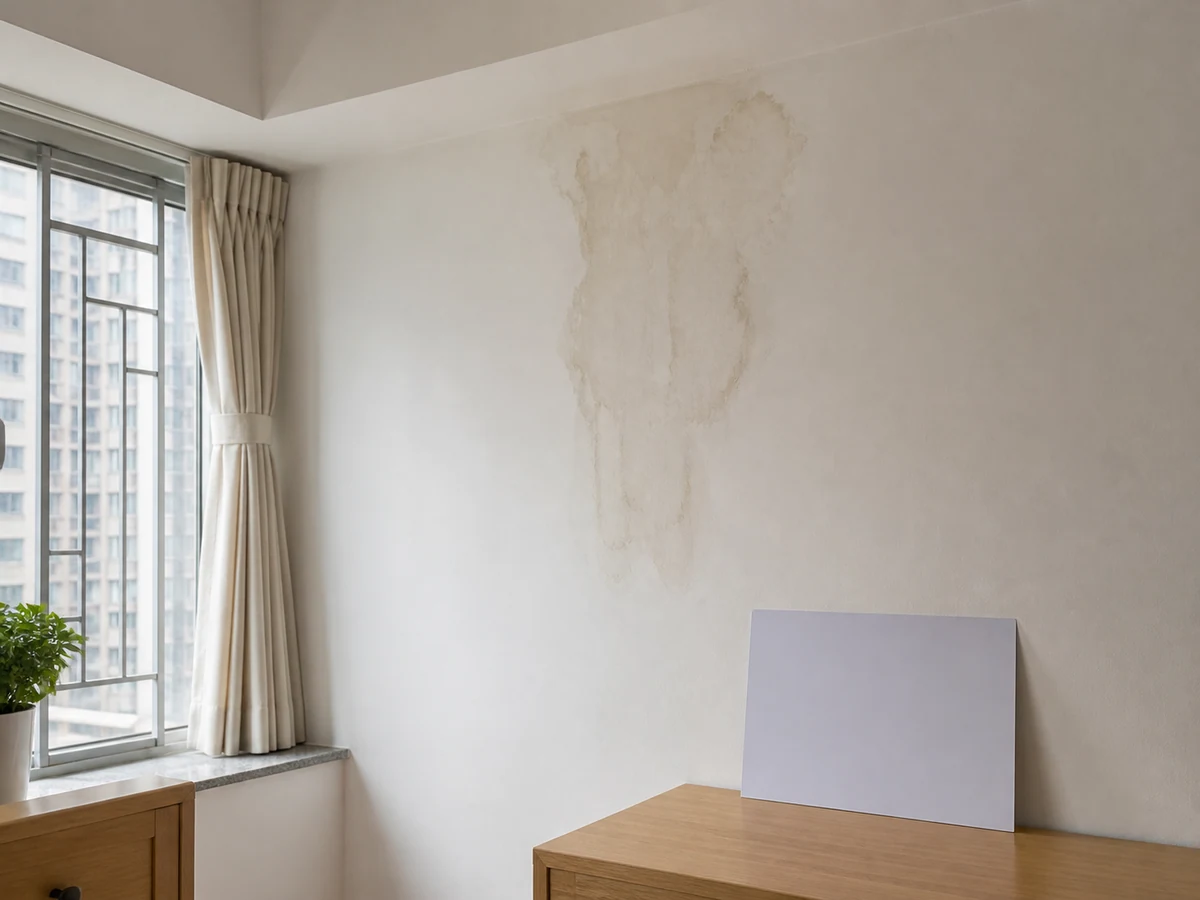
Assuming wiping alone fixes a persistent leak
✓ Correct actionStop repeated surface wiping and arrange inspection of the moisture source.
Practical tips
Tips for helpers
- Use separate dry cloth faces so collected water is not spread to another surface.
- Record where condensation returns so the employer can identify a pattern without guessing at a cause.
Tips for employers
- Provide the appliance manual and keep the approved operating area clear and dry.
- Arrange building or professional inspection for persistent leaks, damaged electrical points or widespread mould.
Completion checklist
Checked 0 / 7