
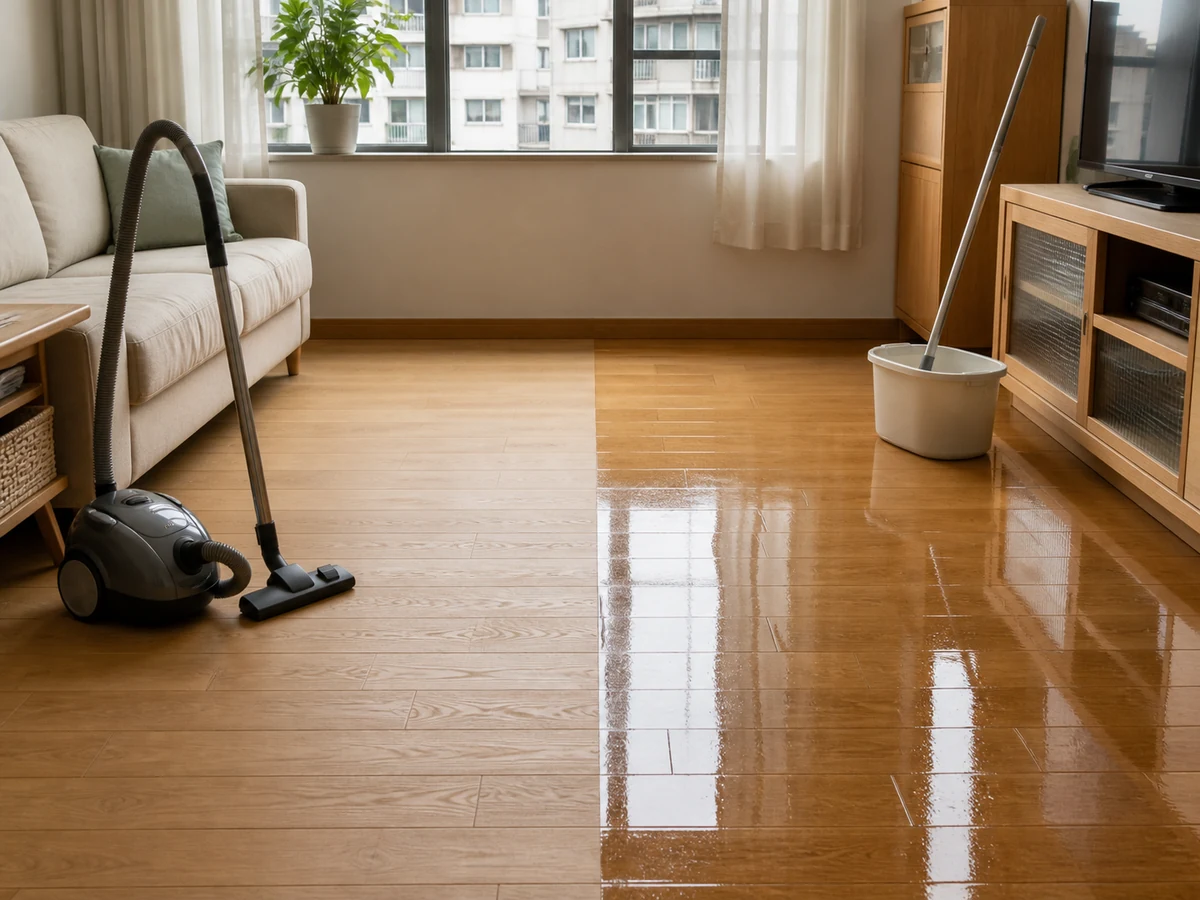
The Correct Order for Vacuuming and Mopping
Declutter and dust first, vacuum second, then mop for the floor type
Combine floors, bathroom slip-risk reduction, common surfaces, rubbish, cleaning tools and the entryway into an adaptable daily and weekly routine.
51 results
Declutter and dust first, vacuum second, then mop for the floor type
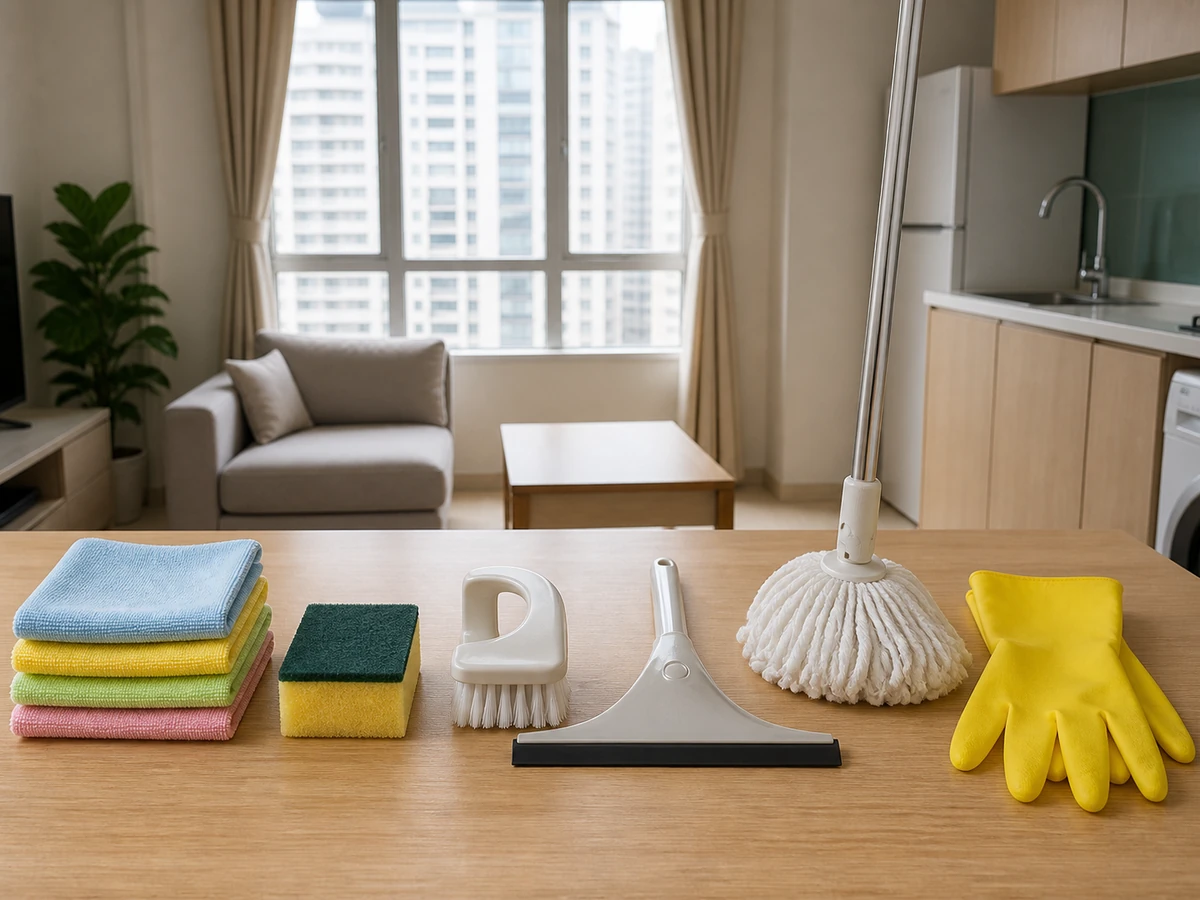
Five steps to identify, match, separate and maintain tools
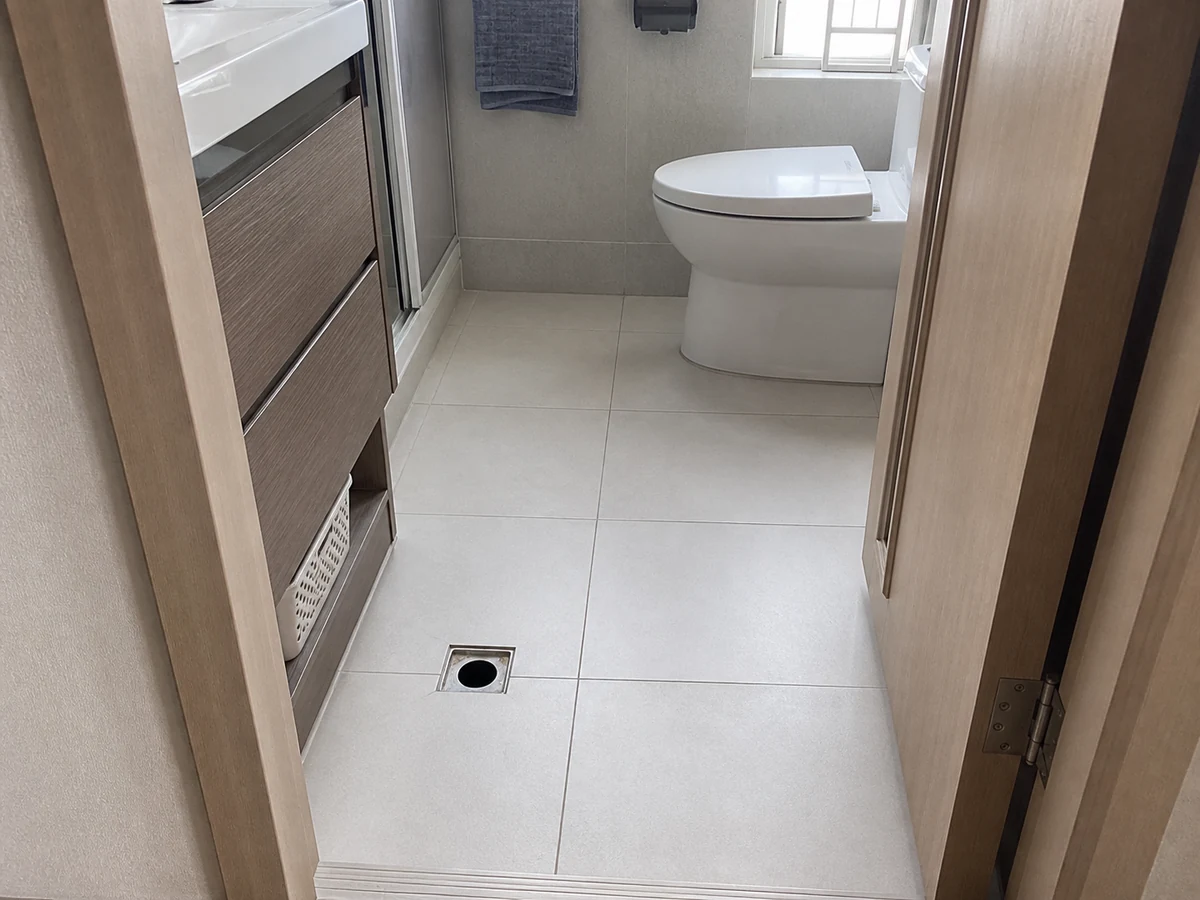
Close the route, remove water and residue, then reopen only when fully dry
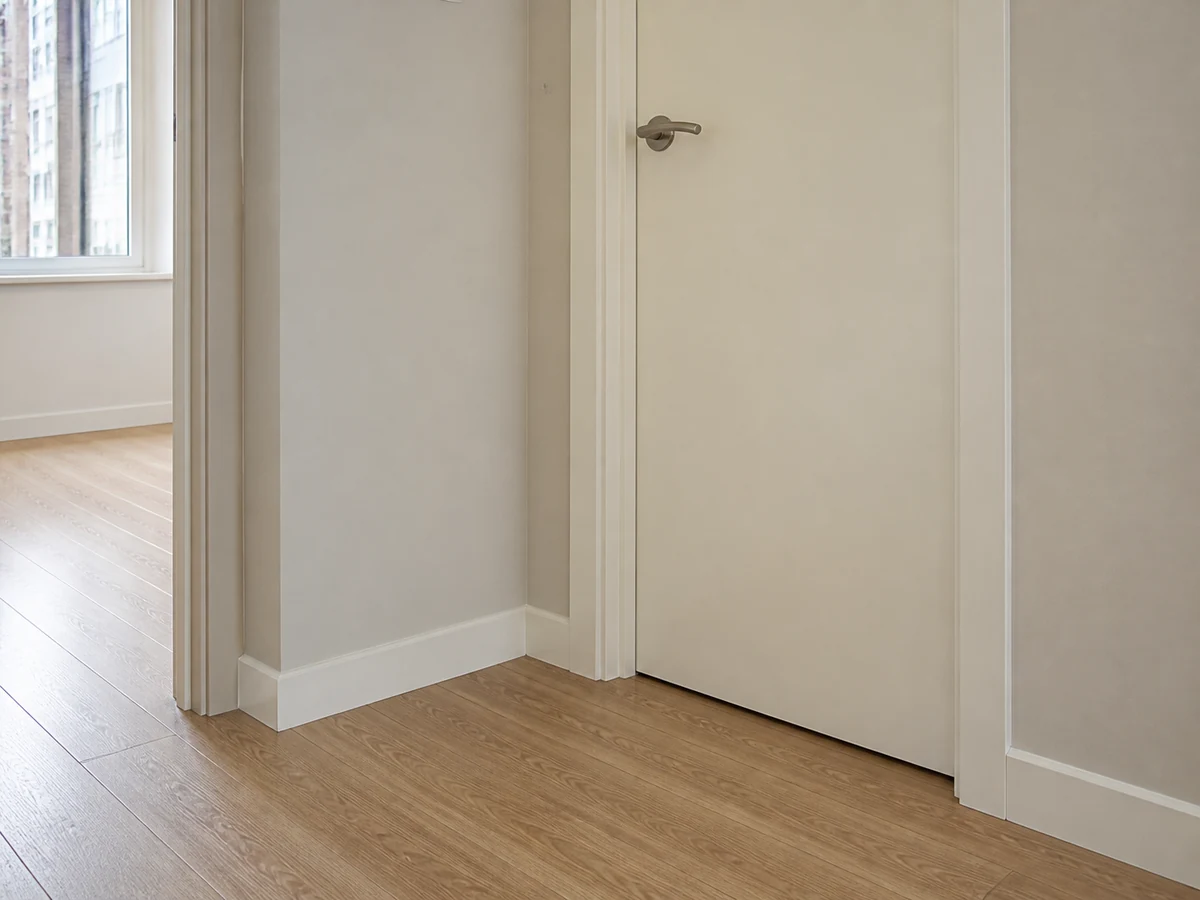
Identify paint, wood, laminate or metal first, then use minimal moisture and non-abrasive care
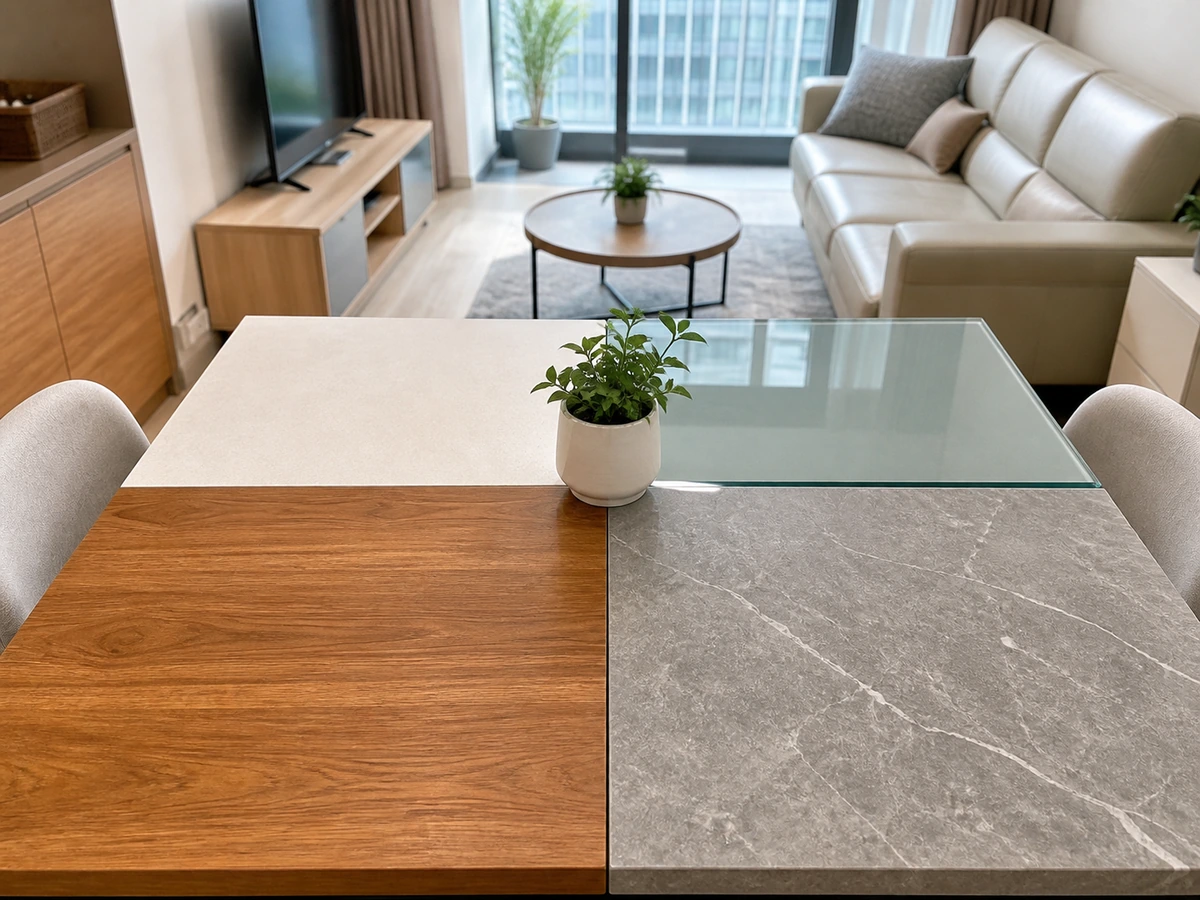
Treat laminate, glass, wood, and stone as separate materials
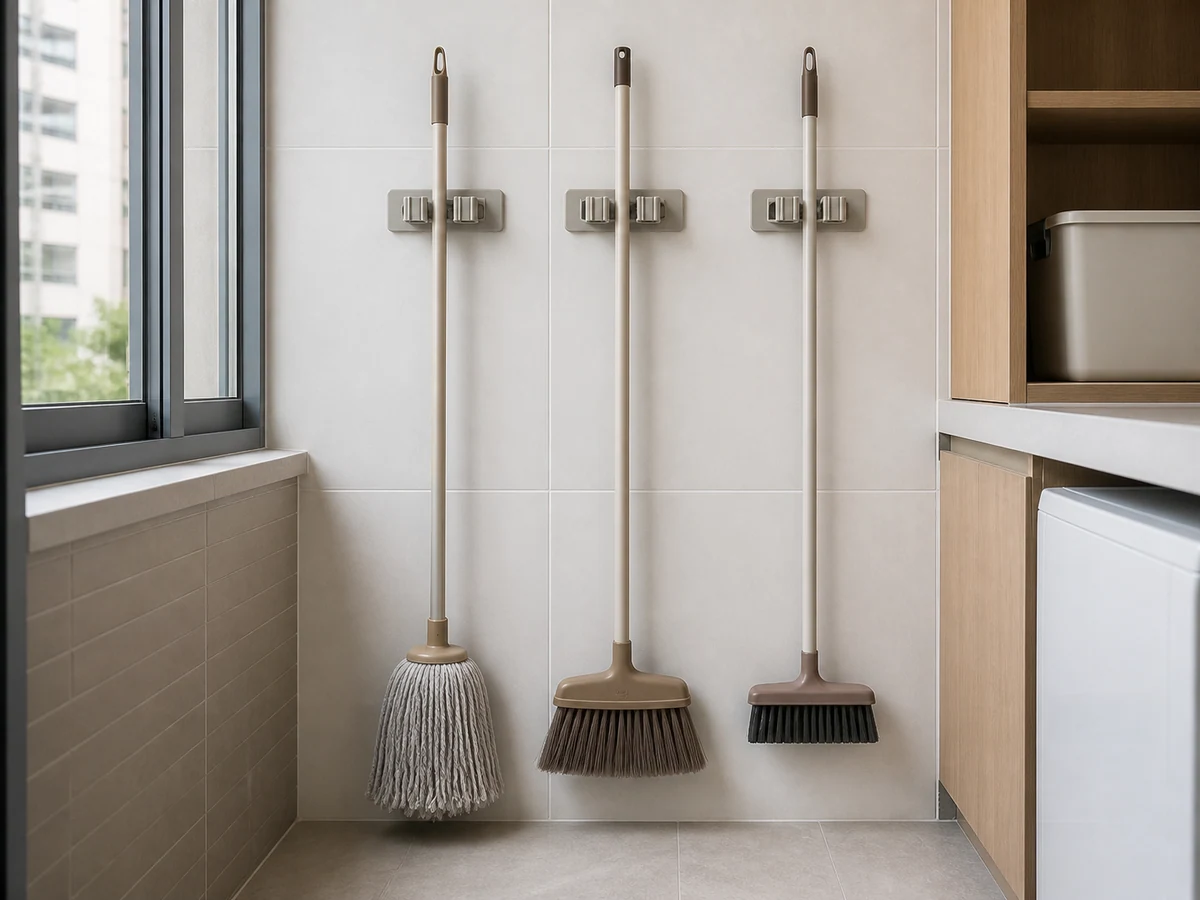
Separate by use, remove dry debris, wash compatible parts and air-dry
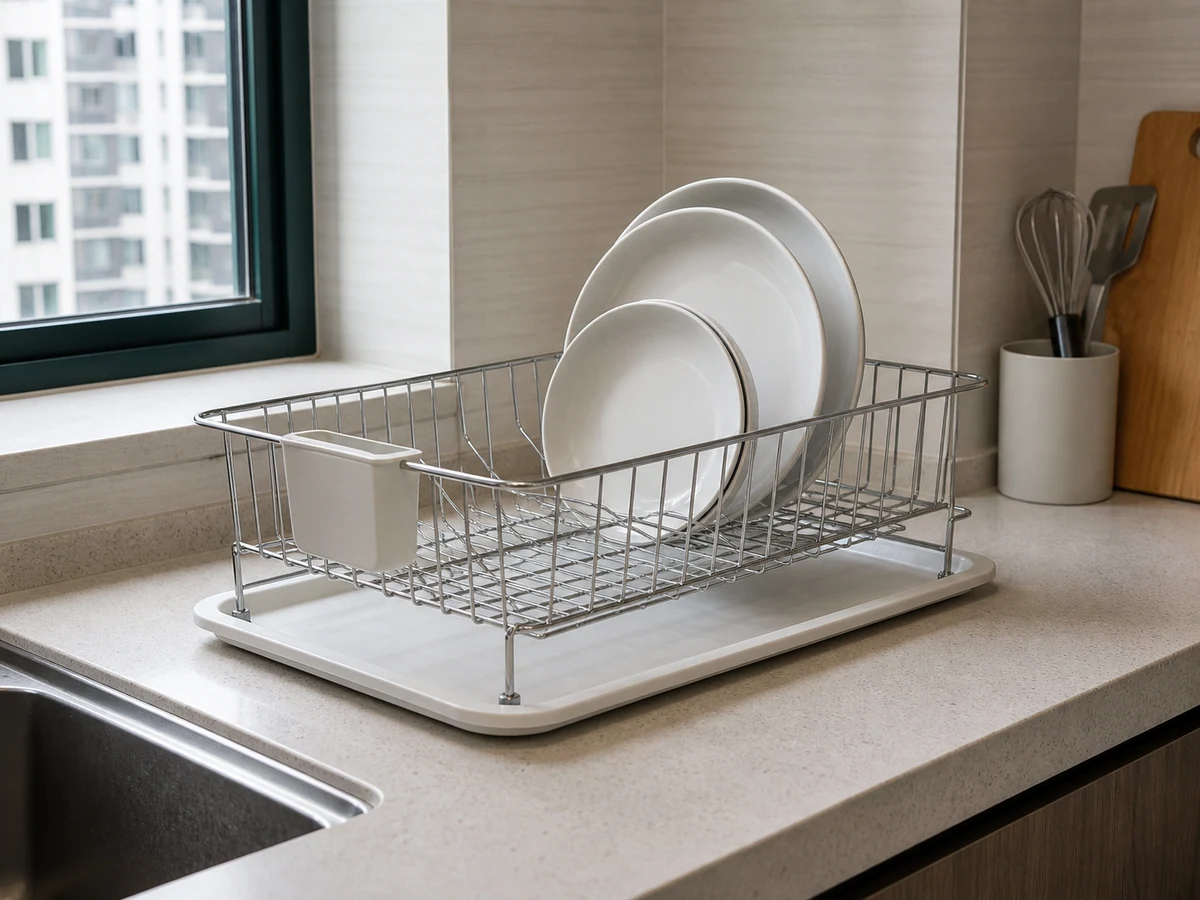
Remove detachable parts, empty standing water, wash and air-dry fully
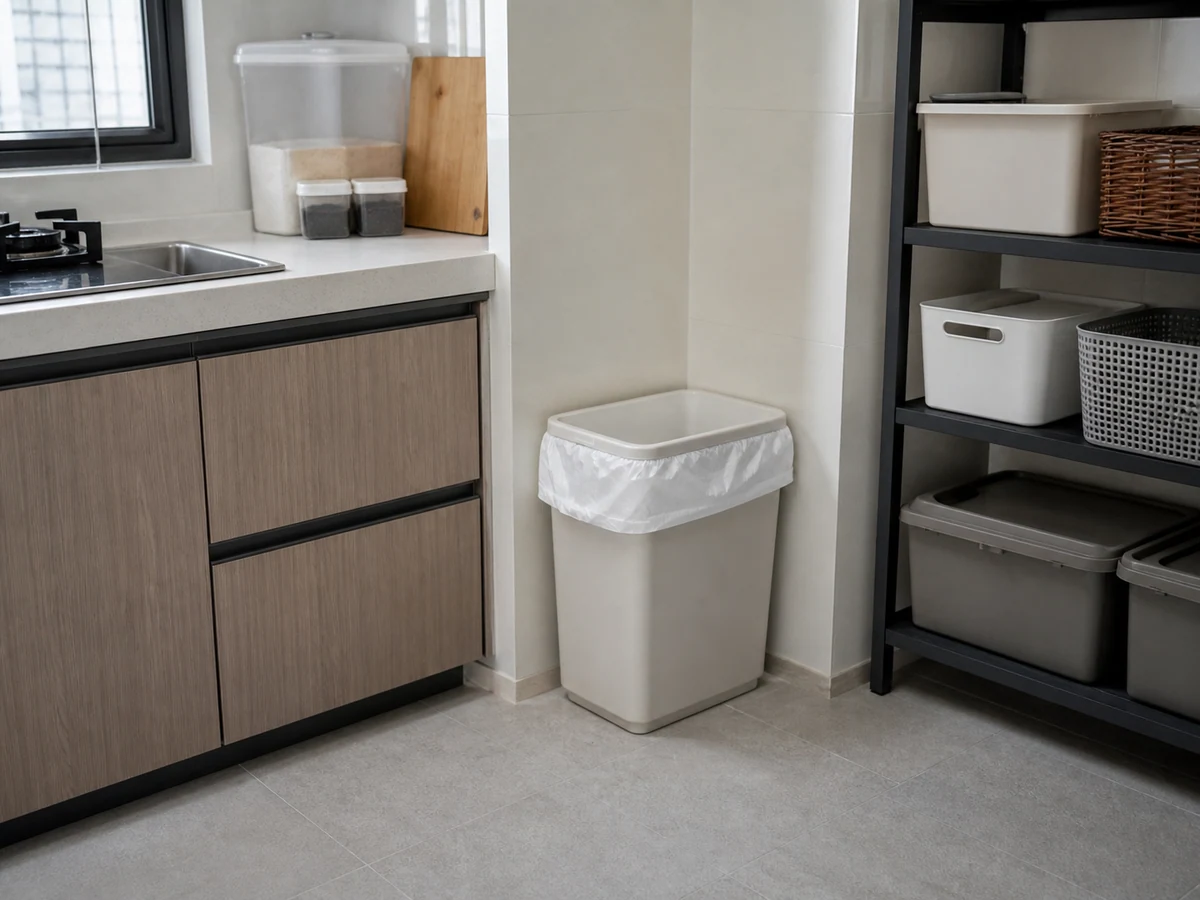
Remove waste safely, clean in a separate zone, dry fully and wash hands
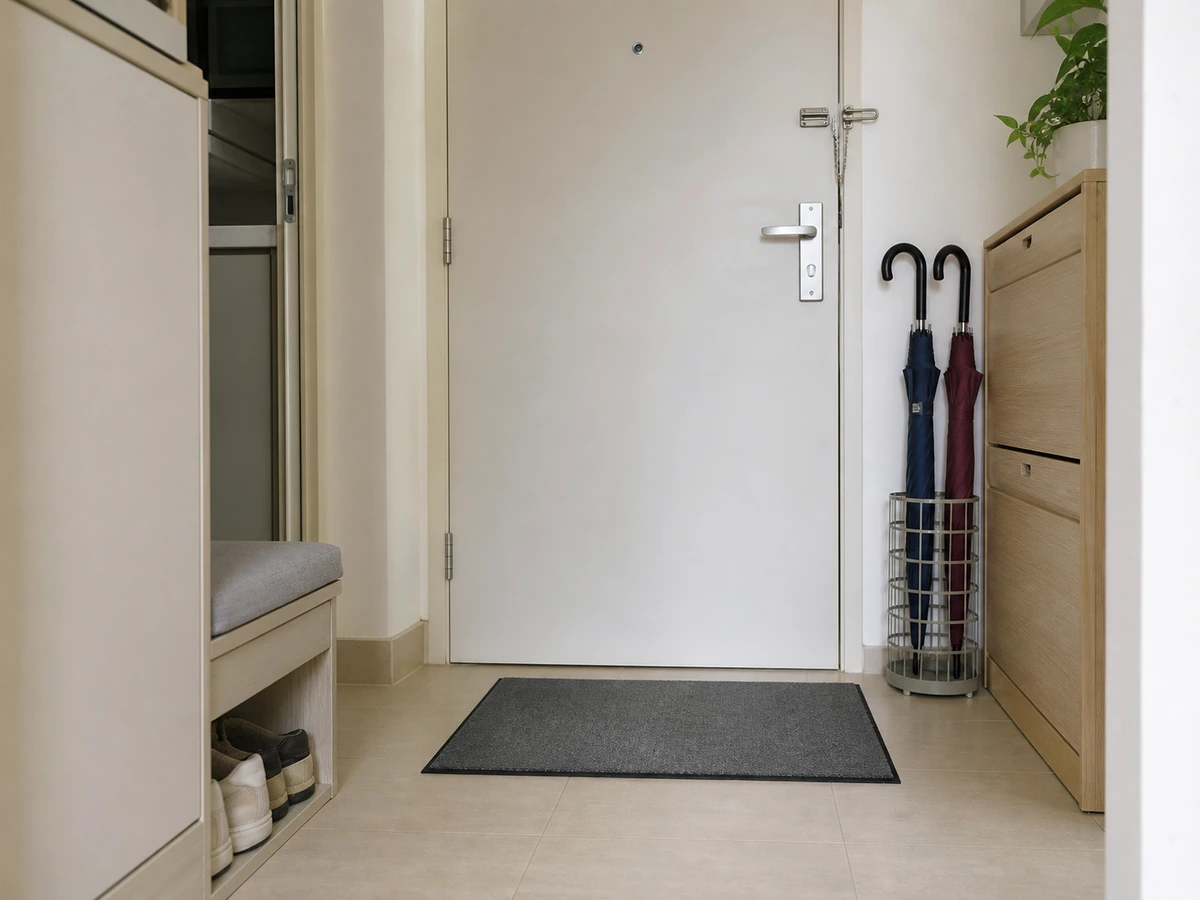
Keep the route dry and clear, then clean each door and floor material correctly
Build an adaptable plan from daily, weekly and as-needed priorities
A practical sequence from “Read the care label” to “Rinse and reshape”
A practical sequence from “Power off and disconnect” to “Wipe, dry and reconnect”
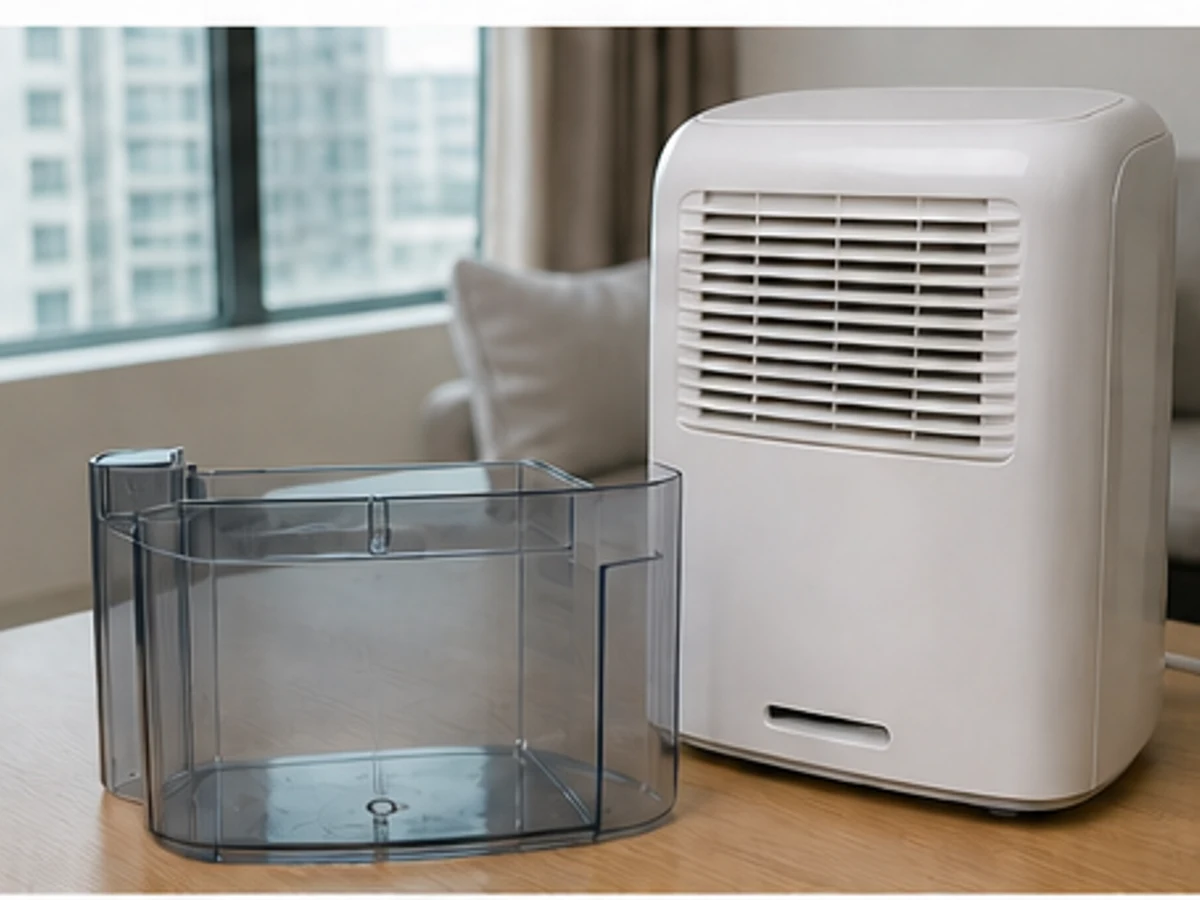
A practical sequence from “Switch off, unplug and remove the tank” to “Dry fully and refit correctly”
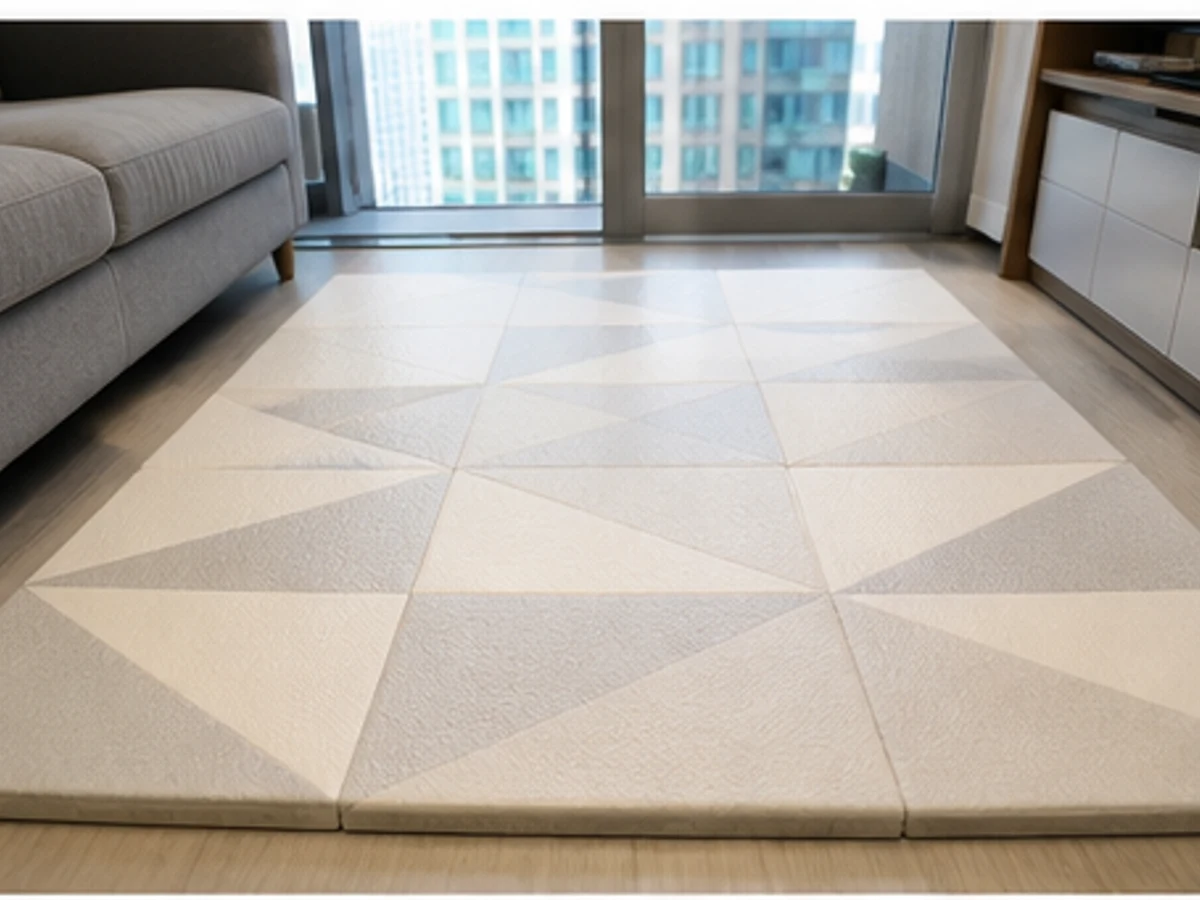
A practical sequence from “Read the material label and clear the area” to “Remove residue and block use until dry”
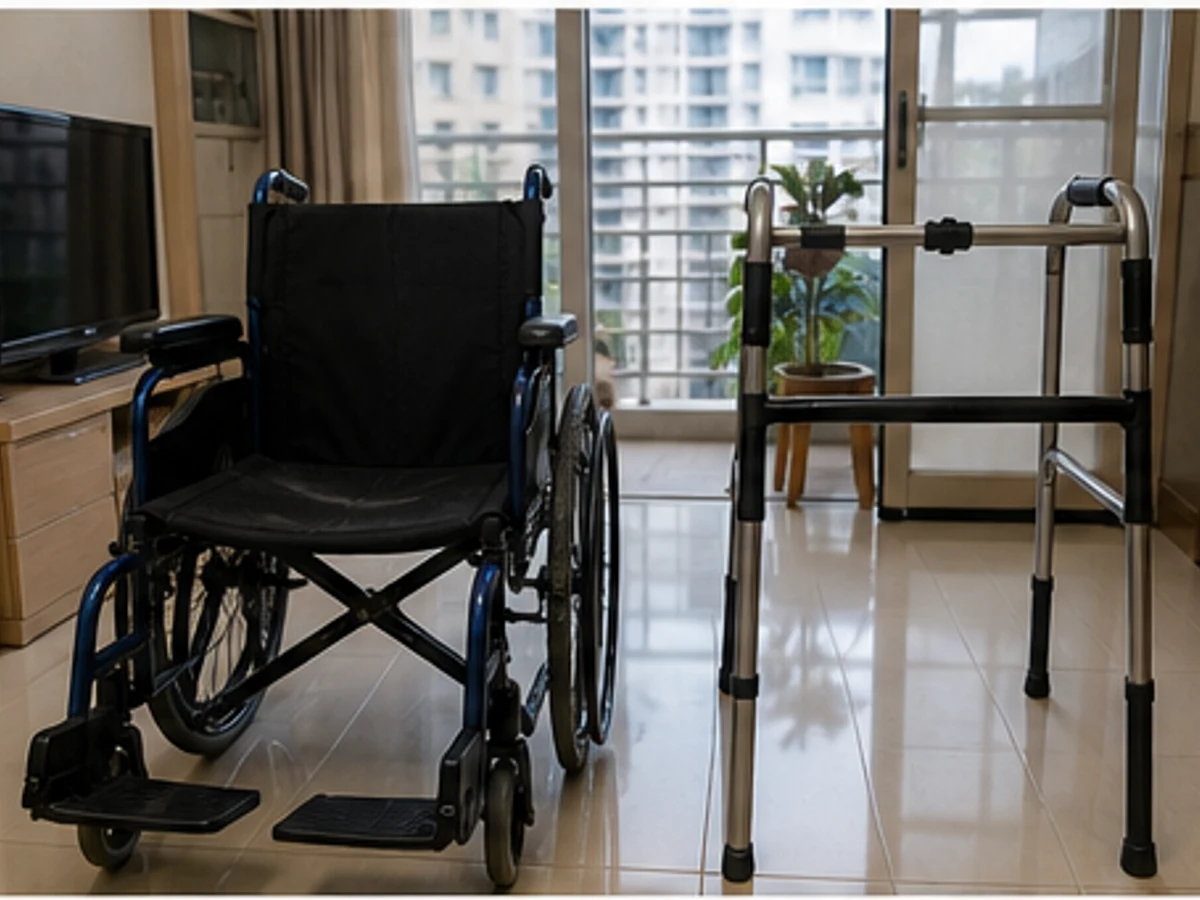
A practical sequence from “Ask permission and apply brakes” to “Clean wheel surfaces, not bearings”
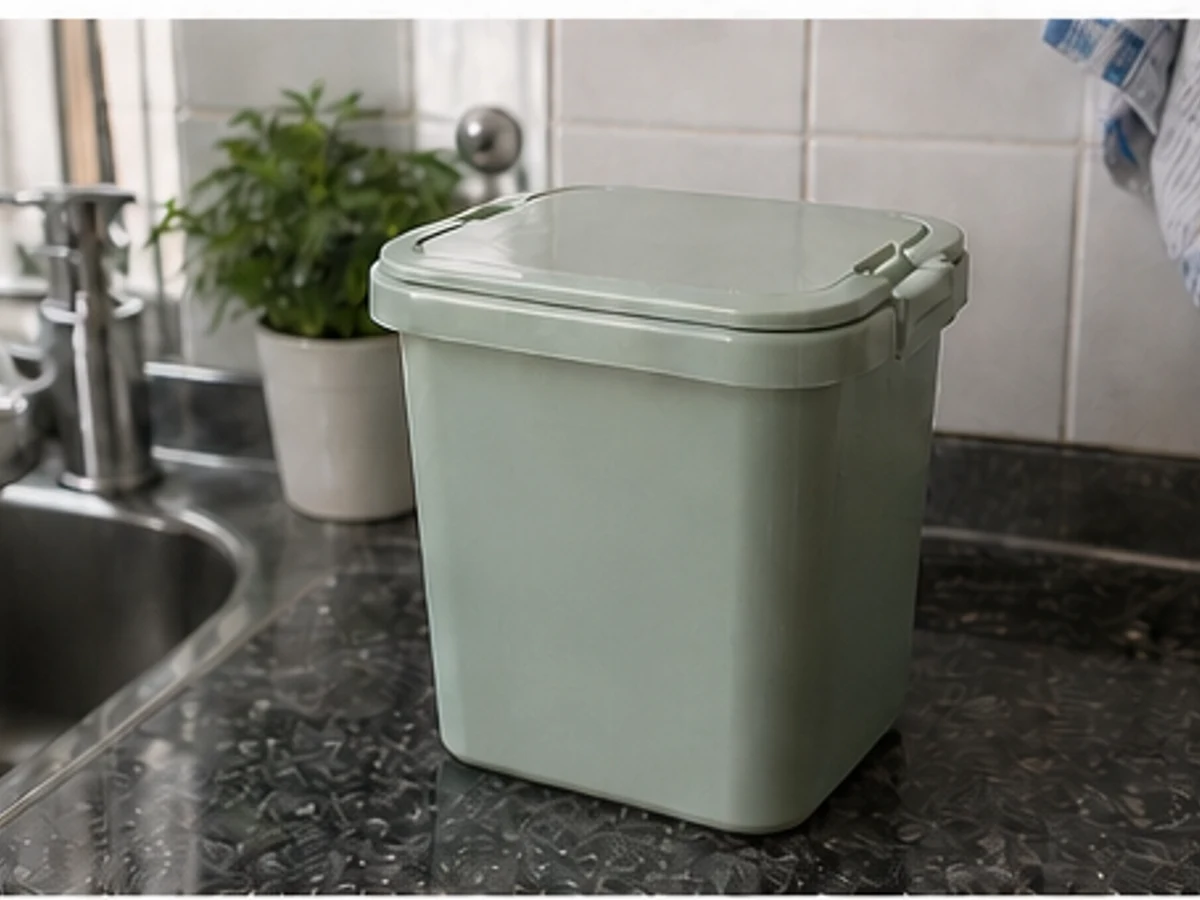
A practical sequence from “Empty and sort correctly” to “Remove residue”
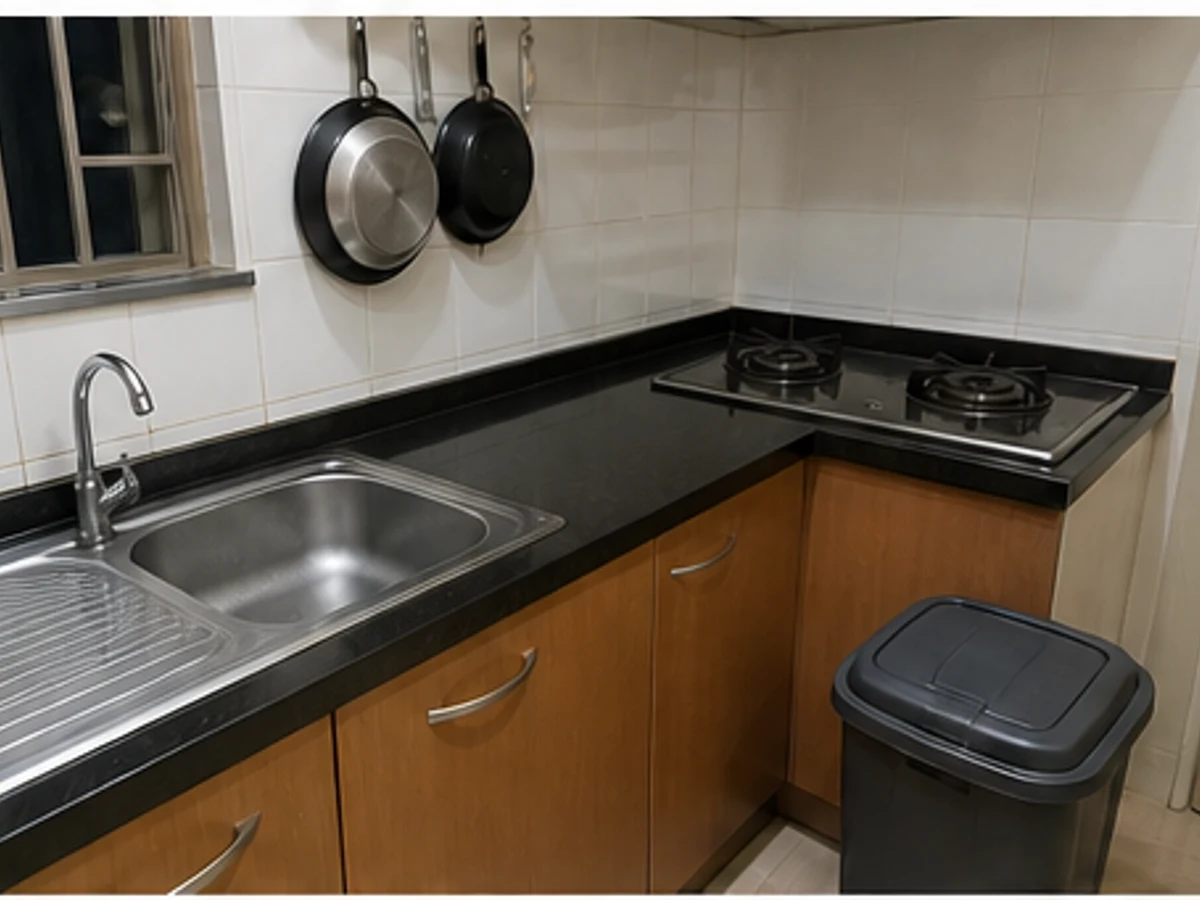
A practical sequence from “Remove food debris and standing water” to “Handle rubbish and cardboard daily”
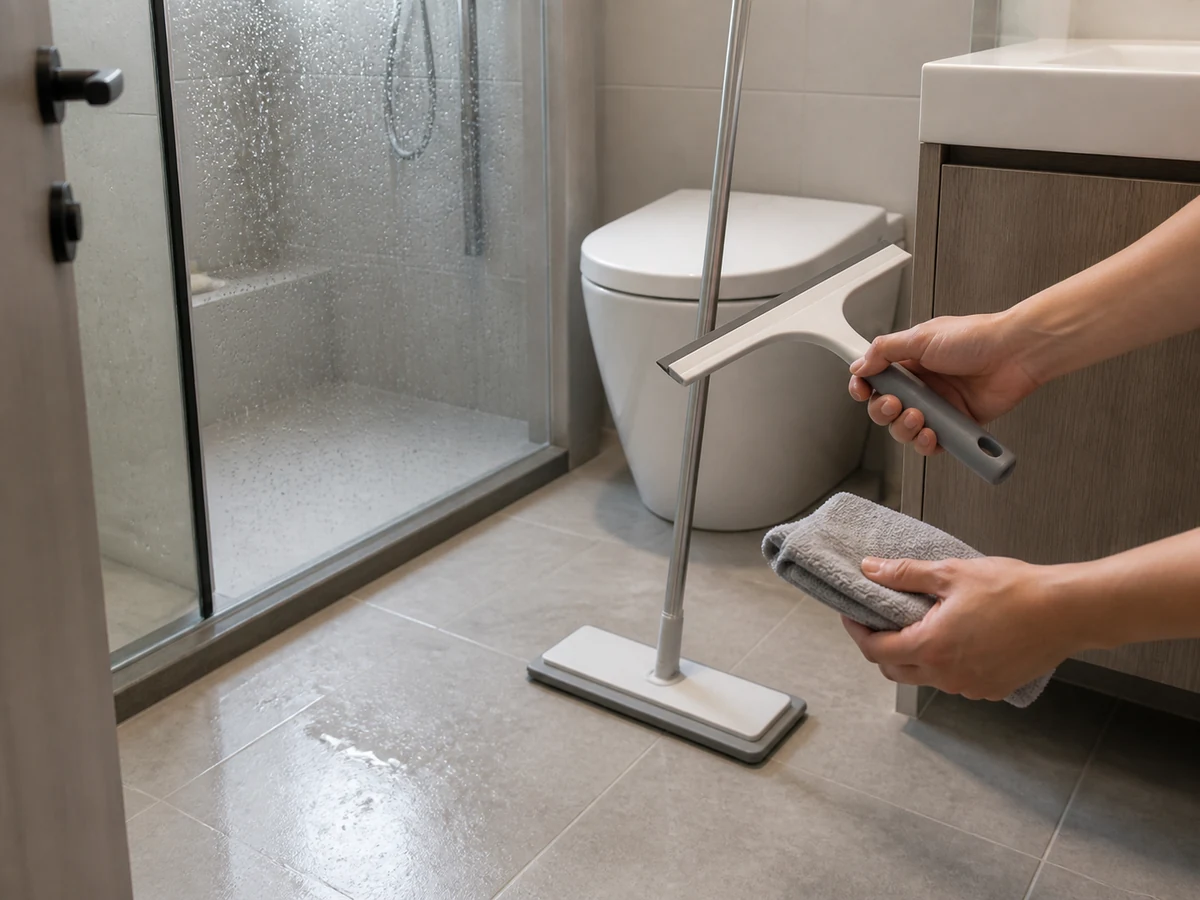
A practical sequence from “Warn about the wet area” to “Check and ventilate”
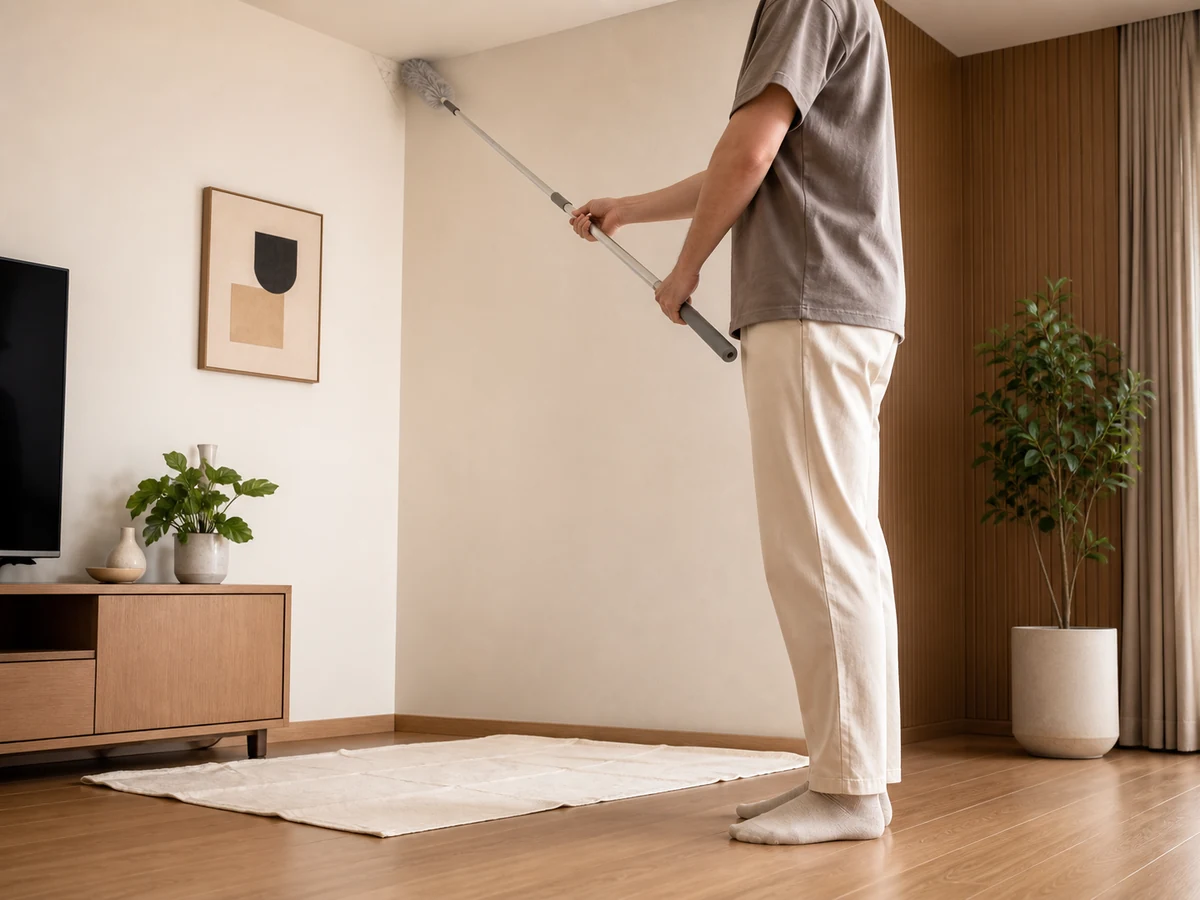
A practical sequence from “Clear below” to “Collect fallen dust”
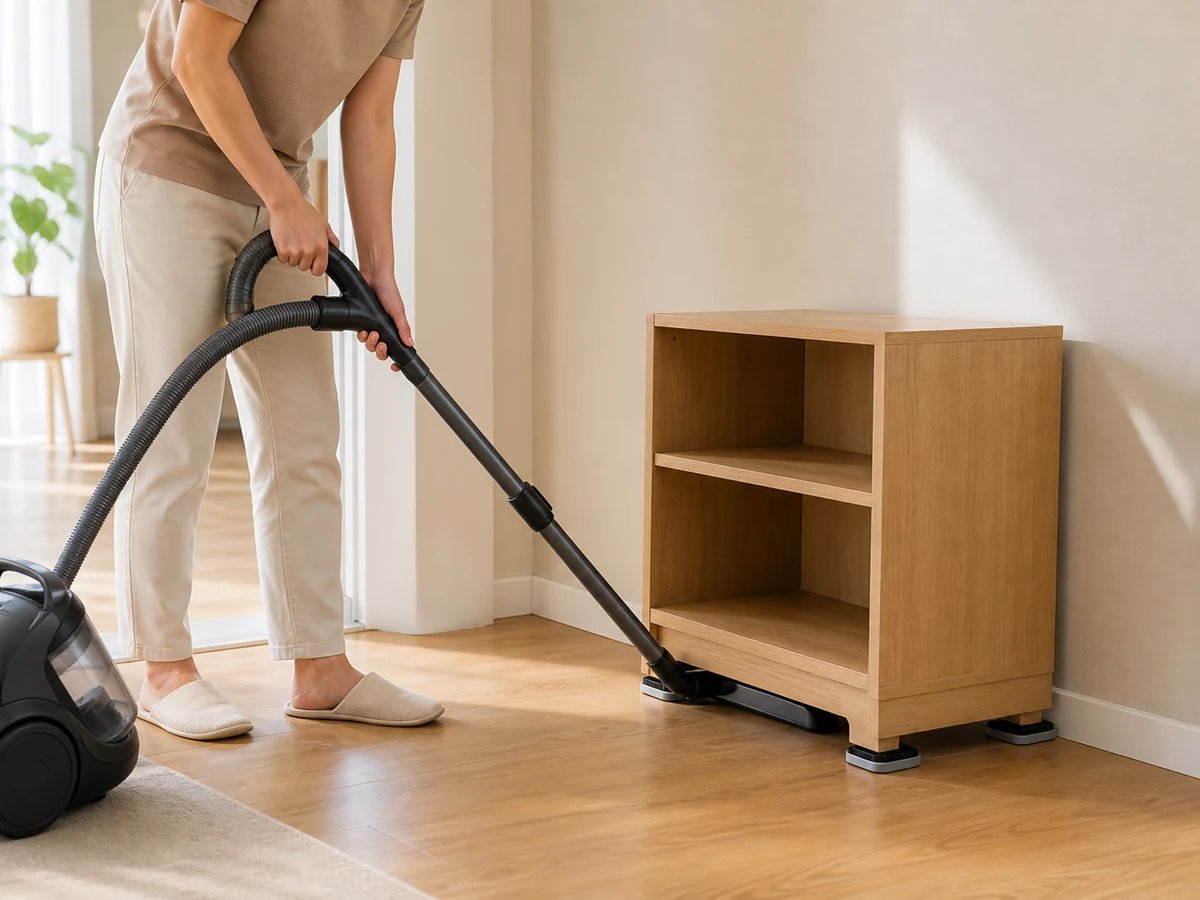
A practical sequence from “Assess first” to “Clean and restore”
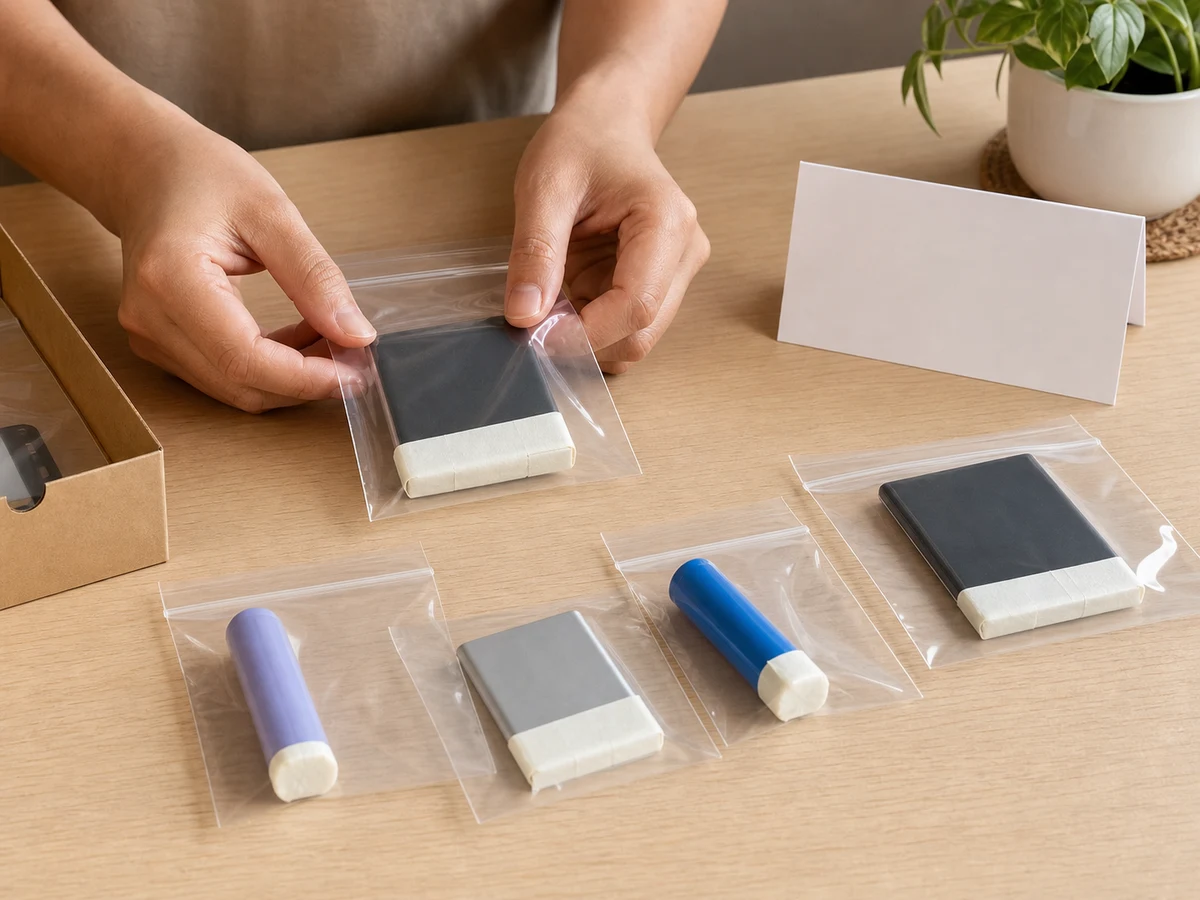
A practical sequence from “Confirm battery and point” to “Take to the named point”
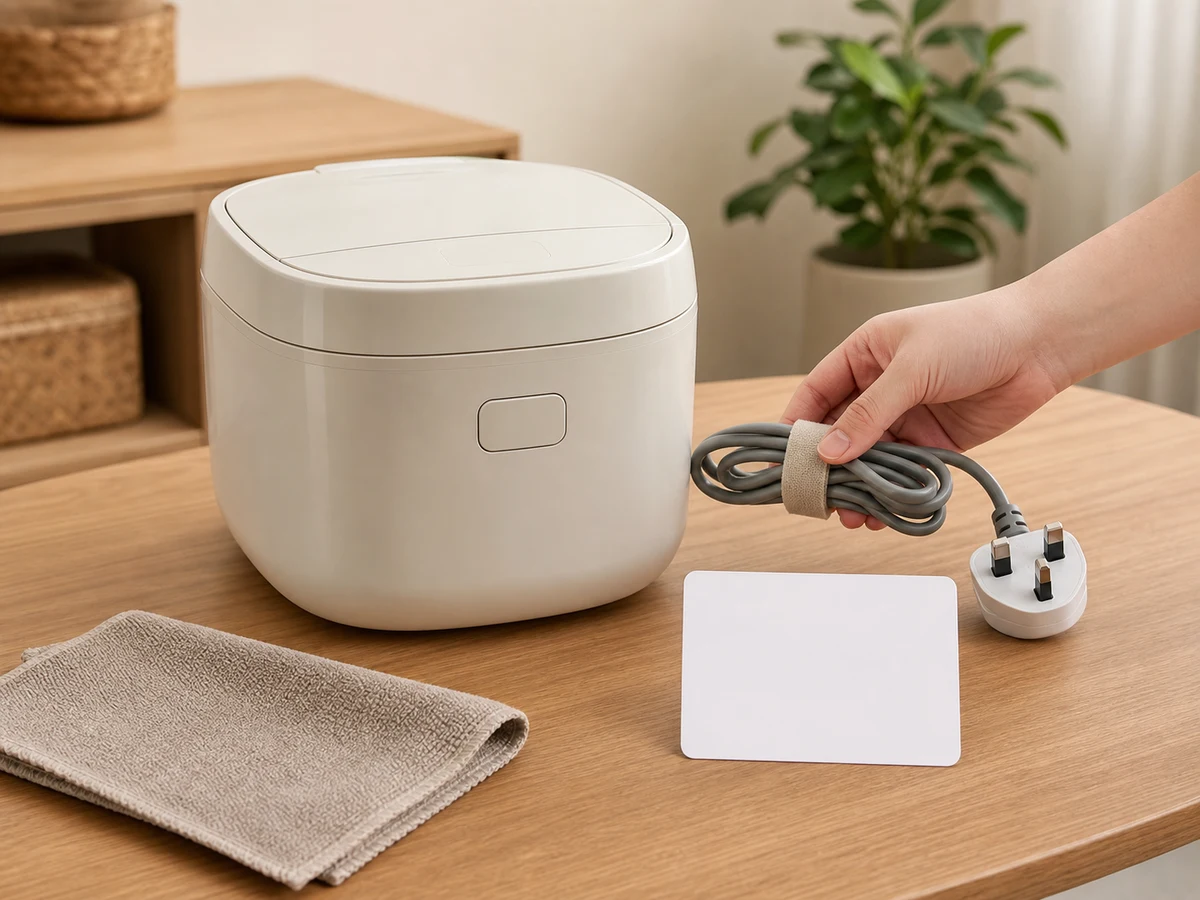
A practical sequence from “Confirm the accepted category” to “Wipe and secure”
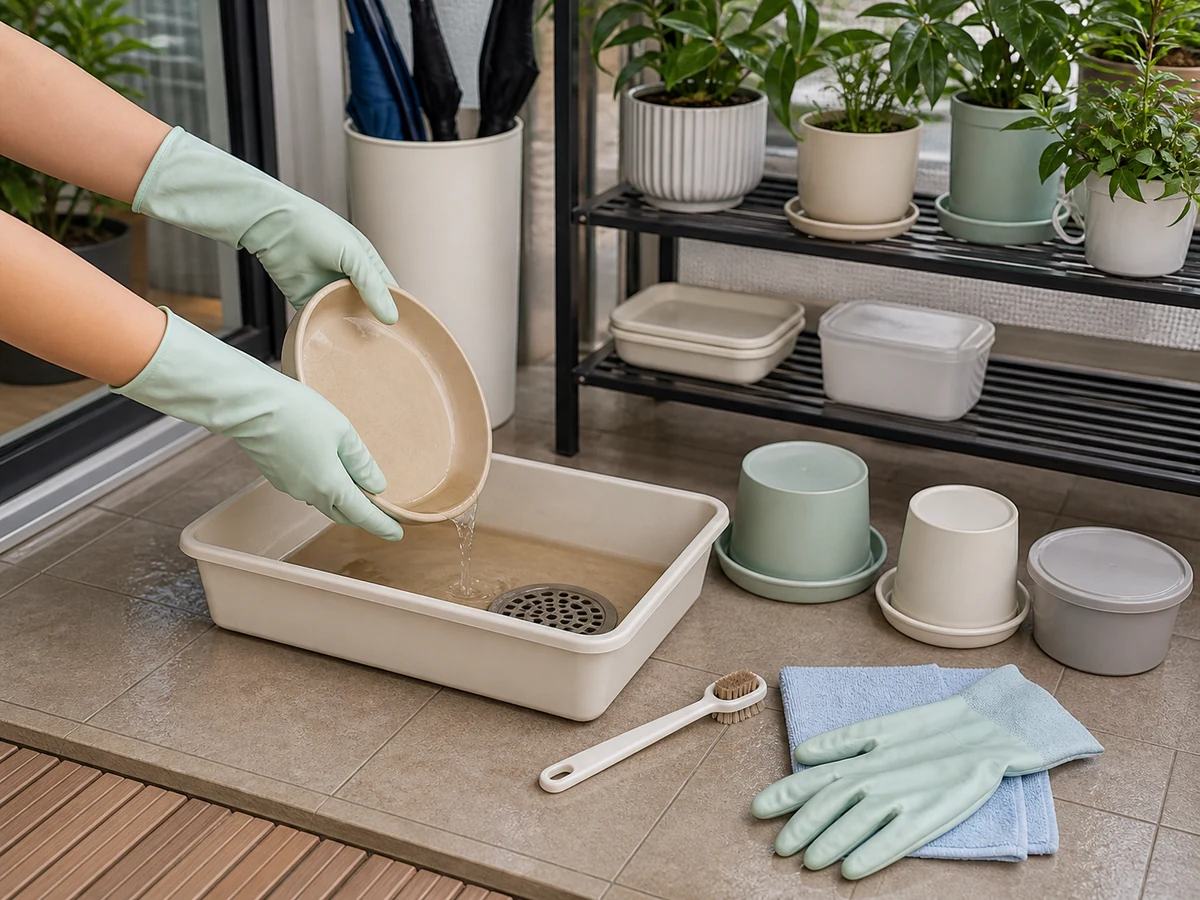
A practical sequence from “Follow a check route” to “Record and report”
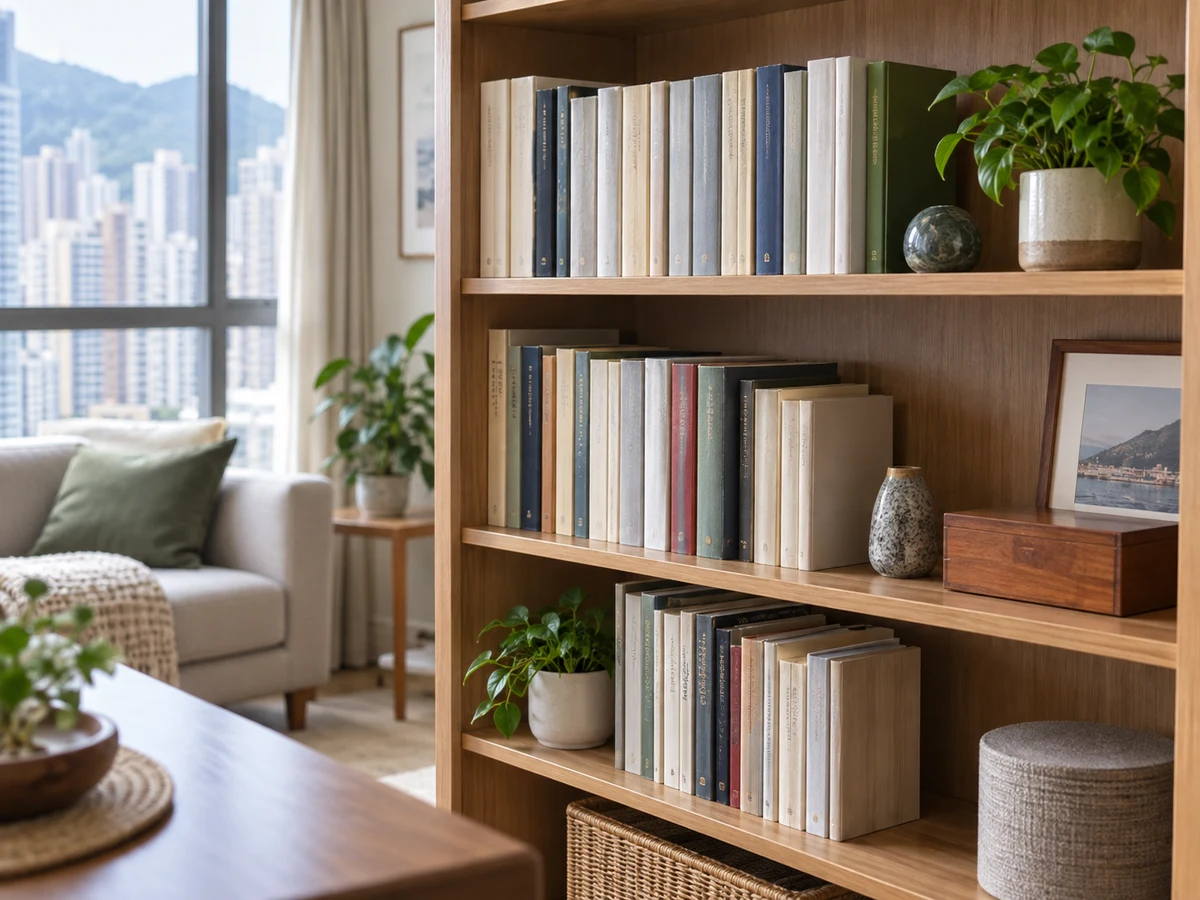
Use dry dusting to protect spines, page edges and shelving.
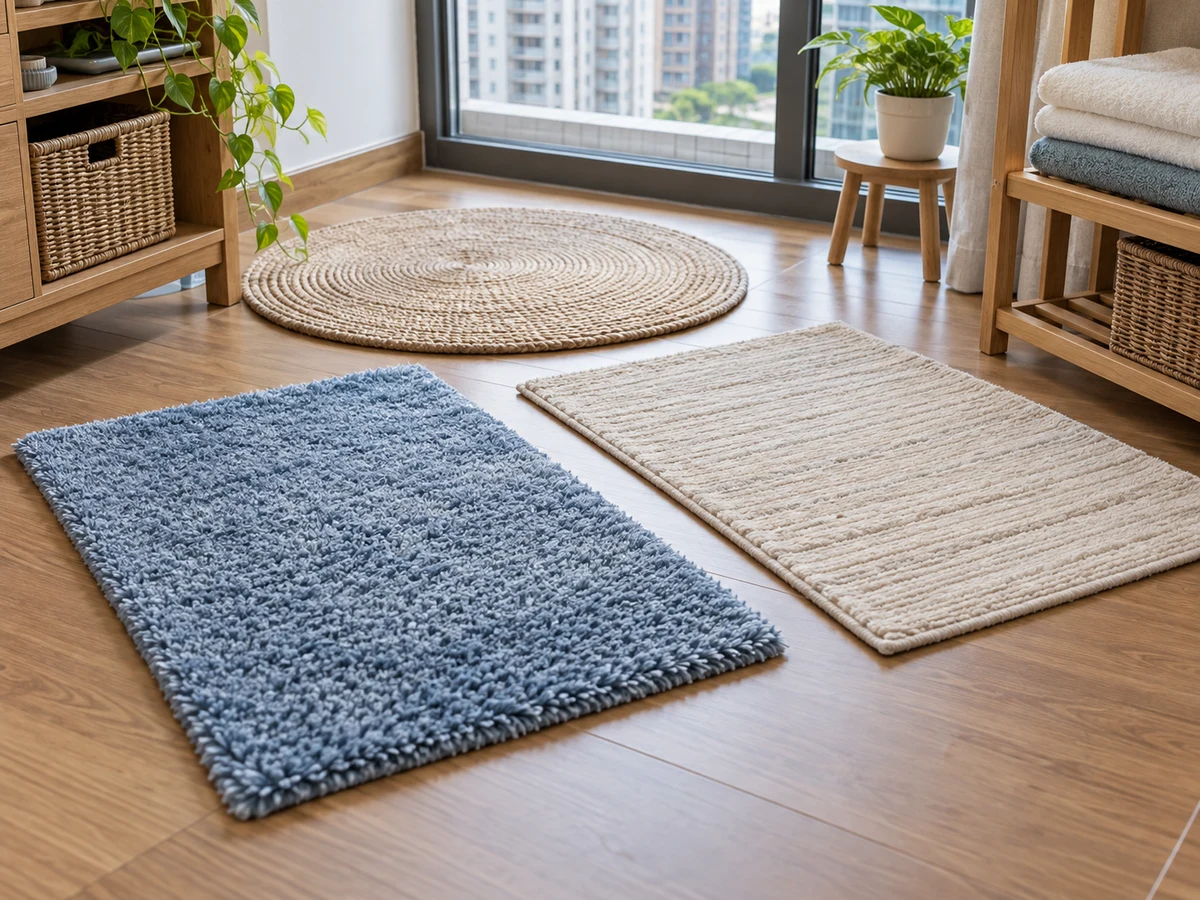
Check both rug backing and washing-machine capacity.
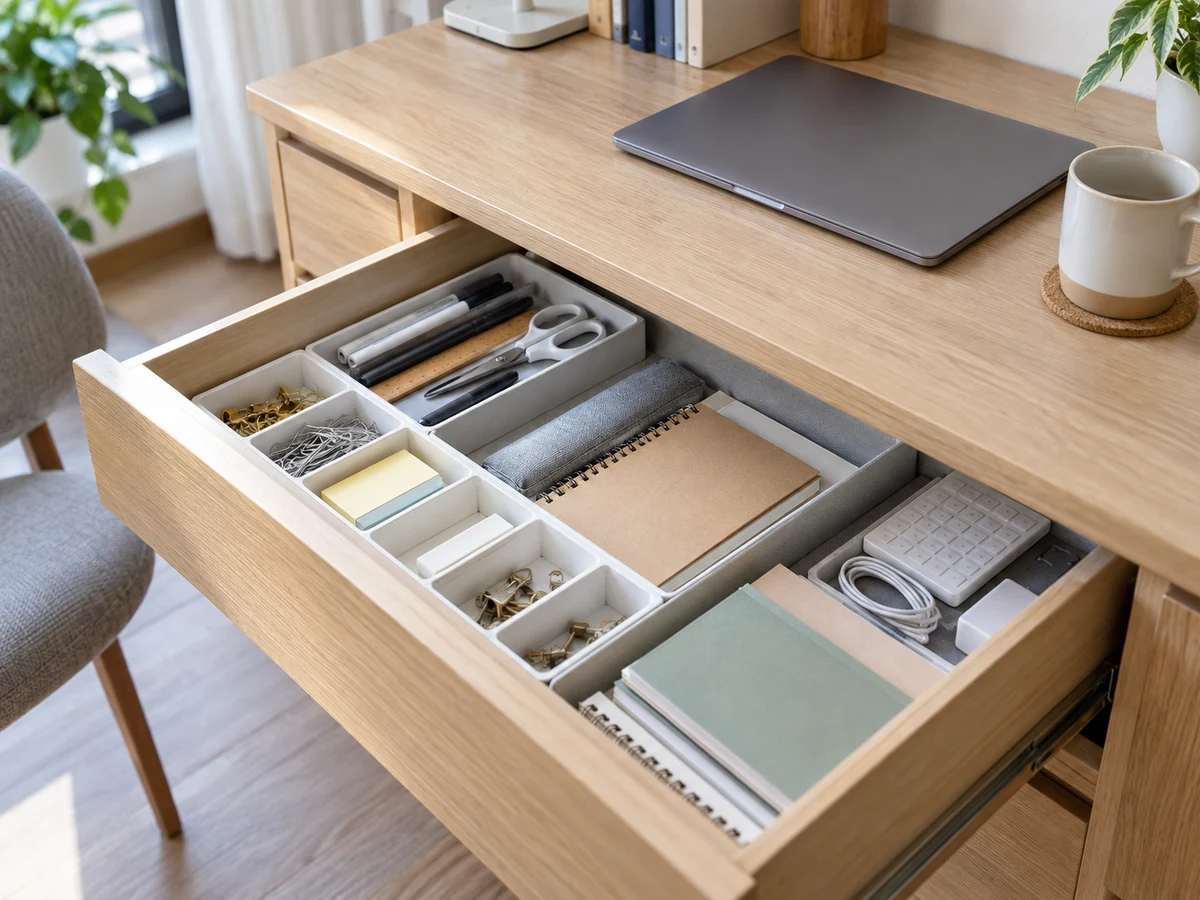
Keep private-item decisions with the owner and work one drawer at a time.
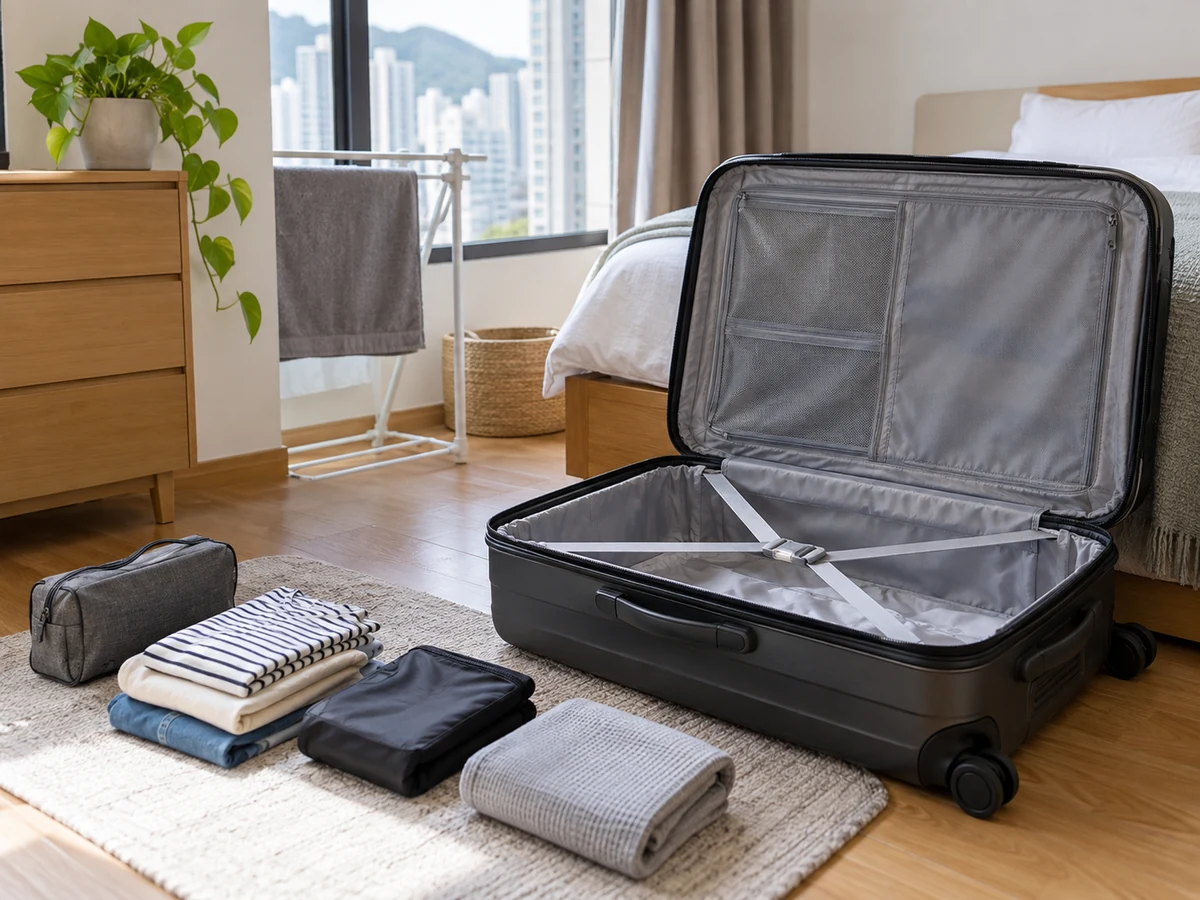
Keep travel soil outside and dry cases fully before nesting.
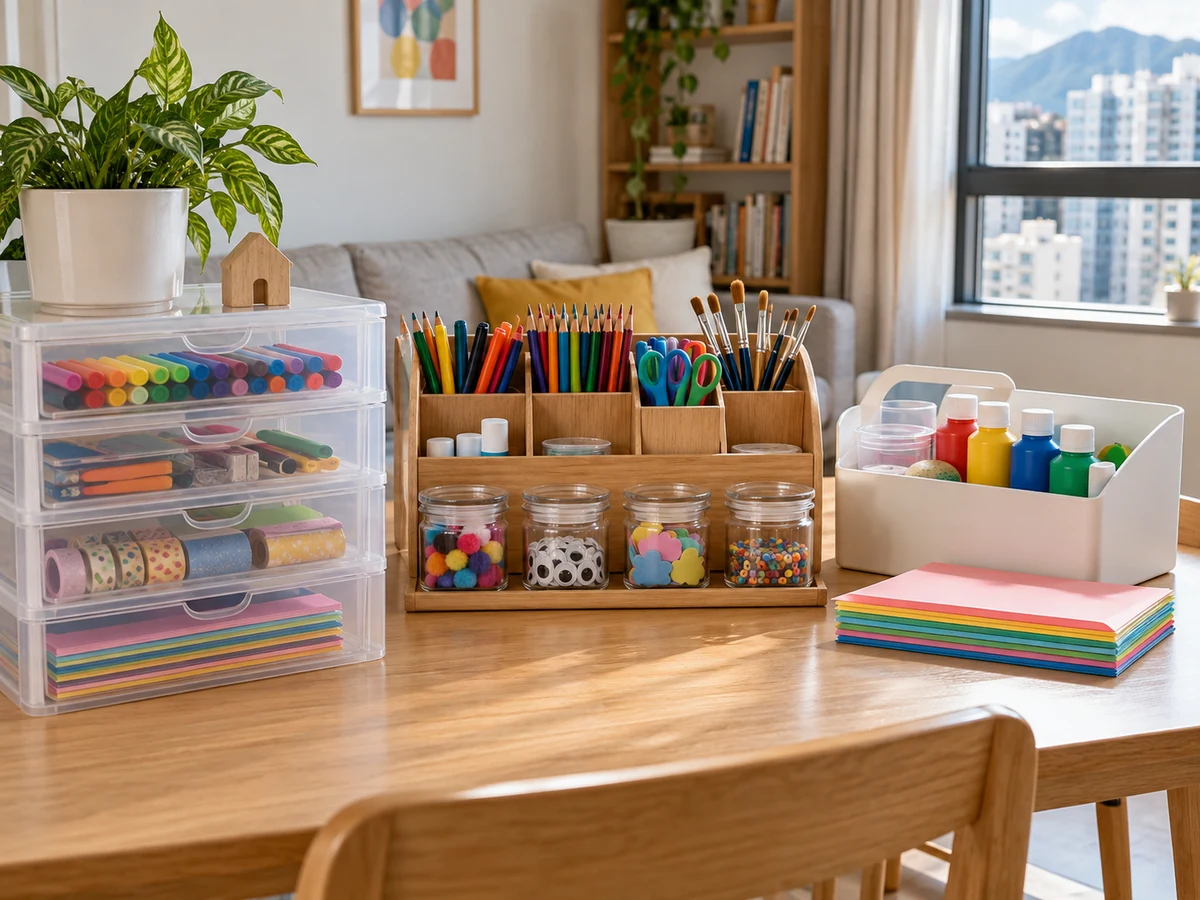
Retain product labels, clean washable materials and secure small pieces.
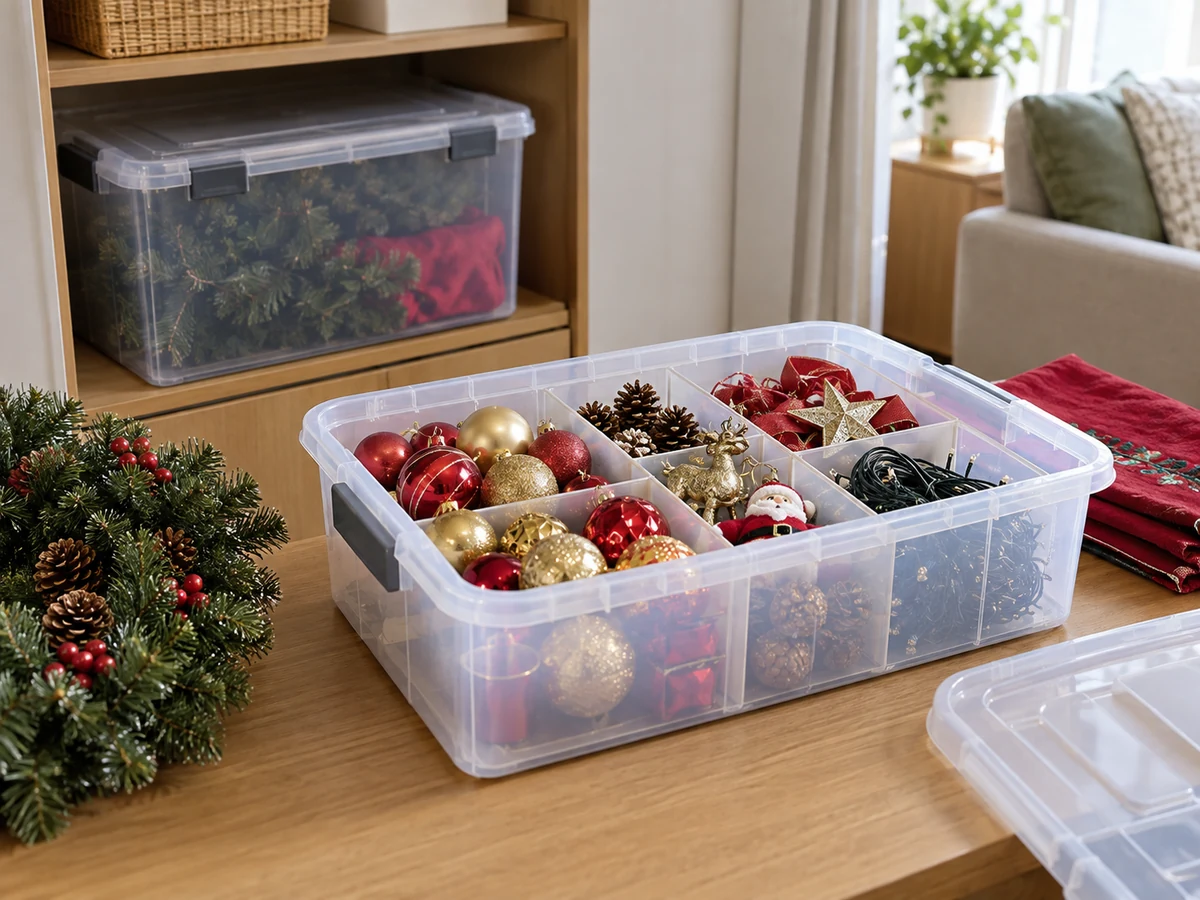
Separate fragile, water-sensitive and electrical seasonal items.
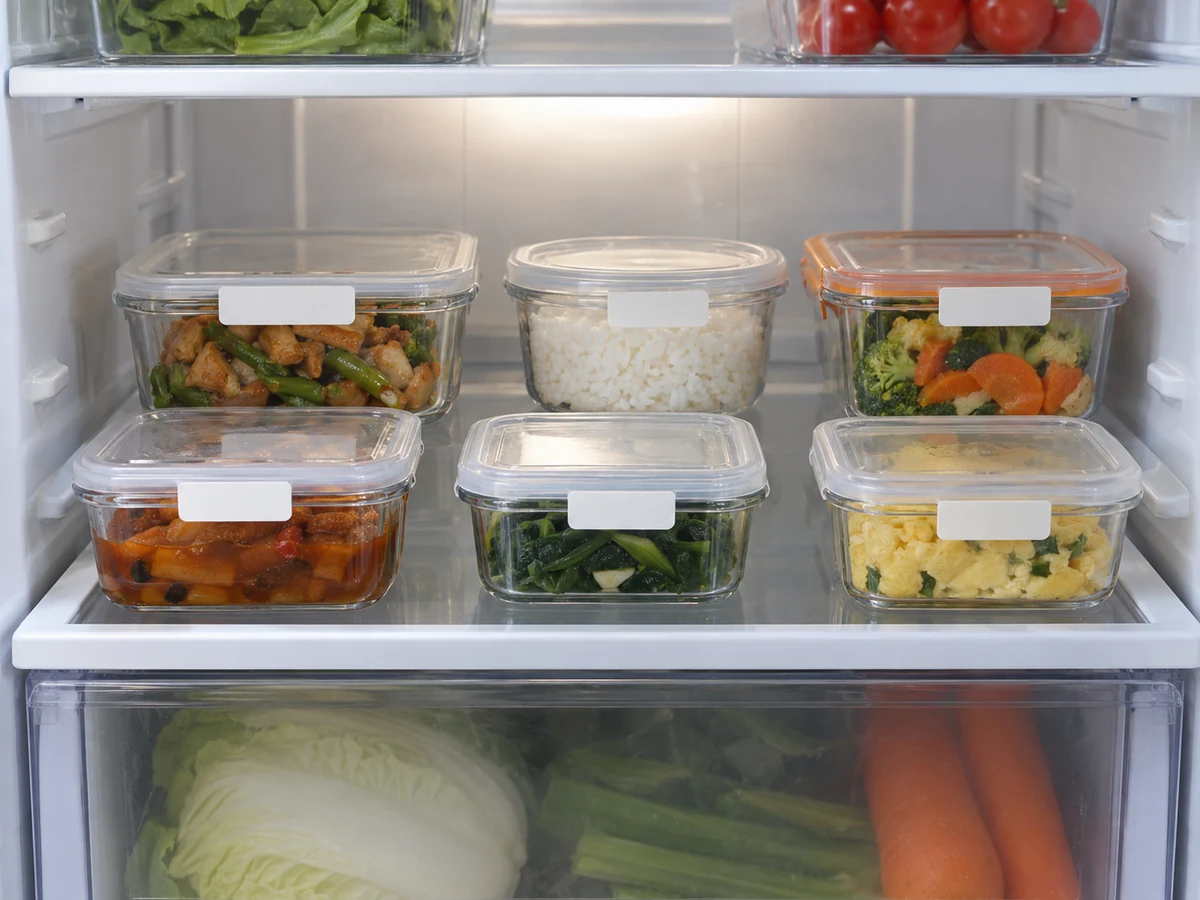
Cool cooked food, label it clearly and refrigerate it on time
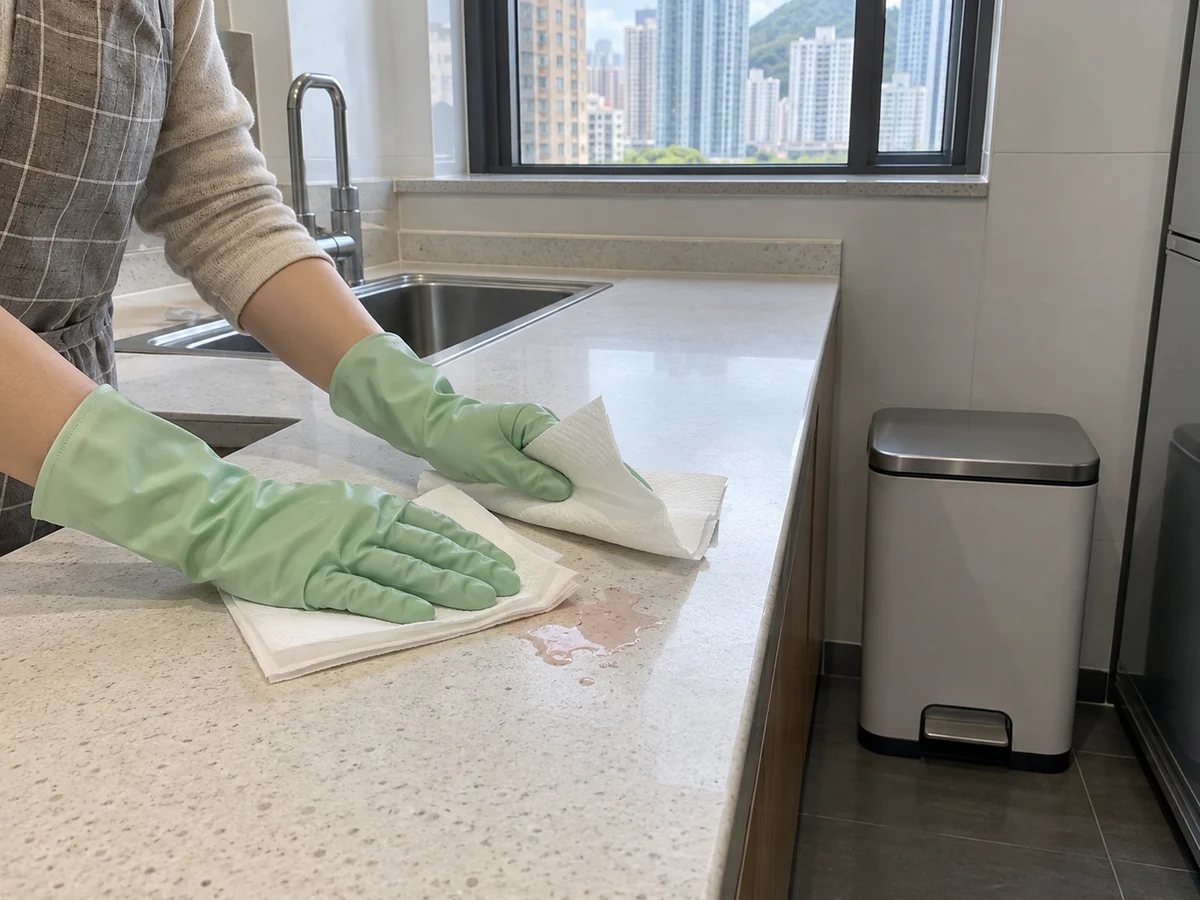
Isolate food and people first, then lift the spill, clean and follow the approved household method
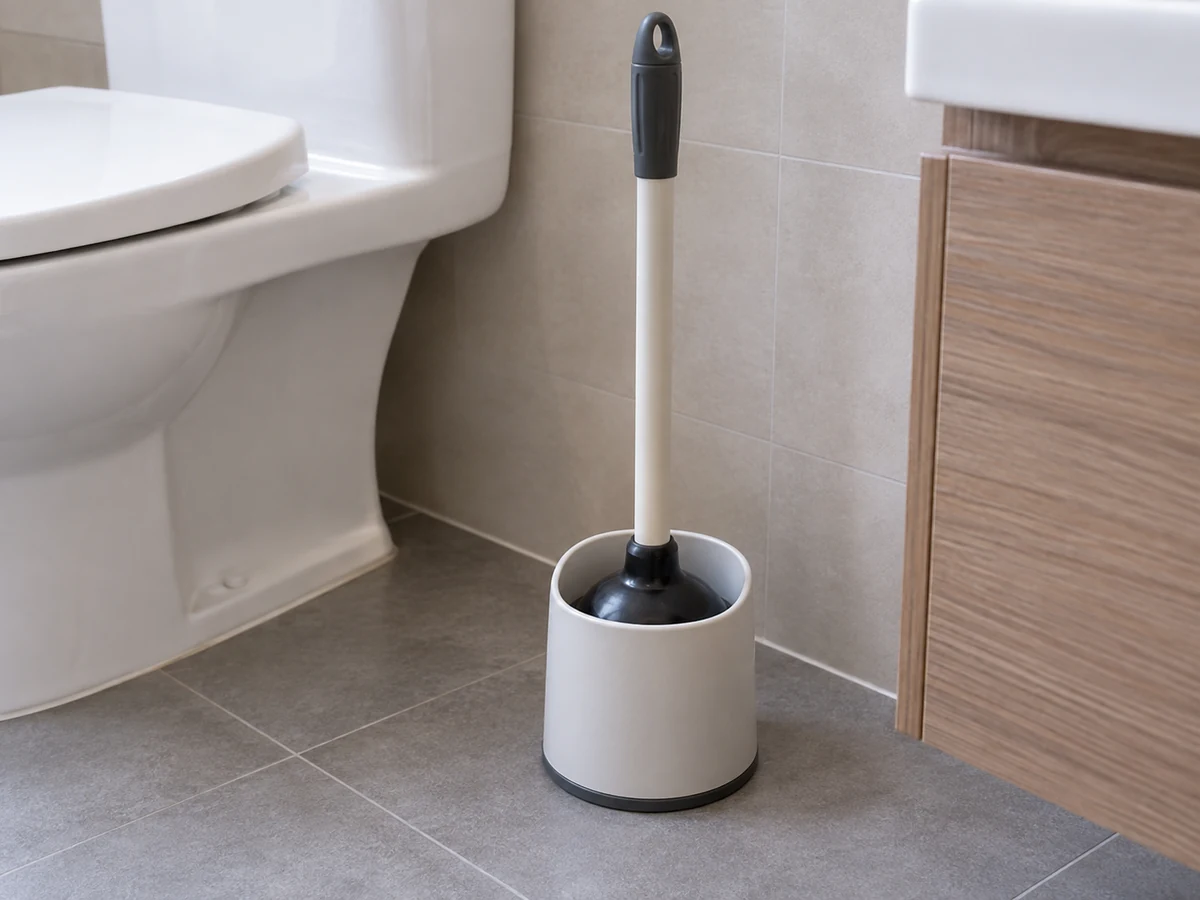
Contain the tool after use, then clean, air-dry and store it upright; this is not a drain-unblocking or chemical-mixing guide.
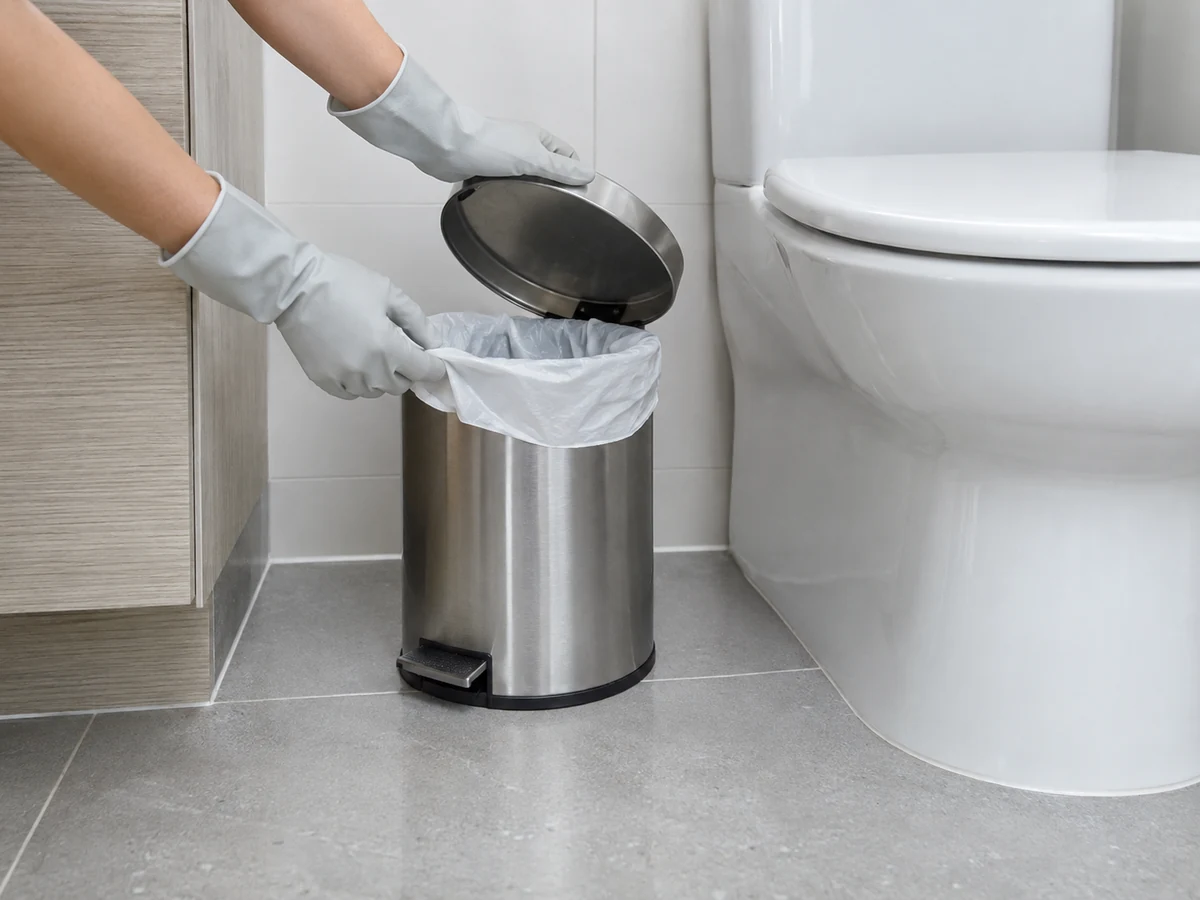
Handle the bag, lid, pedal and nearby floor safely; do not sort or compact personal sanitary waste.
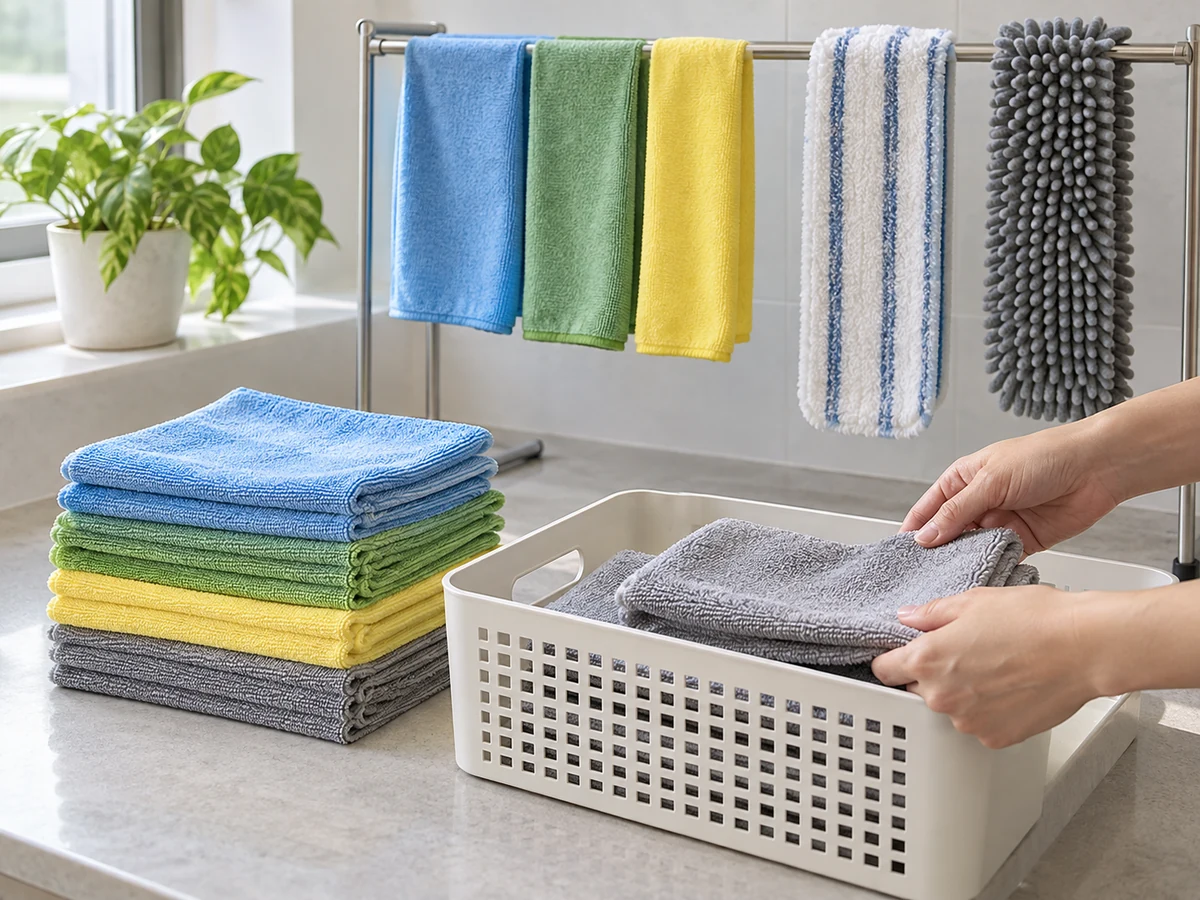
Separate cleaning textiles by zone, material and care label; return them only when fully dry.
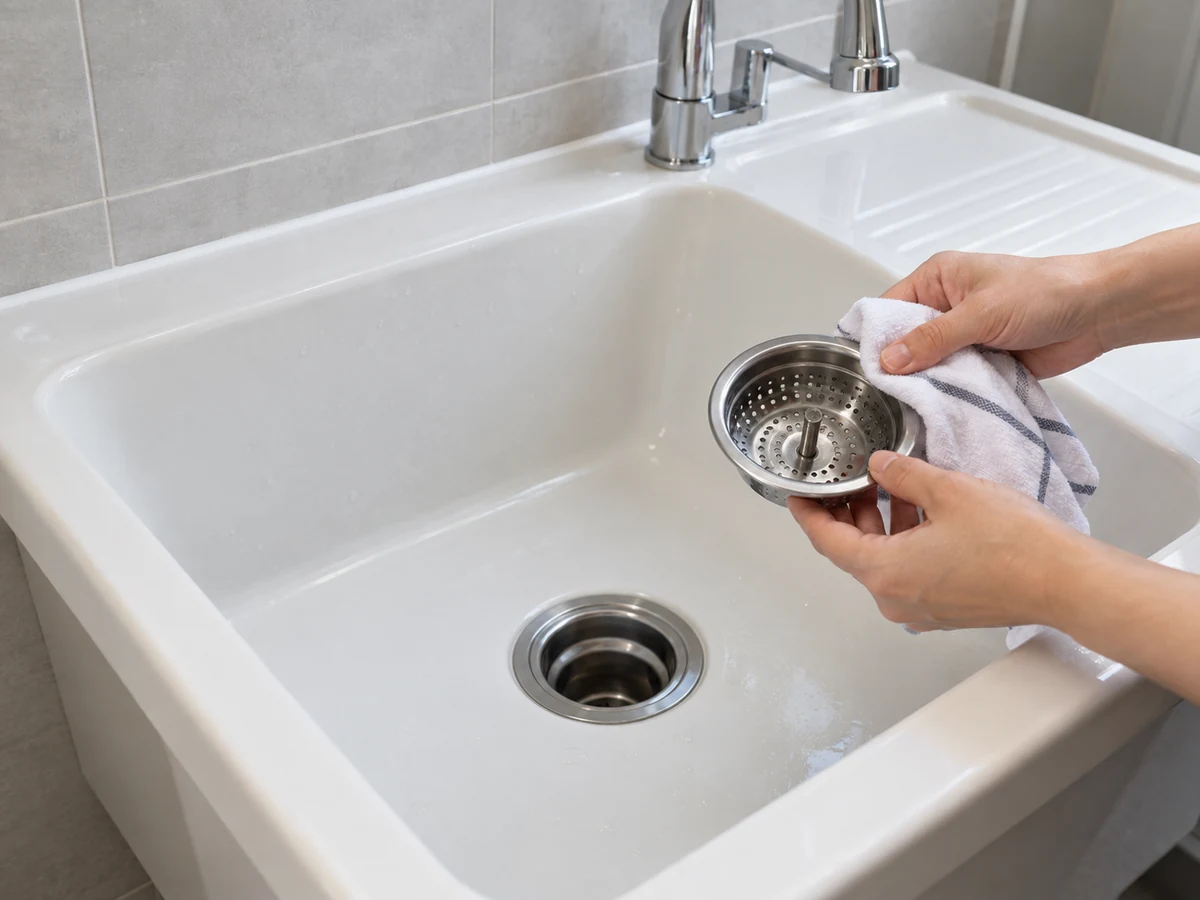
Confirm the utility-sink material and maker limits and prepare utility-zone tools; never mix kitchen or toilet tools.
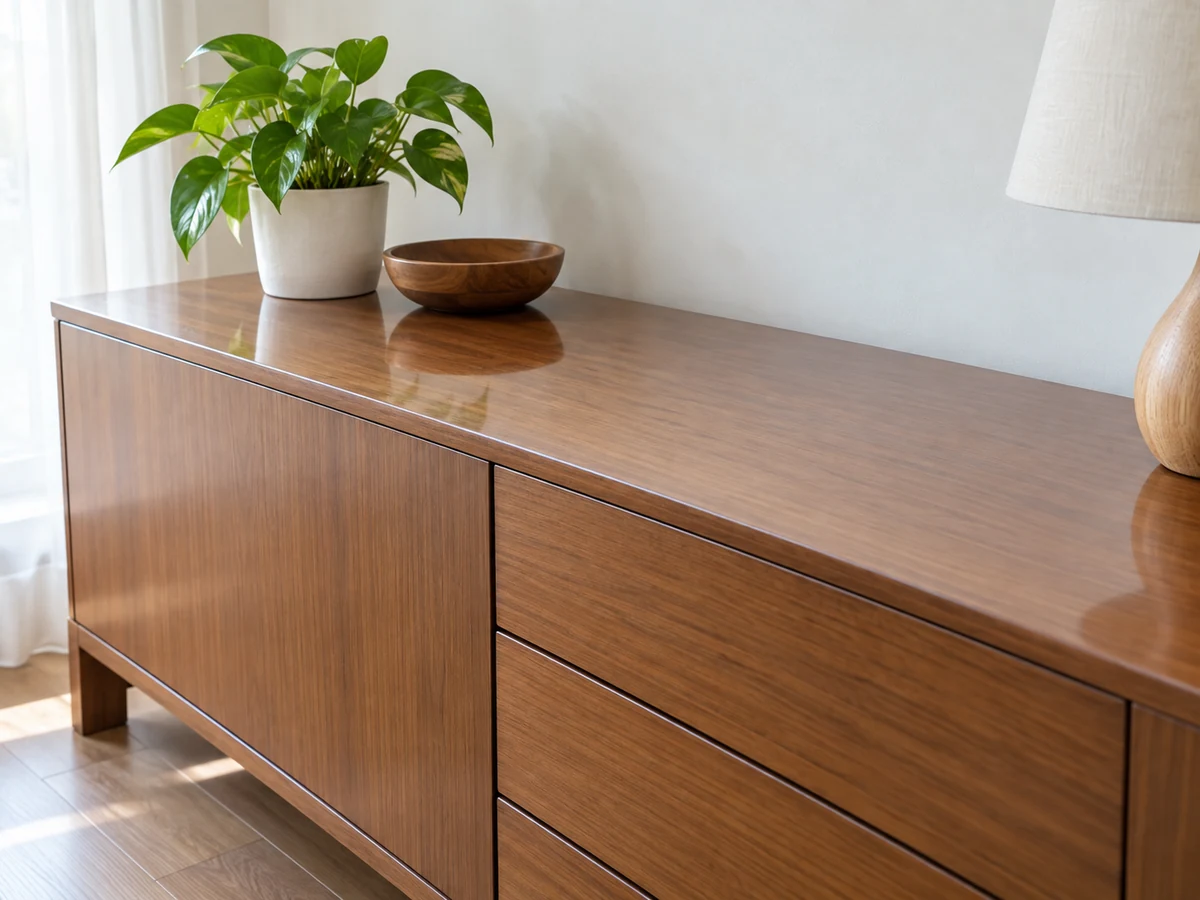
Identify laminate, veneer or sealed wood and check maker guidance; ask the employer when the finish is uncertain.
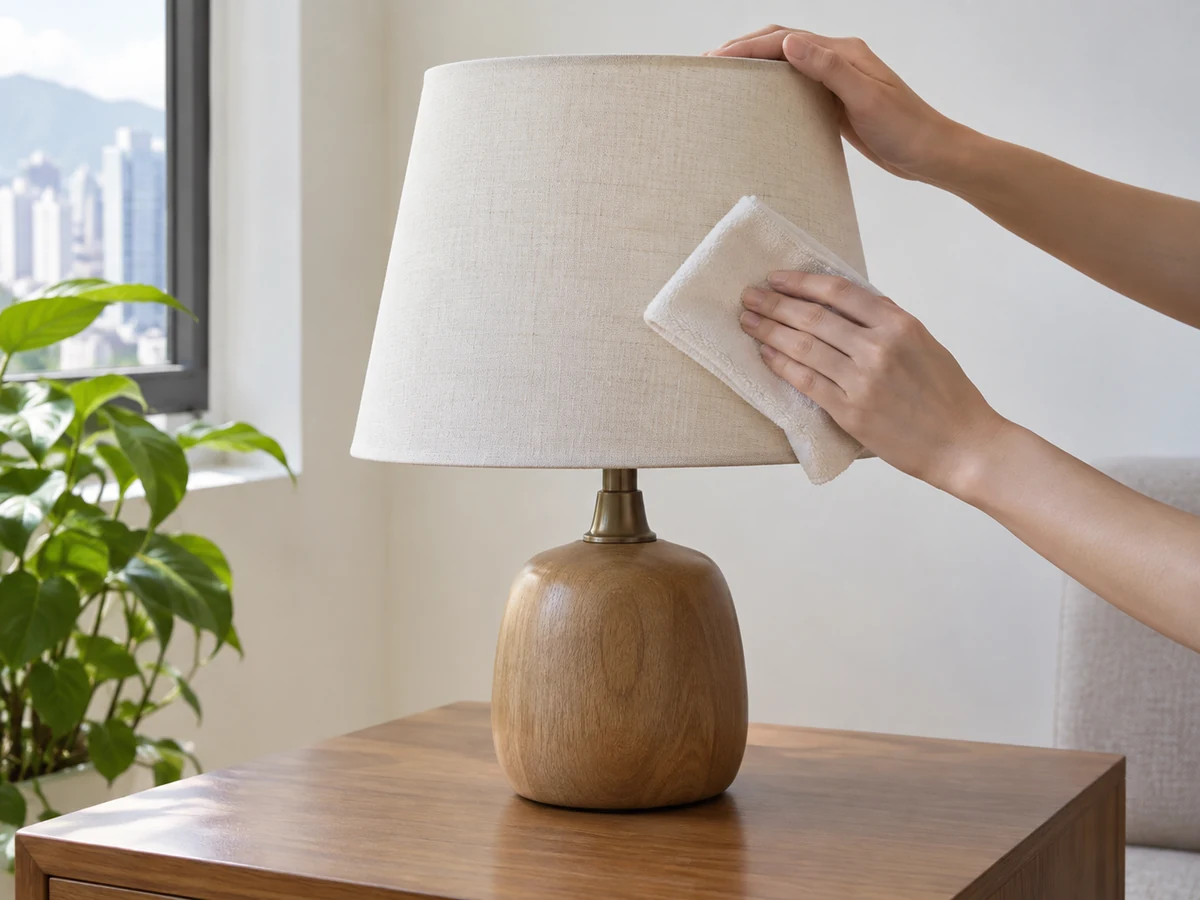
Isolate power and cool first, then dust dry and spot-clean by shade material.
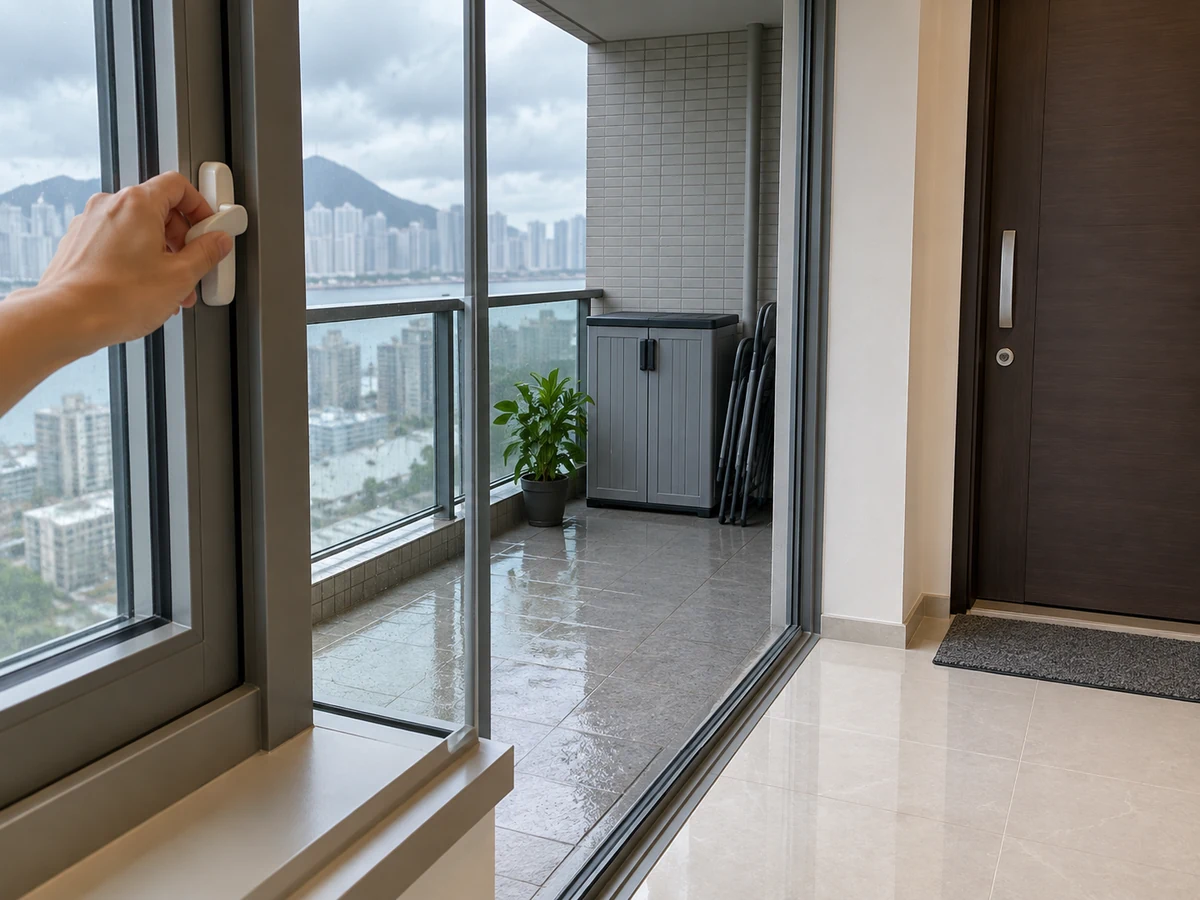
Before conditions worsen, secure loose items, close reachable openings and keep the entry dry.
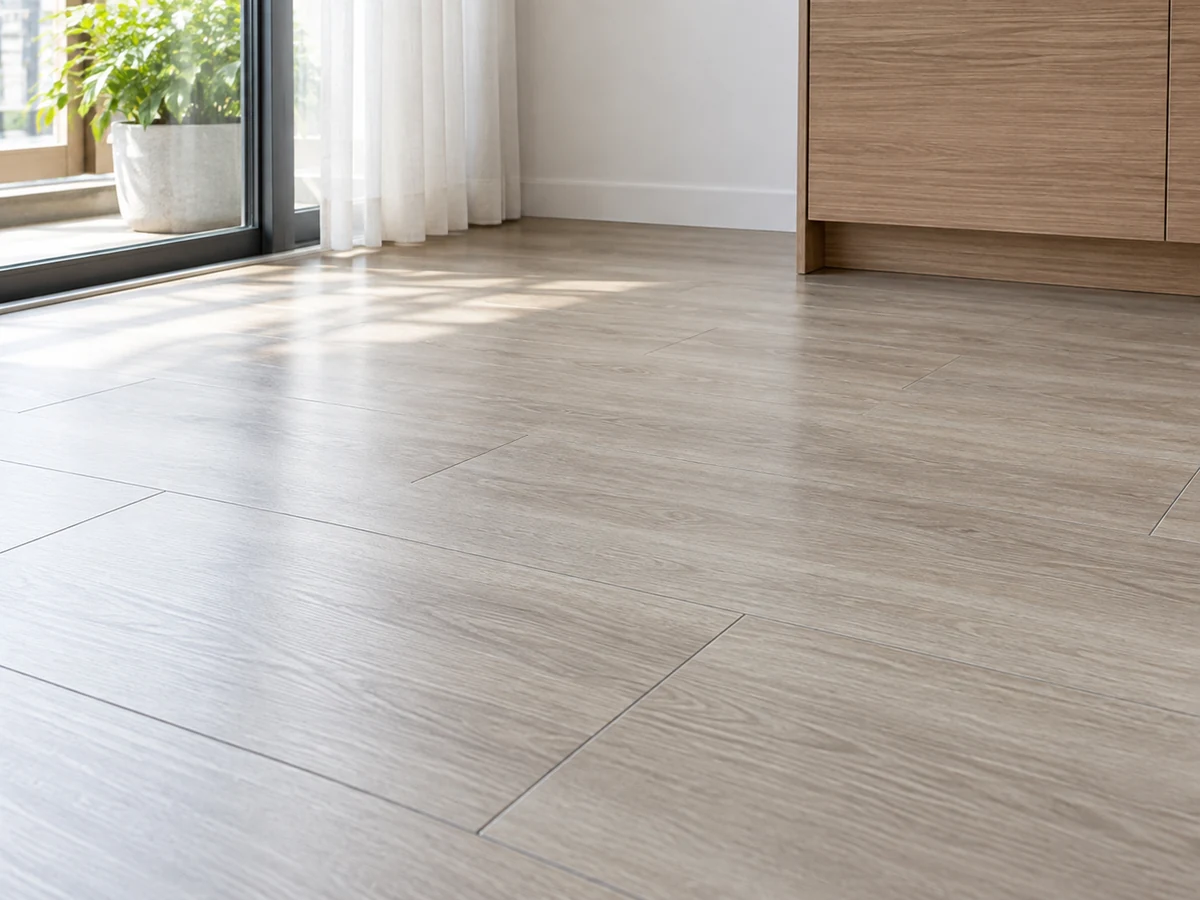
Remove grit first, then damp-mop sparingly and dry every seam.
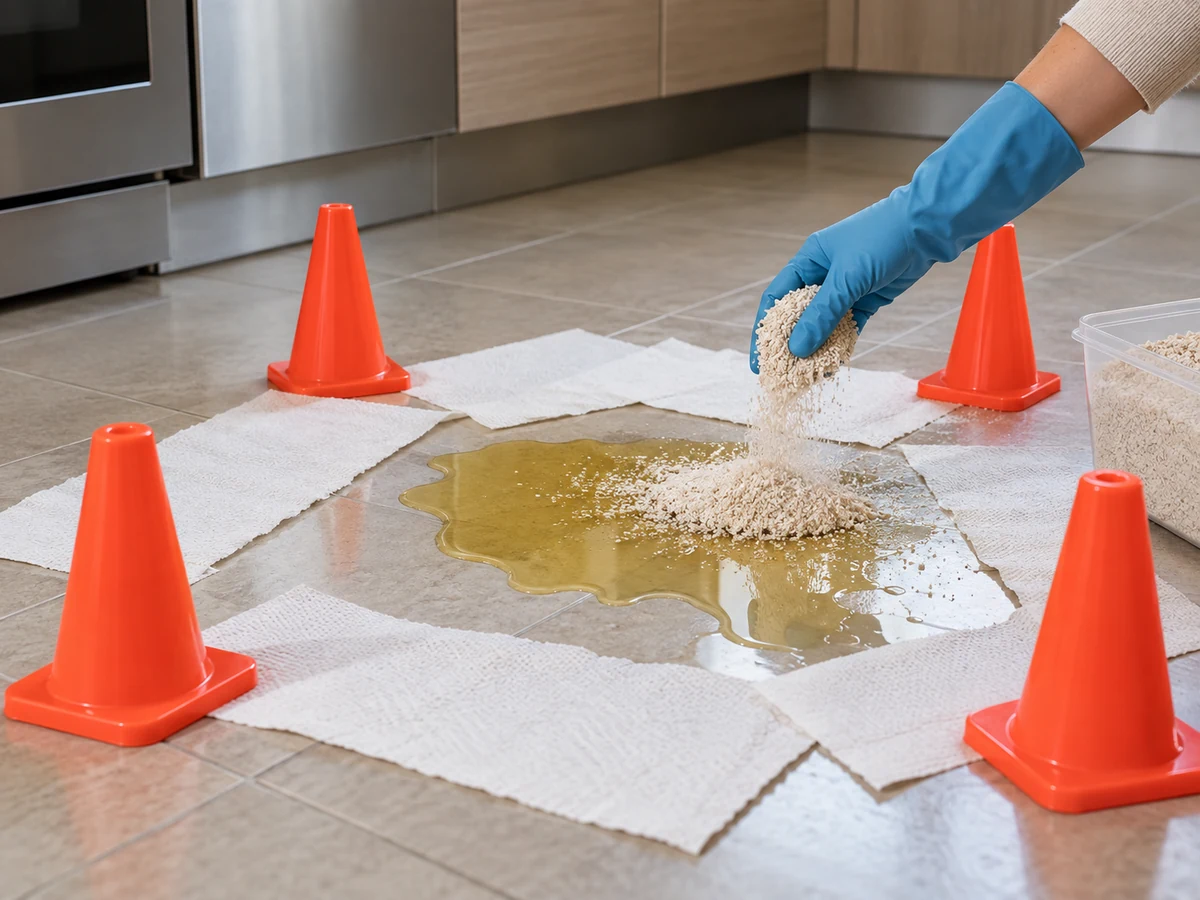
Block the spill first; absorb, degrease by floor type, rinse residue and prove the floor is not slippery.
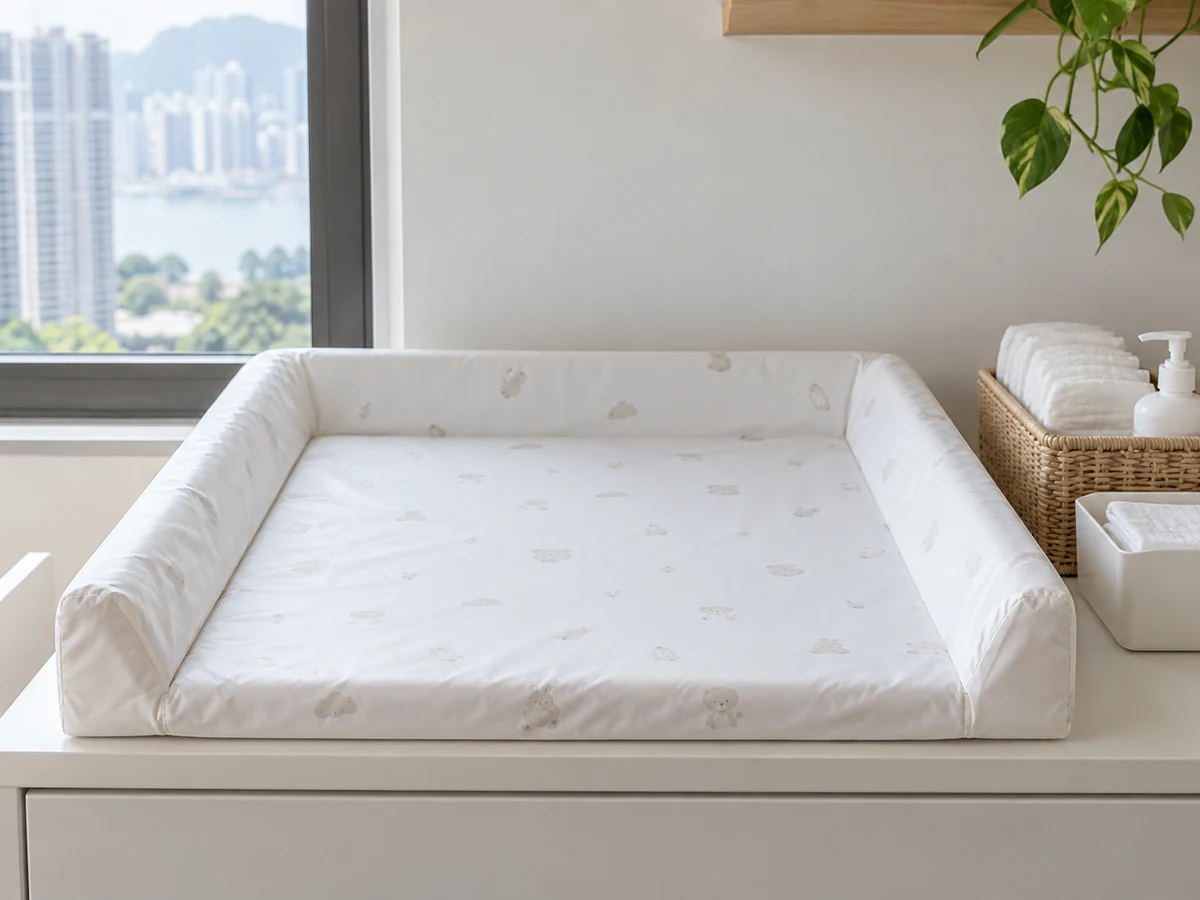
Remove the baby to a safe supervised place, wipe visible soil, clean then use only the surface-compatible disinfectant as labelled, and let the mat dry before the next change.
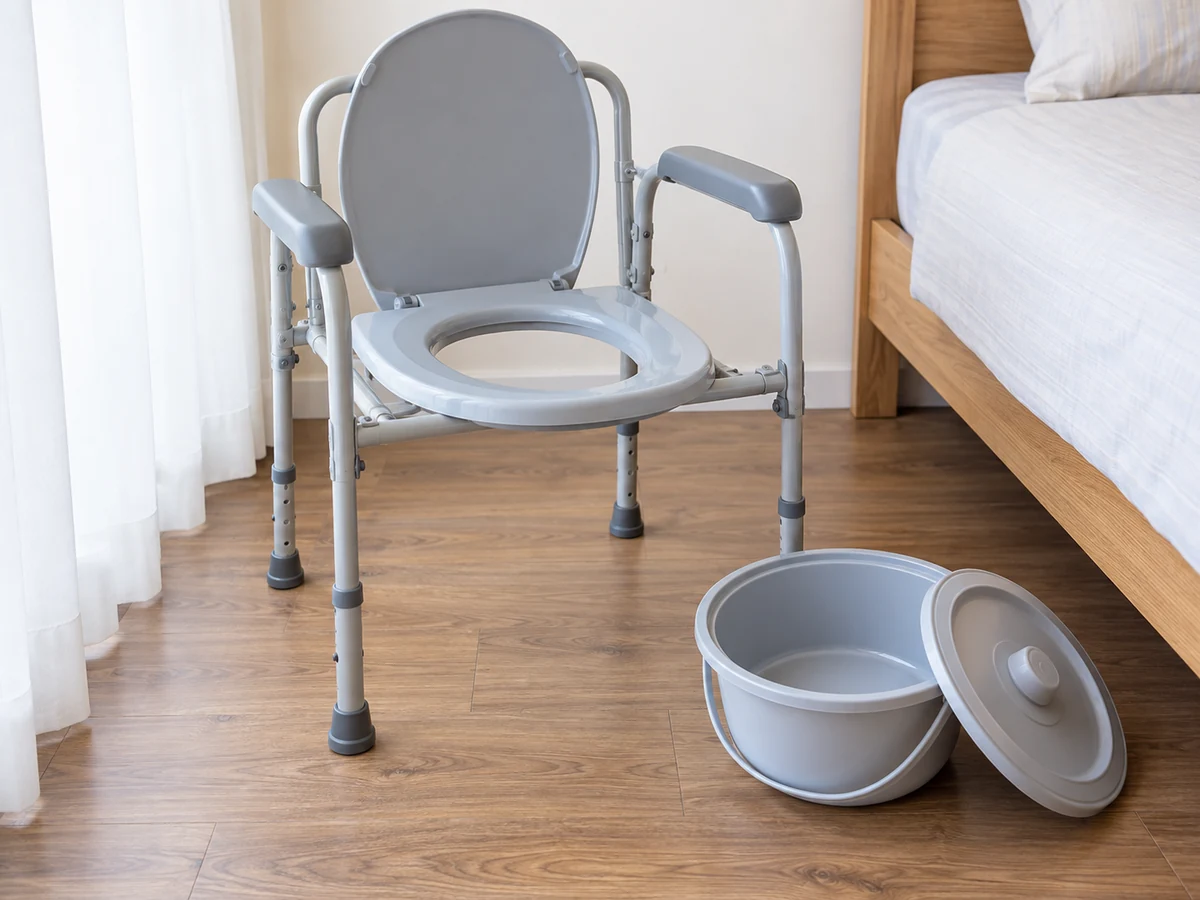
Wear PPE, carry the lidded pan to the designated disposal point, empty without splashing, wash then disinfect as the care plan directs, and wash hands without mixing chemicals.
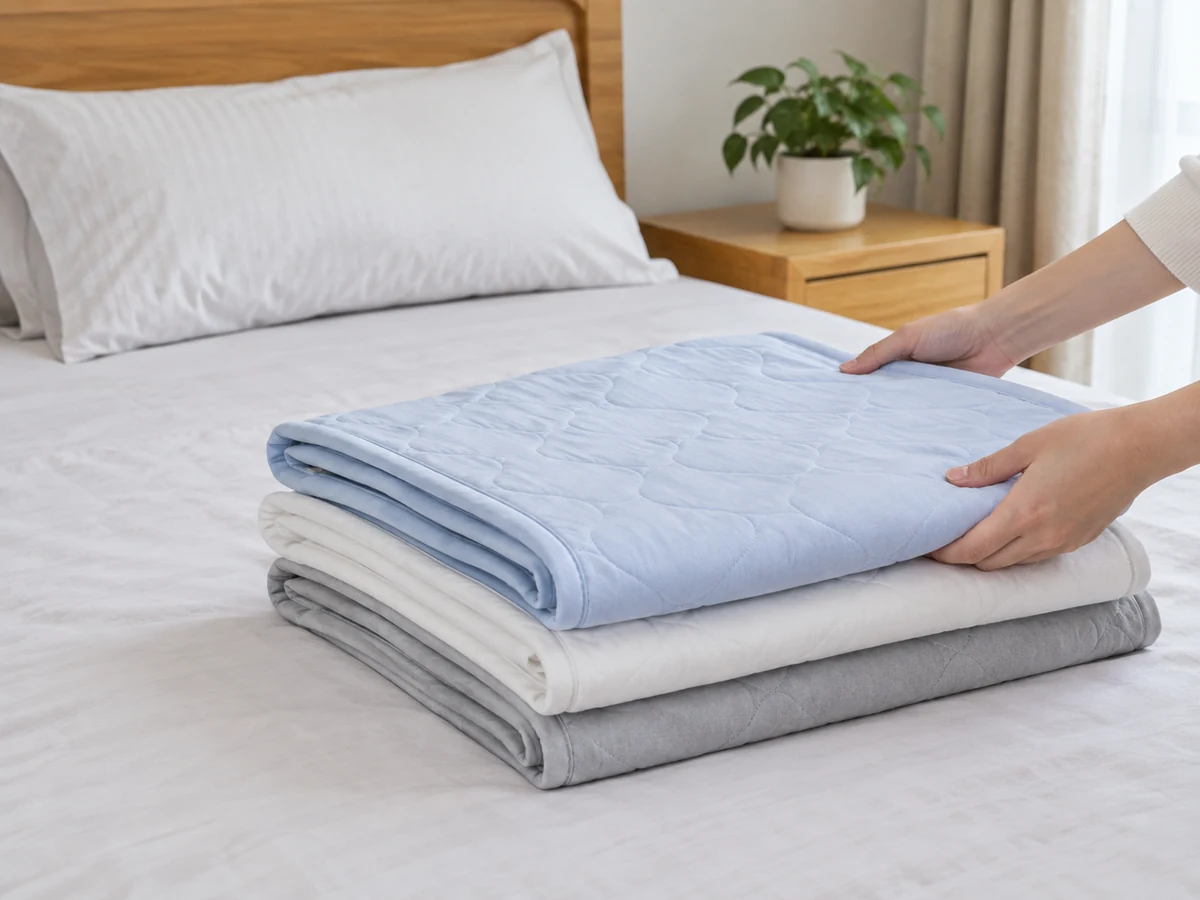
Fold the soiled surface inward, carry in the designated bag, follow that pad’s care label on a separate wash and rinse, then dry the absorbent and waterproof layers fully.
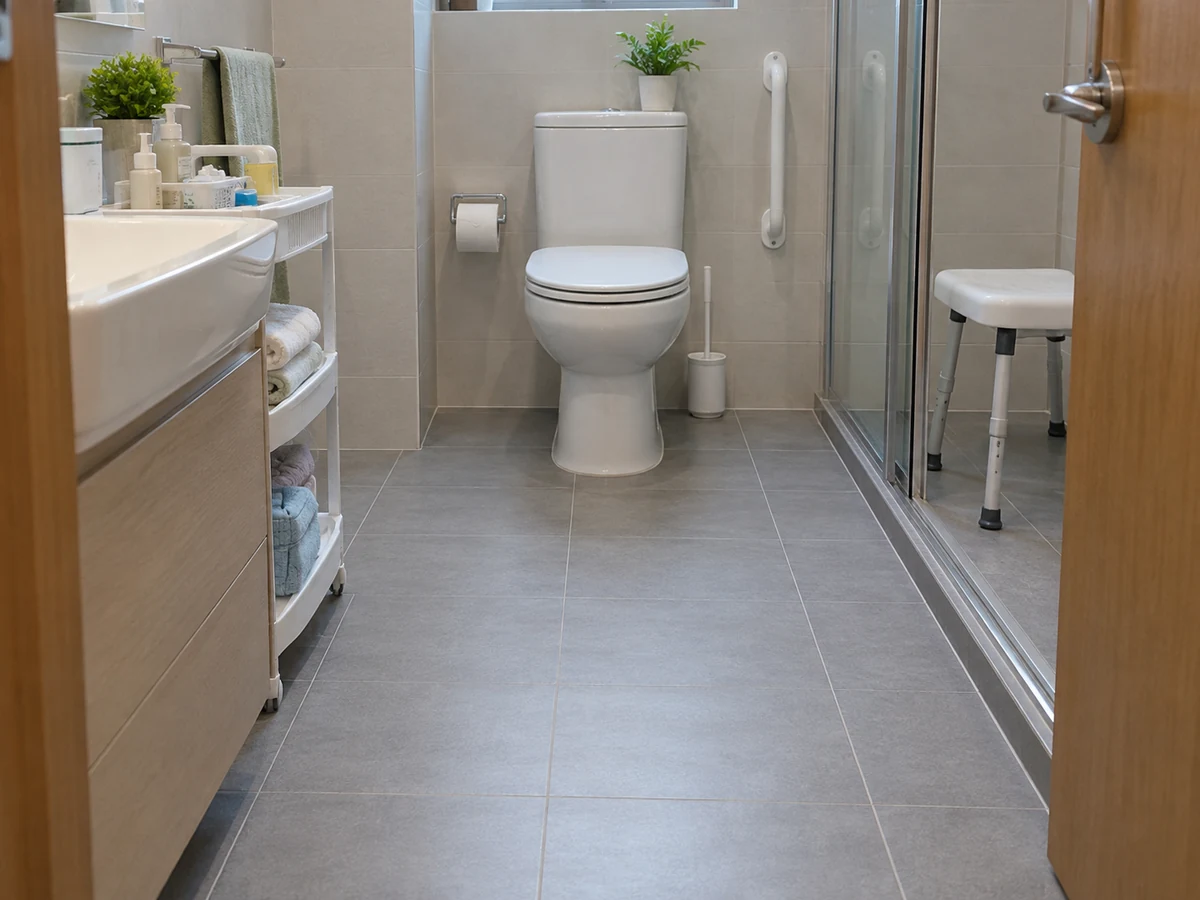
Keep daily wash items at the older person’s usual reach and the route from door to basin dry.
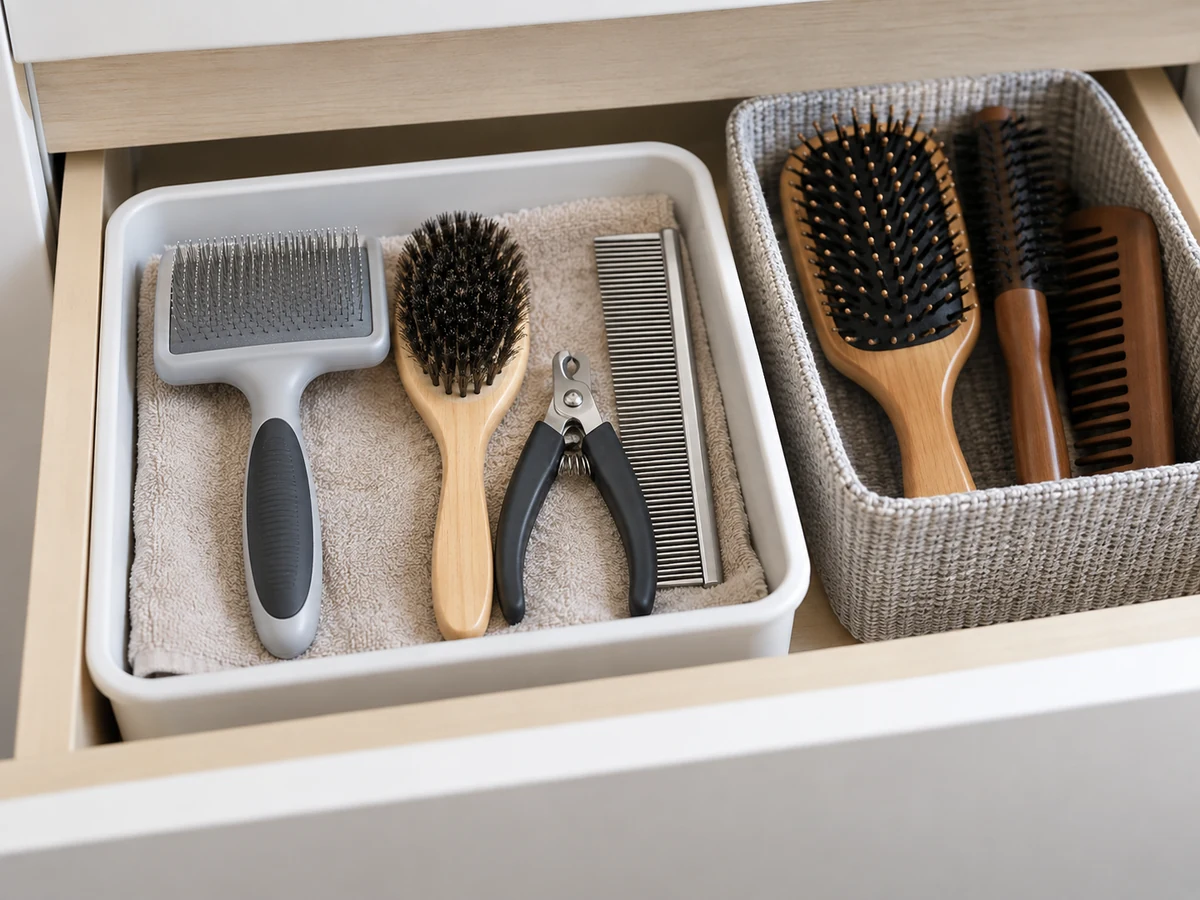
Use the maker’s hair-release method for brush heads, then limit care to comb, brush and nail-tool exteriors.
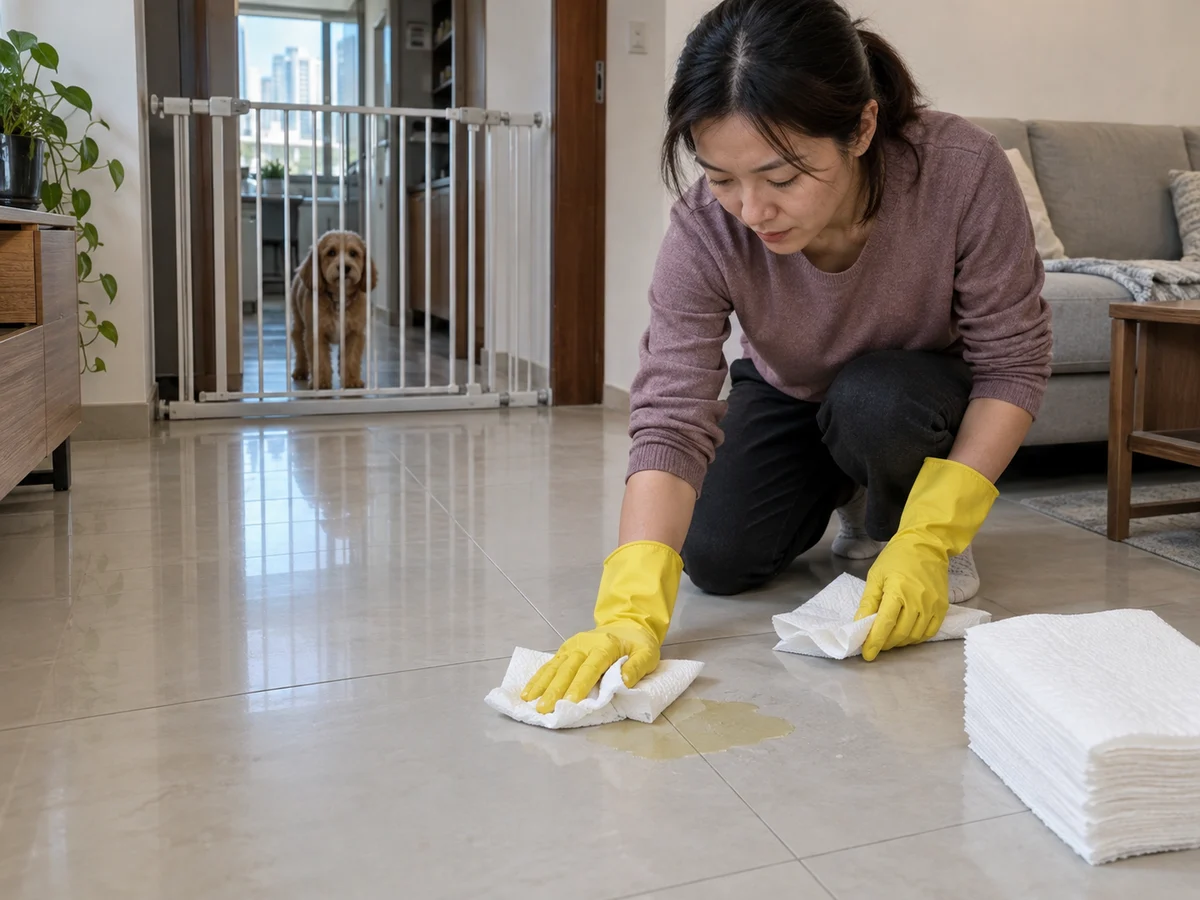
Contain the pet accident before treating residue and slip risk for the confirmed hard-floor material.
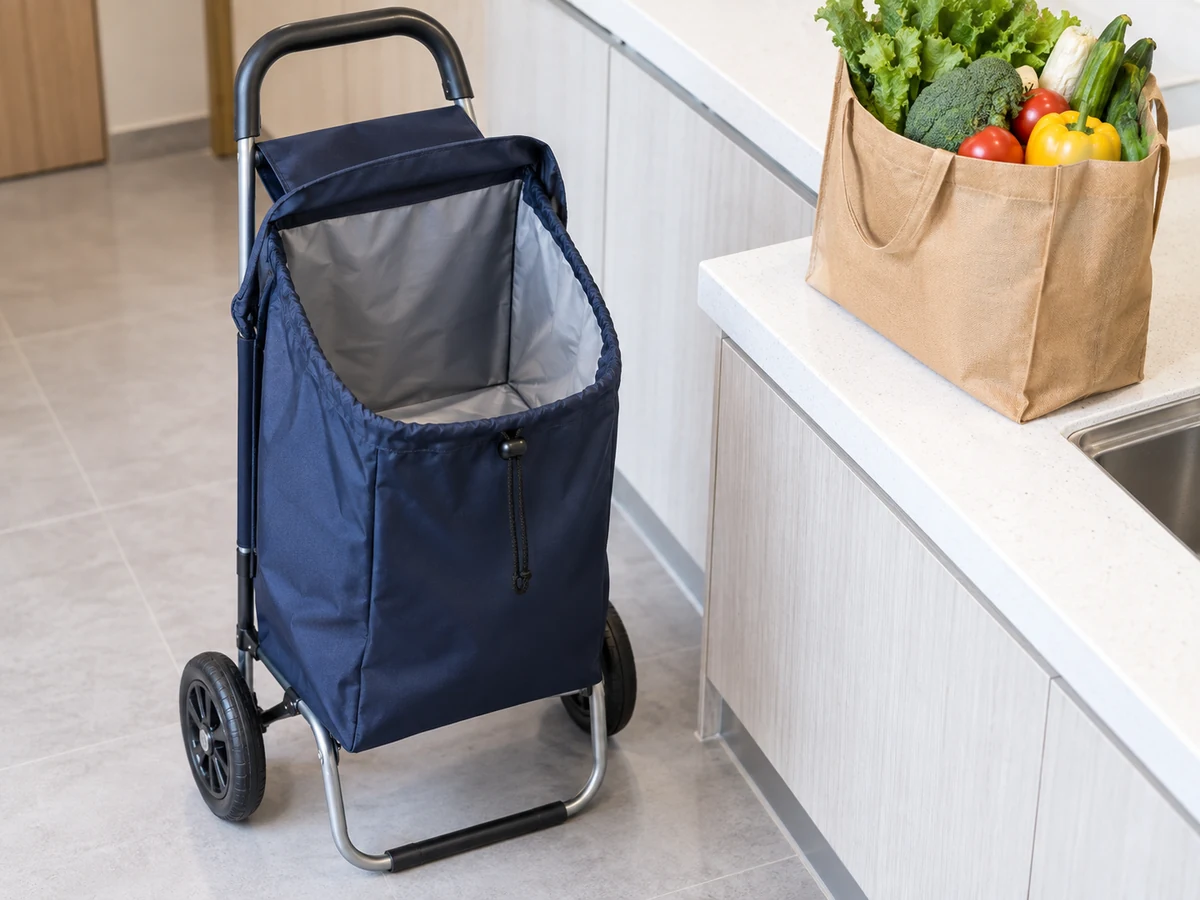
Clean and dry the food-contact trolley bag separately from street-soiled wheels.
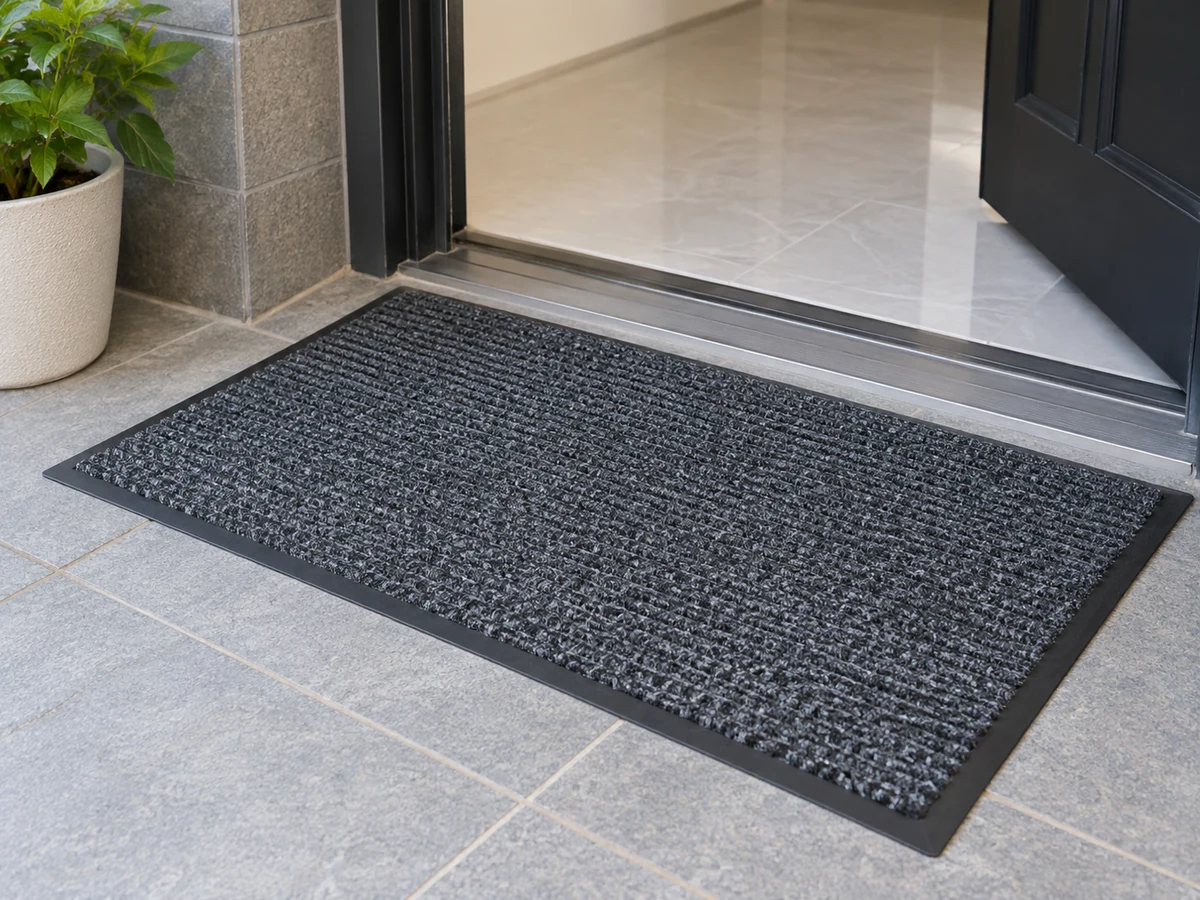
Identify coir, rubber backing, fabric or synthetic material before choosing how to clean an entrance mat.
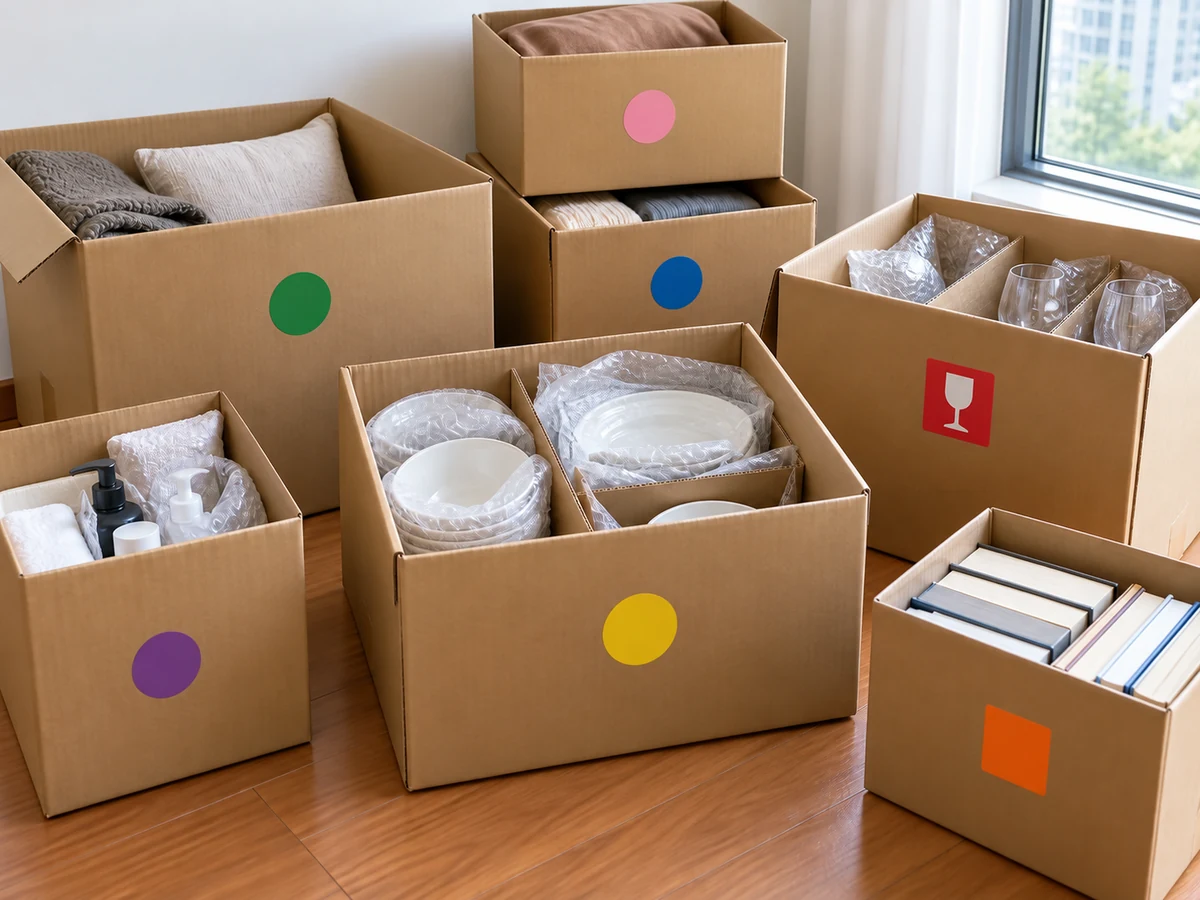
Label every box with room, contents and fragility, then close it at a weight that can move safely.
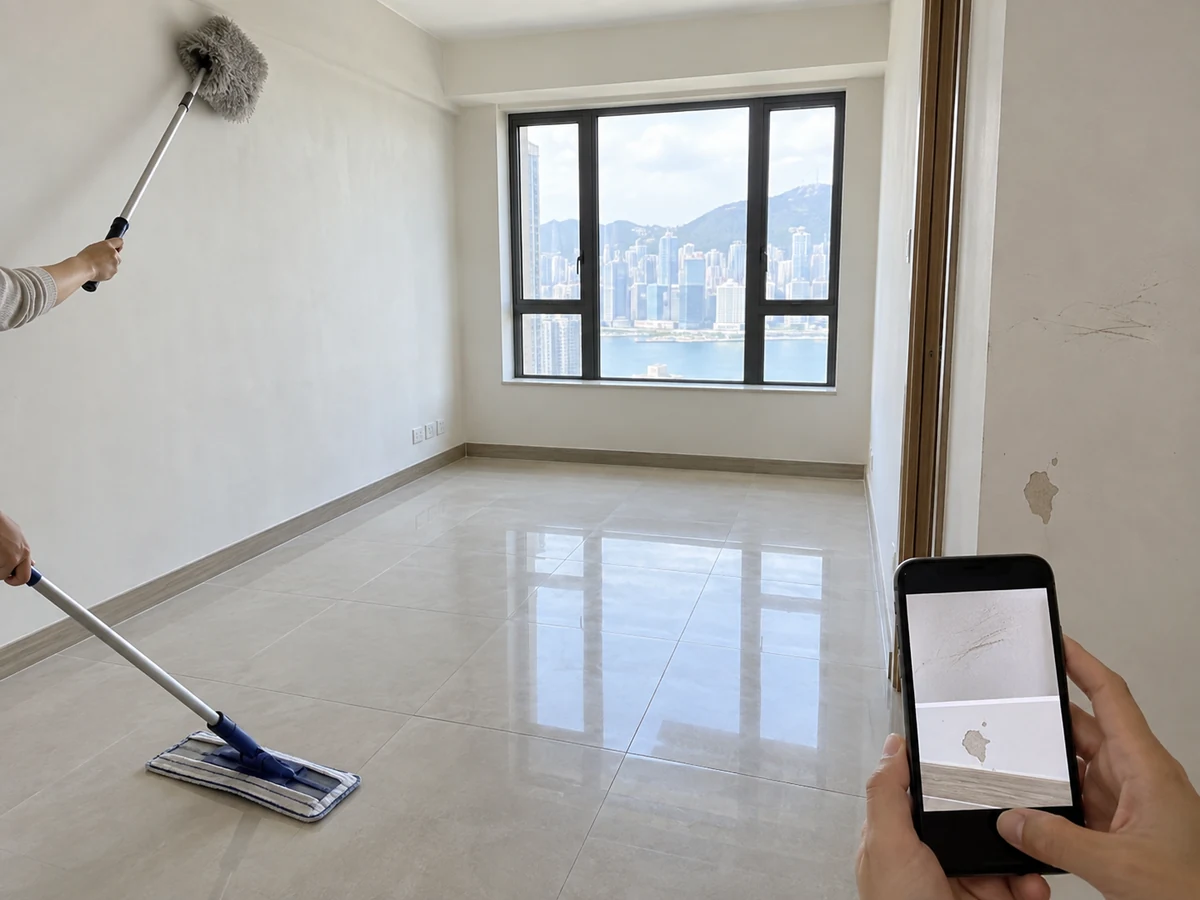
Photograph original condition and defects before cleaning each empty-home zone from high to low.

Protect visible guest belongings first, then ventilate, dust and remake the room with care-label-compatible bedding.
No matching guide. Try another search.
Showing 51 / 51