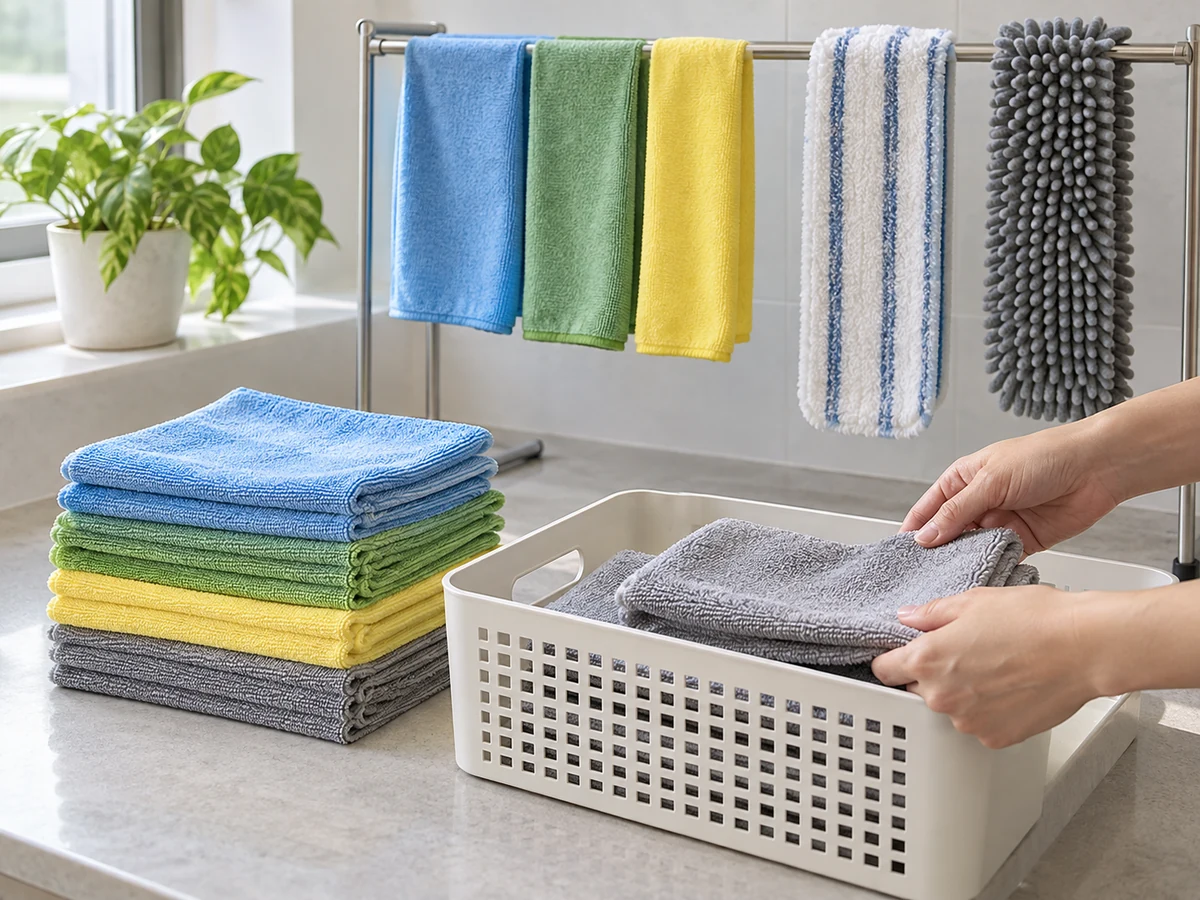
Cleaning products and safety
Wash and Dry Cleaning Cloths and Reusable Mop Pads
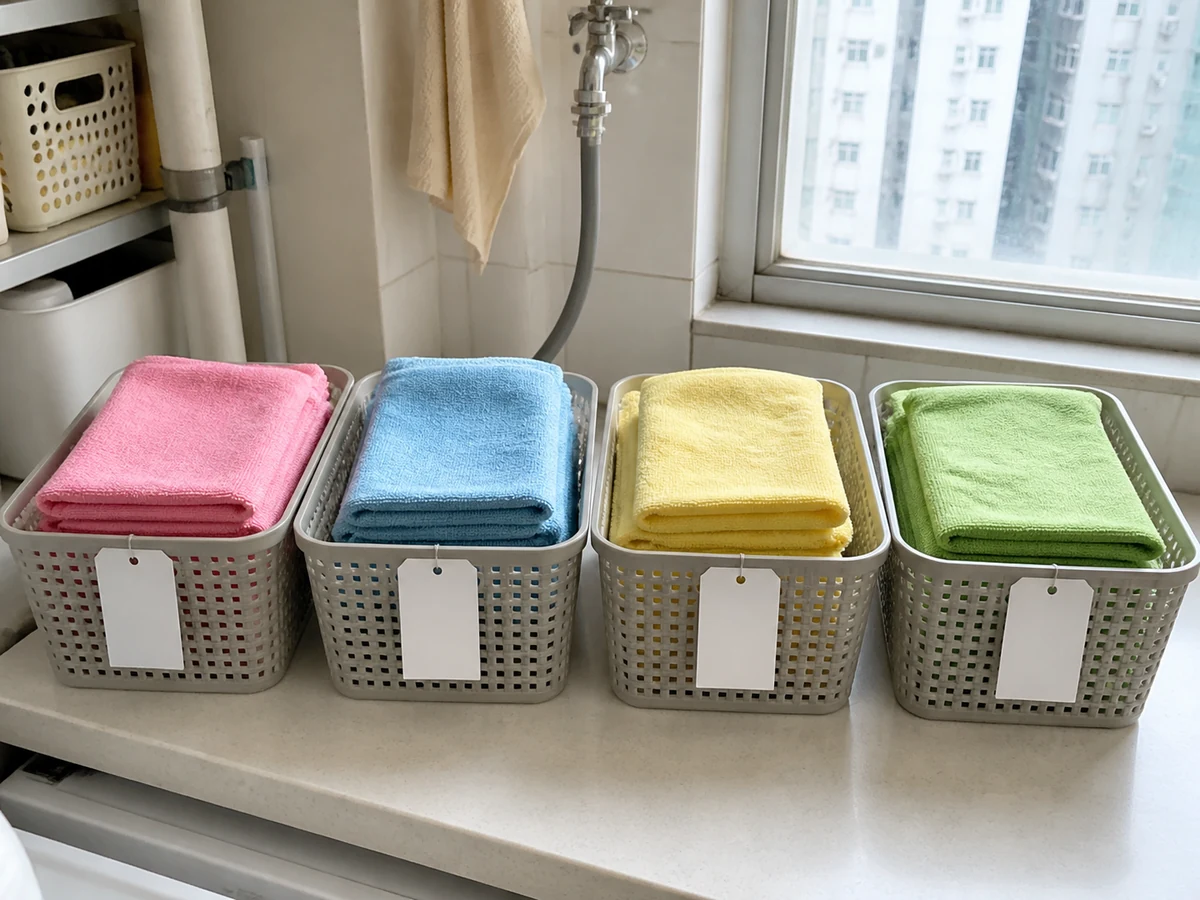
Separate cleaning textiles by zone, material and care label; return them only when fully dry.
Overview
Separate cleaning textiles by zone, material and care label; return them only when fully dry.
Tools needed
- Colour-separated laundry bags
- Laundry detergent
- Washing machine
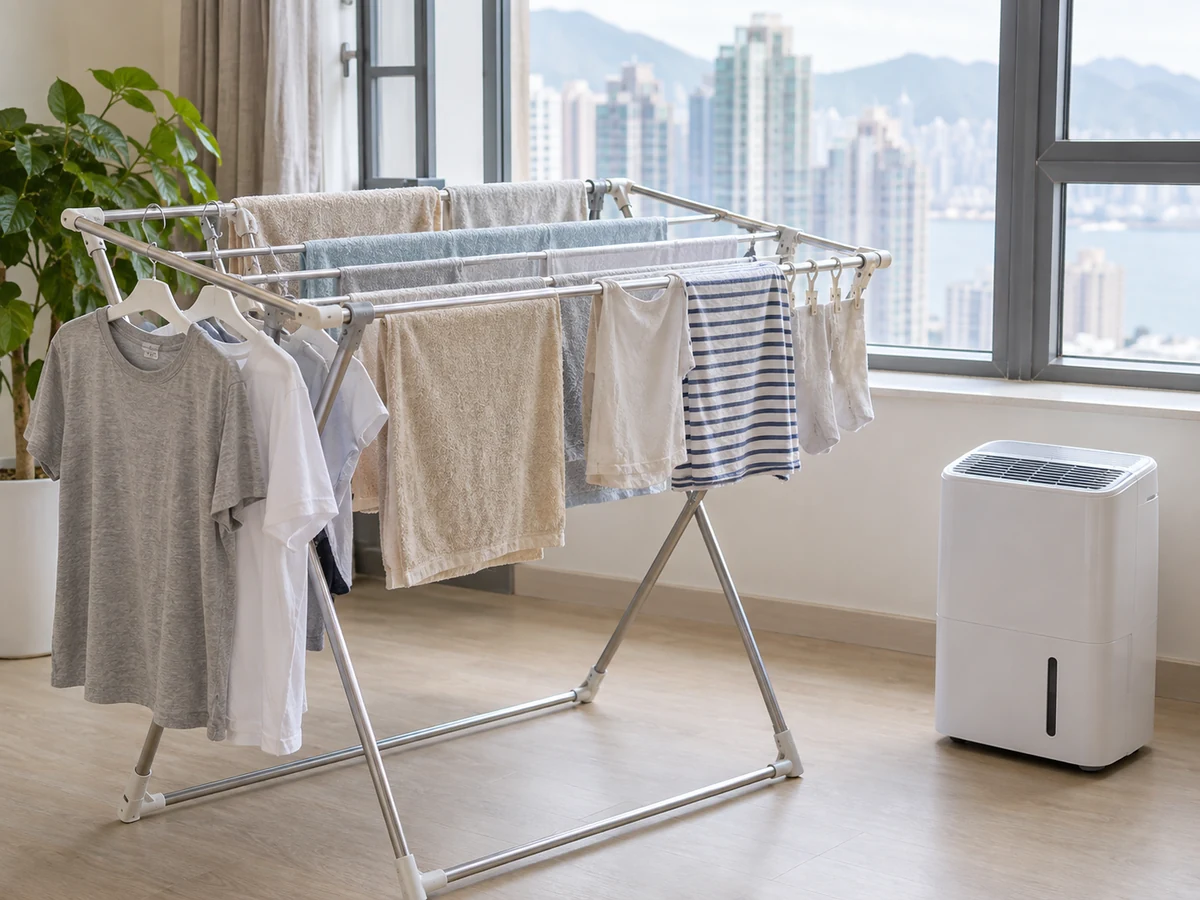
- Drying rack
Cleaning steps
Separate toilet, kitchen and general-area textiles
Separate toilet, kitchen and general-area textiles; report damage or unknown contamination.
Put loose soil into the bin without shaking cloths indoors or soaking soiled items in a bucket
Put loose soil into the bin without shaking cloths indoors or soaking soiled items in a bucket.
Launder by label and machine capacity
Launder by label and machine capacity; keep microfibre separate when its maker directs.
Line-dry or tumble-dry by label and check thick edges and hook-and-loop tabs before sorted storage
Line-dry or tumble-dry by label and check thick edges and hook-and-loop tabs before sorted storage.
Common mistakes
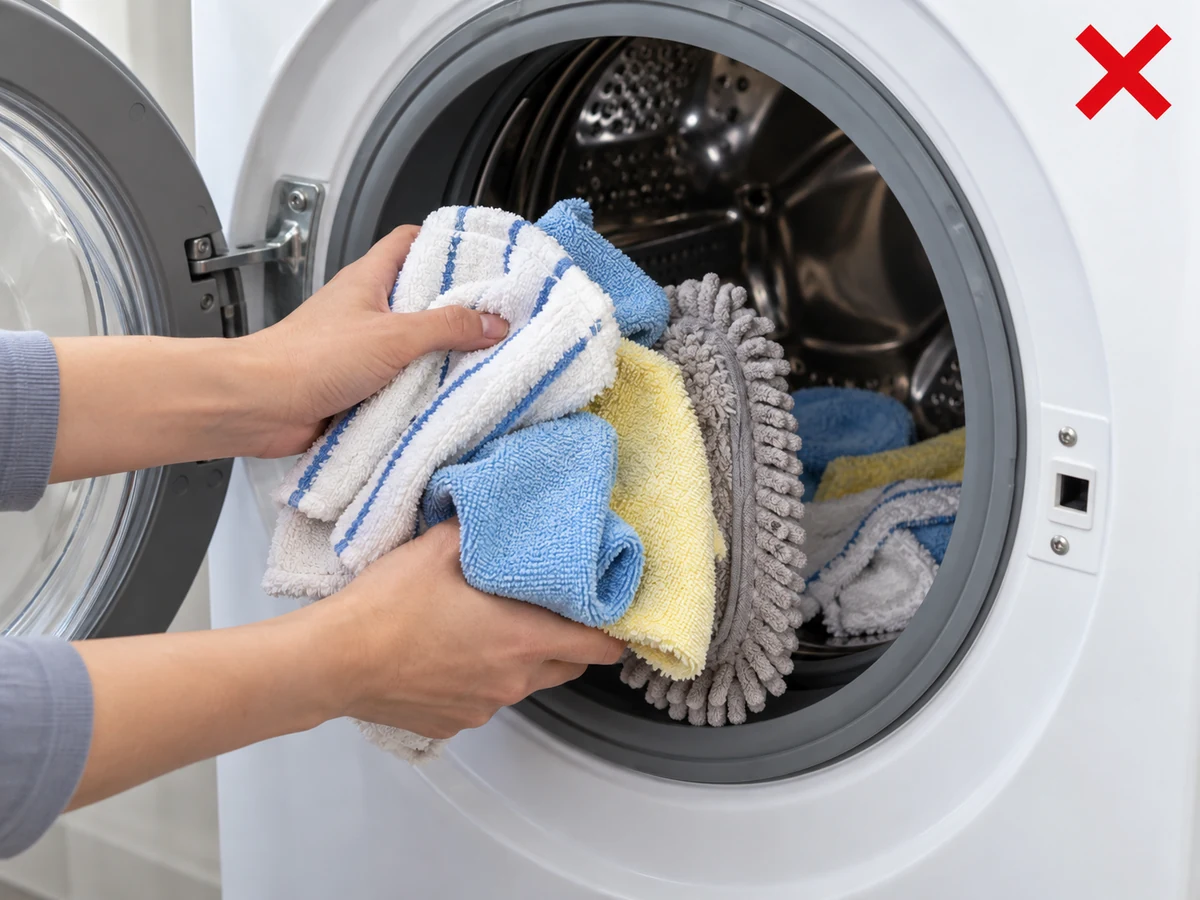
Washing toilet and kitchen cloths together
✓ Correct actionBag and launder them separately by zone and textile.
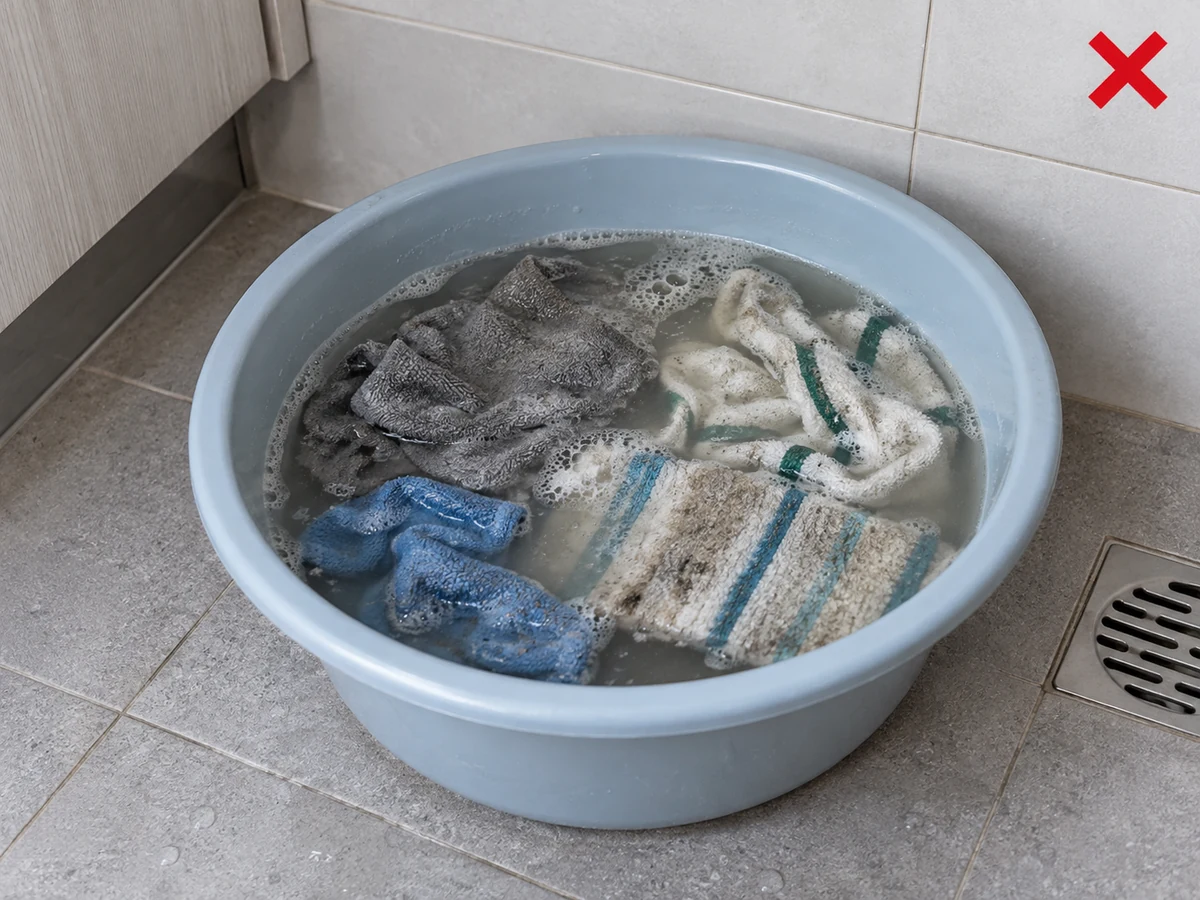
Leaving soiled cloths soaking for a long time
✓ Correct actionStop the long soak; wash, rinse and dry by the care label.
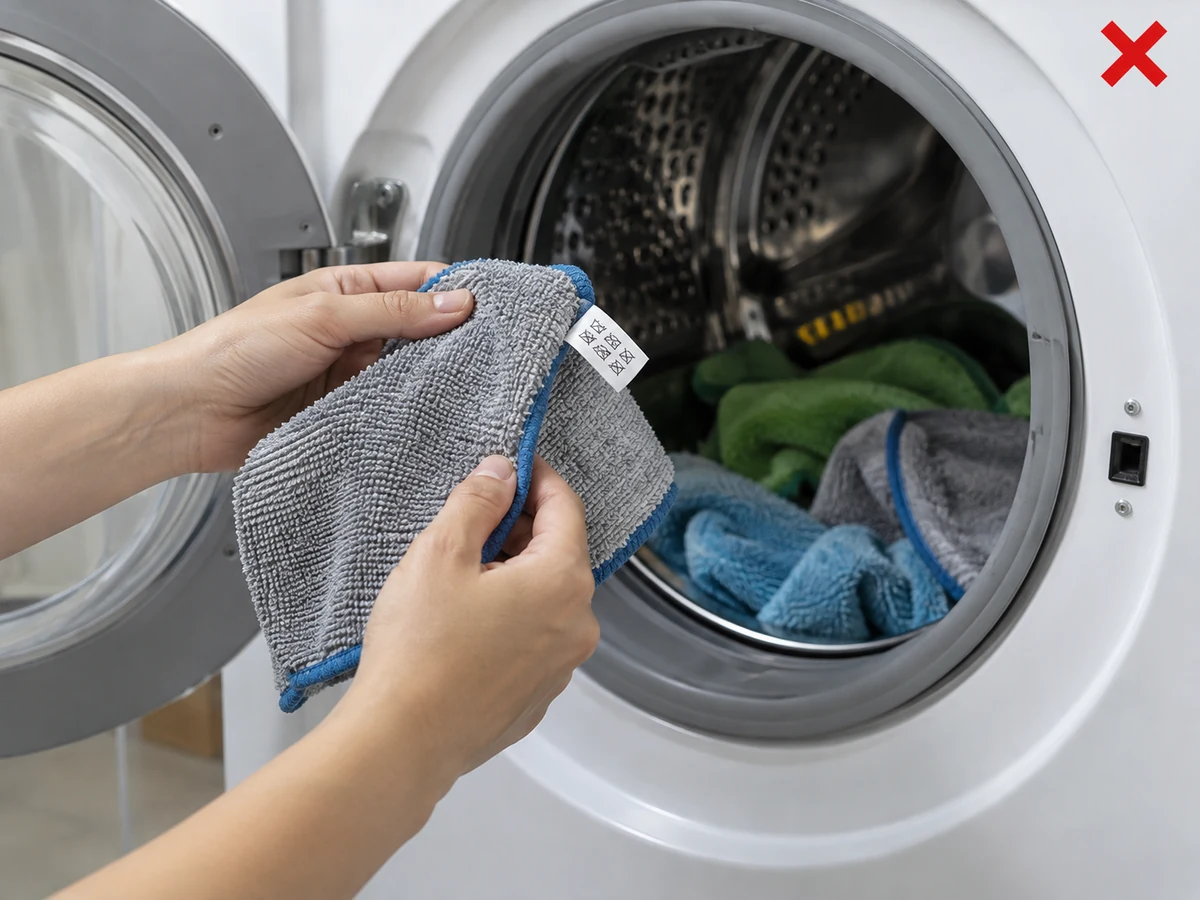
Ignoring a microfibre care label
✓ Correct actionSeparate and dry microfibre exactly by its care label.
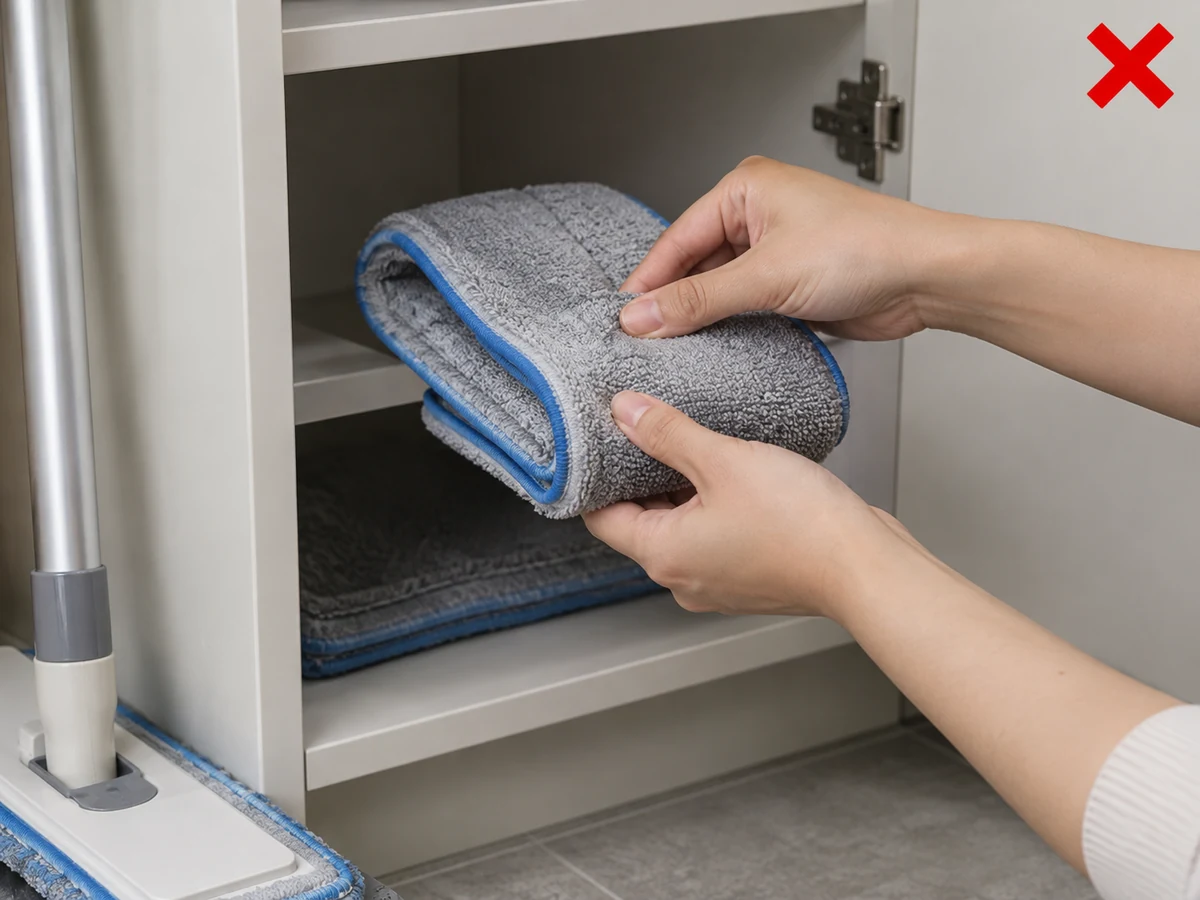
Folding away a damp mop pad
✓ Correct actionLay the pad open and store it only when thick edges are fully dry.
Practical tips
Tips for helpers
- Use washable tags or colour bags to keep zones apart.
- Fasten mop-pad hook-and-loop tabs before laundering.
Tips for employers
- Set the household cloth colour rules.
- Confirm dryer permission and replacement for damaged pads.
Completion checklist
Checked 0 / 4