
Home organisation
How to Plan a Weekly Housework Routine
Build an adaptable plan from daily, weekly and as-needed priorities
Overview
Use this navigation guide to choose relevant tasks from the Housework Encyclopedia instead of copying one fixed timetable. Actual frequency must reflect household size, habits, children, elderly people, pets and the employer’s instructions. Visible dirt, spills and safety issues can always change the order.
Tools needed
- Blank movable planning cards
- Pencil or erasable marker
- Household task list
- Simple timer if helpful
- Small basket for current tasks
- Guide links for each household area
Cleaning steps
Confirm household priorities
Ask which rooms, people, pets, appliances and safety needs matter this week. Record special employer instructions before assigning tasks.
Sort by daily, weekly and as-needed
Group urgent hygiene and visible-soil tasks, regular weekly tasks, and deeper or seasonal tasks. Treat these as adaptable groups, not universal rules.
Choose a realistic weekly load
Select a manageable number of tasks for each day and leave space for cooking, care work, rest and unexpected needs.
Add household-specific tasks
Include child, elderly, pet, allergy-free or other approved household requirements only when relevant and clearly instructed.
Confirm tools, products and safety
Link each task to its guide. Check required tools, product labels, electrical isolation, height limits and food-contact separation before scheduling.
Agree the plan and responsibilities
Employer and helper review the order, expected result and tasks that must not be done. Clarify which changes require checking first.
Review, record and adjust
Mark completed work, move unfinished non-urgent tasks and update the next week using actual household needs rather than blame or an inflexible quota.
Common mistakes
Packing too many tasks into one day
✓ Correct actionChoose a manageable load and protect time for care work and rest.
Repeating the same area in separate routes
✓ Correct actionGroup compatible nearby tasks while keeping tools and contamination zones separated.
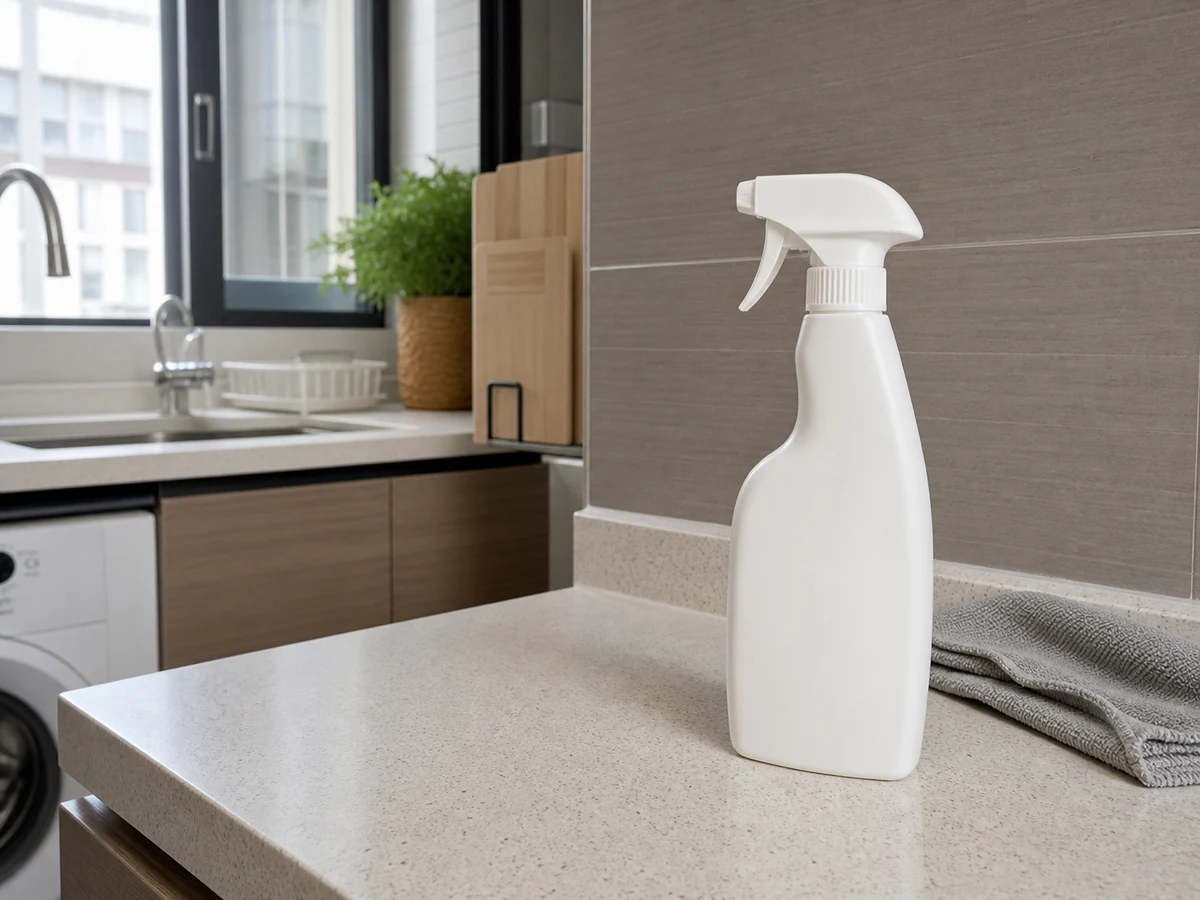
Scheduling before checking safety needs
✓ Correct actionOpen the relevant guide and confirm tools, product labels and hazards first.
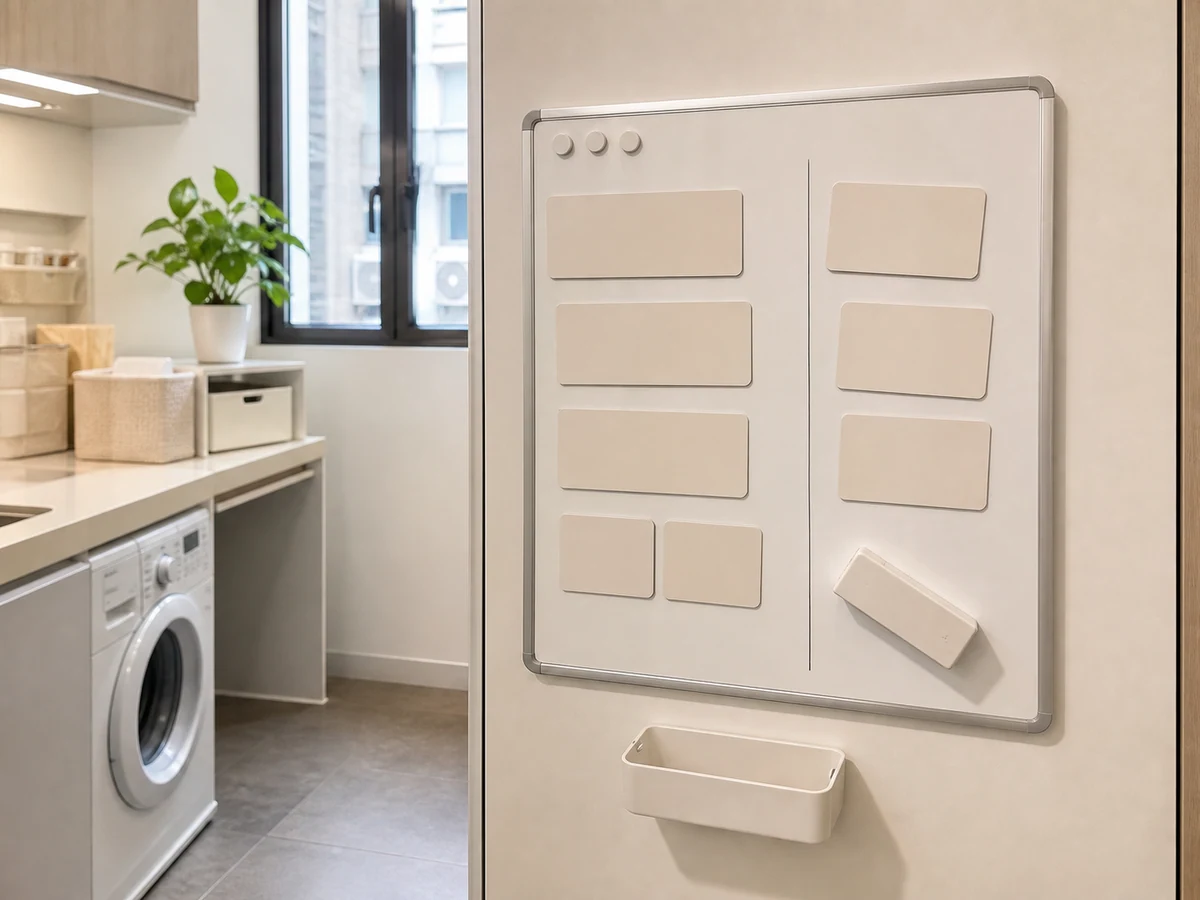
Treating the plan as an unchangeable rule
✓ Correct actionMove or replace tasks when household needs, instructions or safety conditions change.
Practical tips
Tips for helpers
- Keep the plan short enough to review at the start and end of a work period.
- Use the ten navigation groups to find the exact guide instead of relying on memory.
Tips for employers
- State priorities, acceptable results and prohibited tasks clearly; revise the plan when care duties change.
- Provide enough time, suitable tools and safe access. A missed low-priority task should be rescheduled, not rushed unsafely.
Completion checklist
Checked 0 / 7