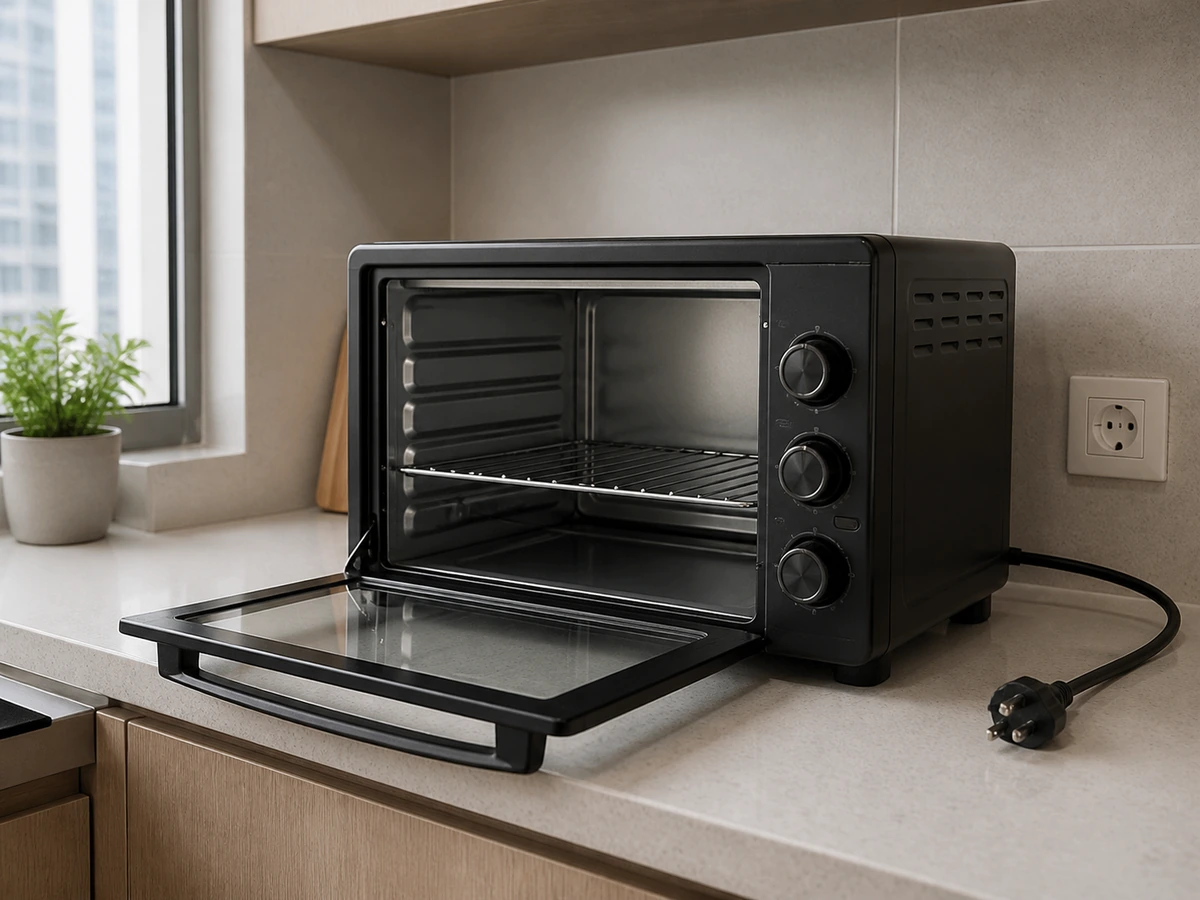
Kitchen cleaning
How to Clean an Oven Safely
Cool and isolate power first, then follow the model manual for the cavity, racks, and any cleaning cycle
Overview
An oven combines heat, electricity, and cleaning products. Switch it off, unplug it where safely accessible or isolate power as the manual directs, and wait until every surface is cool. The model manual governs racks, coatings, door seals, and any cleaning cycle; never invent a cycle, time, temperature, or chemical mixture.
Tools needed
- The exact model’s manufacturer manual
- Two or three soft cloths
- Soft non-abrasive sponge
- Mild cleaner allowed by the manual and product label
- Dry towel
- Stable protected surface for removed racks
Cleaning steps
Switch off, isolate power, and cool
Stop all cooking and warming functions, isolate power as instructed, and let the door, cavity, racks, and glass cool completely.
Check the model manual
Confirm removable racks, cavity coating, door-seal exclusions, and whether and how that model provides a cleaning cycle.
Empty the cavity
Remove food, trays, and only listed accessories. Do not distort the door seal or dismantle unlisted parts.
Remove loose debris
Collect loose crumbs with a dry soft cloth without pushing debris into vents, frame slots, or heating areas.
Clean approved surfaces
Use only compatible products and soft tools on surfaces allowed by the manual. Never mix cleaning products.
Clean racks separately
Clean removable racks according to their material and manual. Do not assume racks may remain during self-cleaning.
Wipe clear and dry
Remove cleaner residue and dry the cavity, door edge, and racks fully. Keep liquid out of frame slots and electrical parts.
Refit and inspect
Refit dry parts in the correct orientation and check the seal. Stop and arrange inspection for abnormal smell, smoke, wiring, or door-lock behaviour.
Common mistakes
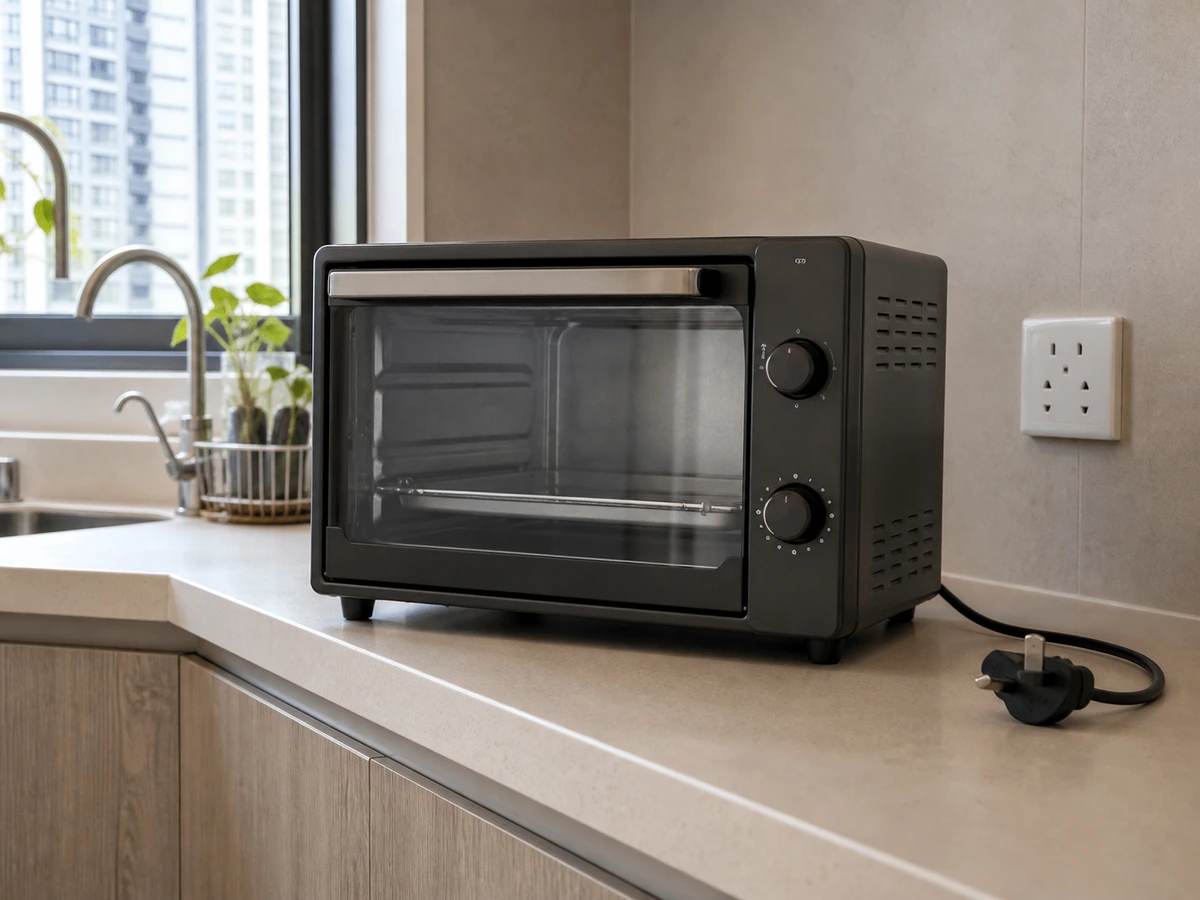
Cleaning while surfaces are hot
✓ Correct actionKeep power isolated and wait until every surface is fully cool.
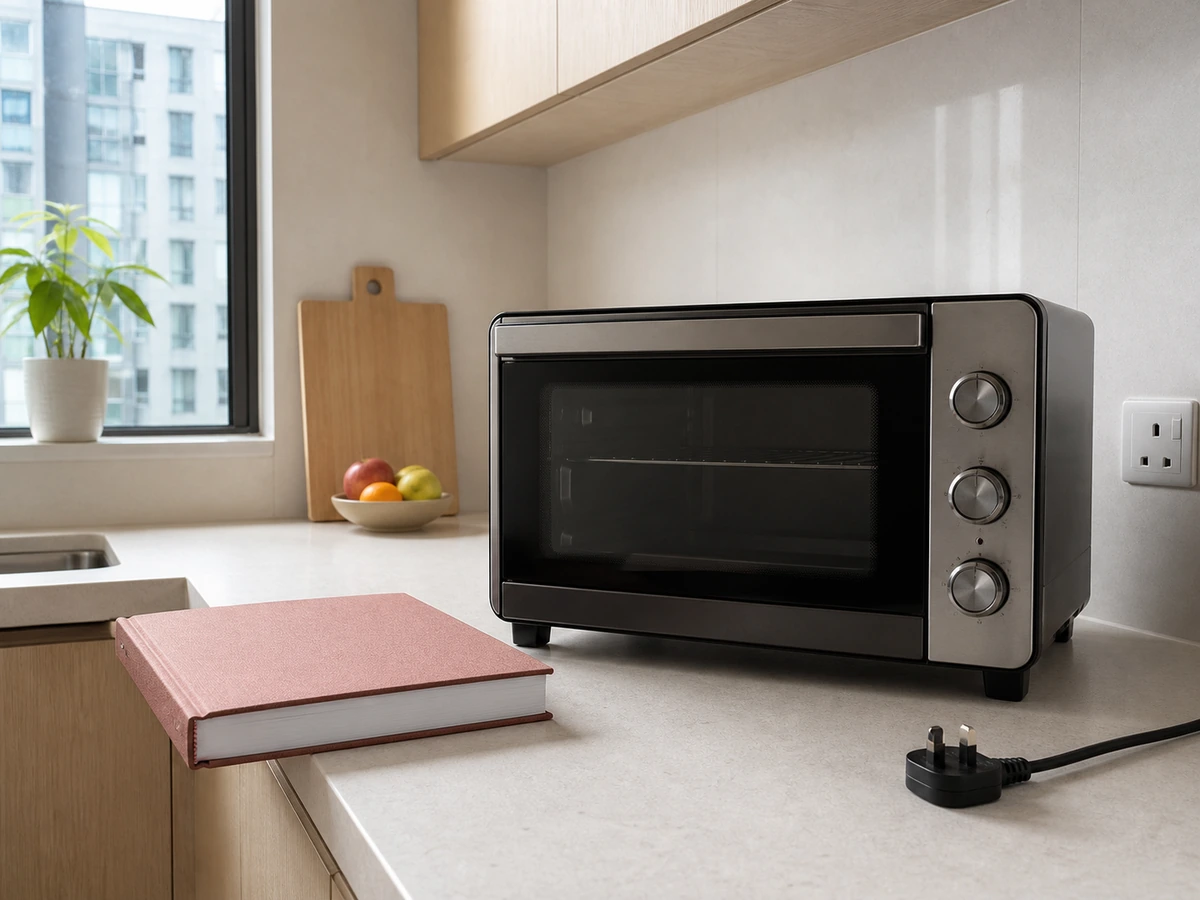
Inventing or guessing a self-clean setting
✓ Correct actionRead the model manual and use only the manufacturer’s procedure.
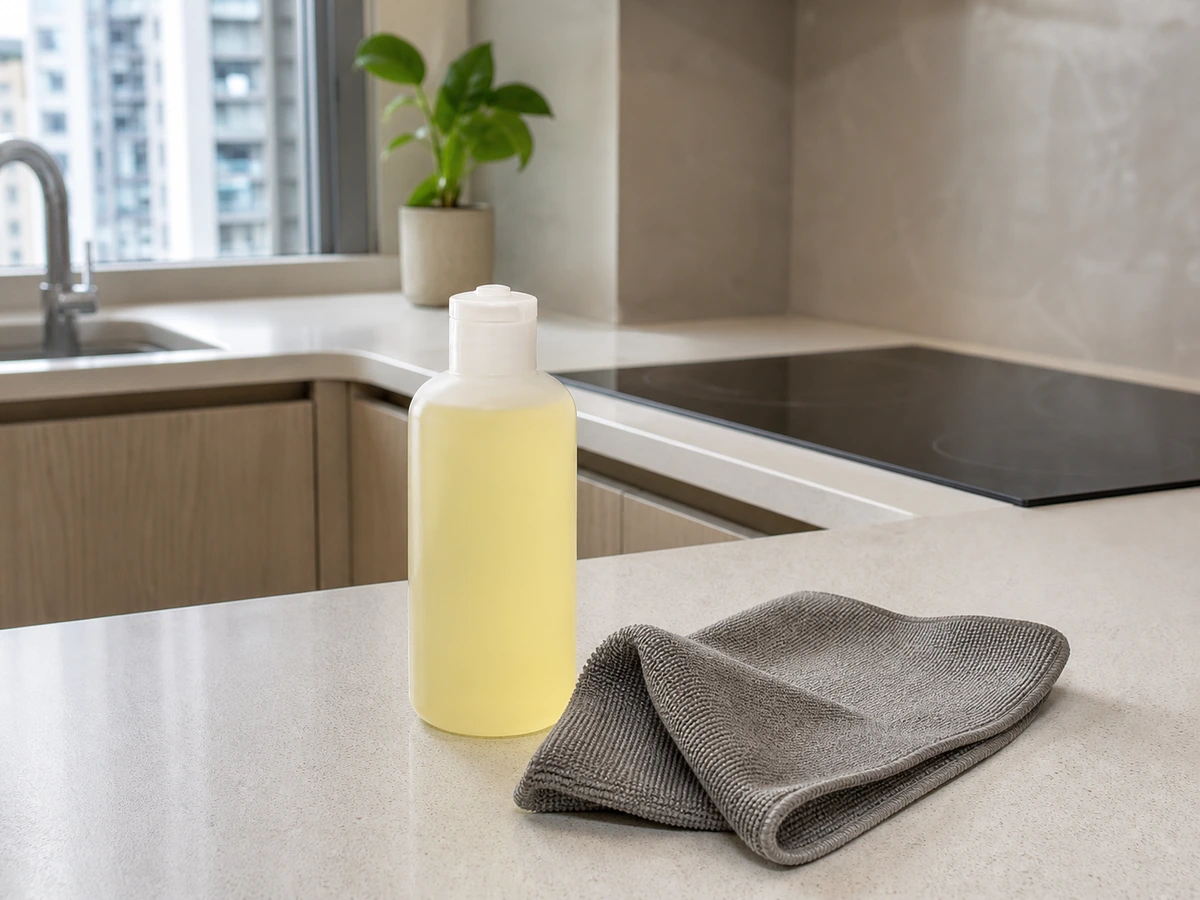
Mixing or layering cleaners
✓ Correct actionUse one cleaner only when both the manual and its label allow it.
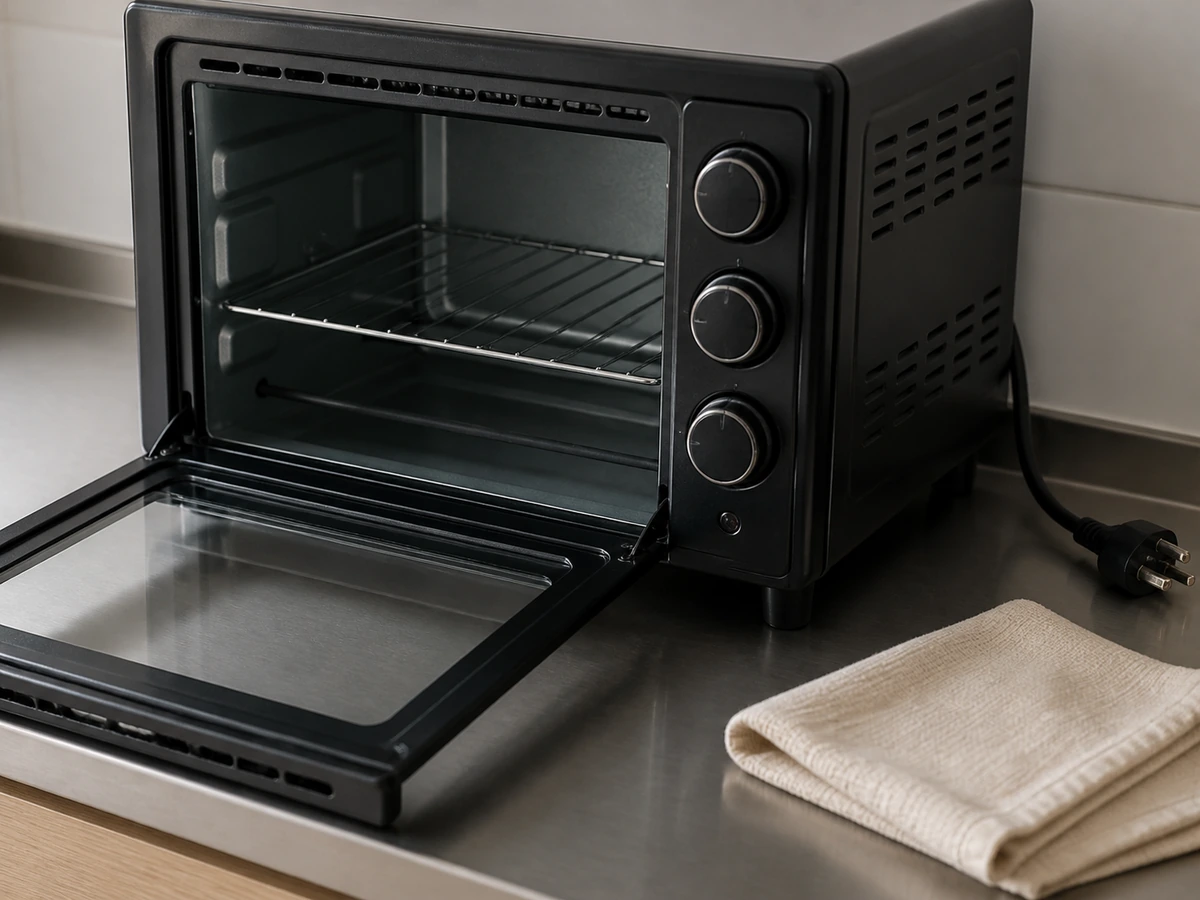
Scrubbing the seal or wetting slots
✓ Correct actionLeave the seal and electrical openings alone; clean only listed surfaces.
Practical tips
Tips for helpers
- Lift loose debris with a dry cloth before damp cleaning.
- Clean racks on a stable towel-lined surface to prevent damage.
- If a coating or part is uncertain, stop and ask for the manual.
Tips for employers
- Provide the exact model manual, especially for self-clean, steam clean, racks, and seals.
- Do not ask a helper to experiment with chemical recipes or high-temperature cycles.
- Arrange manufacturer or qualified service for seal, lock, plug, or wiring faults.
Completion checklist
Checked 0 / 8