Pet households
How to Clean a Litter Box Safely
Ventilate, remove waste gently, wash in a separate zone and wash hands
Overview
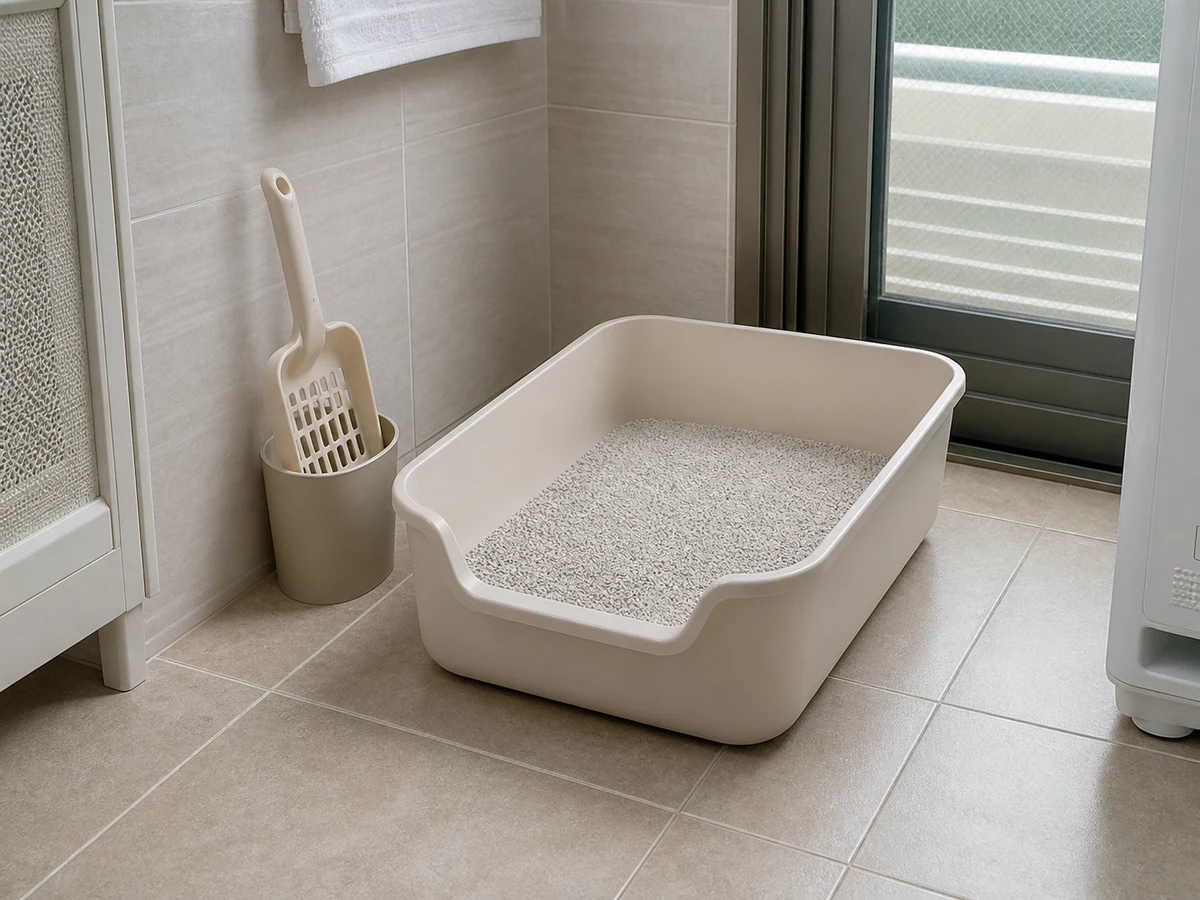
Scoop waste from the litter box daily and wash the box fully when needed. Move the cat and children away, wear gloves and avoid raising dust. Litter tools must remain separate from feeding and general-cleaning items.
Tools needed
- Disposable or washable protective gloves
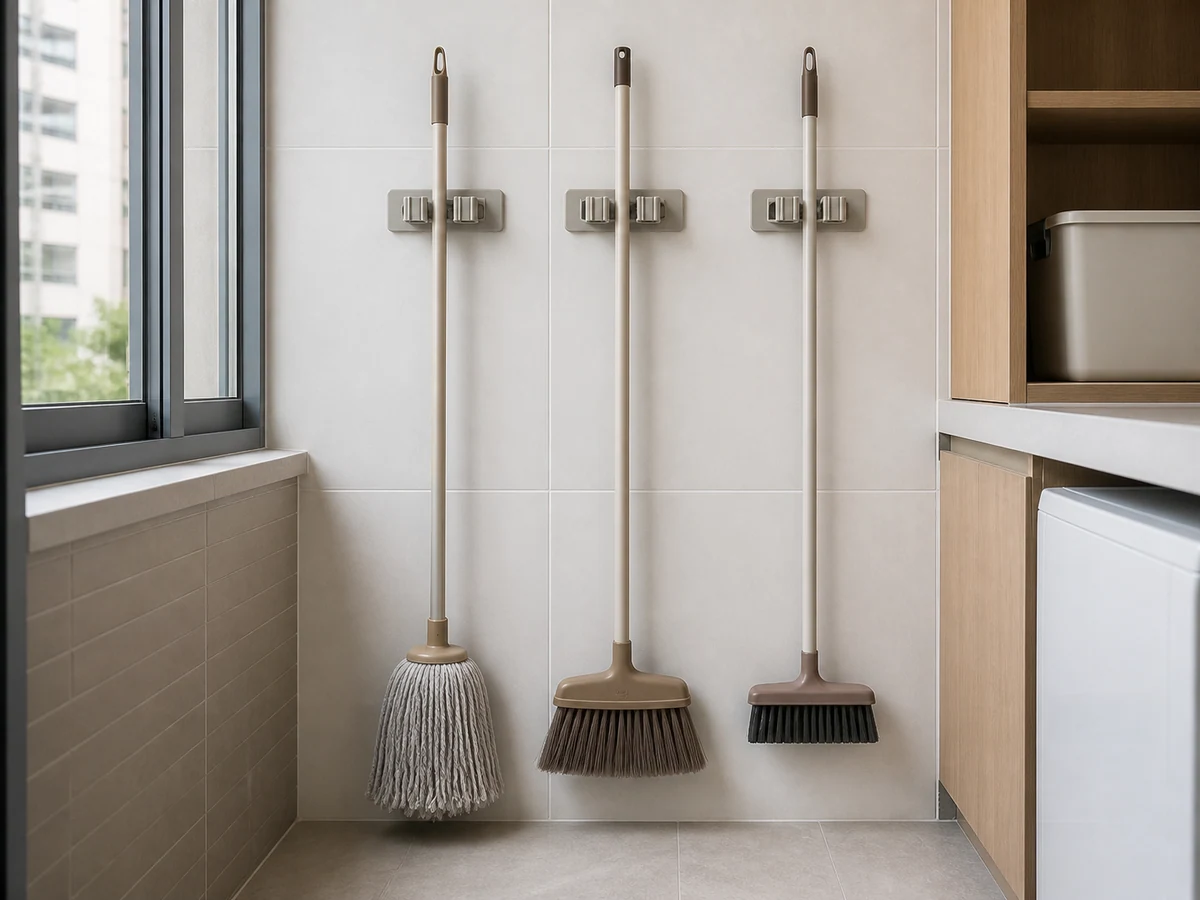
- Litter-only scoop
- Sealable waste bags
- Litter-only soft brush or sponge
- One compatible label-directed product
- Clean water and dry cloth
Cleaning steps
Ventilate and isolate the area
Use safe available ventilation. Move the cat, children, food and feeding items away, then put on gloves.
Scoop waste gently
Use the dedicated scoop to lift clumps and waste slowly. Do not shake or pour in a way that raises dust.
Seal and discard waste
Place waste in a sealable bag, close it and dispose of it under household rules away from food areas.
Empty remaining litter when needed
For a full wash, gently pour remaining litter into the waste bag. Never use a feeding container.
Wash with litter-only tools
In a ventilated area, follow box and product directions using one compatible product and the litter-only brush. Never mix products.
Rinse and dry completely
Remove soil and cleaner residue. Wipe and air-dry the box fully before adding clean litter.
Clean tools and wash hands
Clean and dry litter-only tools and store them separately. Remove gloves and wash hands with soap and water.
Common mistakes
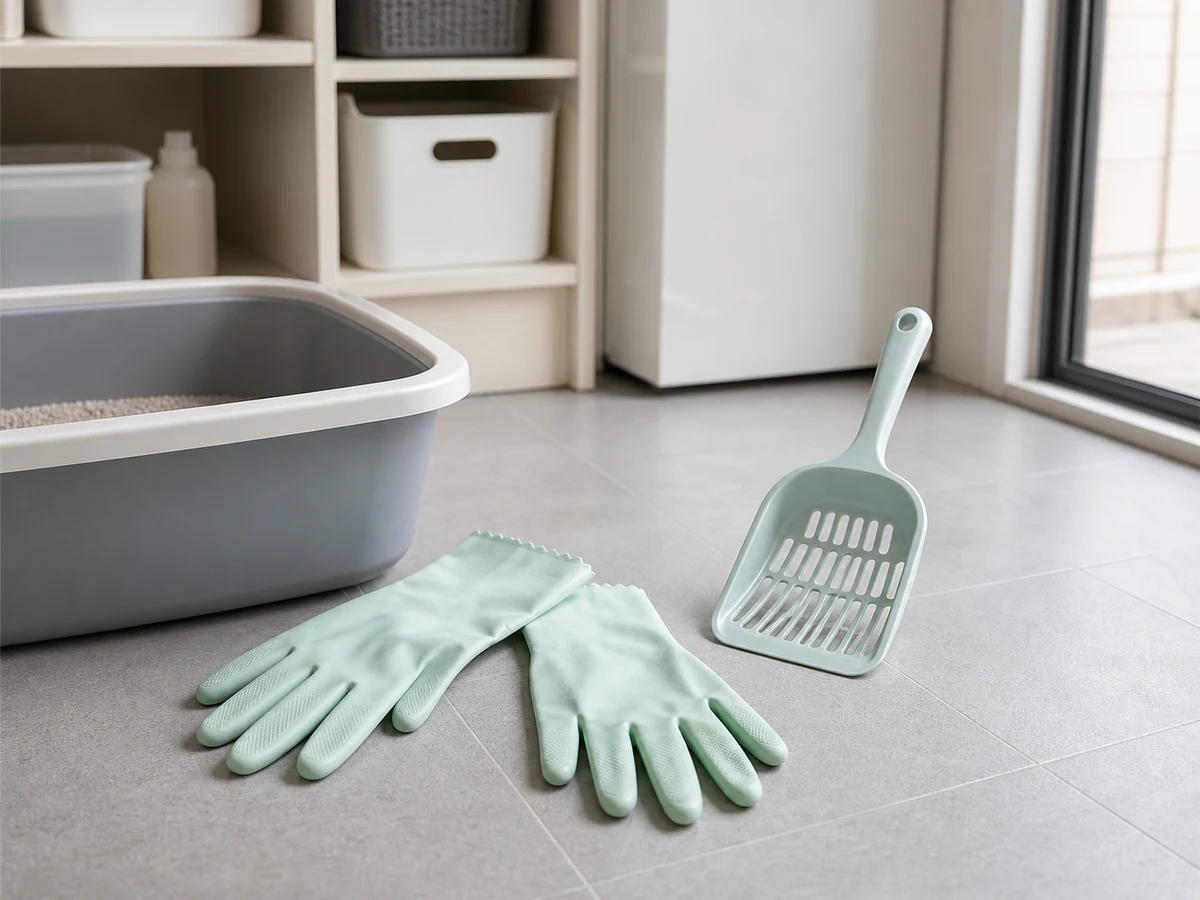
Handling litter without gloves
✓ Correct actionPut on suitable gloves first, then remove them and wash hands after the task.
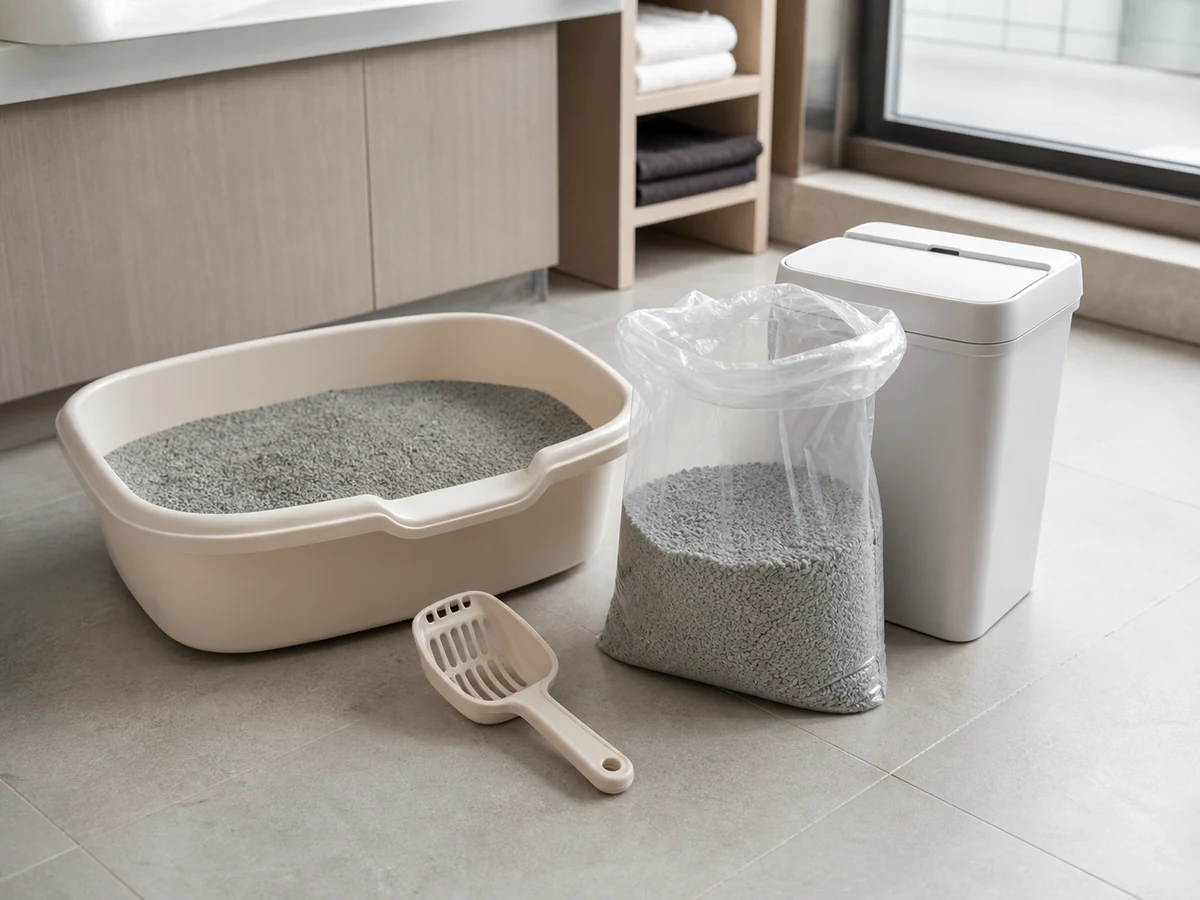
Pouring roughly and raising dust
✓ Correct actionScoop and bag gently with ventilation and no dust cloud.
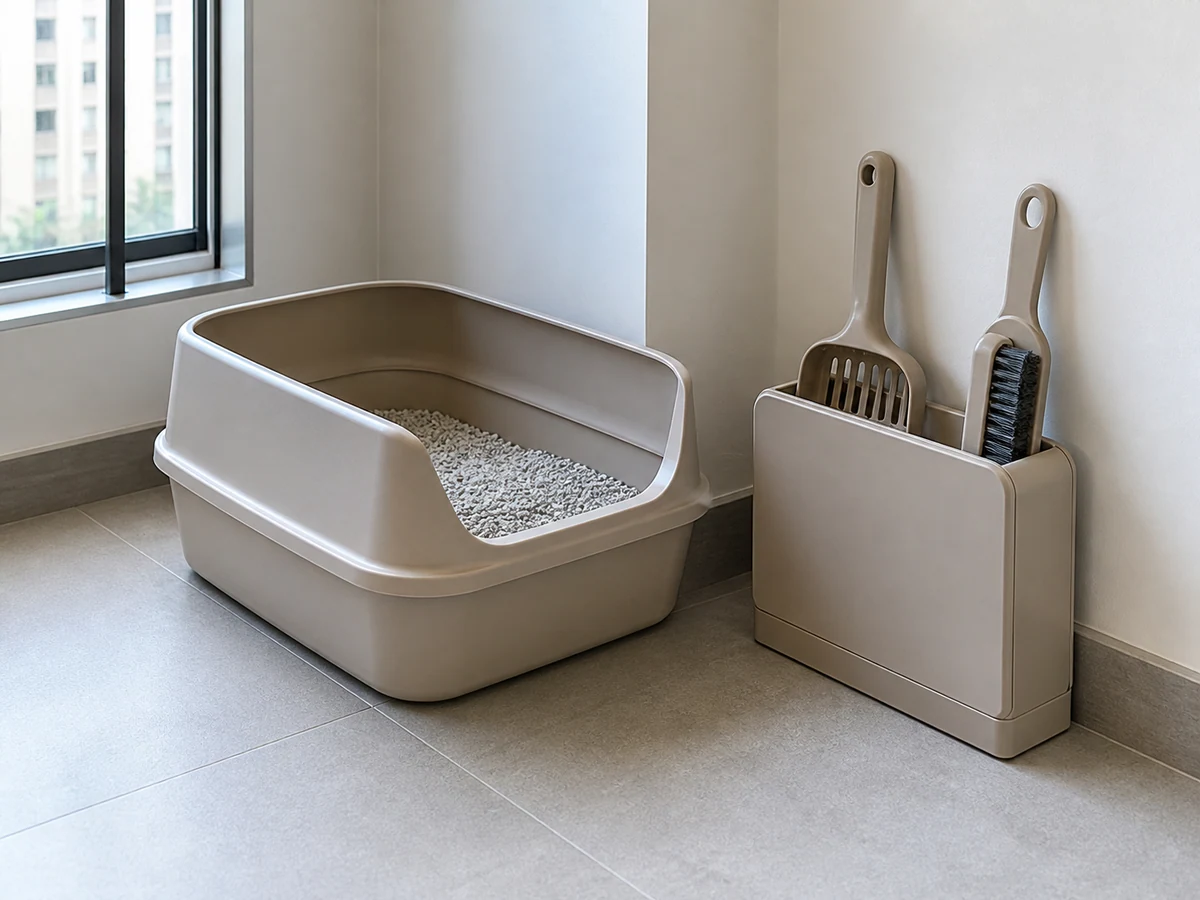
Cleaning with a feeding brush
✓ Correct actionUse clearly separated litter-only tools and containers.
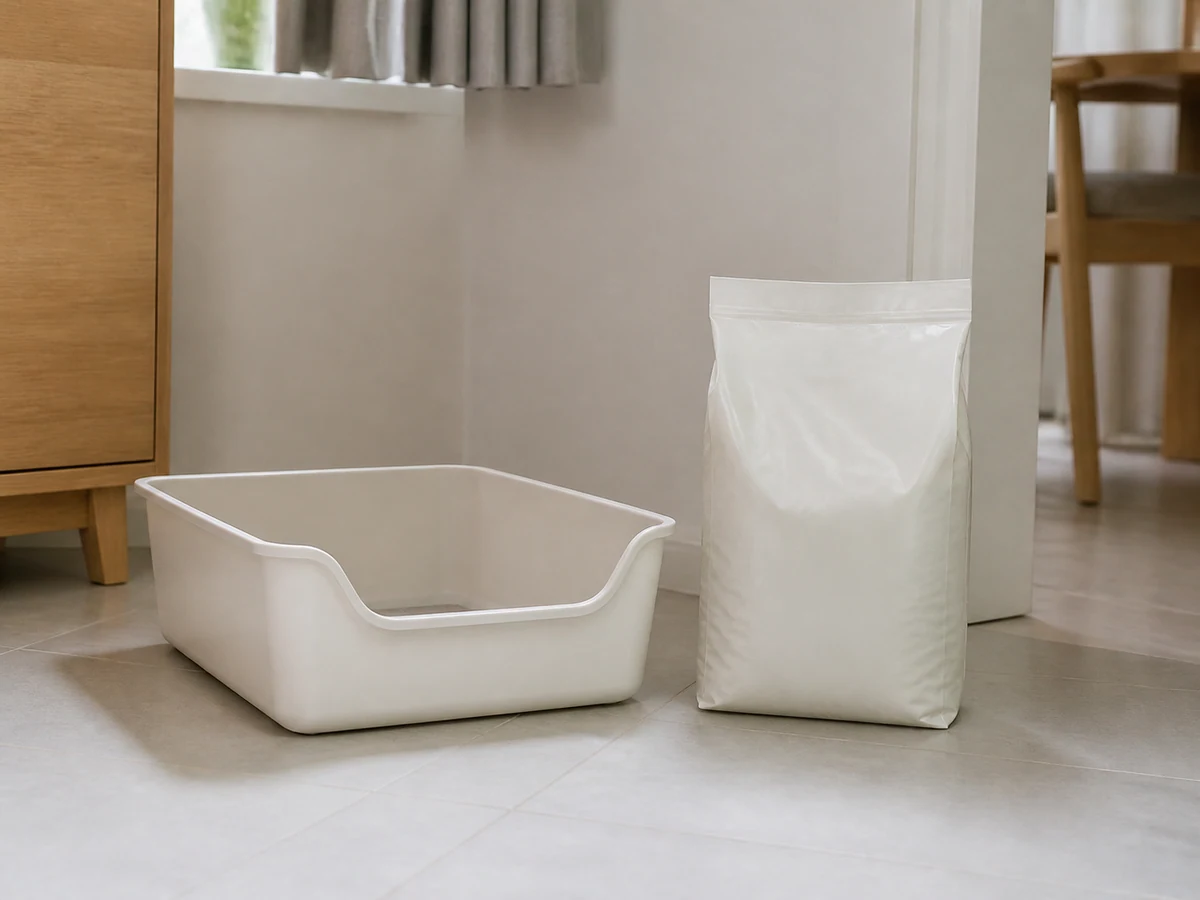
Adding litter to a damp box
✓ Correct actionRinse and dry the box completely before refilling.
Practical tips
Tips for helpers
- Daily scooping reduces the work needed for a full wash.
- Prepare and open the waste bag before starting so the scoop does not travel through the home.
Tips for employers
- Provide ventilation, gloves and separate storage for litter tools.
- Consider replacement if the box is cracked, deeply scratched or cannot be cleaned.
Completion checklist
Checked 0 / 9