
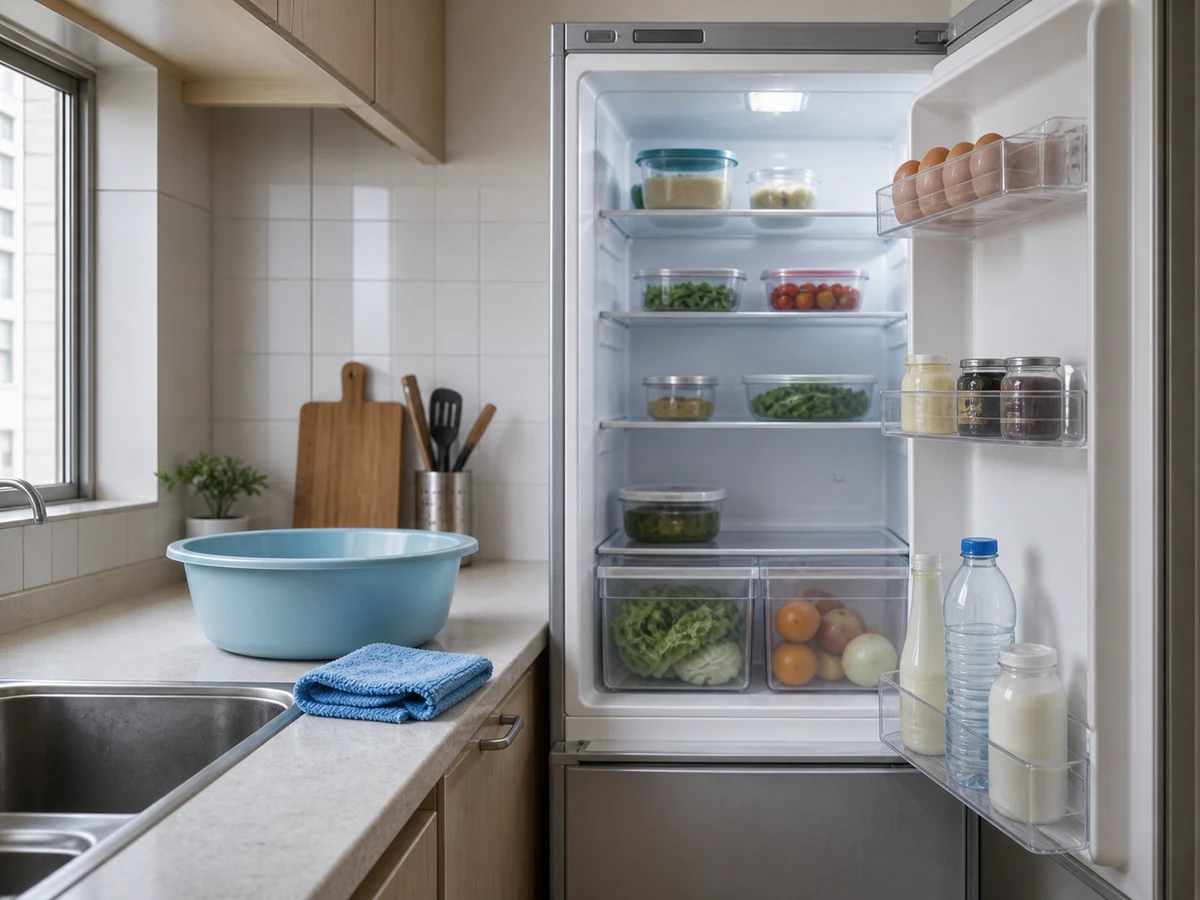
How to Clean a Refrigerator Properly
Eight steps for the interior, shelves, drawers and door seals
Practical guides for the refrigerator, microwave, cooktop, range hood, rice cooker, kettle, chopping board, cabinets and food containers.

45 results
Eight steps for the interior, shelves, drawers and door seals
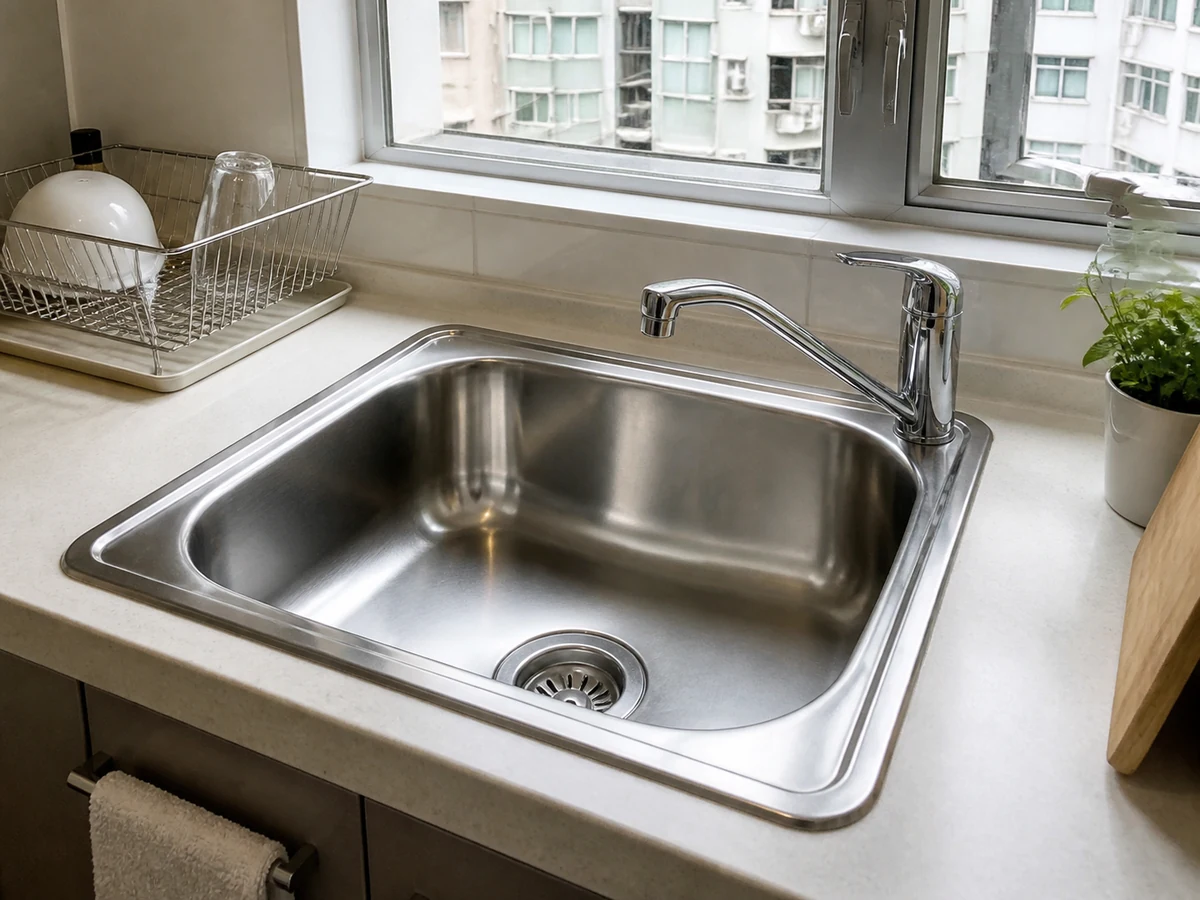
Remove food debris, greasy film, and drain-edge dirt
Remove exterior grease and clean only a model-approved washable filter
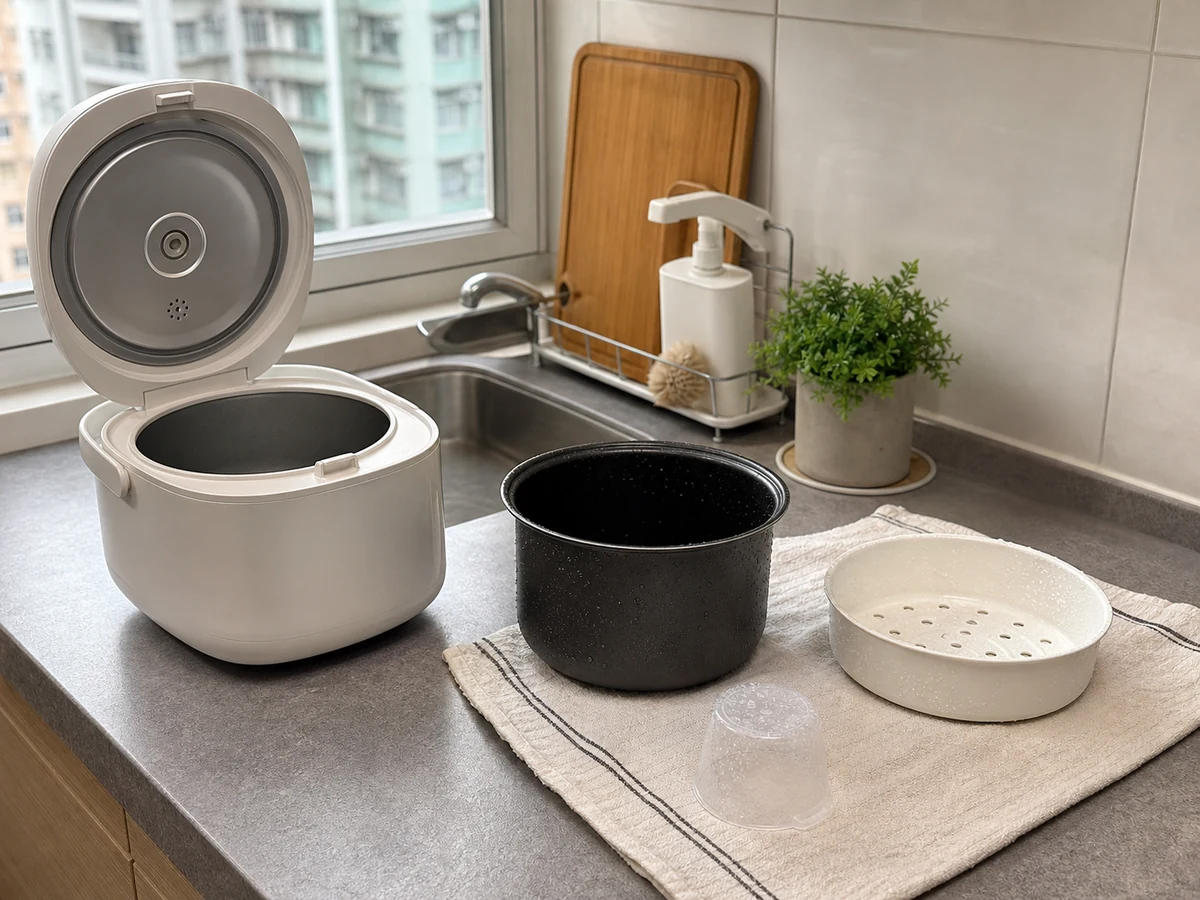
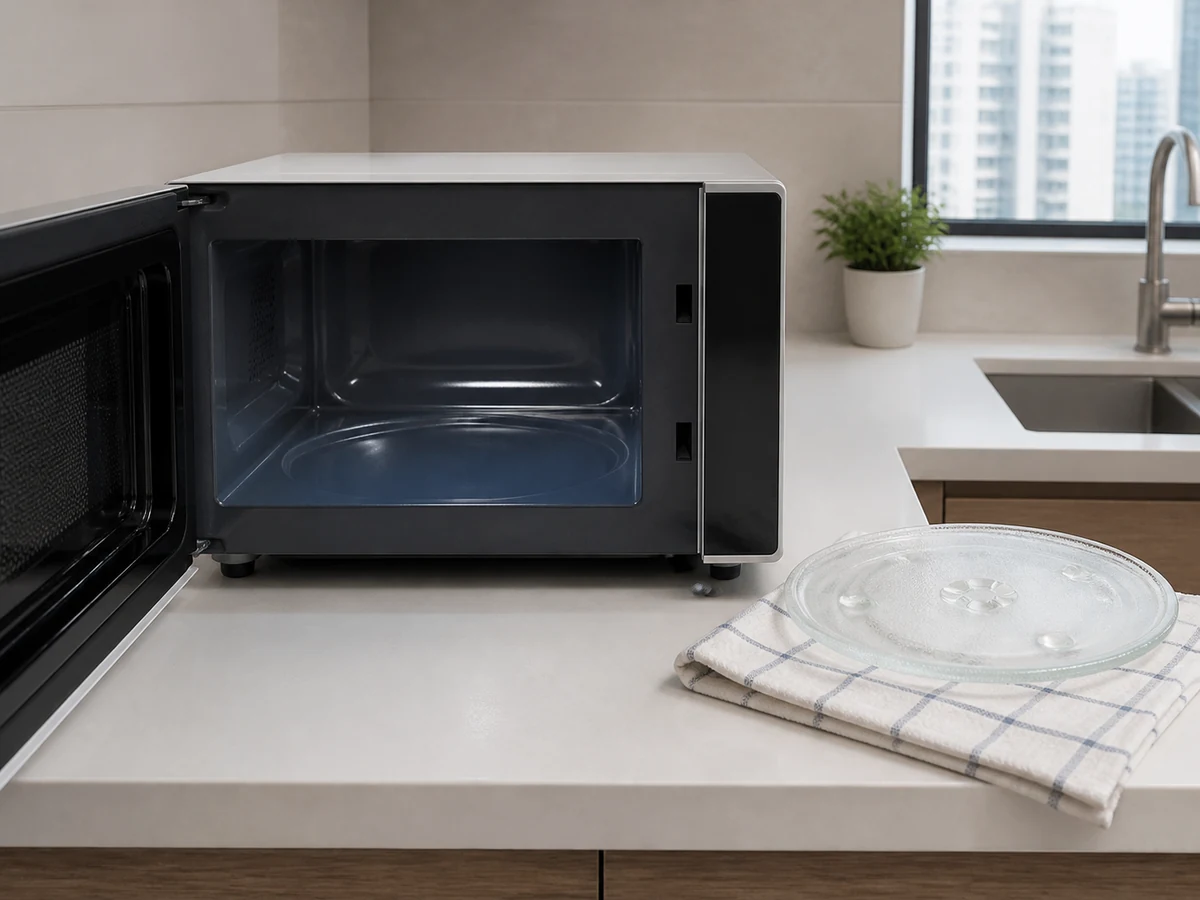
Wash approved removable parts after cooling and keep the body and sensors dry
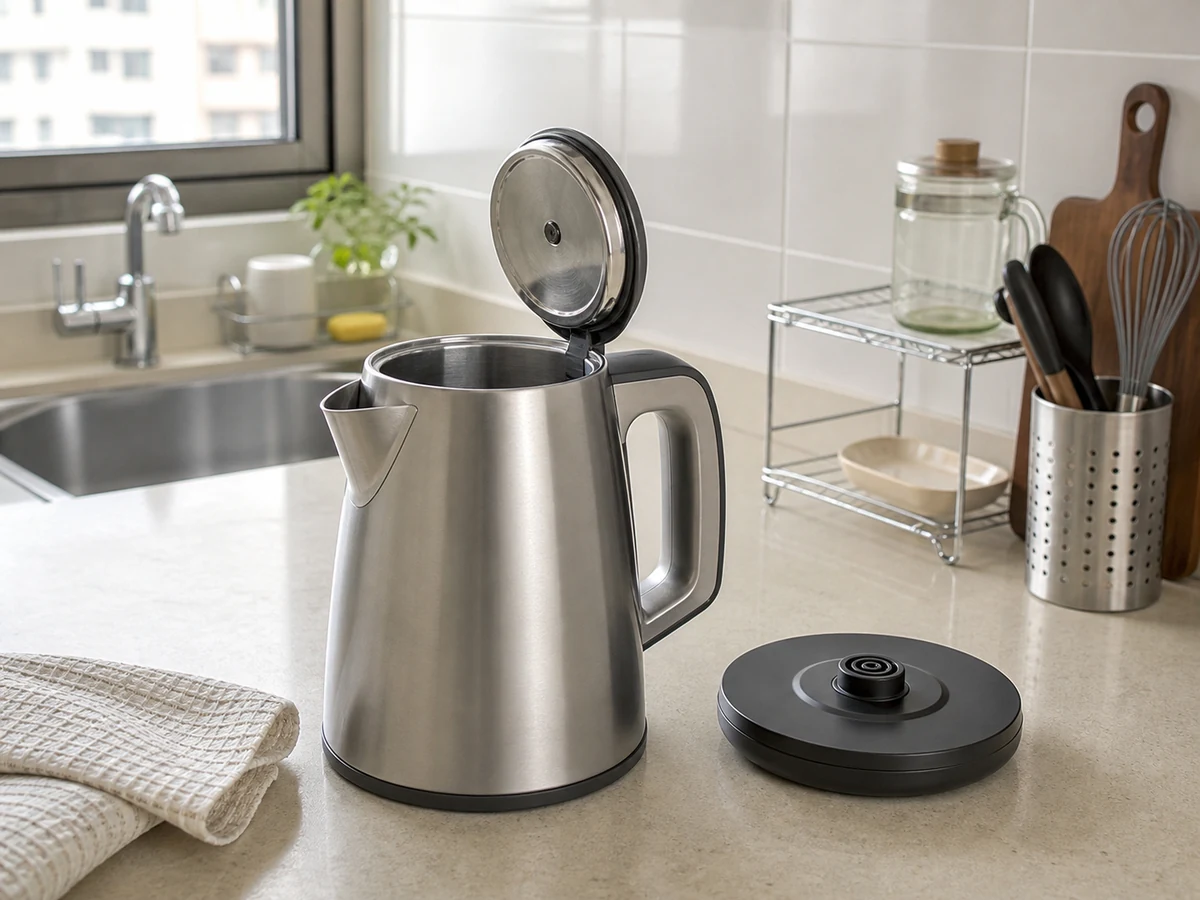
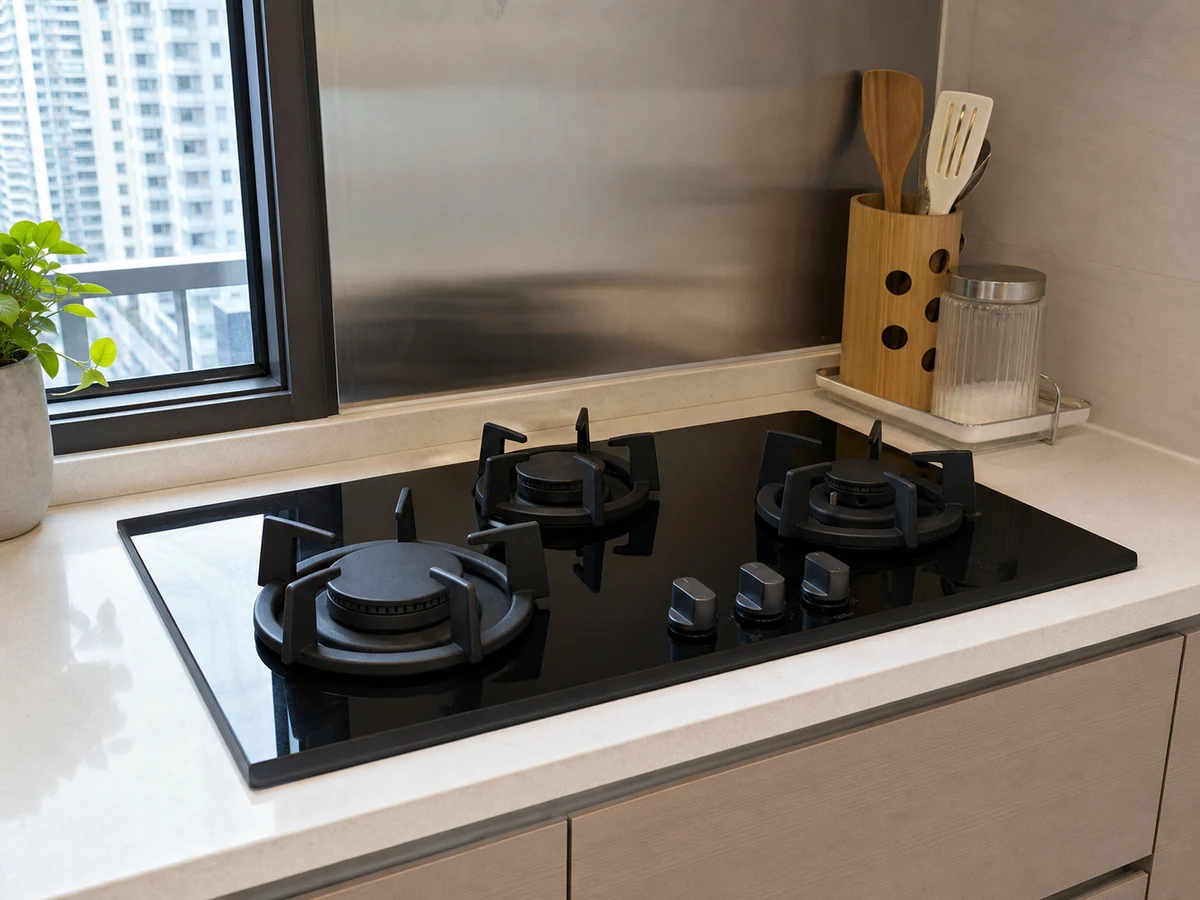
Follow the model method and keep strict control of heat, power, and water
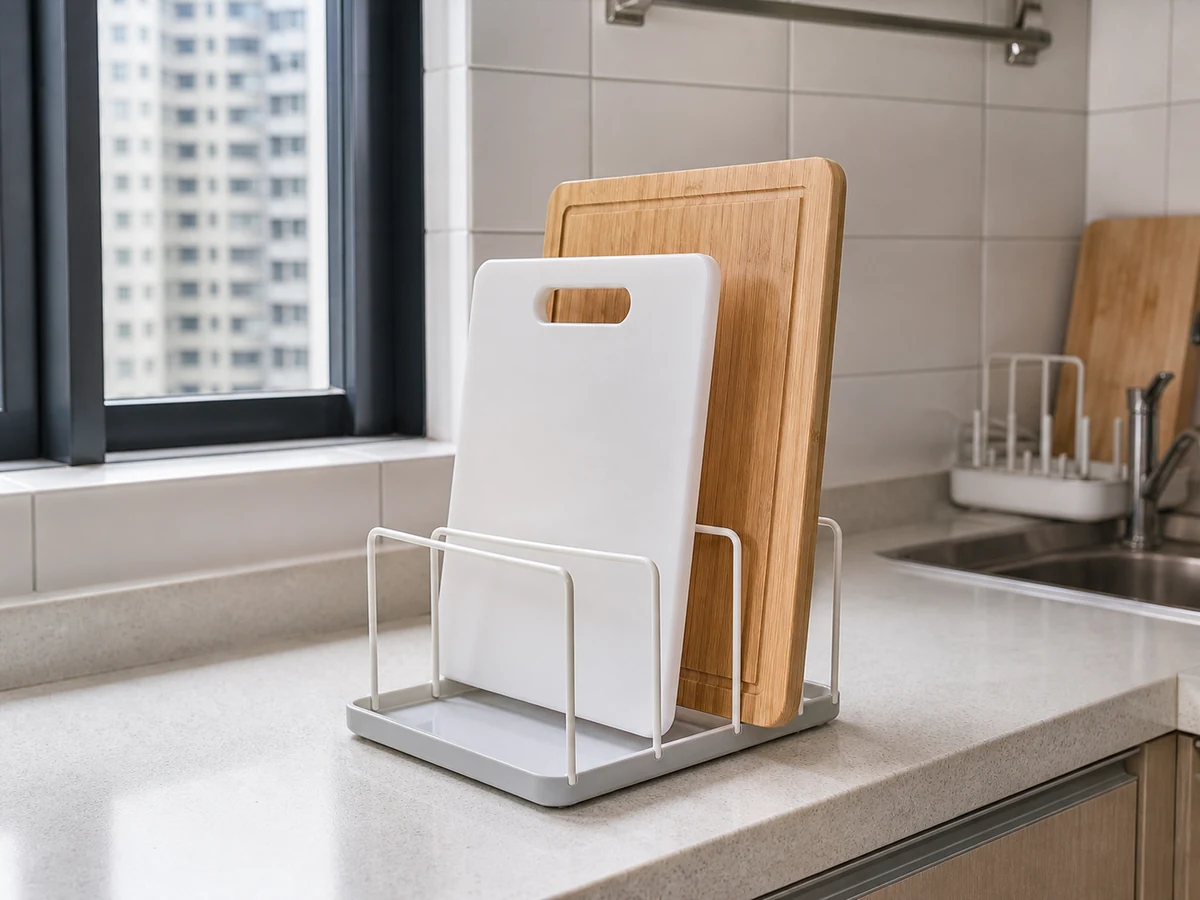
Remove food residue, separate raw and ready-to-eat use, and dry fully

Clean by material without soaking edges, seams, or hinges
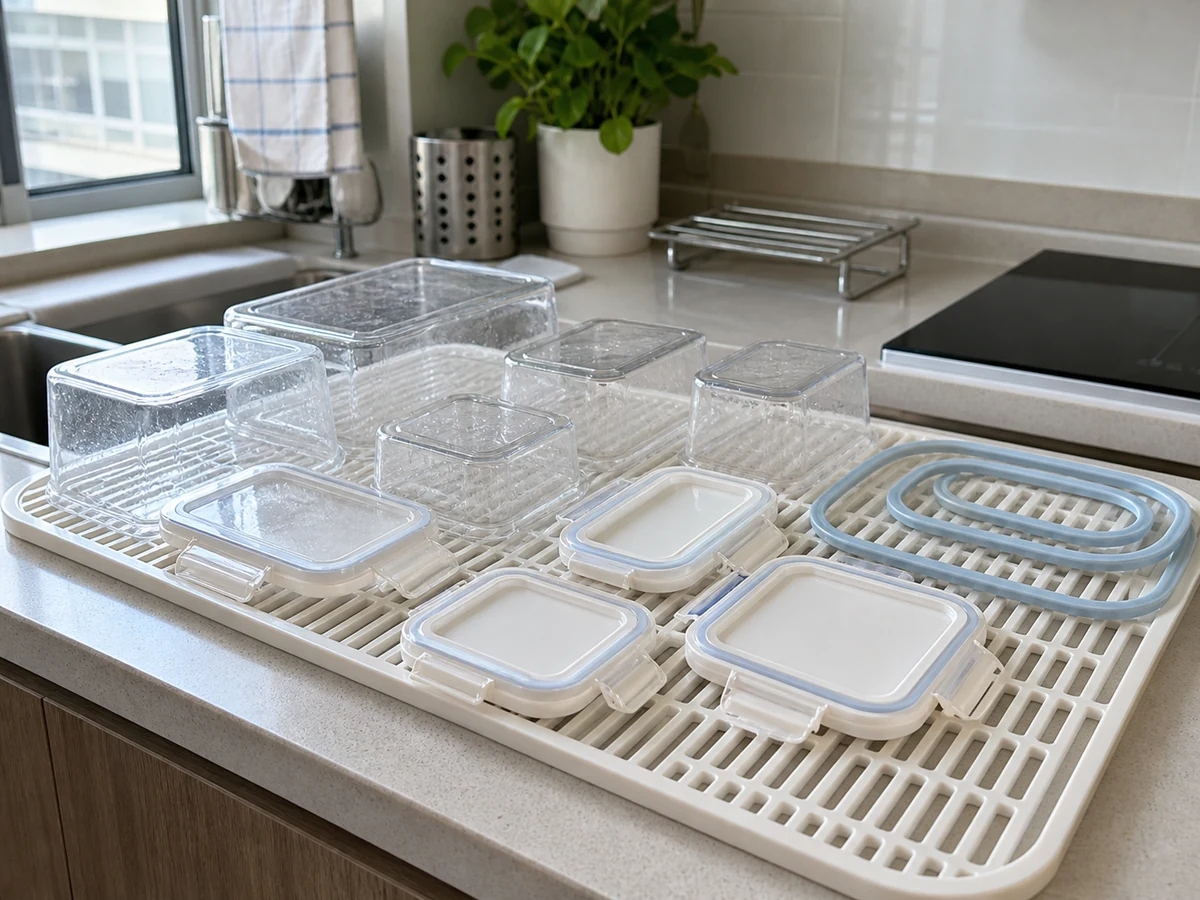
Remove grease, wash approved removable parts, and dry fully before closing
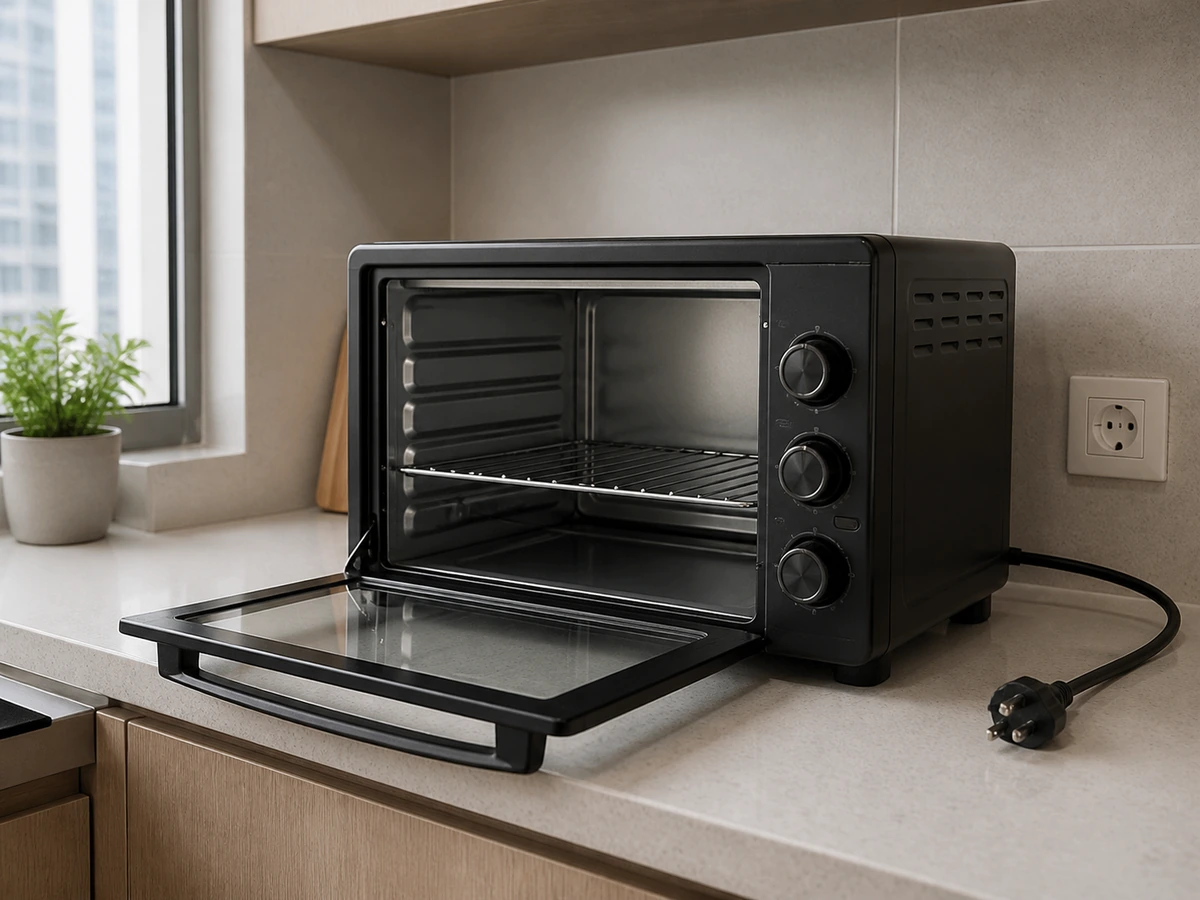
Cool and isolate power first, then follow the model manual for the cavity, racks, and any cleaning cycle
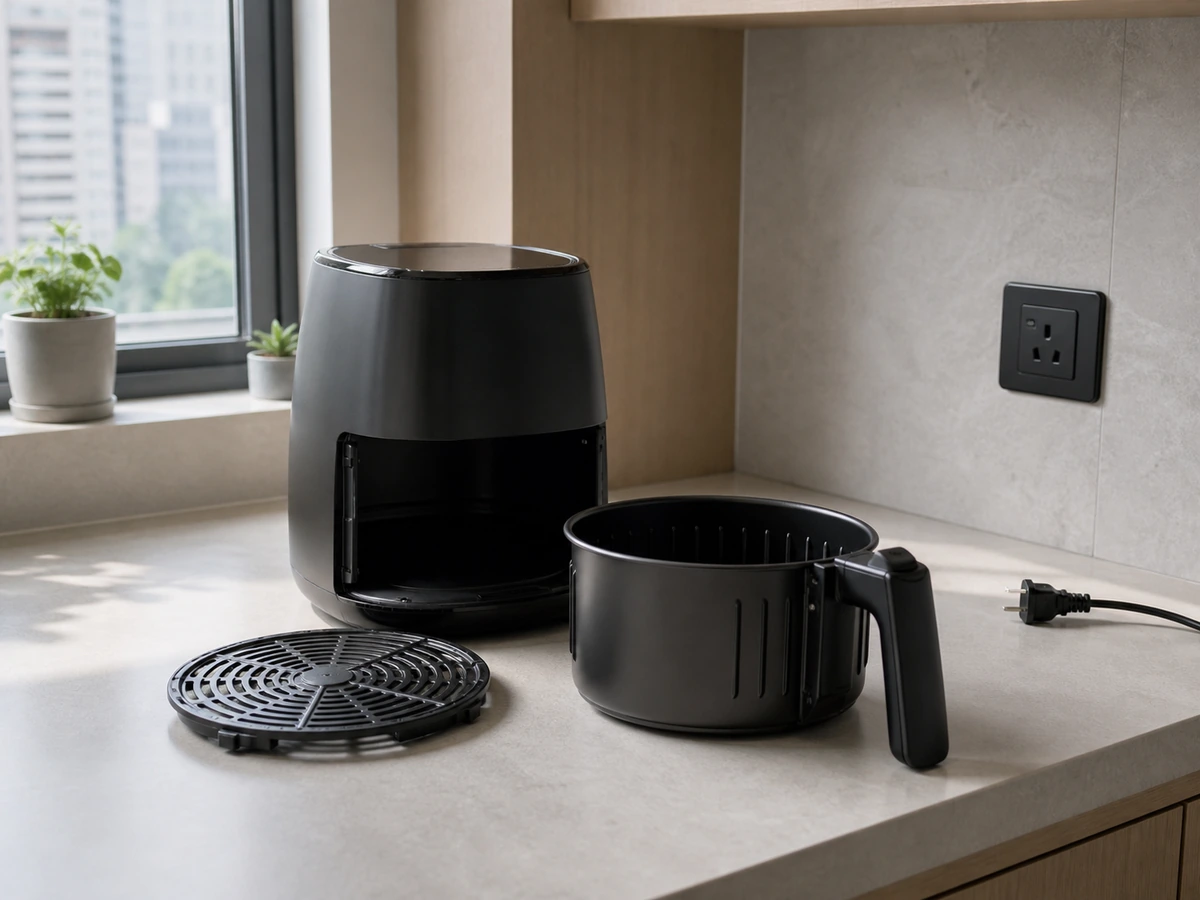
Wash approved removable parts separately and treat the body and heater area only as the manual allows
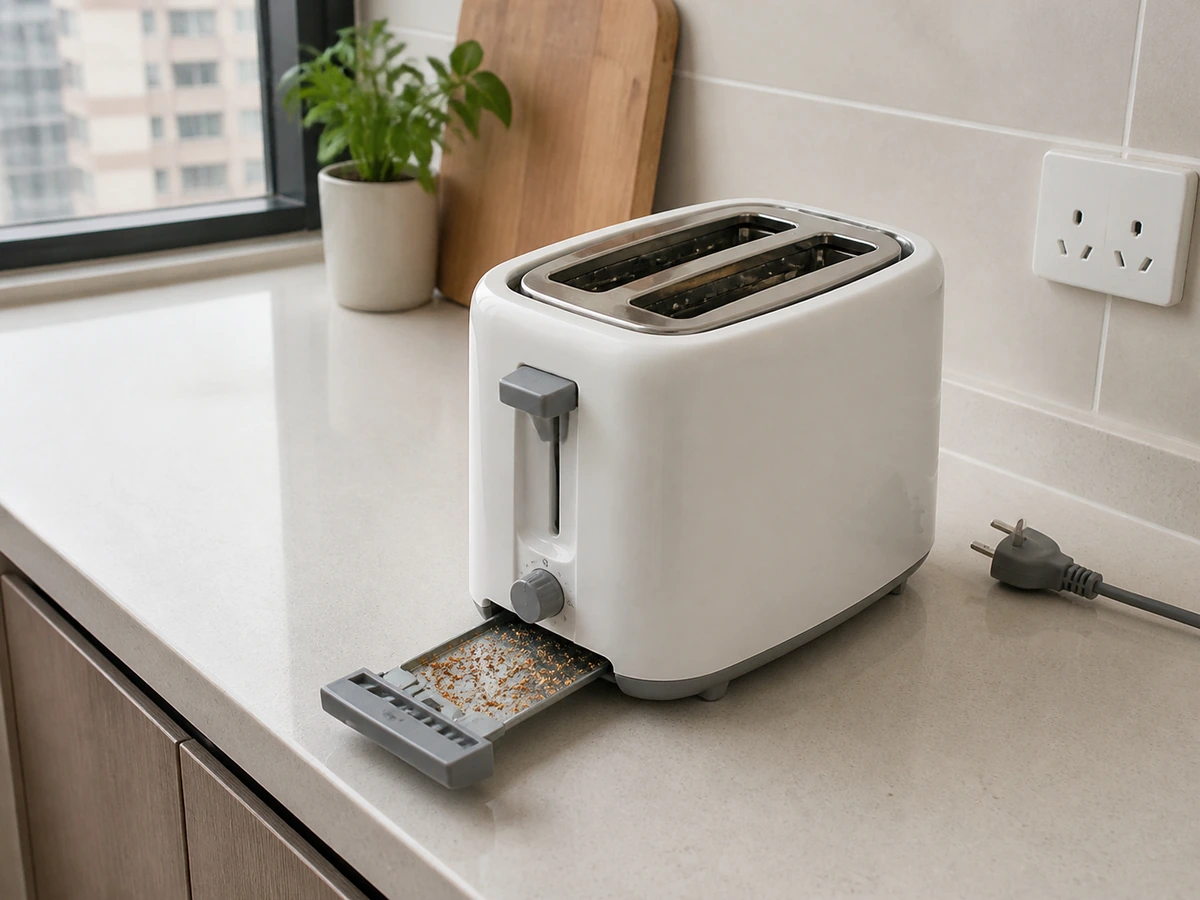
Unplug and cool before emptying the model’s crumb tray while keeping the body dry
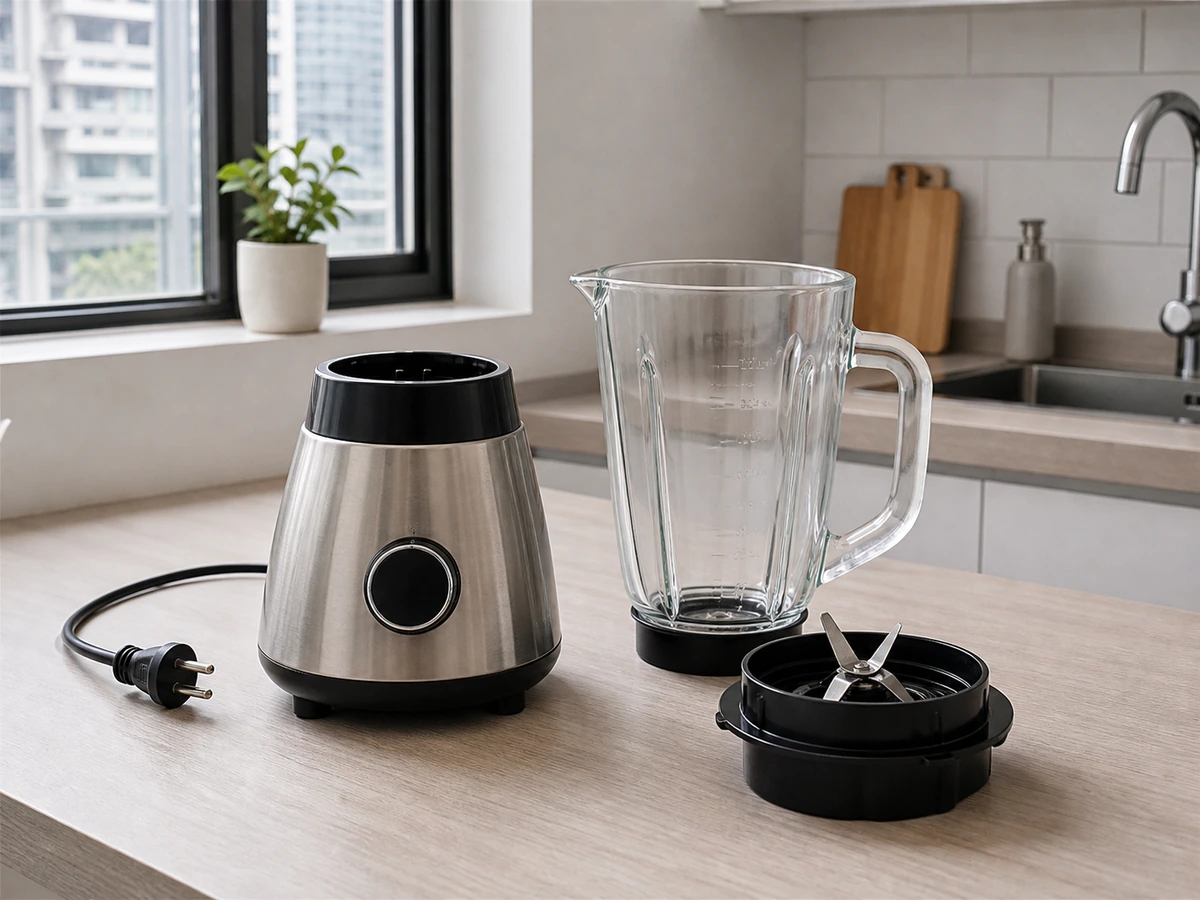
Unplug, wash listed food-contact parts, keep blades still, and keep the motor base dry
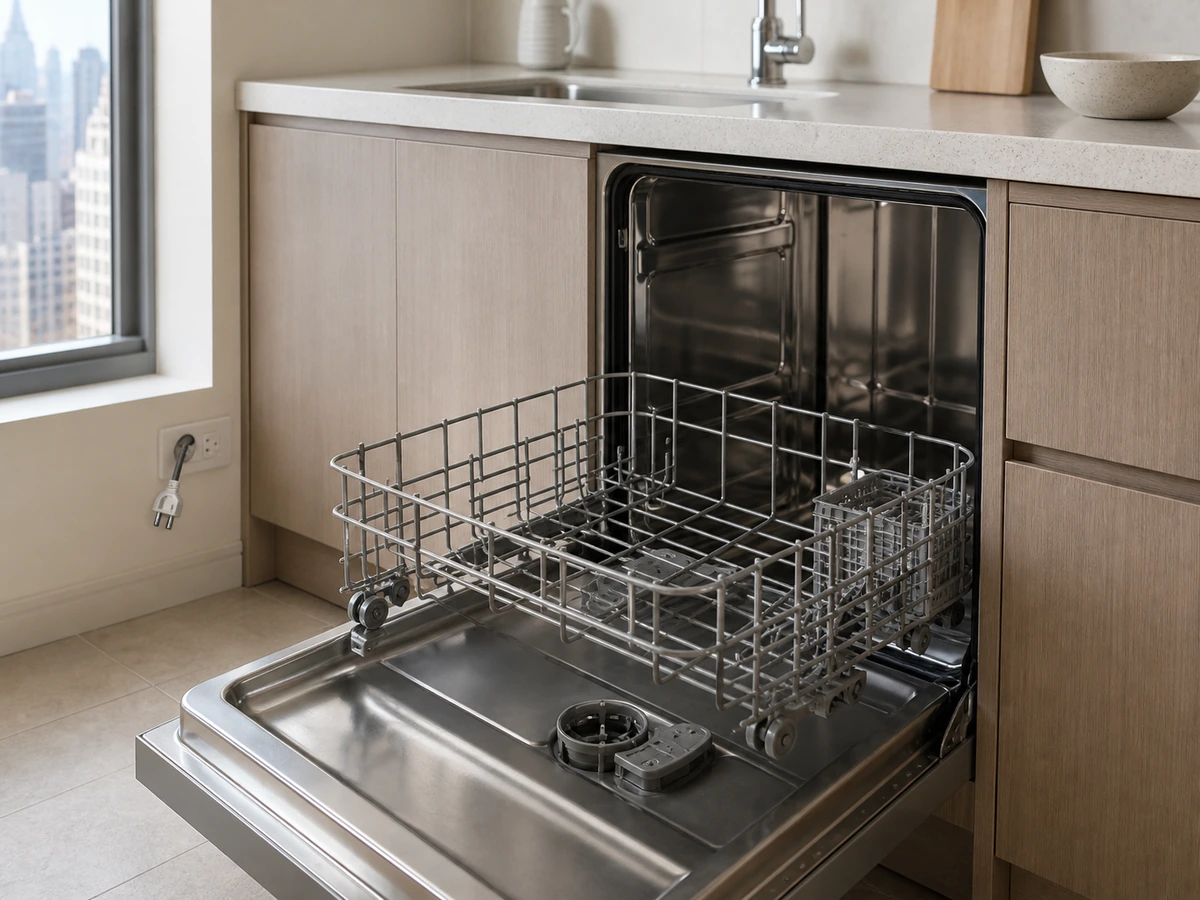
Remove the filter only as the model manual directs, keep debris out of the sump, and lock it back correctly
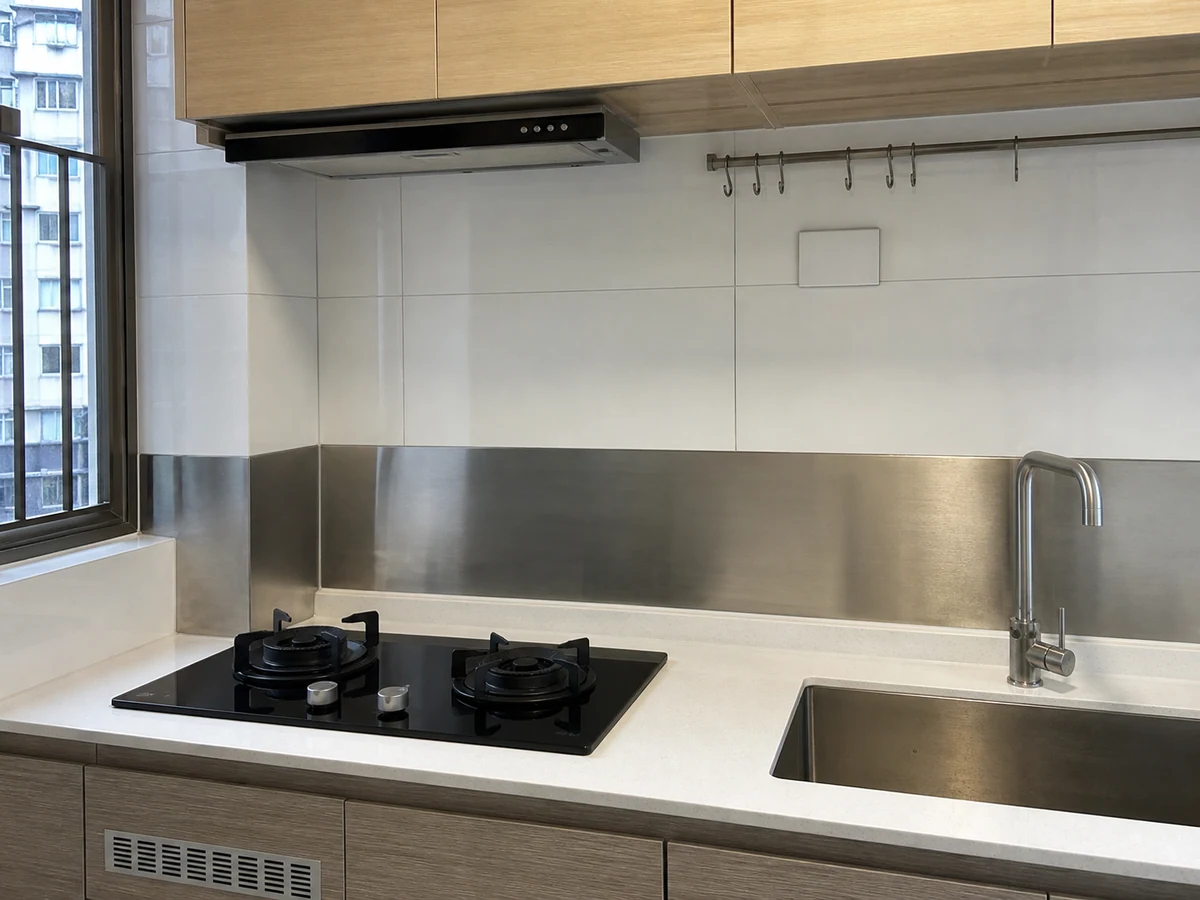
Identify the material, then clean compatible sections and dry
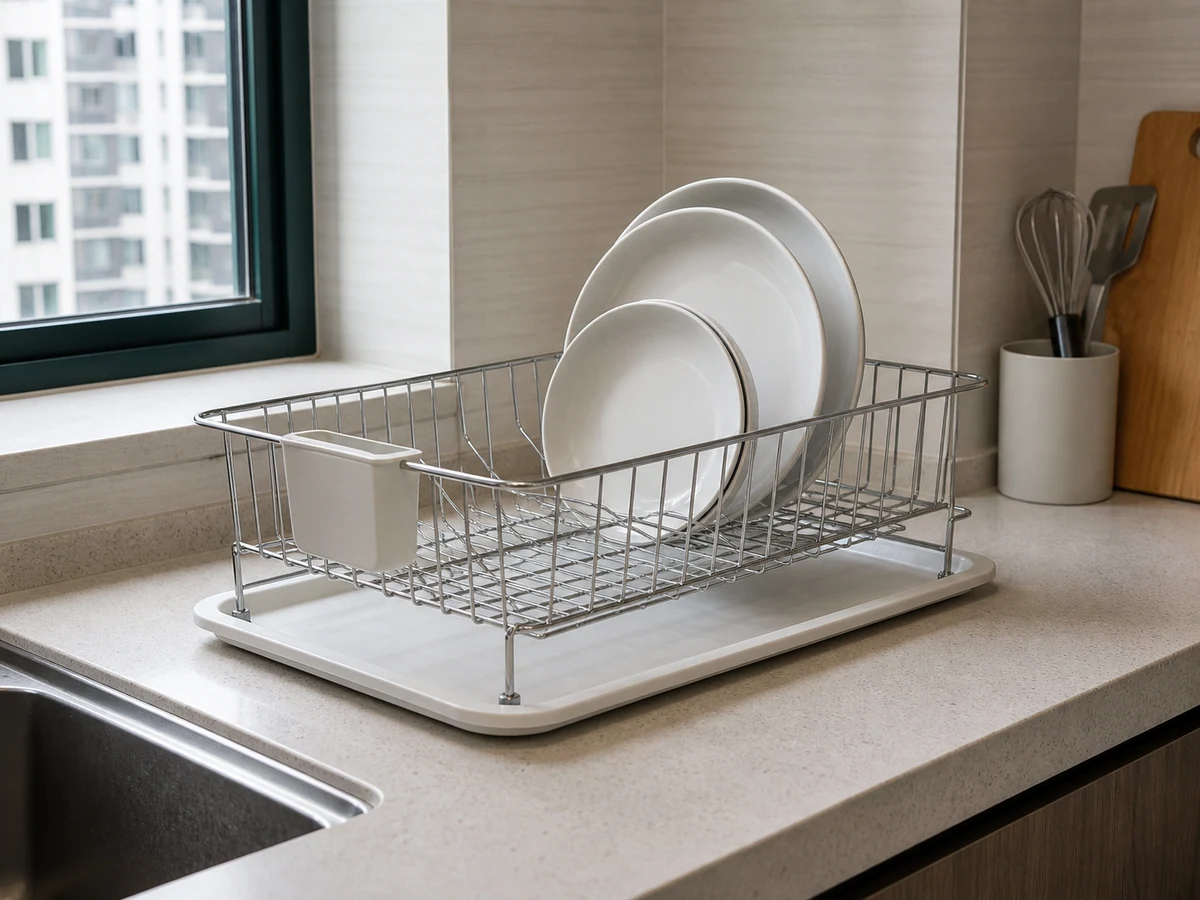
Remove detachable parts, empty standing water, wash and air-dry fully
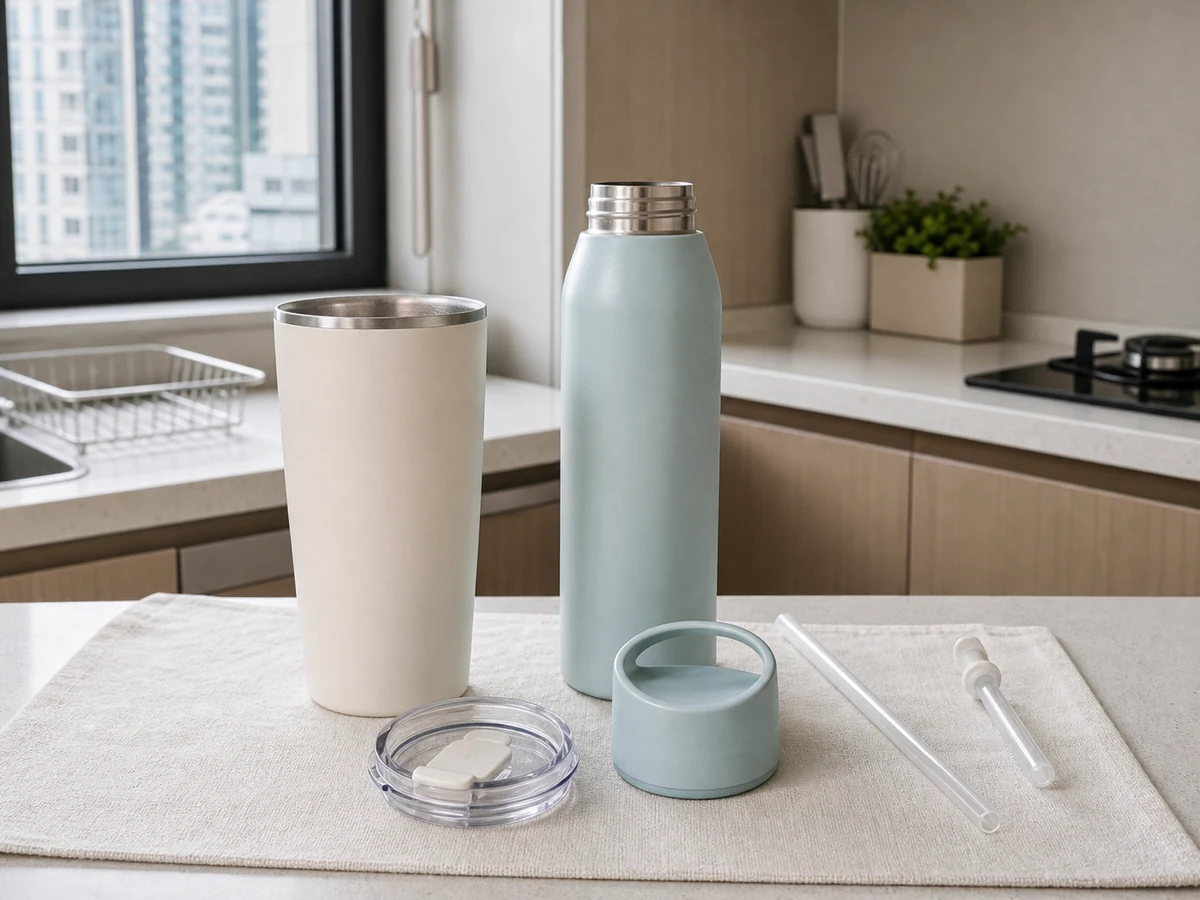
Clean the model-specific lid, seals and straw, then rinse and dry fully
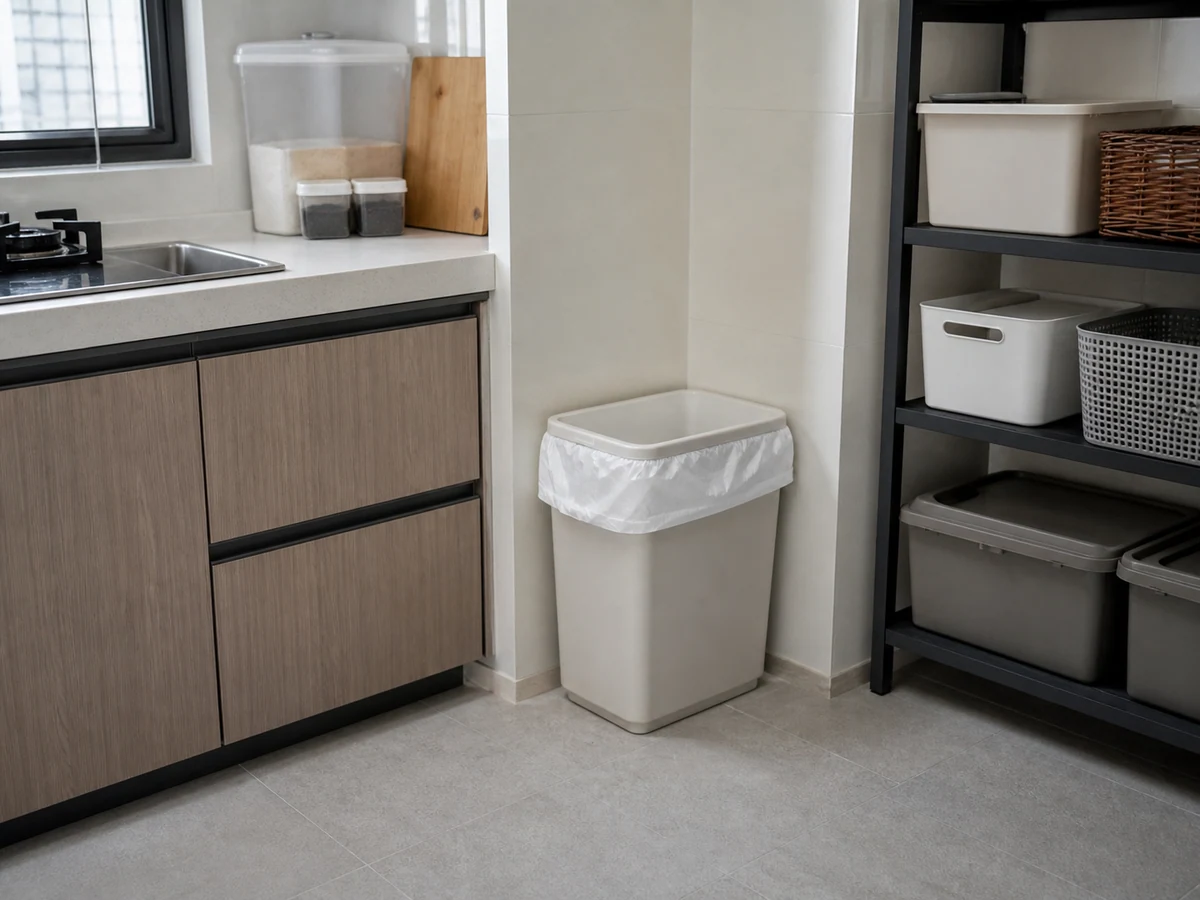
Remove waste safely, clean in a separate zone, dry fully and wash hands
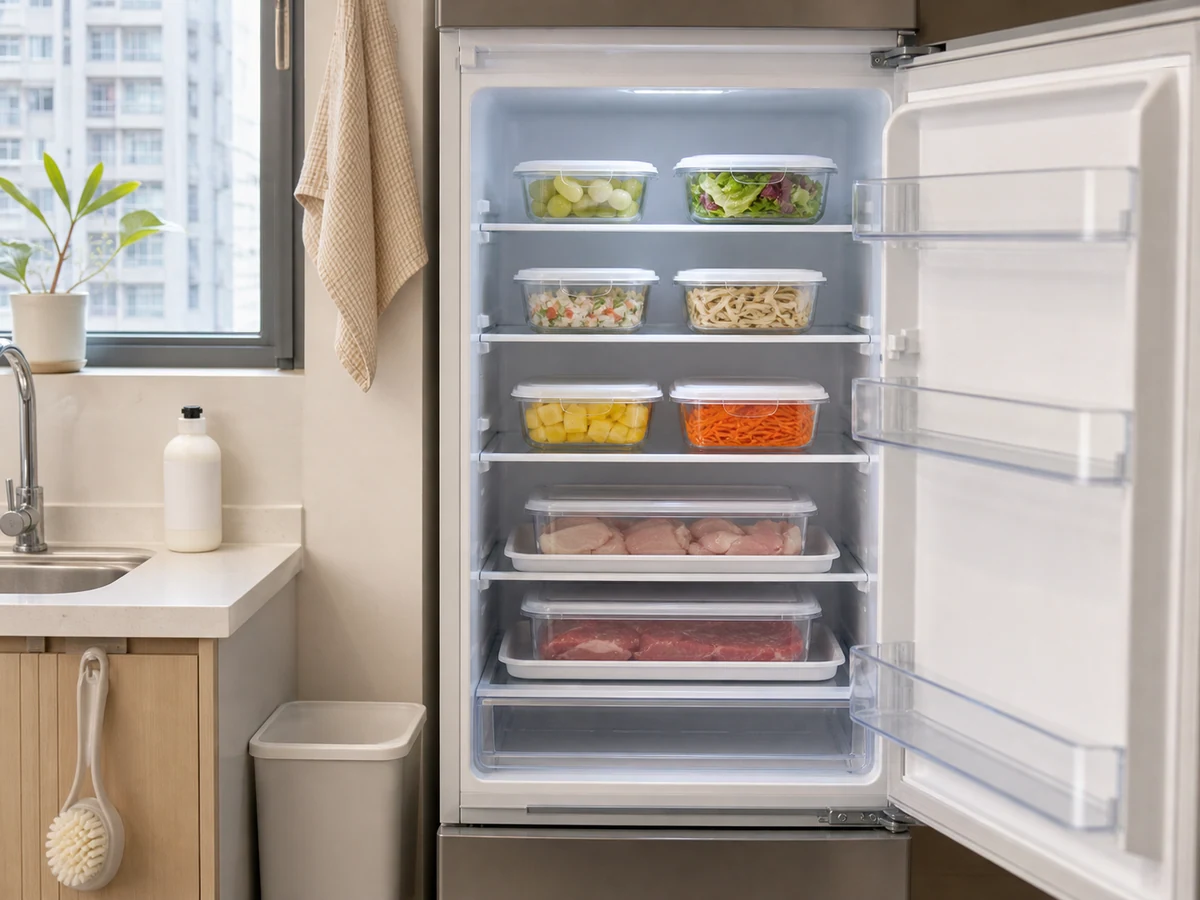
Contain raw food, separate ready-to-eat items, use safe shelf order and preserve airflow
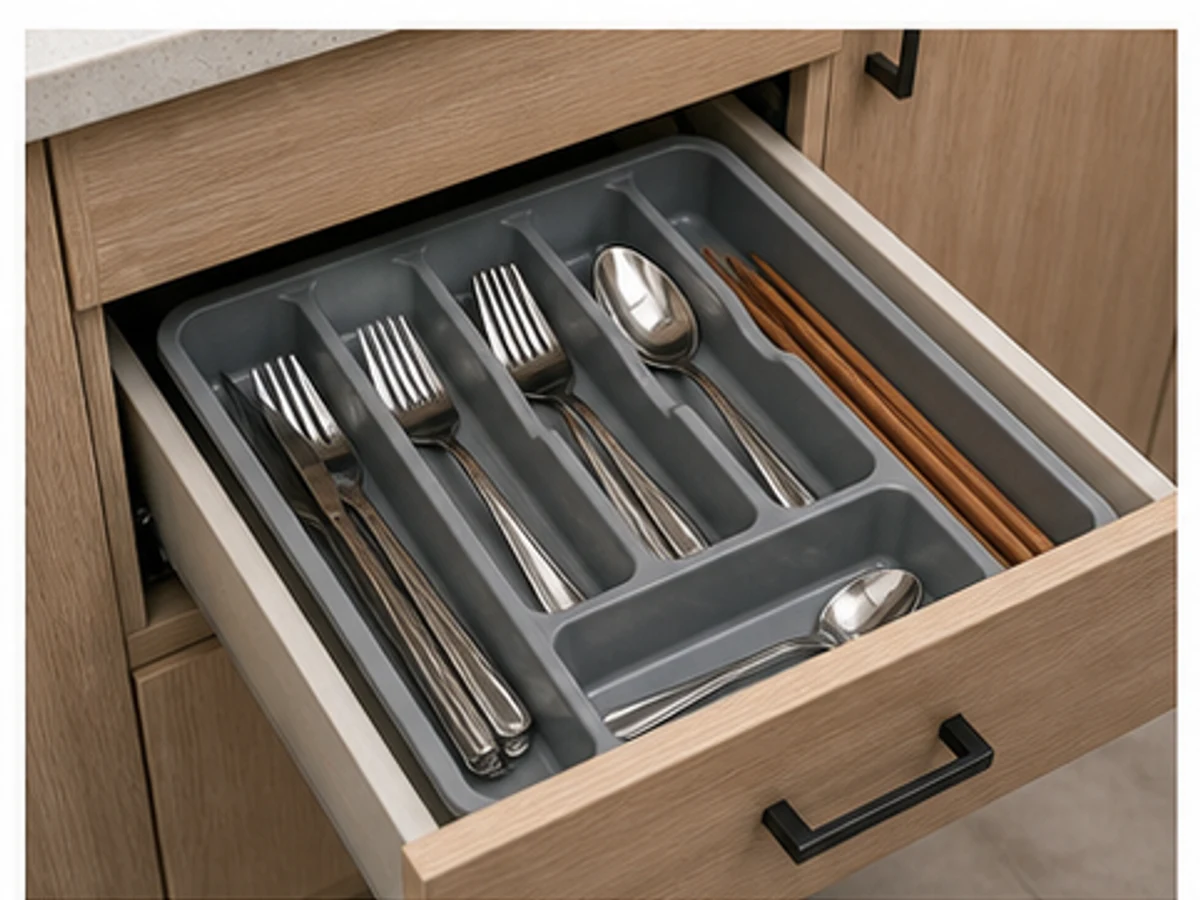
Empty and sort first, then clean by material, dry fully and return utensils safely
A practical sequence from “Unplug, cool and read the manual” to “Descale by model and rinse fully”
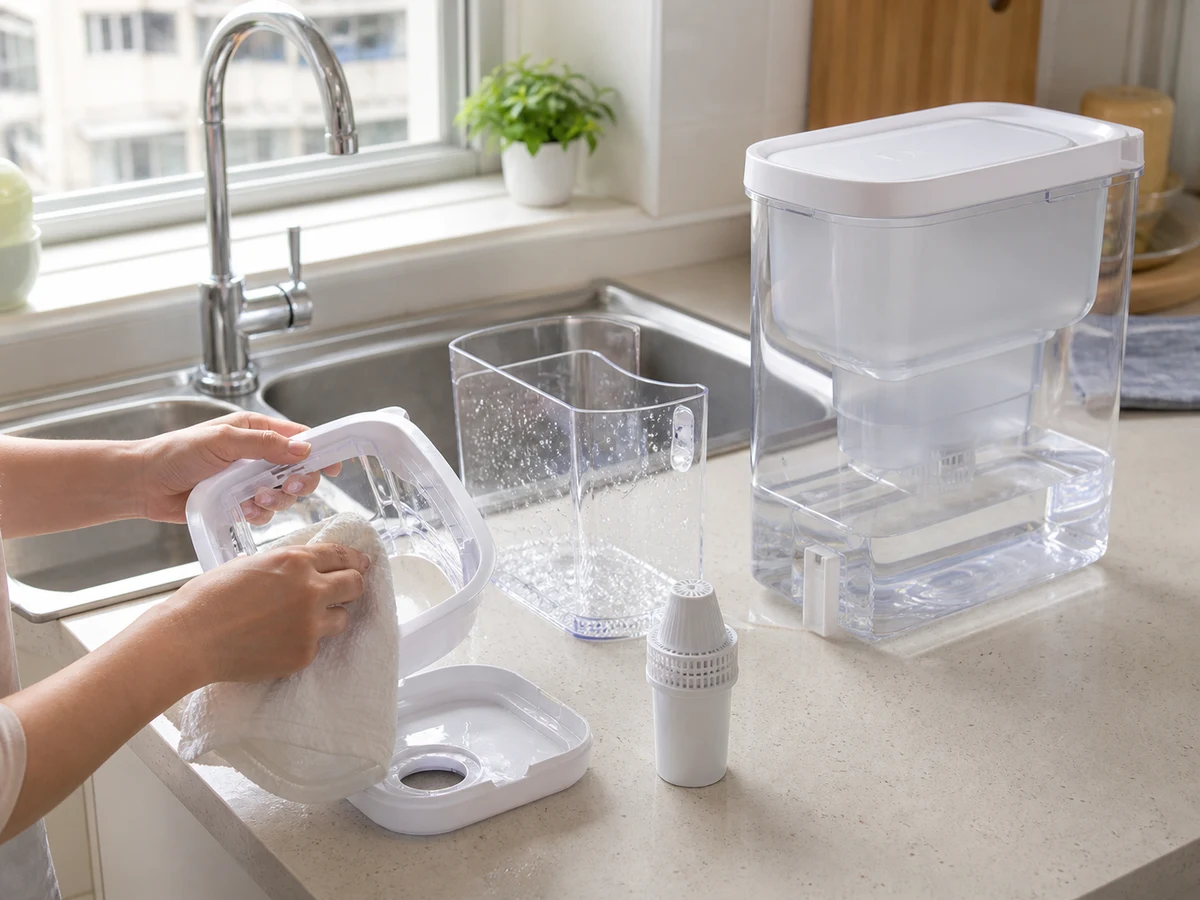
A practical sequence from “Check the model and cartridge directions” to “Rinse, dry and refit correctly”
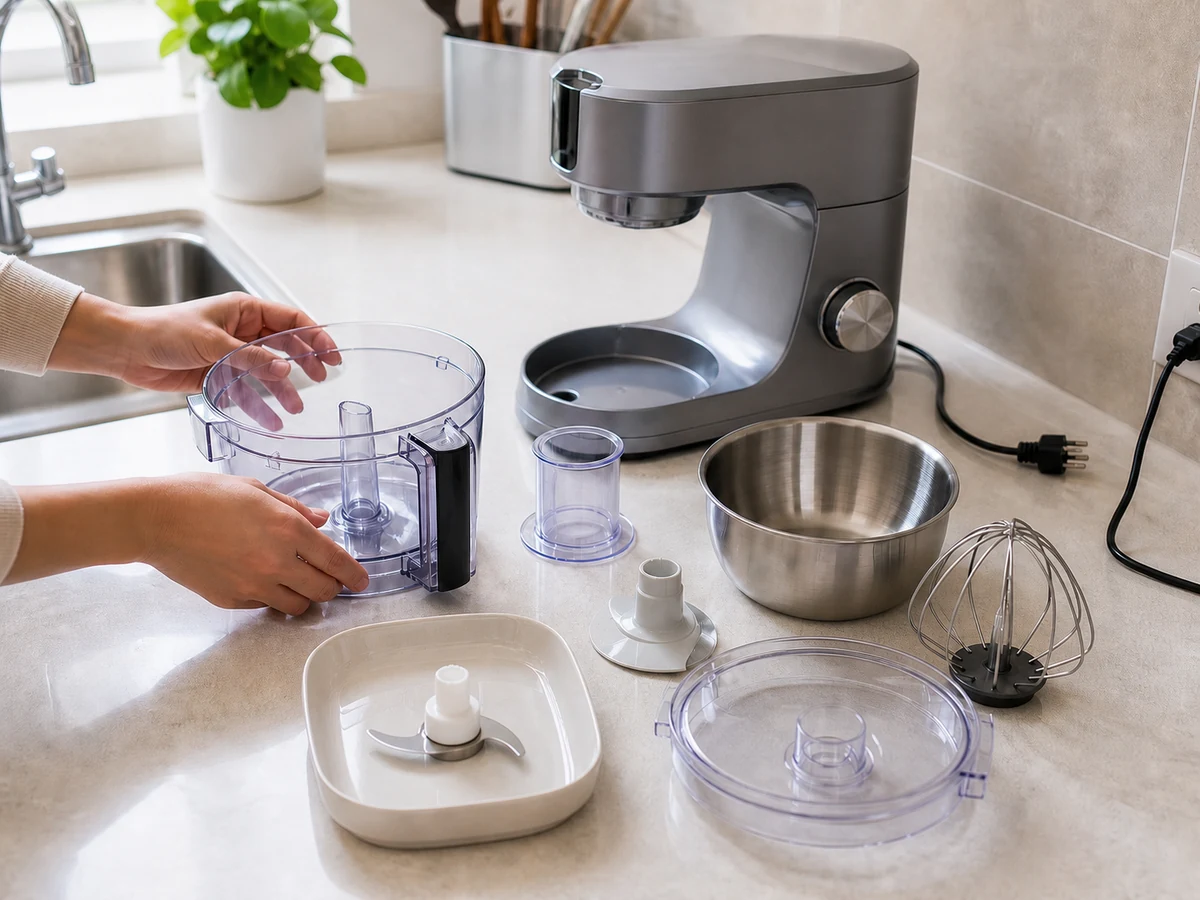
A practical sequence from “Switch off, unplug and wait” to “Wipe the body, dry and restore”
A practical sequence from “Cool and check” to “Rinse and inspect”
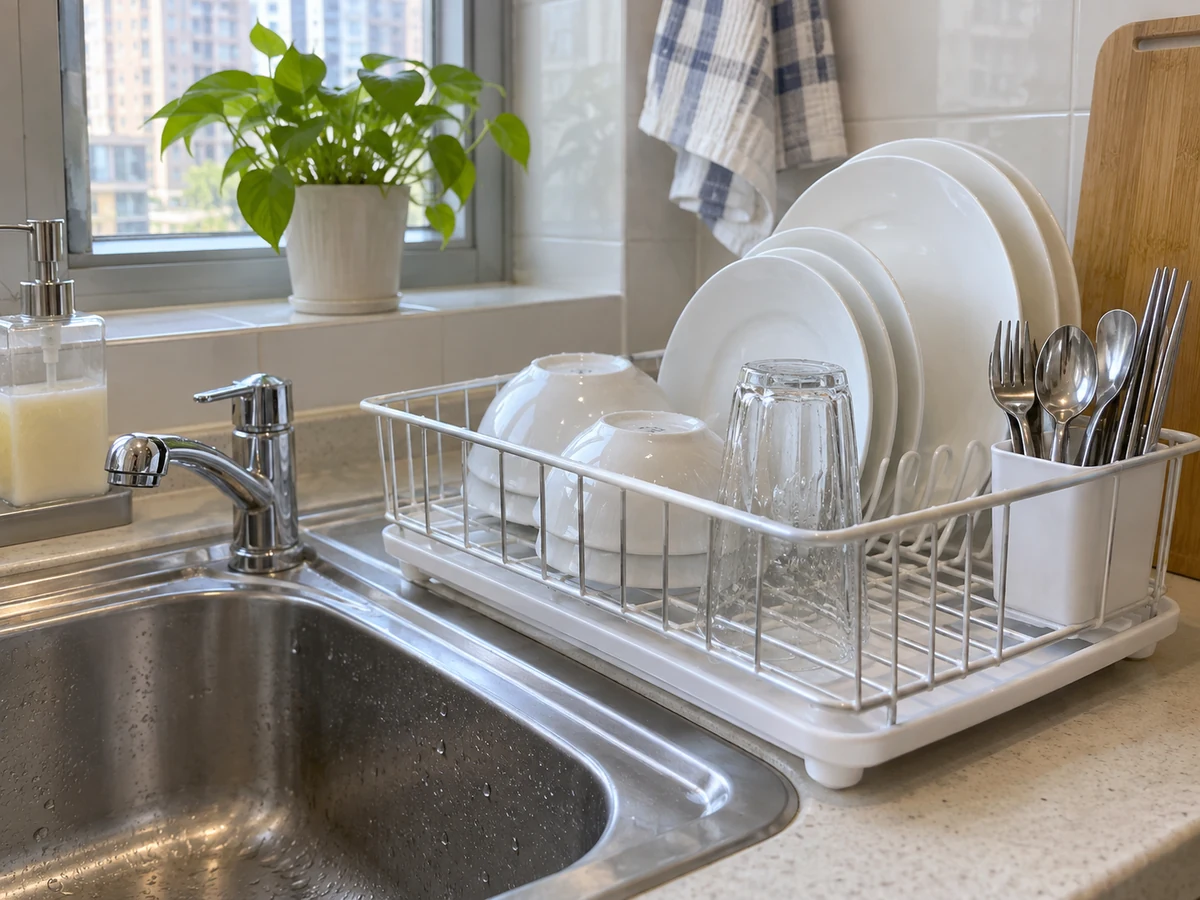
Keep a clear order from separating knives to dry storage.
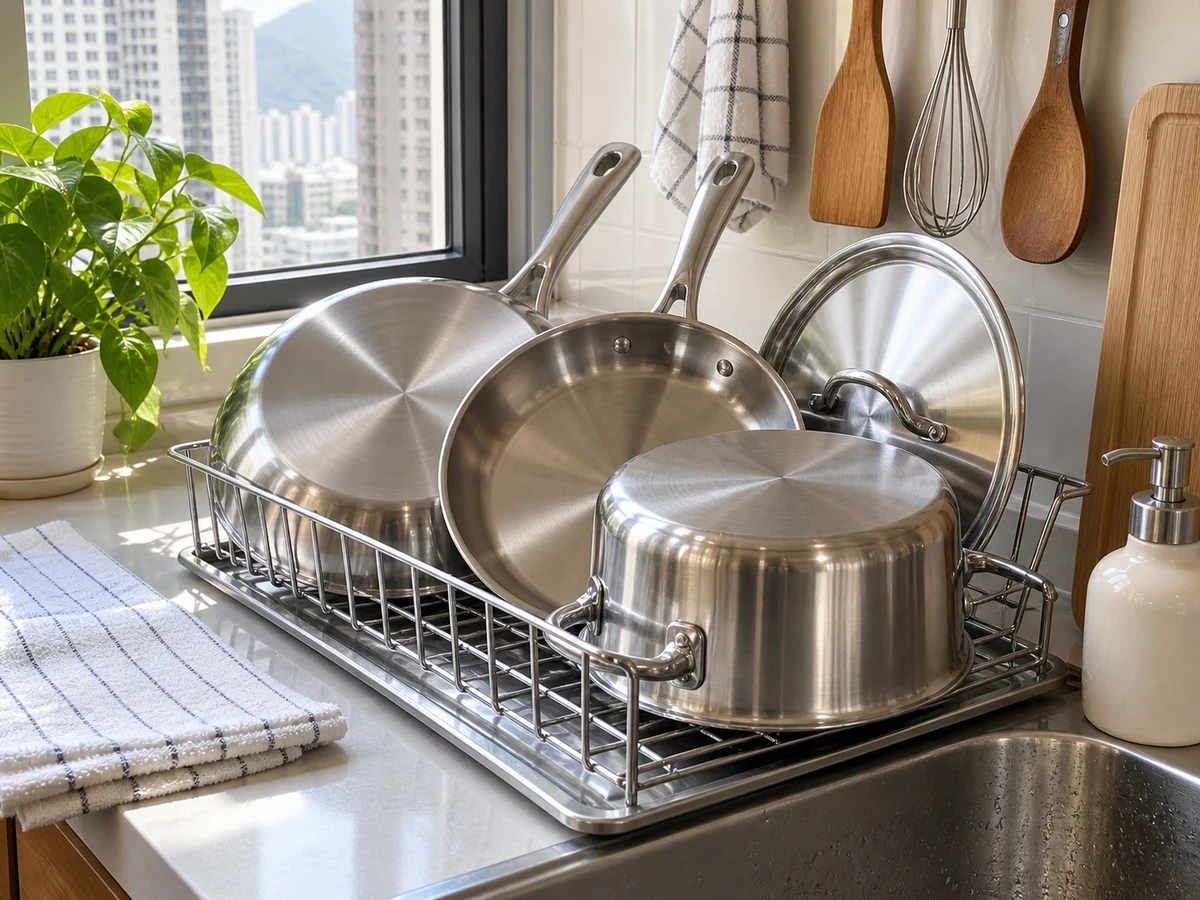
Identify uncoated steel before cleaning burnt food and joints.
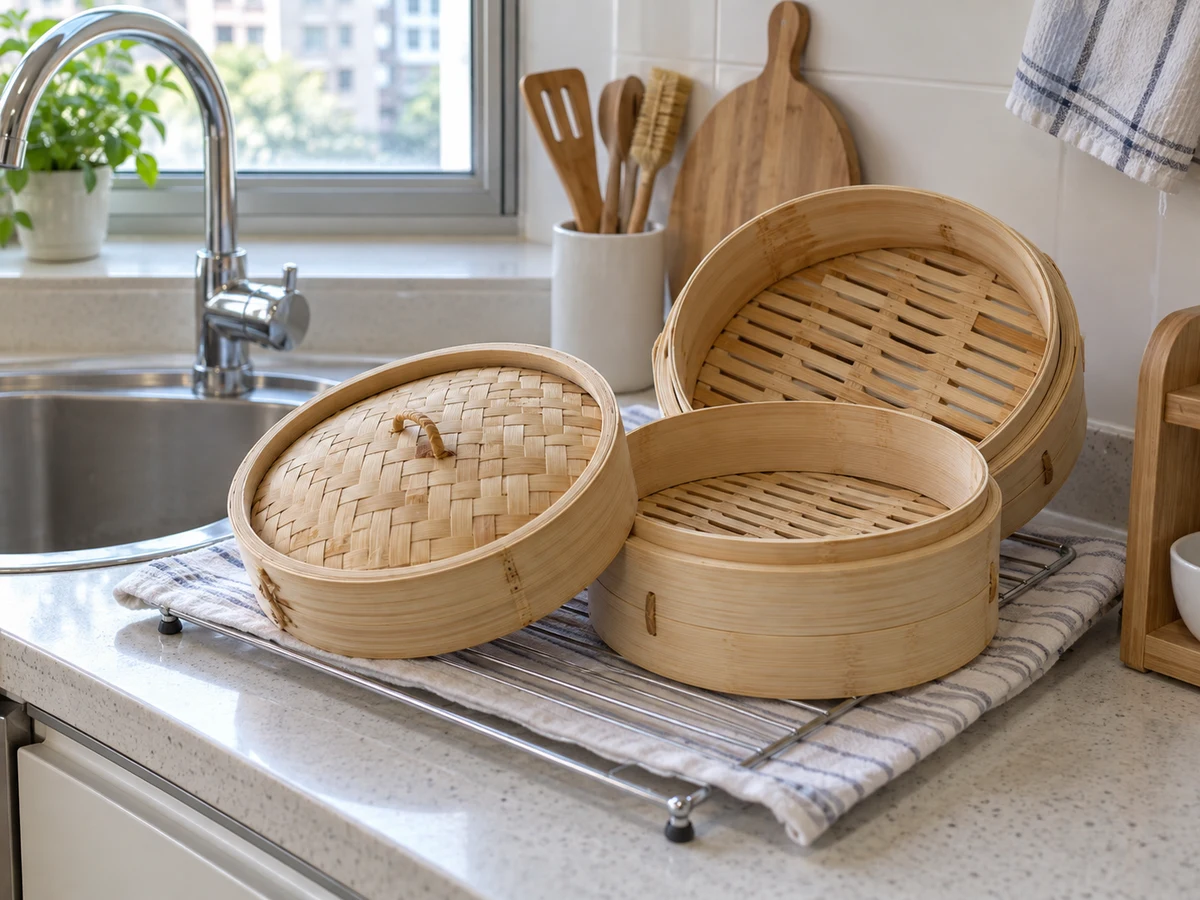
Let every bamboo tier dry separately, including the joints.
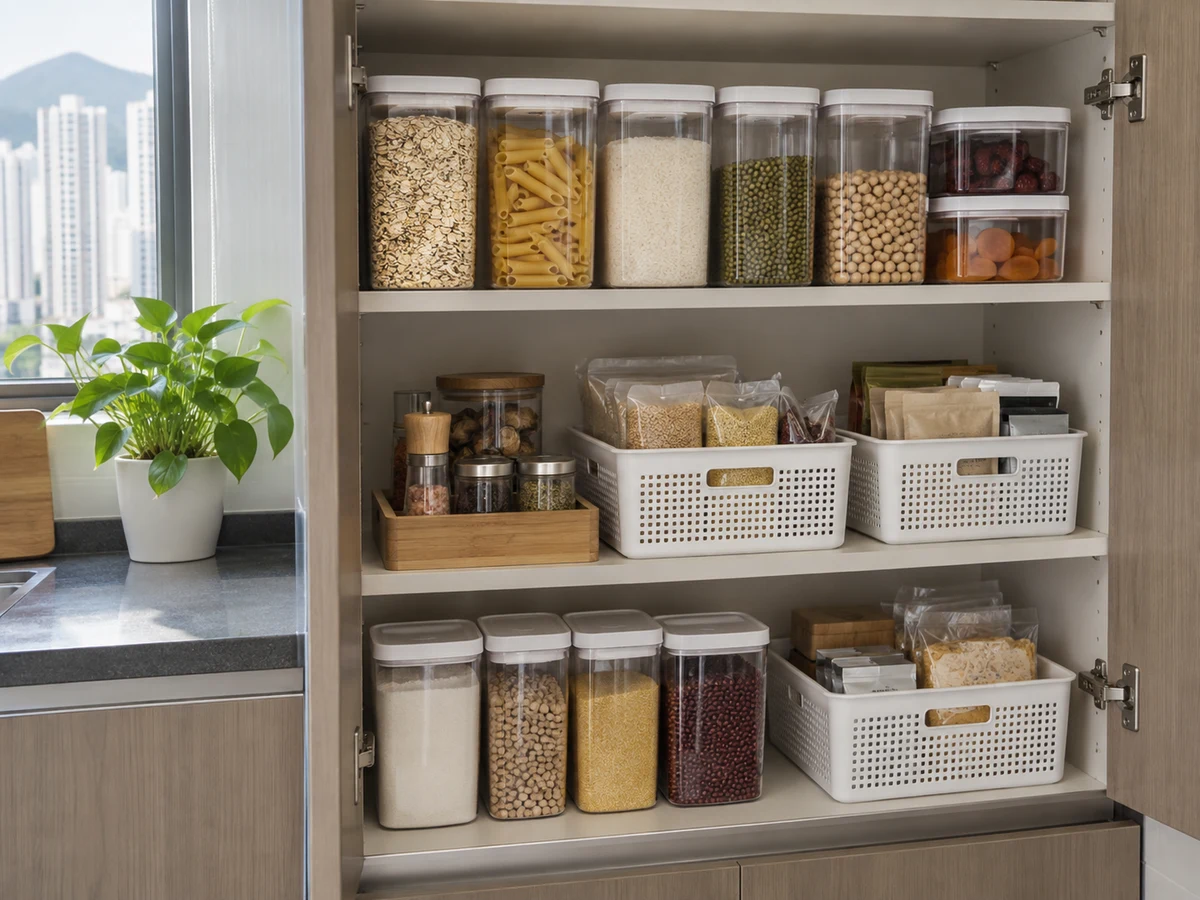
Keep product identity, dates and allergen information with stored food.
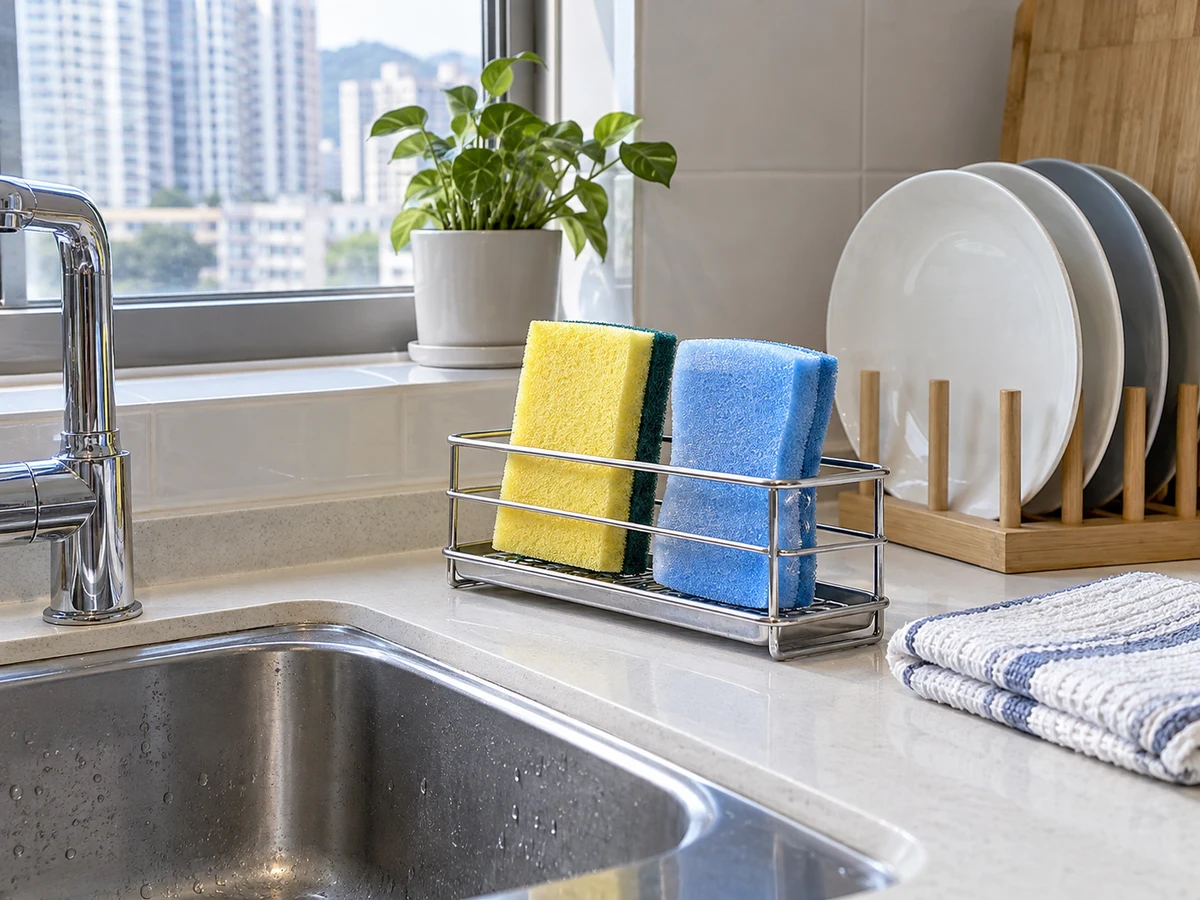
Treat washing, drying and replacement as separate sponge-care decisions.
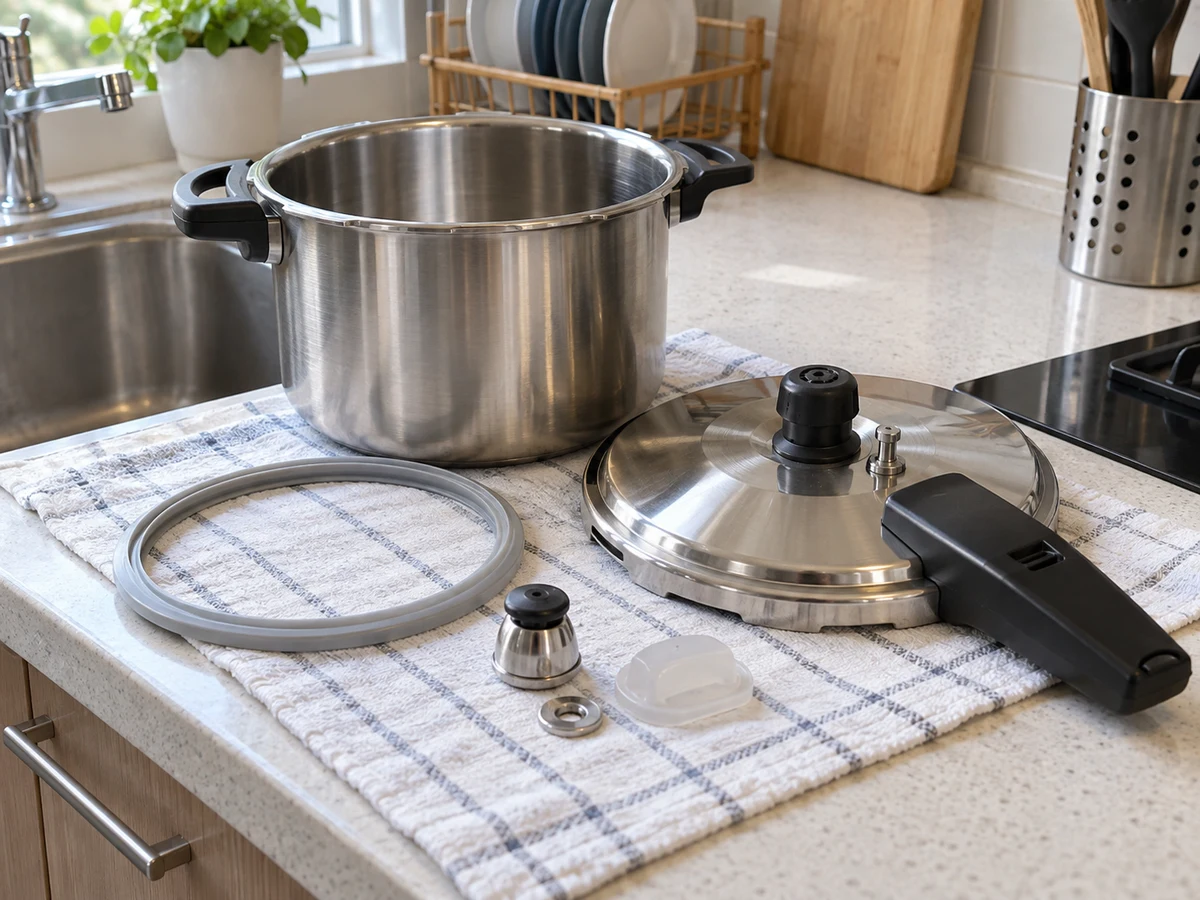
Confirm zero pressure and preserve safety assemblies before cleaning.
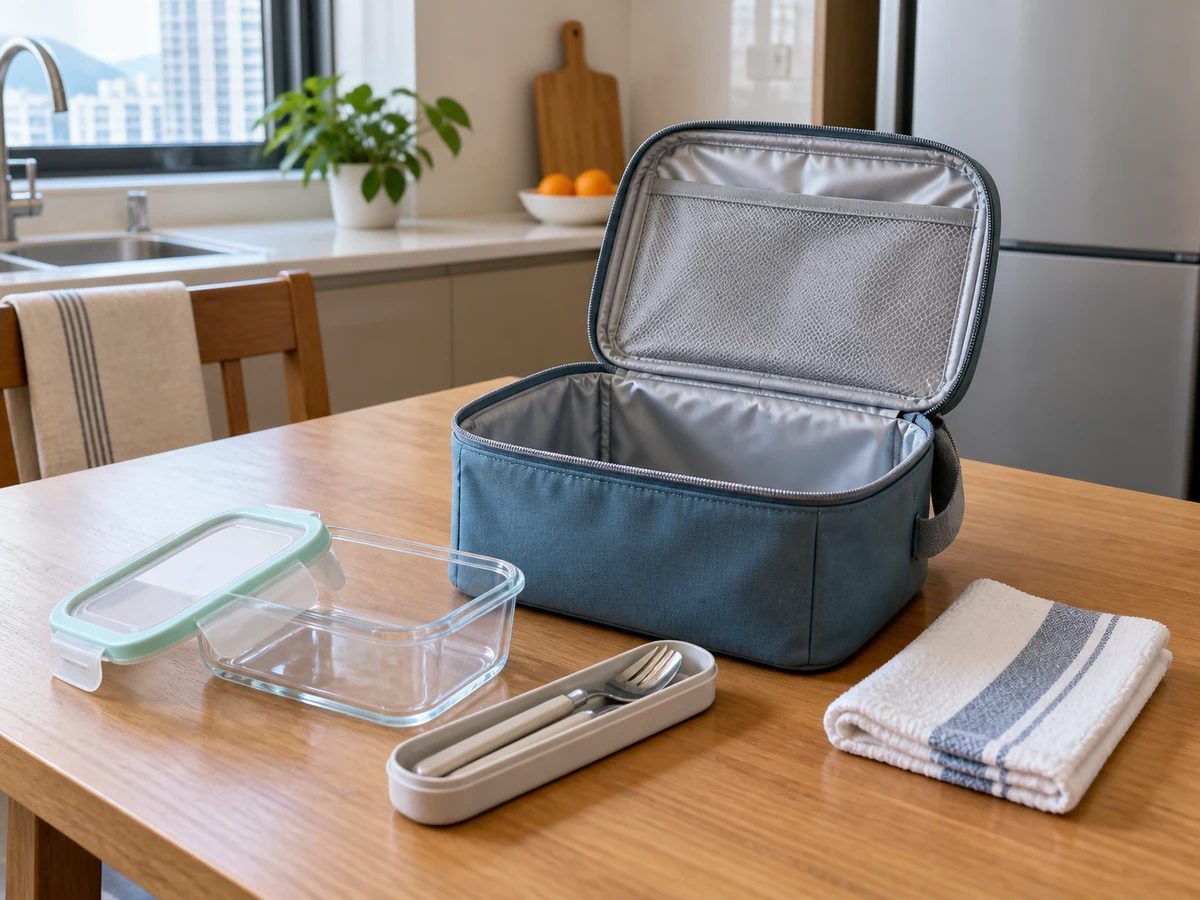
Wipe insulated lining gently; water resistance does not permit soaking.
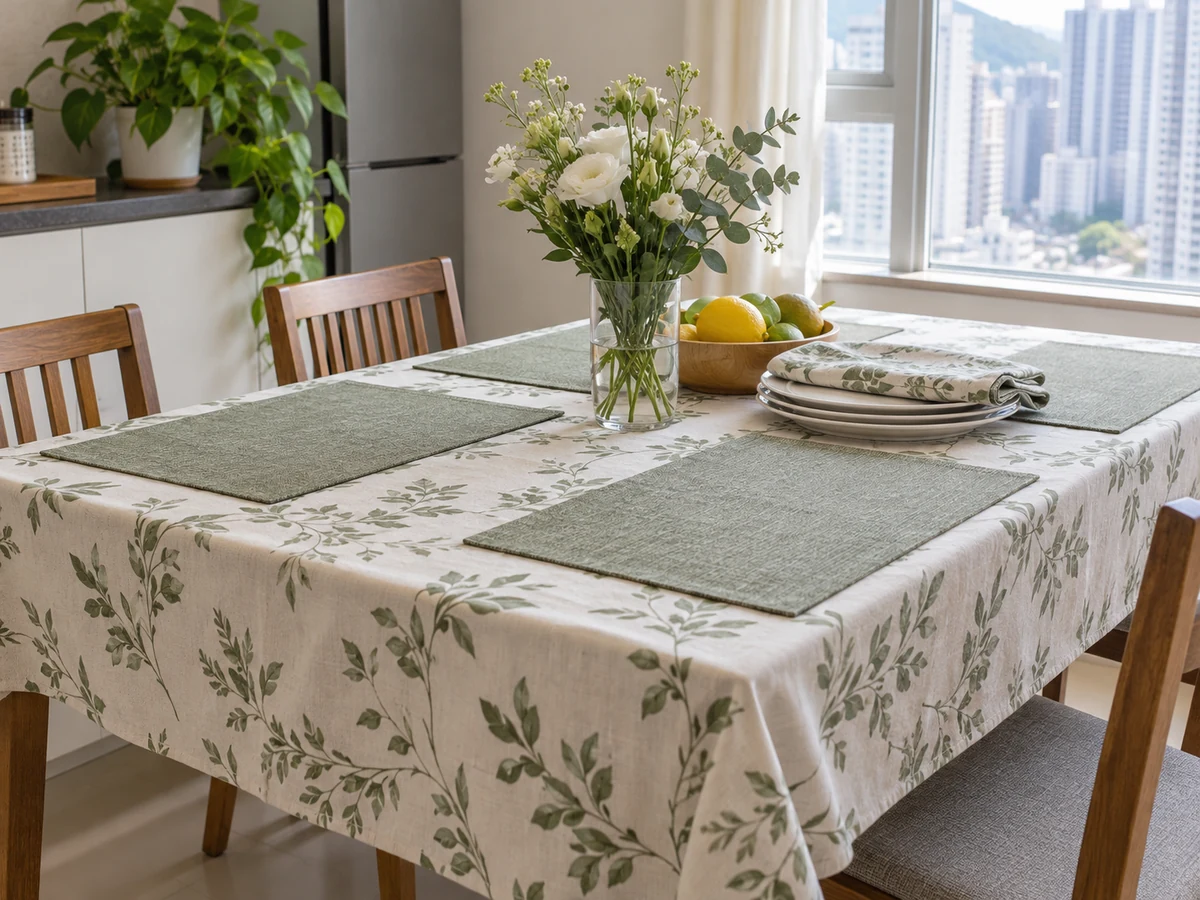
Treat food stains before washing within fabric and coating limits.
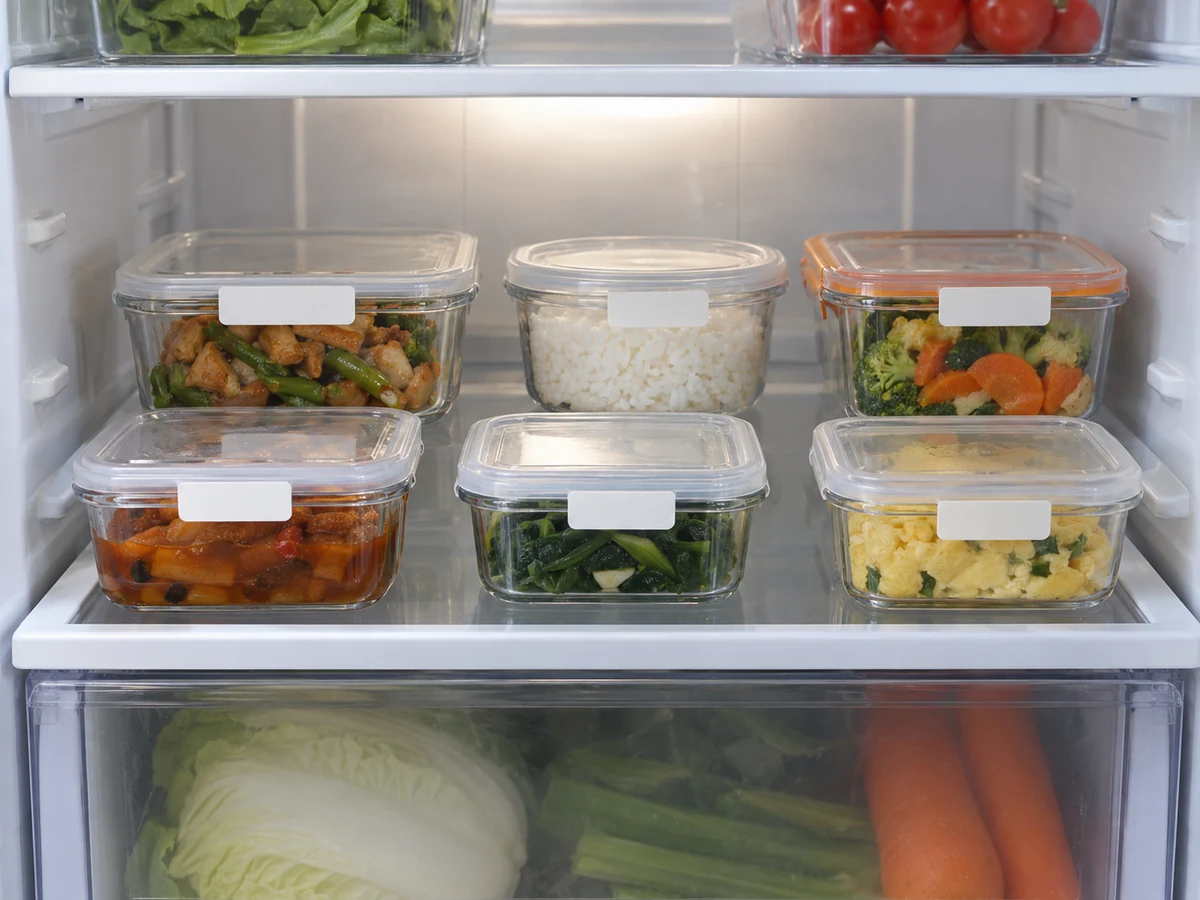
Cool cooked food, label it clearly and refrigerate it on time
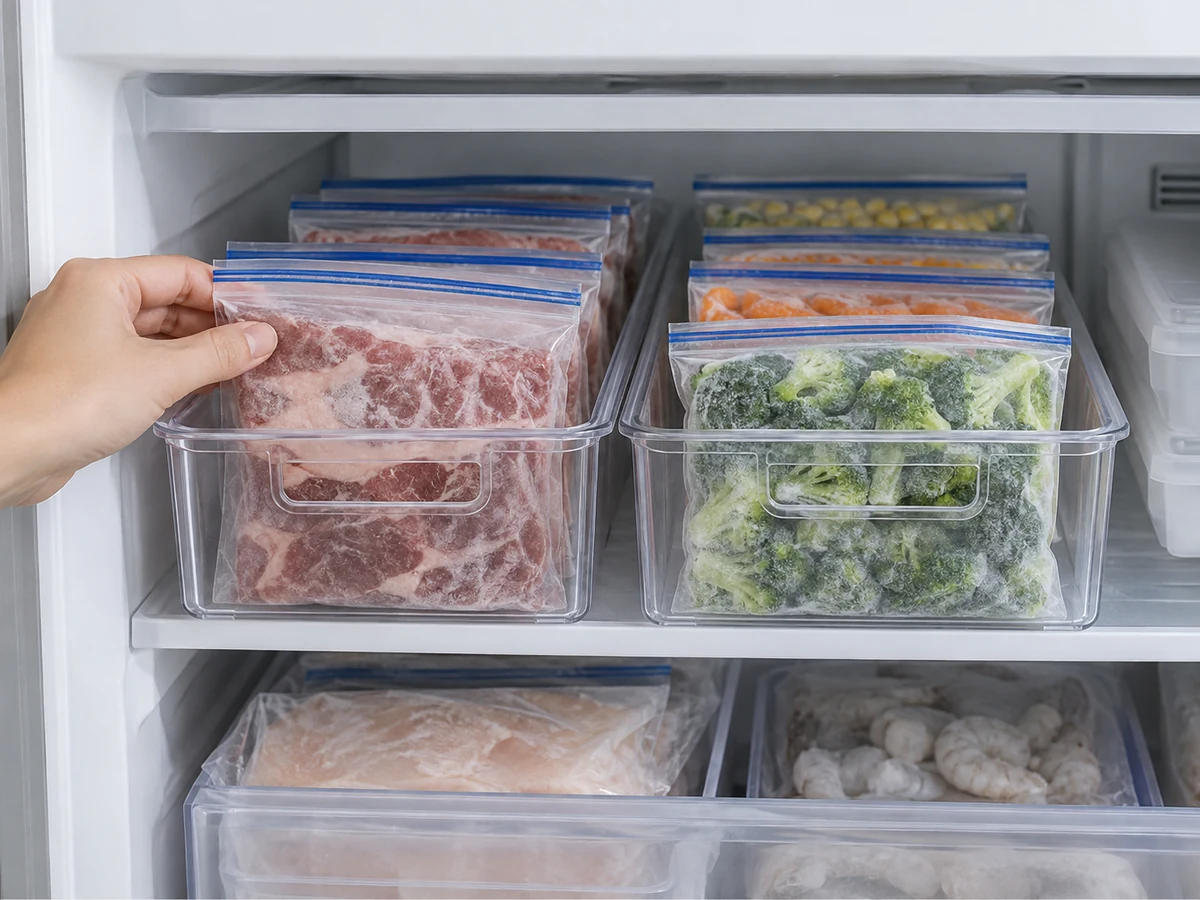
Check packages and dates so earlier food is used first
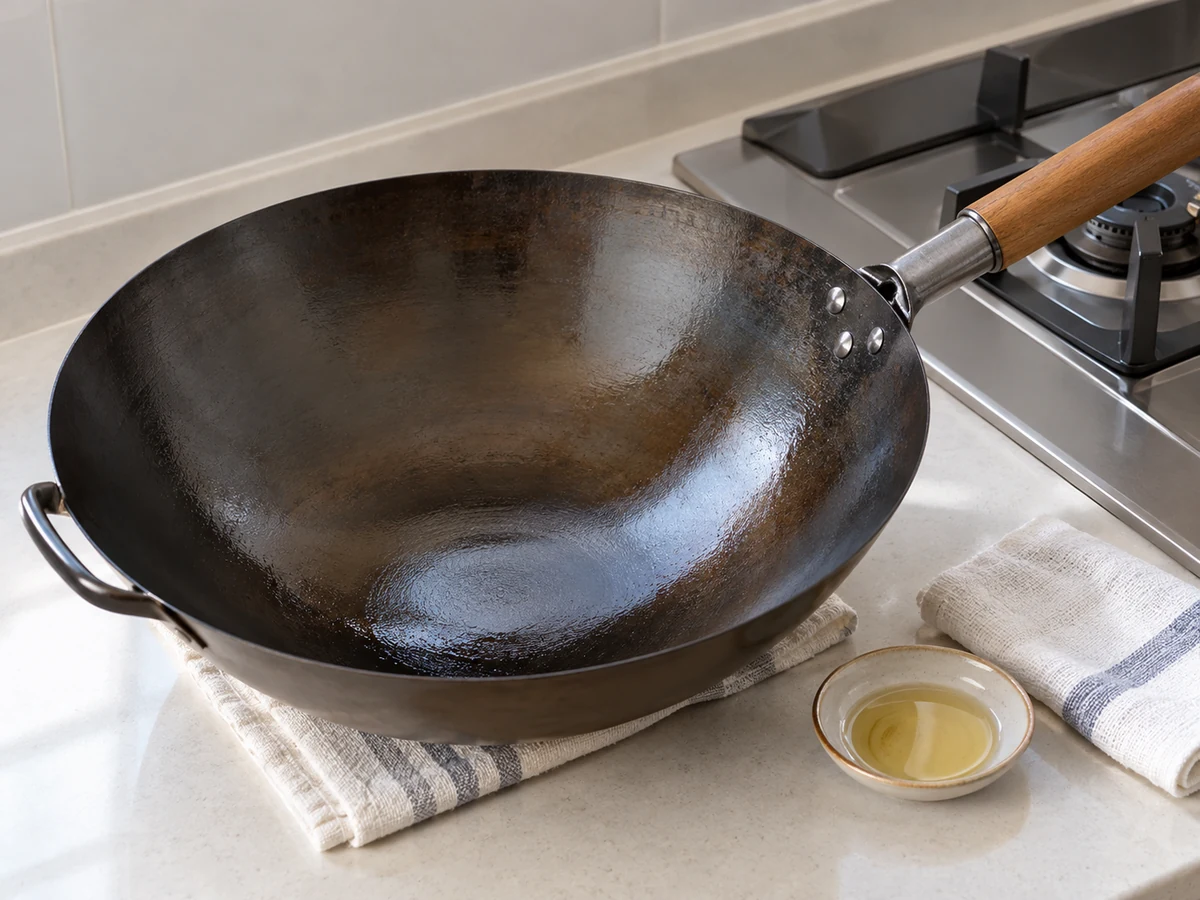
Hand-wash, dry promptly and apply a very light oil film only as the maker directs
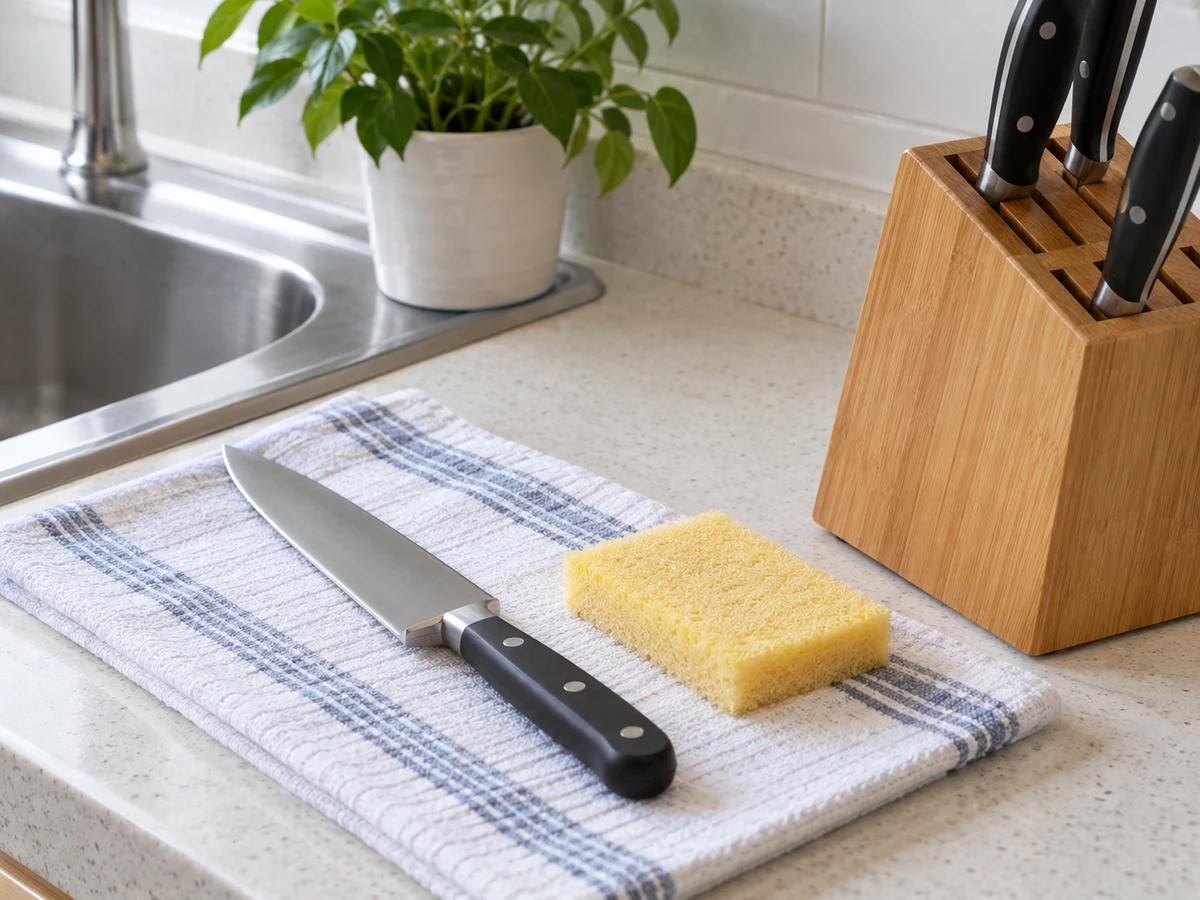
Hand-wash one knife at a time, dry it fully and clean only safely reachable parts of the block
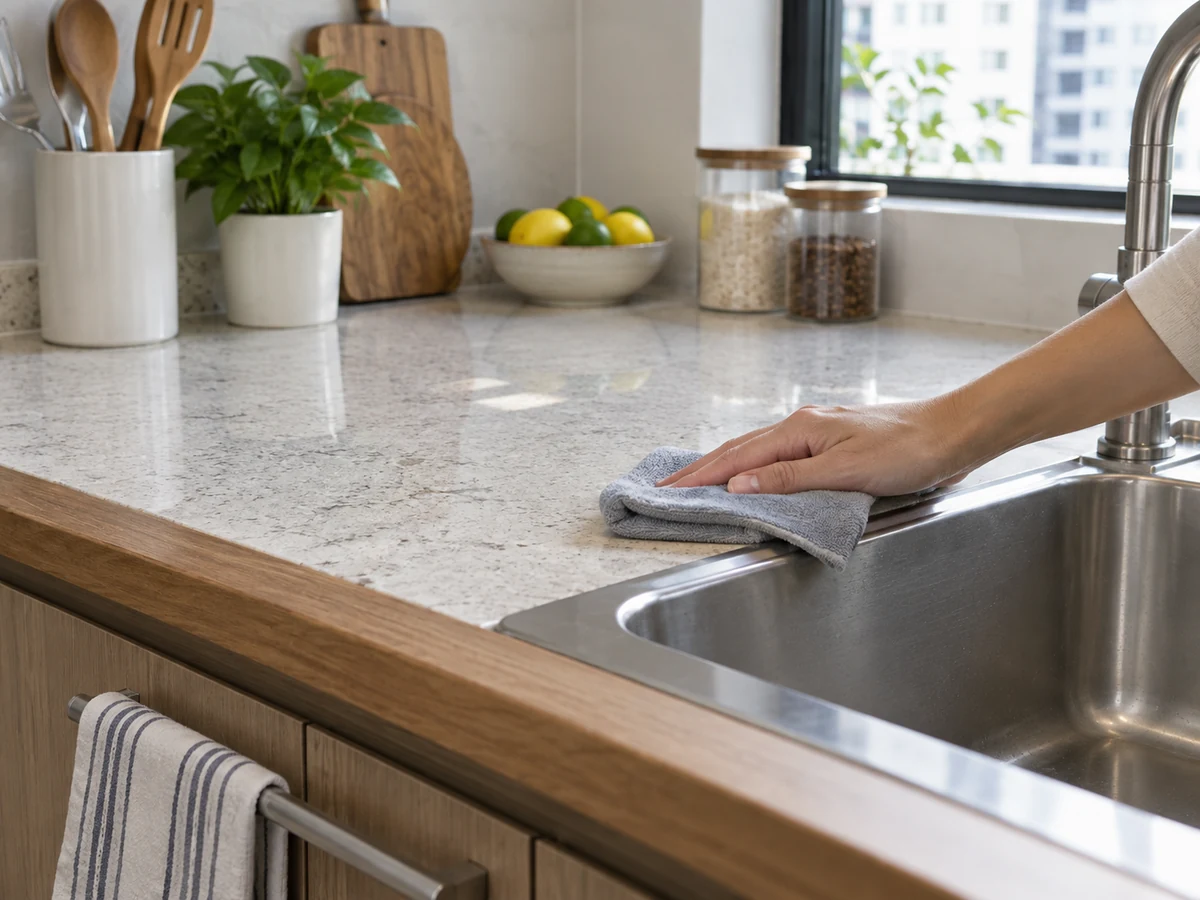
Identify the worktop first, then respect its moisture, scratch and heat limits
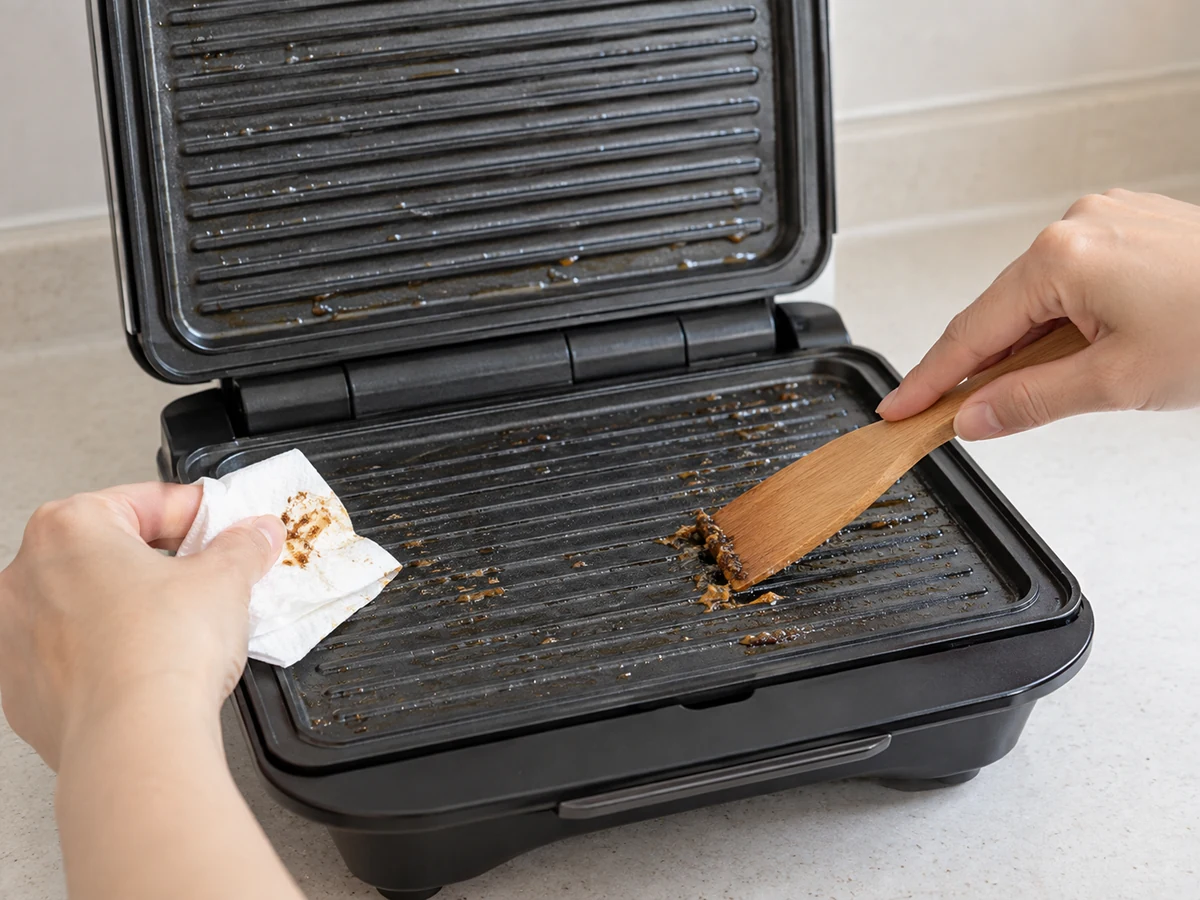
Identify fixed or removable plates first and clean only as the model allows
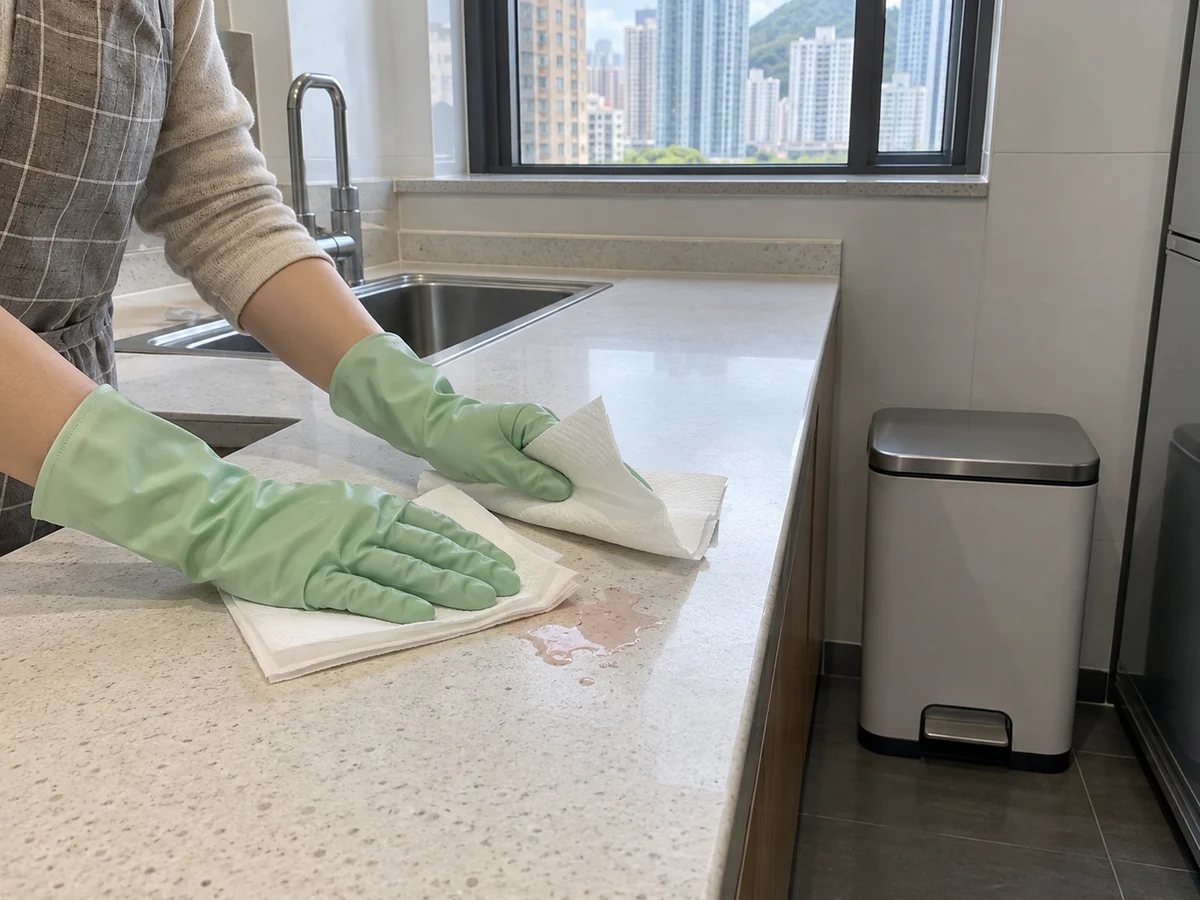
Isolate food and people first, then lift the spill, clean and follow the approved household method
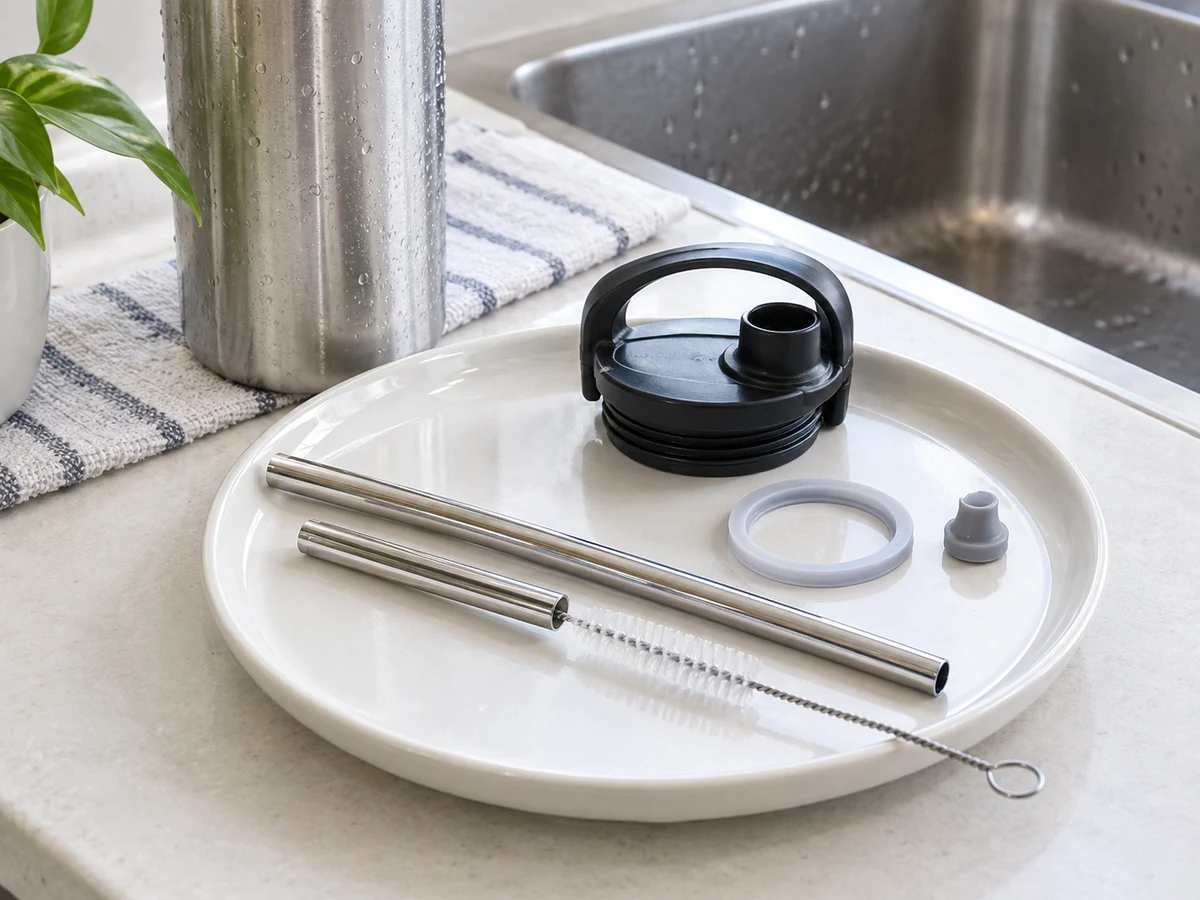
Disassemble only approved parts, brush narrow channels, rinse well and dry completely
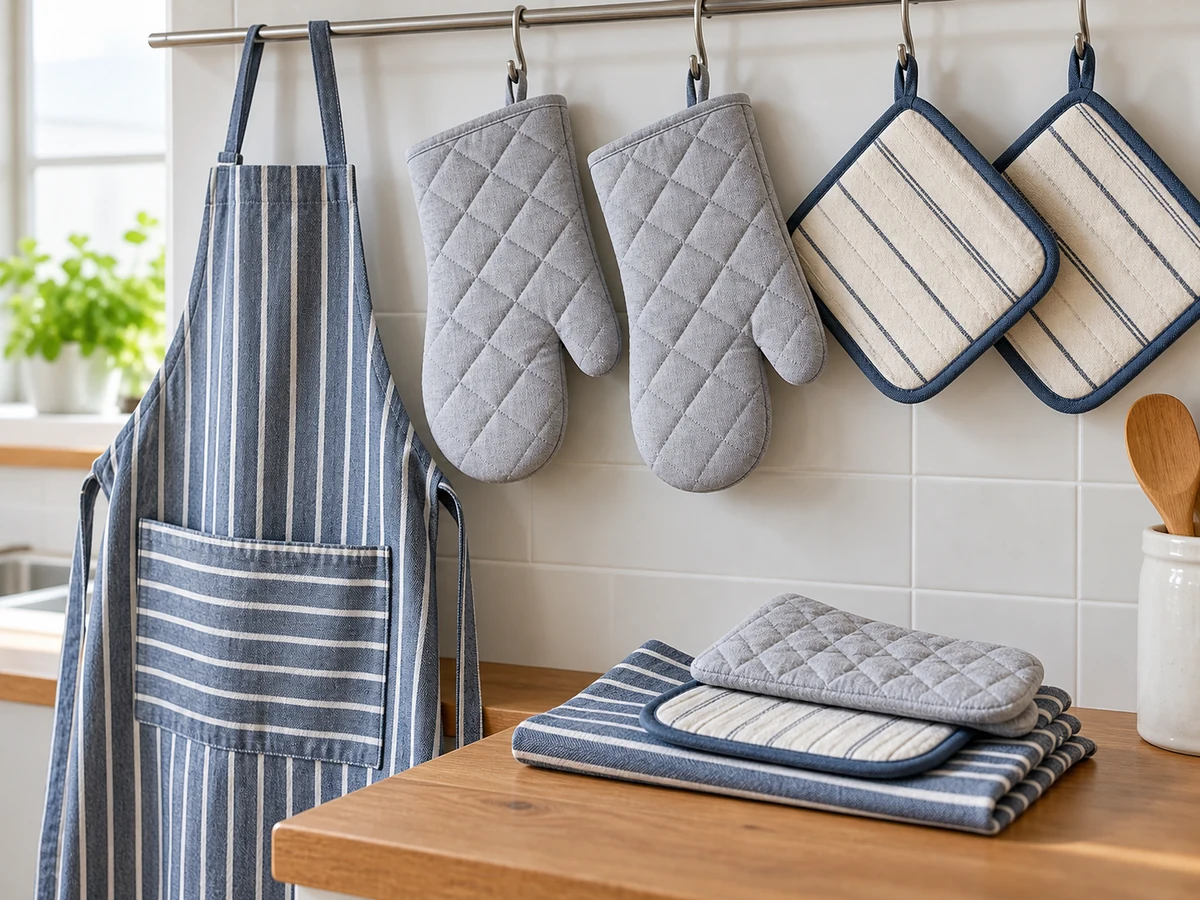
Read every apron, oven-glove and pot-holder label; separate machine-washable, hand-wash and no-wash items.
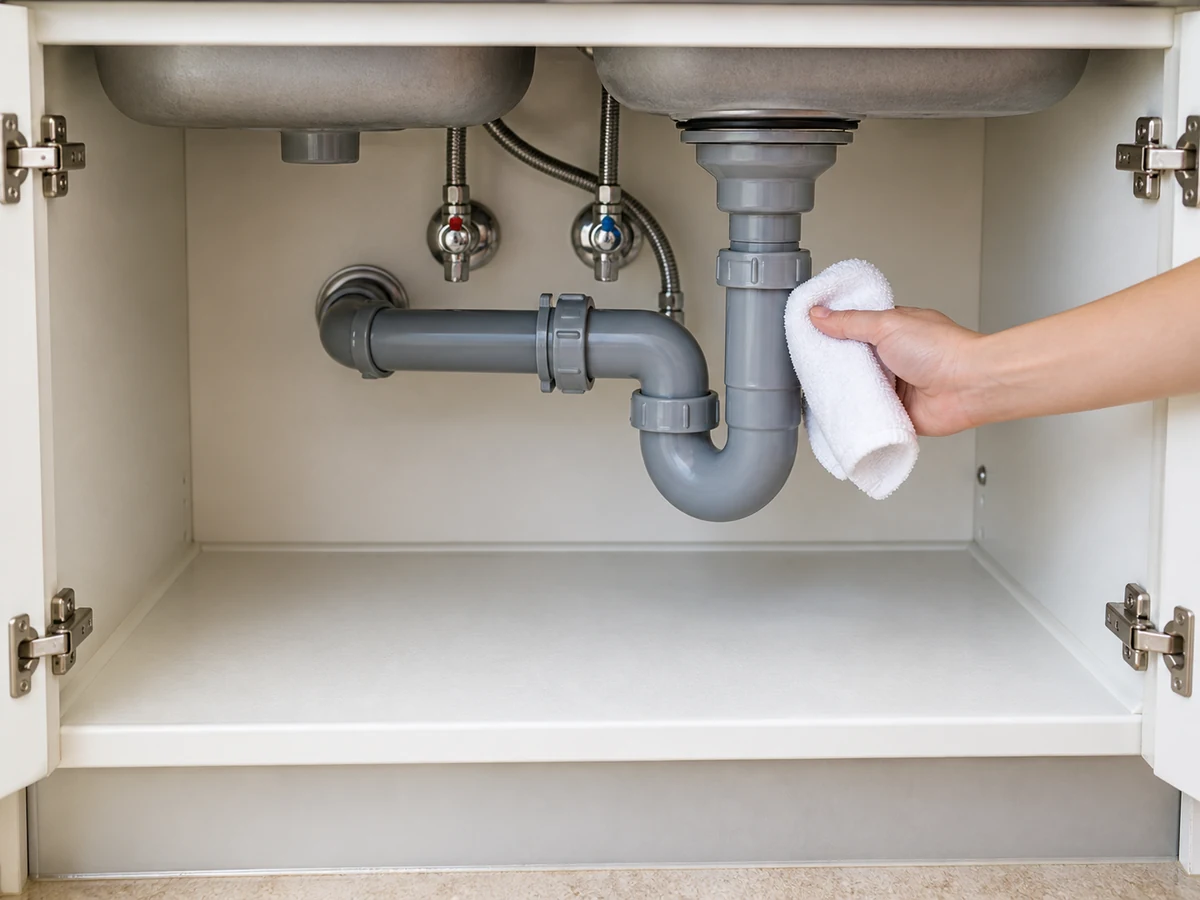
Remove items in their original labelled containers and separate acids, bleach and other products; do not decant or mix storage.
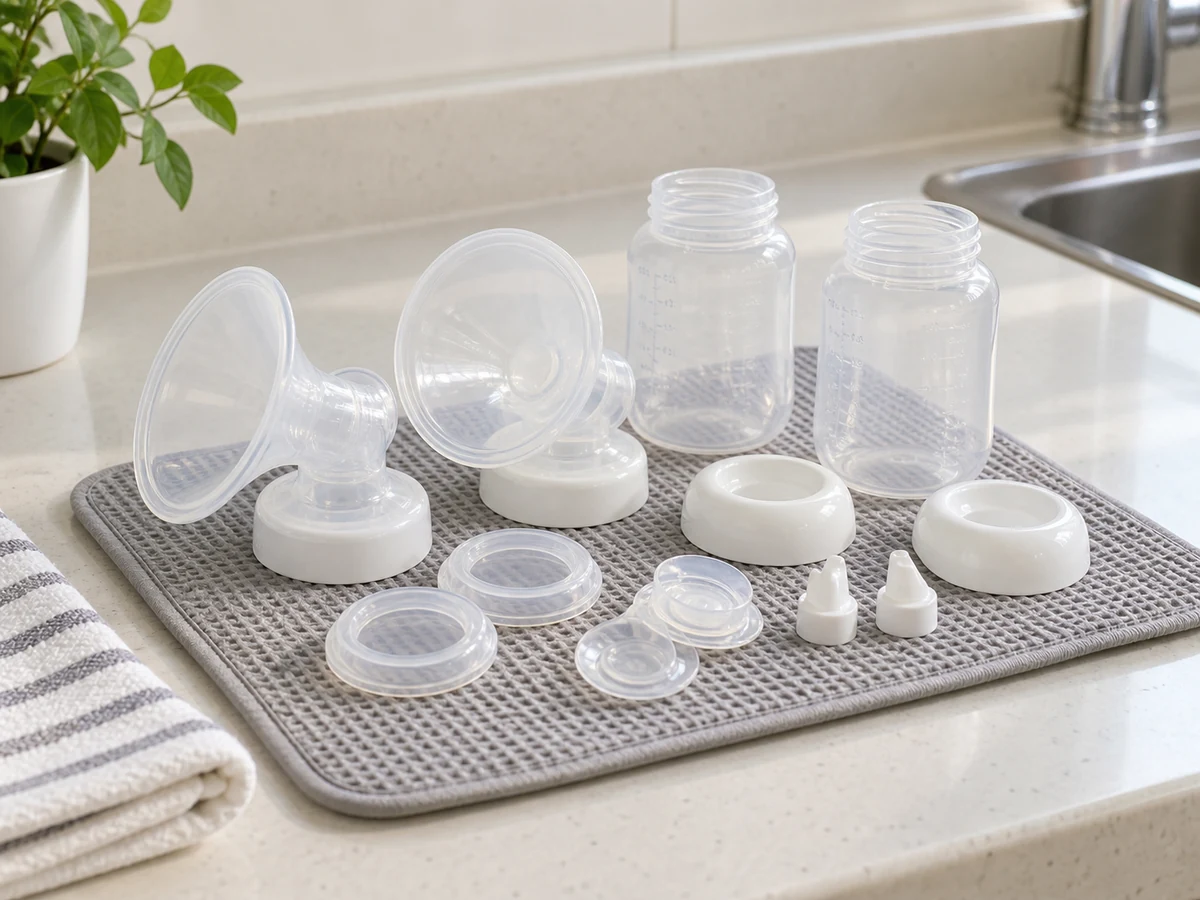
Take apart only the removable milk-contact parts, rinse, wash in warm water, rinse again, and air-dry on a clean surface; sanitising follows only the maker or health authority.
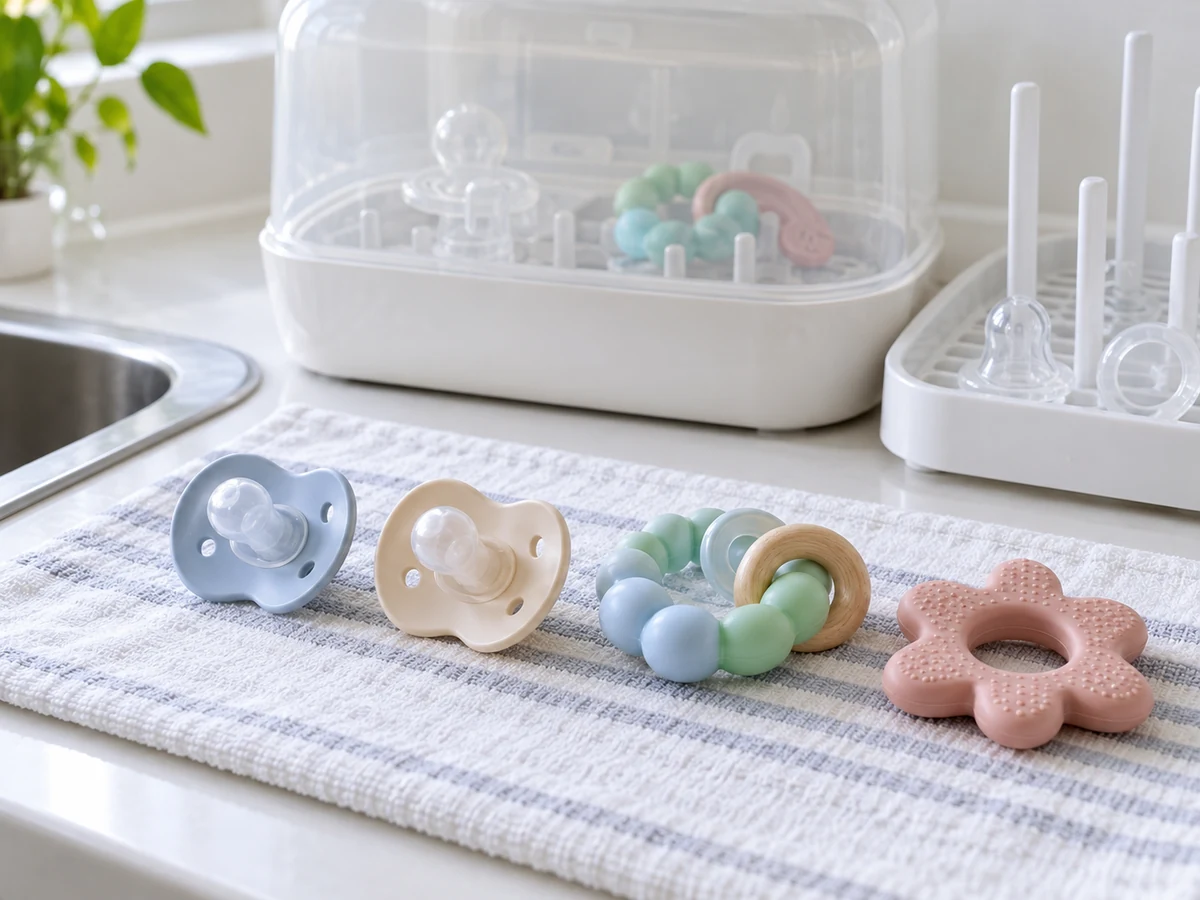
Wash and rinse first, inspect seams and liquid-filled items, then sterilise only as the specific pacifier or teether maker permits; never boil a teether by assumption.
No matching guide. Try another search.
Showing 45 / 45