
Critical safety ruleKitchen fire safety
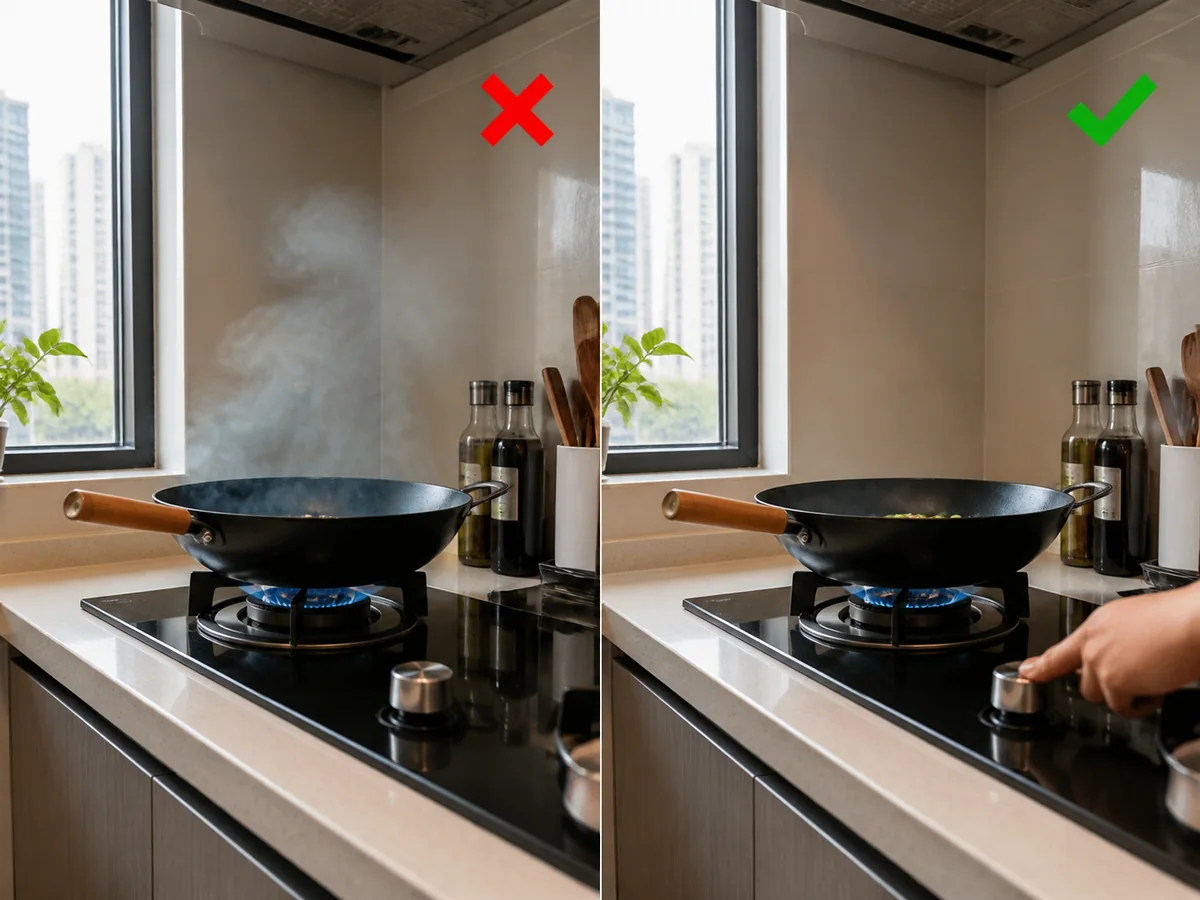
Never leave cooking unattended
Stay in the kitchen while the stove is on; turn it off before you leave.
View safety lesson →Browse collection
Cover cooking and household fire sources, fire detection, escape routes, candles, joss items, and smoking risks.
Stay in the kitchen while the stove is on; turn it off before you leave.
View safety lesson →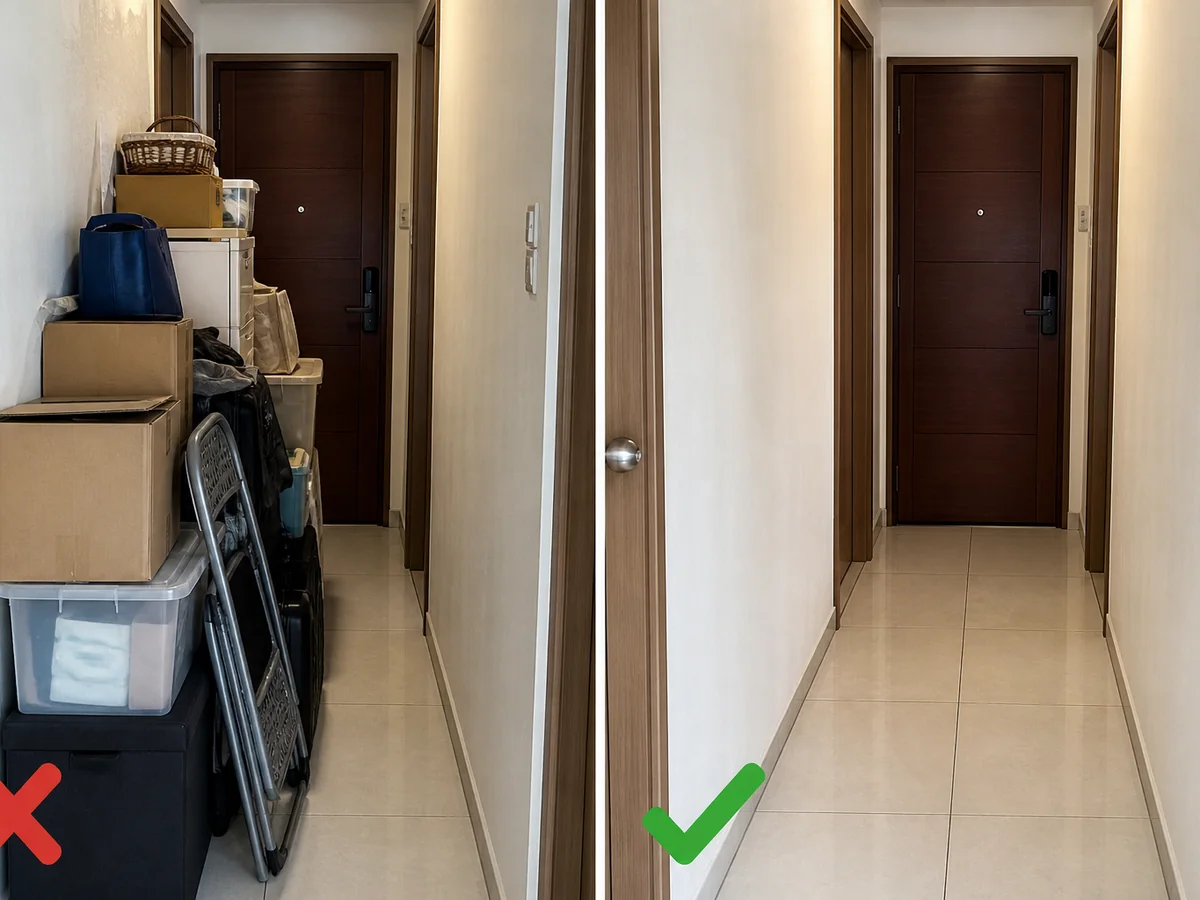
Keep the route from the flat door through the corridor to the stairs free of shoes, boxes, bicycles, and rubbish.
View safety lesson →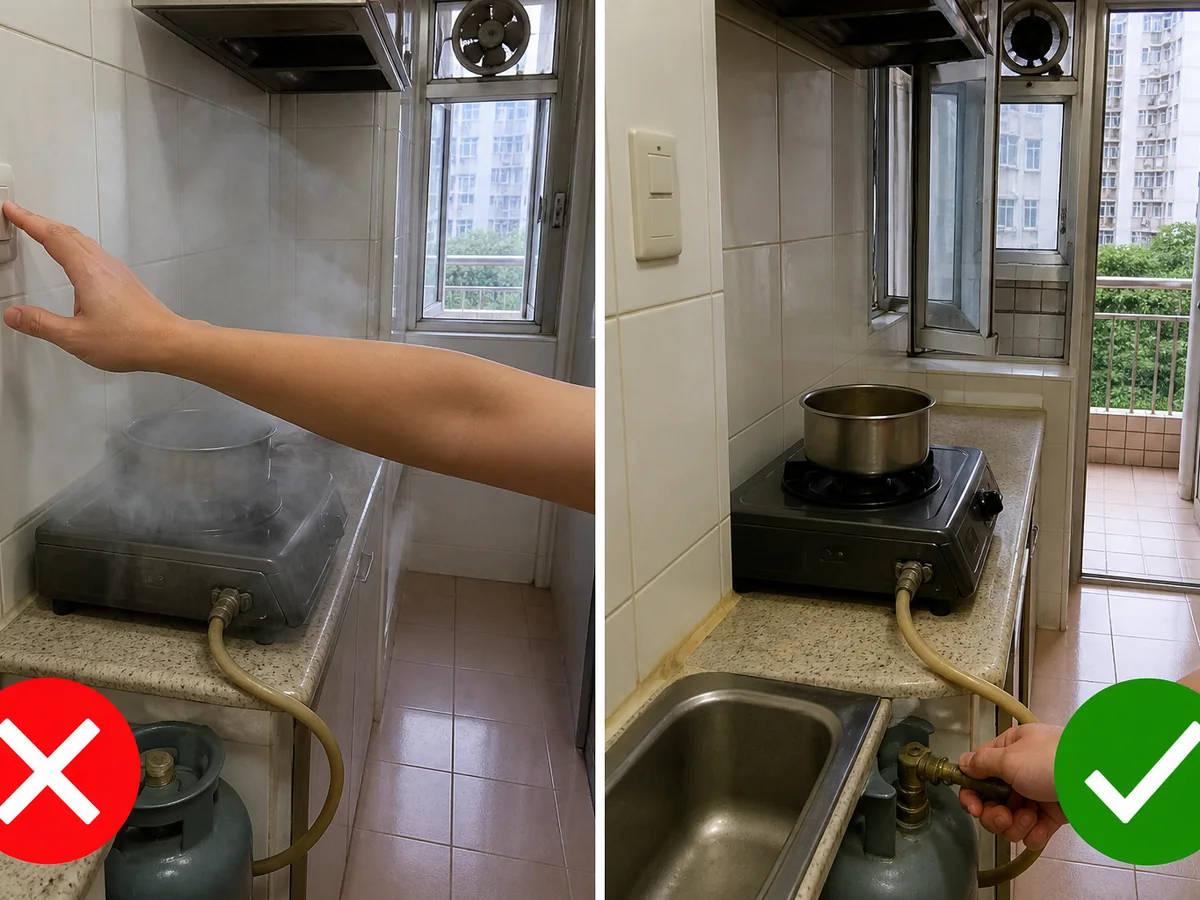
Do not operate switches, appliances, phones, or doorbells; move away before calling for help.
View safety lesson →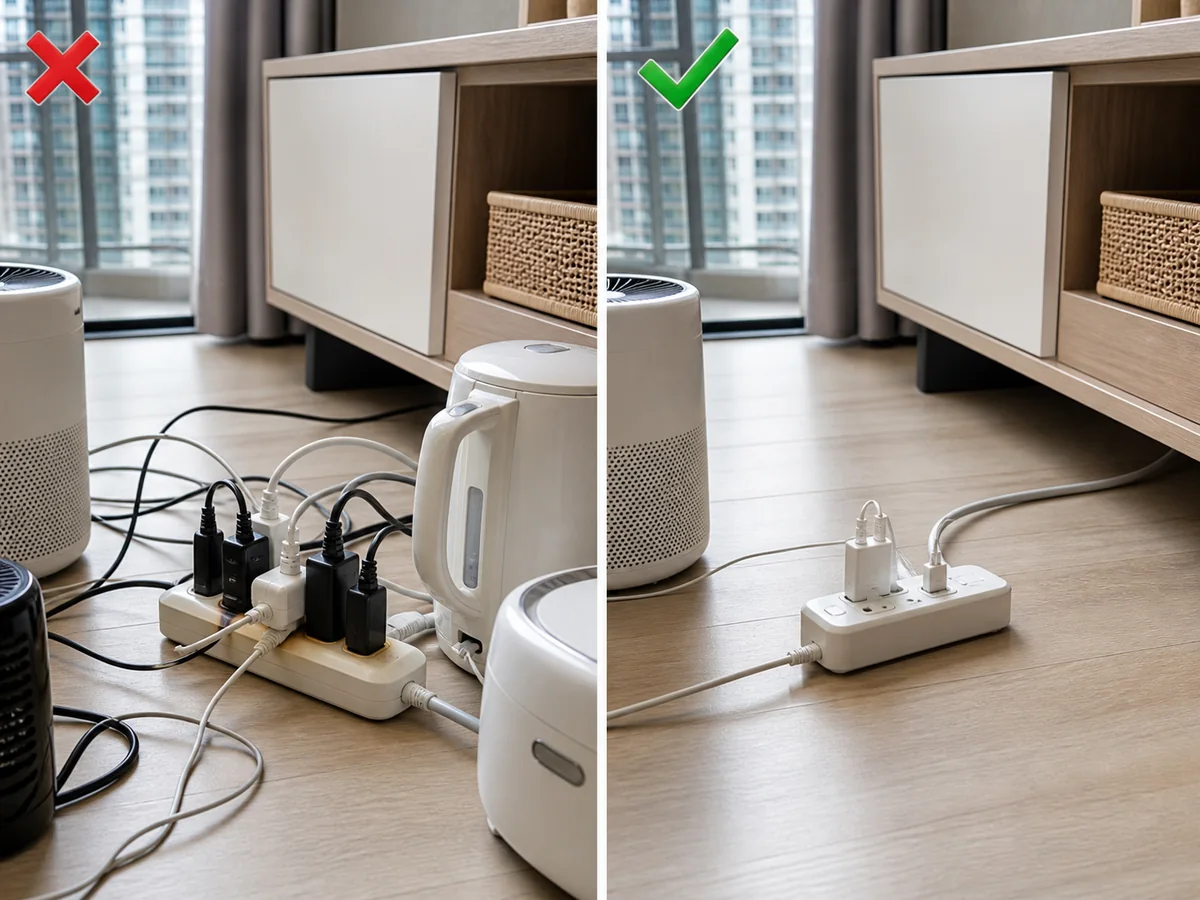
Connect only one extension unit or adaptor to each wall socket; use a separate fixed socket for high-power appliances.
View safety lesson →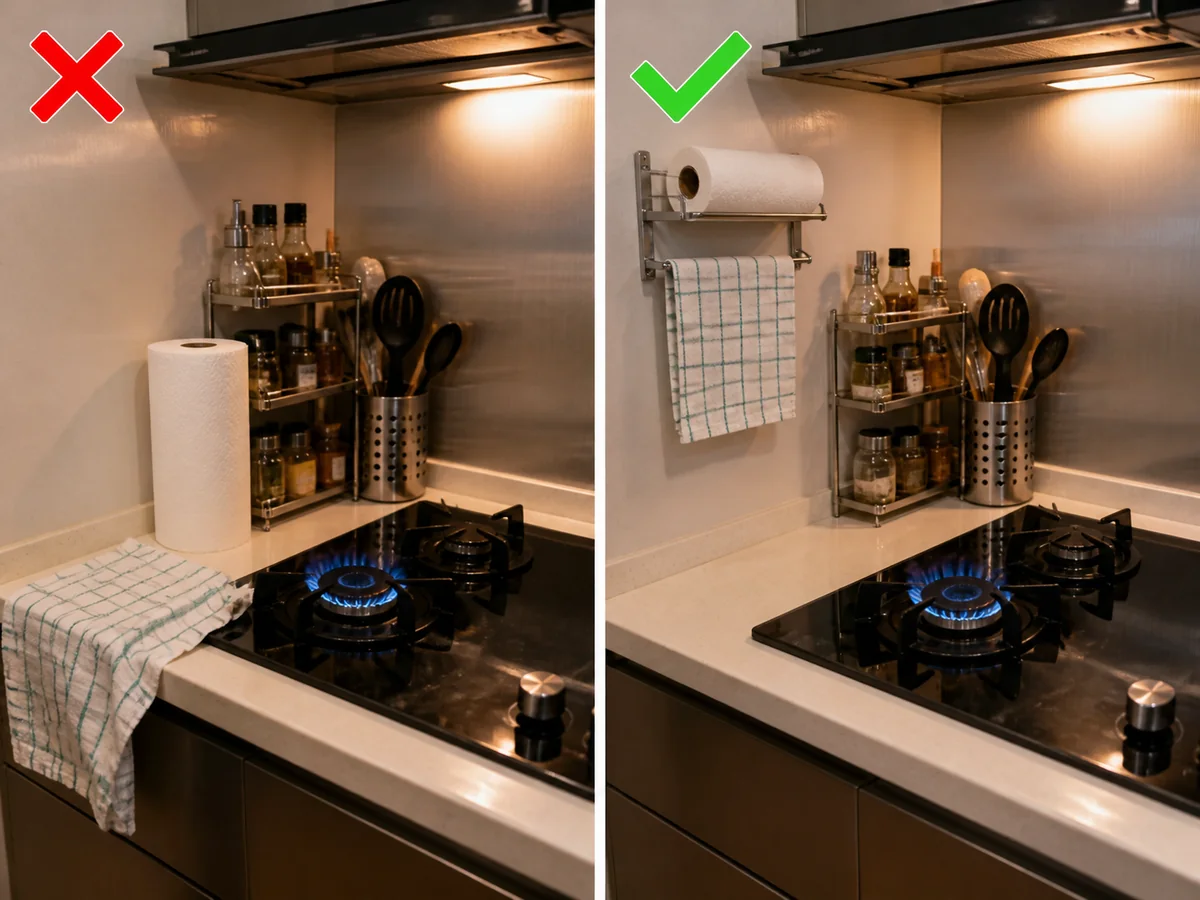
Before turning on the stove, remove cloths, kitchen paper, packaging, plastic bags, and aerosol cans from the cooking area.
View safety lesson →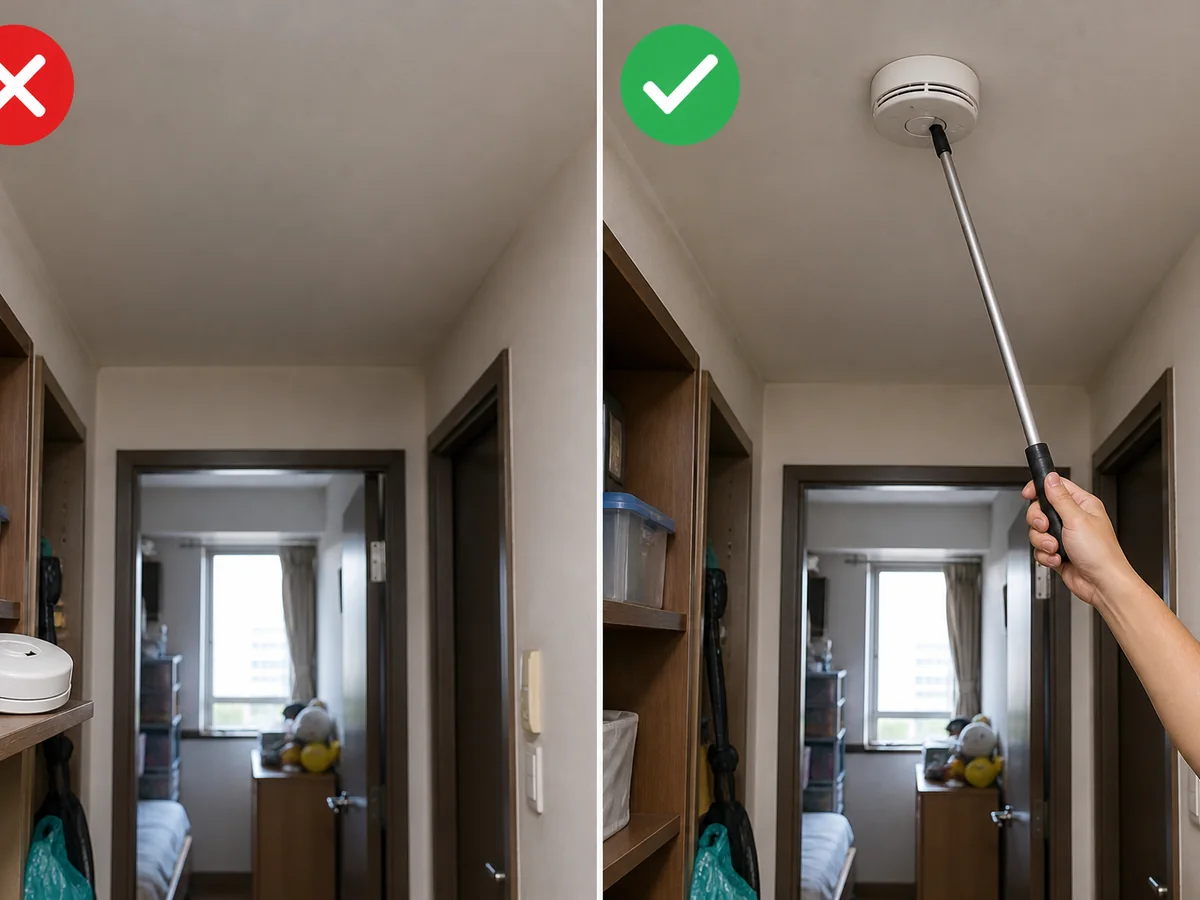
Install a suitable detector as directed and press its test button monthly to check the battery.
View safety lesson →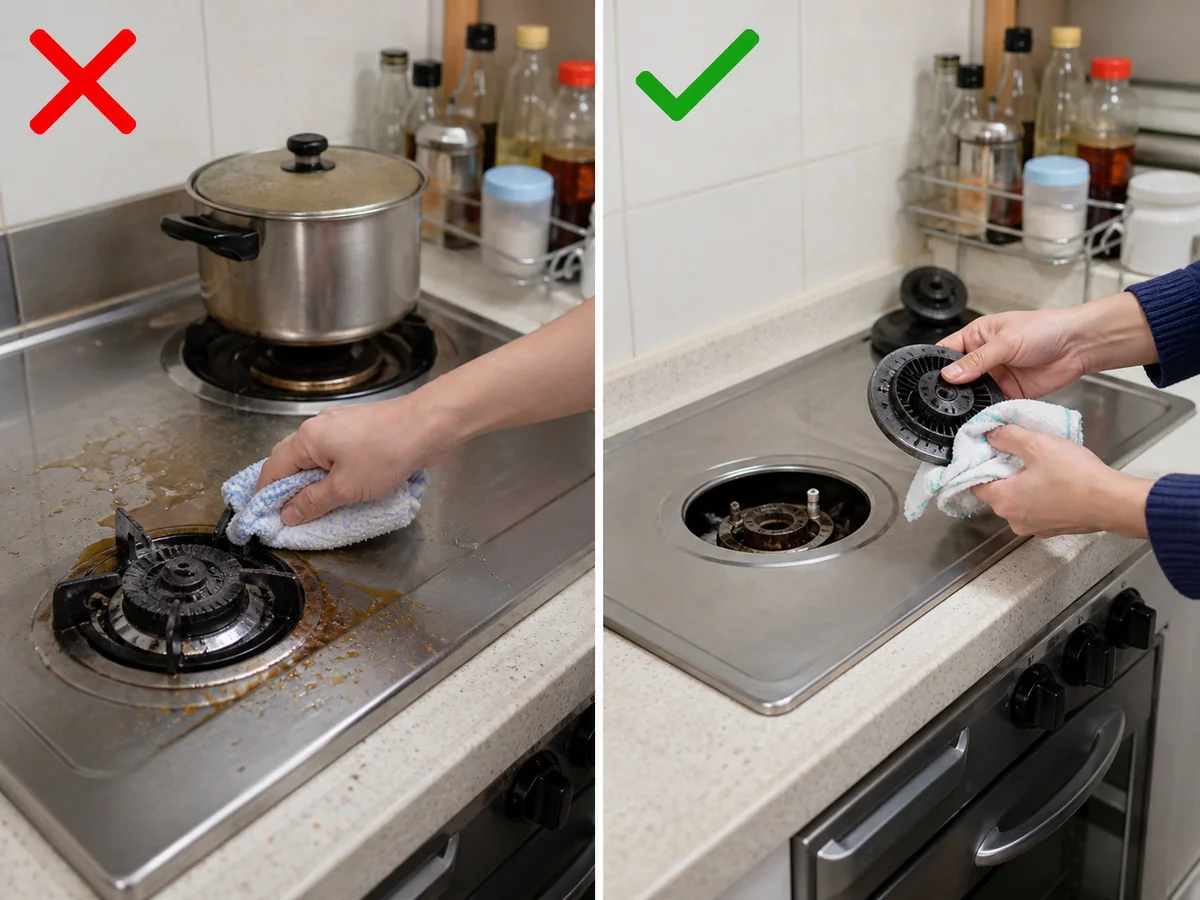
Switch off after a boil-over, let the cooker cool fully, and clean only as instructed; stop use and tell the employer if the flame is abnormal.
View safety lesson →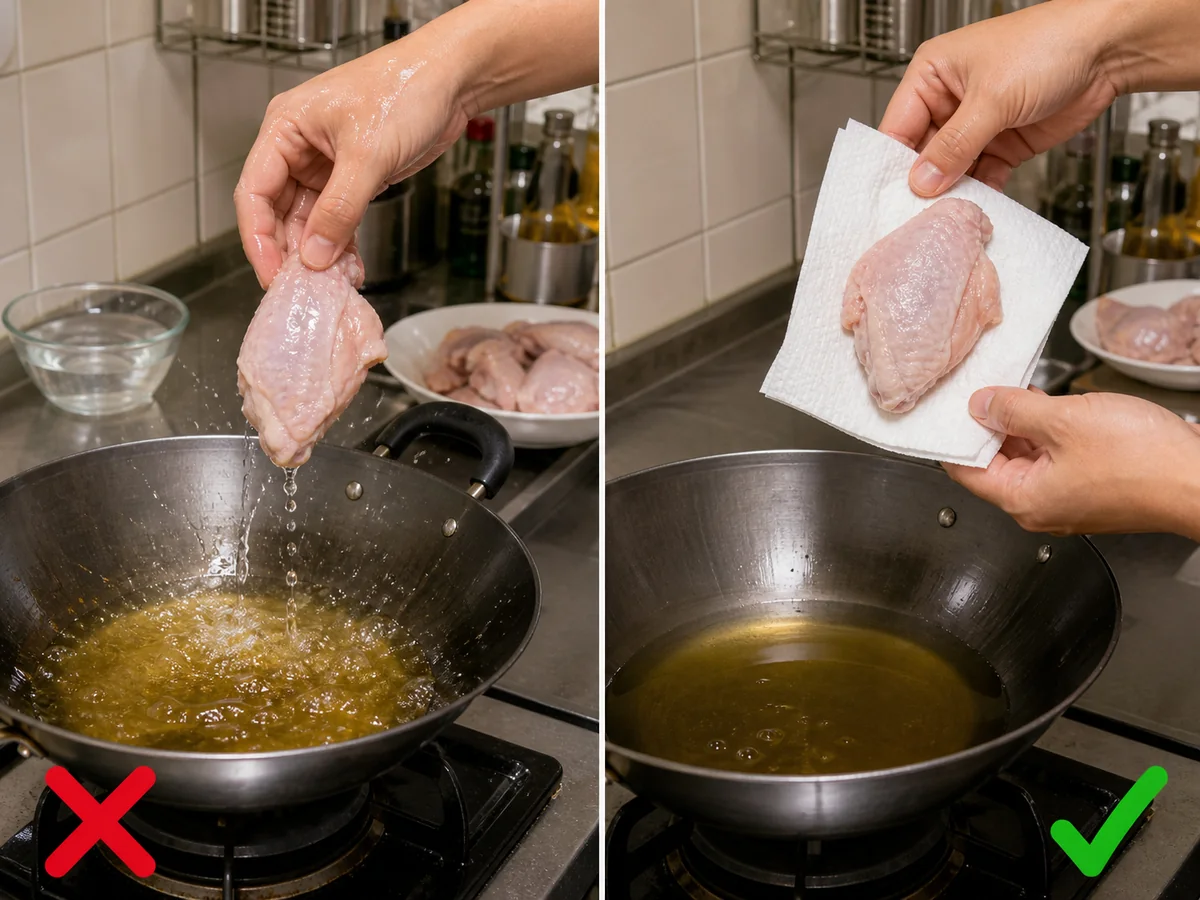
Dry food, utensils, and the cooker area before frying, and never pour water into very hot or burning oil.
View safety lesson →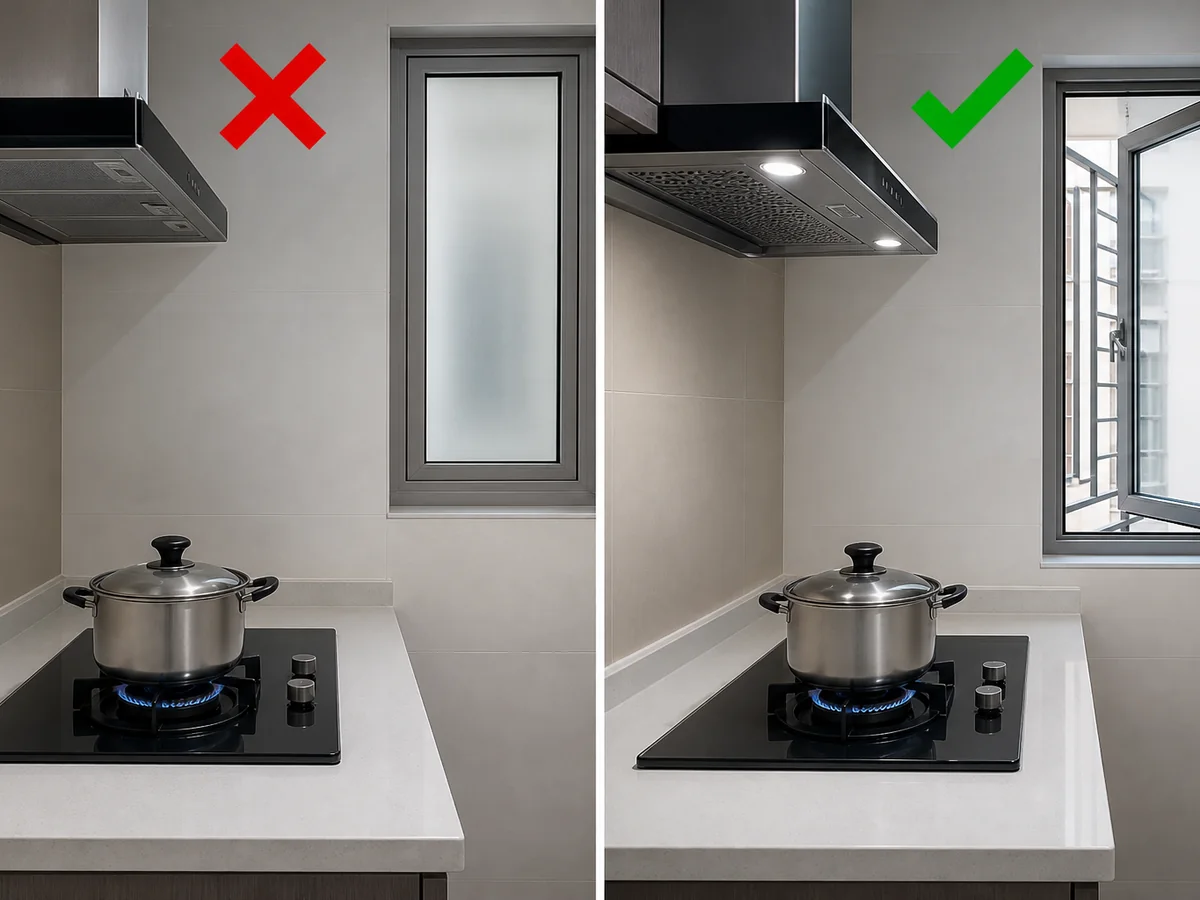
Start suitable ventilation before cooking and keep fresh air flowing without blowing directly on the flame.
View safety lesson →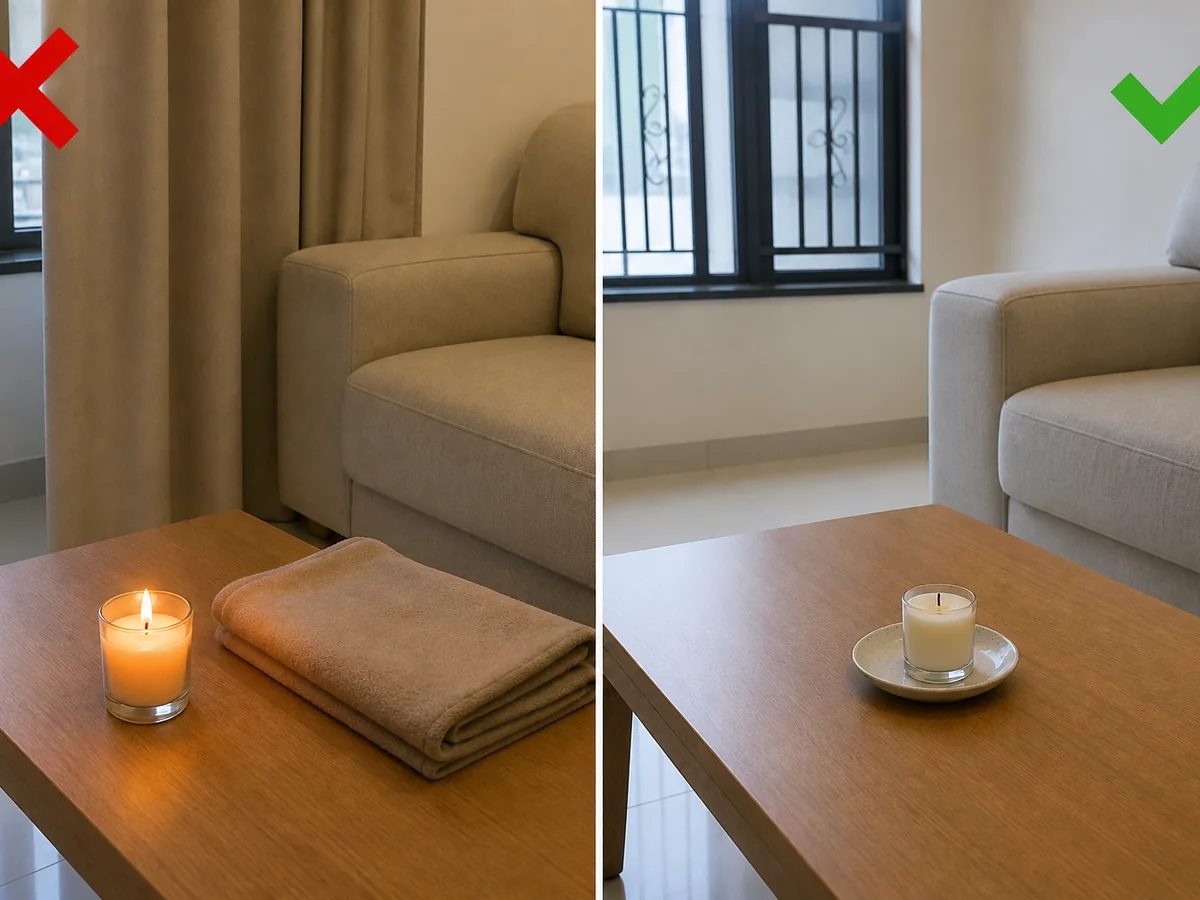
Use a stable non-combustible holder, keep it away from curtains, beds, and paper, and extinguish it before leaving.
View safety lesson →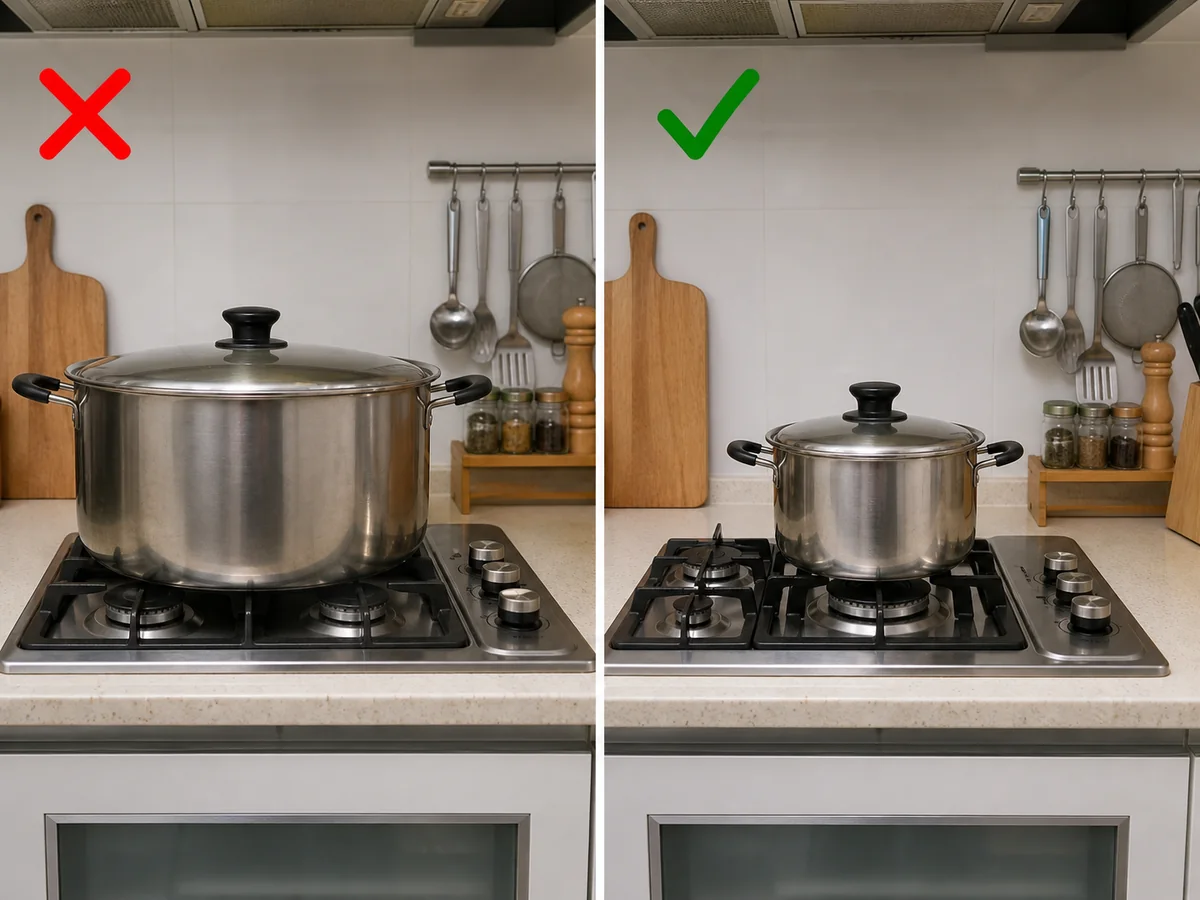
Choose cookware that suits the burner instructions and does not reflect excessive heat onto controls, tubing, or nearby items.
View safety lesson →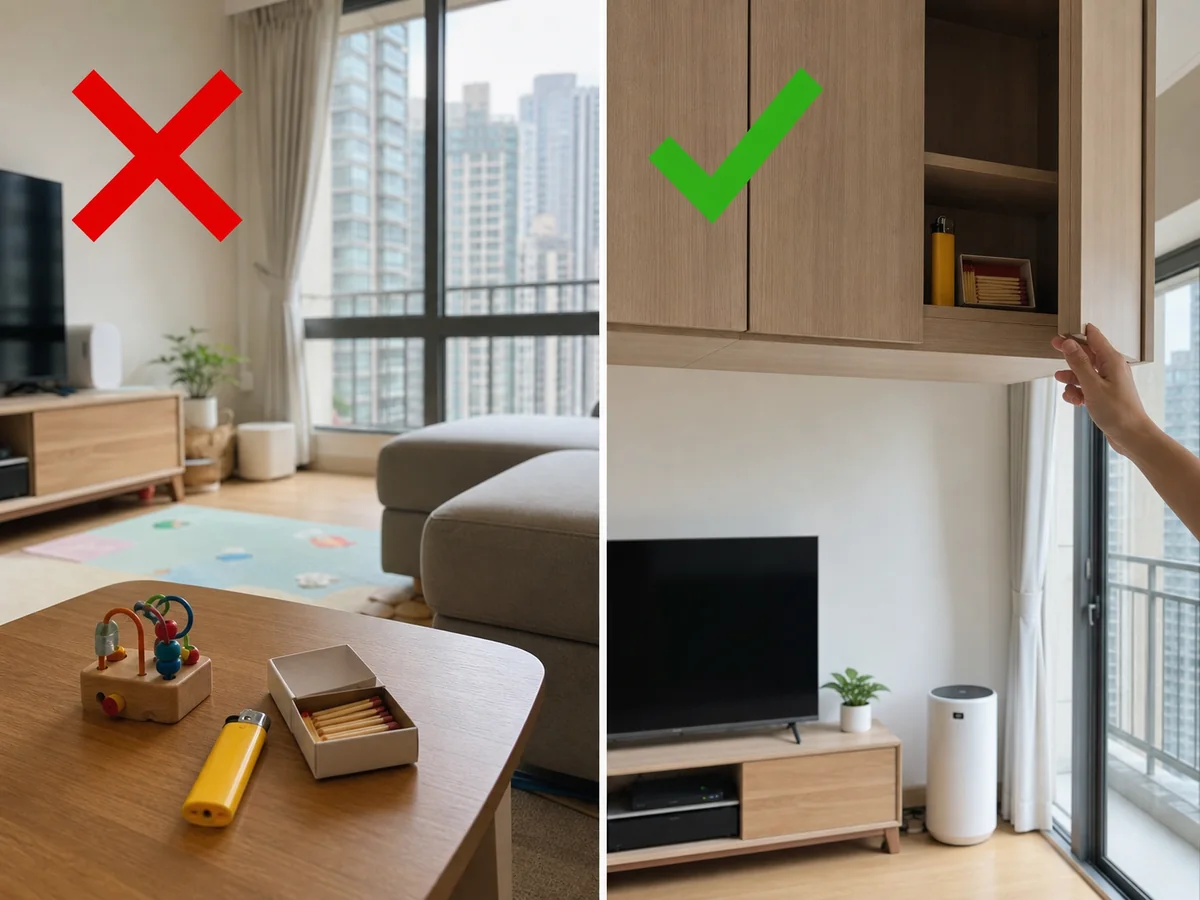
Return matches and lighters immediately after use to a high, secure place that children cannot reach.
View safety lesson →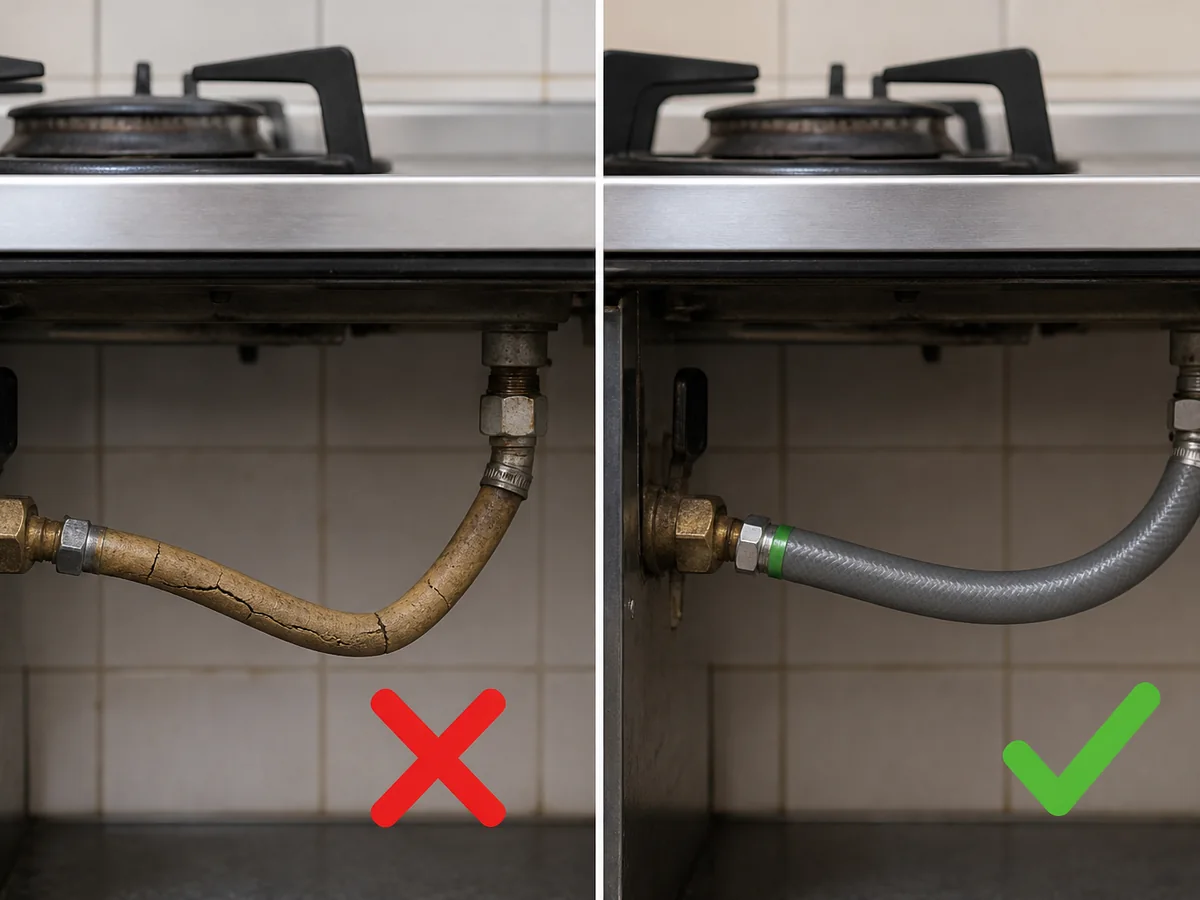
Inspect flexible gas tubing for cracks, ageing, loose joints, and its printed service-life date.
View safety lesson →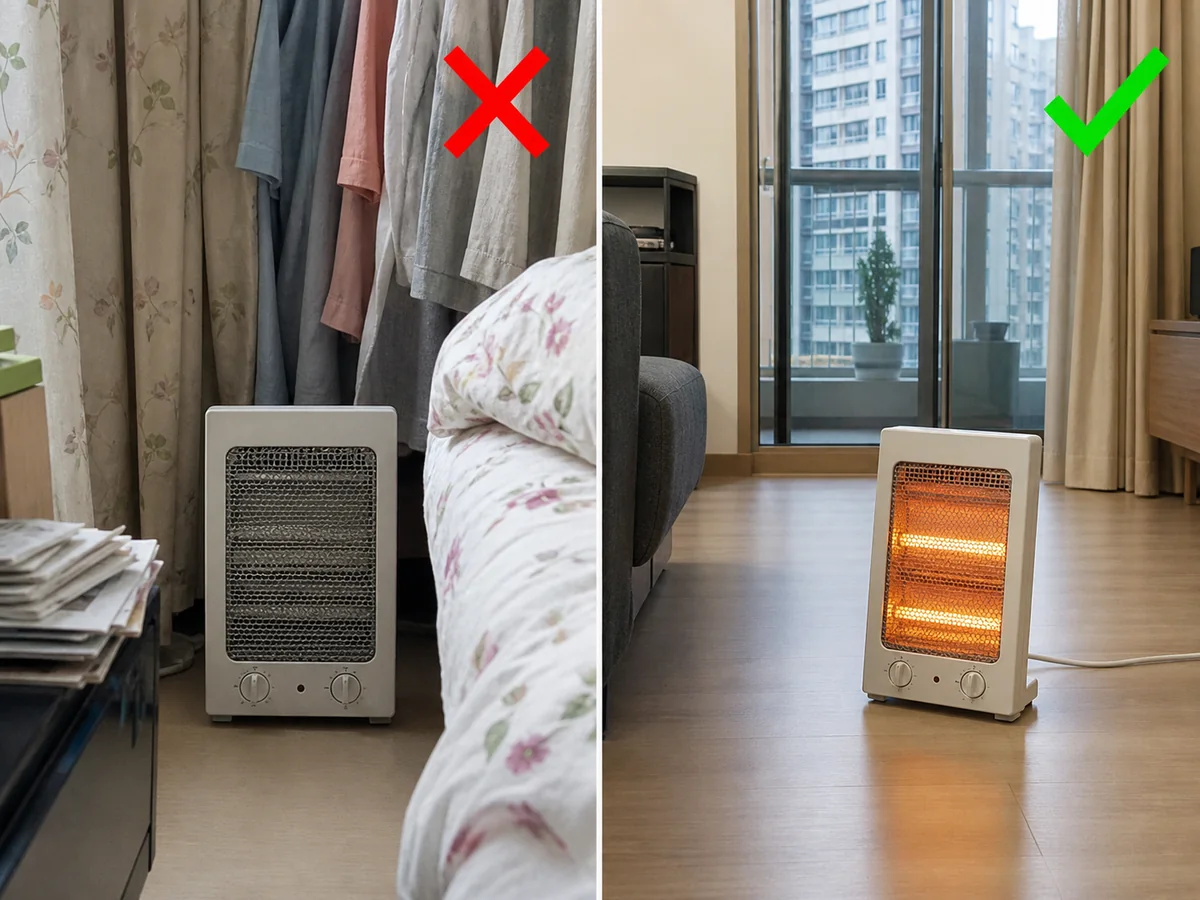
Follow the heater instructions for clearance and keep bedding, clothes, curtains, paper, and other combustibles away.
View safety lesson →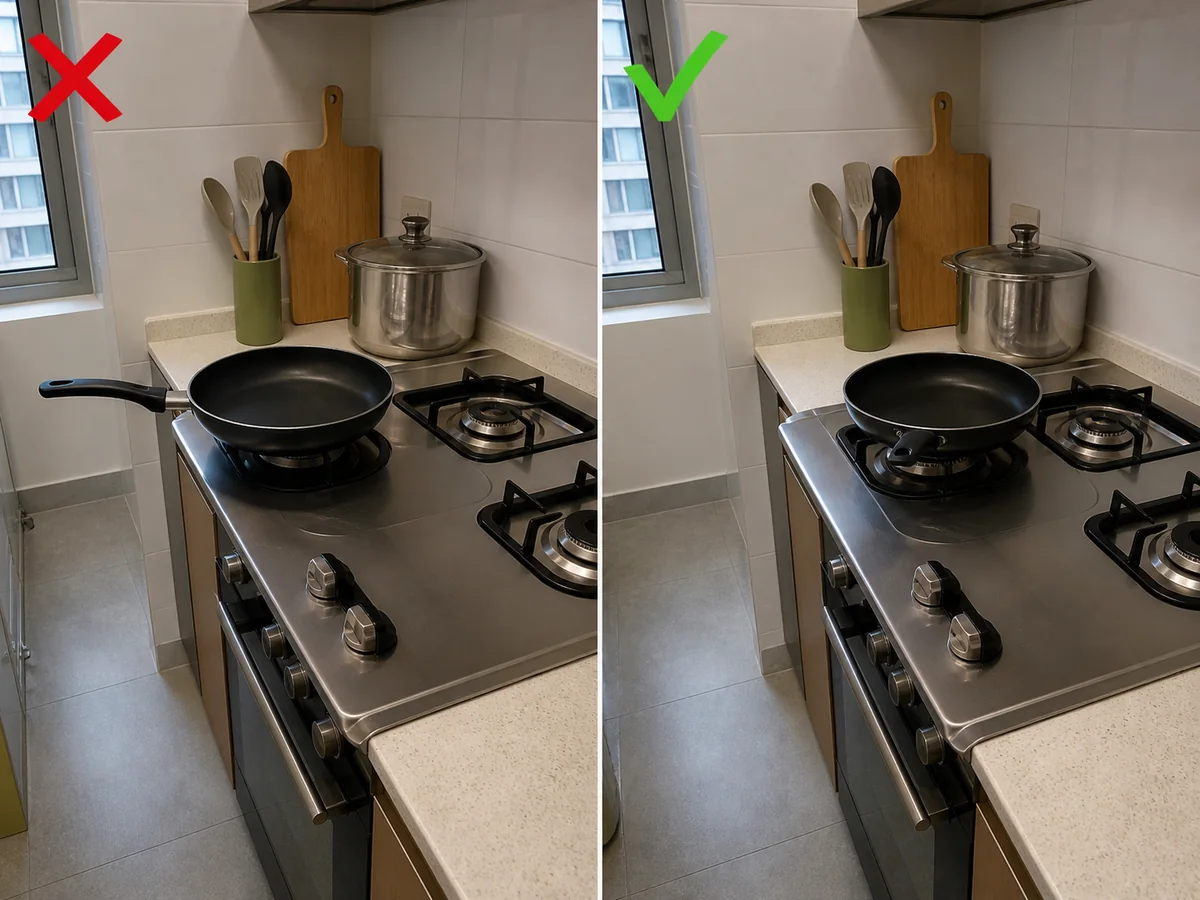
Use a burner suited to the frying pan, keep the pan near the centre and stable, and turn the handle to a safe position.
View safety lesson →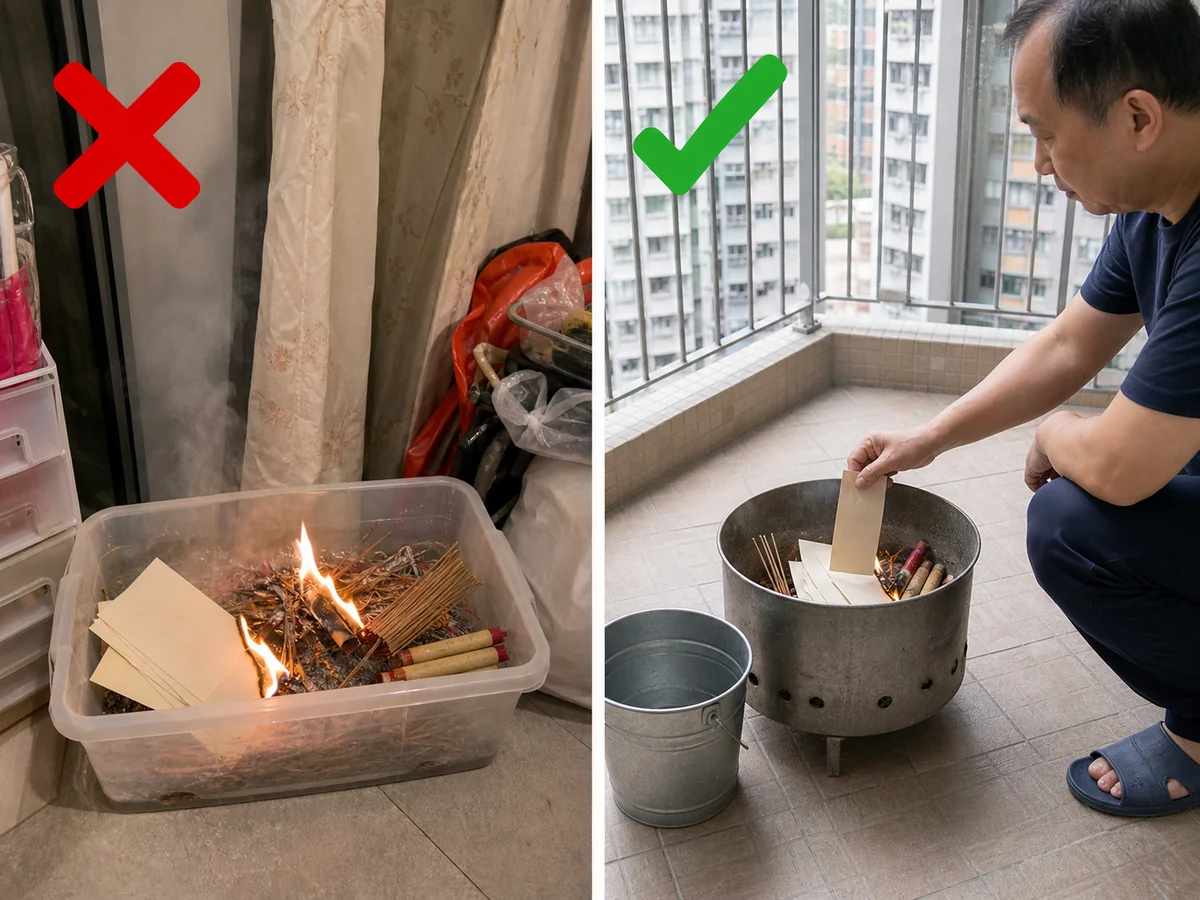
Use a stable metal container only in the employer's designated safe place, away from combustibles and under supervision; extinguish ashes fully before disposal.
View safety lesson →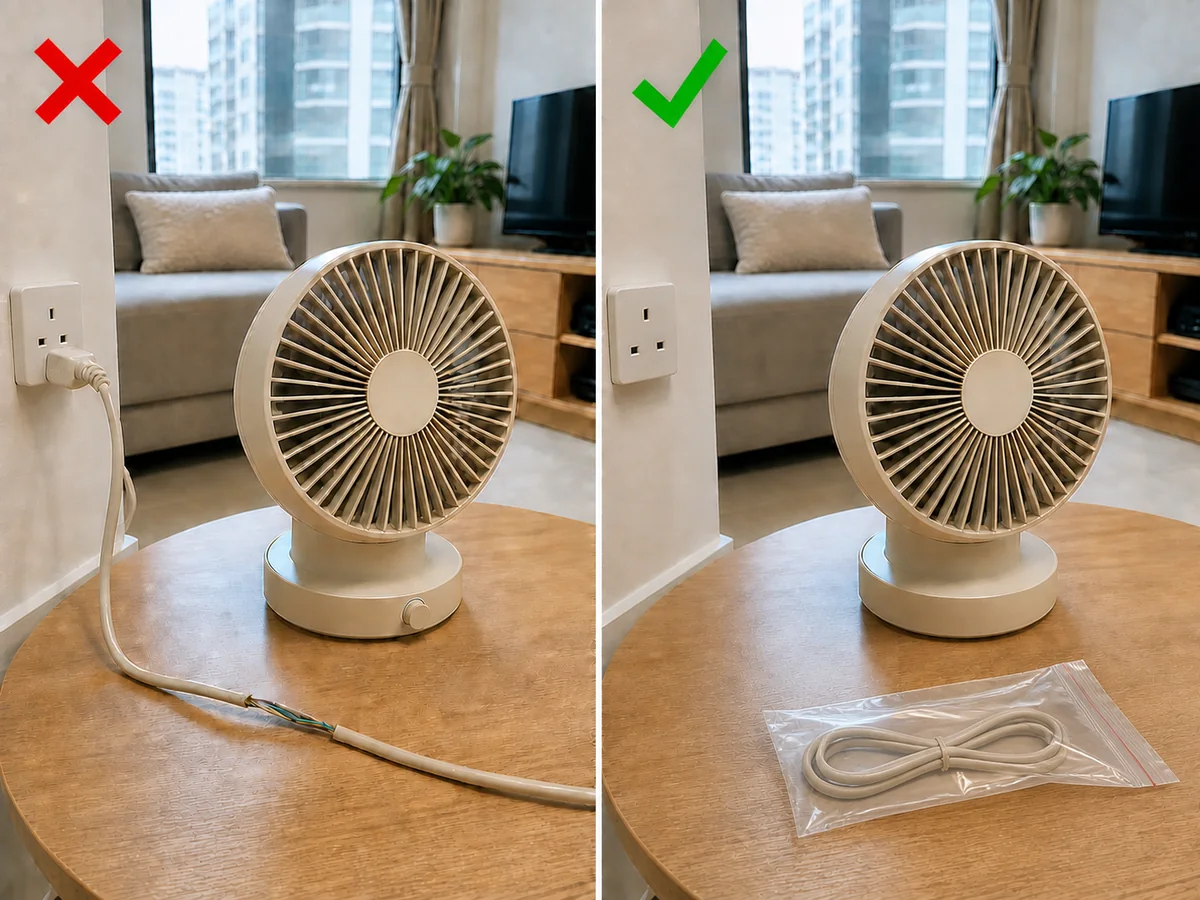
If a cord, plug, or casing is damaged, loose, discoloured, or charred, stop using it and have it checked by an experienced technician.
View safety lesson →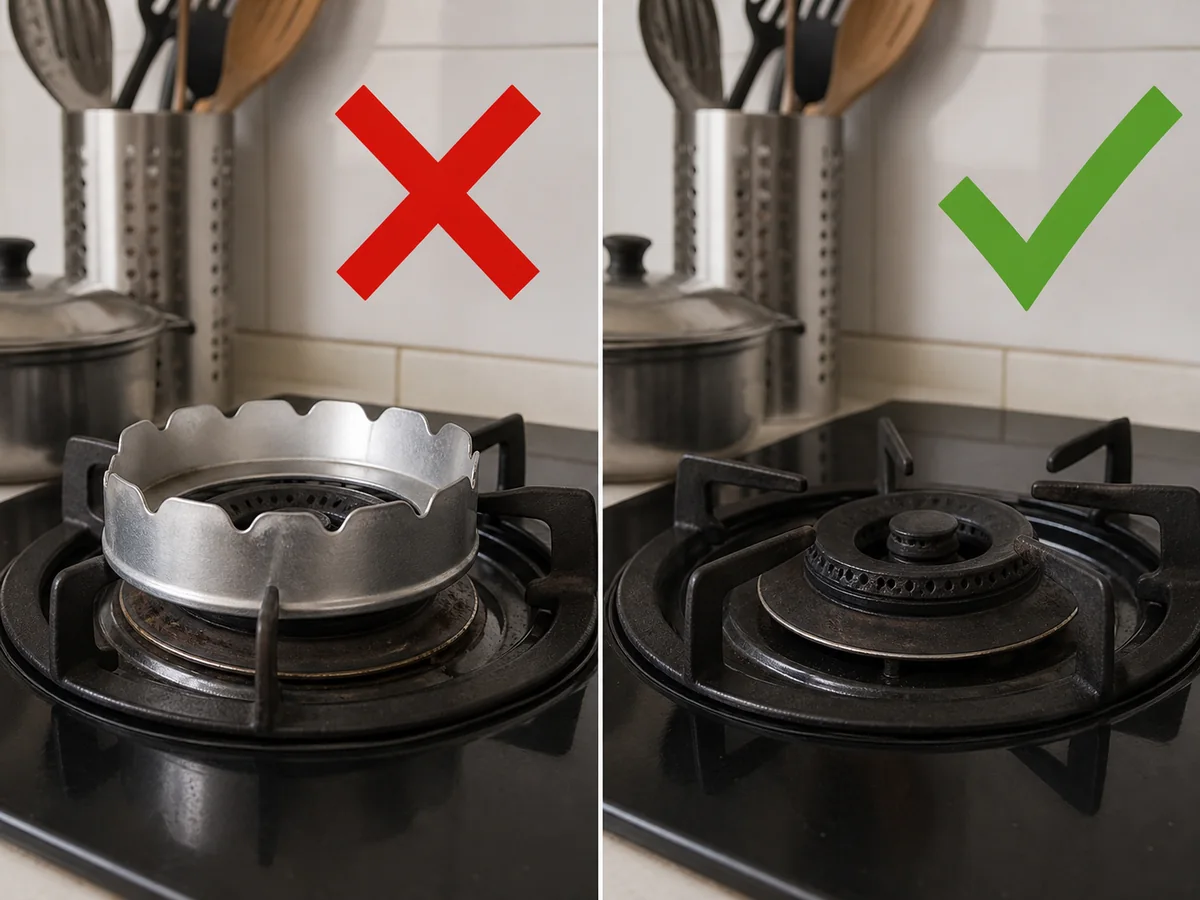
Do not add an energy-saving ring, flame concentrator, or accessory not supplied or approved by the original cooker manufacturer.
View safety lesson →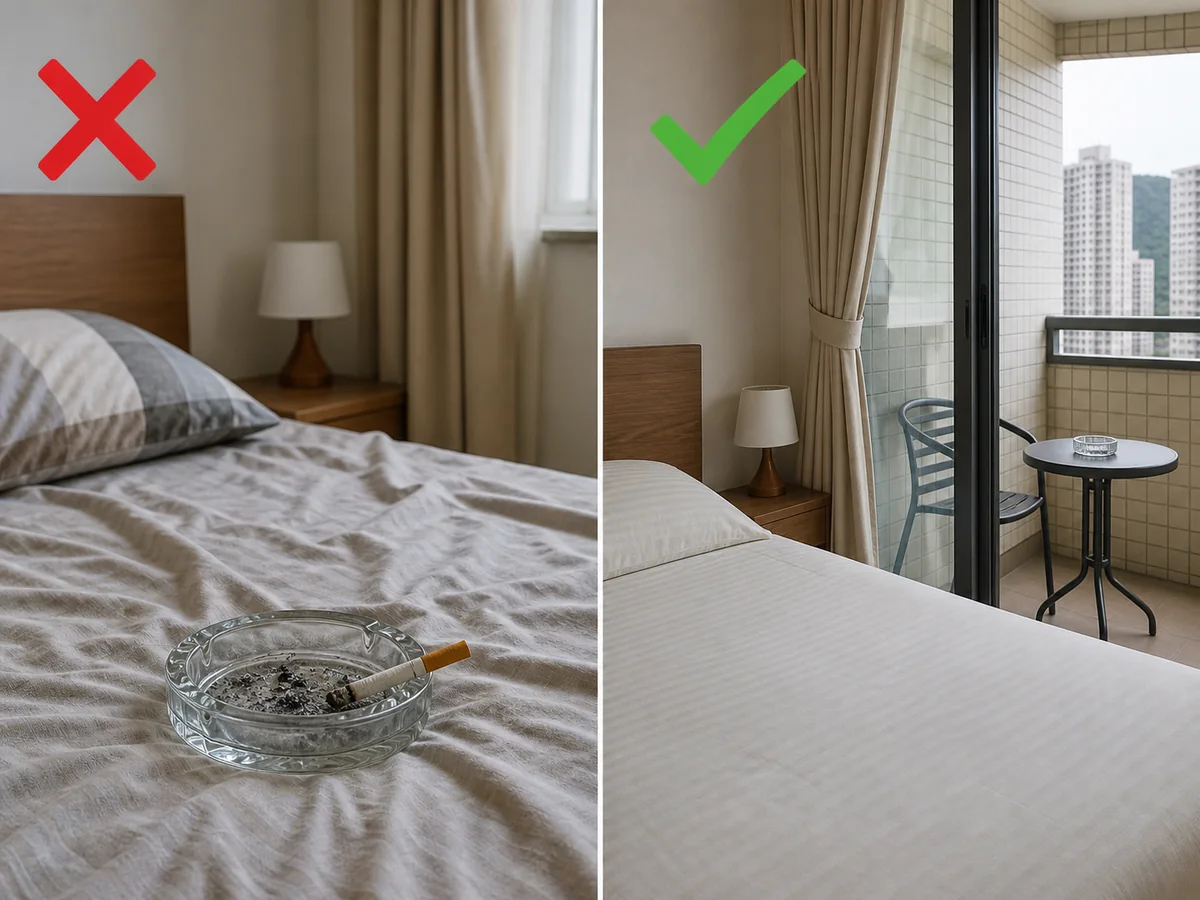
Nobody should smoke in bed or where they may fall asleep; extinguish cigarette ends fully in a suitable ashtray.
View safety lesson →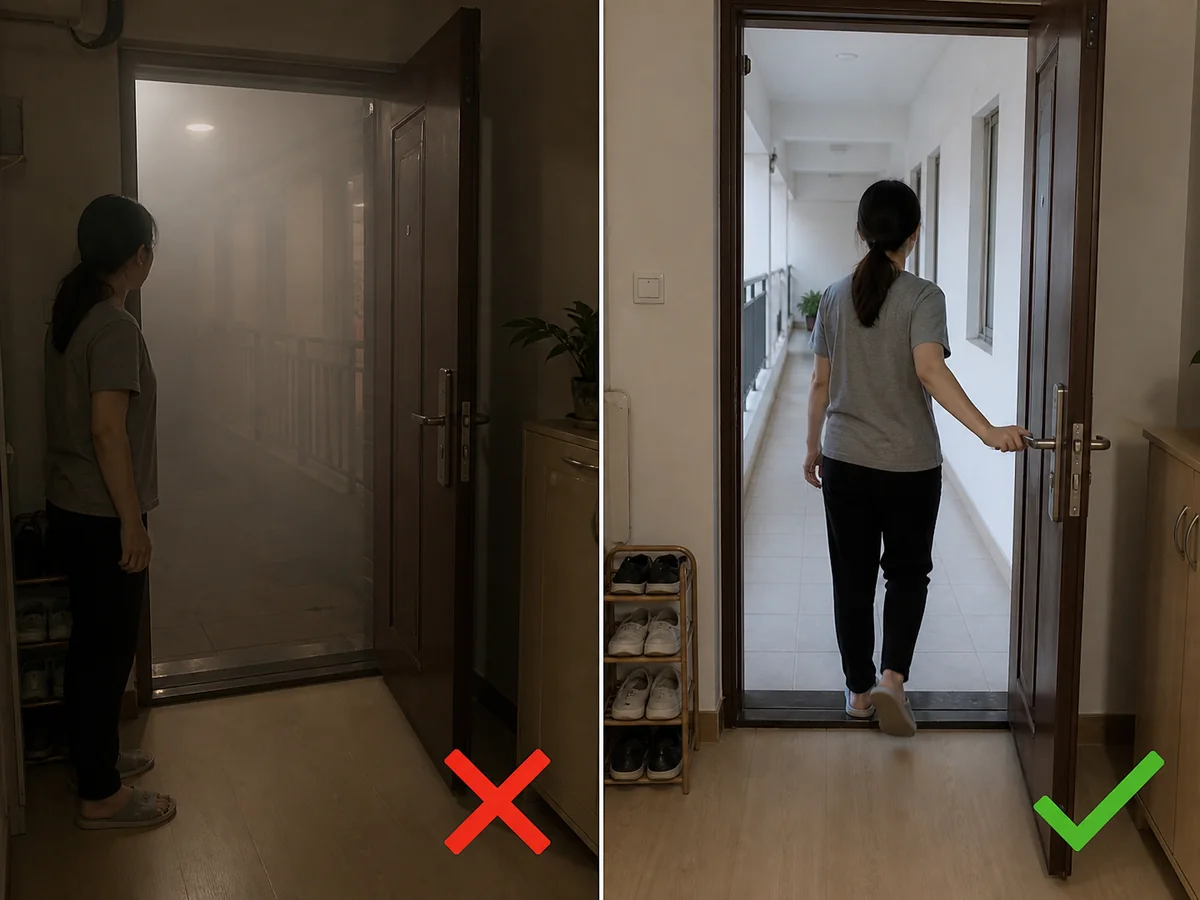
Check the corridor and escape route for smoke first; when it is safe to leave, close the unit door and do not return.
View safety lesson →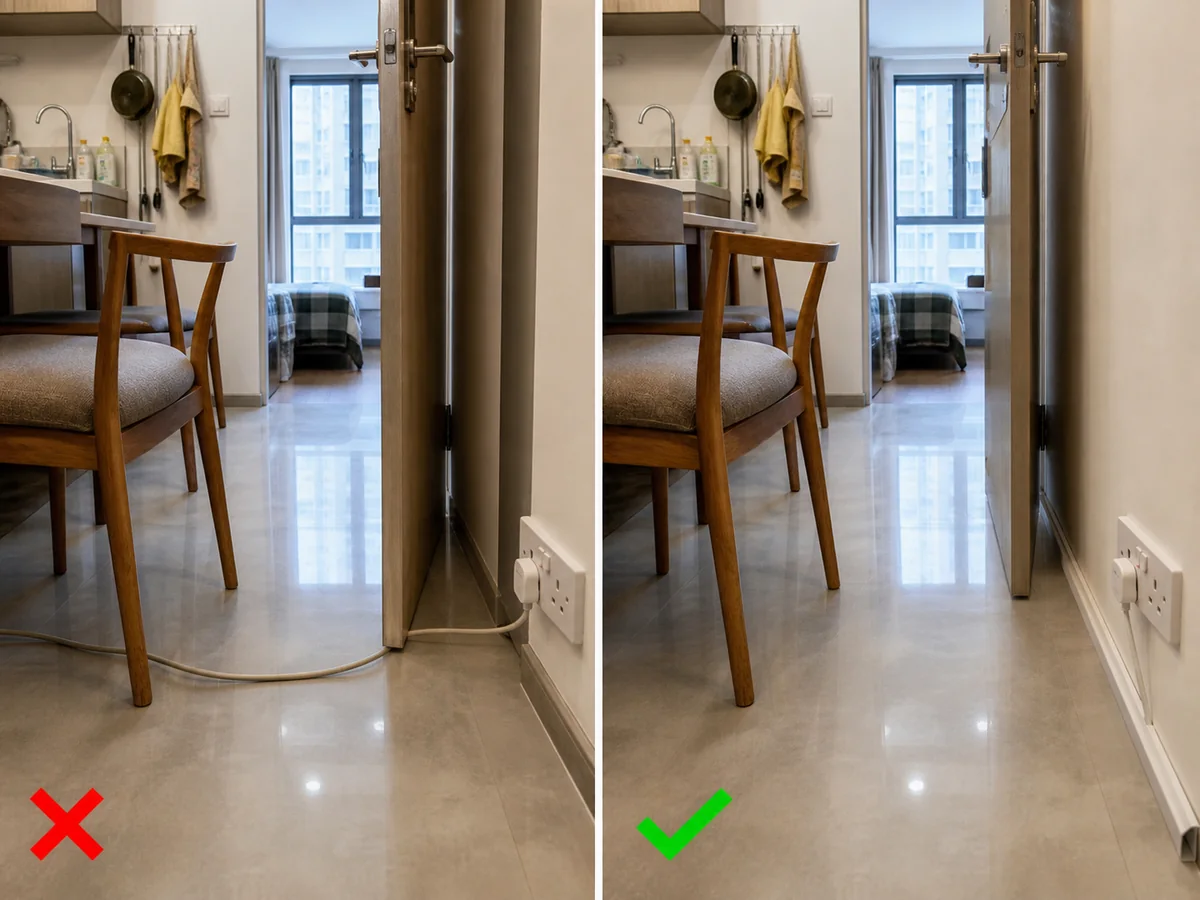
Do not run extension cords across walkways, through doors, under rugs or furniture, or where wheels, heavy items, or doors can crush them.
View safety lesson →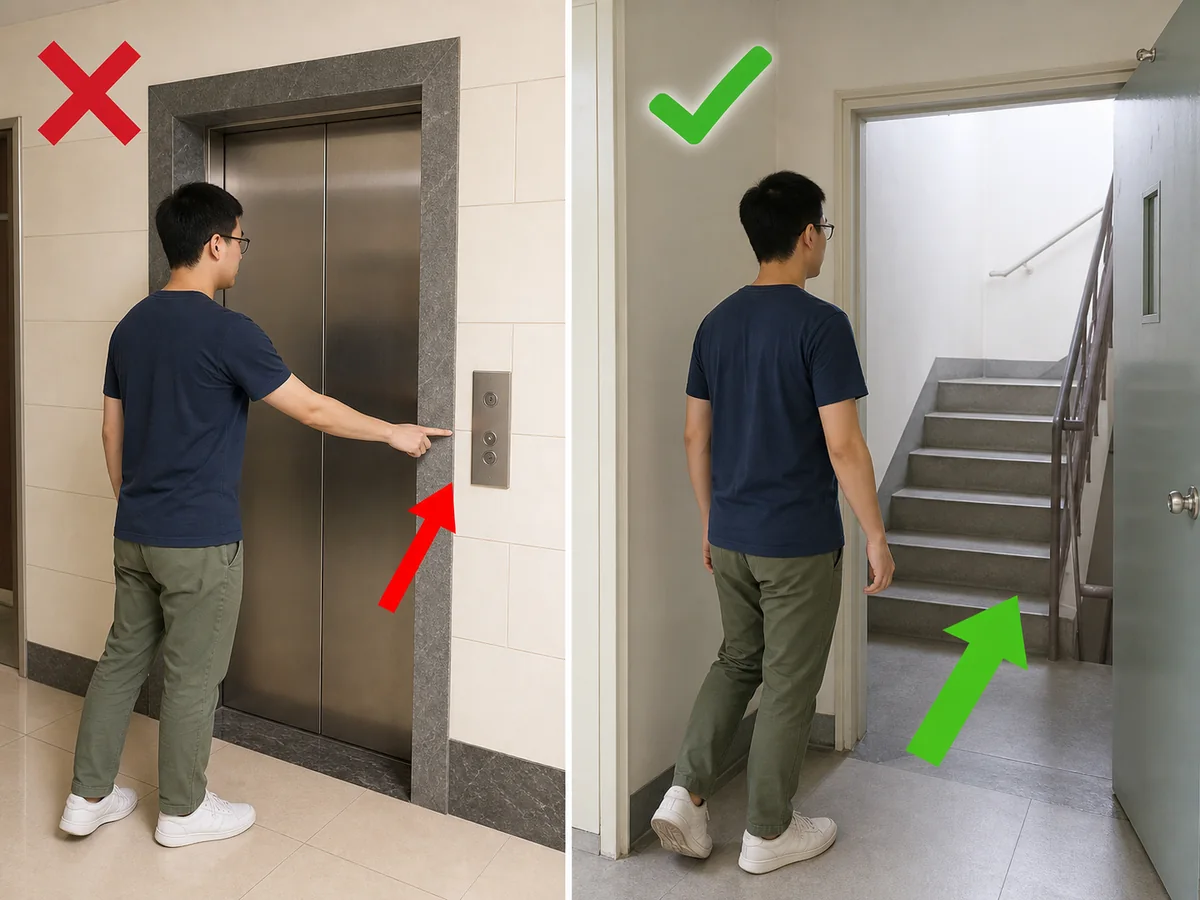
Do not use a lift; check the escape stairs for smoke and follow Fire Services guidance for the safest action.
View safety lesson →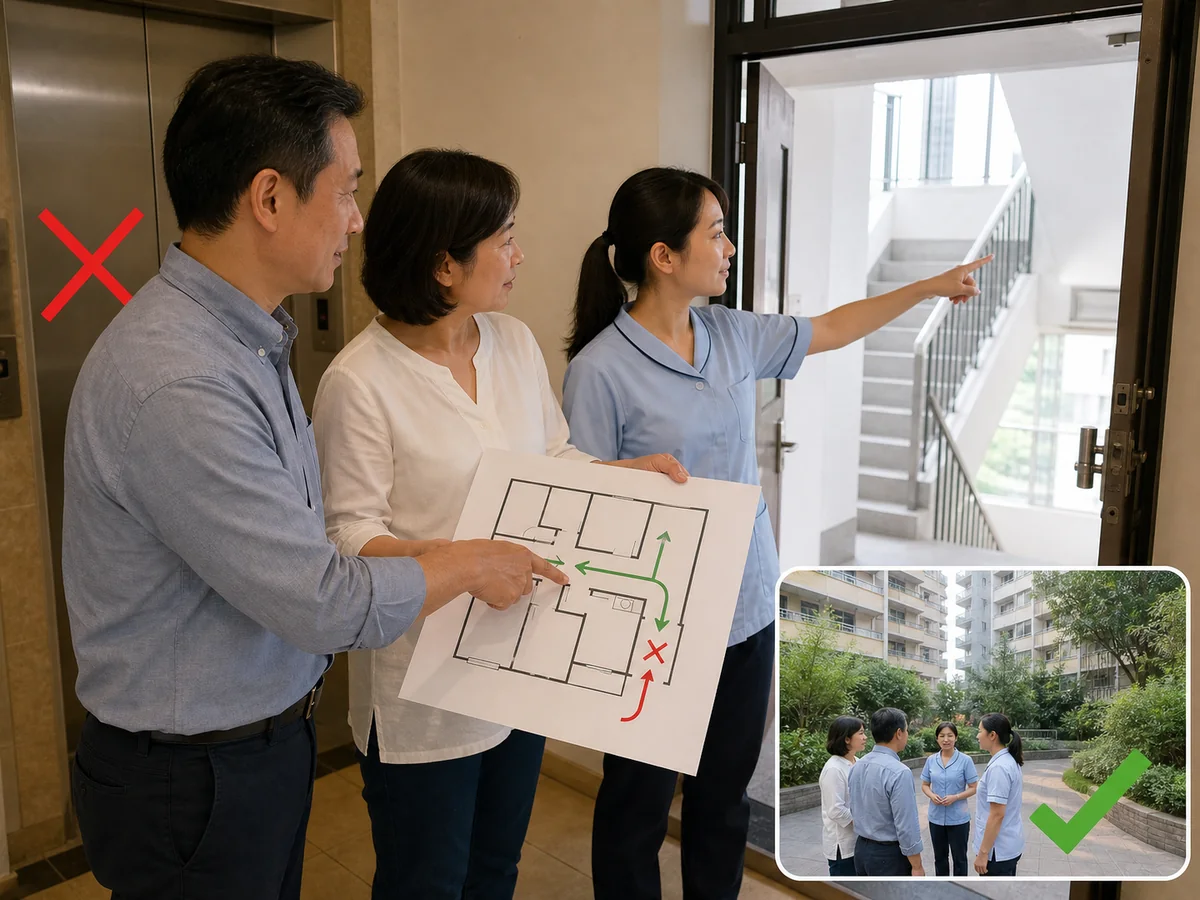
The employer should show the helper the exits, escape stairs, alarm, and outdoor meeting place, including not forcing a route through heavy smoke.
View safety lesson →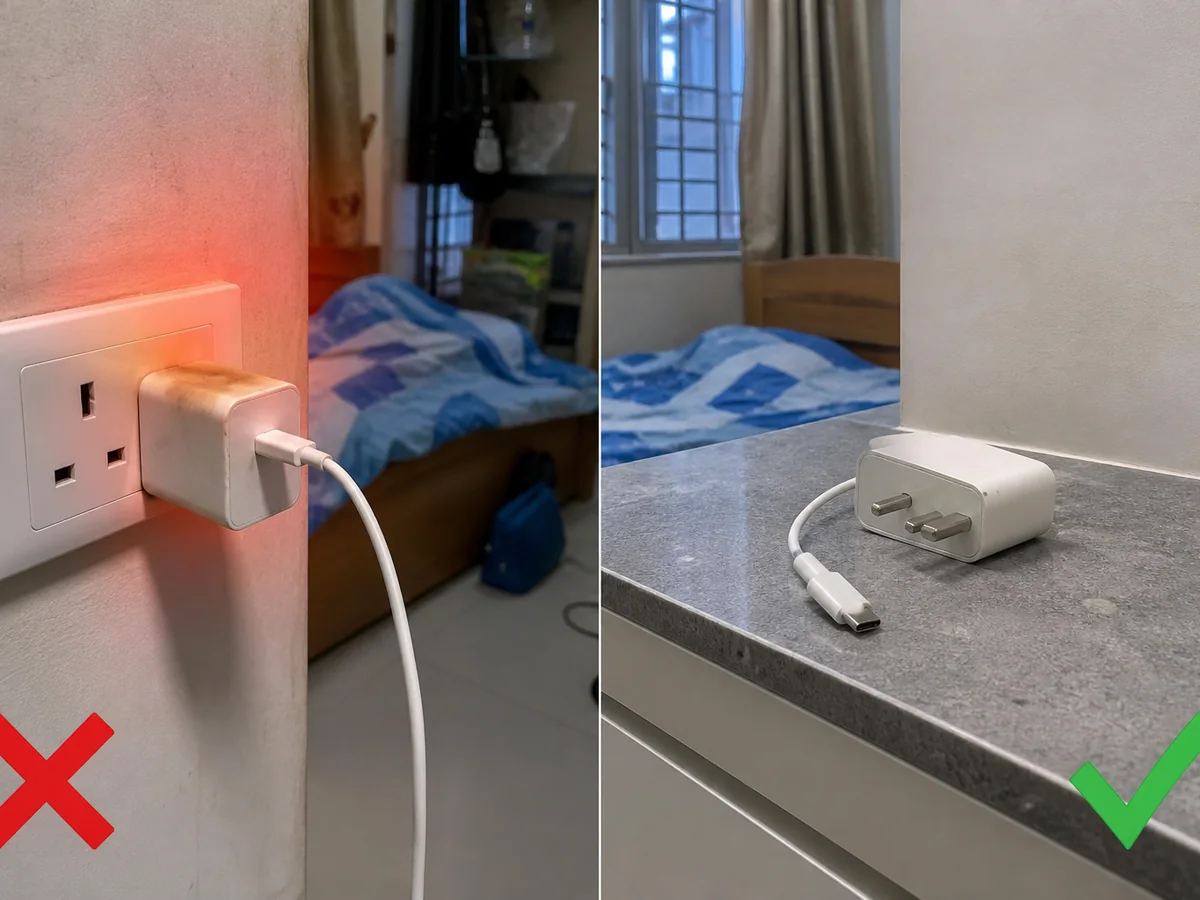
Unplug after charging; stop for excessive heat, discolouration, deformation, or a burning smell.
View safety lesson →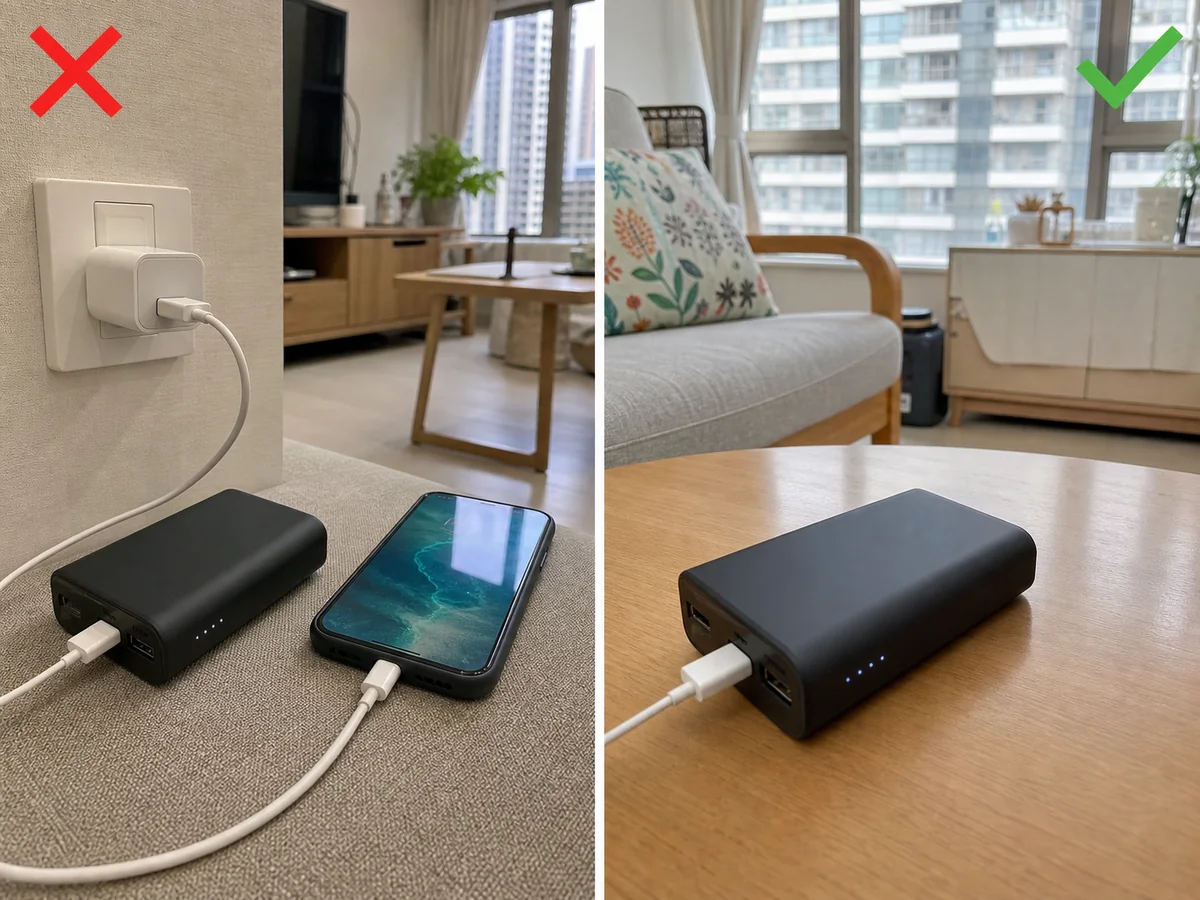
Do not use a power bank to charge a phone or another device while the power bank itself is charging.
View safety lesson →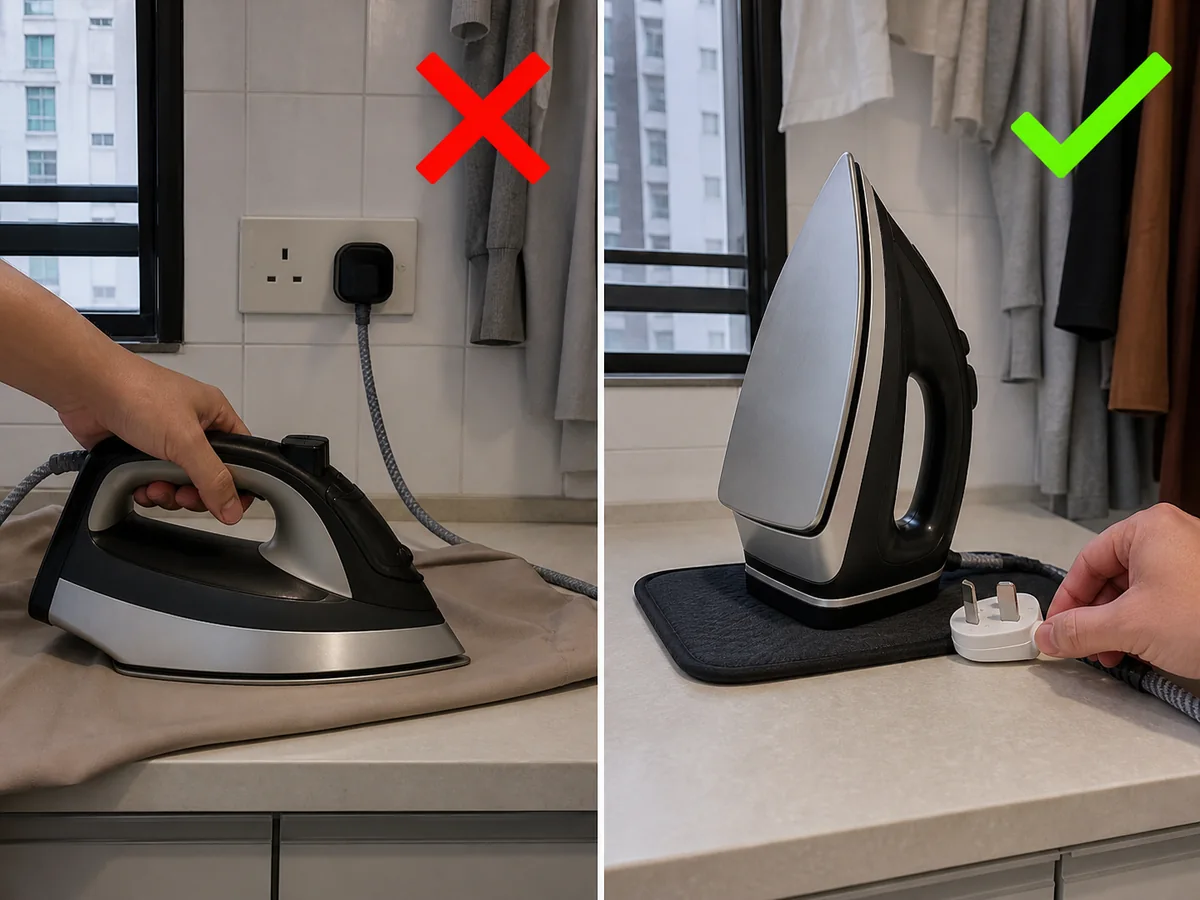
Switch off, unplug by the plug, and leave the iron upright on a stable heat-resistant surface out of children's reach until fully cool.
View safety lesson →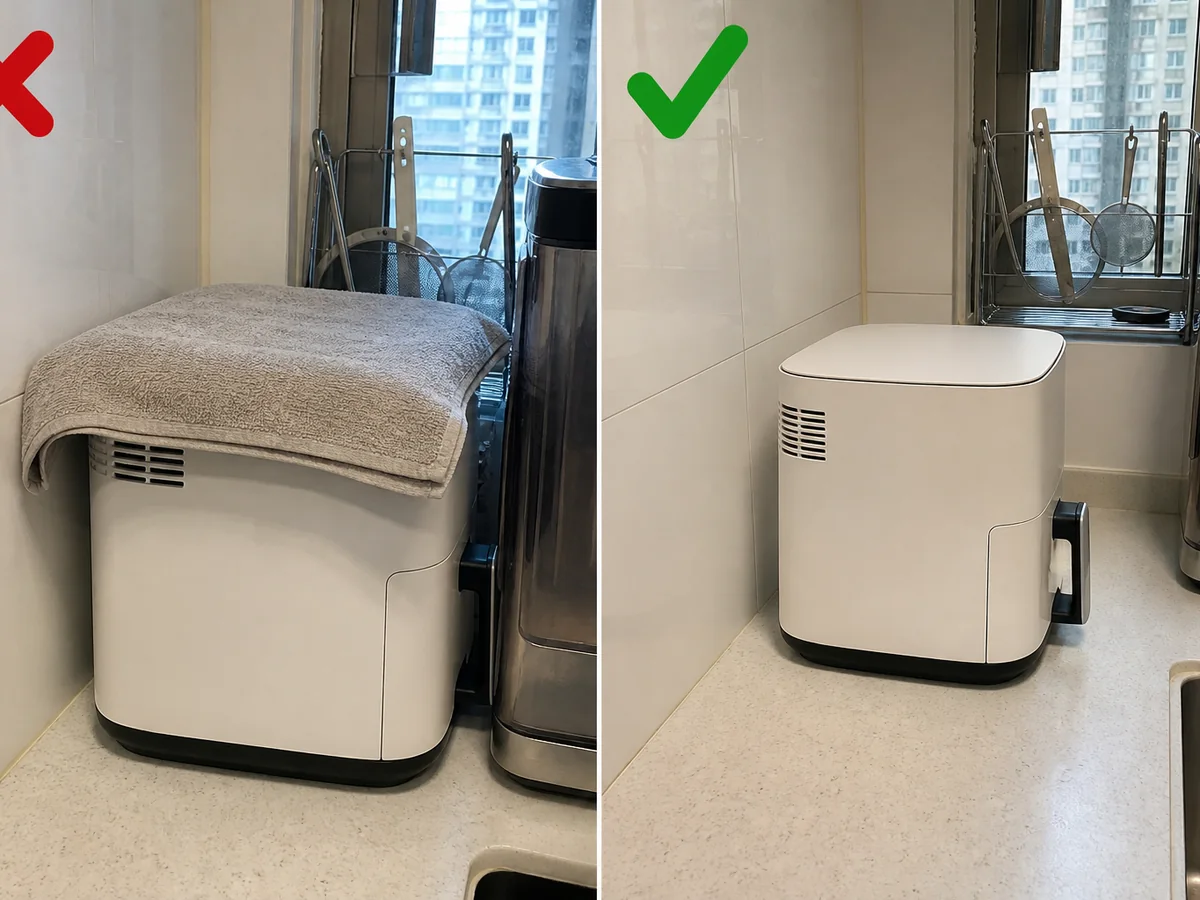
Leave the space required by the manual and never cover air inlets or outlets.
View safety lesson →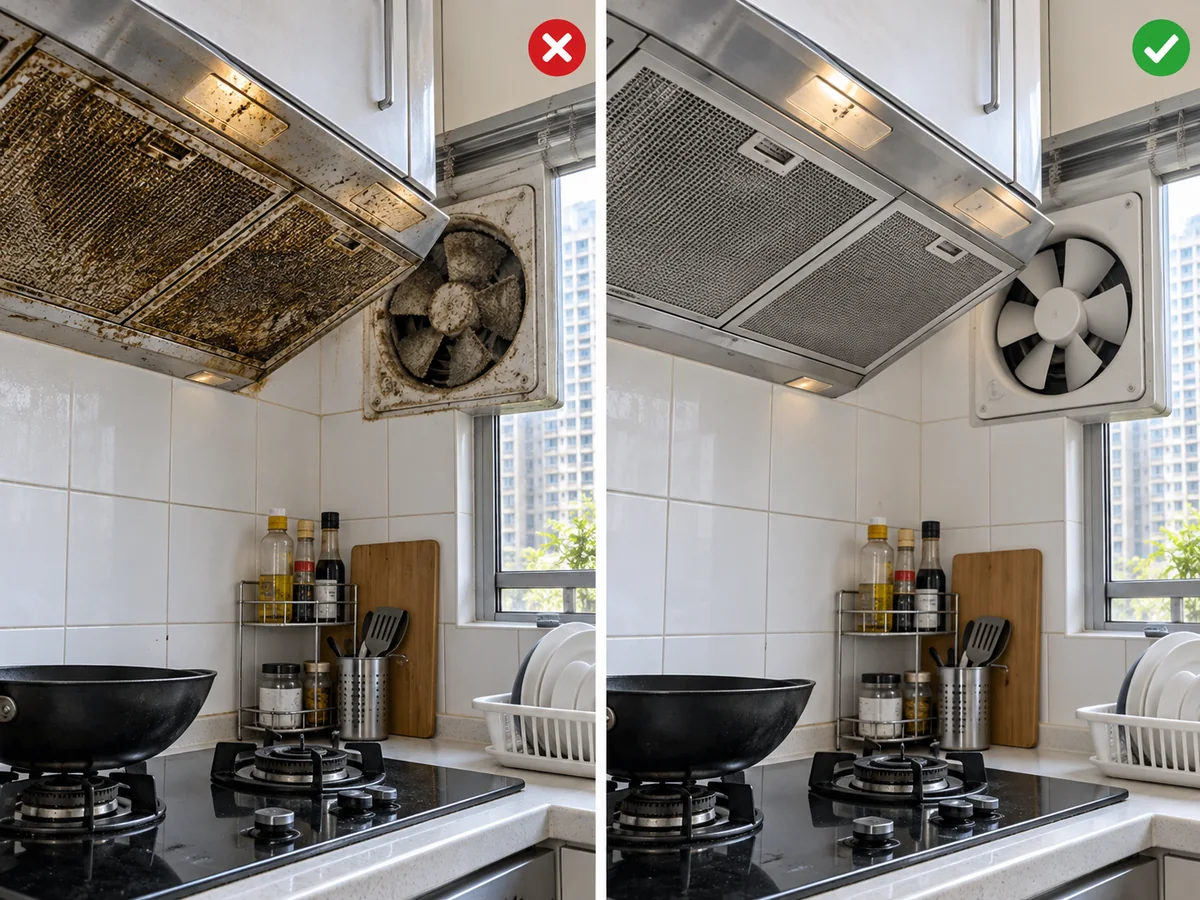
Following the maker’s instructions, remove dust and grease after power is off and parts are cool.
View safety lesson →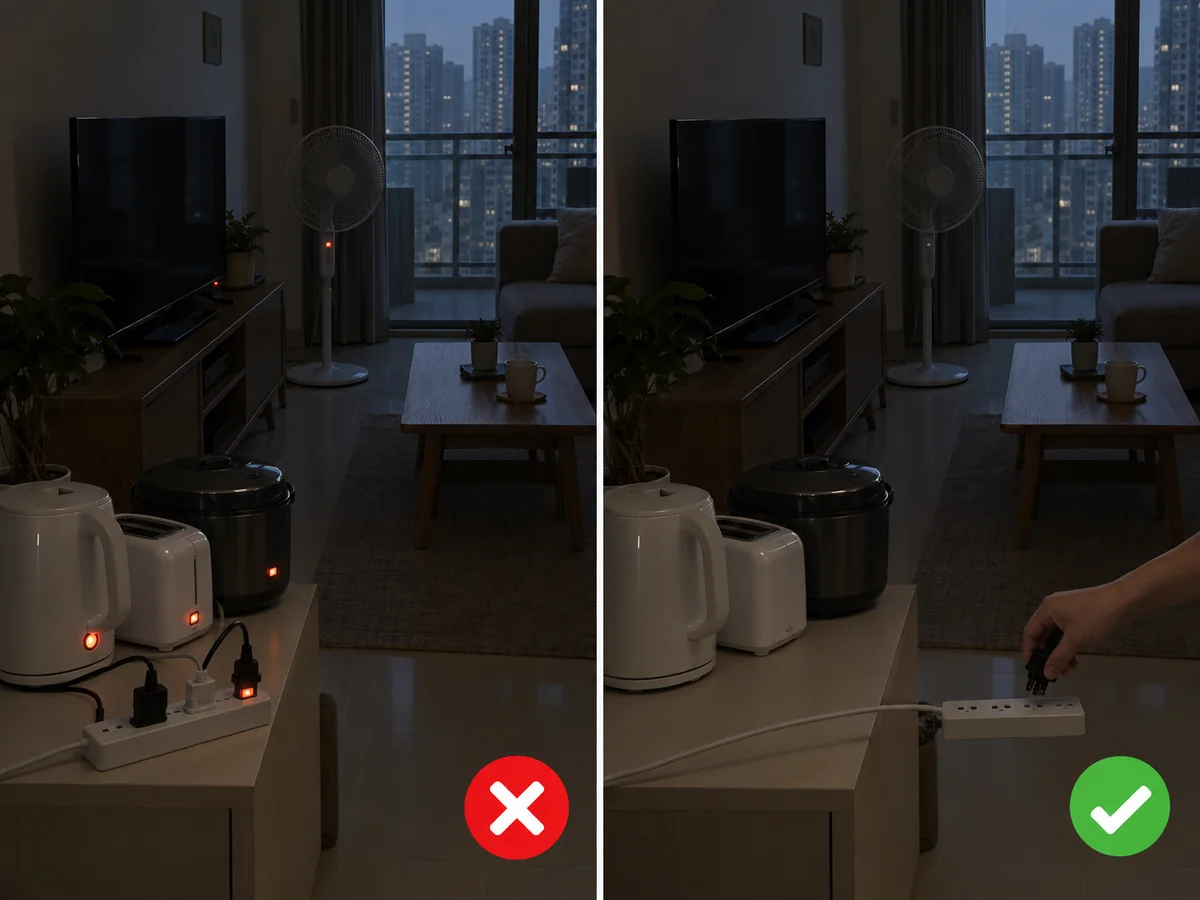
During a blackout or unstable supply, switch off and safely unplug non-essential appliances.
View safety lesson →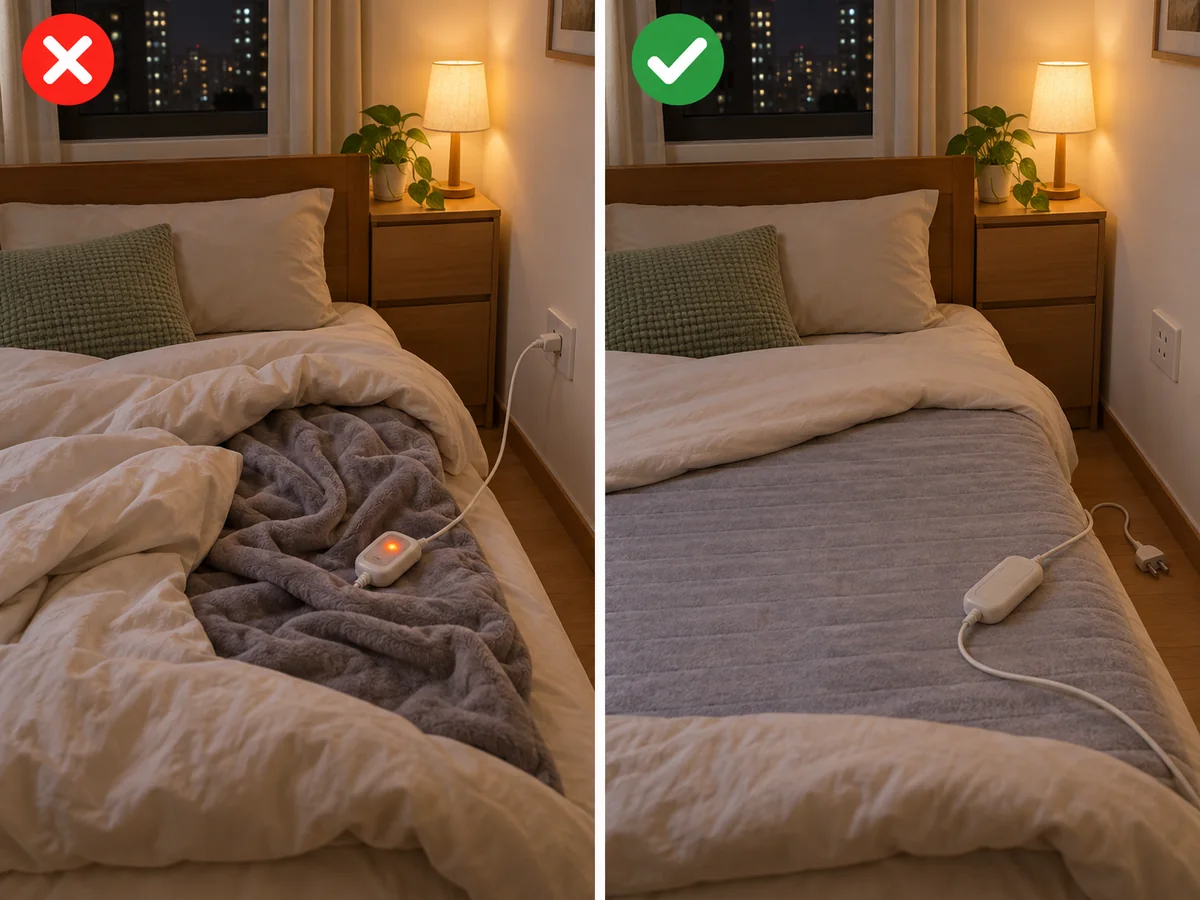
Use it flat as directed, never folded or trapped, and switch off and unplug before sleep.
View safety lesson →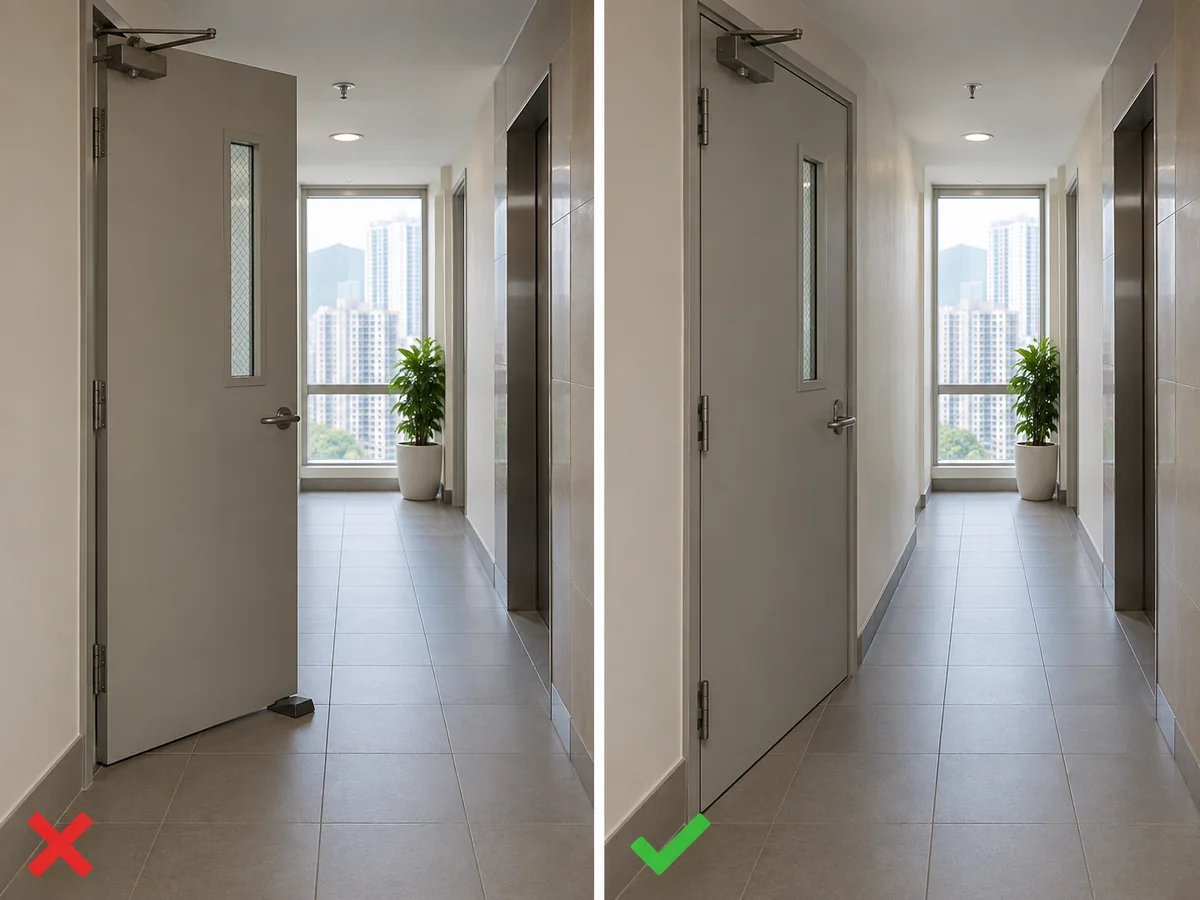
Never wedge open lobby, corridor, or stair smoke-stop doors; check they close after passing.
View safety lesson →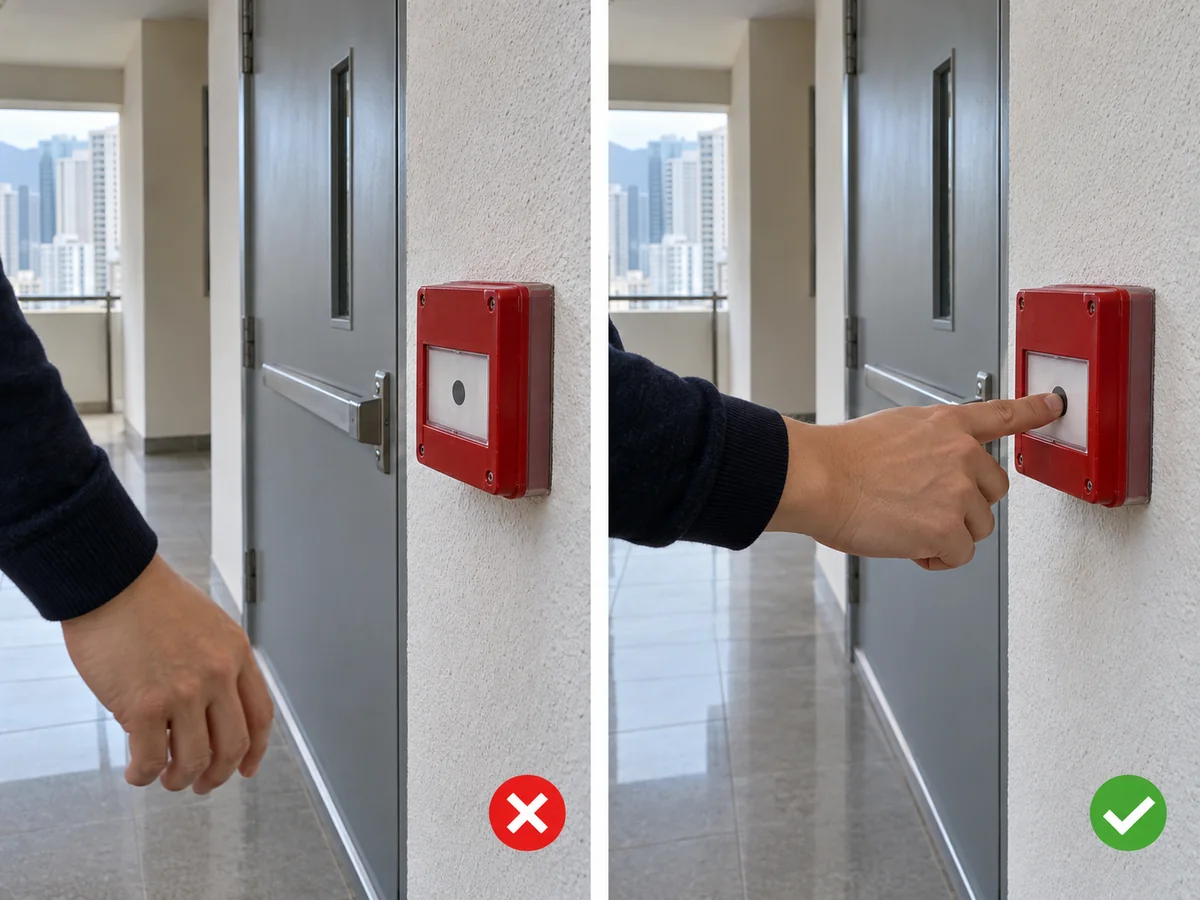
If the escape route is safe, press the nearest manual fire alarm after leaving the flat.
View safety lesson →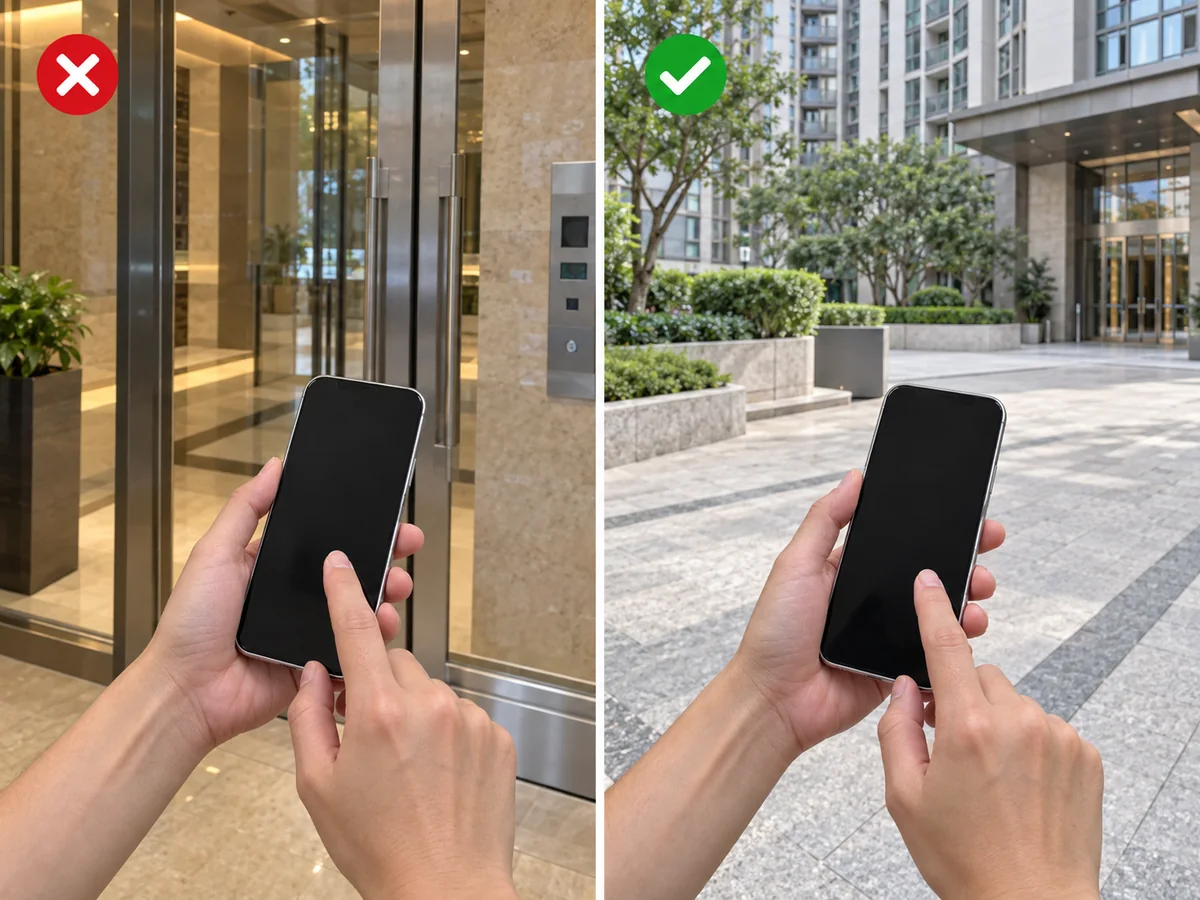
Leave the danger area first, then call 999 from safety and give the exact address.
View safety lesson →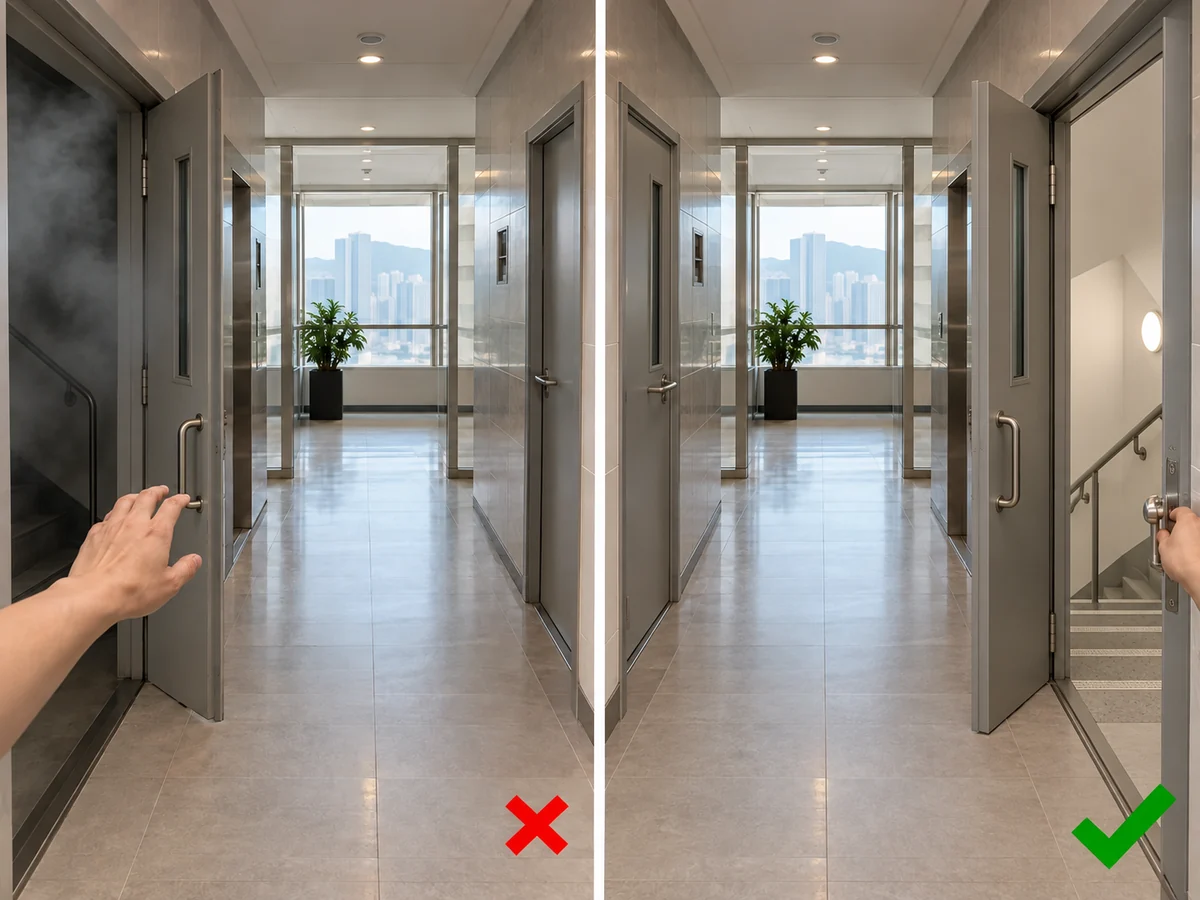
Do not pass through smoke; return to a safe junction and use another smoke-free staircase.
View safety lesson →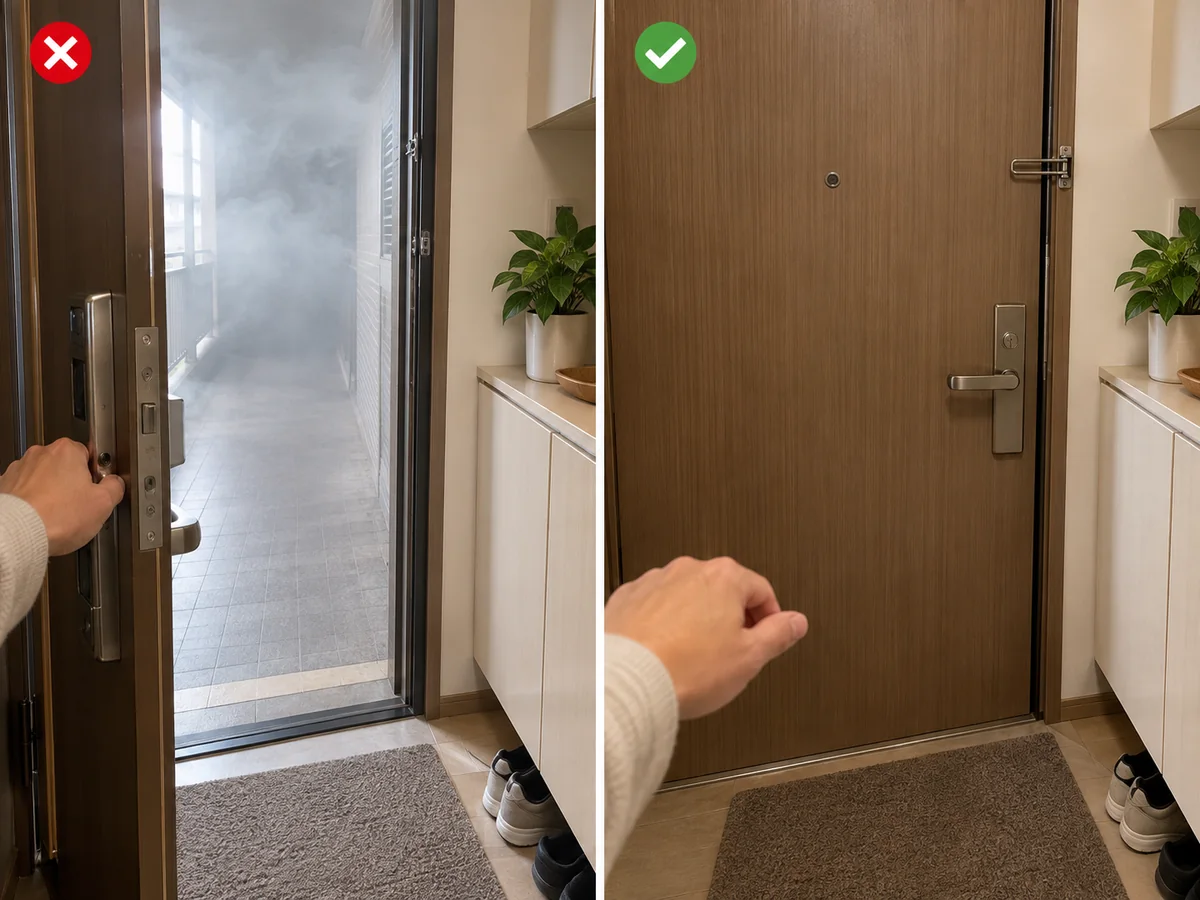
Check outside before opening; if the corridor is smoky or hot, stay inside, close the door, and call for help.
View safety lesson →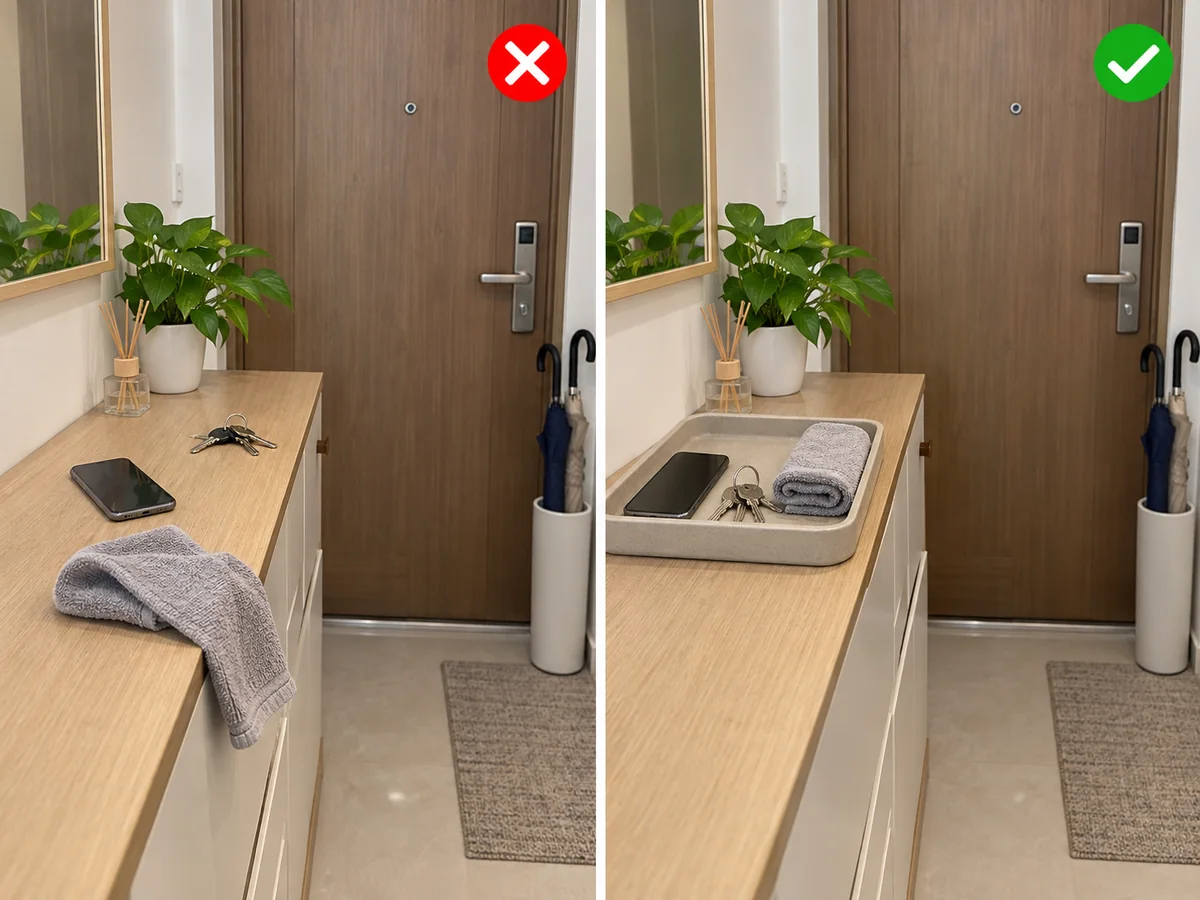
Keep a phone and door keys in a fixed accessible place and take a wet towel when escaping.
View safety lesson →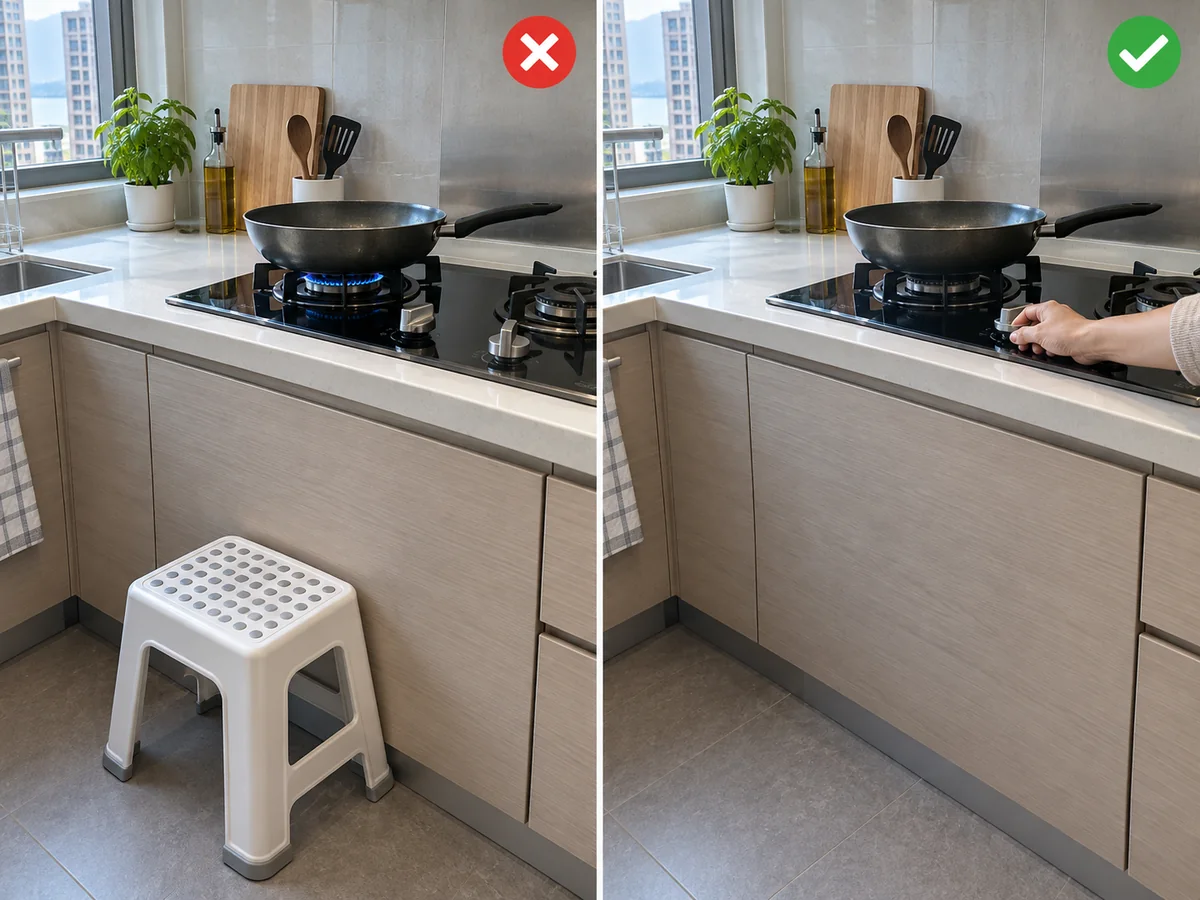
Only a safety-competent adult should operate a gas cooker; keep children away from controls.
View safety lesson →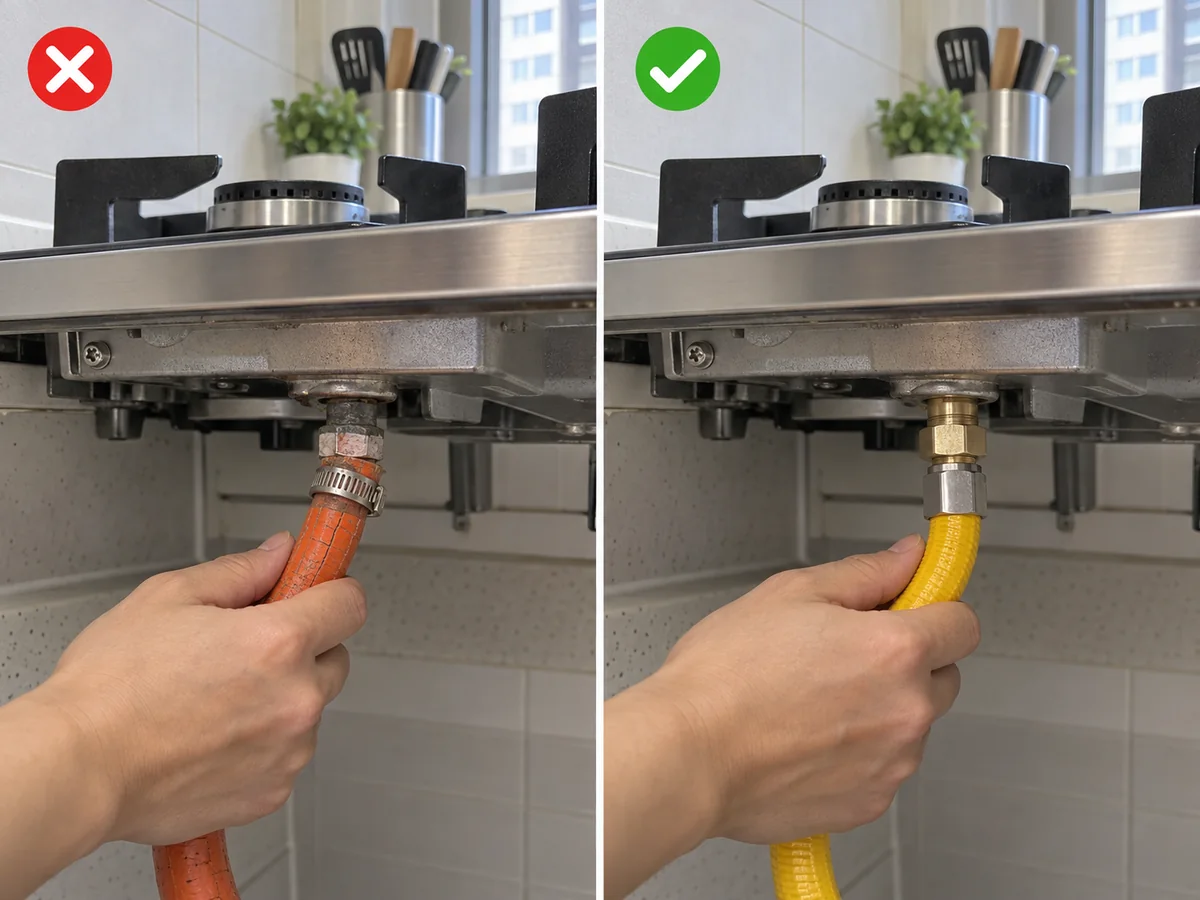
For burners, pan supports, tubing, or other parts, use maker-specified components and a qualified technician.
View safety lesson →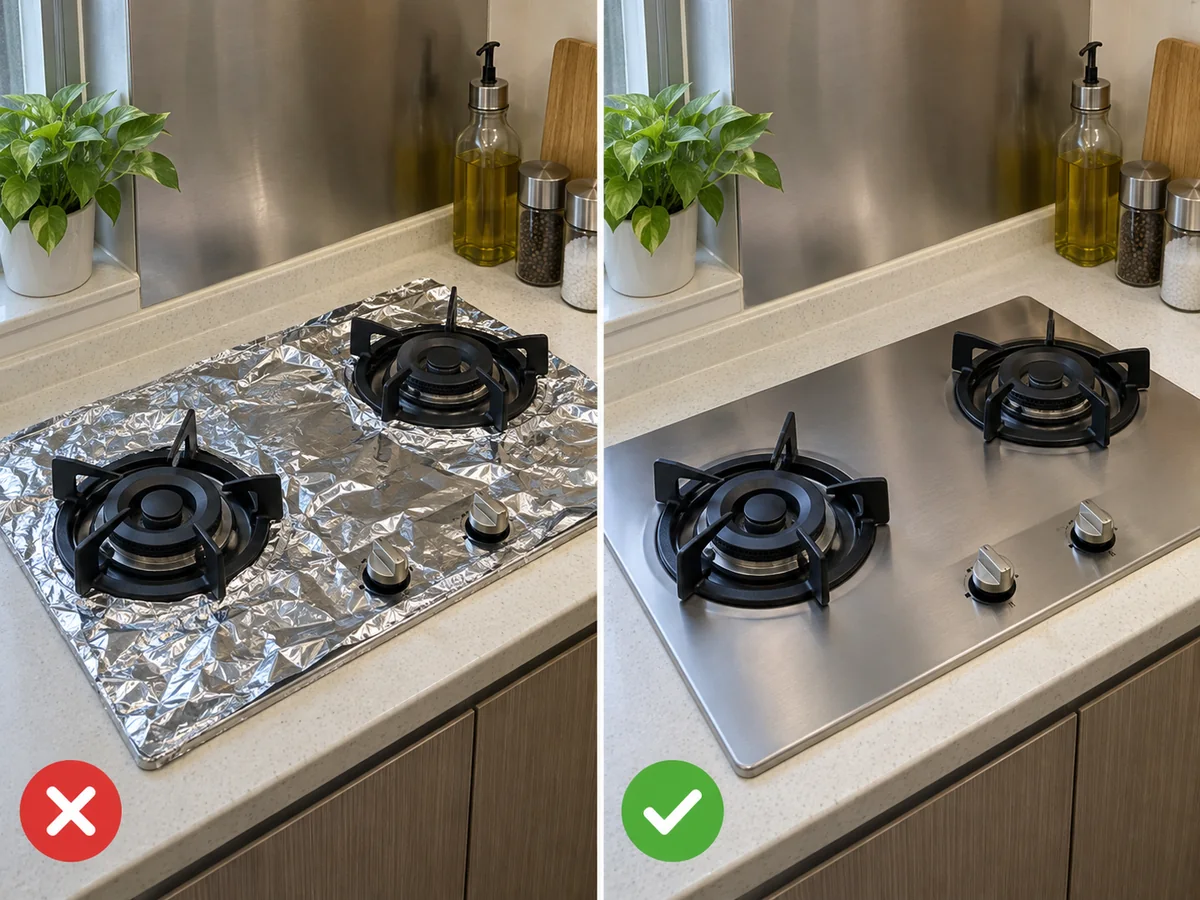
Keep burners, air inlets, and ventilation as designed; never cover the hob with foil.
View safety lesson →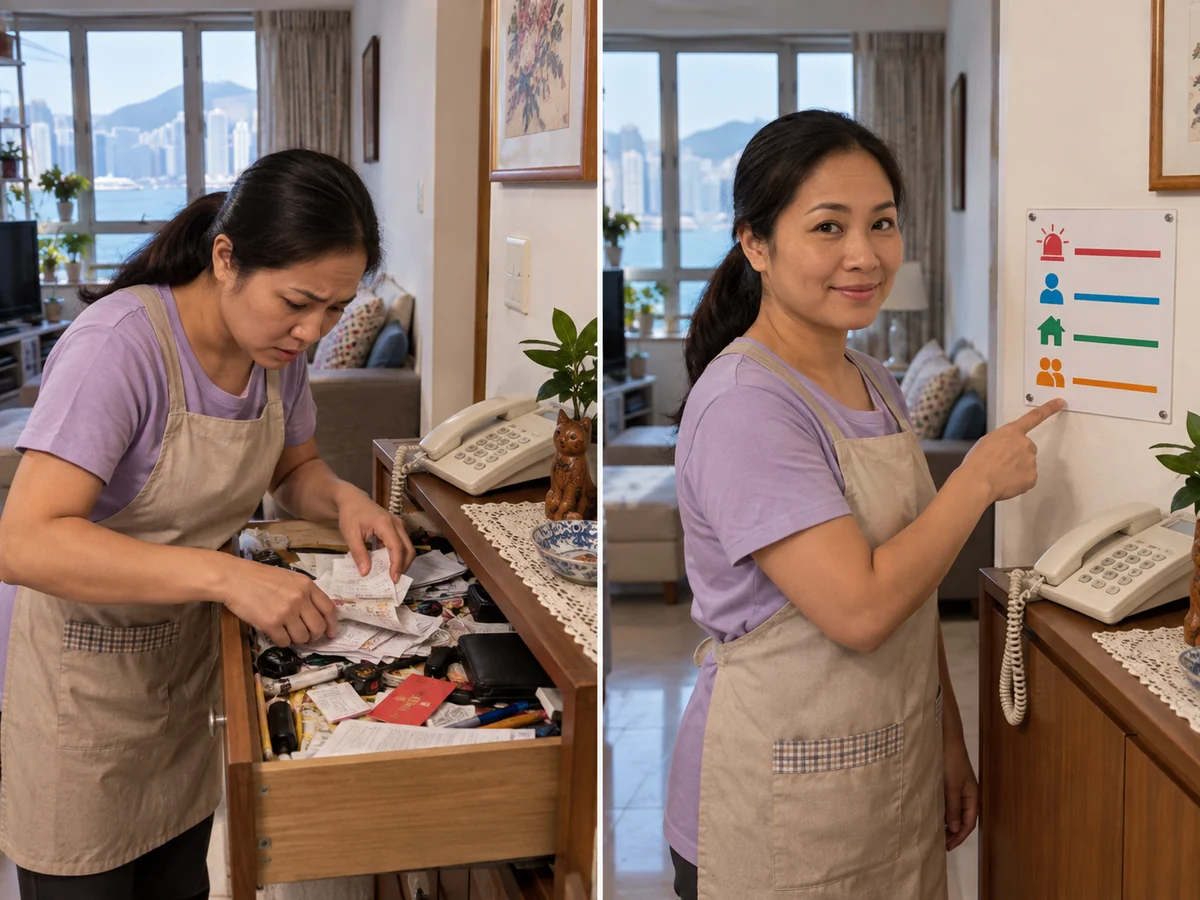
Keep the exact flat, floor, block, estate, and street address beside the household phone for emergencies.
View safety lesson →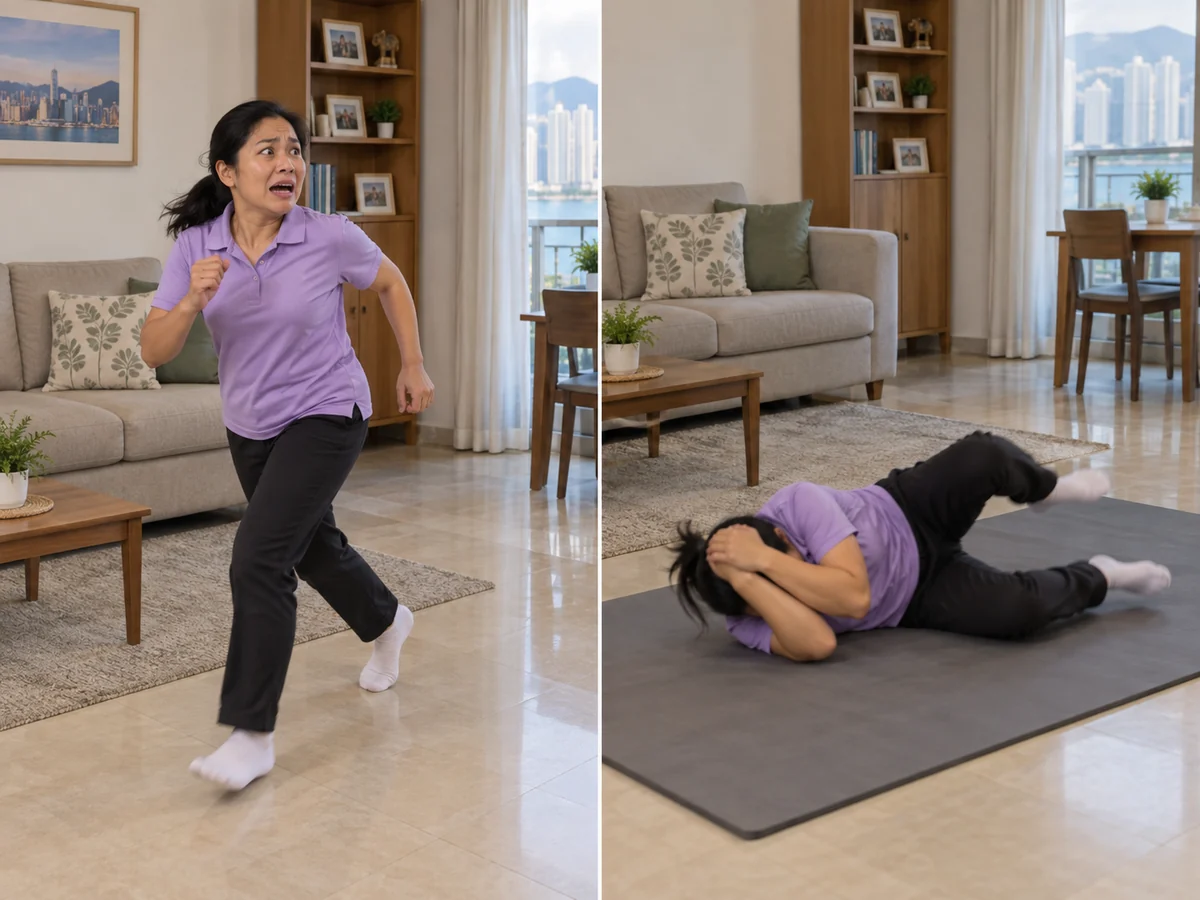
If clothing catches fire, stop moving, drop to the floor, cover the face, and roll to smother the flames.
View safety lesson →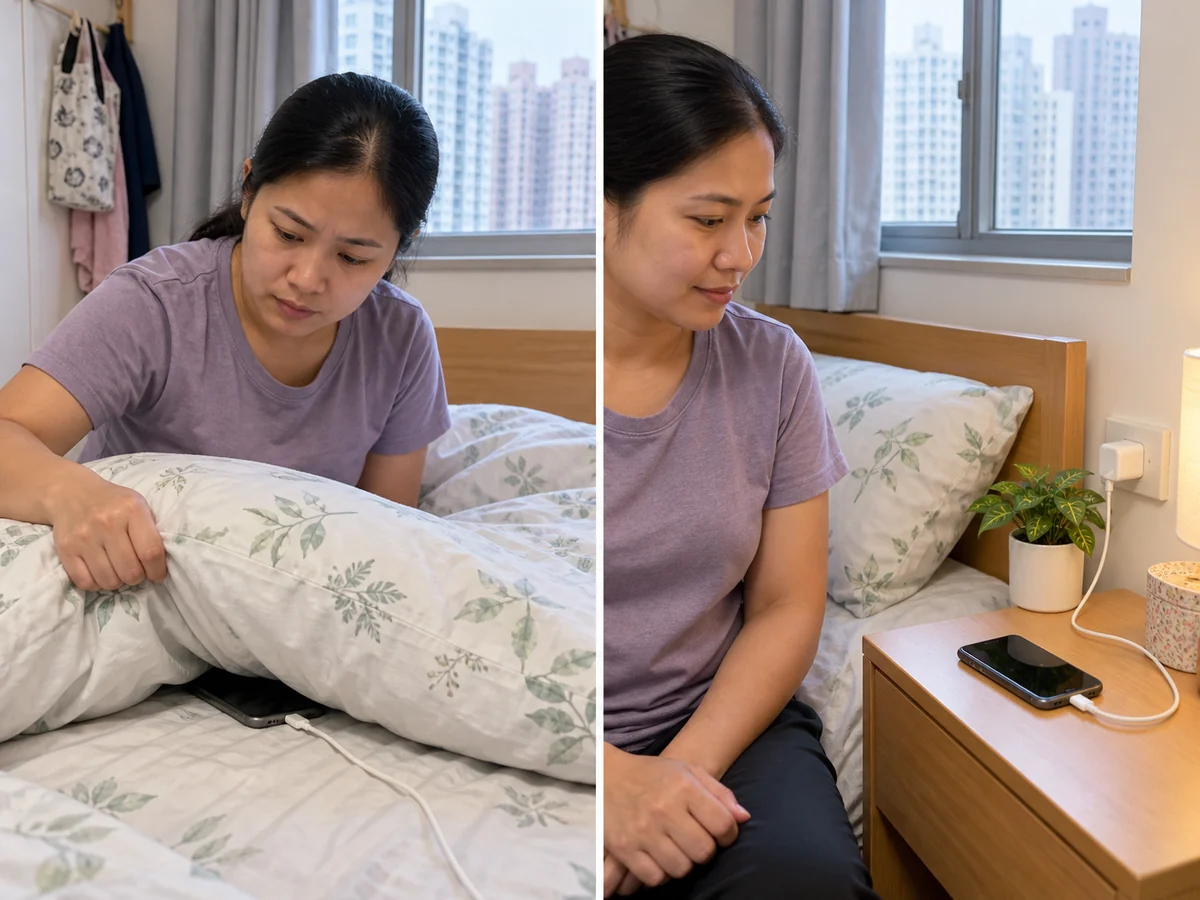
Charge phones, tablets, and power banks on a firm, dry, uncovered surface with space for heat to escape.
View safety lesson →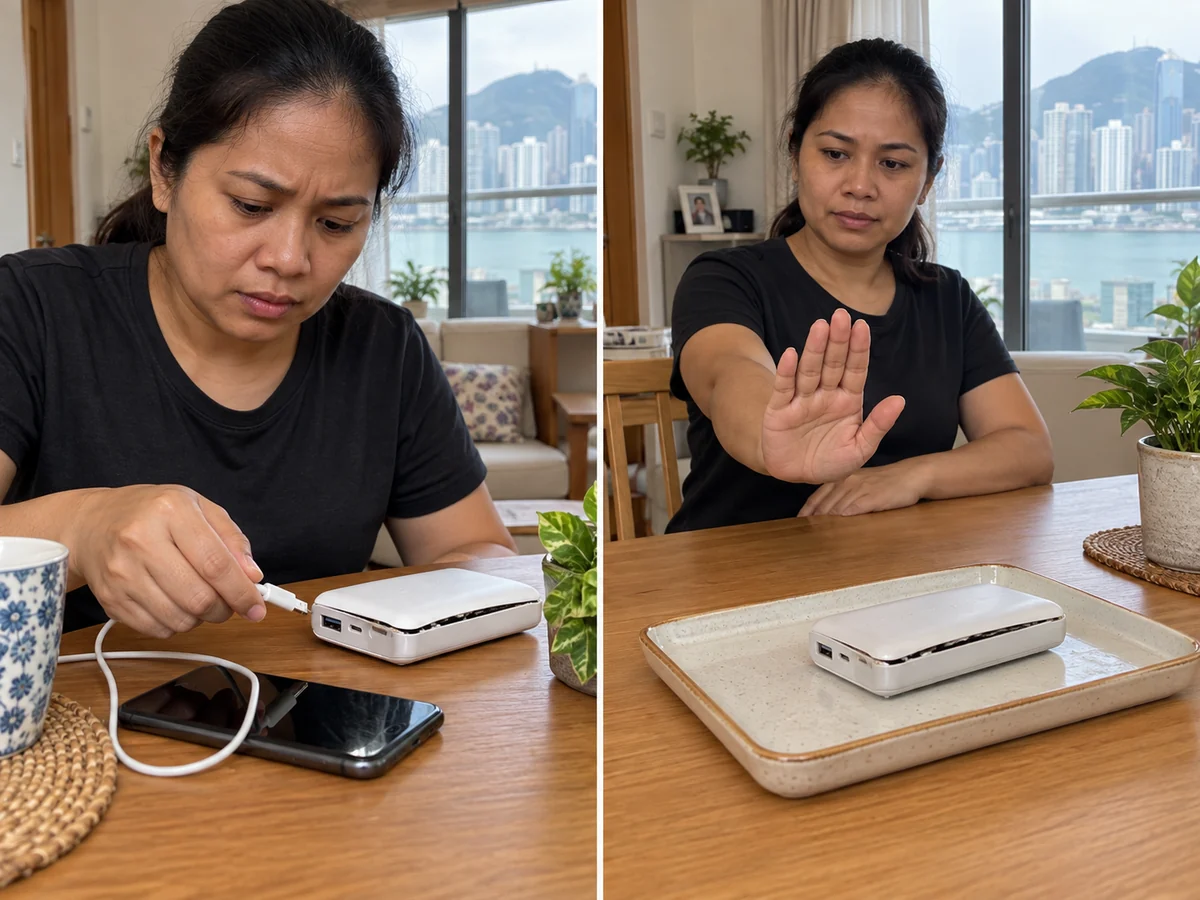
Stop charging or using a power bank or device if its battery swells, leaks, cracks, overheats, or smells unusual.
View safety lesson →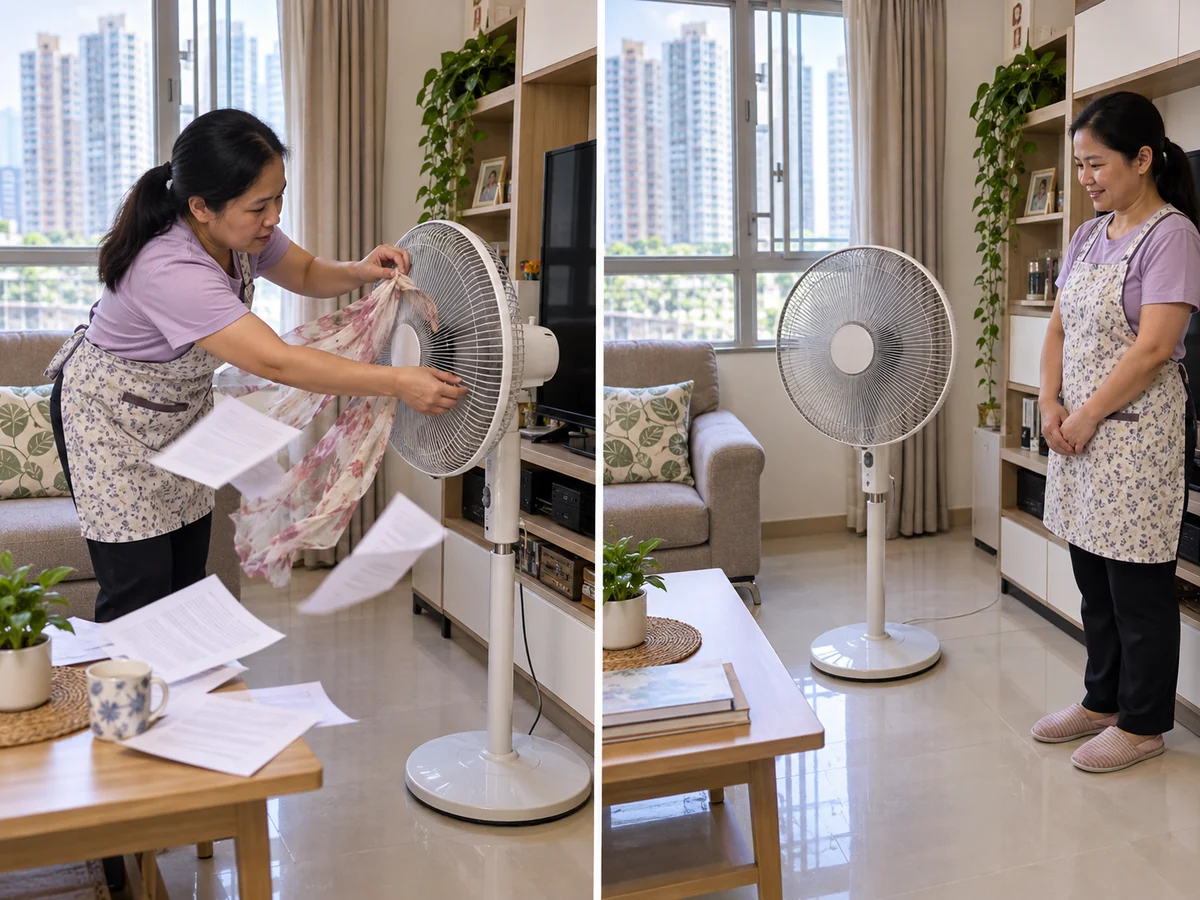
Keep paper, cloth, plastic bags, and loose cords away from operating fans, exhaust fans, and cooker hoods.
View safety lesson →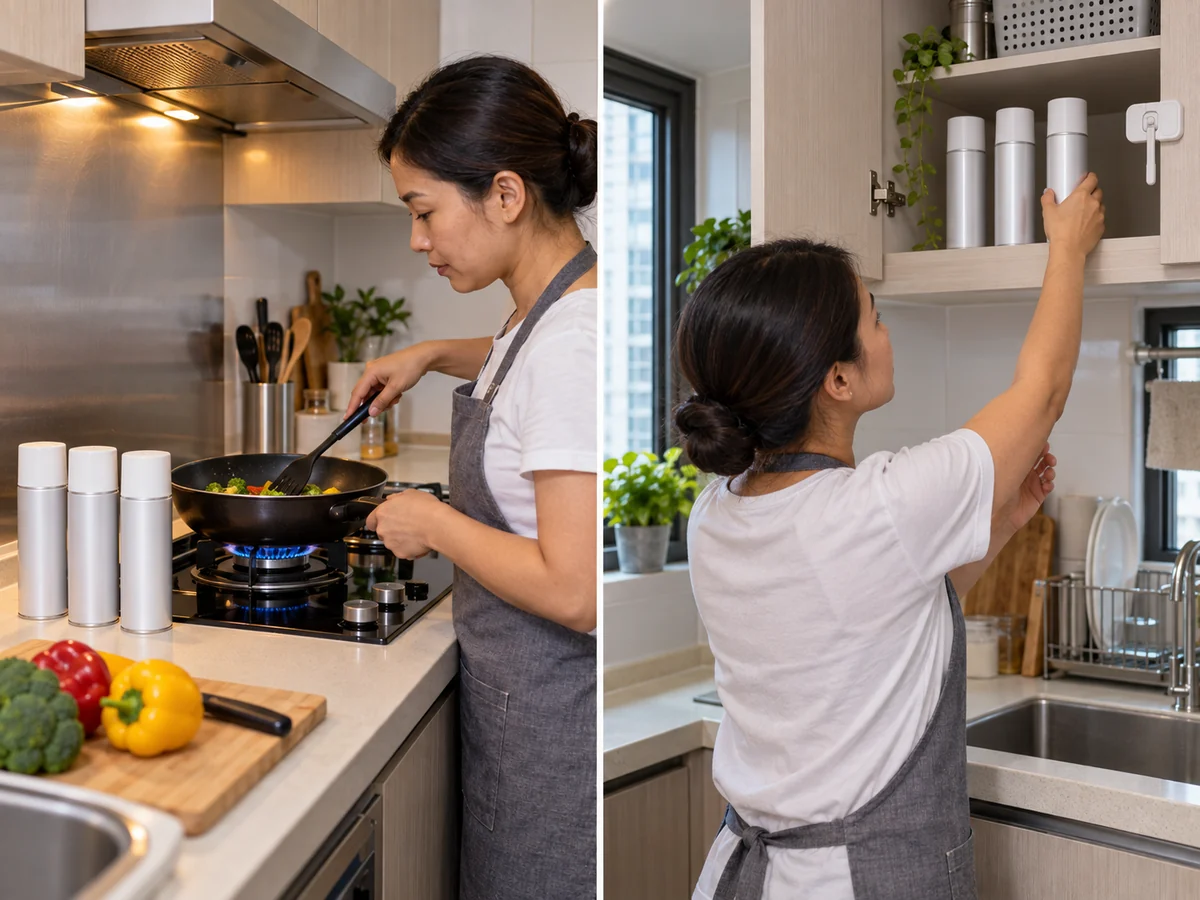
Keep aerosol cans upright in a cool, ventilated, locked place, away from cookers, heaters, flames, and sparks.
View safety lesson →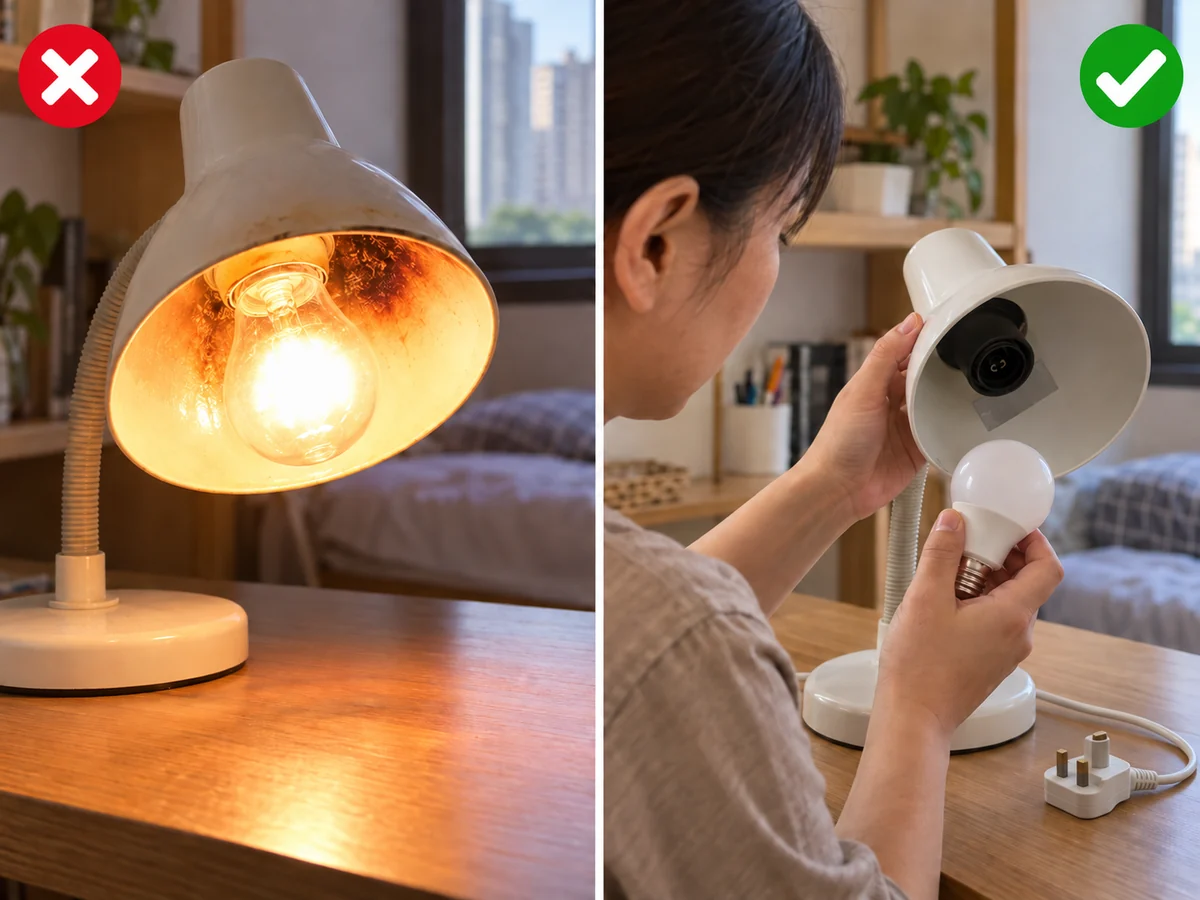
Fit only the permitted bulb type within the lamp holder's maximum wattage. If the rating cannot be read, ask for a suitable replacement to be confirmed.
View safety lesson →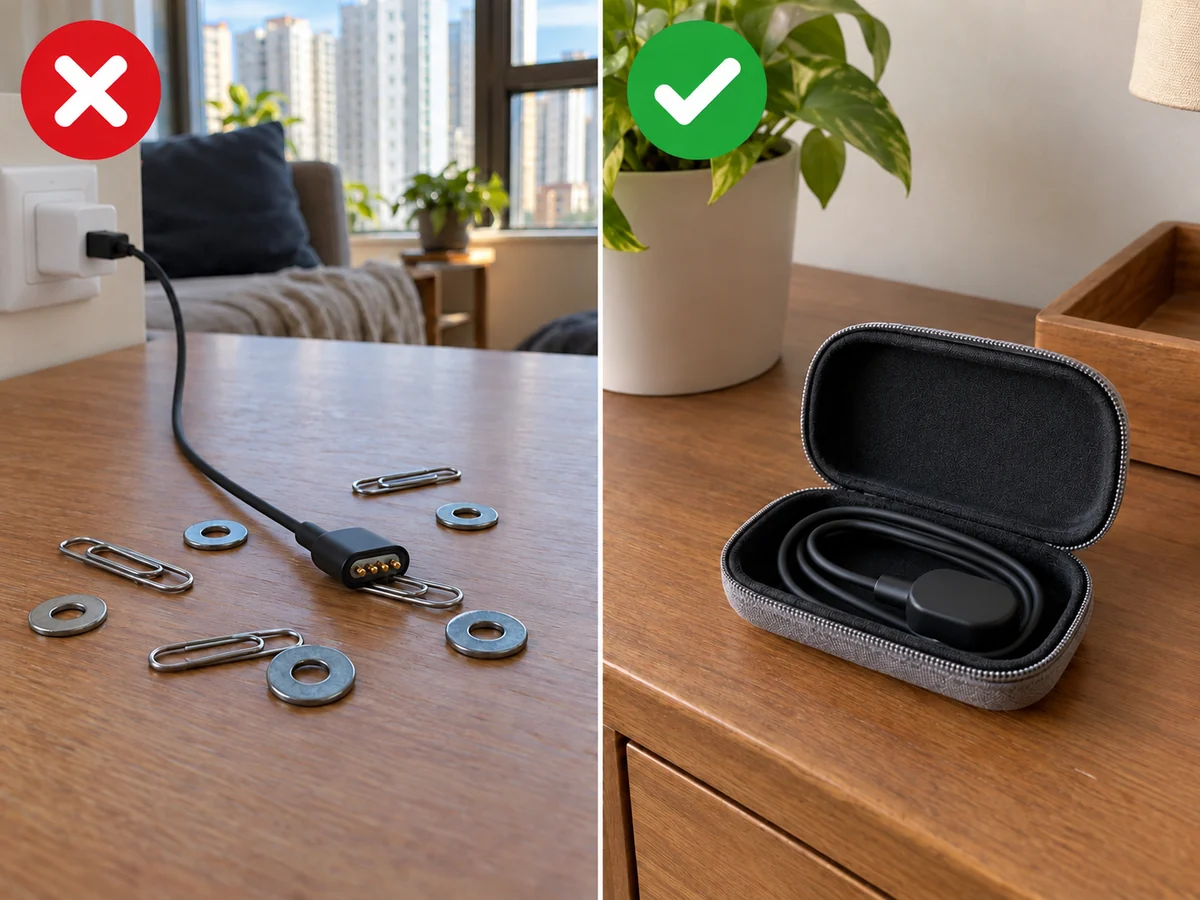
Keep the contacts protected and store the charger as its instructions specify. Unplug an unused charger and stop using one with damaged contacts or sparks.
View safety lesson →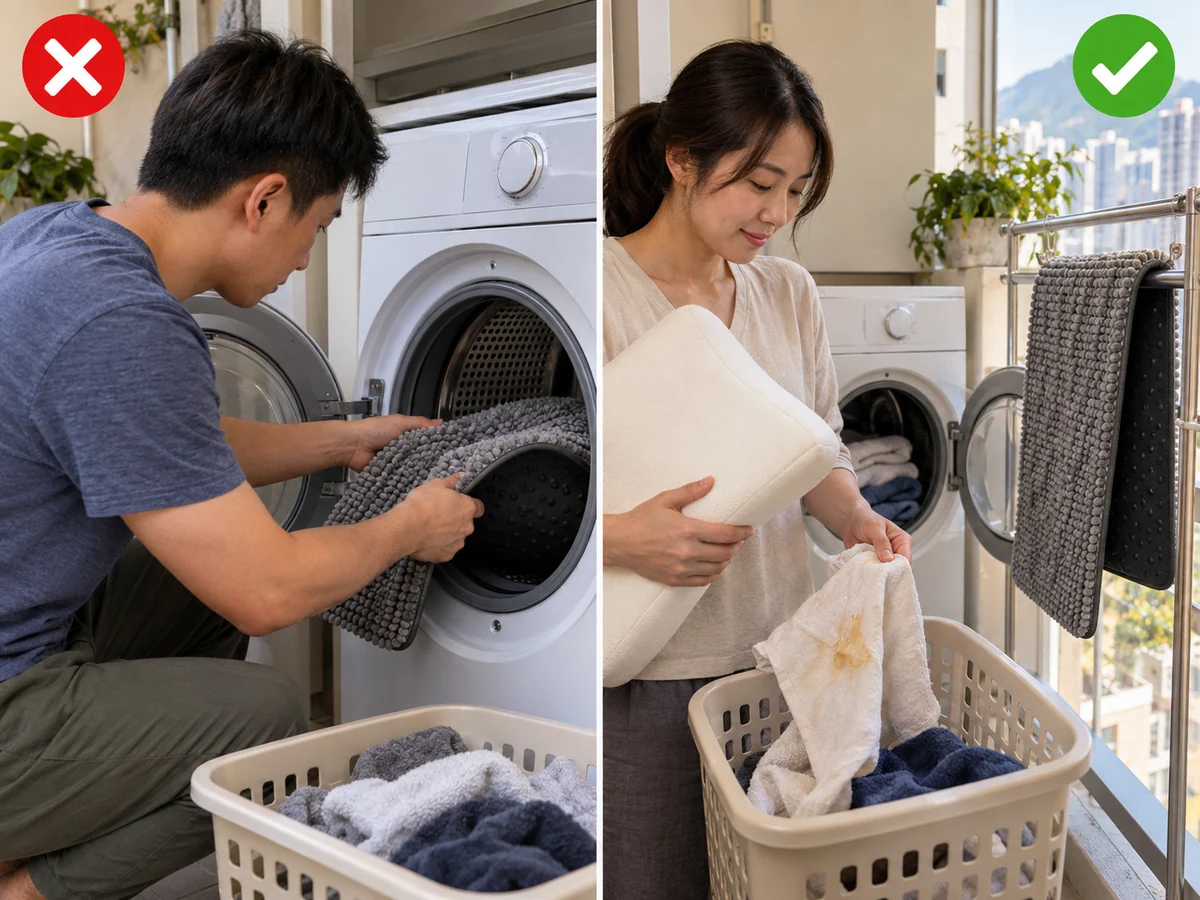
Keep prohibited materials out of the dryer as the garment and machine labels direct. Separate them from the load and choose a permitted drying method.
View safety lesson →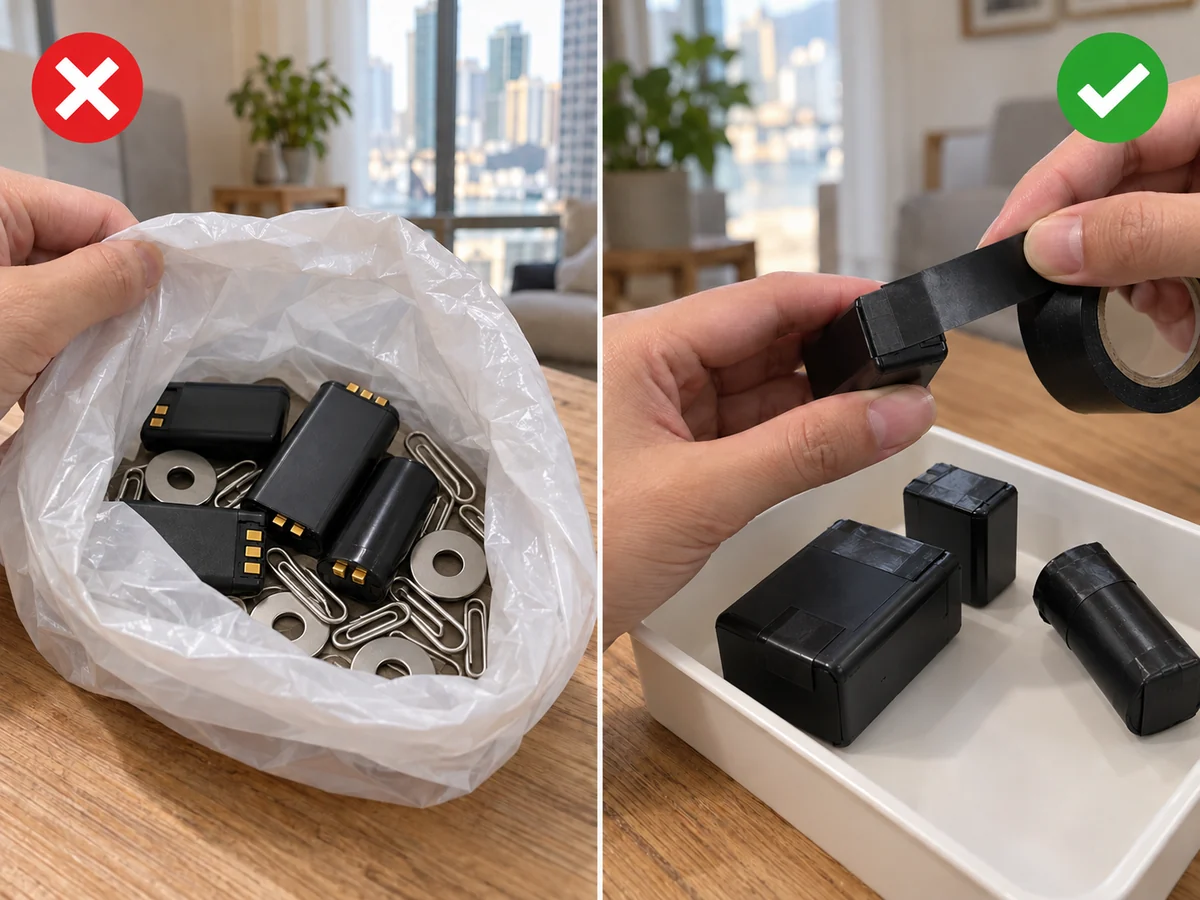
Insulate exposed terminals with suitable tape as the programme directs. Keep batteries separate from metal; ask the collector about damaged or leaking batteries before transport.
View safety lesson →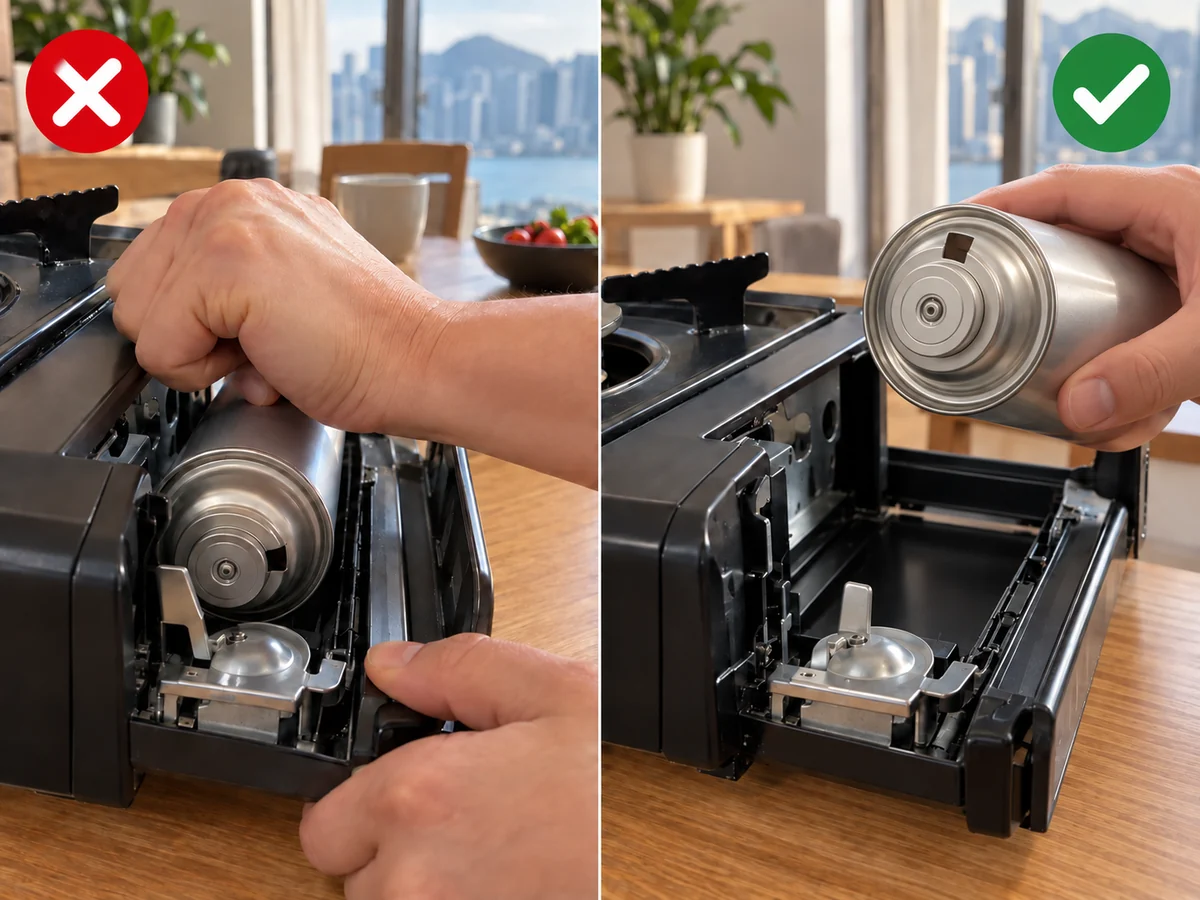
Install the cartridge exactly in the position shown in the appliance instructions. Stop if it does not fit or is damaged; do not force or modify it.
View safety lesson →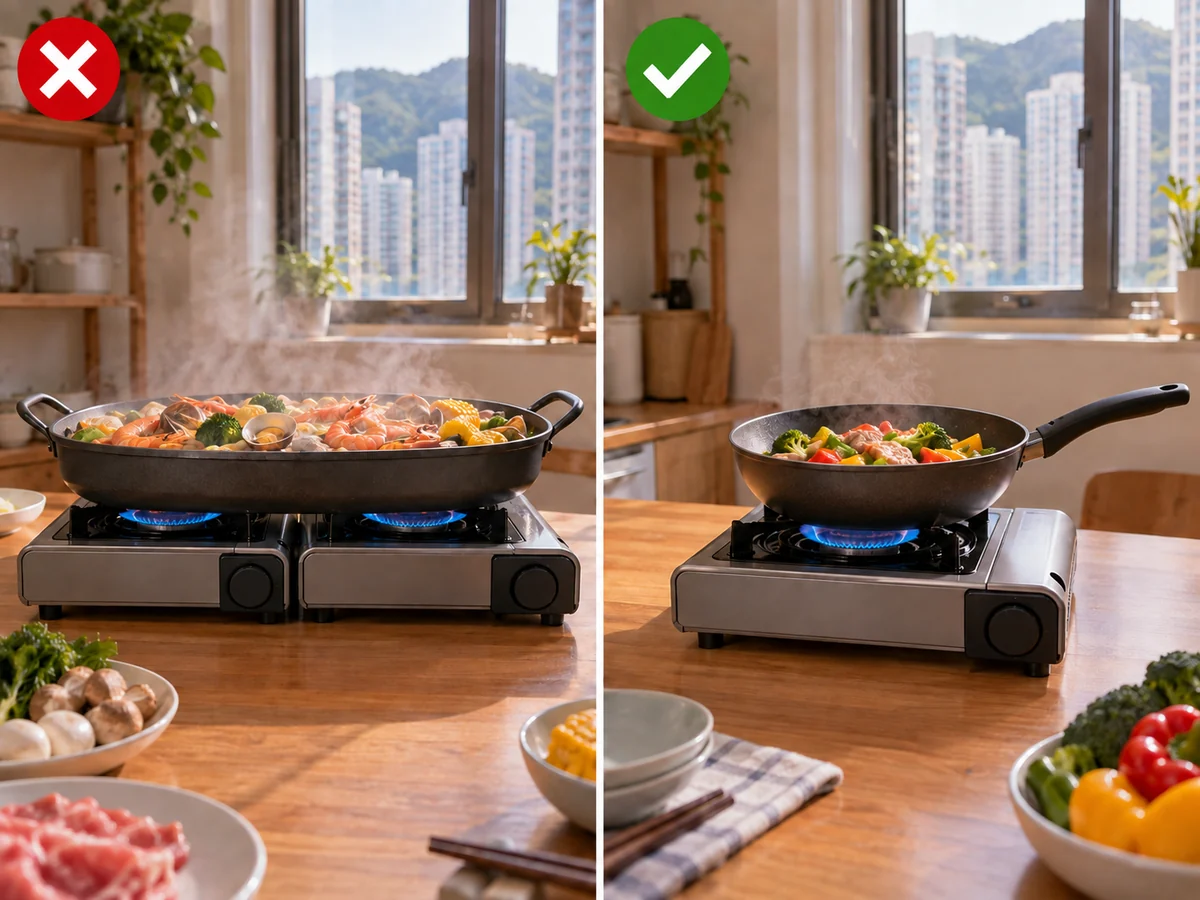
Do not operate cassette cookers side by side or under one shared pan. Arrange separate safe positions that follow the manufacturers' instructions.
View safety lesson →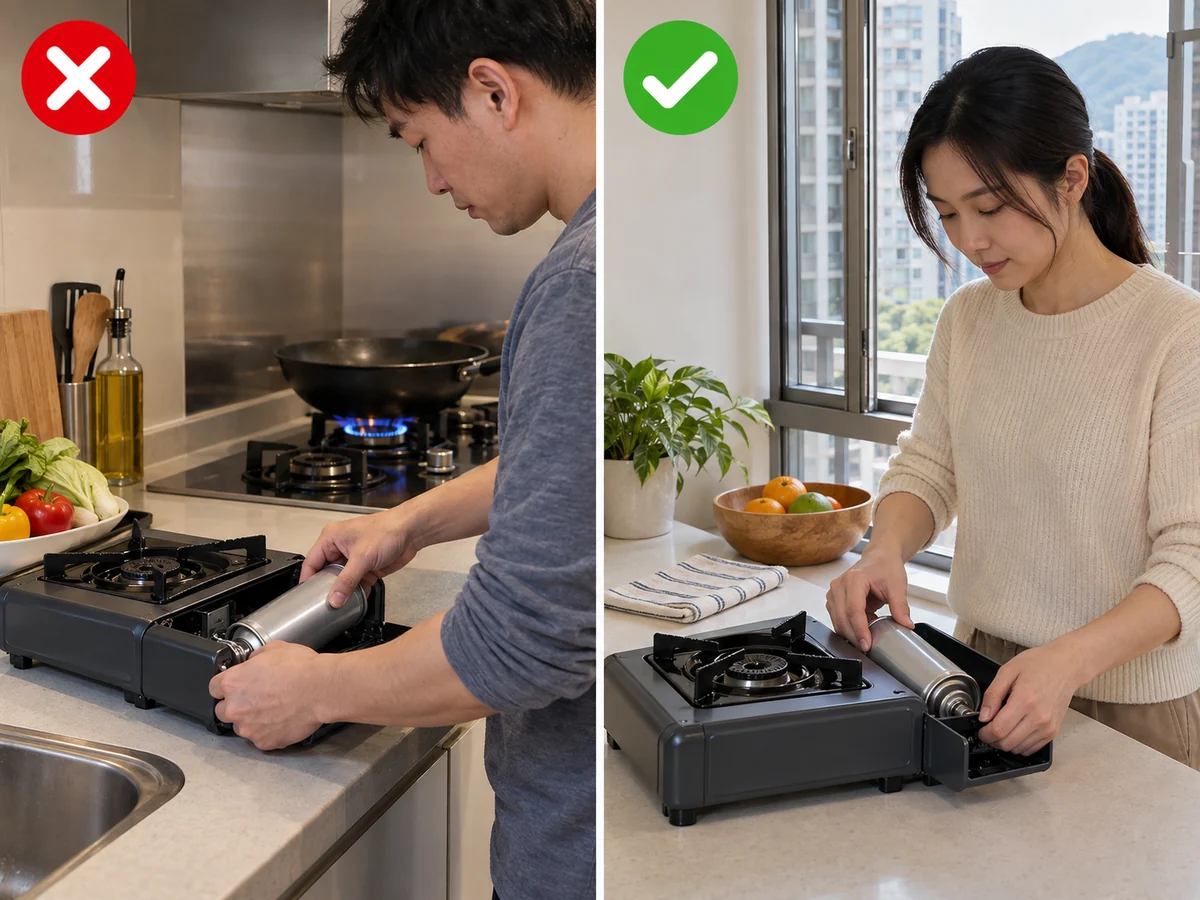
Change cartridges only in a ventilated place away from flames and heat. Stop if gas leaks and follow the household gas-leak response without creating sparks.
View safety lesson →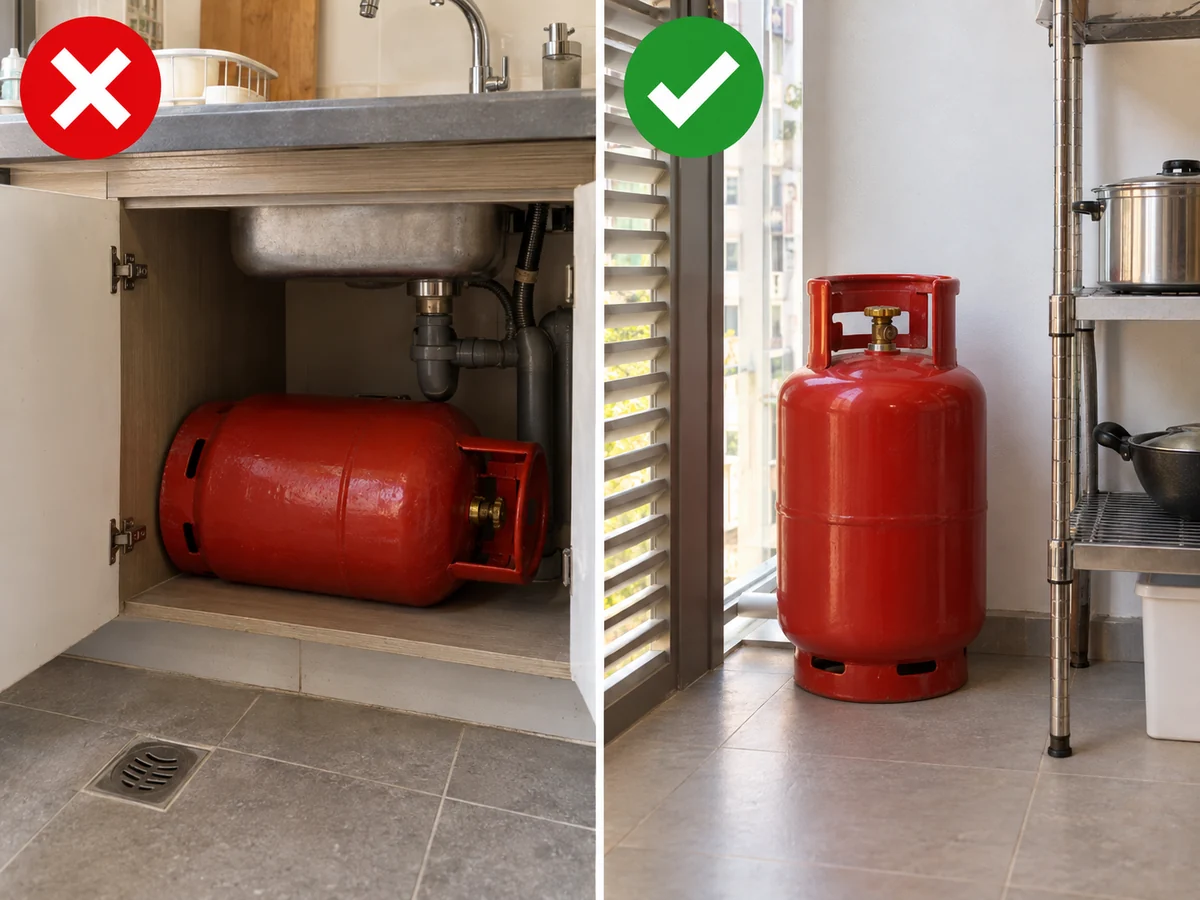
Keep LPG cylinders upright, stable, ventilated and away from drains and heat. Ask the supplier about relocation instead of improvising a new storage arrangement.
View safety lesson →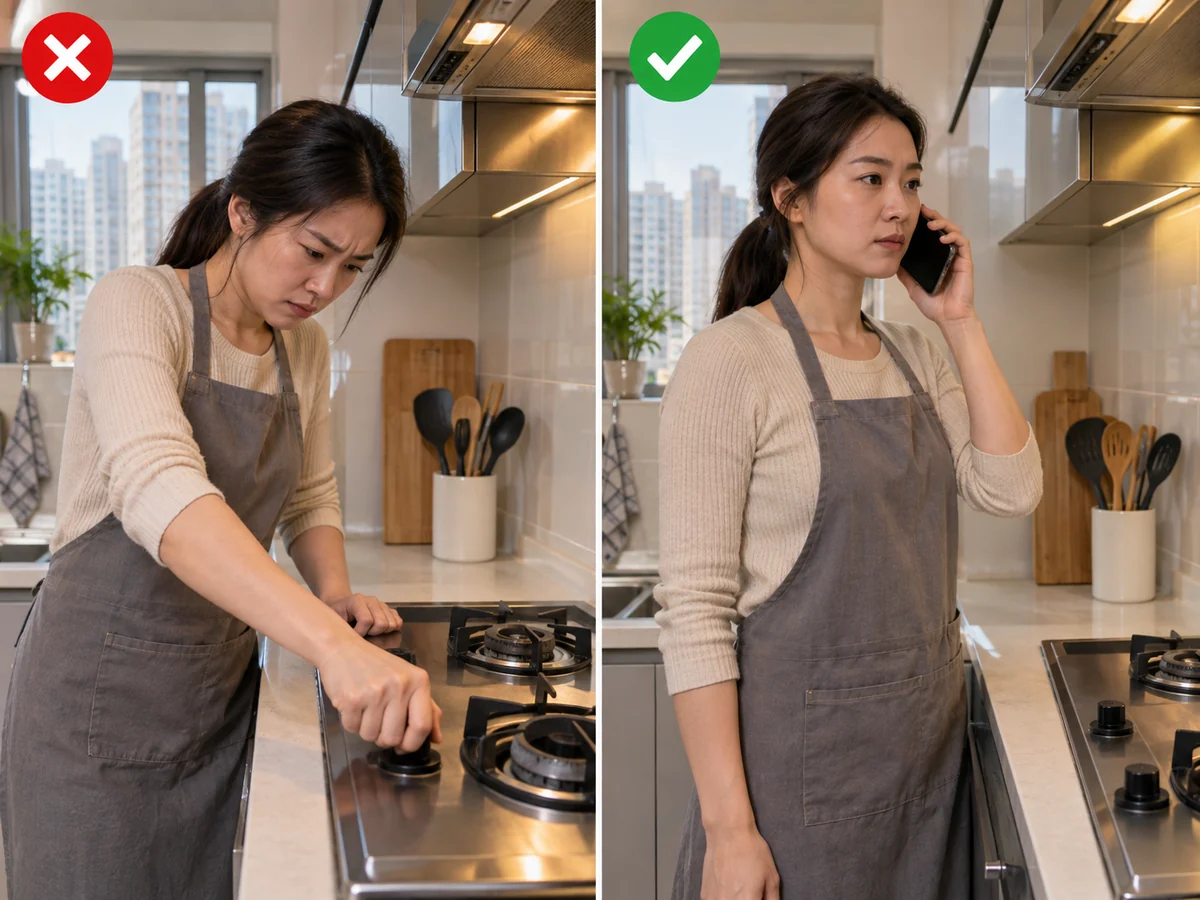
Stop using an appliance with repeated ignition failure and report it. Arrange a registered gas contractor; if gas is smelled, follow the gas-leak procedure.
View safety lesson →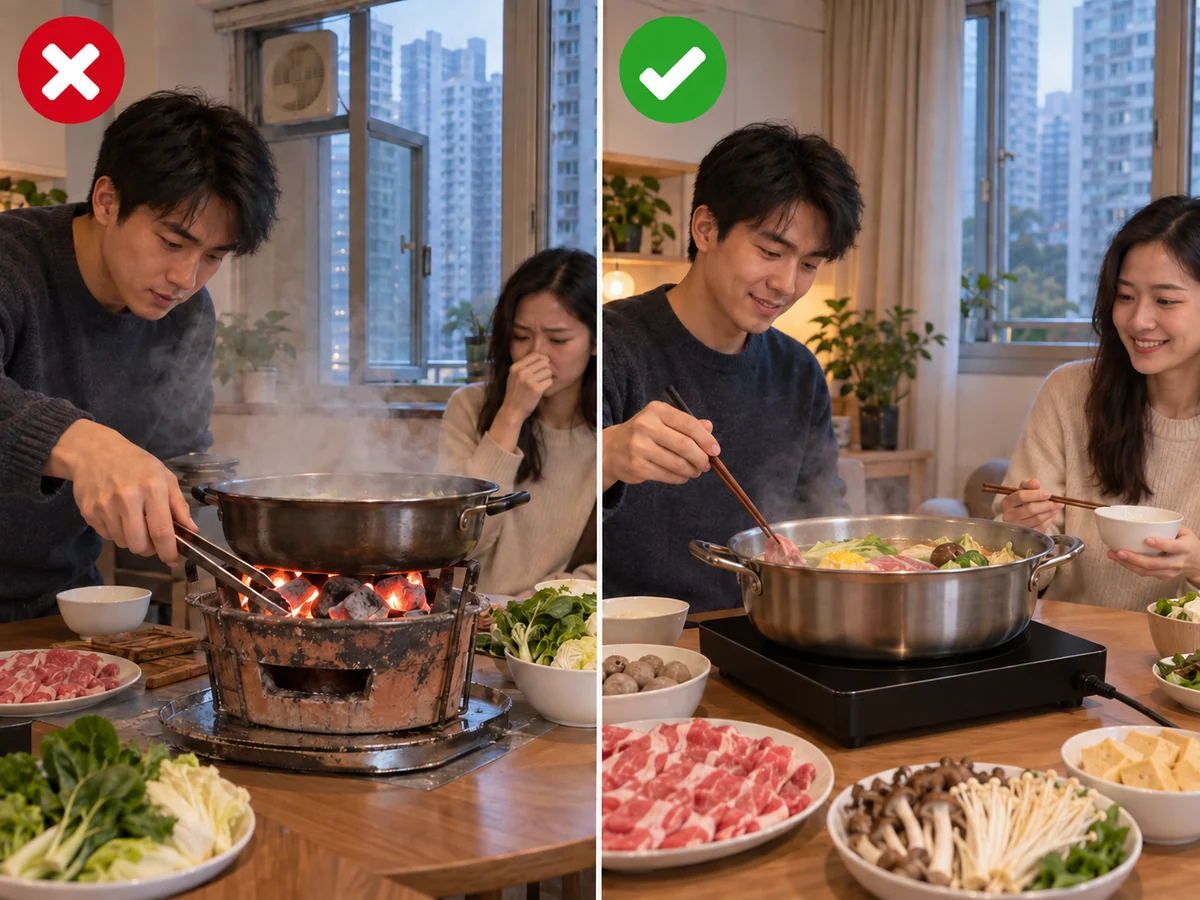
Never burn charcoal inside a home or other enclosed area. If headache or dizziness occurs near combustion, leave for fresh air and seek emergency help.
View safety lesson →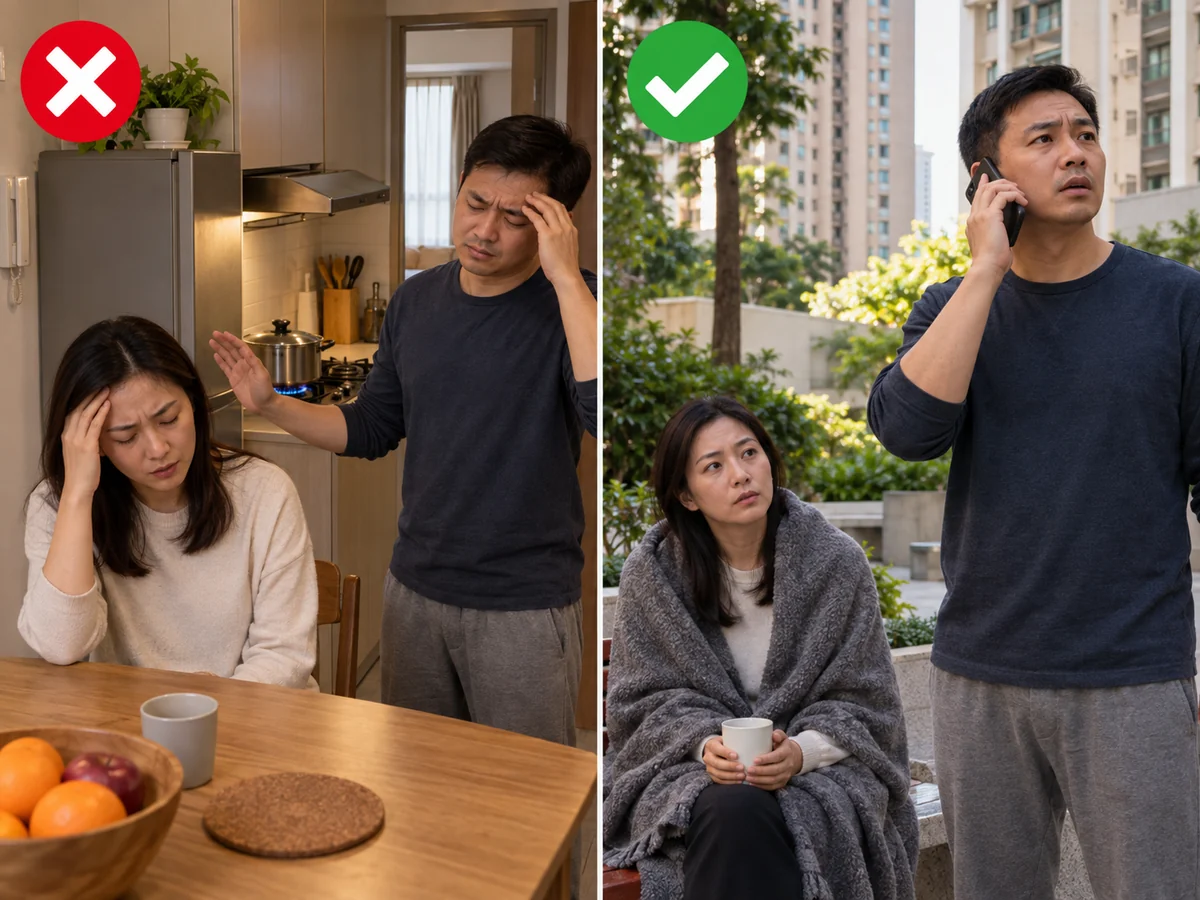
Leave for fresh air as soon as it is safe and call 999 for suspected exposure. Do not re-enter to locate the source or retrieve belongings.
View safety lesson →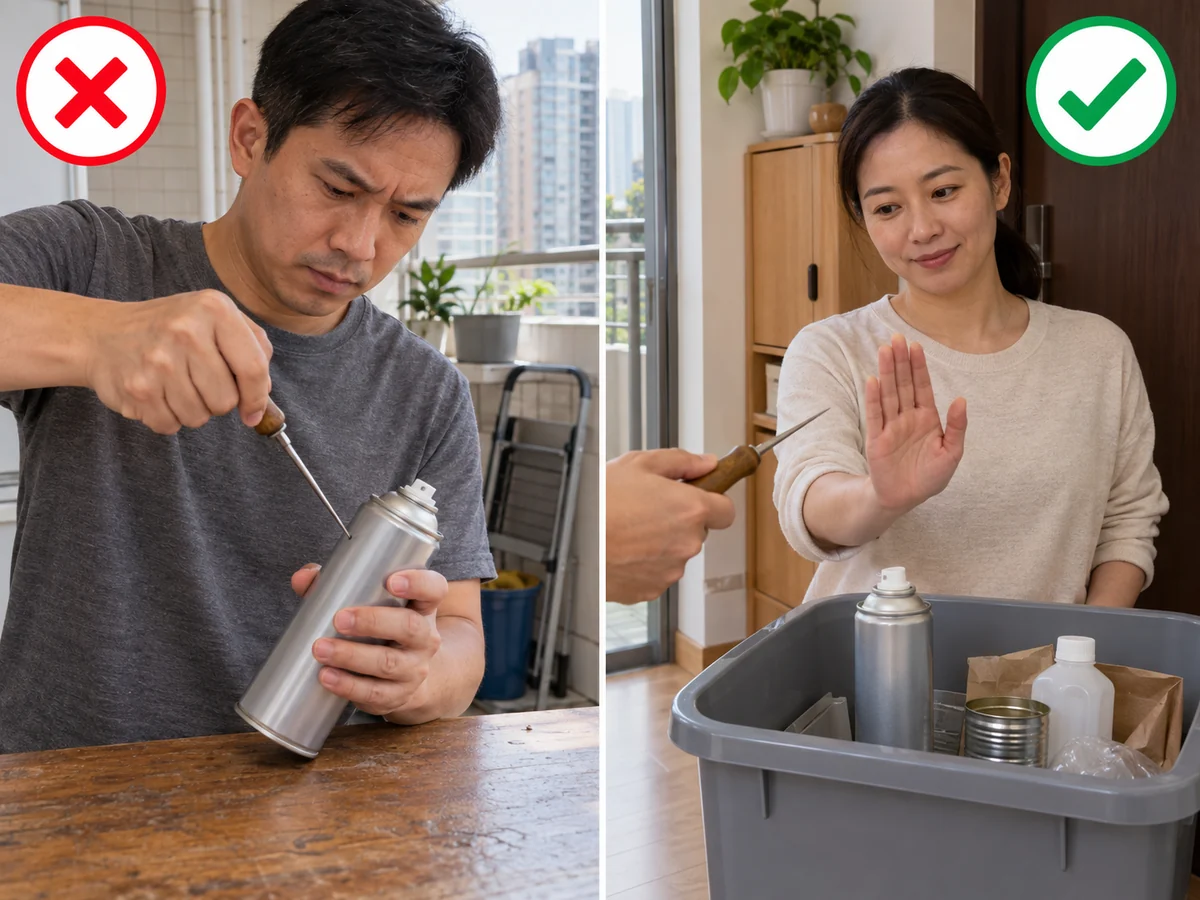
Keep aerosol cans intact; never puncture, crush or burn them. Follow the local disposal arrangement and keep them away from heat while waiting.
View safety lesson →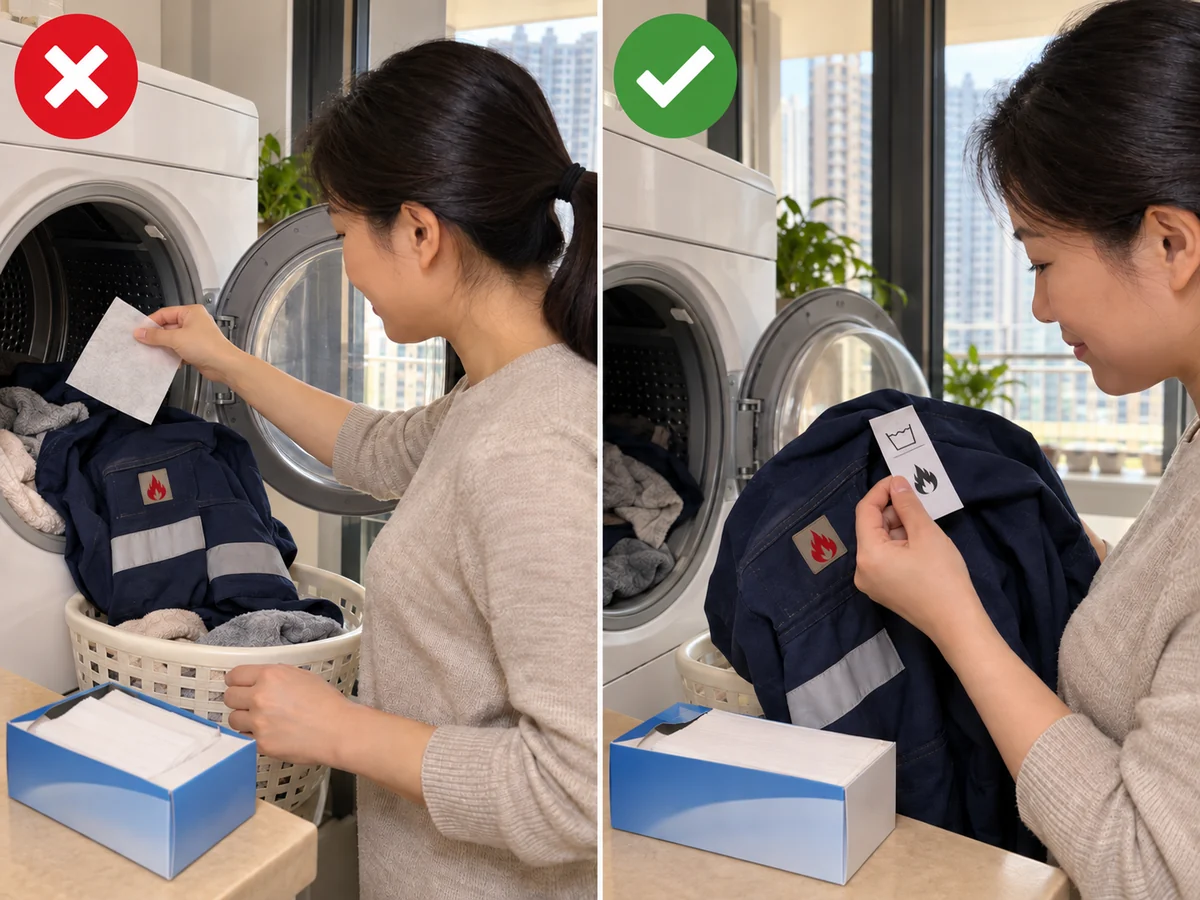
Do not add dryer sheets to flame-retardant clothing; follow the garment's care label. If an additive is unclear, leave it out and ask the employer or manufacturer; do not assume lost protection is restored.
View safety lesson →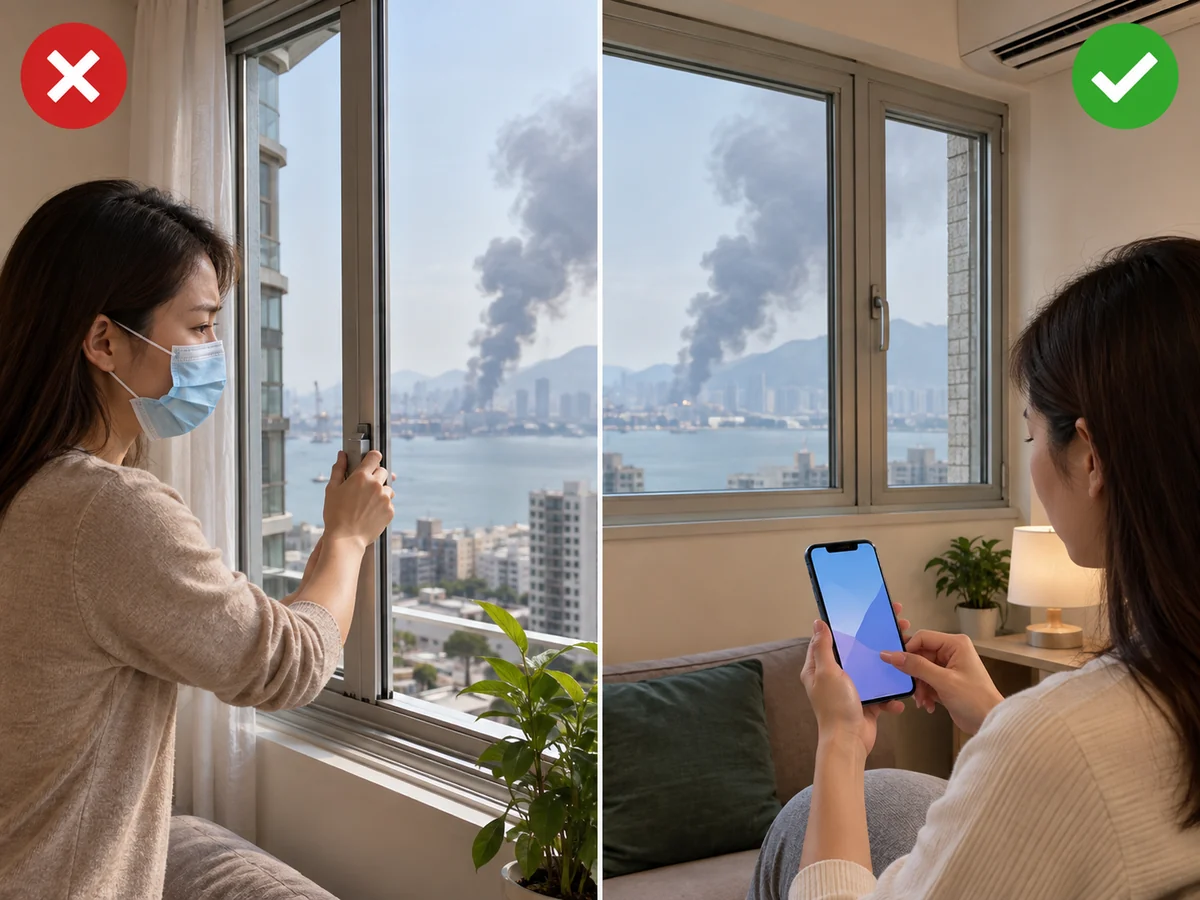
Only for outside smoke affecting an otherwise safe home, close windows and follow official advice; a fire in your building requires fire-escape instructions.
View safety lesson →