
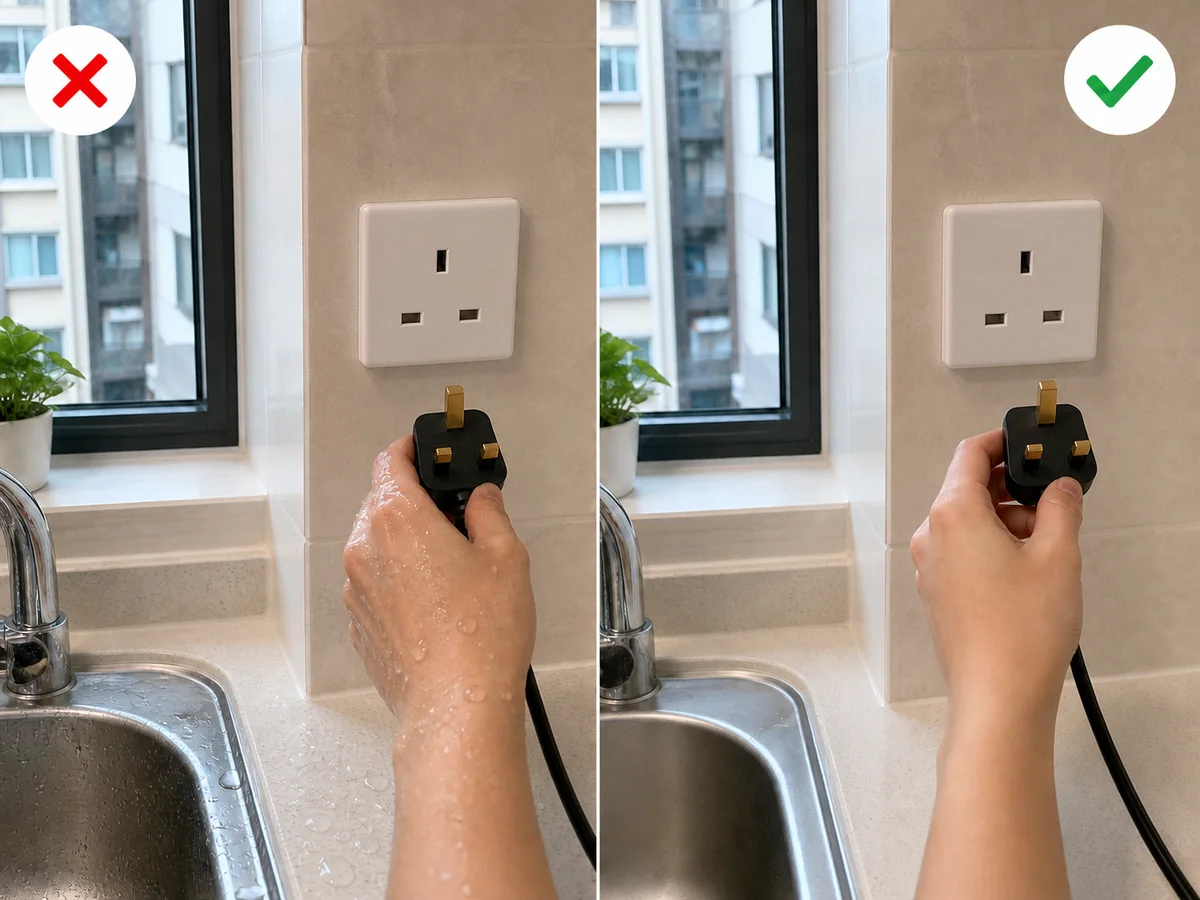
Critical safety ruleElectrical safety
Never touch plugs or sockets with wet hands
Dry your hands first before plugging in, unplugging, or using a switch.
View safety lesson →Browse collection
The 53 frequent and actionable home-safety rules a newly arrived helper should learn first.
Dry your hands first before plugging in, unplugging, or using a switch.
View safety lesson →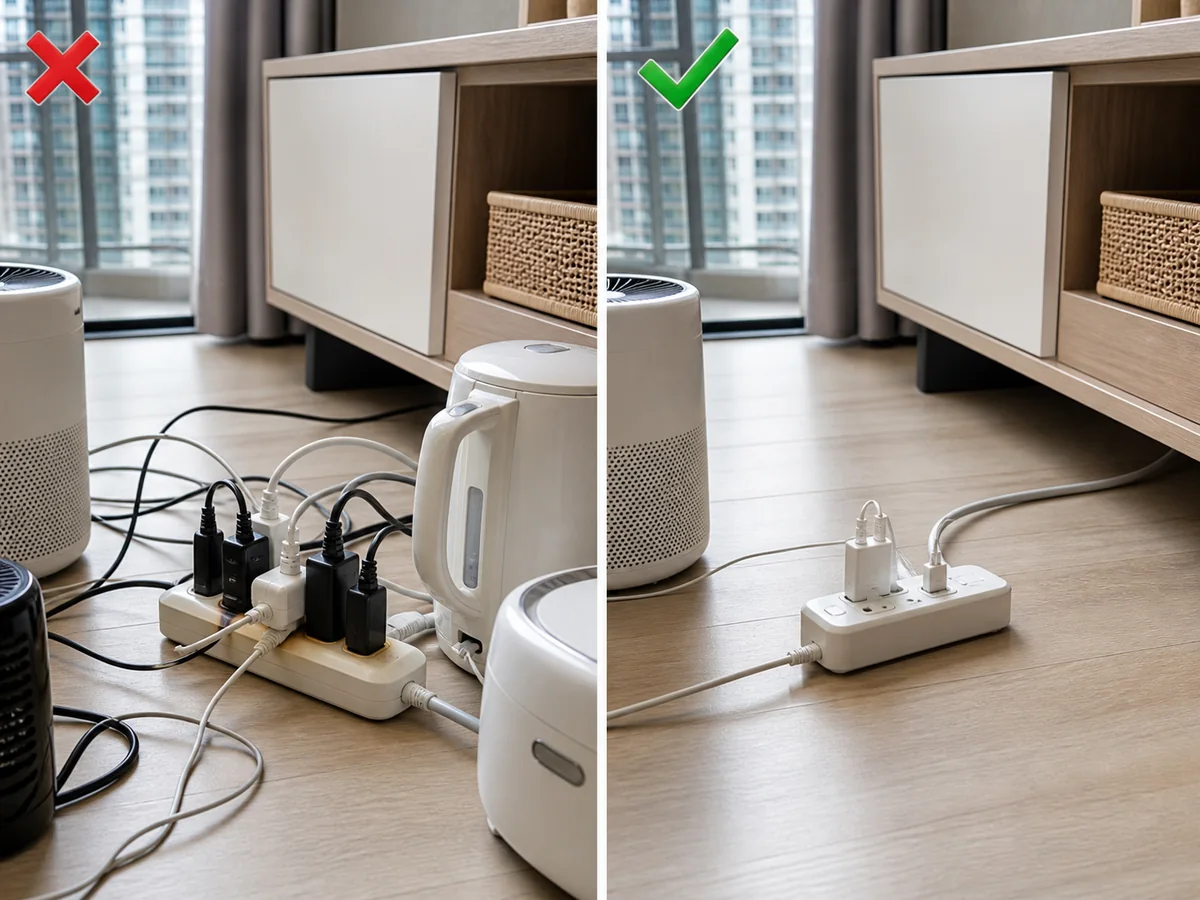
Connect only one extension unit or adaptor to each wall socket; use a separate fixed socket for high-power appliances.
View safety lesson →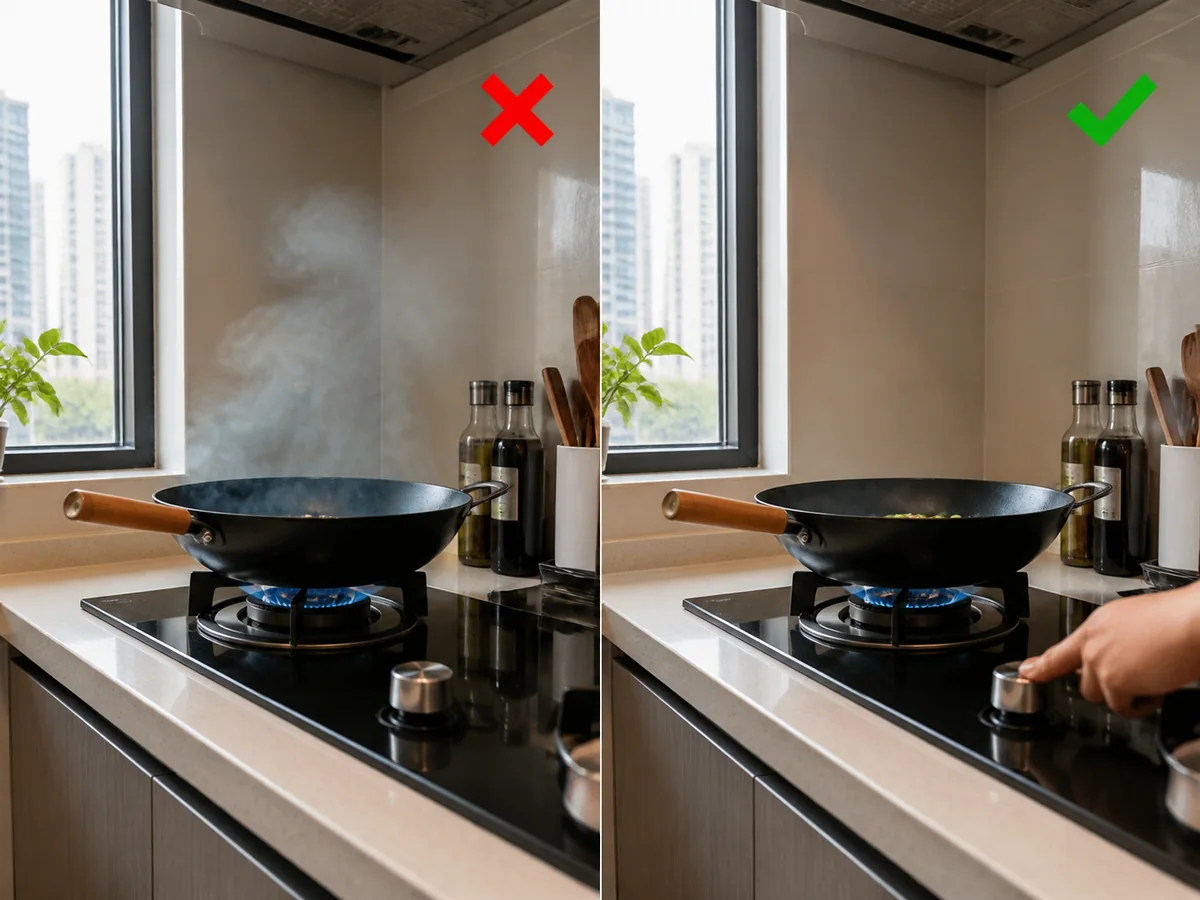
Stay in the kitchen while the stove is on; turn it off before you leave.
View safety lesson →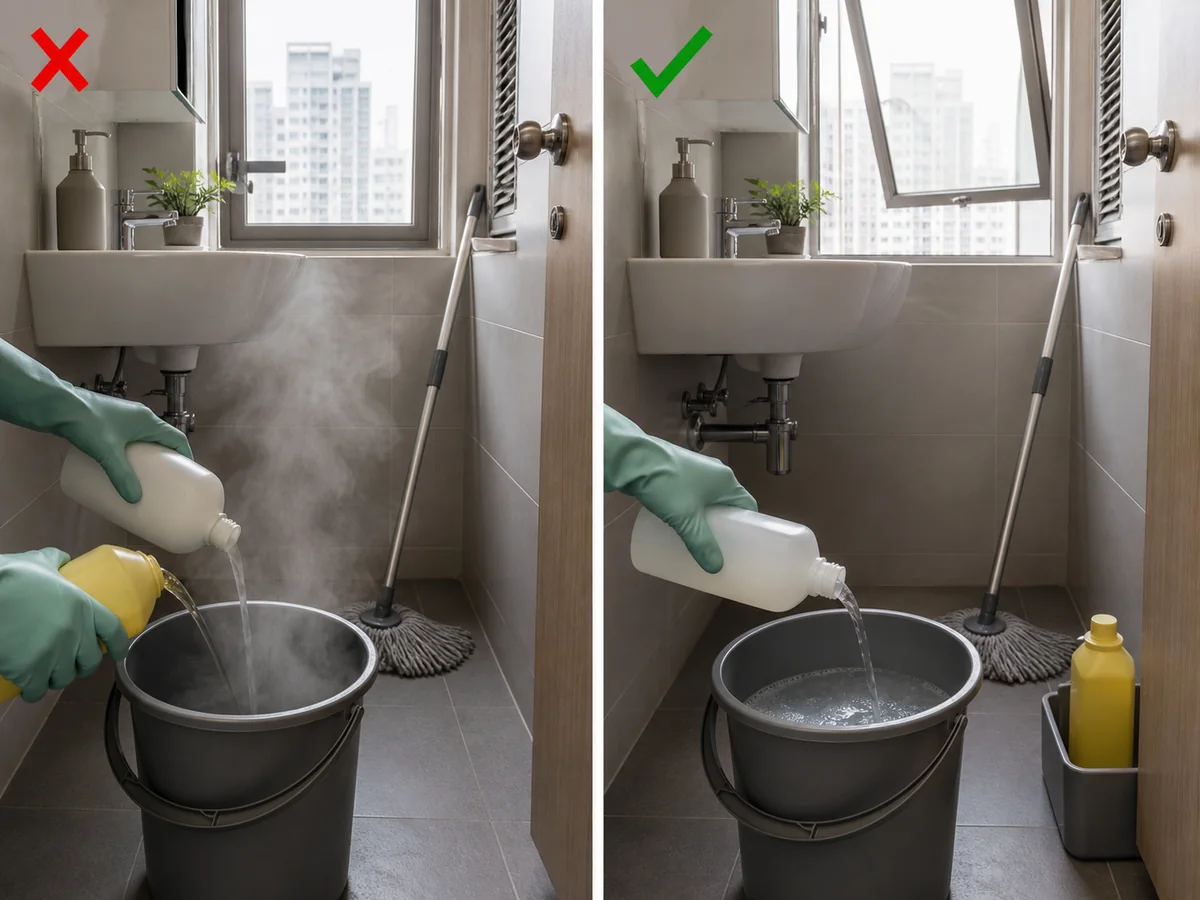
If detergent is needed first, rinse thoroughly with water before using bleach, and keep the area well ventilated.
View safety lesson →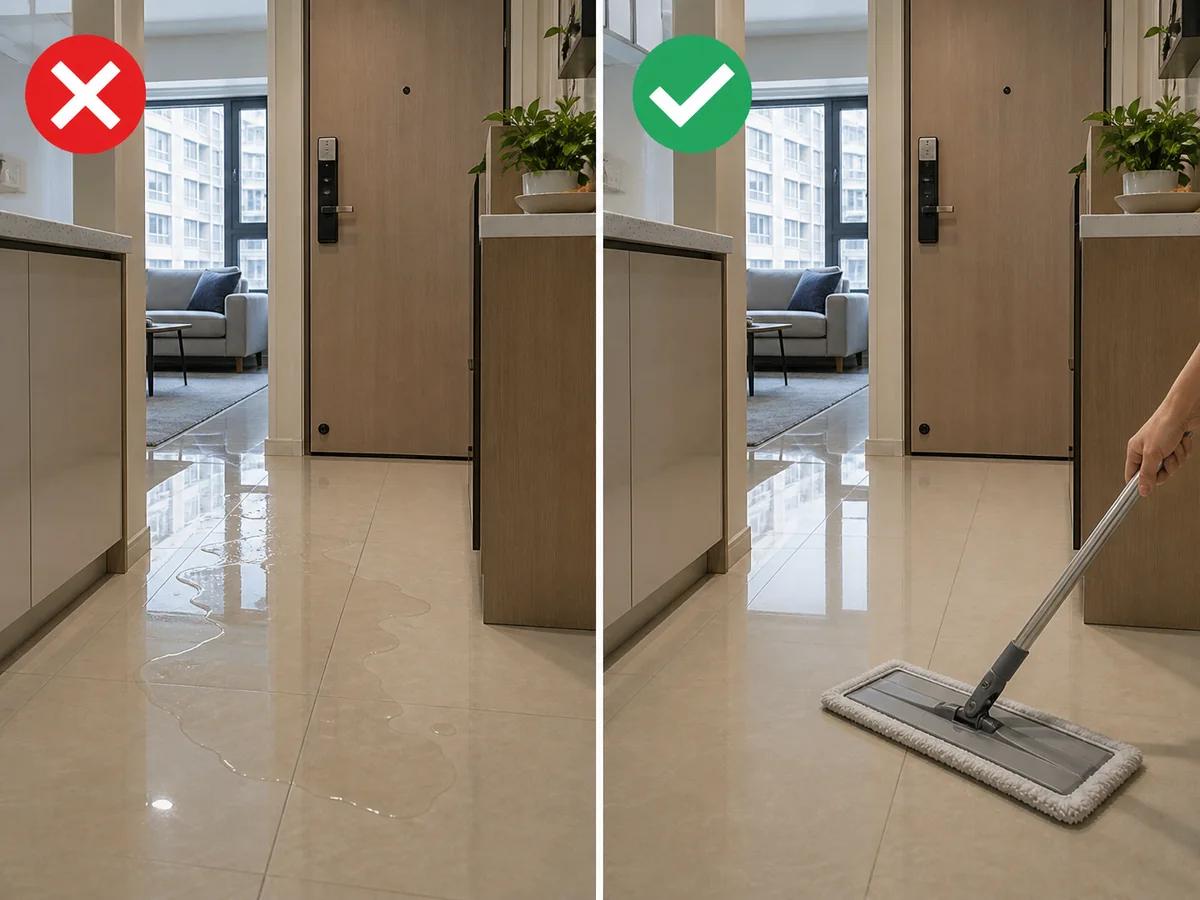
Clean up spills at once and dry the floor to prevent slips.
View safety lesson →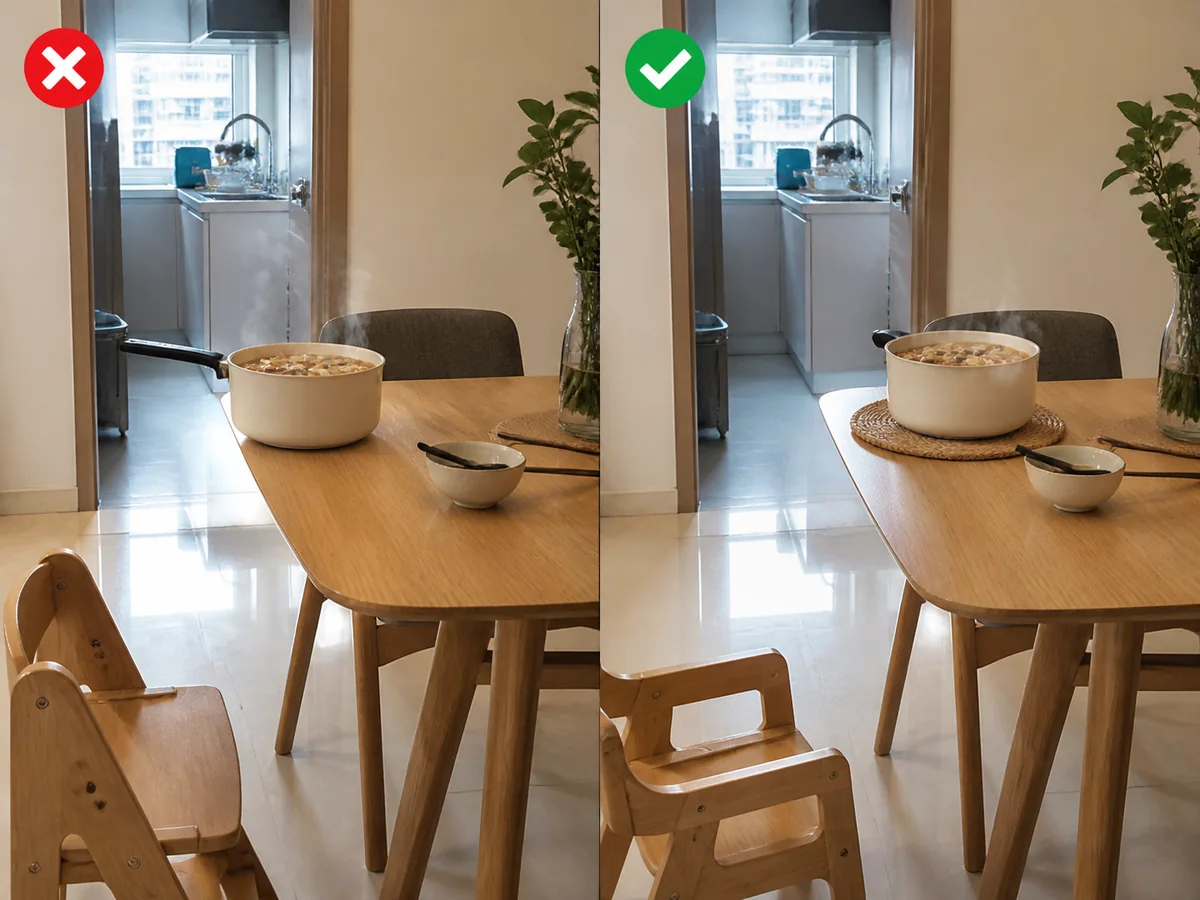
Turn pot handles inward, keep hot food away from table edges, and never carry a child while holding hot food.
View safety lesson →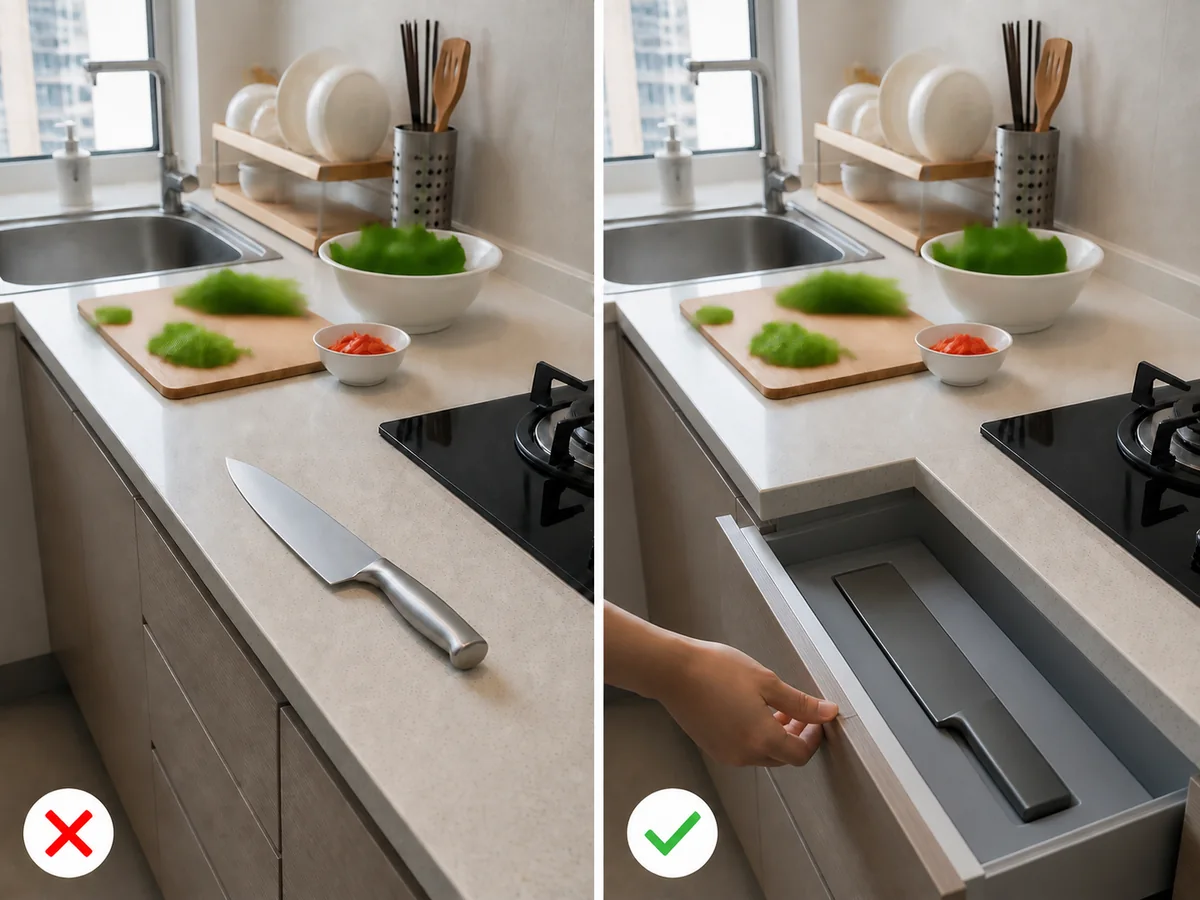
Store knives in a secure knife block, sheath, or safe place with the blade protected and out of children's reach.
View safety lesson →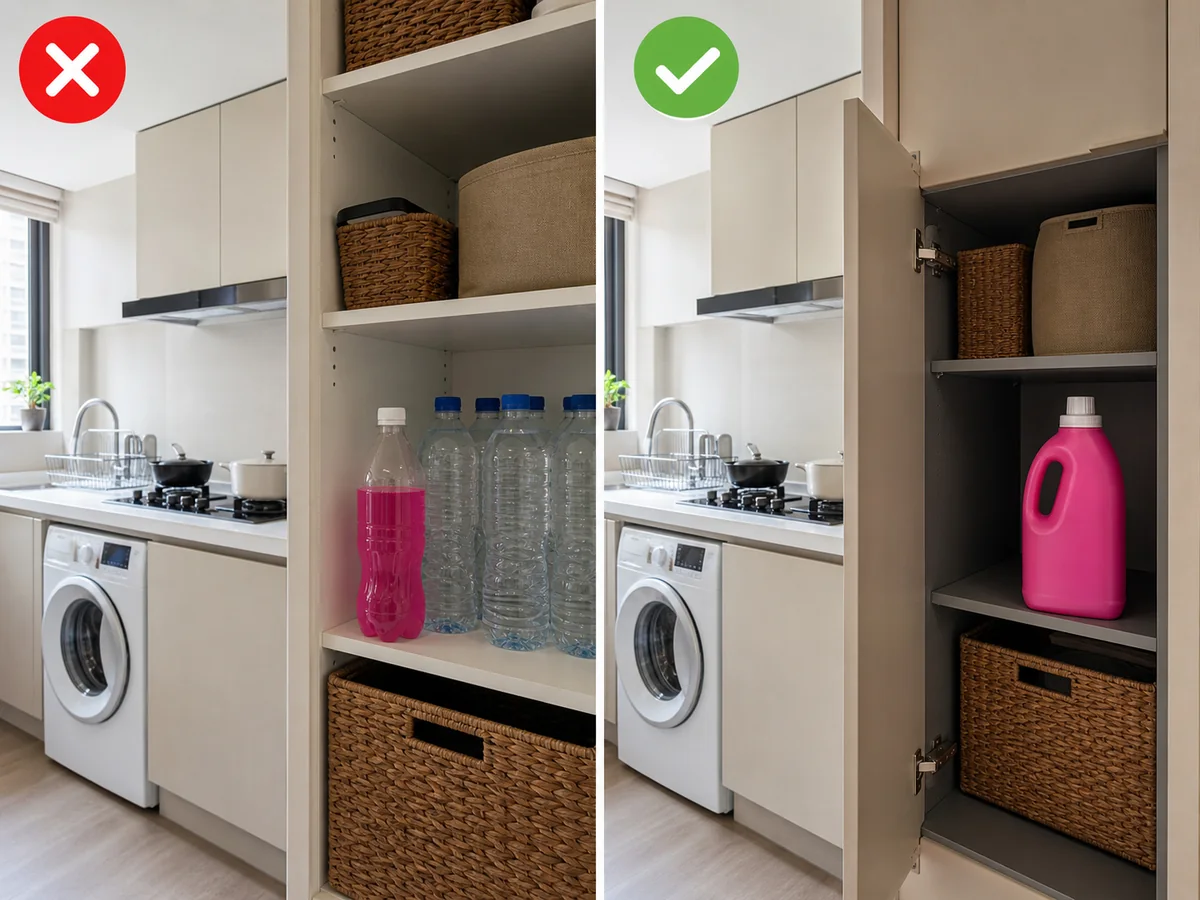
Keep cleaning products in their original, clearly labelled containers and out of children's reach.
View safety lesson →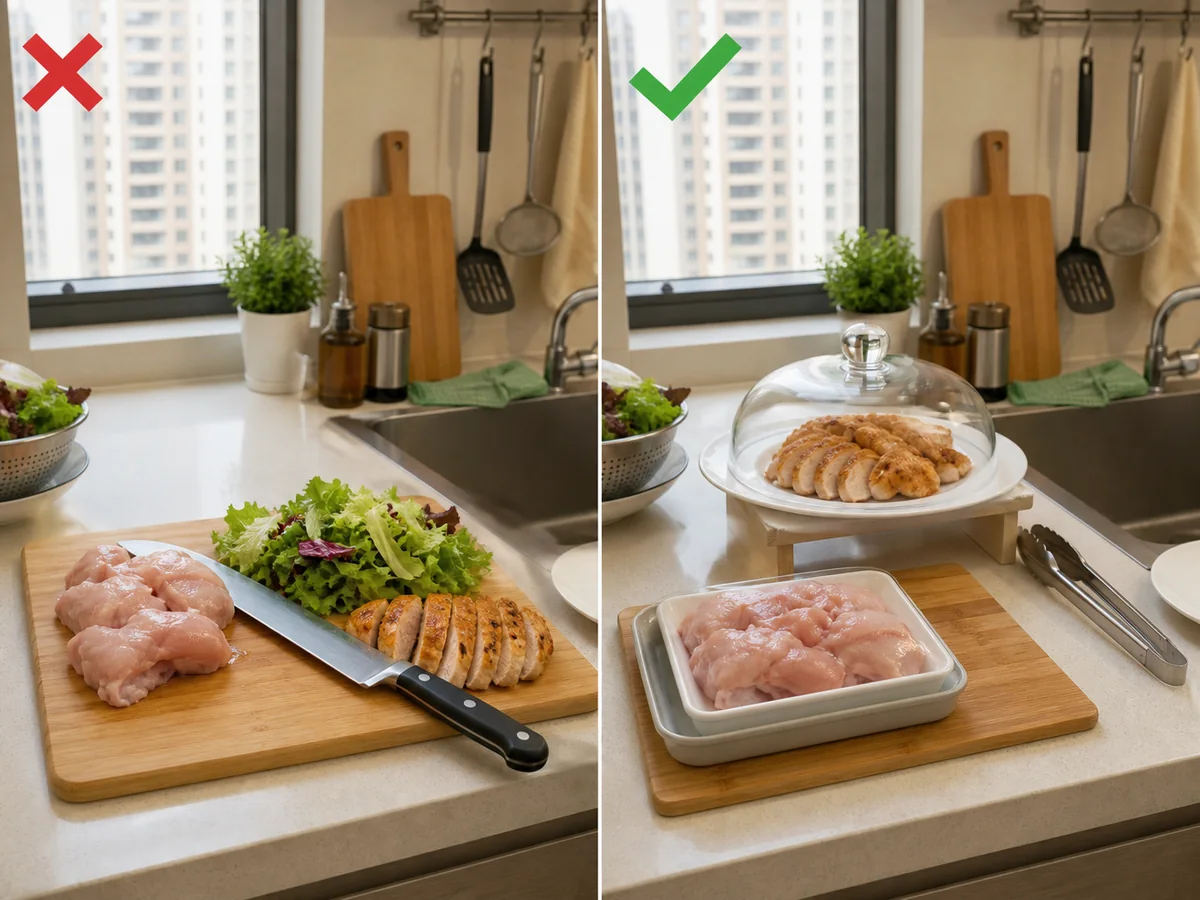
Use separate chopping boards and knives; keep cooked or ready-to-eat food above sealed raw meat in the fridge.
View safety lesson →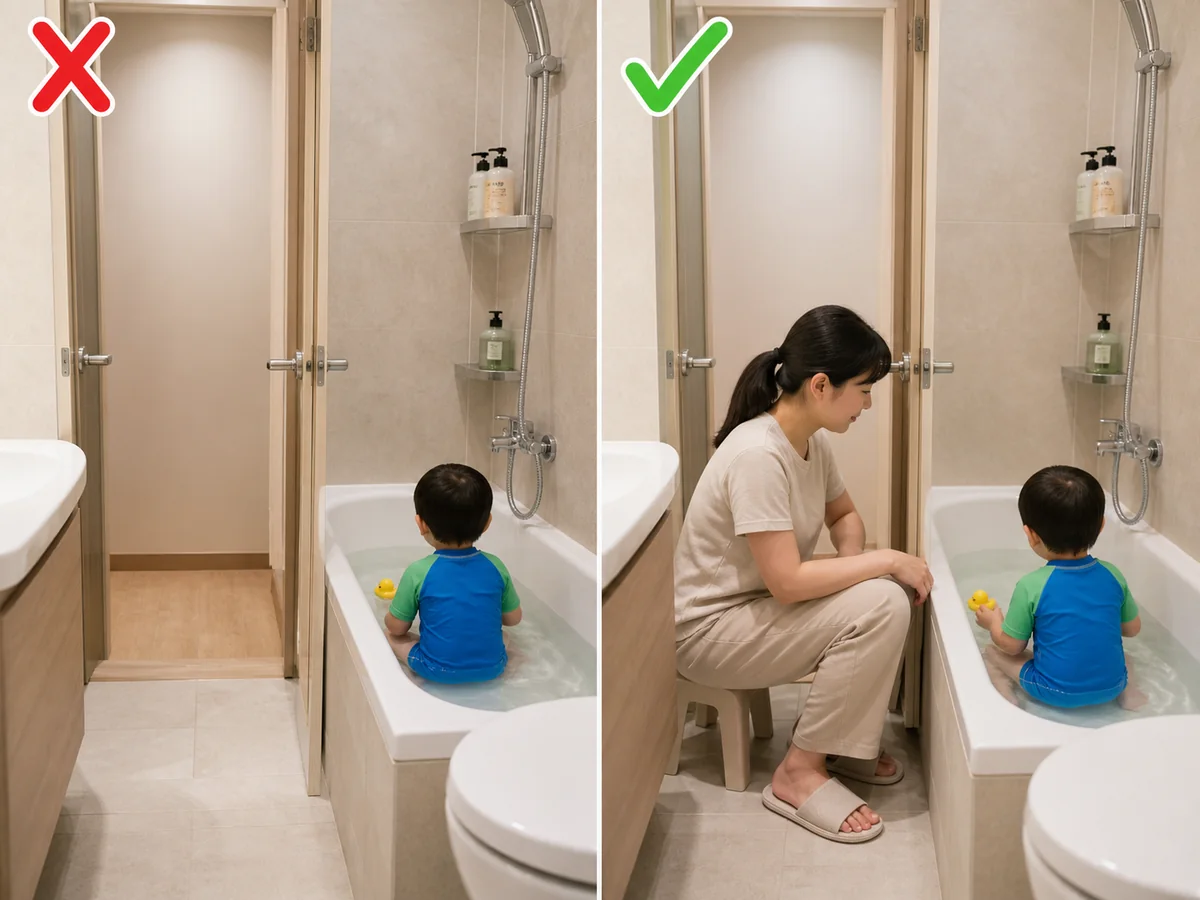
Prepare everything before bath time and keep an adult within arm's reach throughout. Never leave, even for a moment.
View safety lesson →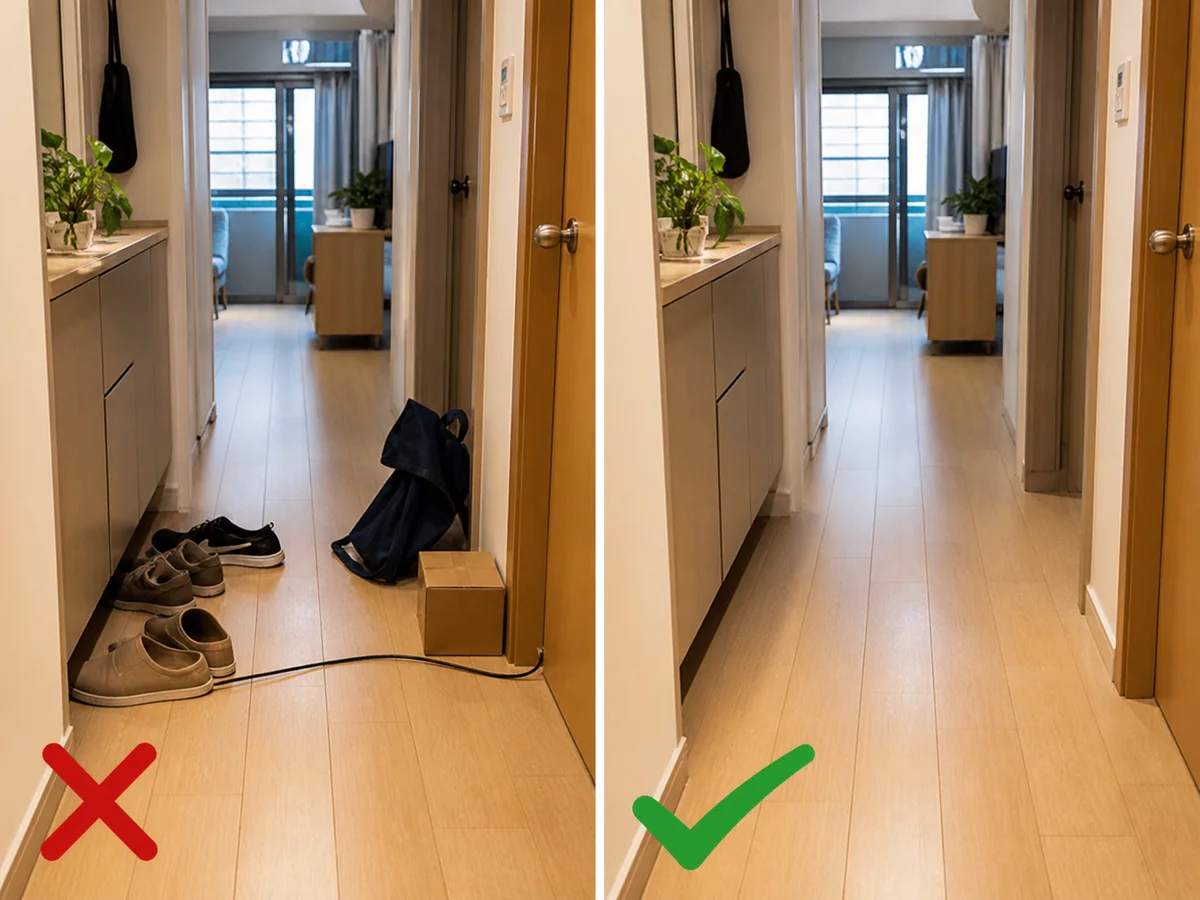
Put away toys, shoes, bags, boxes, and cords crossing the floor so routes to rooms, exits, and bathrooms stay clear.
View safety lesson →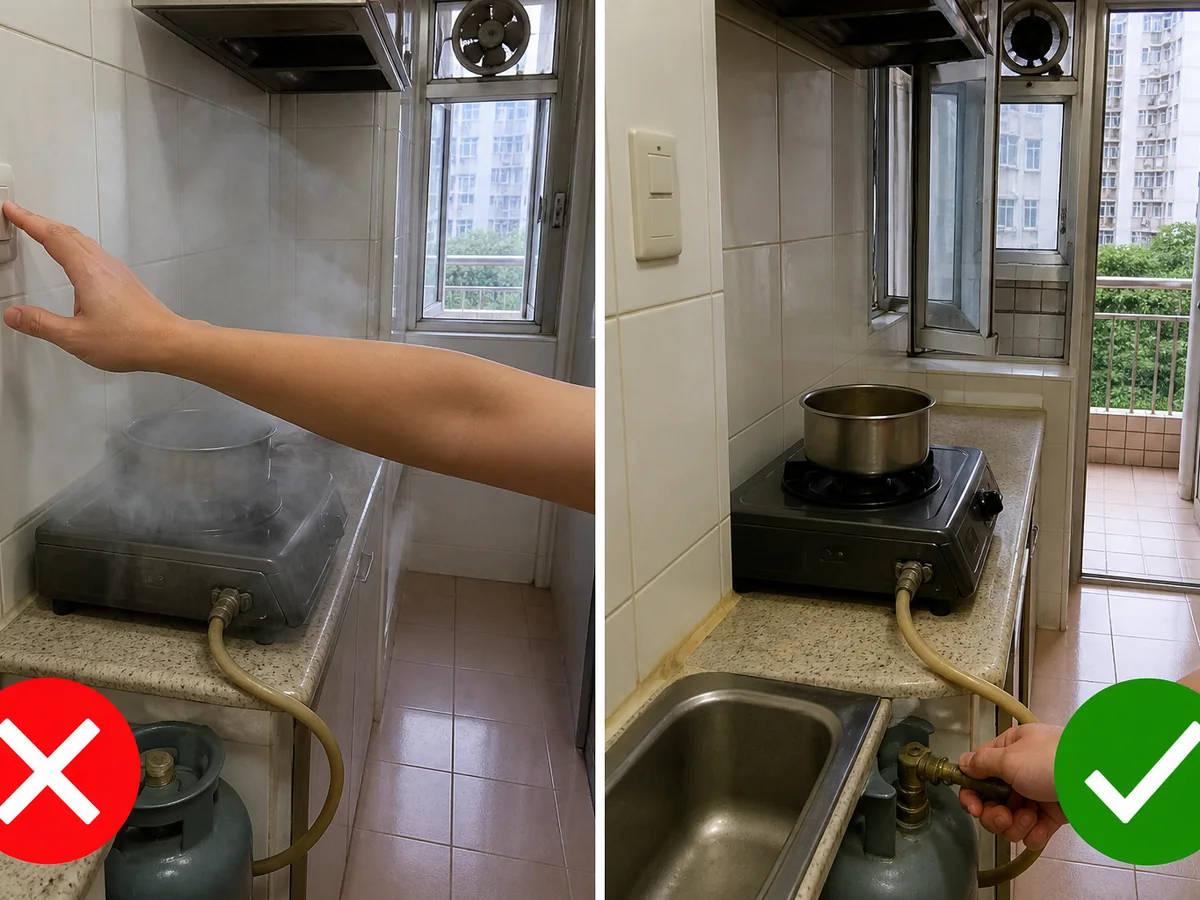
Do not operate switches, appliances, phones, or doorbells; move away before calling for help.
View safety lesson →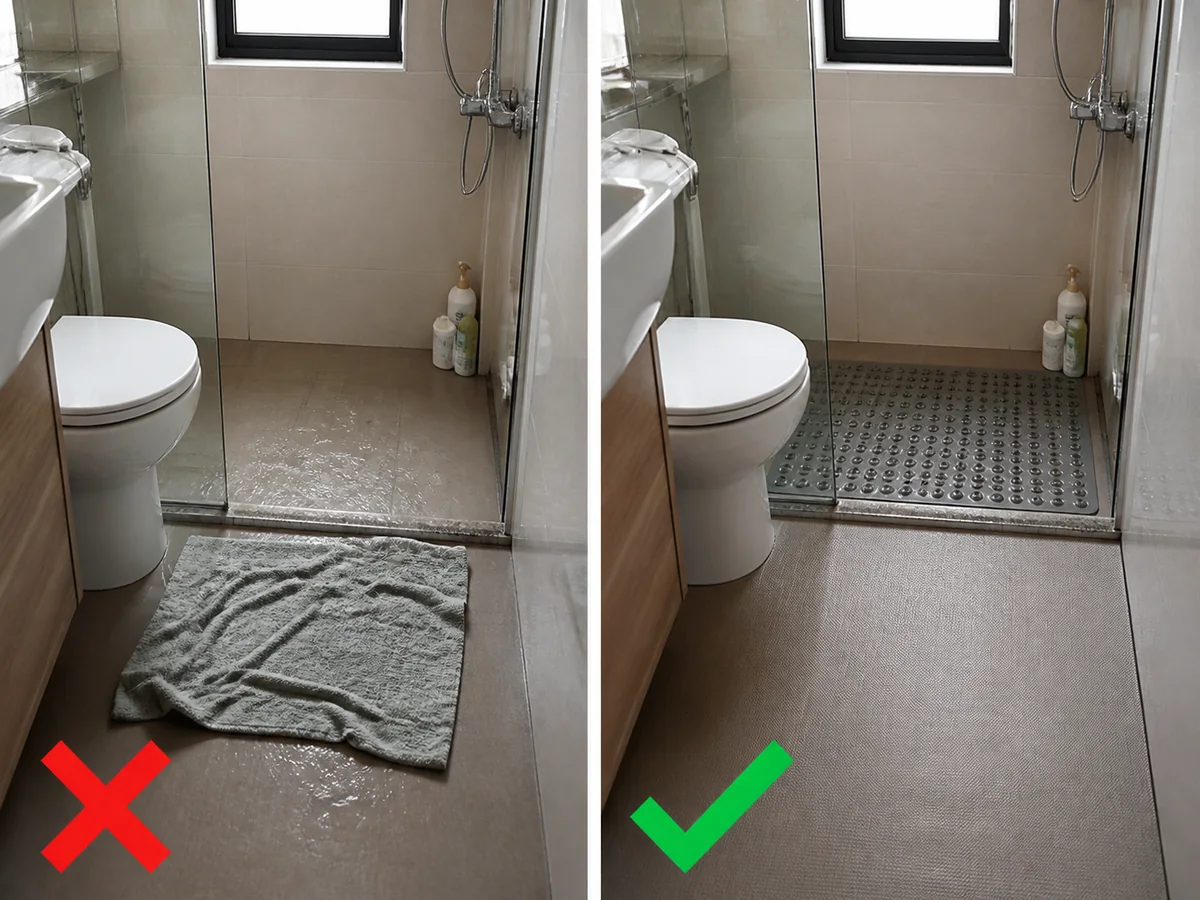
Use a secure, well-fitted anti-slip mat or surface in the bath or shower area, keep it in good condition, and keep the floor dry.
View safety lesson →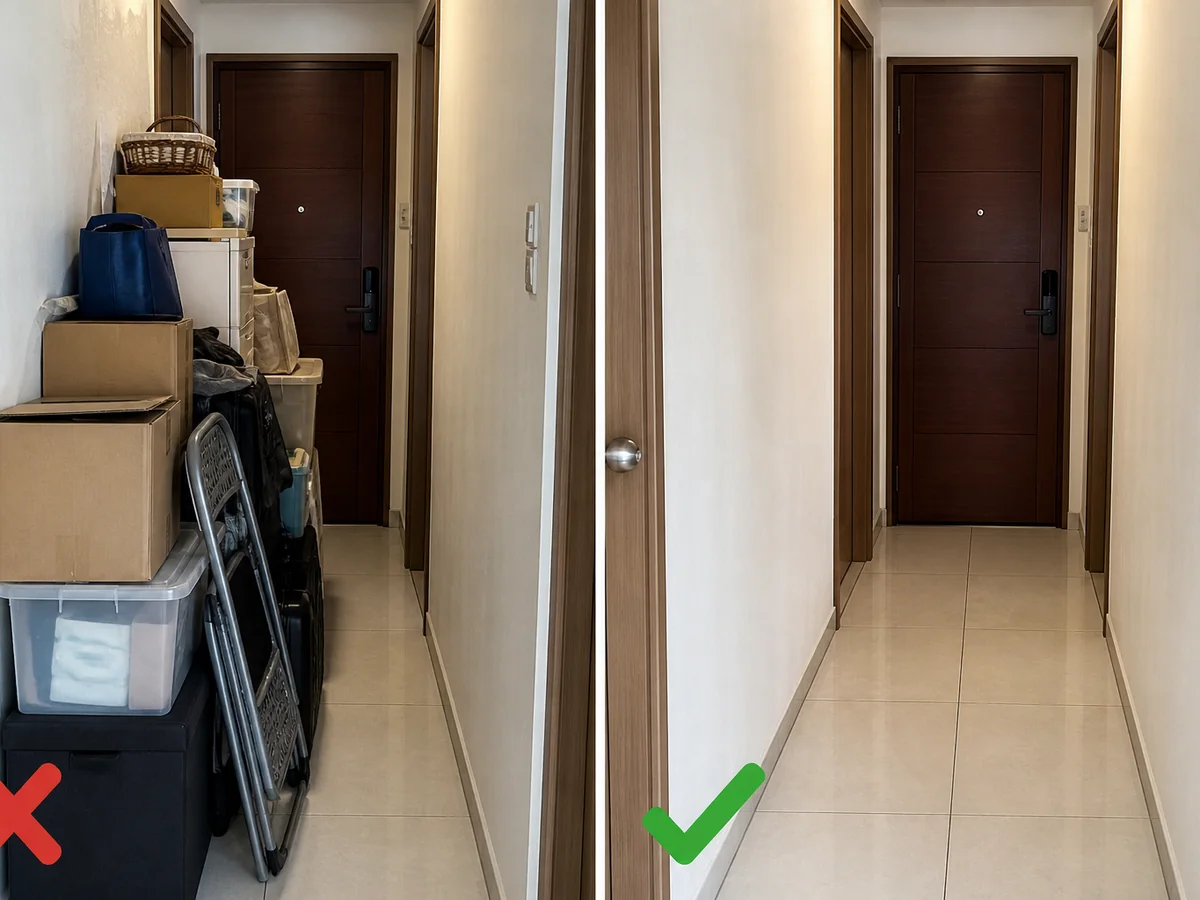
Keep the route from the flat door through the corridor to the stairs free of shoes, boxes, bicycles, and rubbish.
View safety lesson →
During gale or storm signals, shelter indoors away from exposed glass windows and doors.
View safety lesson →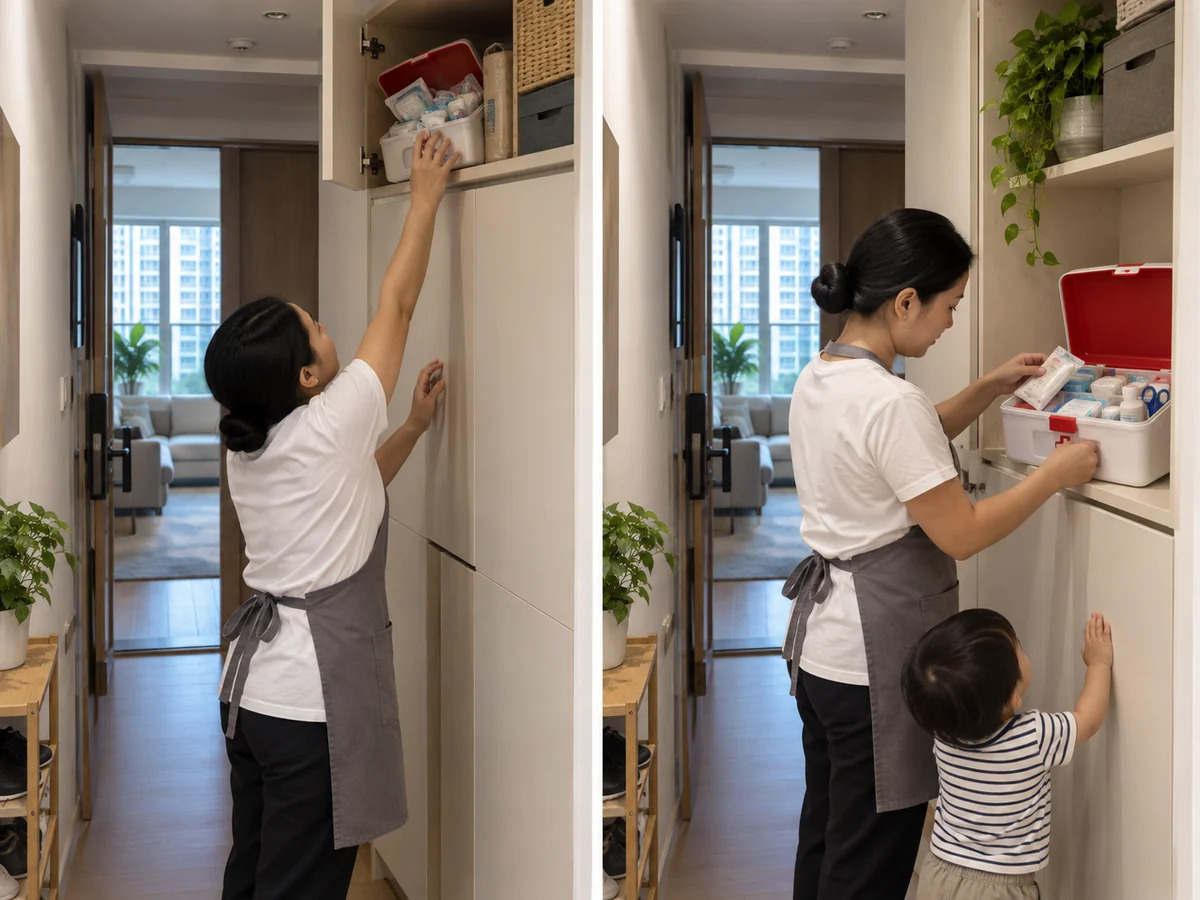
Keep a clearly marked first-aid kit stocked, accessible to adults, and out of children's reach.
View safety lesson →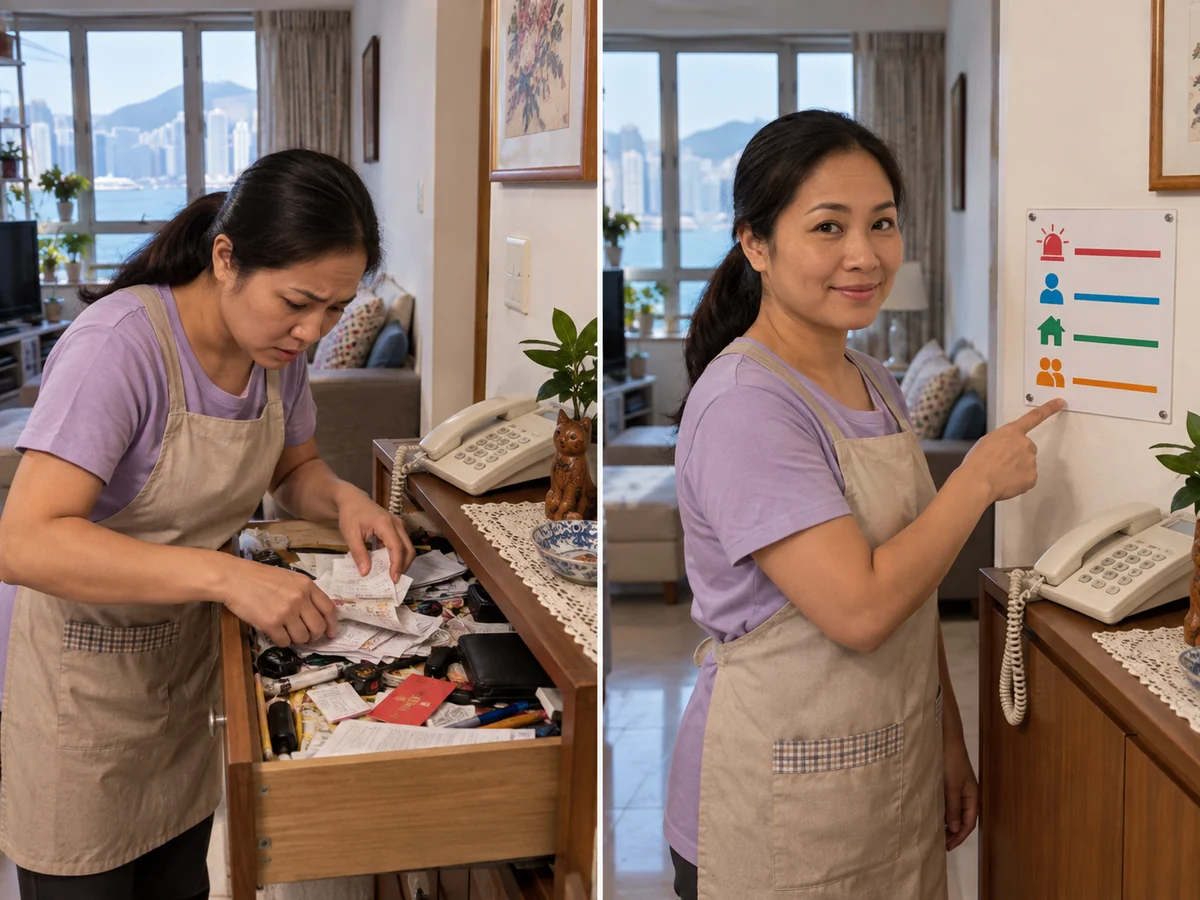
Keep the exact flat, floor, block, estate, and street address beside the household phone for emergencies.
View safety lesson →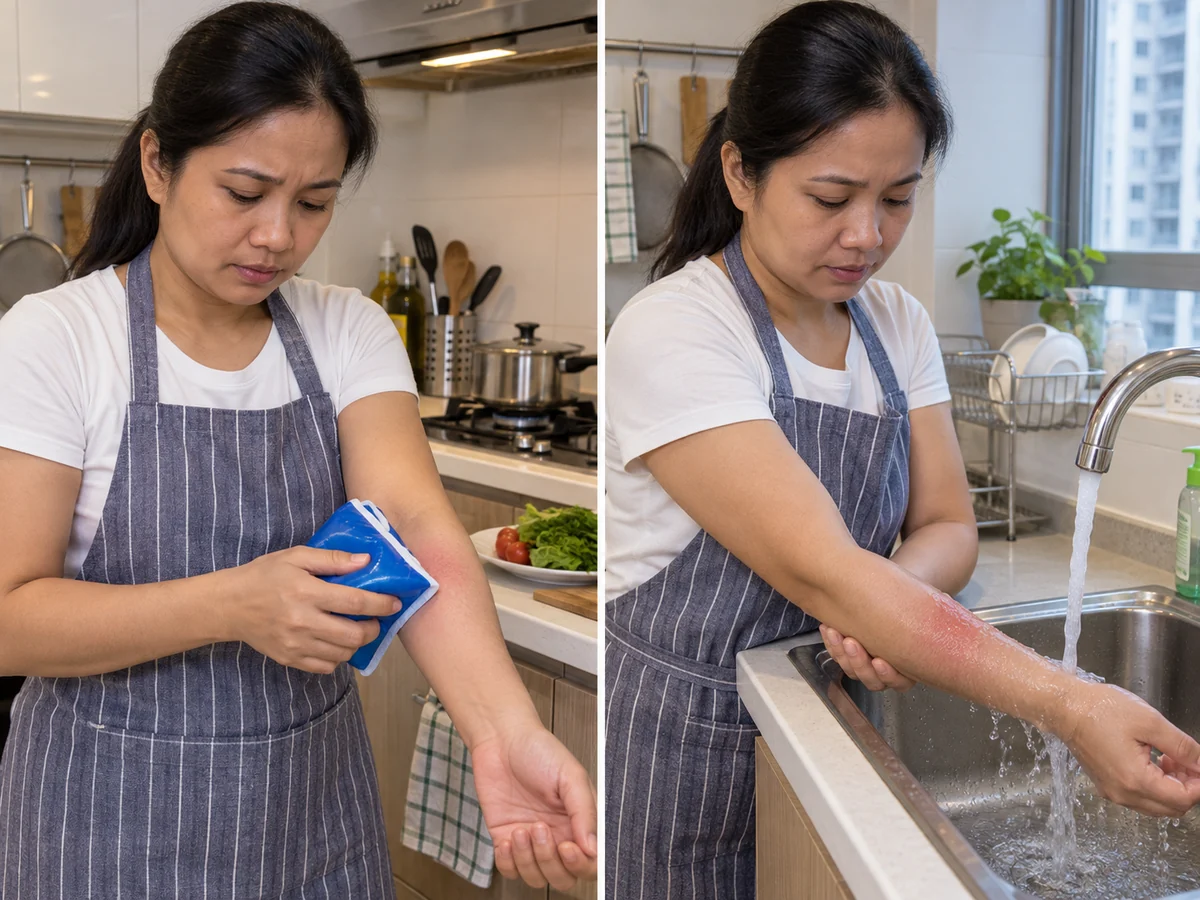
Move away from the heat source and cool a burn or scald promptly under gently running water.
View safety lesson →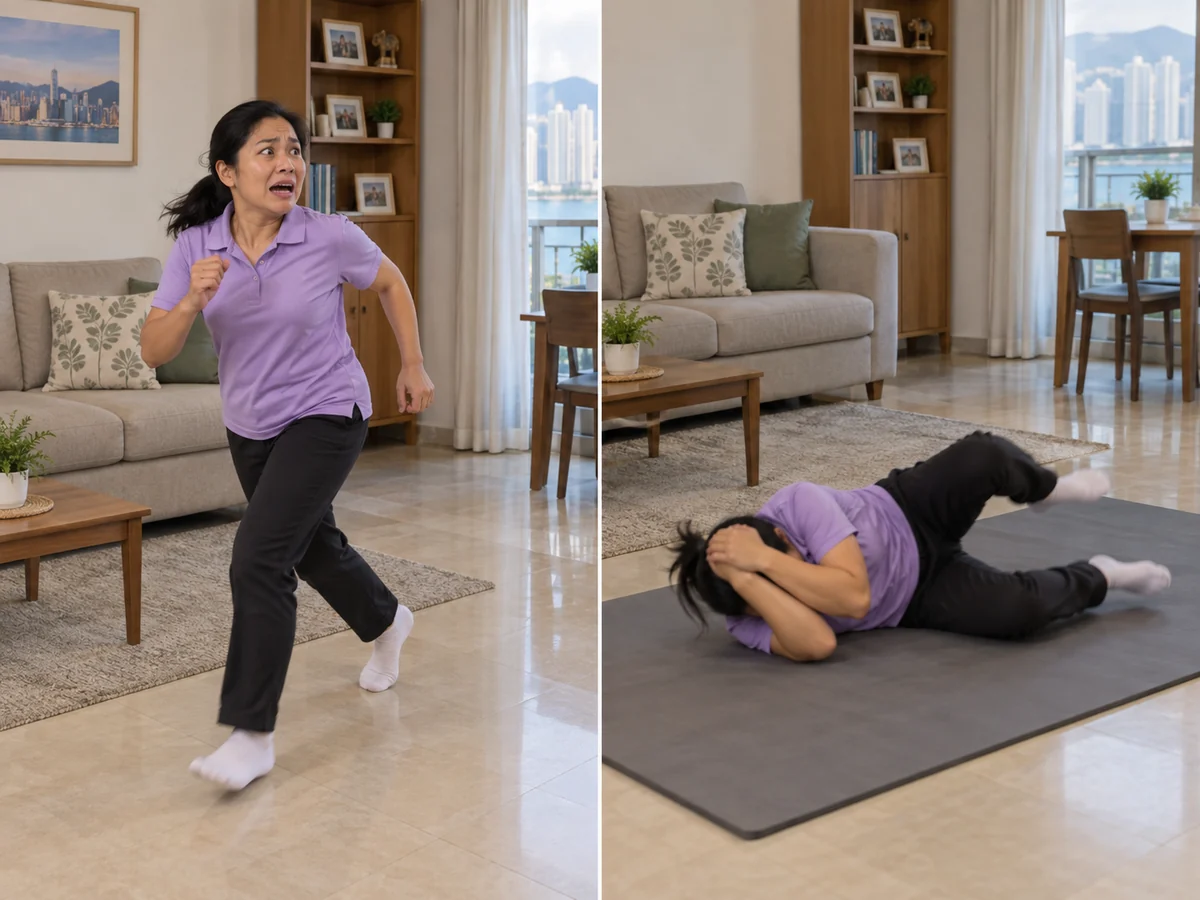
If clothing catches fire, stop moving, drop to the floor, cover the face, and roll to smother the flames.
View safety lesson →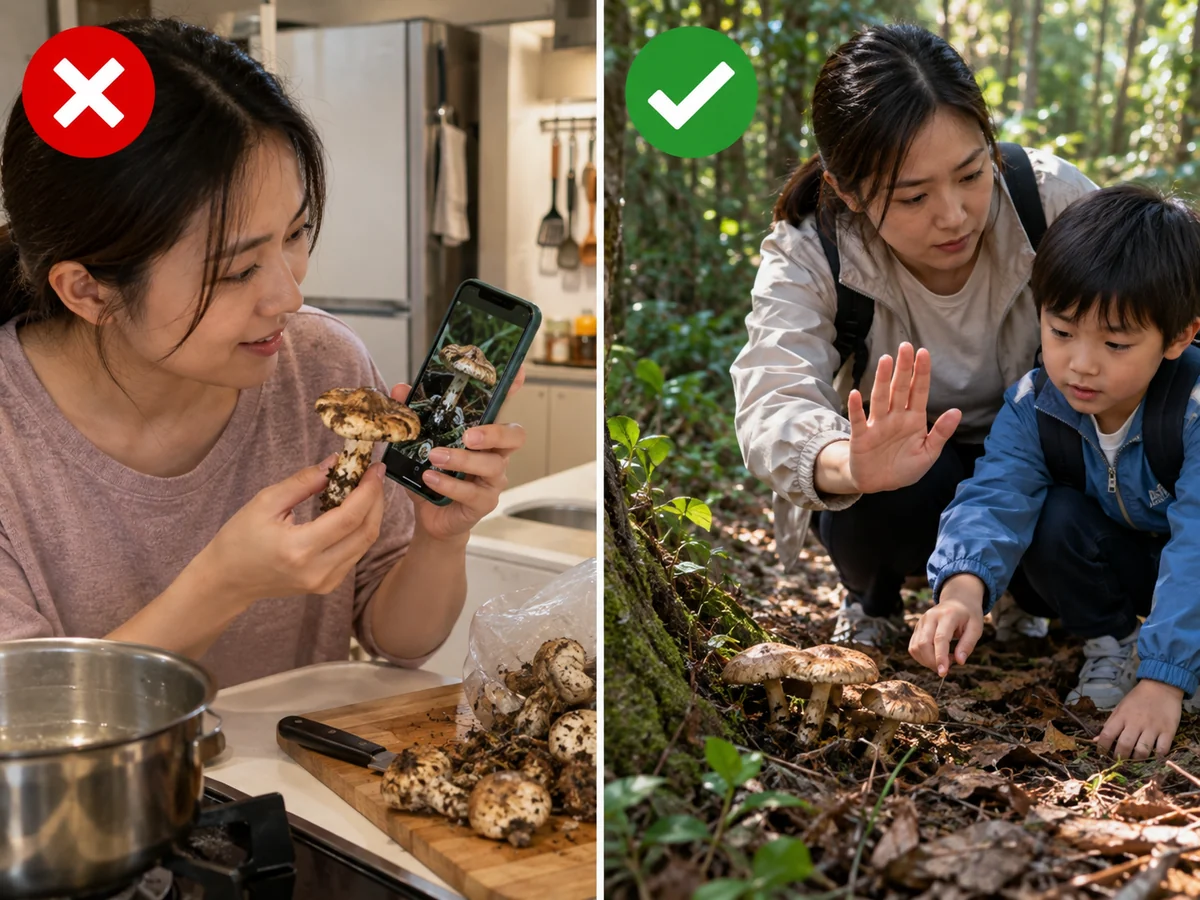
Do not cook or eat foraged wild mushrooms even if they look familiar. If eaten, keep a photo and details for medical staff without delaying care.
View safety lesson →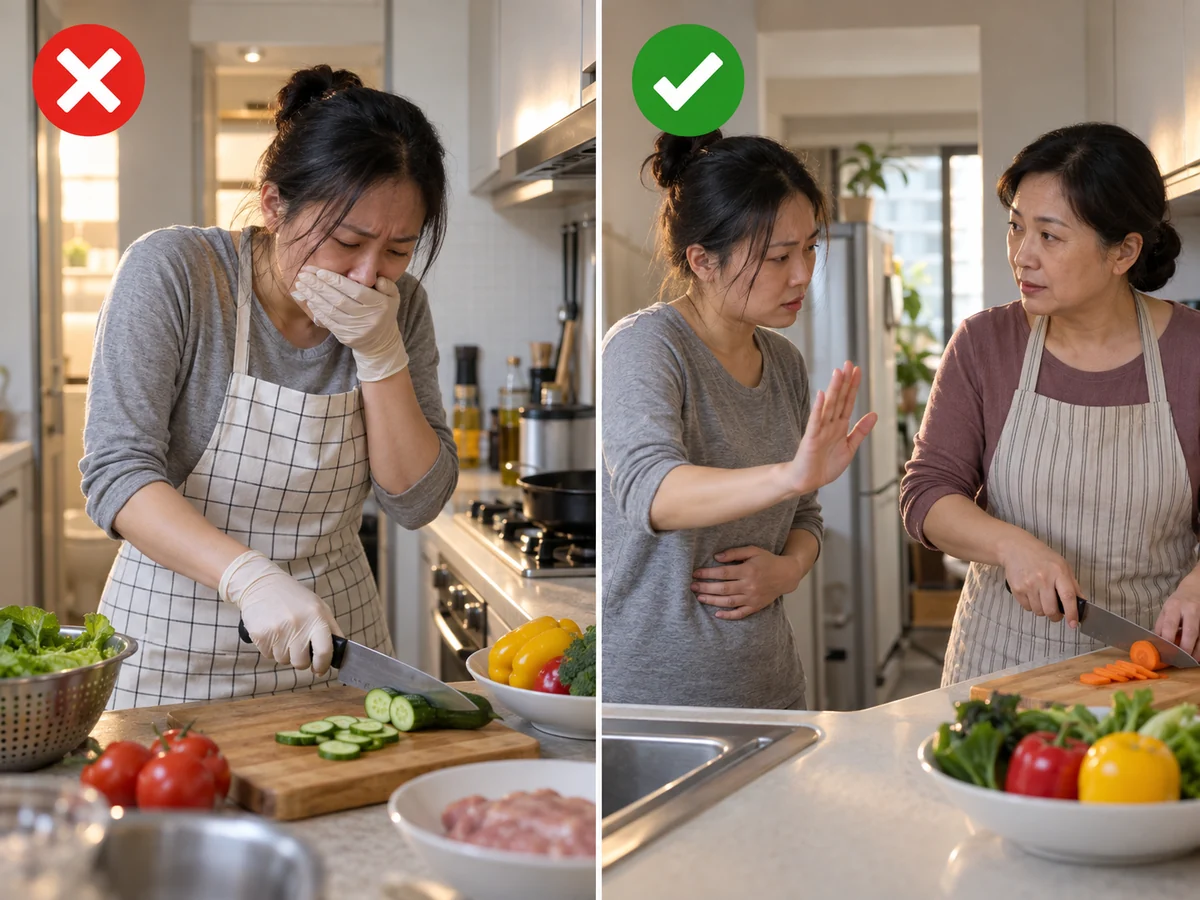
Stop preparing food and arrange for another person to take over. Seek medical advice and follow health guidance before returning to food handling.
View safety lesson →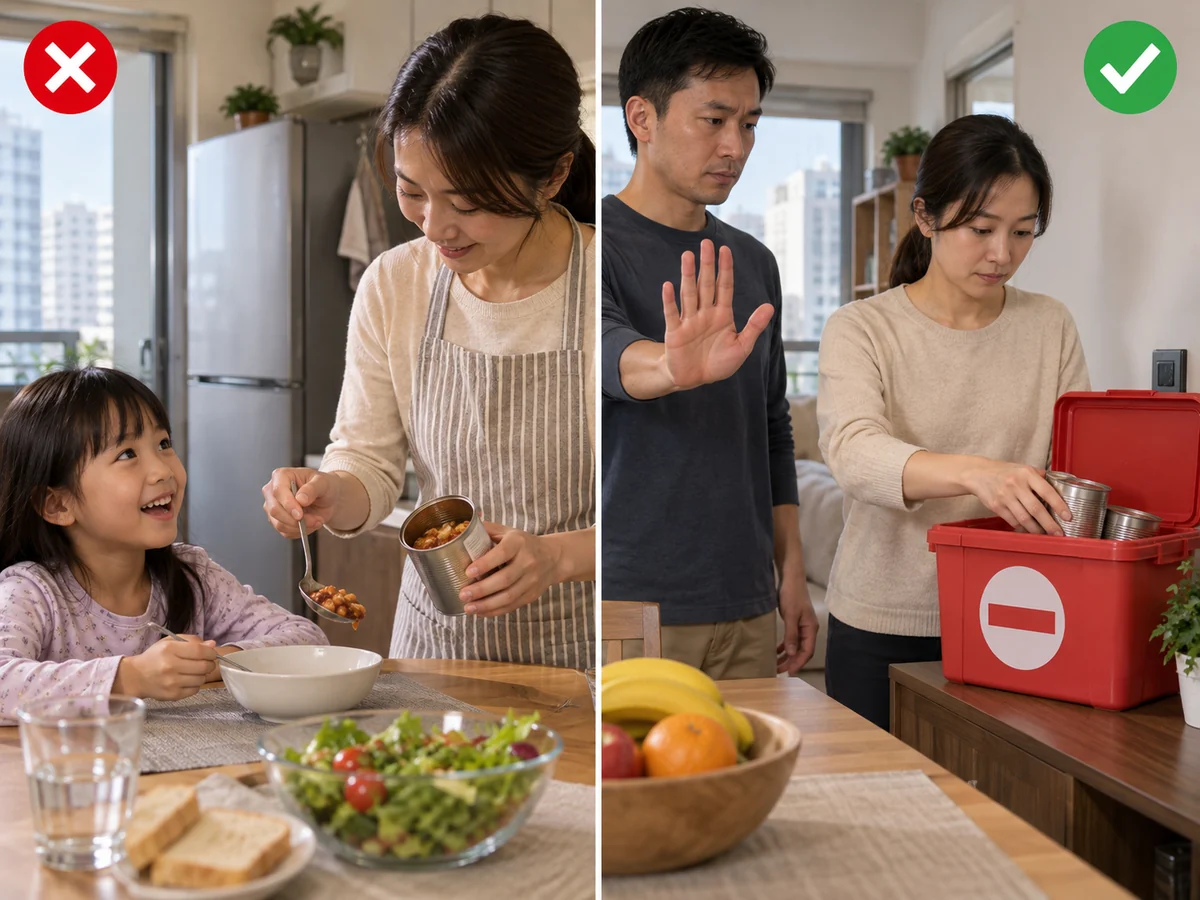
Stop using affected food and separate it so nobody takes it by mistake. Tell the household and follow the official or supplier's return instructions.
View safety lesson →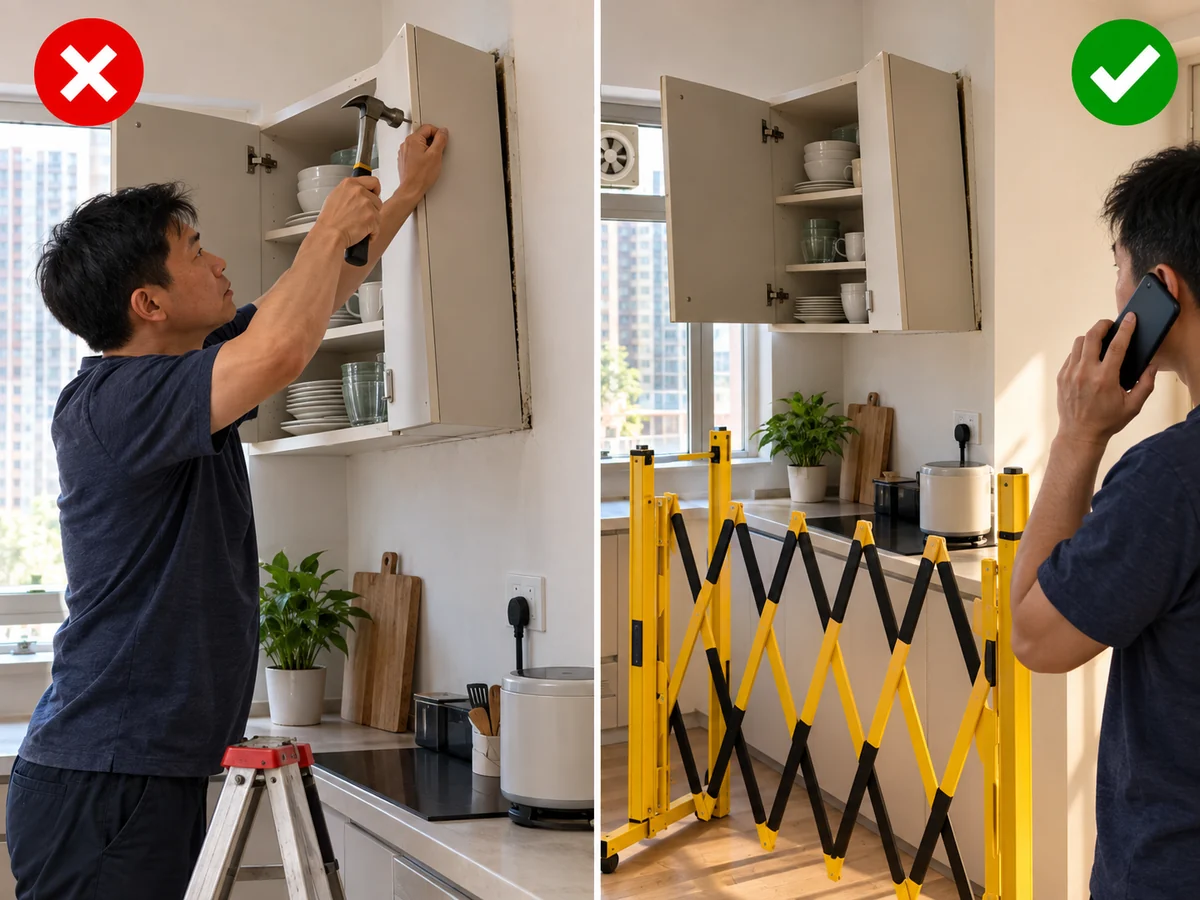
Stop using the cabinet and keep people out of the area beneath it. Arrange professional inspection of the wall, anchors and load; do not attempt an improvised repair.
View safety lesson →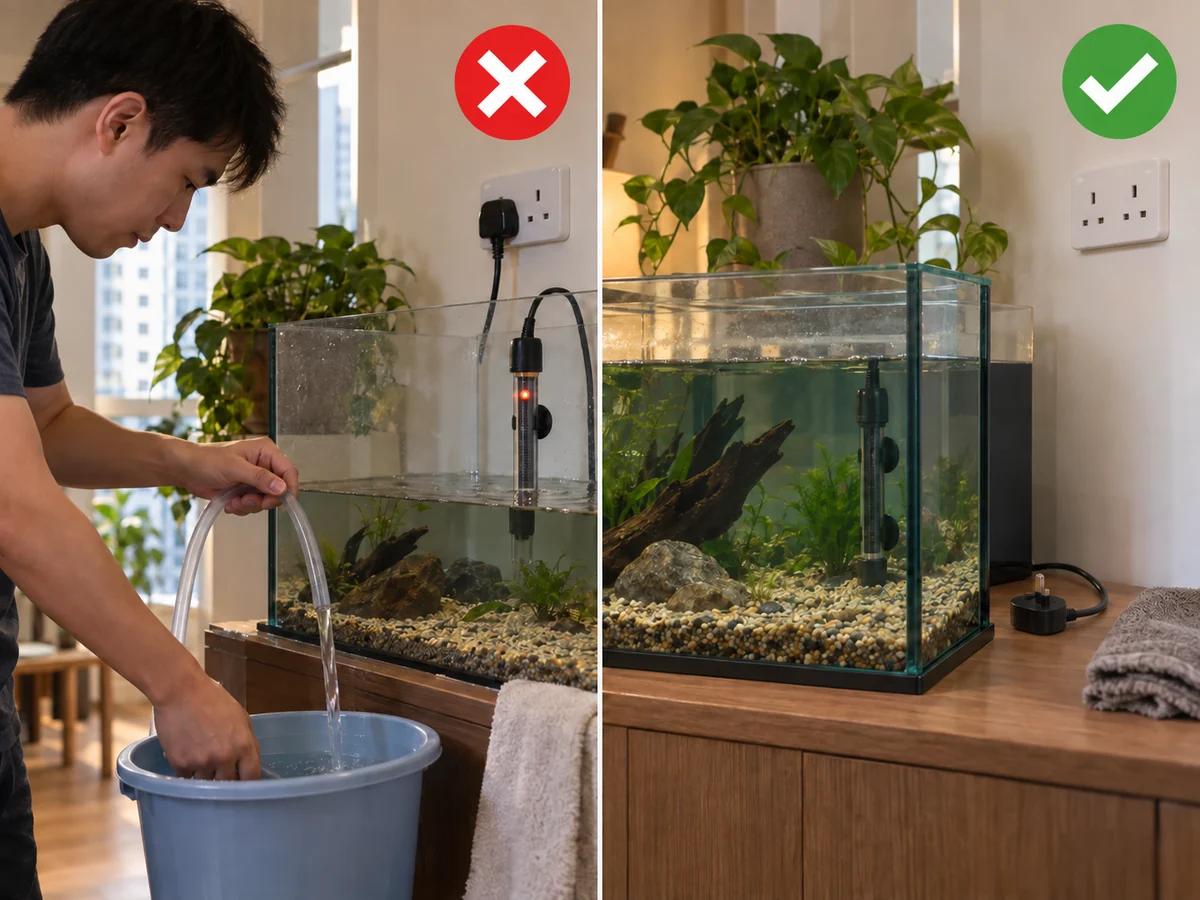
Restore the required water level before powering the heater again. Do not plunge a hot dry heater into water; arrange a check if it overheated.
View safety lesson →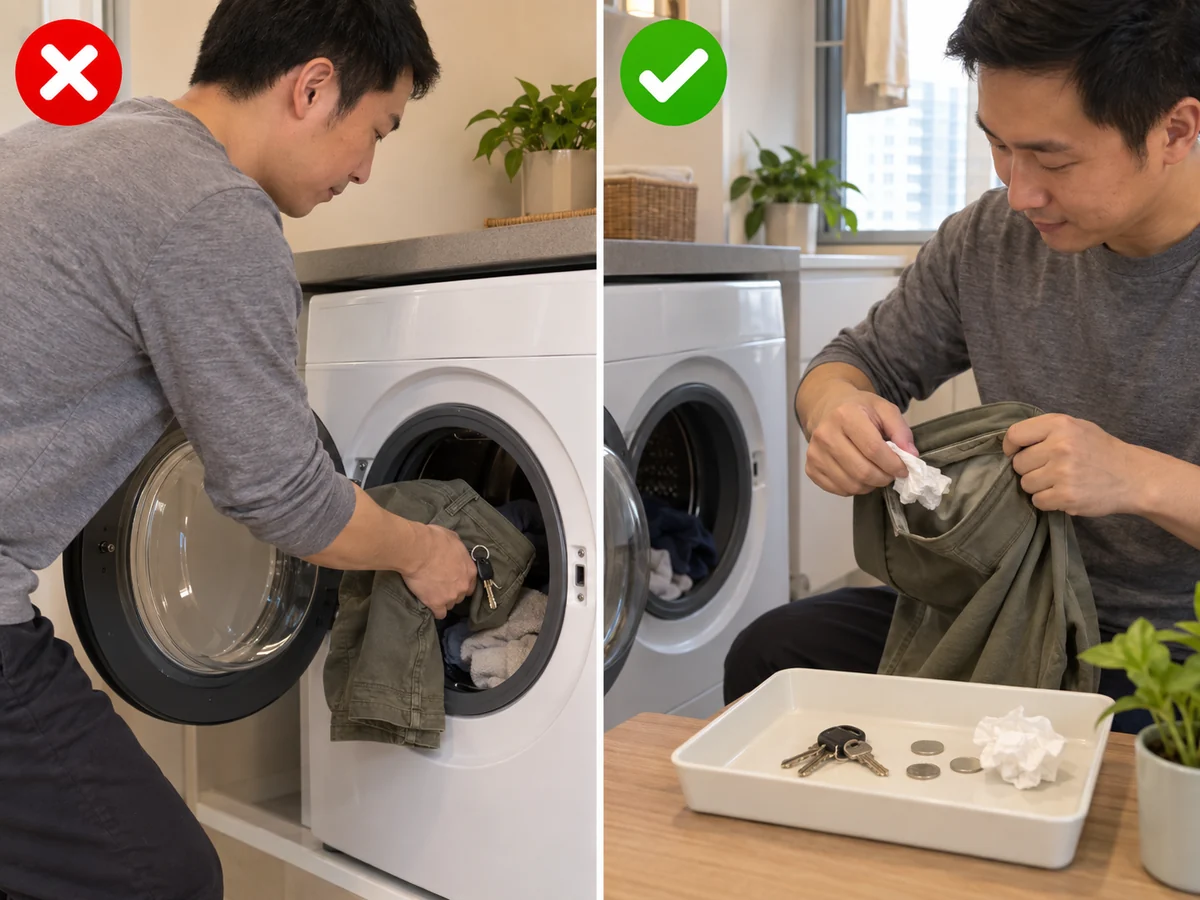
Load clothes only after the pockets are emptied. Put removed items safely away and stop the machine if an object or abnormal noise is noticed.
View safety lesson →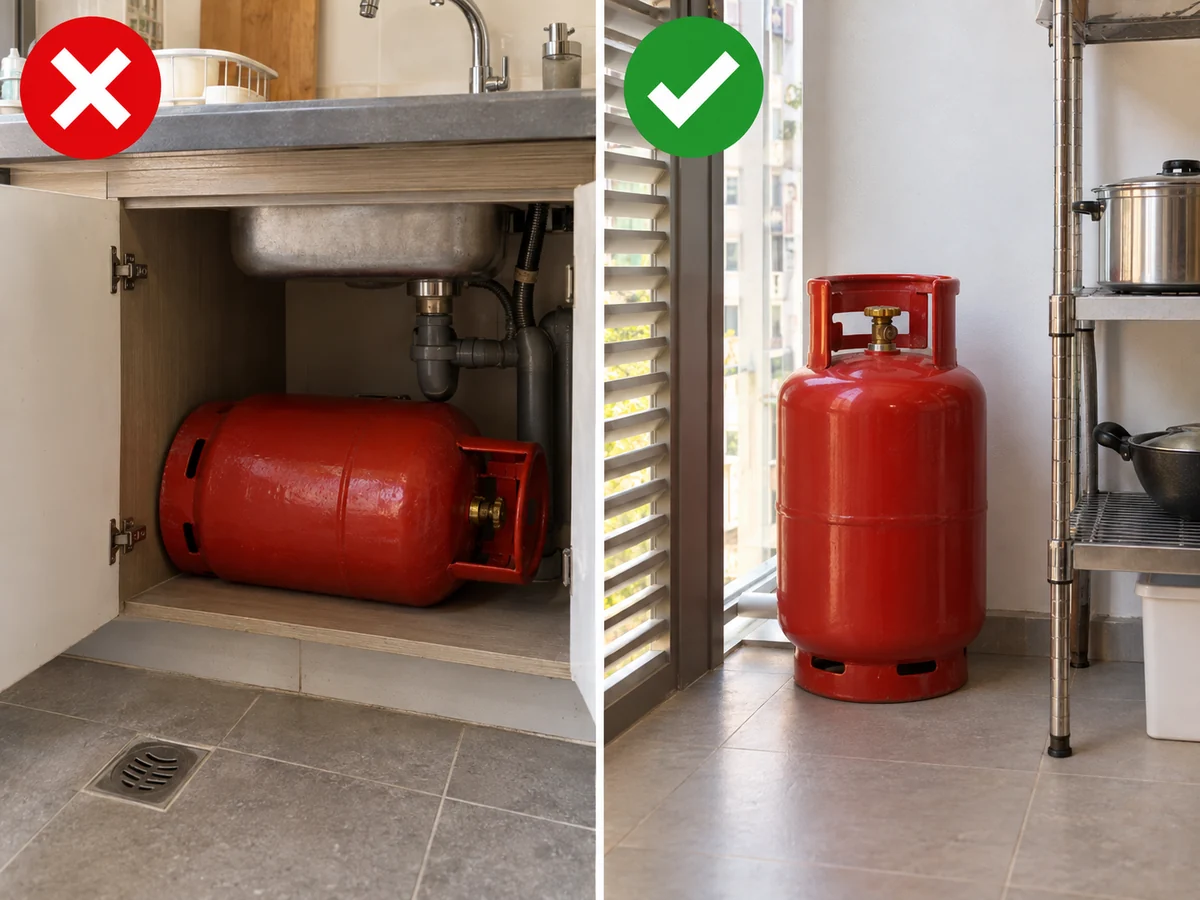
Keep LPG cylinders upright, stable, ventilated and away from drains and heat. Ask the supplier about relocation instead of improvising a new storage arrangement.
View safety lesson →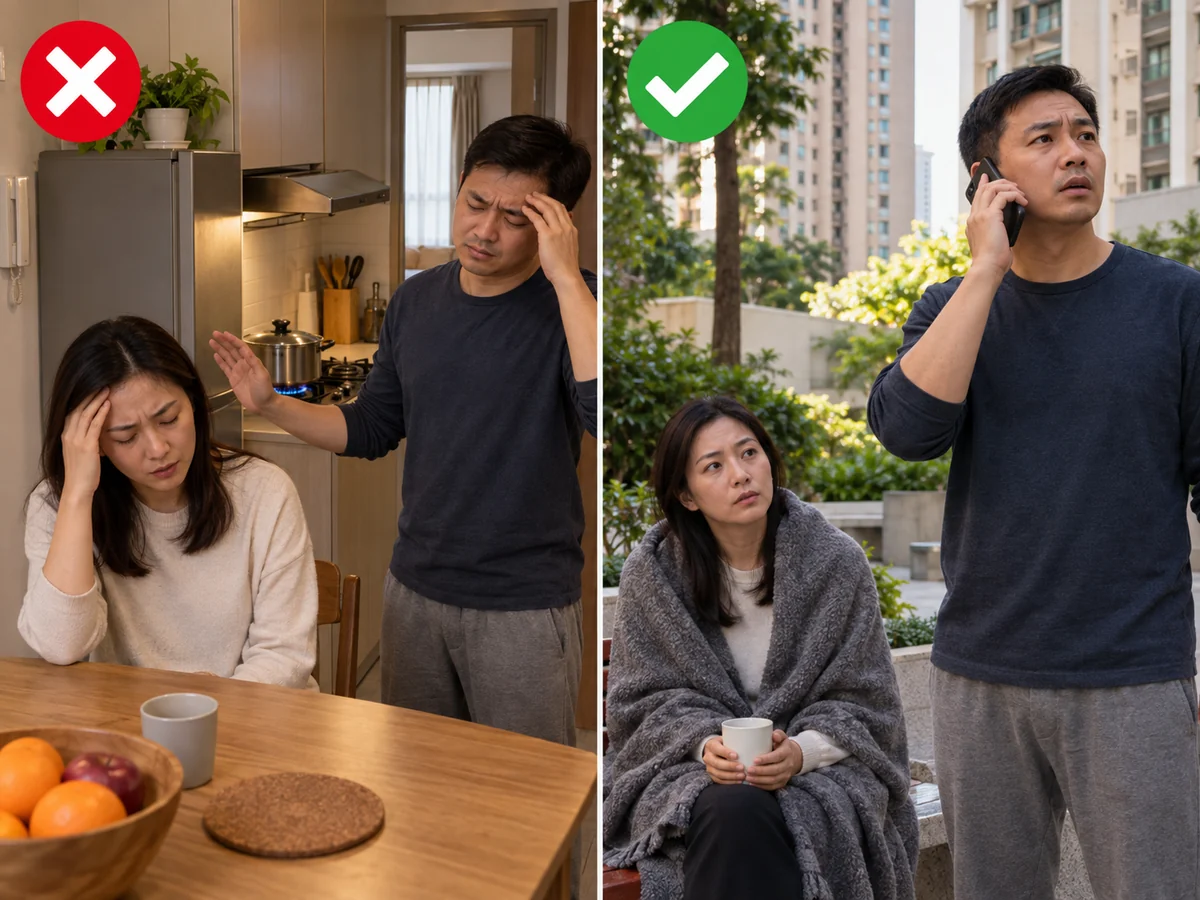
Leave for fresh air as soon as it is safe and call 999 for suspected exposure. Do not re-enter to locate the source or retrieve belongings.
View safety lesson →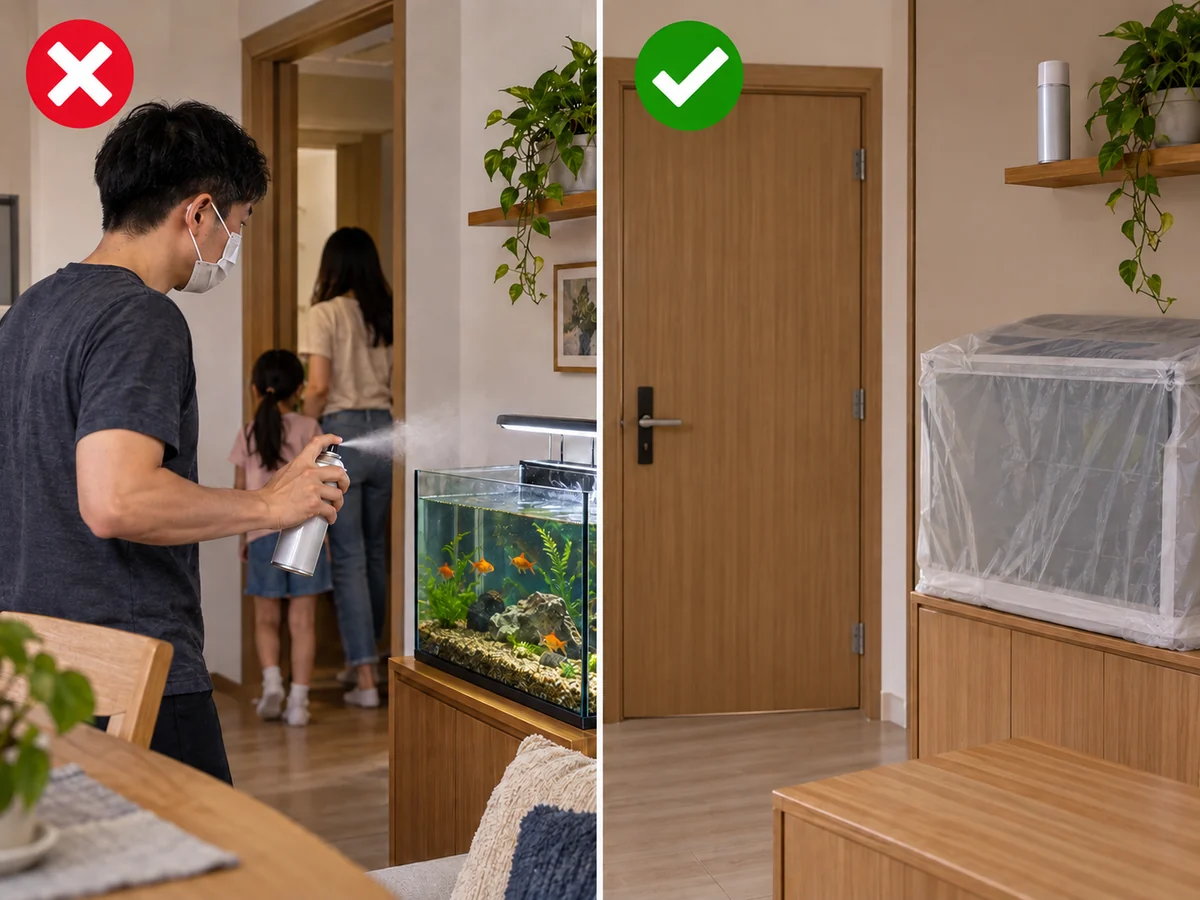
Remove pets and protect aquaria, food and feeding equipment exactly as the label directs. Do not spray if these protections cannot be completed.
View safety lesson →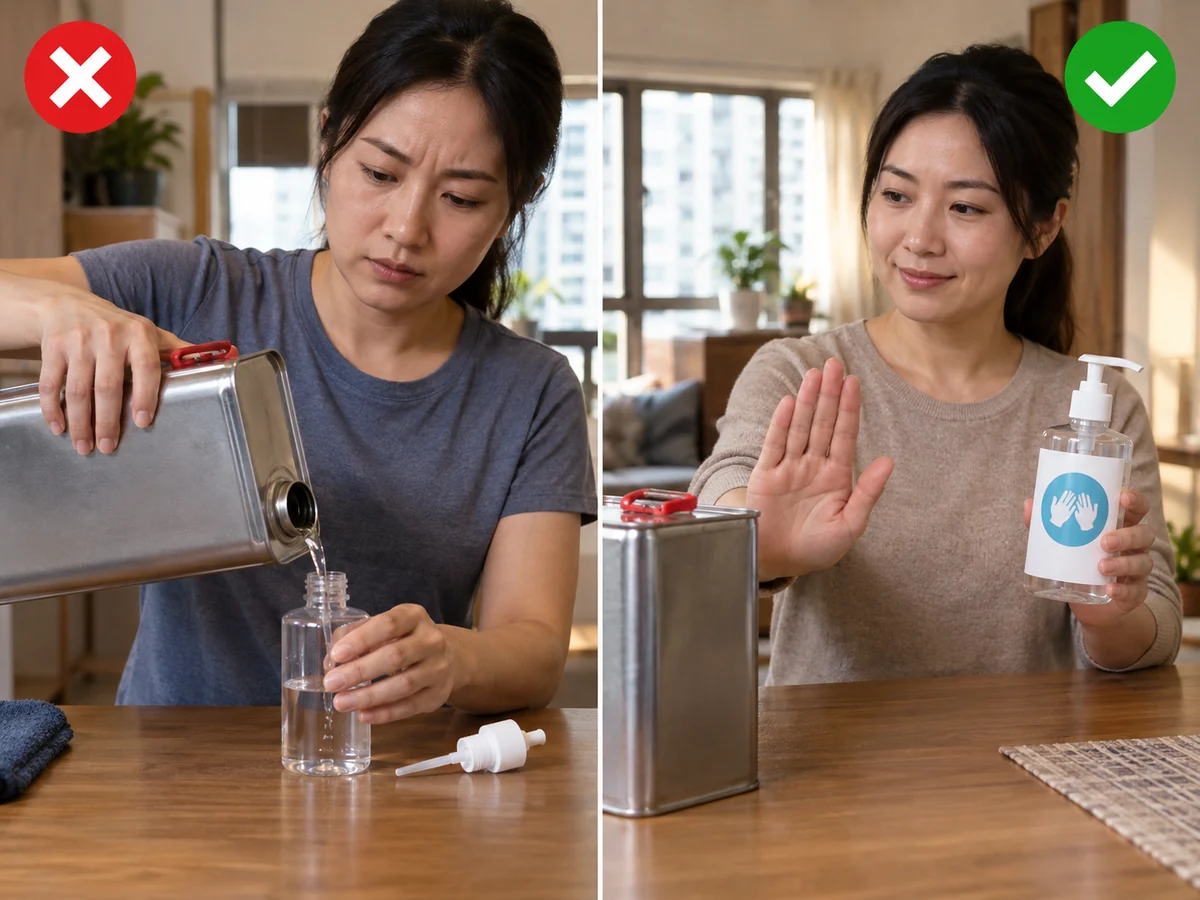
Use a properly labelled product intended for hands, never industrial alcohol. Keep unclear products out of use and ask the supplier for identification.
View safety lesson →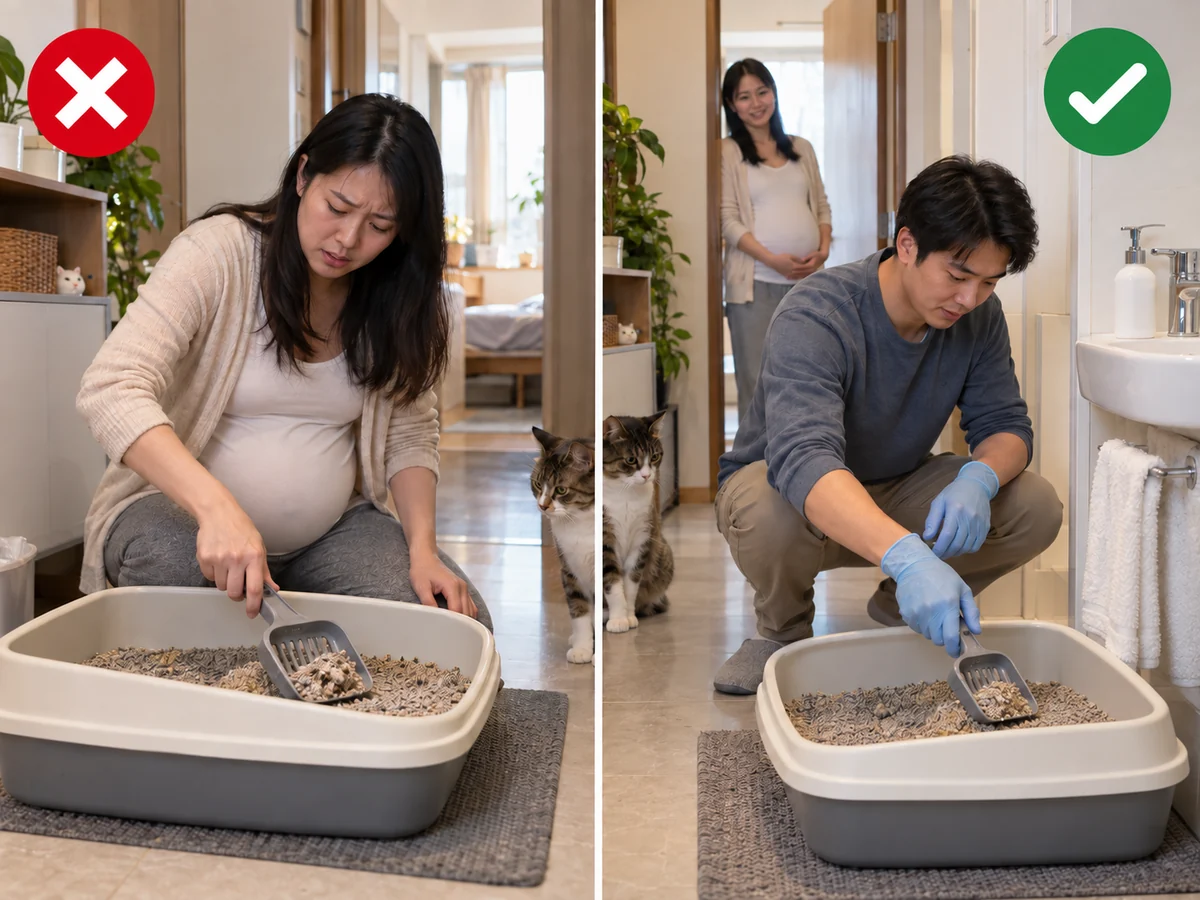
Clean litter daily, use gloves and wash hands with soap afterwards. If a pregnant person cannot avoid the task, seek healthcare advice on precautions.
View safety lesson →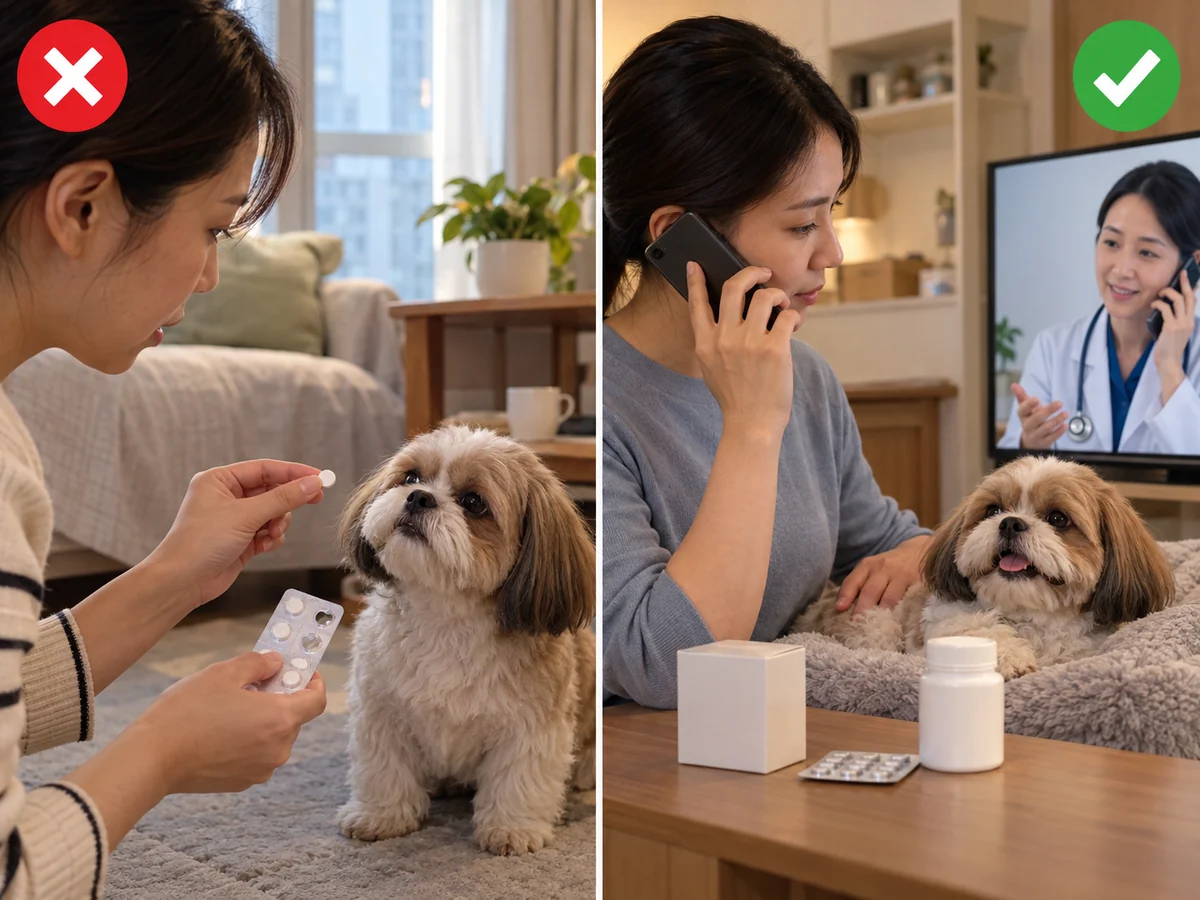
Give medicine only according to the vet's instructions for that animal. If human medicine was swallowed, keep the pack, amount and timing for the vet.
View safety lesson →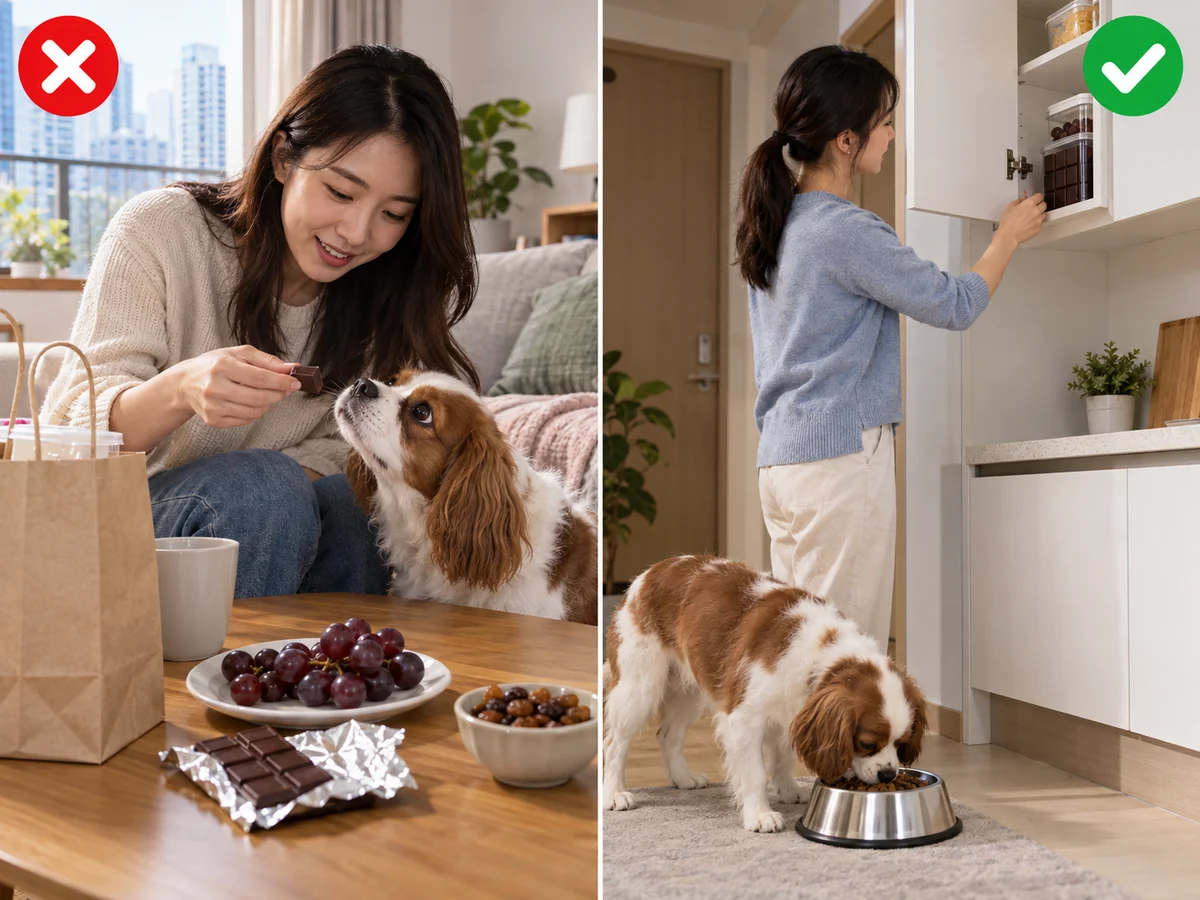
Do not give chocolate, grapes or raisins to dogs as treats. Contact a vet promptly after suspected ingestion rather than waiting for symptoms.
View safety lesson →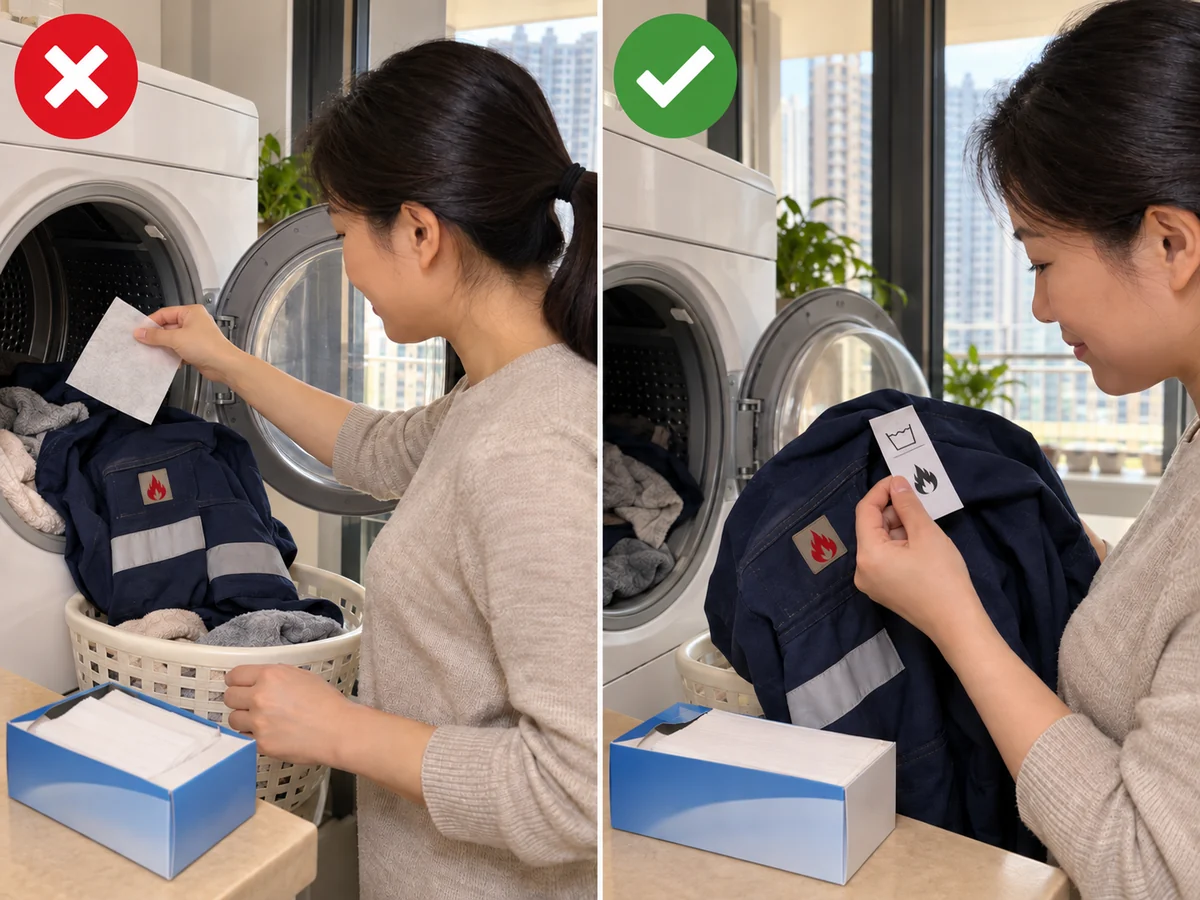
Do not add dryer sheets to flame-retardant clothing; follow the garment's care label. If an additive is unclear, leave it out and ask the employer or manufacturer; do not assume lost protection is restored.
View safety lesson →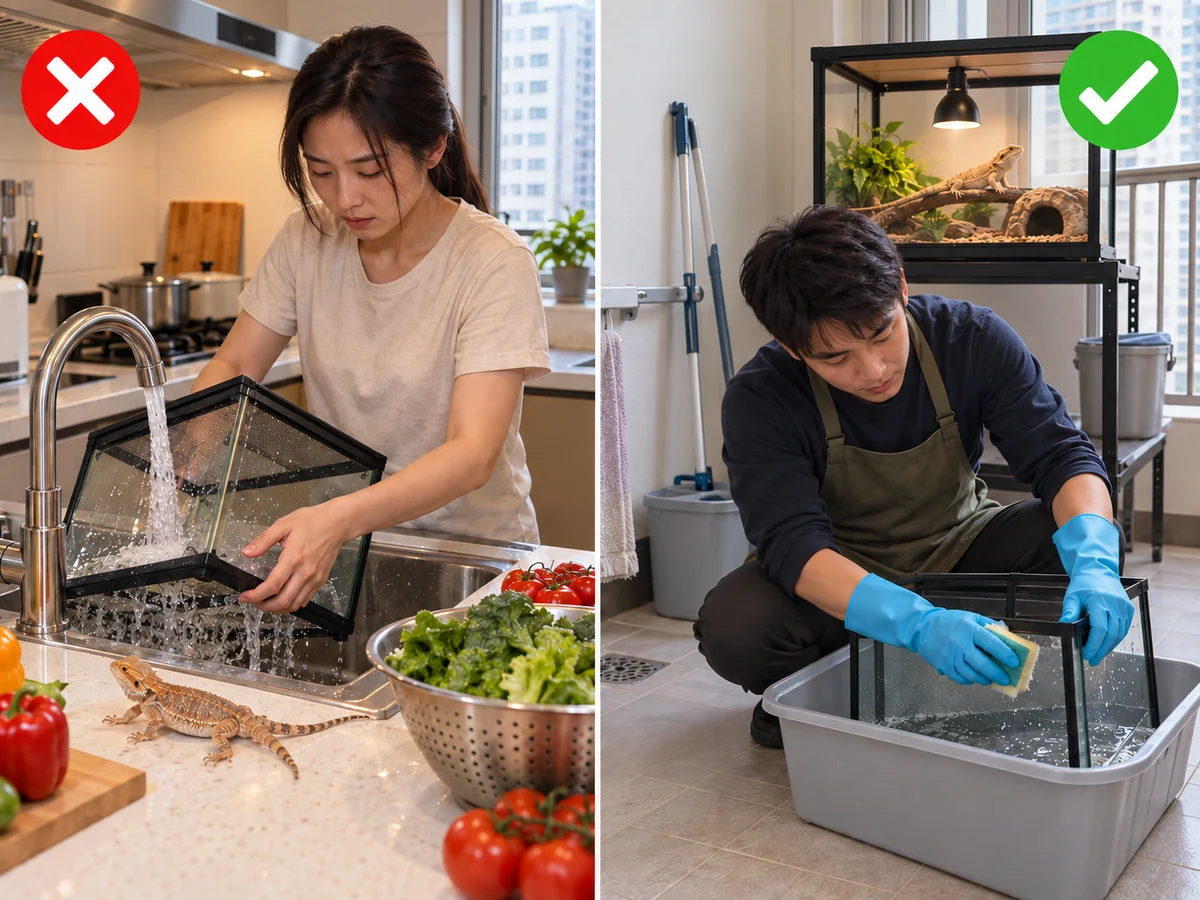
Keep reptiles and their tanks out of the kitchen and never wash tanks in the food sink. Wash hands with soap after touching the animal, equipment or tank water.
View safety lesson →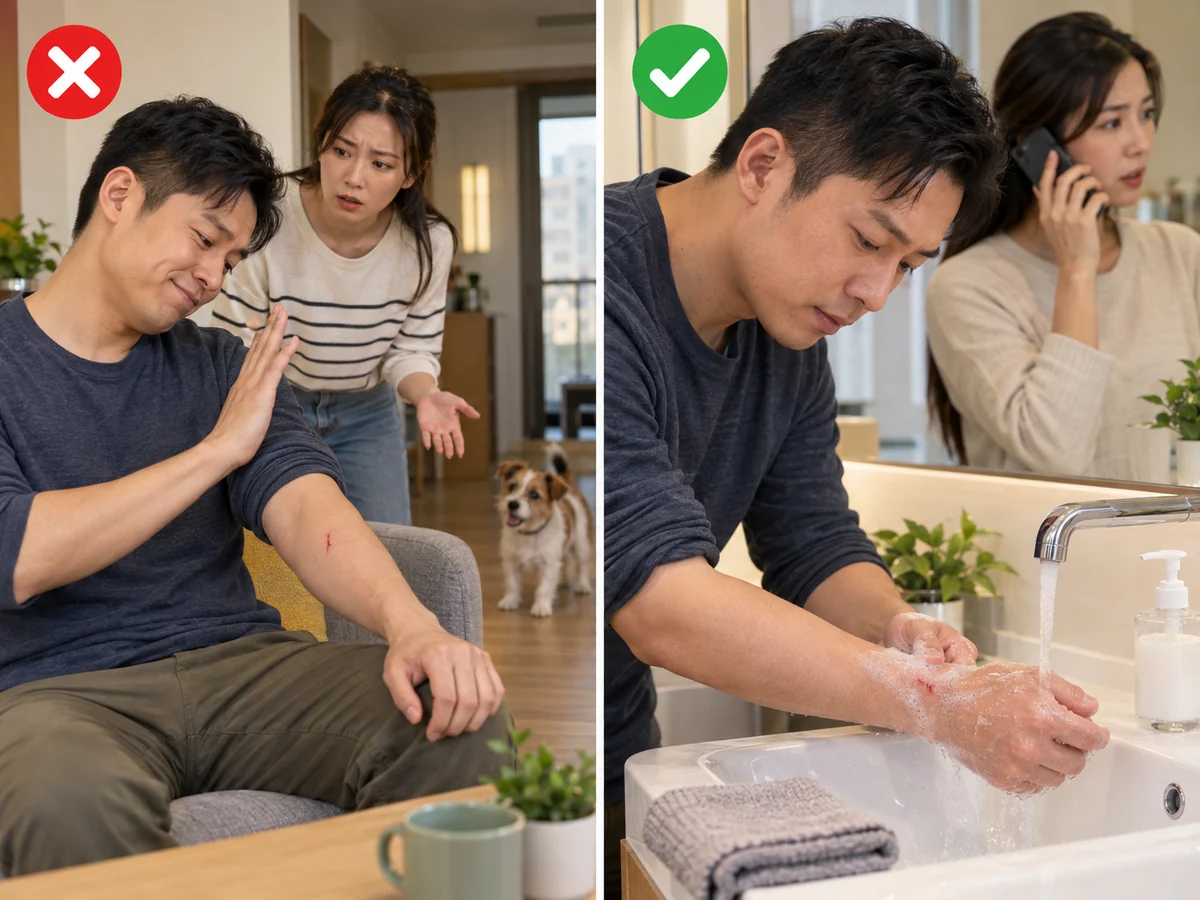
Wash the wound thoroughly with soap and water and seek prompt medical care. Give clinicians available animal details; call 999 for severe injury or uncontrolled bleeding.
View safety lesson →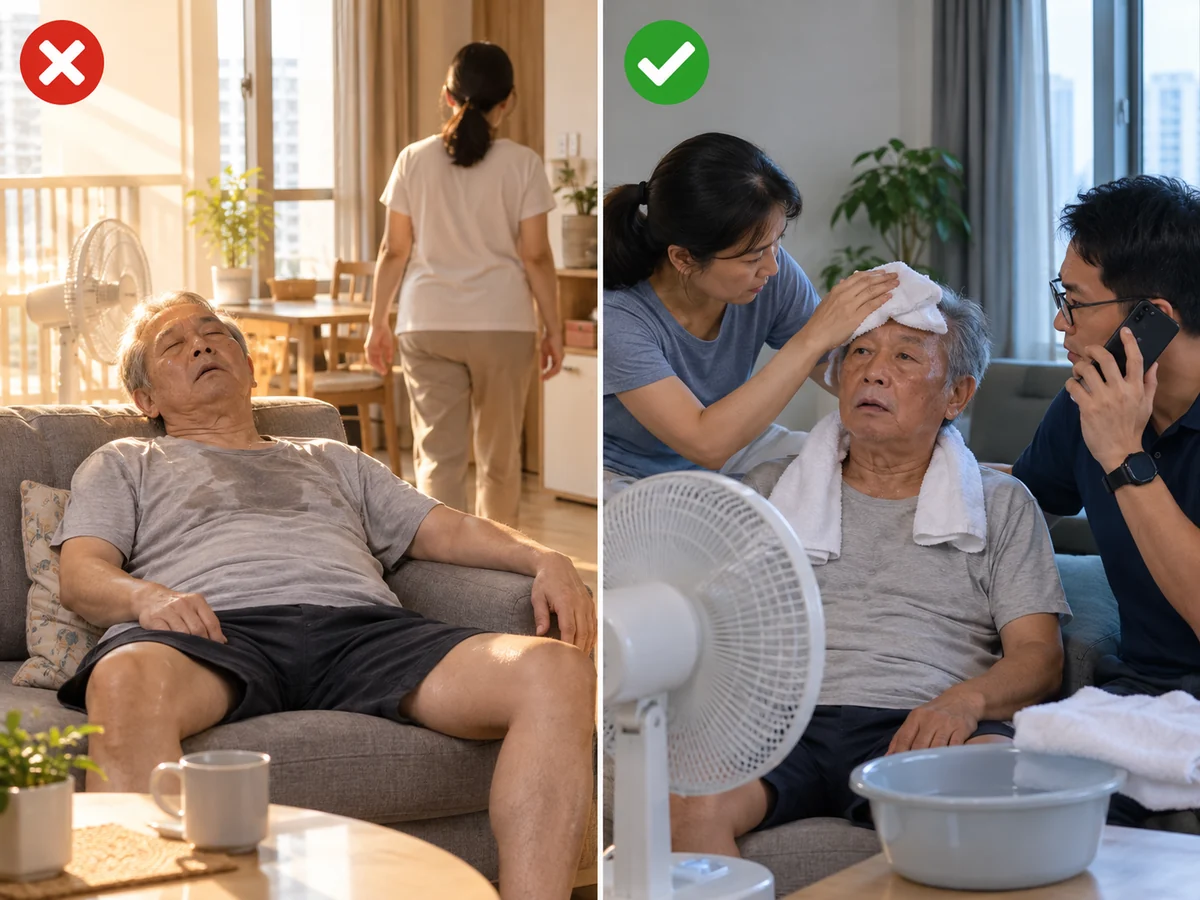
Call 999 and begin cooling in a safe cool place using wet towels and fanning. Give nothing by mouth unless fully alert and follow the ambulance operator's instructions.
View safety lesson →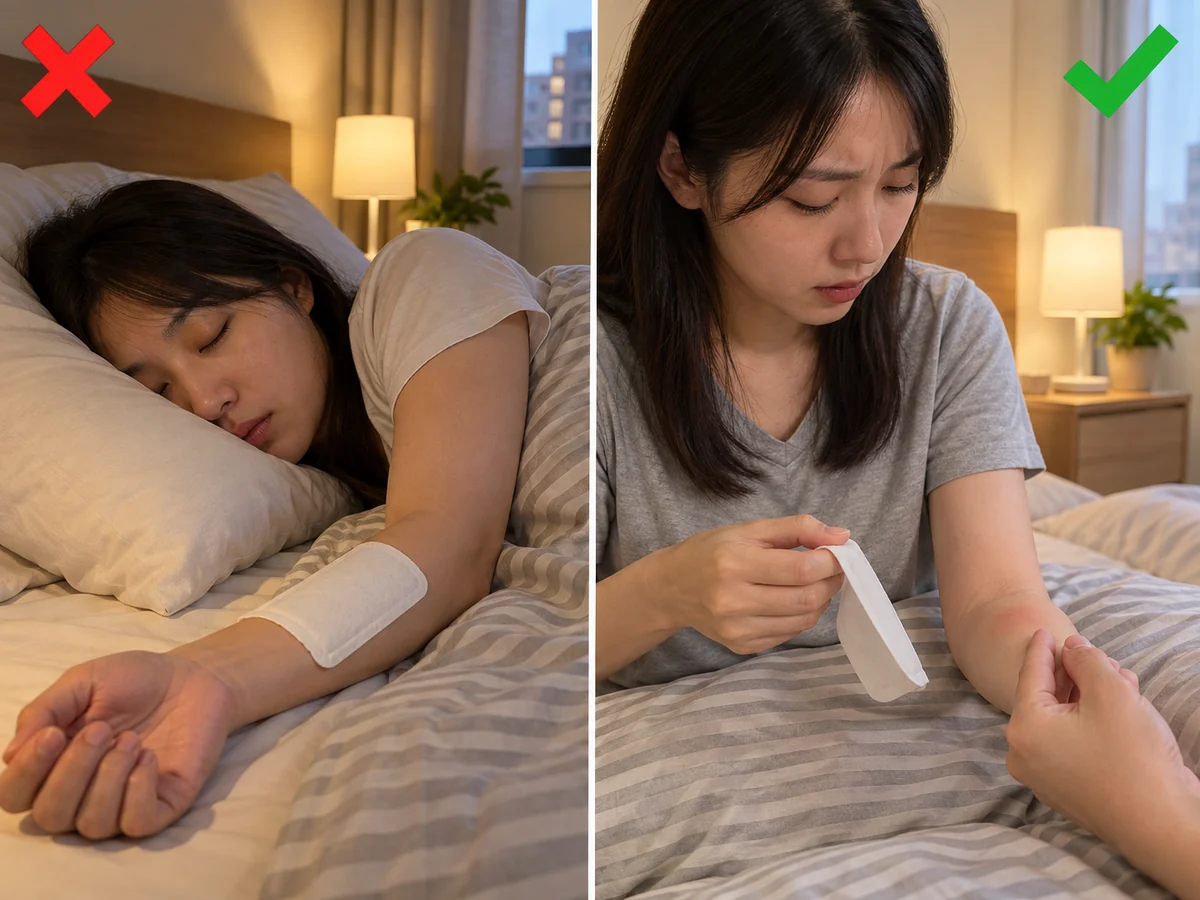
Avoid prolonged direct contact and do not sleep with a warm pad against the skin. Stop for redness or pain; seek professional advice for anyone with reduced sensation.
View safety lesson →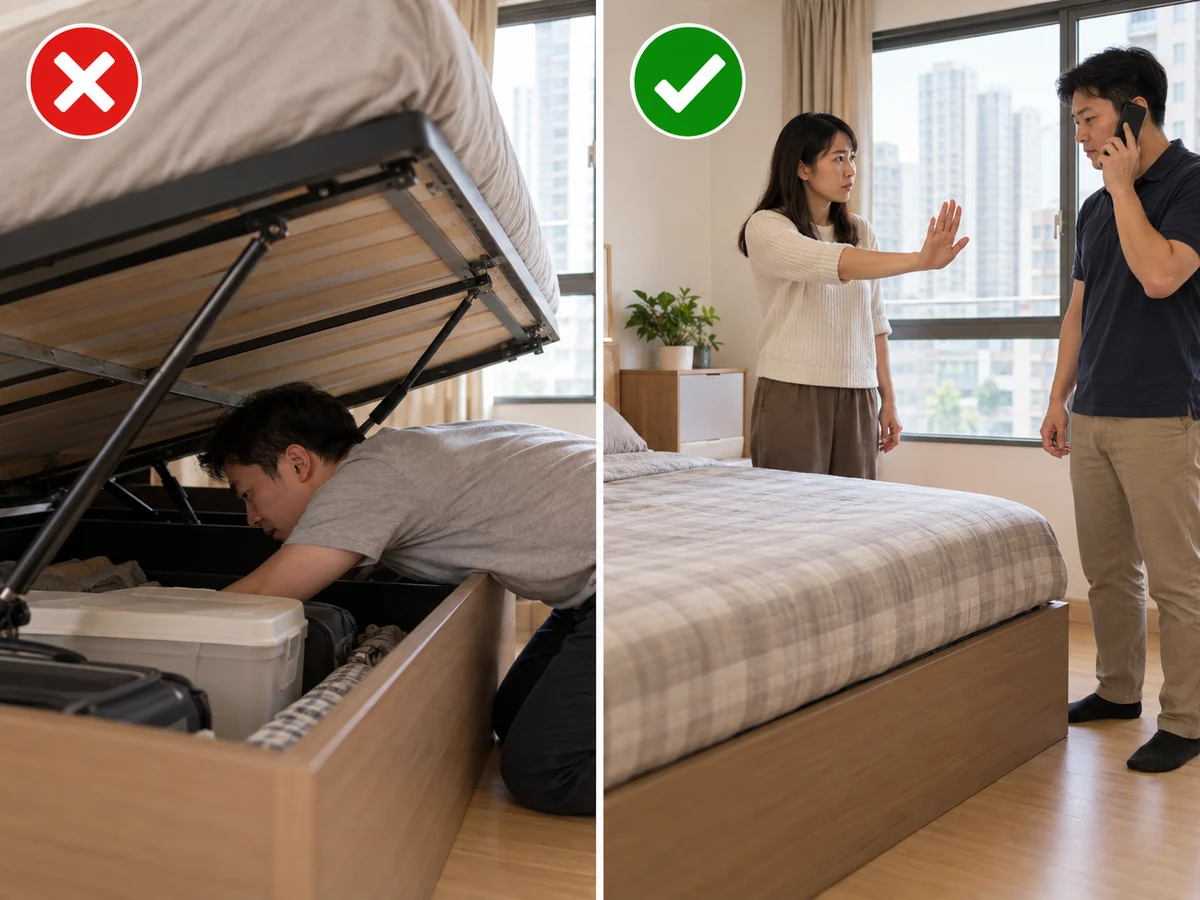
Do not operate a hydraulic storage bed alone or enter underneath without the specified secure support. Stop if the platform cannot be held safely and arrange repair.
View safety lesson →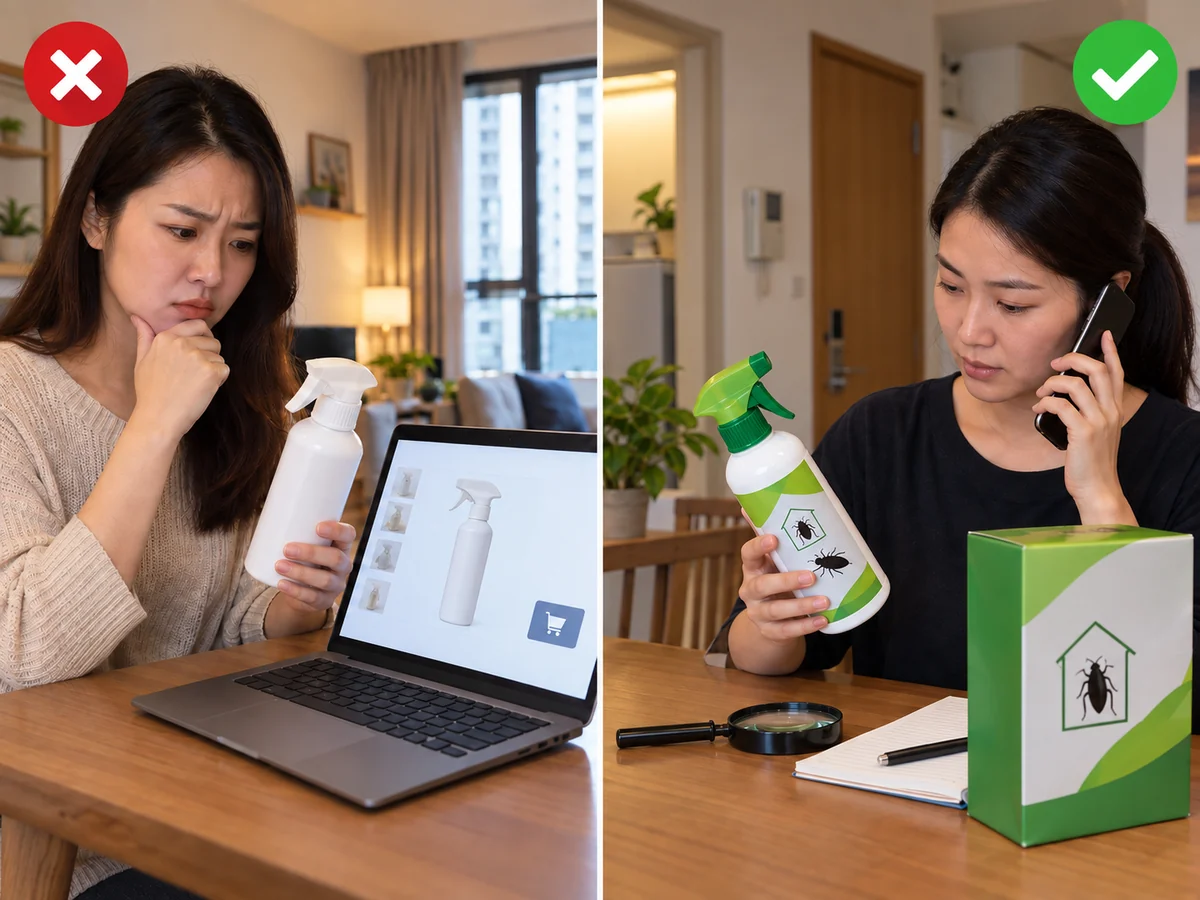
Before buying, check the Hong Kong pesticide registration number, intact packaging and household-use label; reject unclear products. Ask the employer or supplier to clarify missing information; do not substitute agricultural or industrial products.
View safety lesson →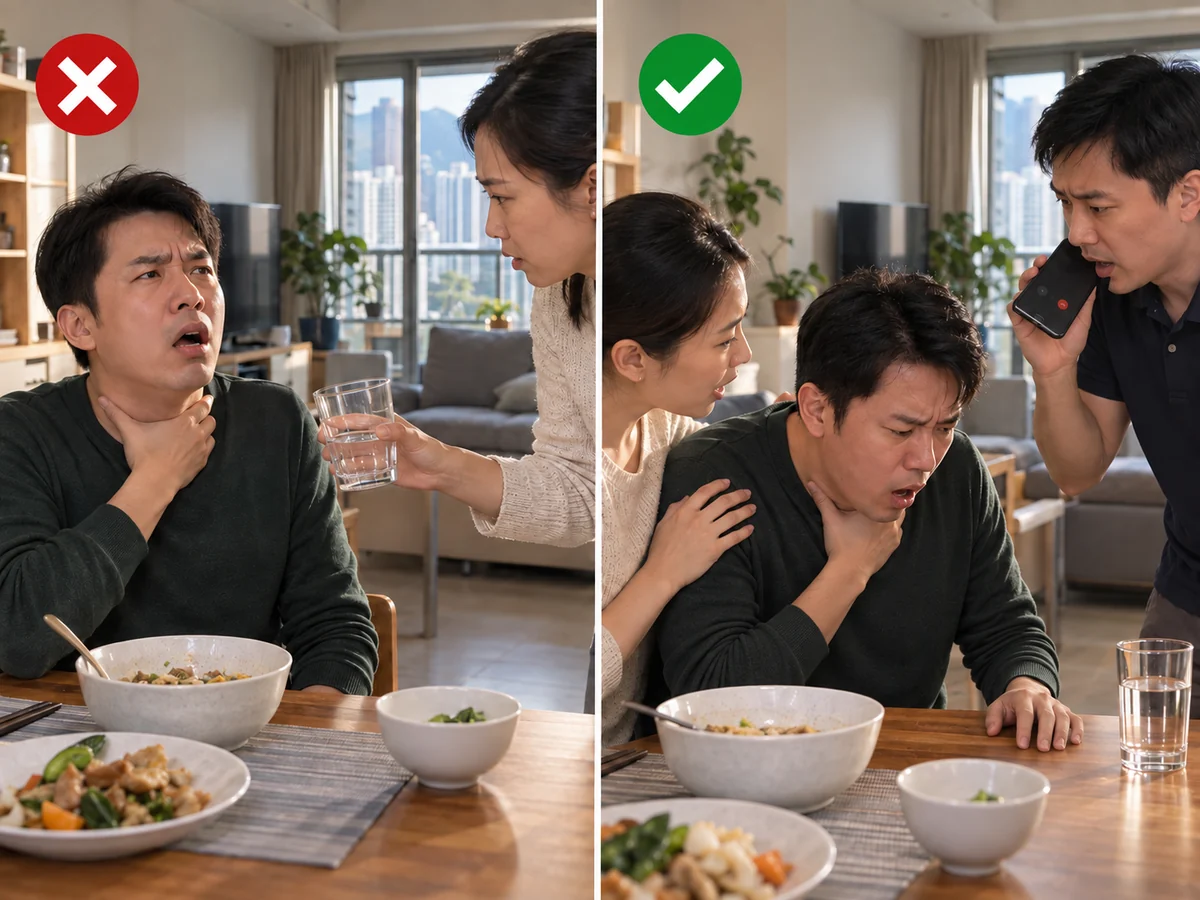
Encourage effective coughing; if they cannot speak or cough effectively, call 999 and follow age-appropriate trained or dispatcher-guided first aid. Do not give drinks or use adult abdominal thrusts on a baby; follow the operator if responsiveness changes.
View safety lesson →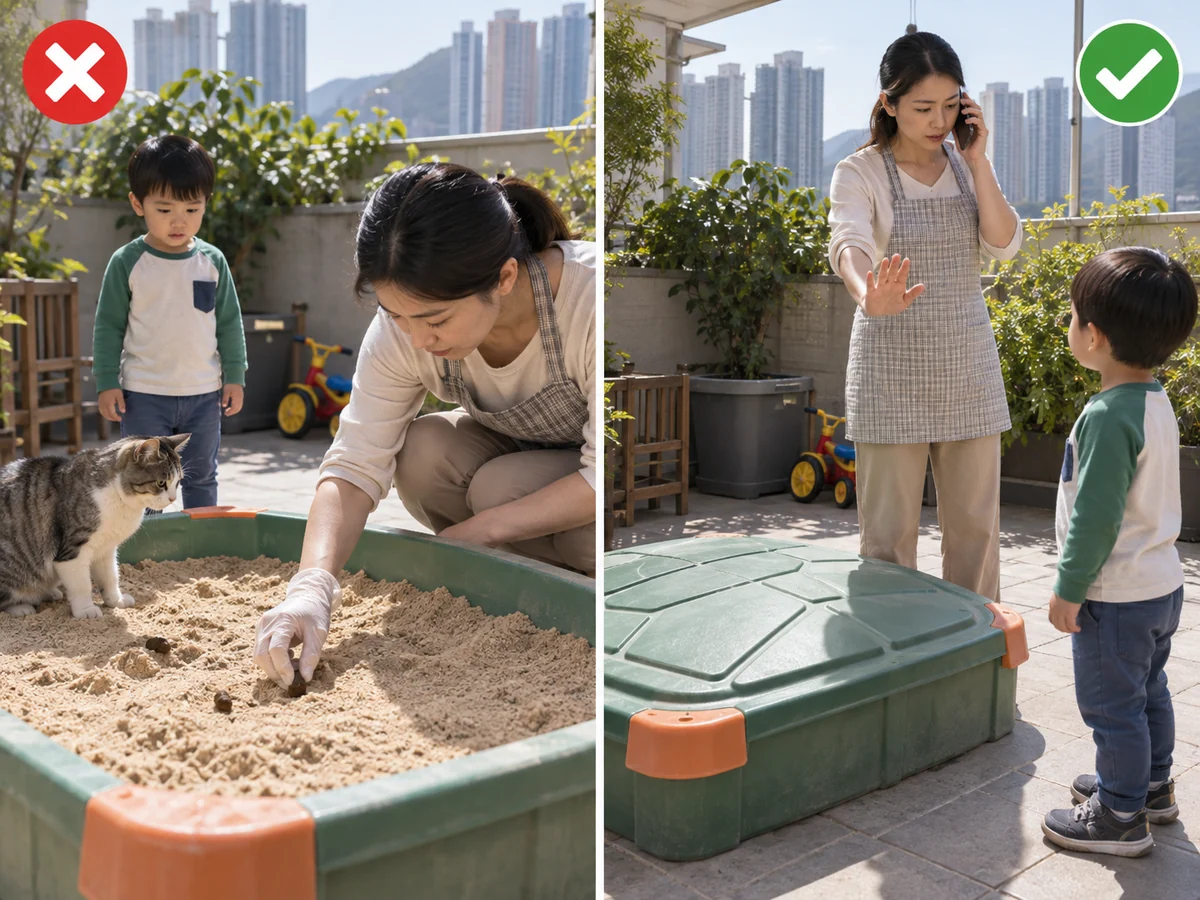
Cover a child's sandbox when unused to keep cats out; stop play and tell the employer if faecal contamination is found. Picking out visible faeces does not establish cleanliness; keep it out of use and wash hands with soap after sand contact.
View safety lesson →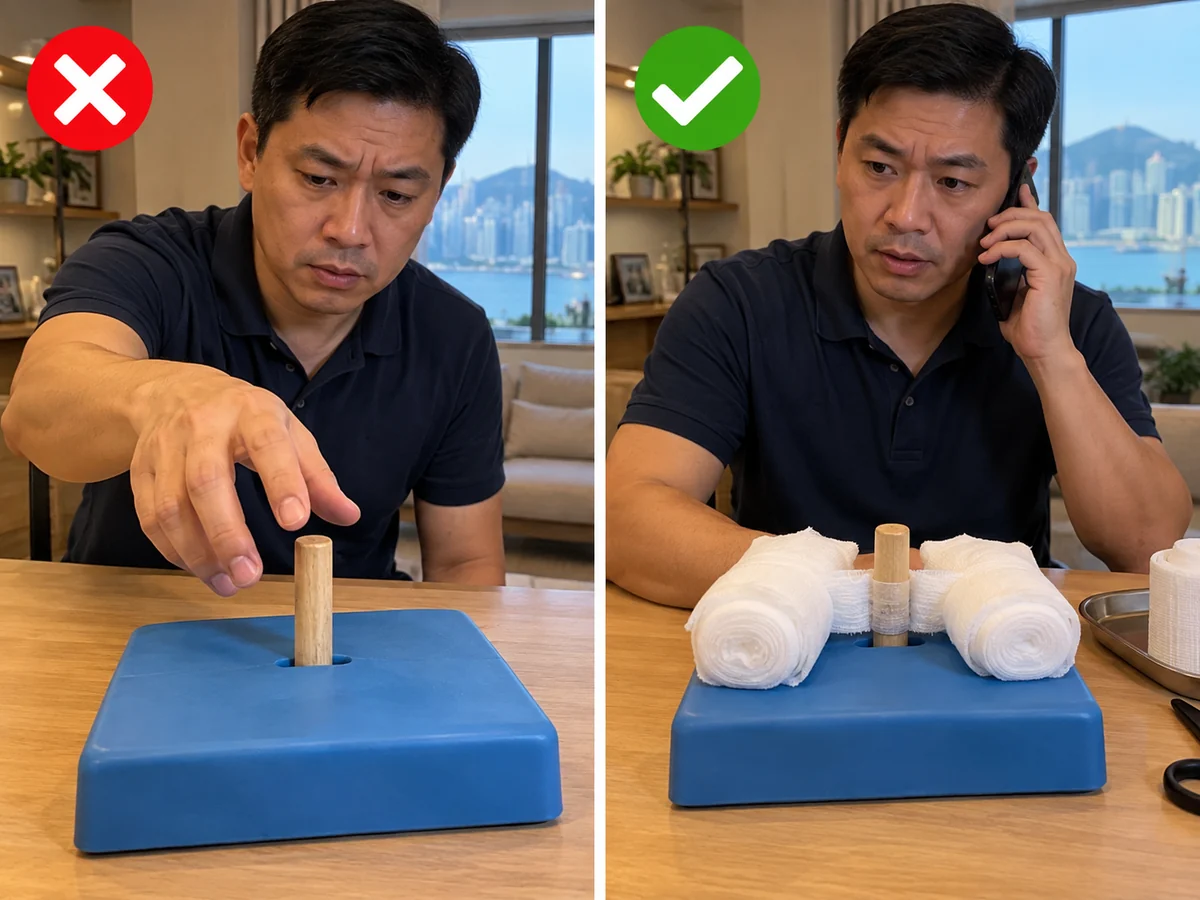
Leave the object in place; protect around it with dressings and apply pressure at the wound edges as instructed. Seek medical help and call 999 for severe bleeding; never push or pull the object.
View safety lesson →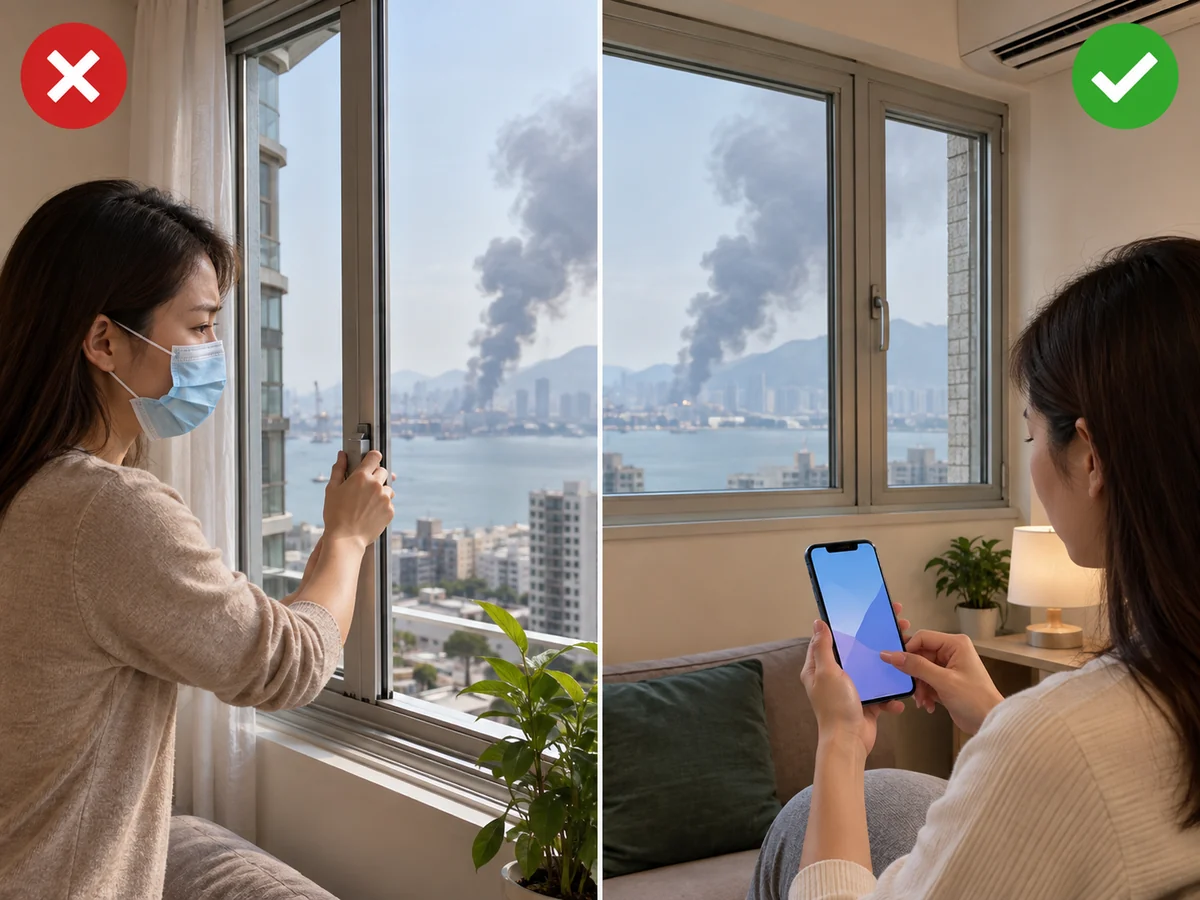
Only for outside smoke affecting an otherwise safe home, close windows and follow official advice; a fire in your building requires fire-escape instructions.
View safety lesson →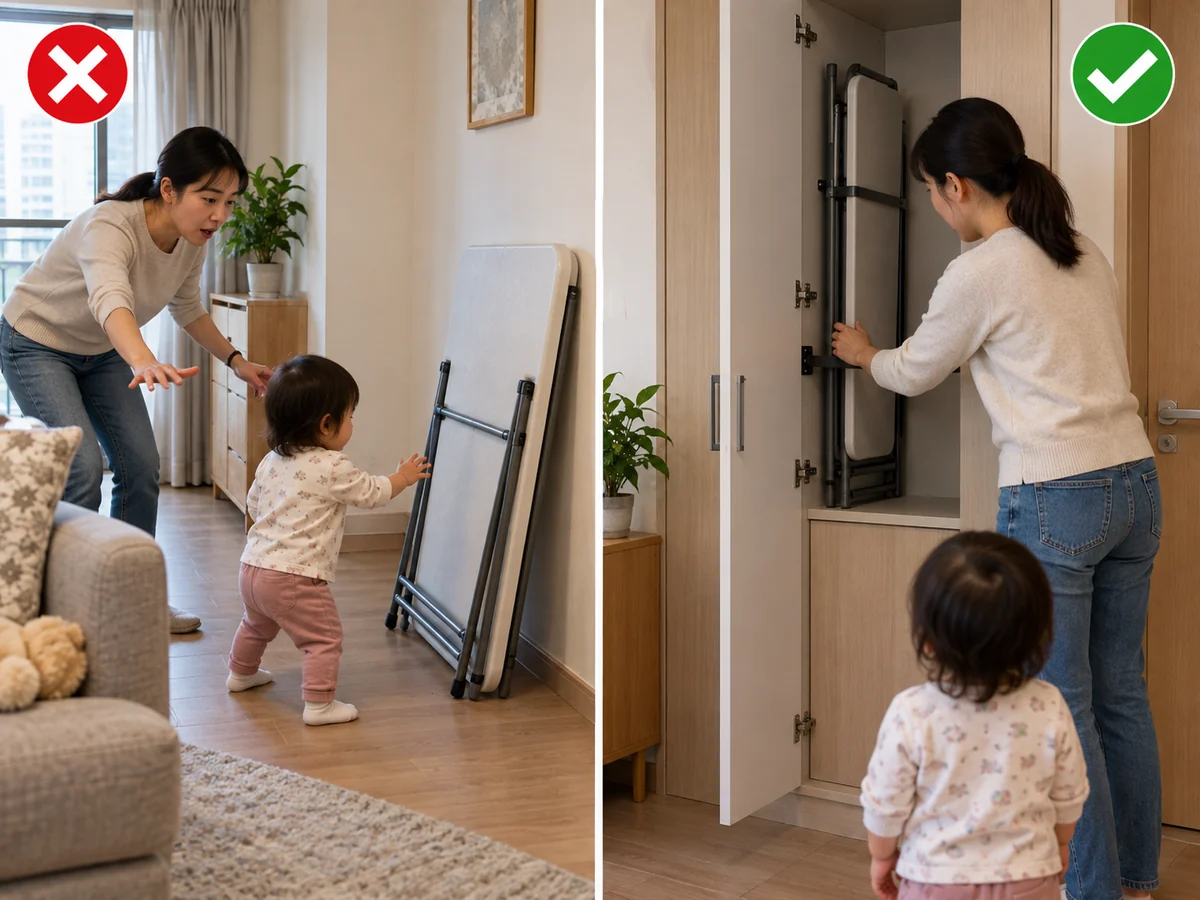
Secure the folded table as instructed so children cannot topple it; never let children crawl into or play with its leg frame. Do not leave it merely leaning against a wall; if it cannot be secured, arrange child-inaccessible storage with the employer.
View safety lesson →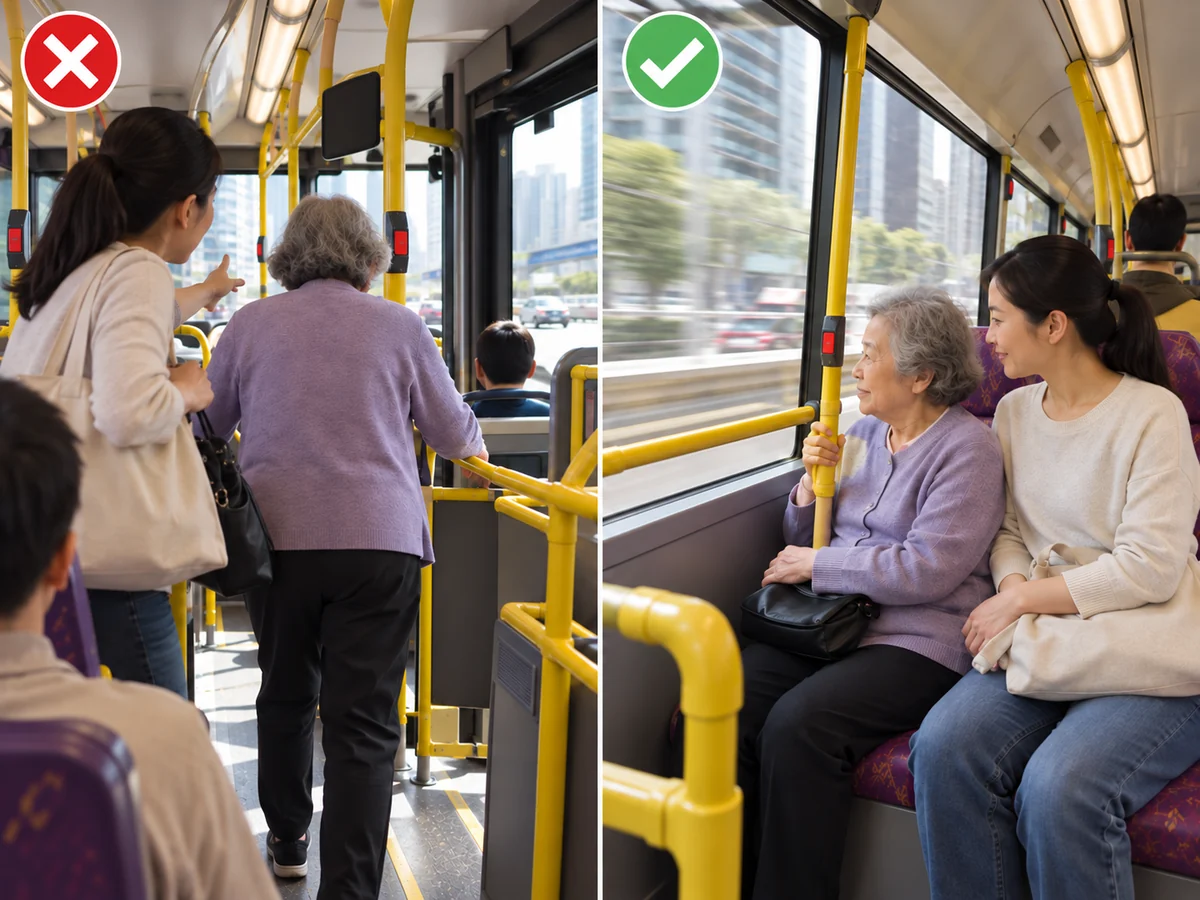
Remain seated while the bus moves and get up only after it stops safely. Use the handrail when moving and allow enough time to leave without rushing.
View safety lesson →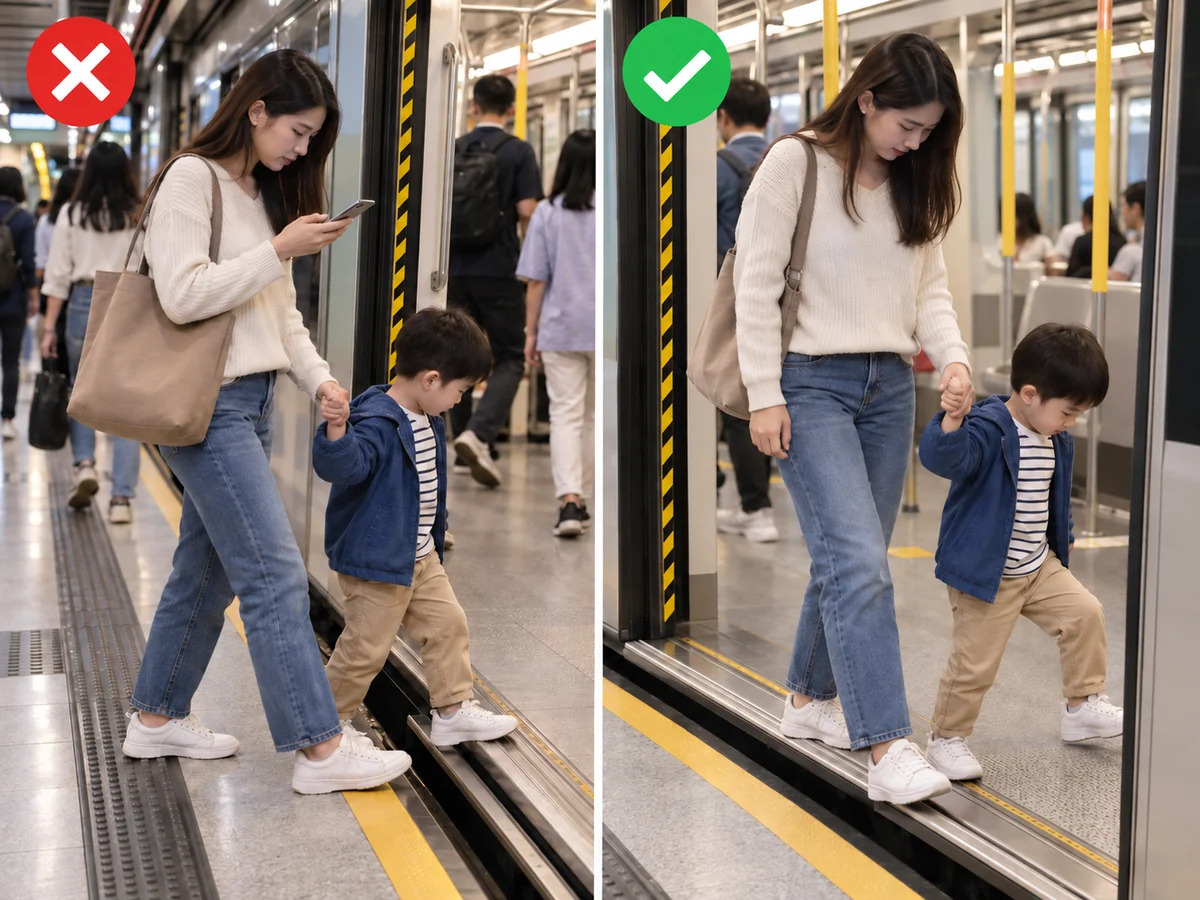
After the train stops and doors open, check the platform gap before helping the child across; ask staff if crossing is not safe. Use the help point to contact staff; do not enter the tracks for dropped items or rush through closing doors.
View safety lesson →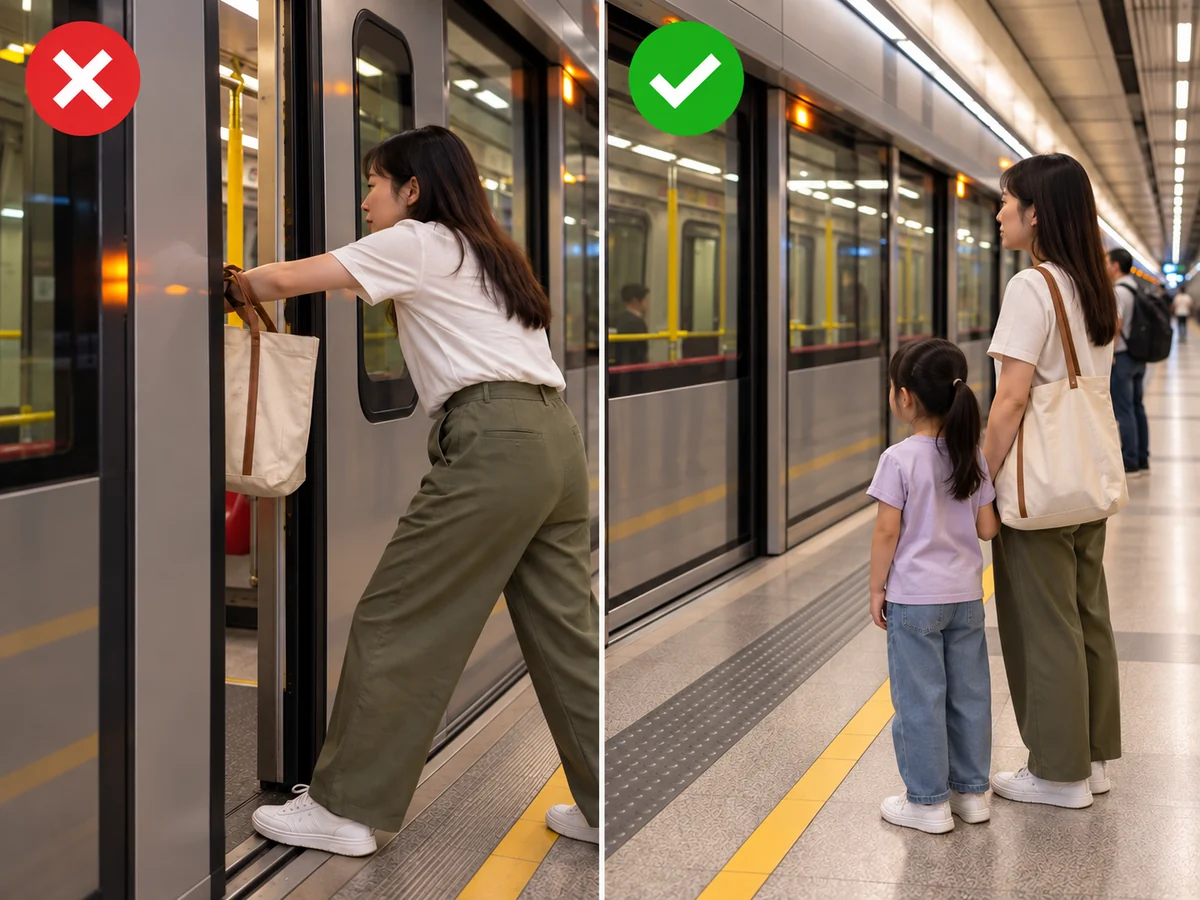
Stop boarding when the closing warning sounds and wait for the next train. Never wedge an object or a child into the doors; ask staff for help if the group is separated.
View safety lesson →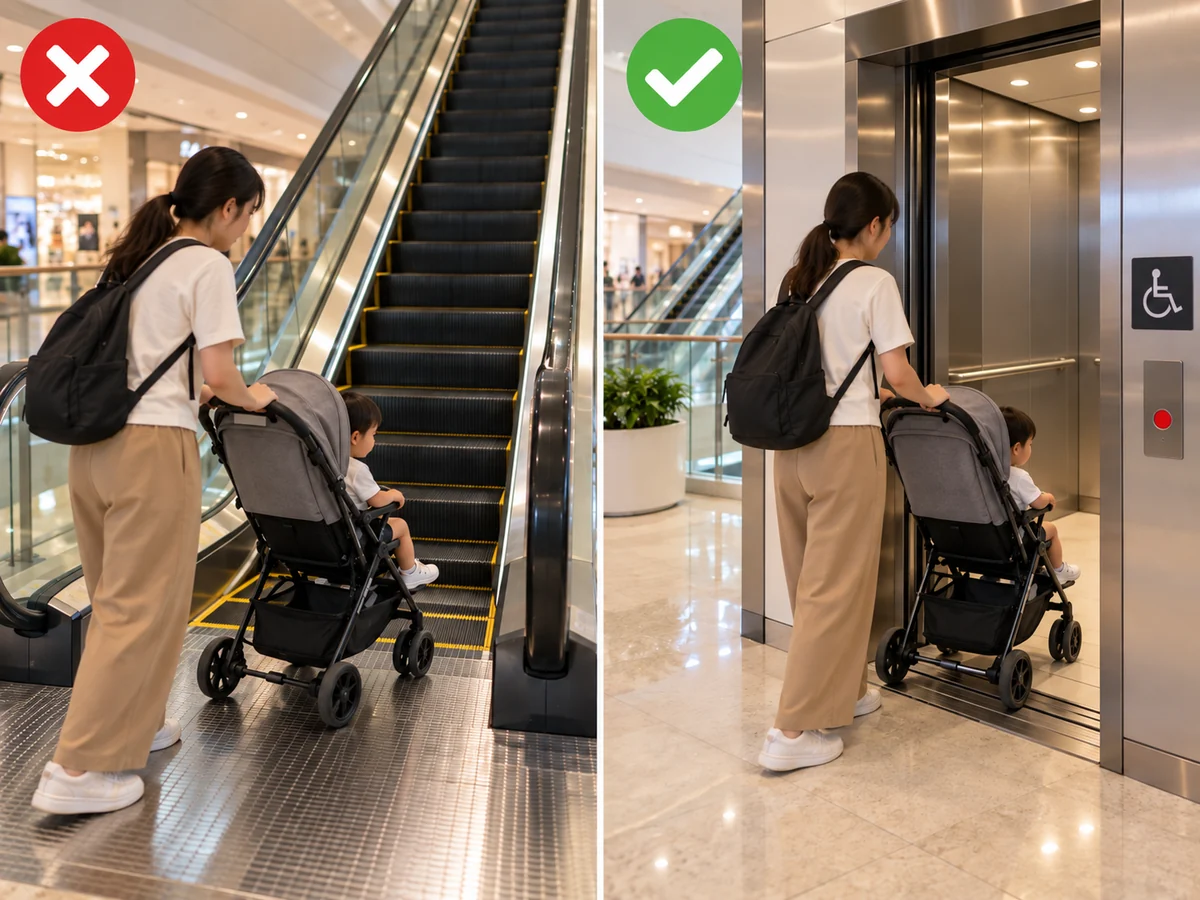
Use a lift or suitable accessible route with a pushchair or wheelchair. If the lift is unavailable, ask staff for an alternative instead of taking the equipment onto an escalator.
View safety lesson →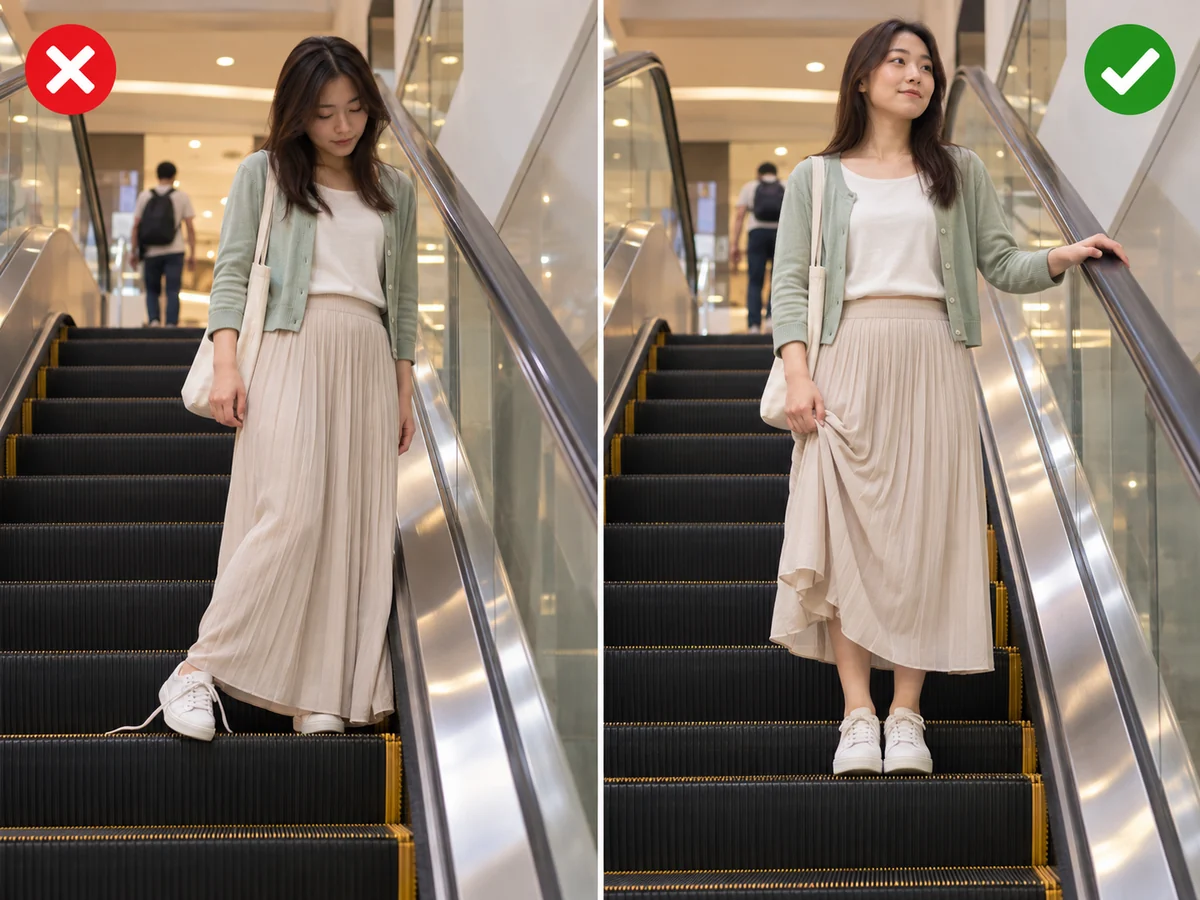
Keep feet and clothing away from side gaps and step edges while holding the handrail. Watch the exit and step clear; if anything becomes trapped, call for emergency stopping and help.
View safety lesson →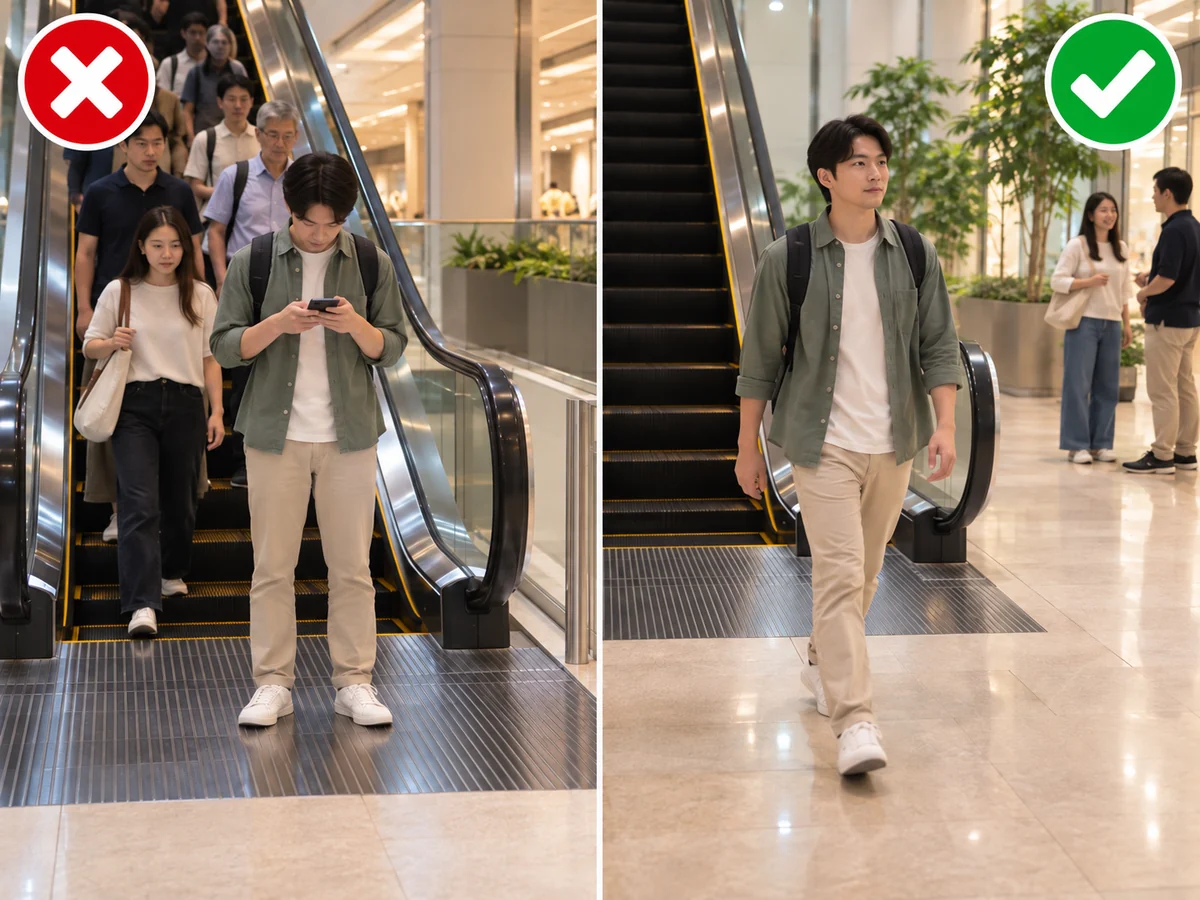
Step off and move forward promptly to clear the landing. Stop to check directions or wait only after reaching a safe space away from the flow.
View safety lesson →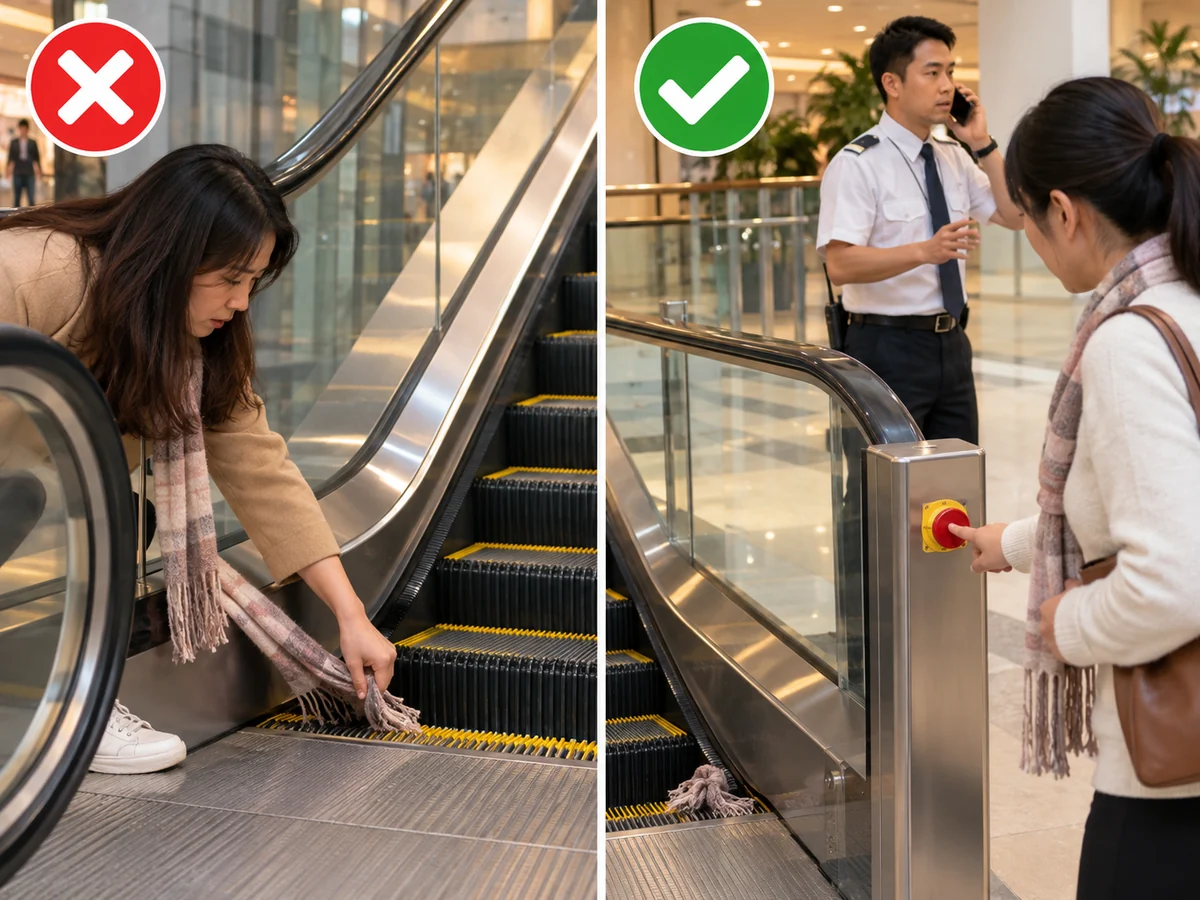
If safe, press the emergency stop during a fall or entrapment and call staff for help. Keep hands out of machinery and call 999 for serious injury; do not attempt a mechanical rescue.
View safety lesson →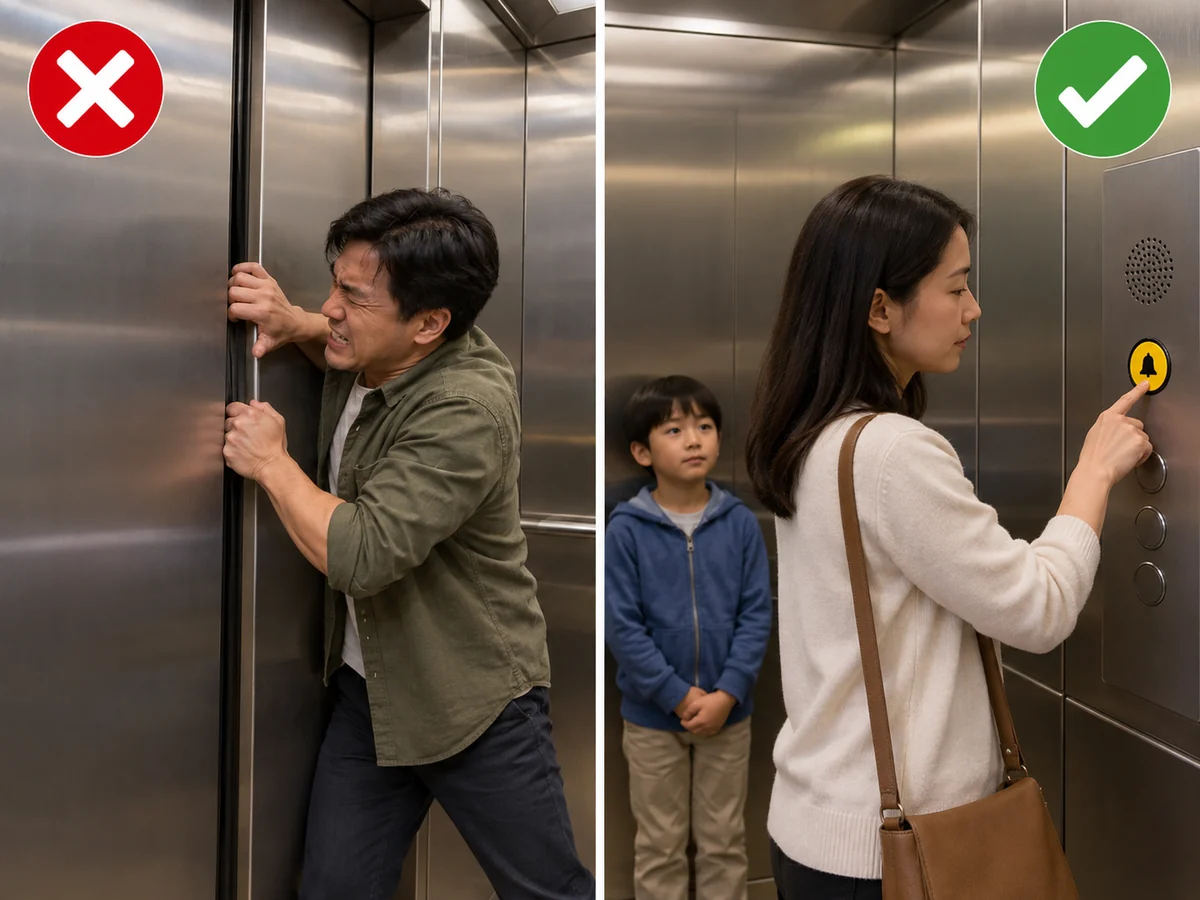
Use the alarm or intercom, give the location and number of people, and remain inside. Wait for authorised rescue; do not pry doors open or climb out yourself.
View safety lesson →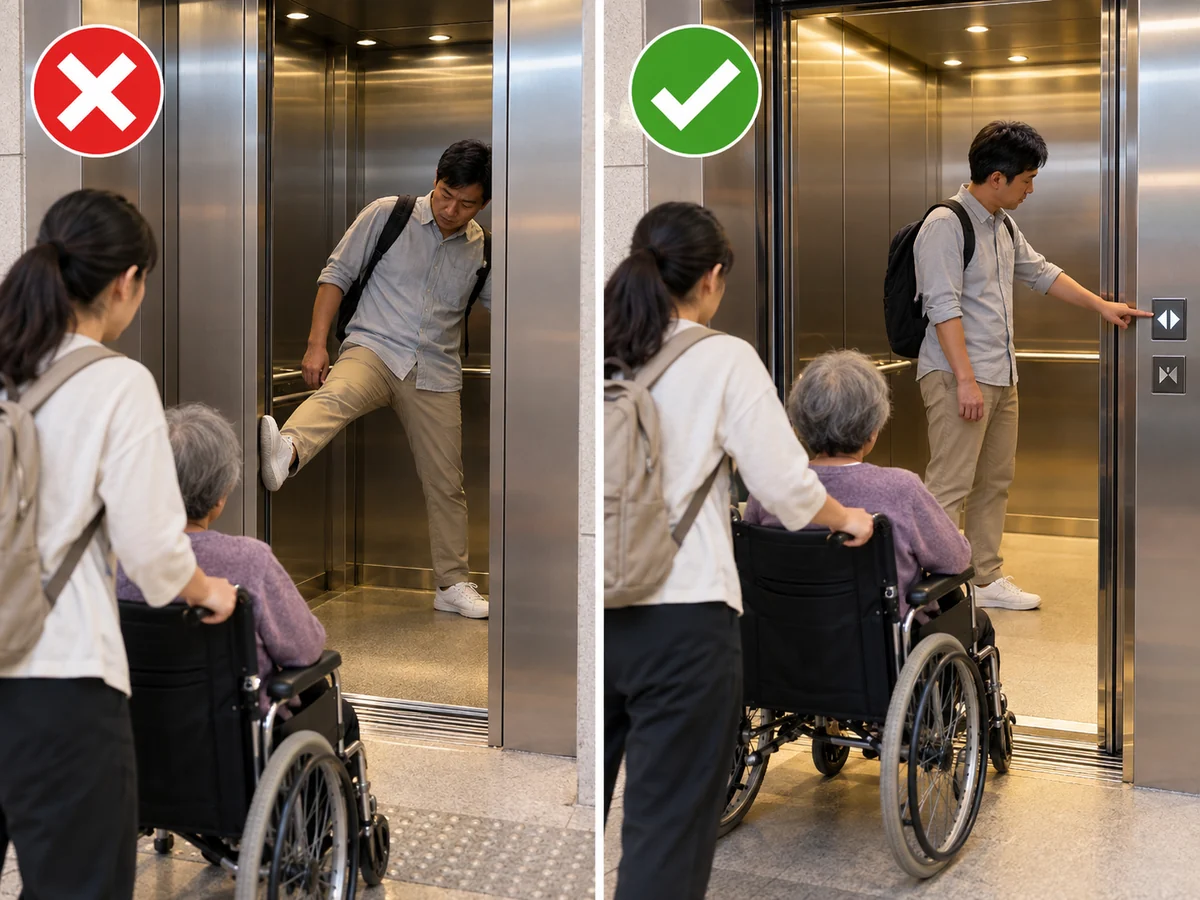
Use the door-open control instead of a hand, foot or wheeled chair to hold the doors. If there is not enough time, stay clear and wait for the next trip.
View safety lesson →