
High-priority reminderSevere weather and window safety
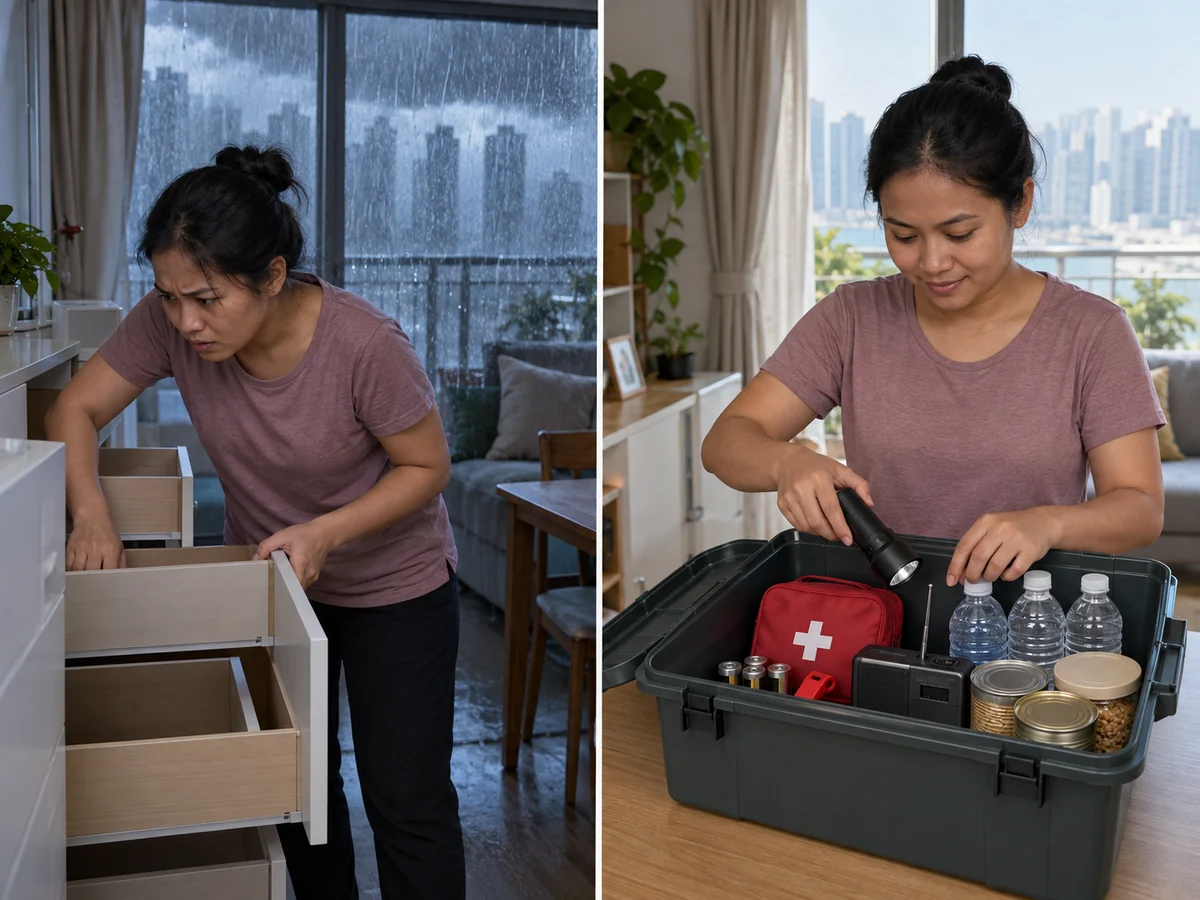
Prepare a typhoon emergency kit
Keep a torch, spare batteries, radio, whistle, first-aid items, drinking water, and shelf-stable food together.
View safety lesson →Learn by situation
Prepare for typhoons, rainstorms, thunder, power cuts, heat, and cold. Learn safe recovery, window and balcony fall prevention, and high-rise fire routes, smoke checks, smoke-stop doors, and alarms. Never use lifts in a fire; seek help after reaching safety.
Learn preparation, shelter during warnings, and safe recovery, then hot and cold weather and high-rise fall prevention. Finish with fire preparation, route assessment, and seeking help; use each lesson for its specific situation.
Keep a torch, spare batteries, radio, whistle, first-aid items, drinking water, and shelf-stable food together.
View safety lesson →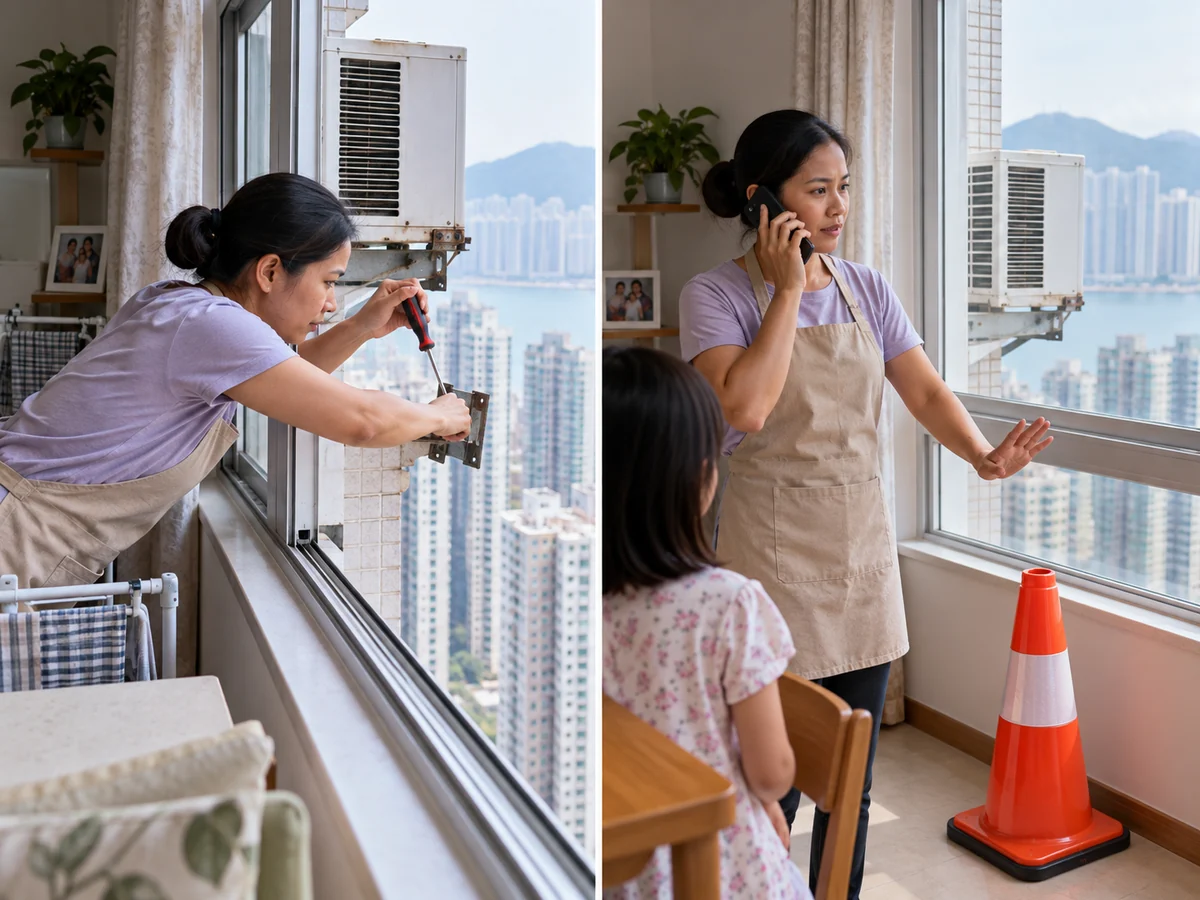
If a frame, hinge, air conditioner, or external bracket is loose, noisy, or displaced, stop use and report it.
View safety lesson →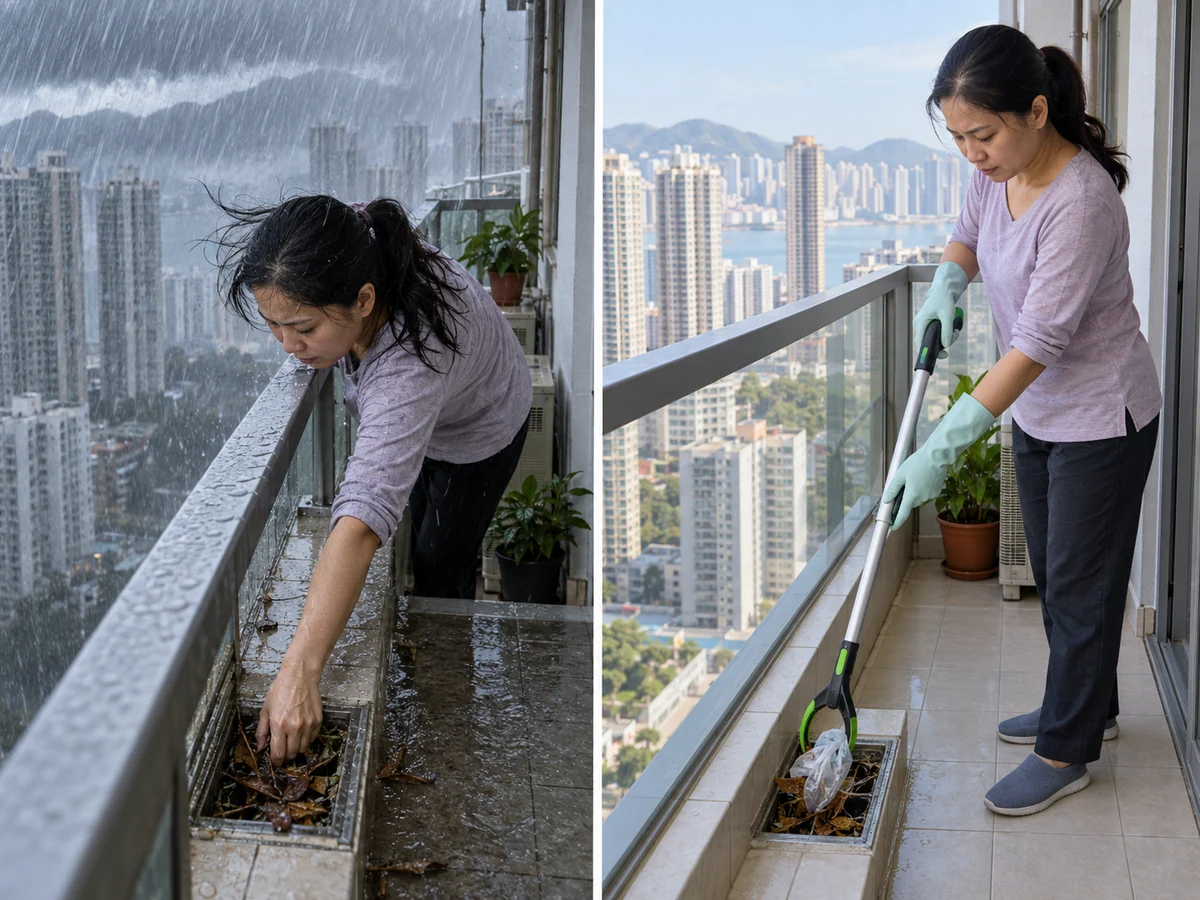
In safe weather, remove leaves, bags, and surface debris around balcony drain openings so water can flow.
View safety lesson →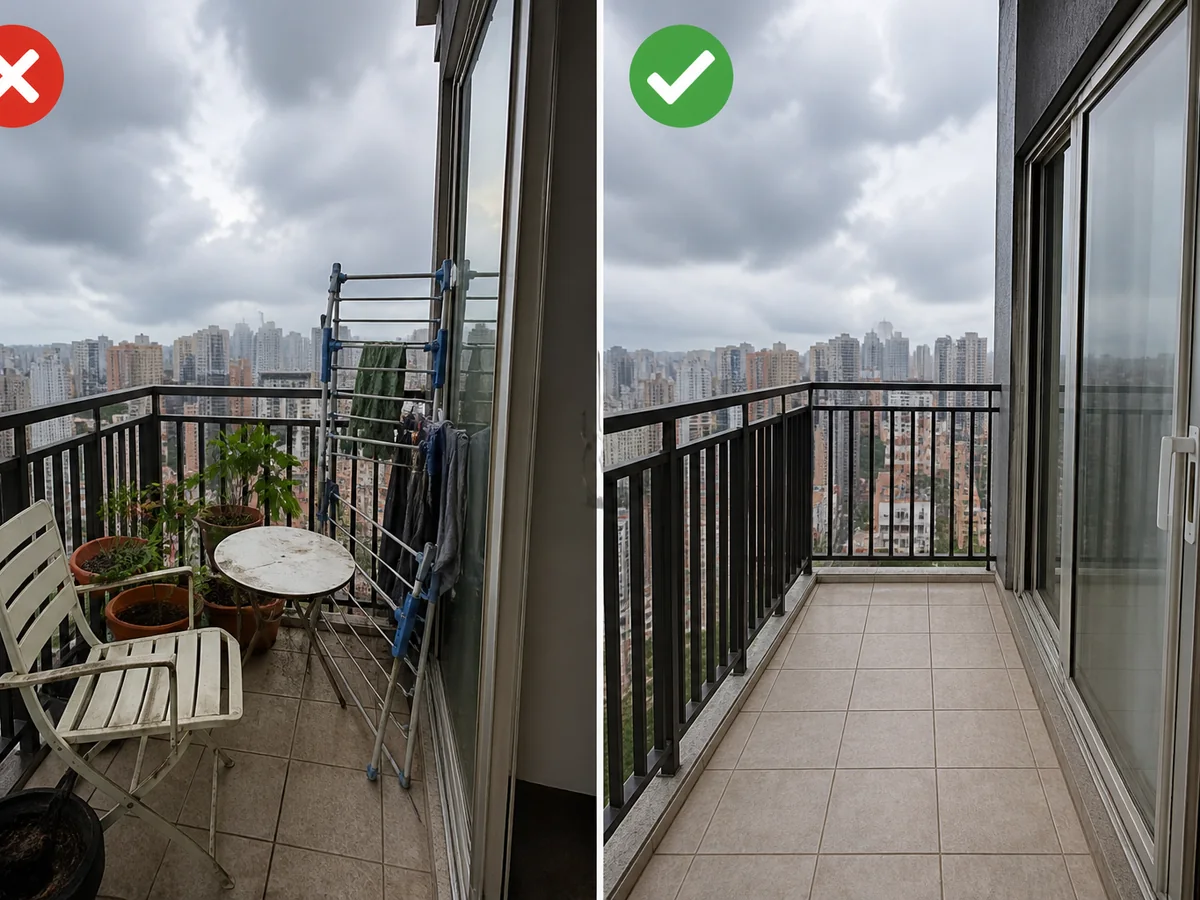
During Signal No. 3, bring pots, drying racks, and loose balcony or window-side items indoors or fasten them securely.
View safety lesson →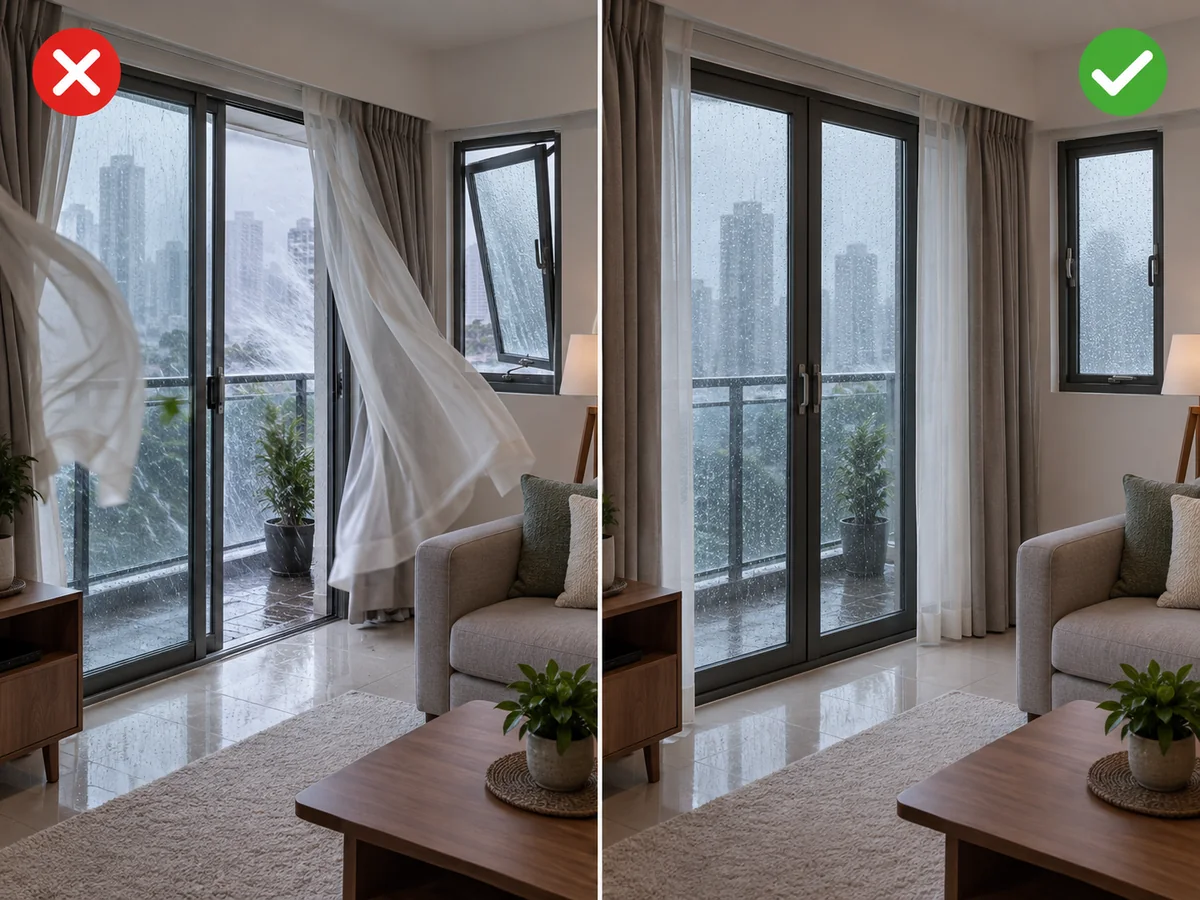
Before winds strengthen, check locks and close all external windows, balcony doors, and the main door.
View safety lesson →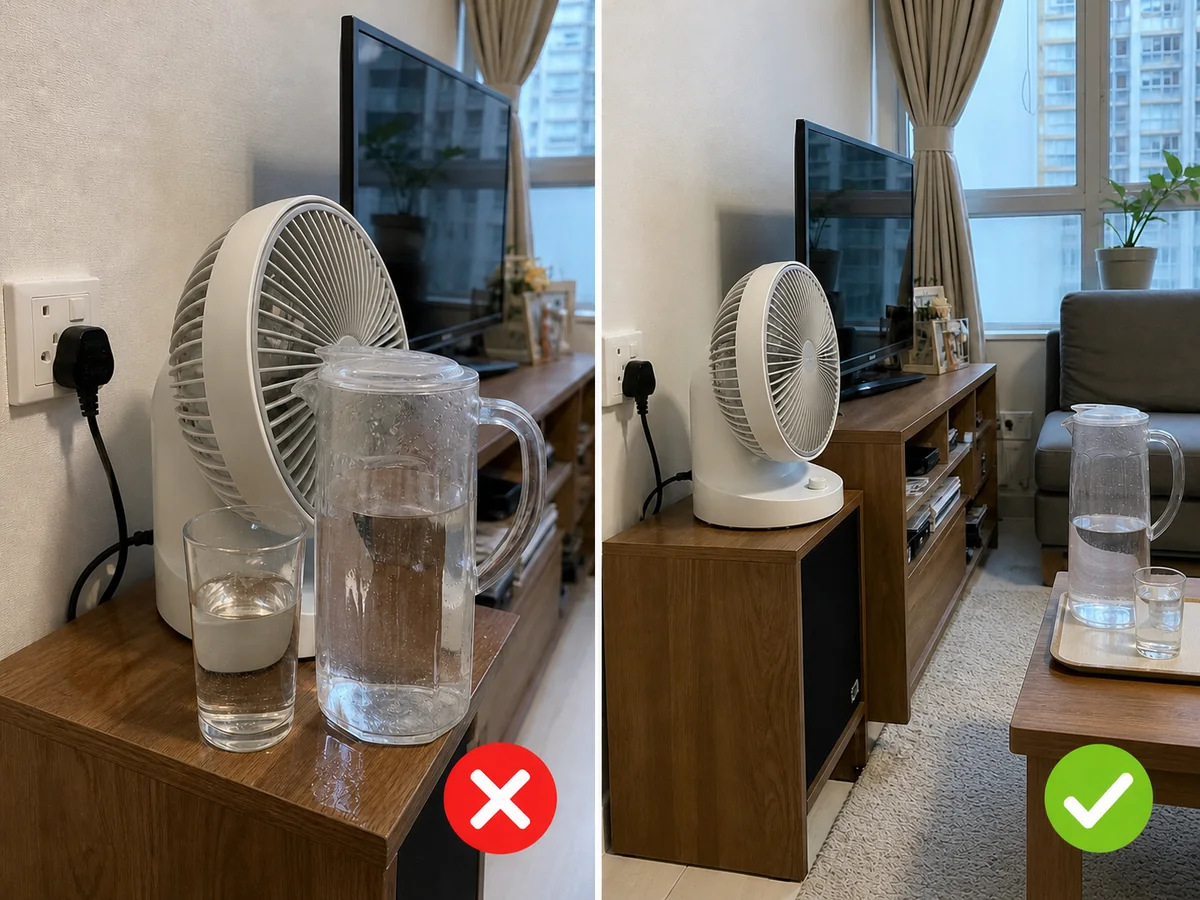
Never place cups, vases, basins, or wet items on or beside appliances, and keep appliances away from windows, balconies, and splash areas.
View safety lesson →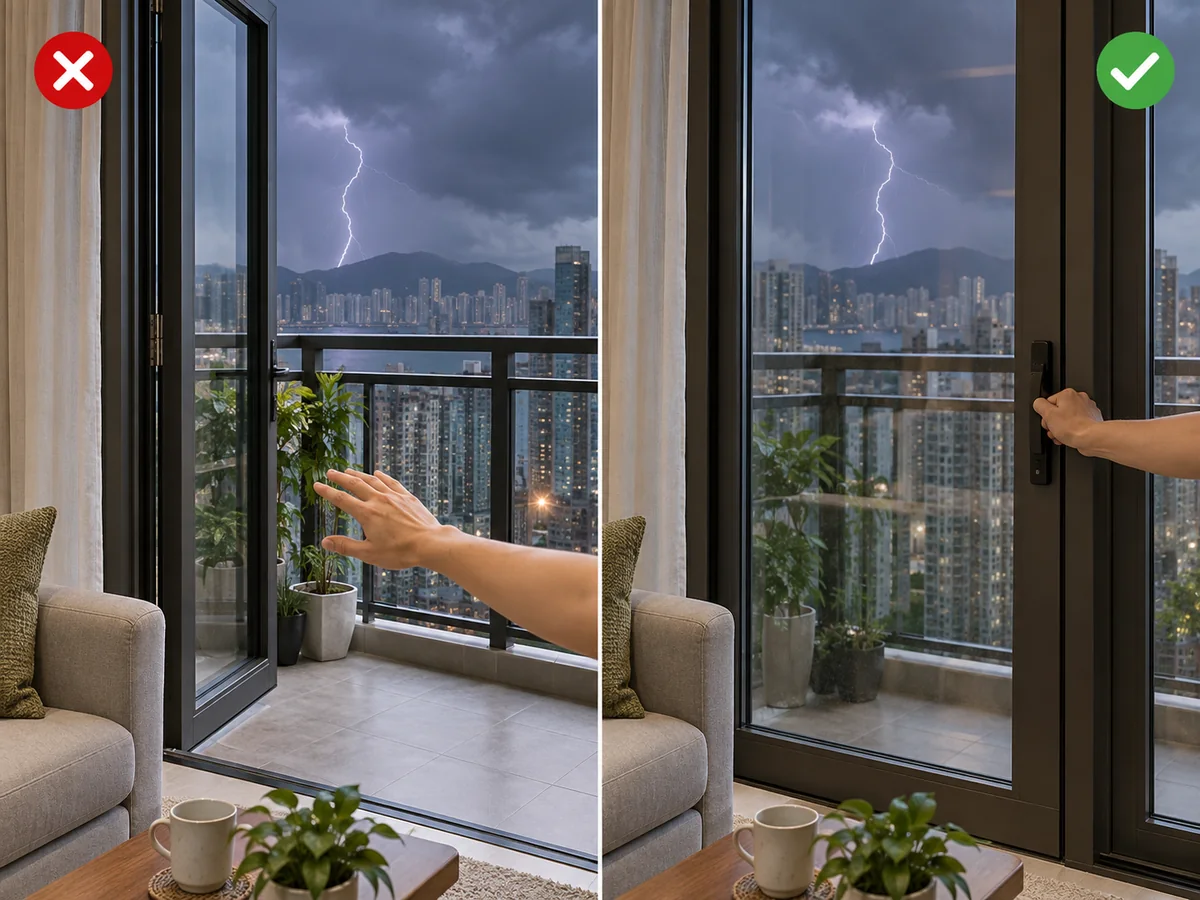
Monitor Hong Kong Observatory warnings, stop outdoor work, and enter a substantial building.
View safety lesson →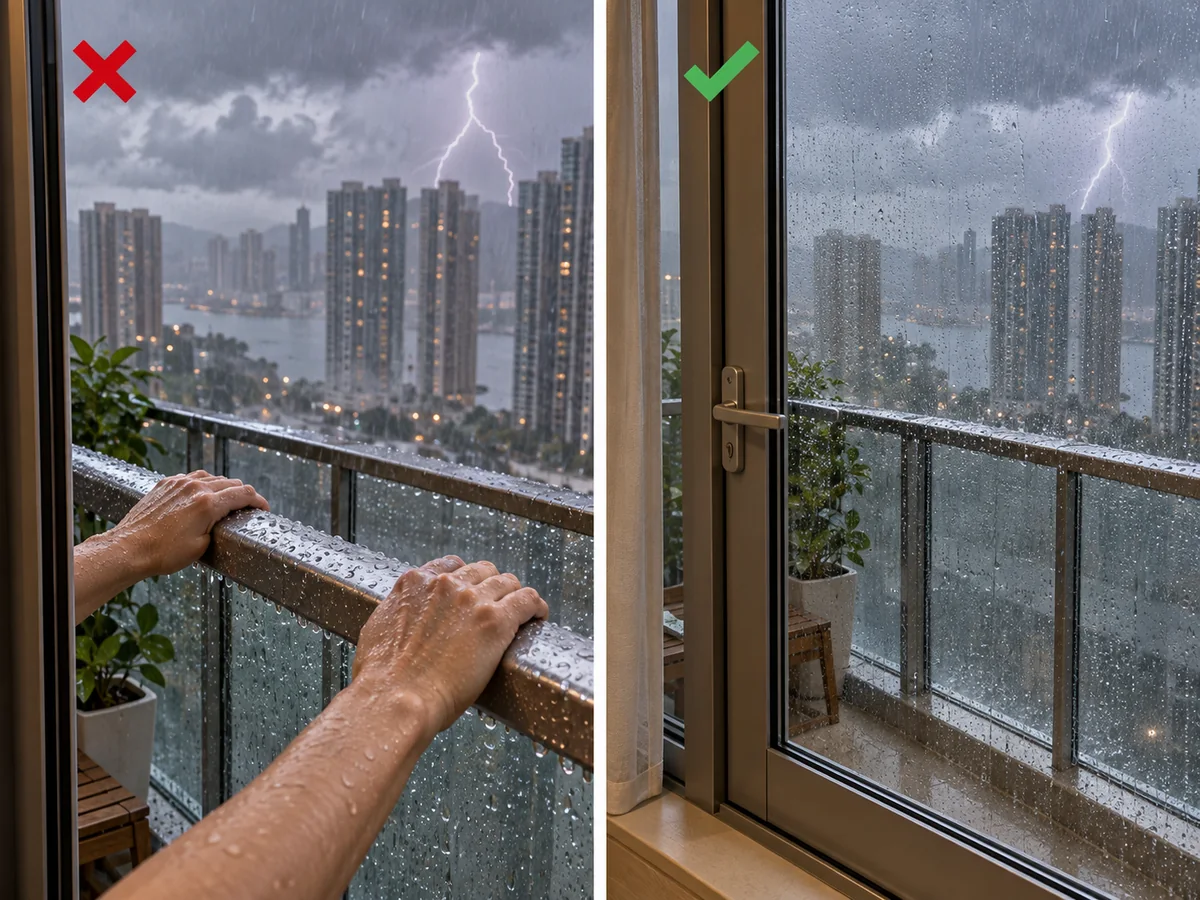
During warnings or nearby thunder, stay inside and postpone laundry, drain clearing, and rooftop work.
View safety lesson →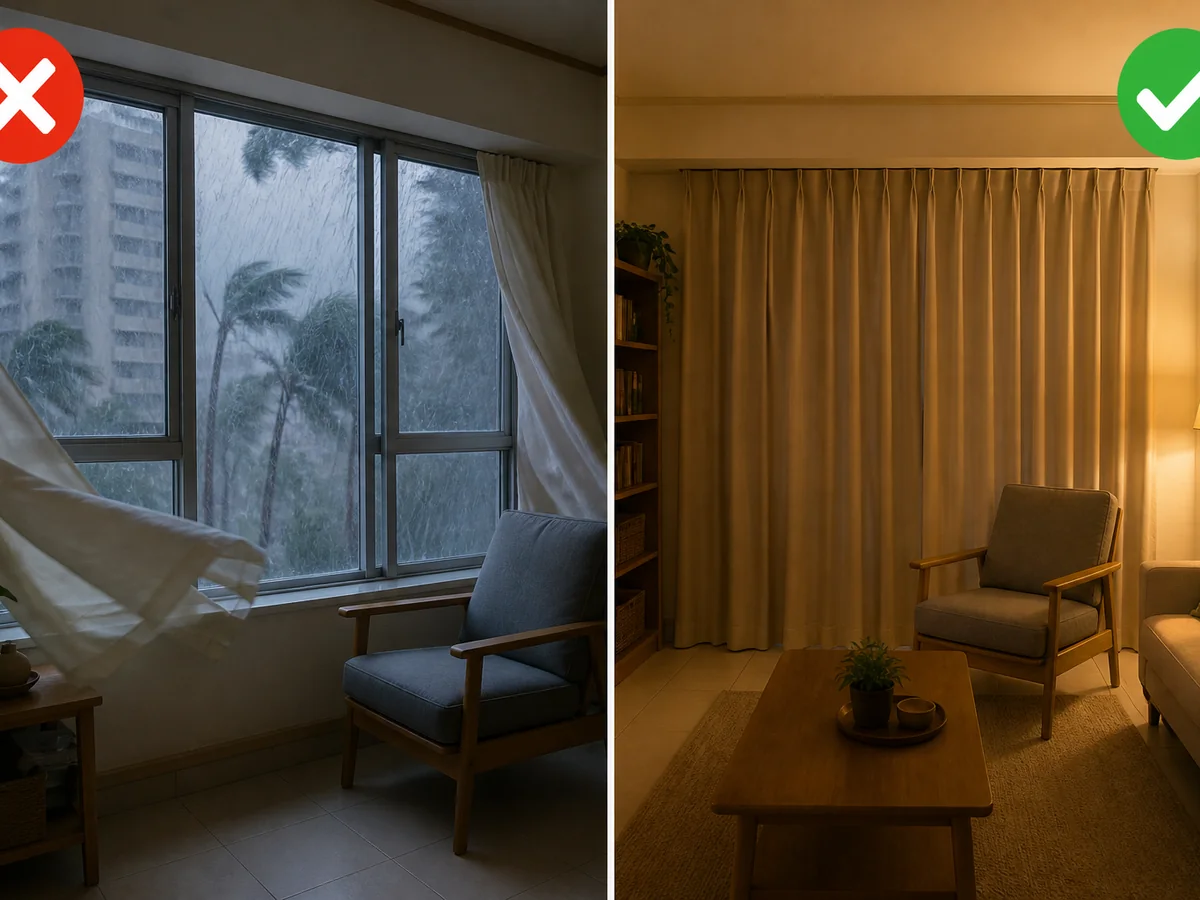
During gale or storm signals, shelter indoors away from exposed glass windows and doors.
View safety lesson →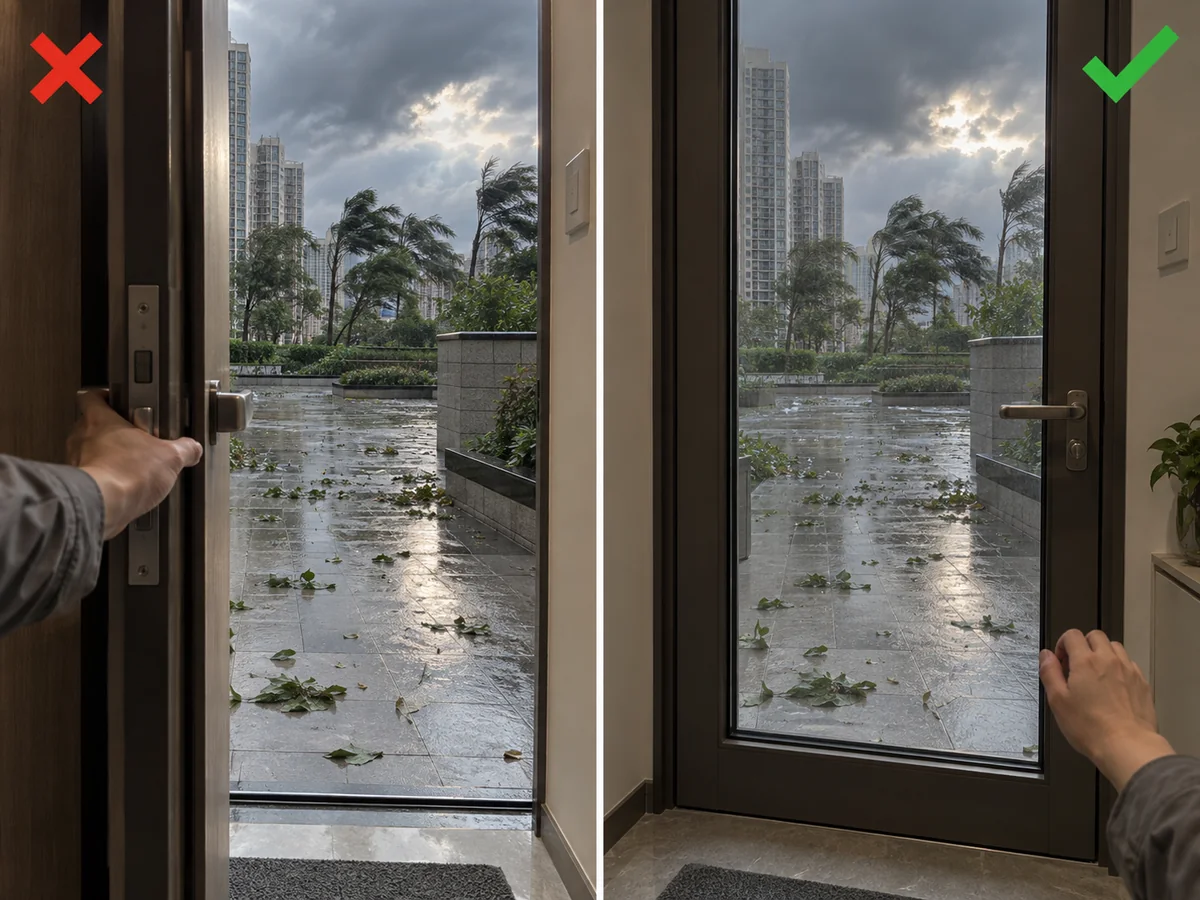
Even if wind and rain suddenly ease, stay indoors and wait for an official Observatory update.
View safety lesson →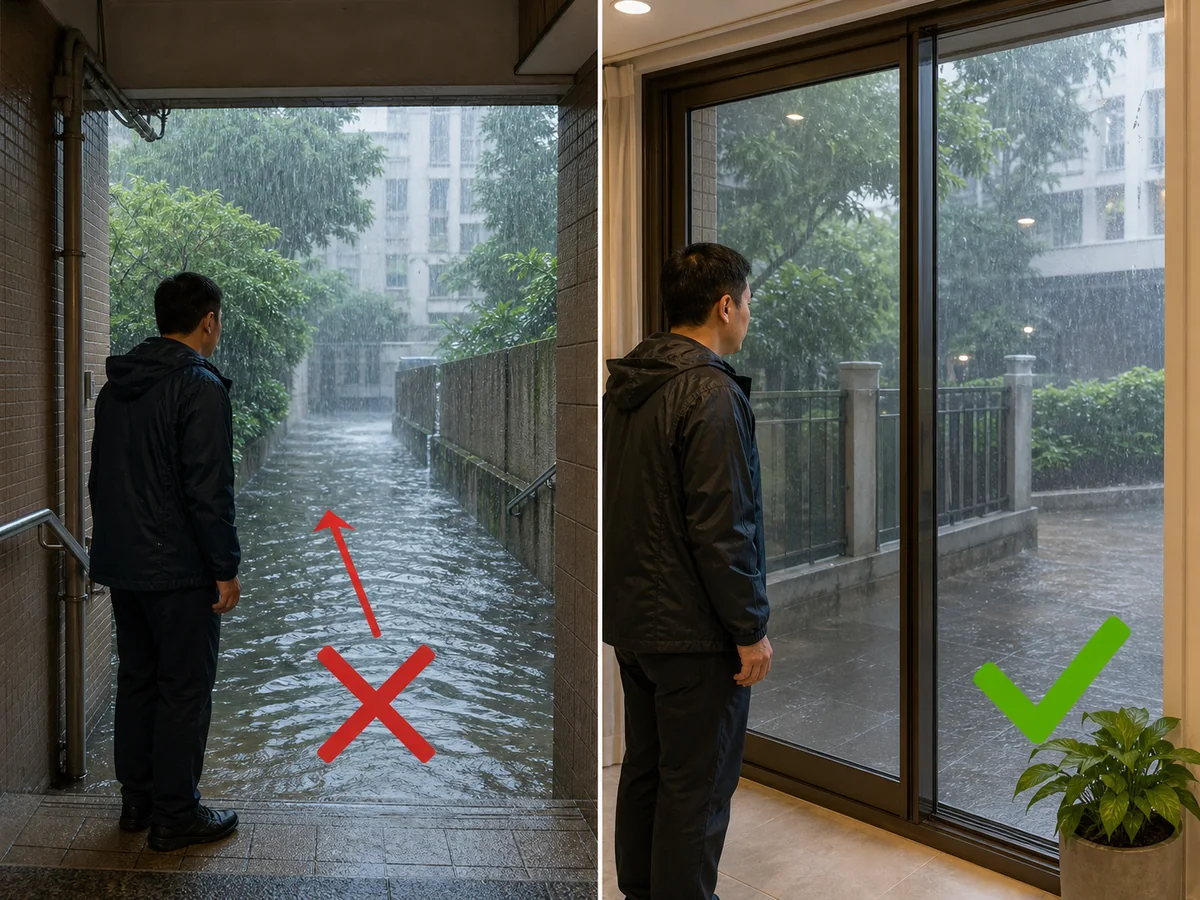
Avoid low-lying flooded areas and watercourses; during a Black Rainstorm Warning, stay indoors or shelter safely and follow official and employer instructions.
View safety lesson →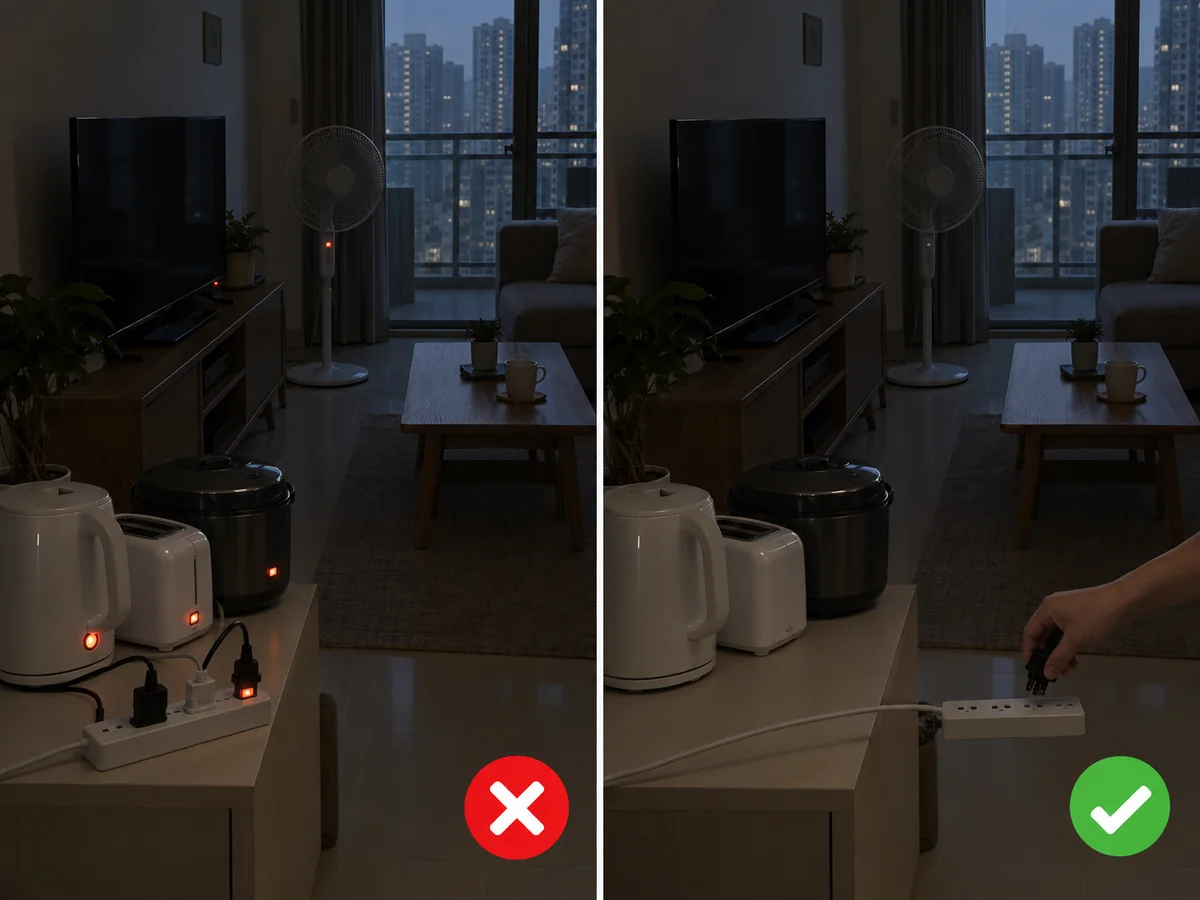
During a blackout or unstable supply, switch off and safely unplug non-essential appliances.
View safety lesson →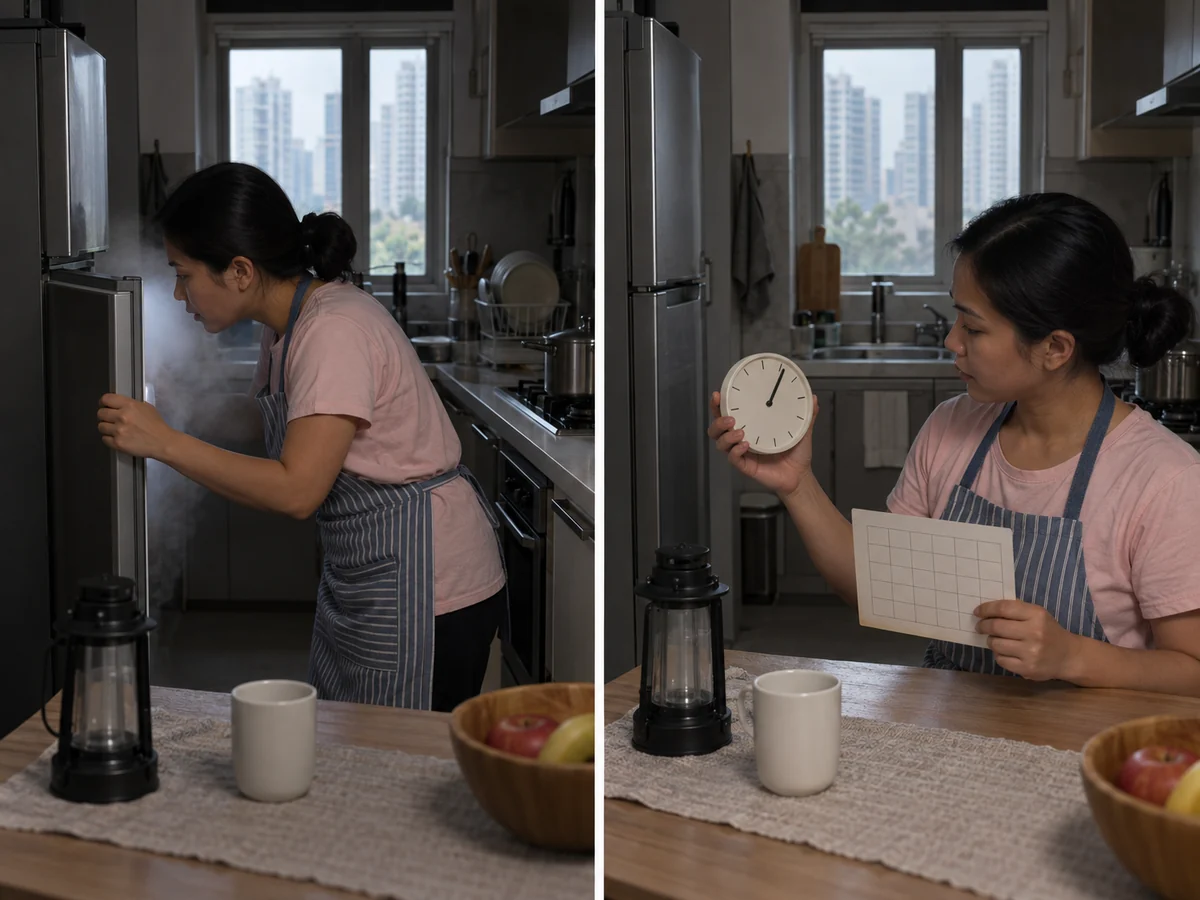
Note when the outage starts and keep refrigerator and freezer doors shut to preserve cold temperatures.
View safety lesson →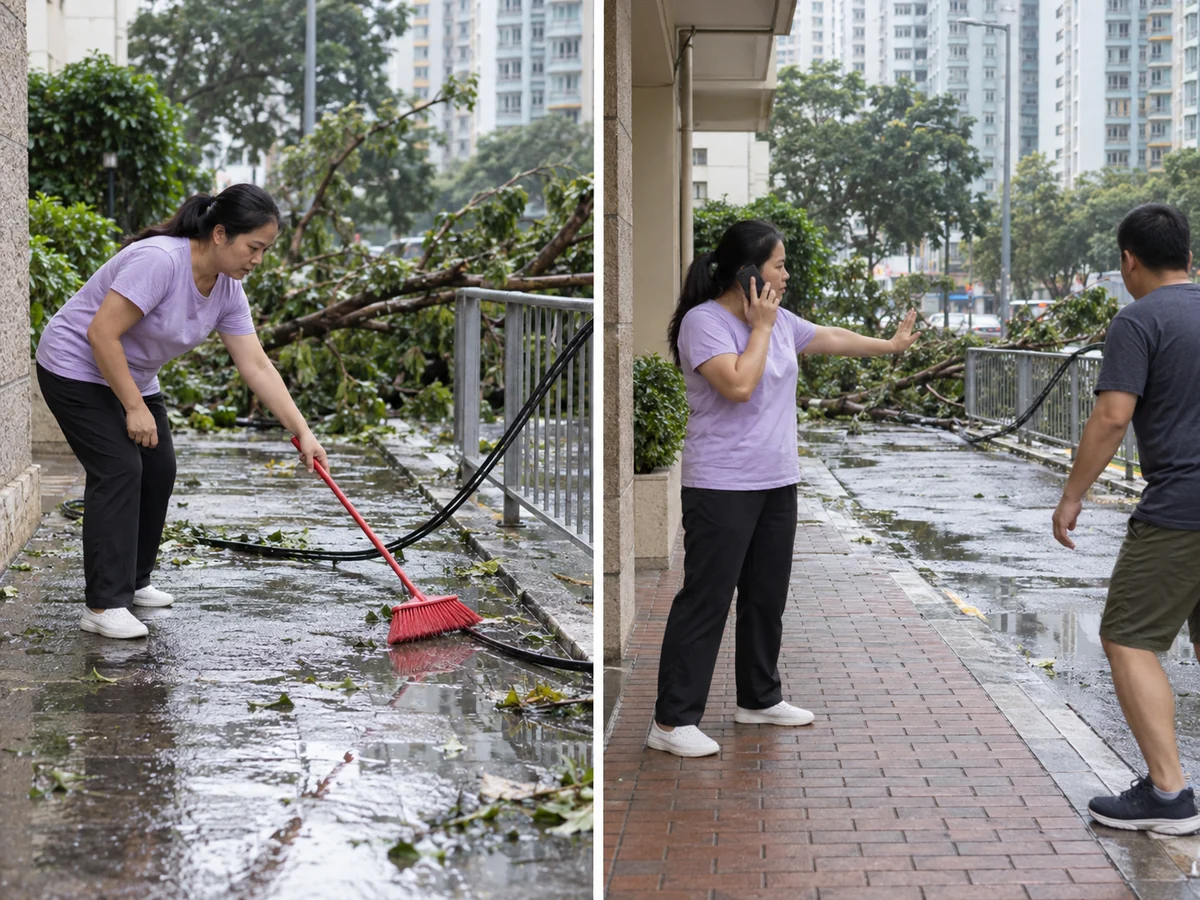
Treat every fallen, hanging, or damaged power line as live, keep well away, and stop others approaching.
View safety lesson →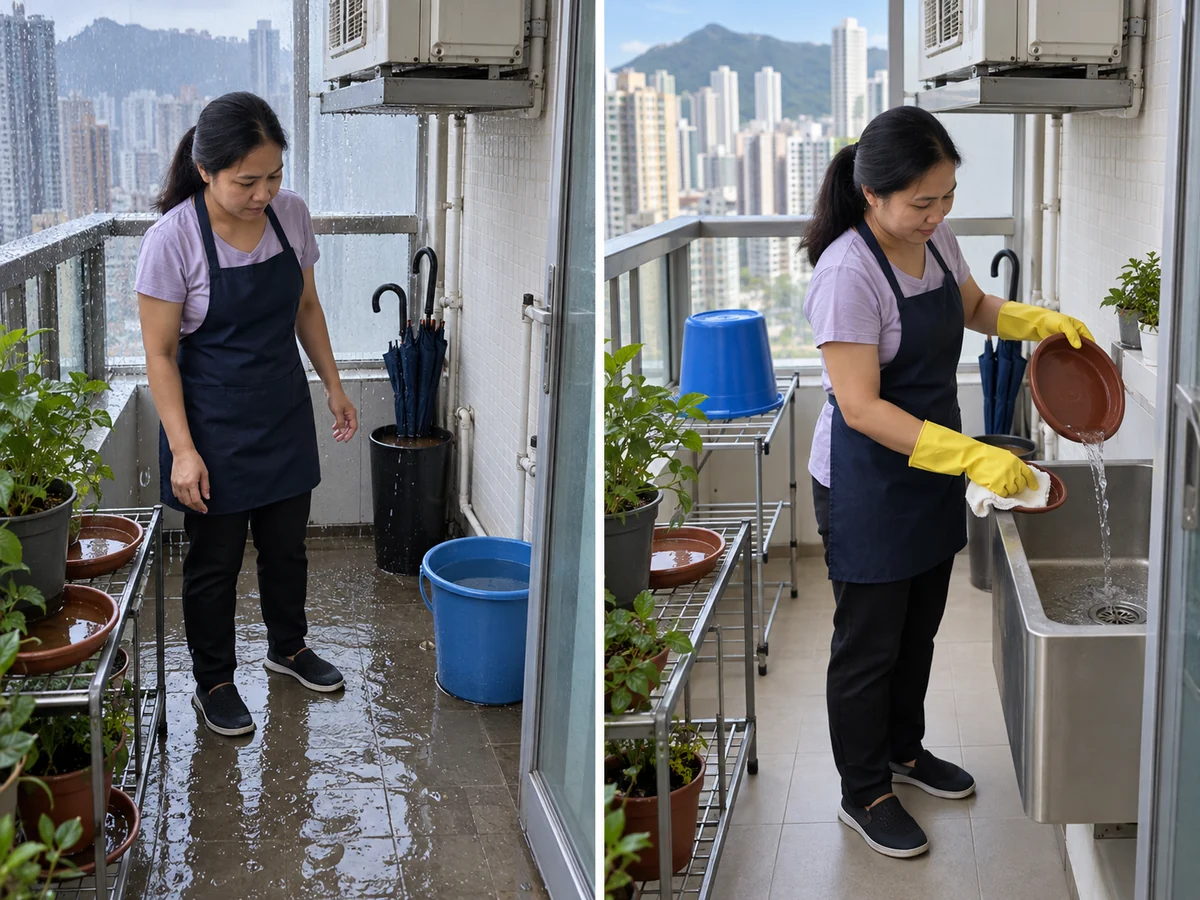
Once conditions are safe, check plant saucers, air-conditioner trays, umbrella stands, and balcony items, then empty water.
View safety lesson →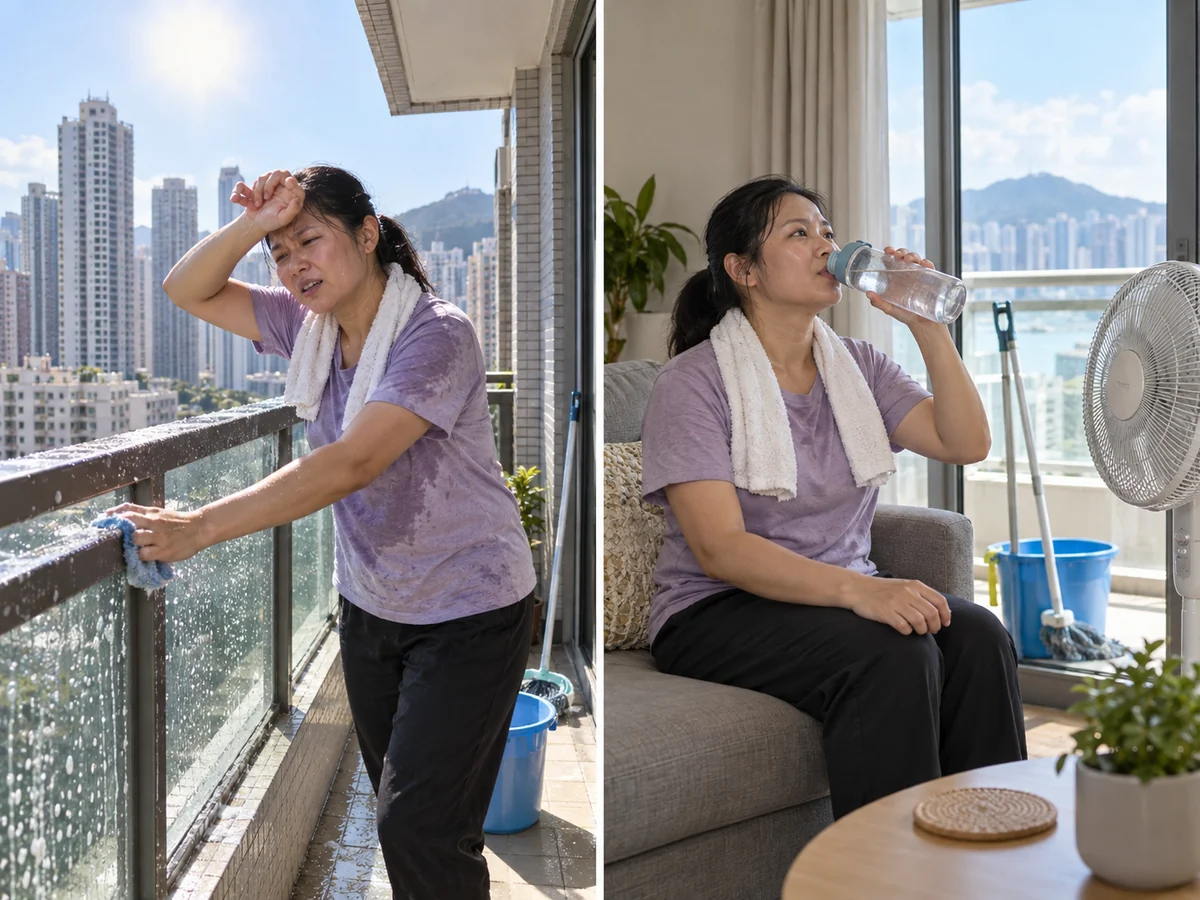
Schedule strenuous chores for cooler times, drink water regularly, and rest in a cool, ventilated place.
View safety lesson →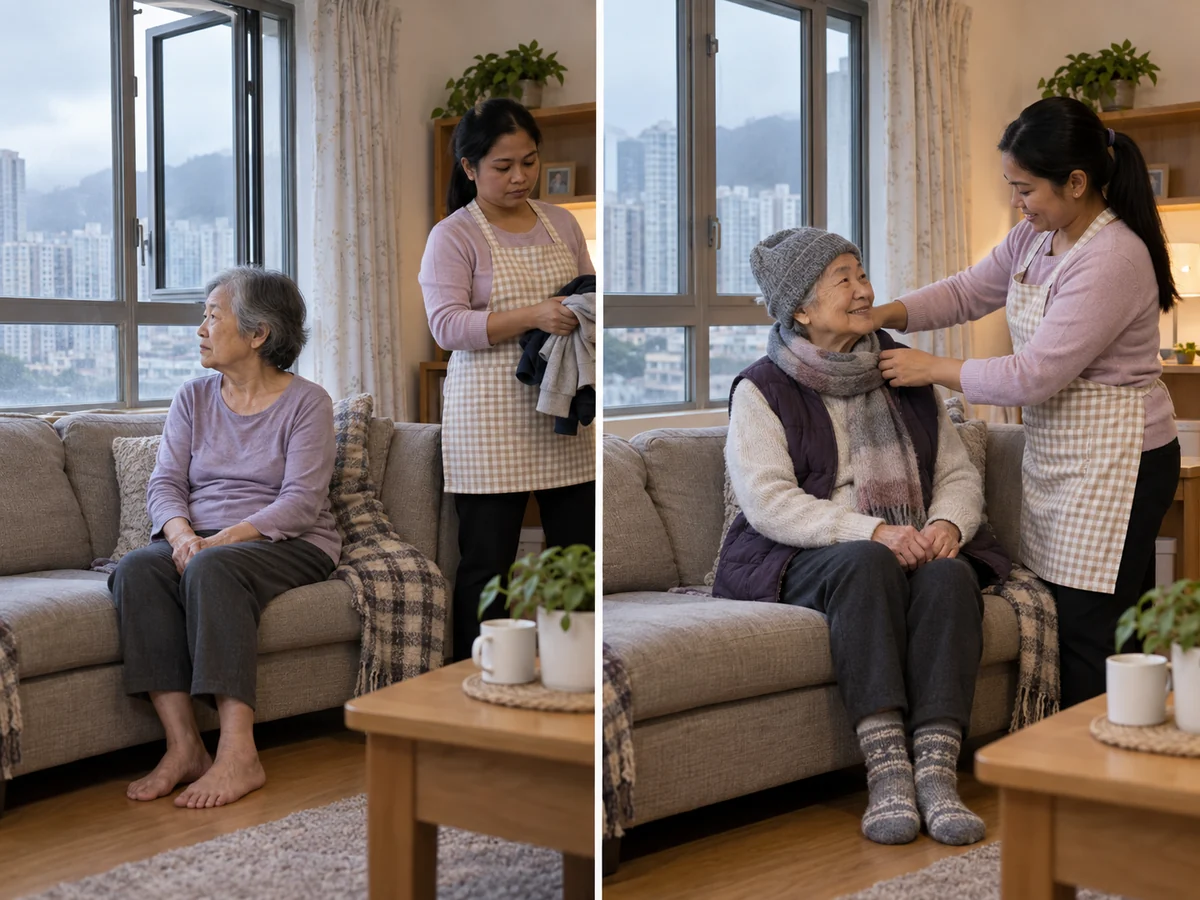
Check the forecast, add suitable layers, keep the room warm, and avoid long outings in colder morning and evening periods.
View safety lesson →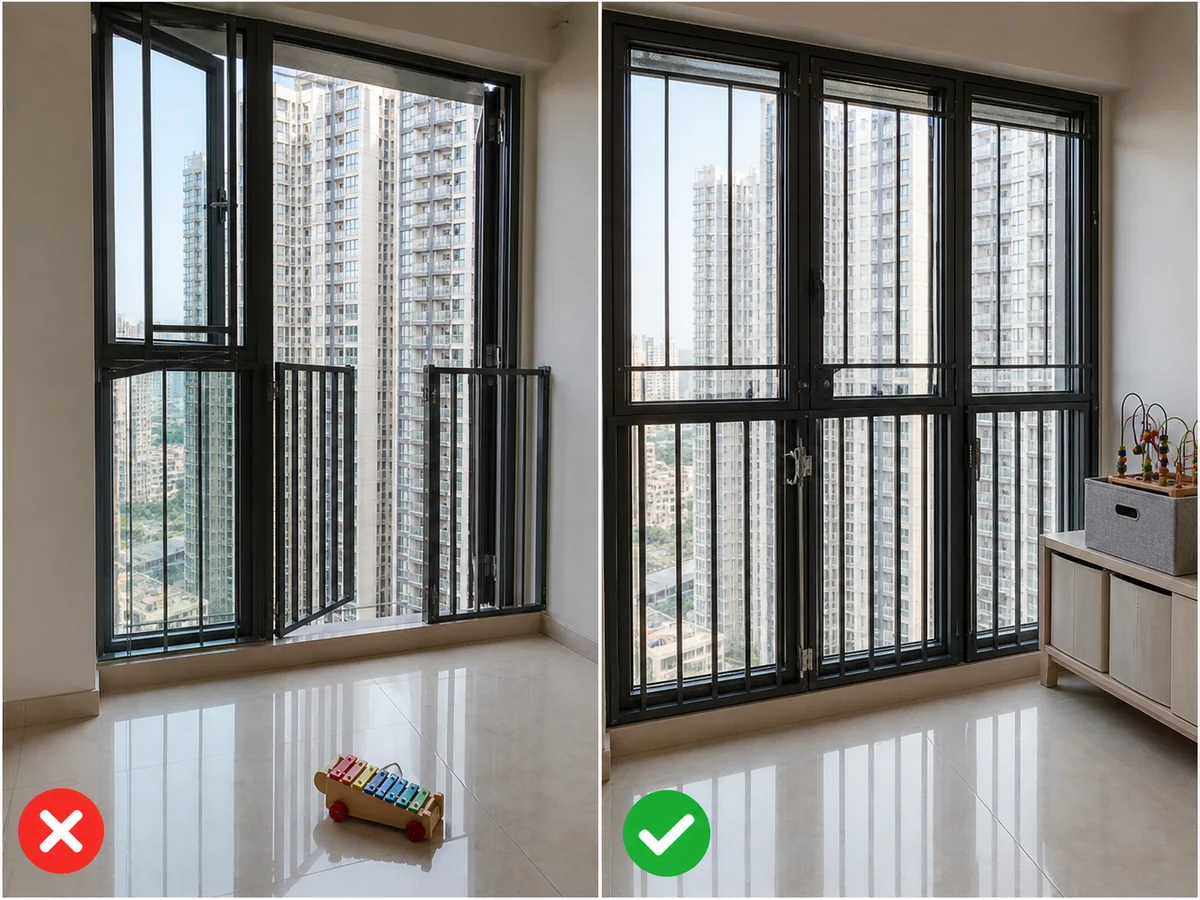
Homes with children need suitable window and balcony barriers kept locked as designed; the employer should arrange and check them regularly.
View safety lesson →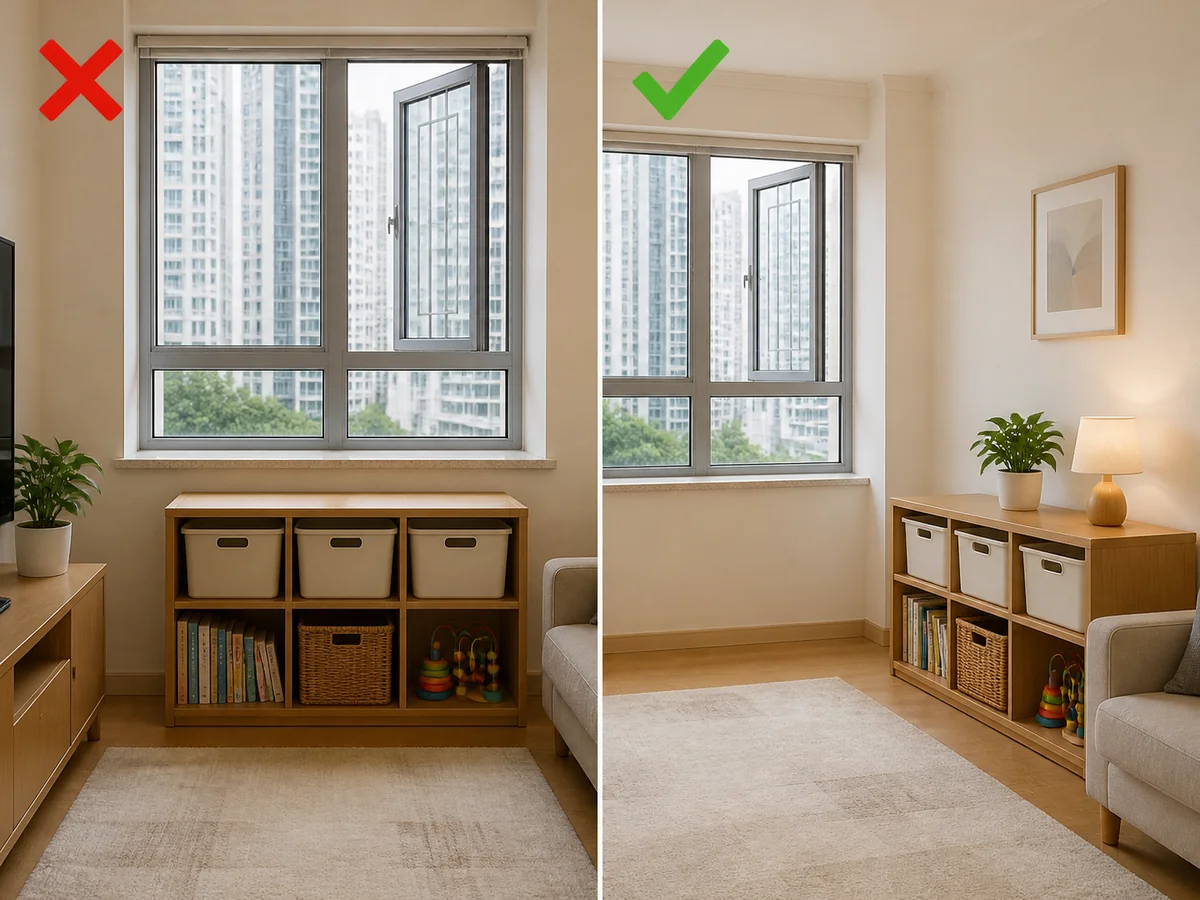
Move chairs, low cabinets, boxes, and other stepping items away from windows, and keep approved window guards locked.
View safety lesson →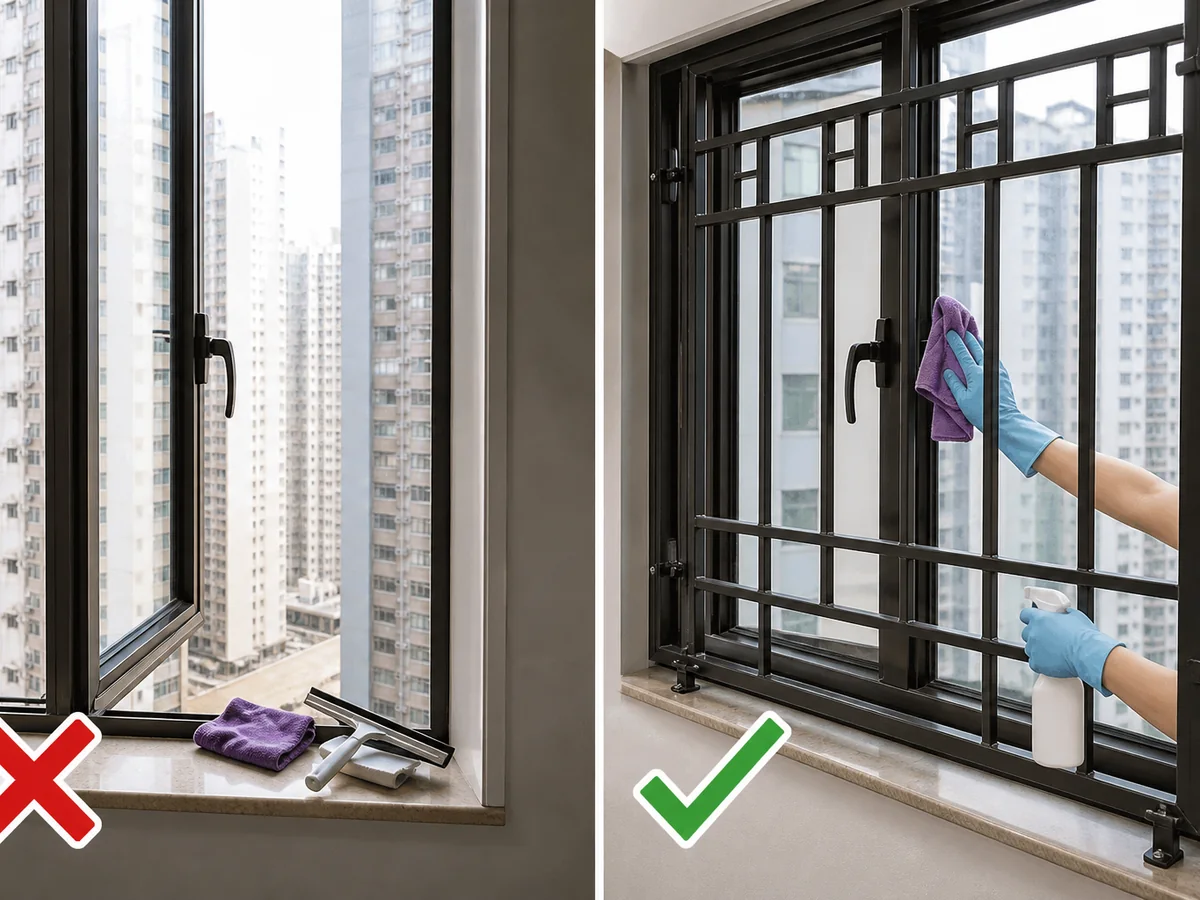
For non-ground-level windows, the grille must be locked and no body part except the arms may extend outside.
View safety lesson →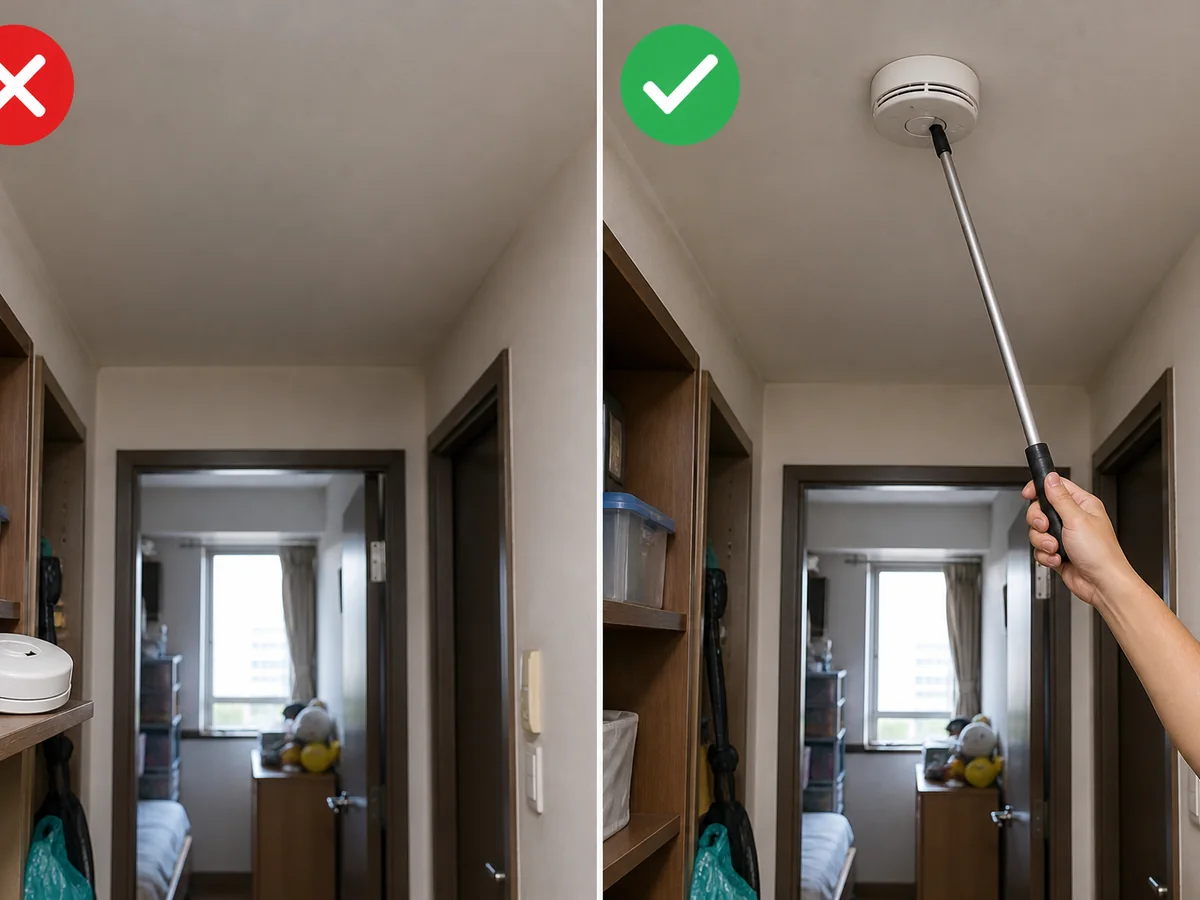
Install a suitable detector as directed and press its test button monthly to check the battery.
View safety lesson →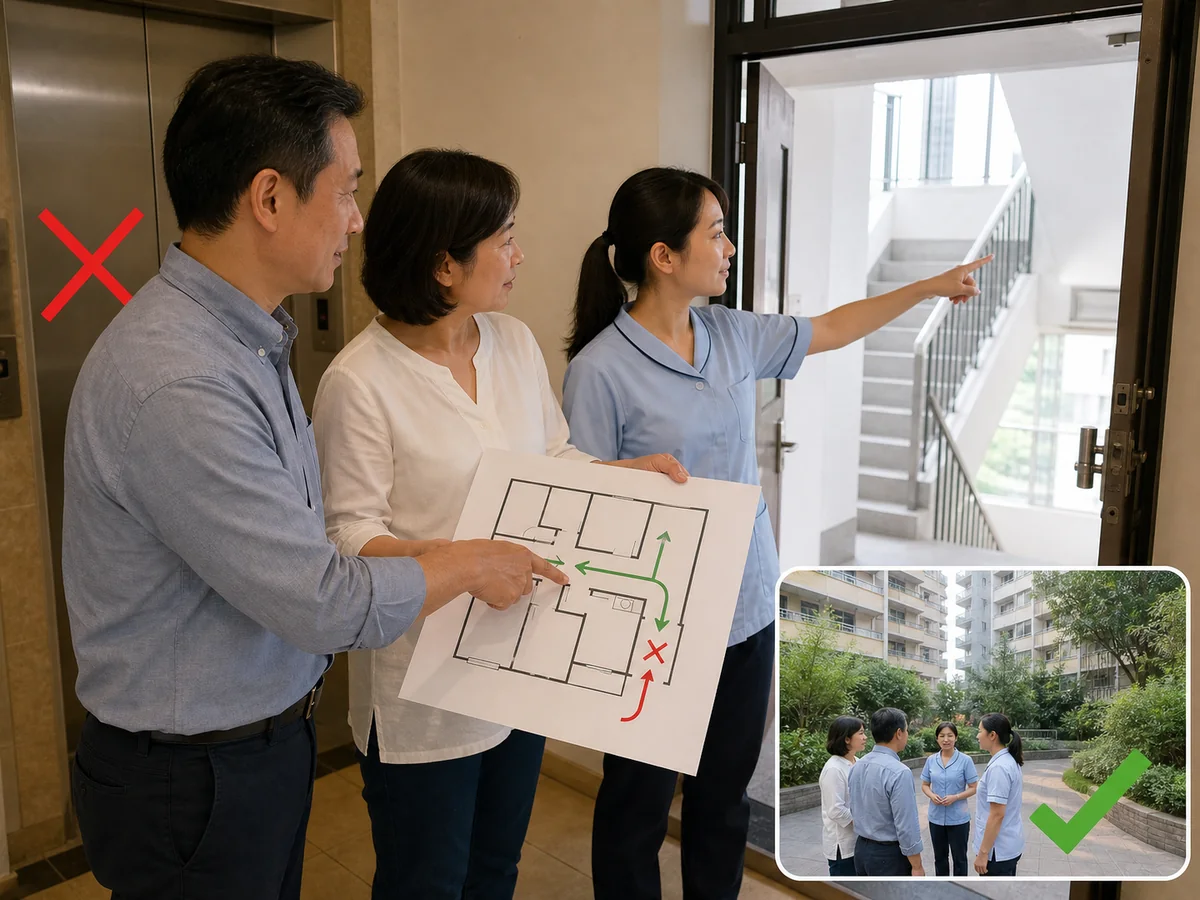
The employer should show the helper the exits, escape stairs, alarm, and outdoor meeting place, including not forcing a route through heavy smoke.
View safety lesson →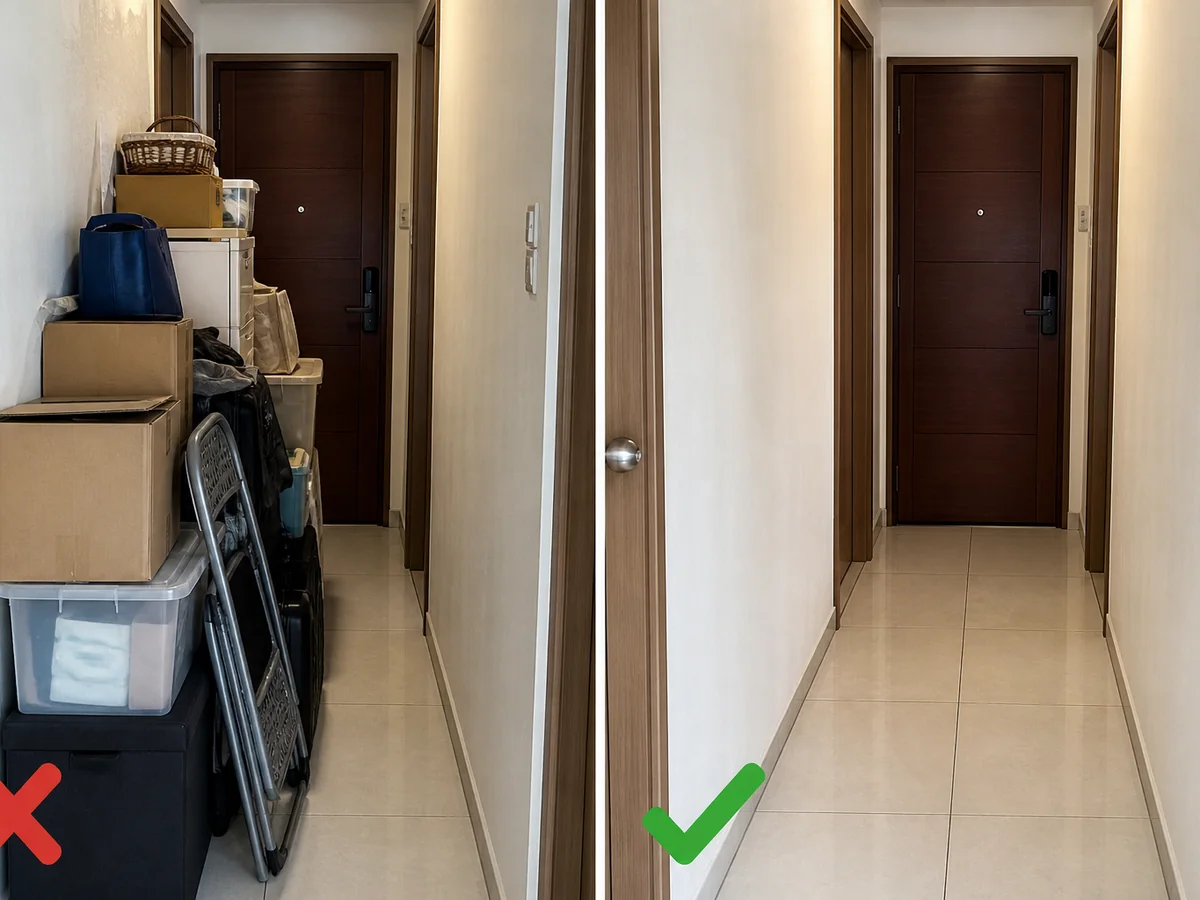
Keep the route from the flat door through the corridor to the stairs free of shoes, boxes, bicycles, and rubbish.
View safety lesson →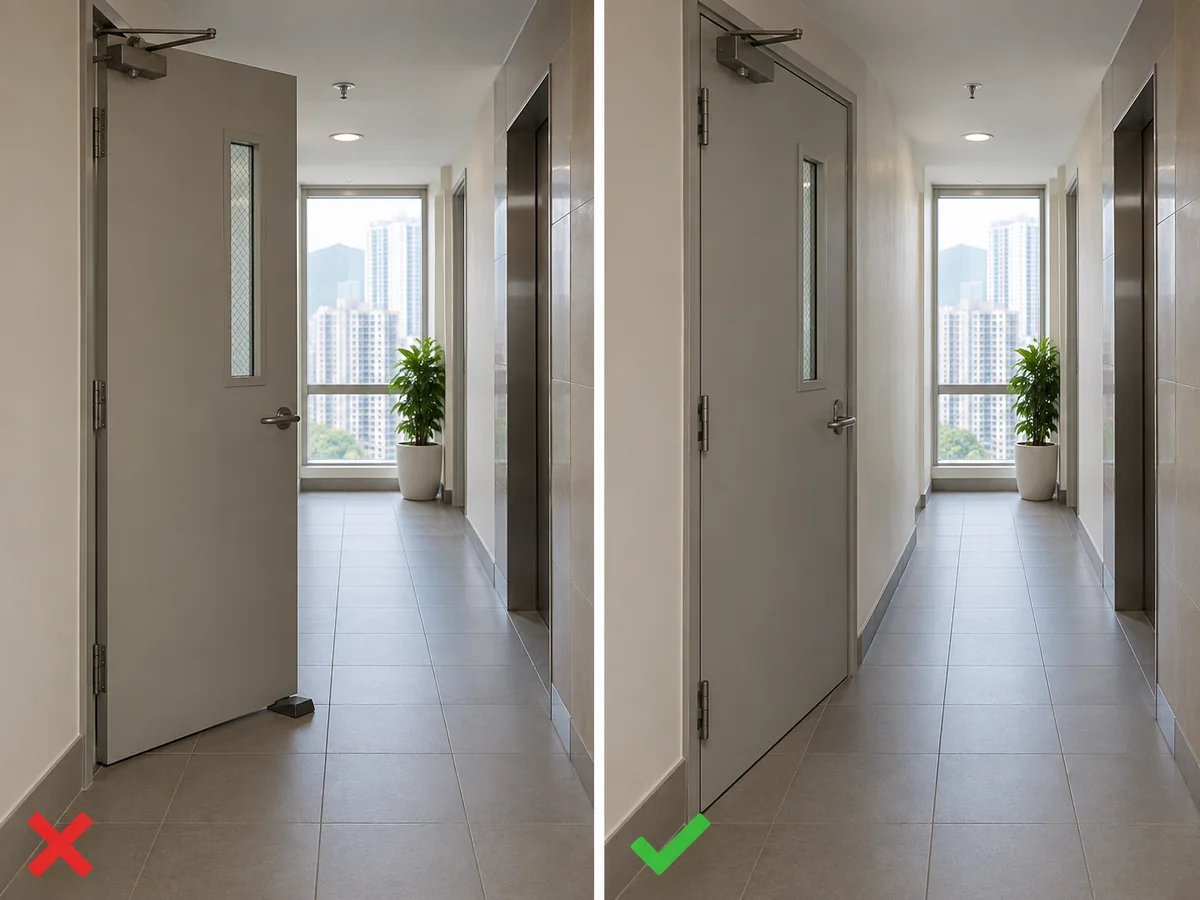
Never wedge open lobby, corridor, or stair smoke-stop doors; check they close after passing.
View safety lesson →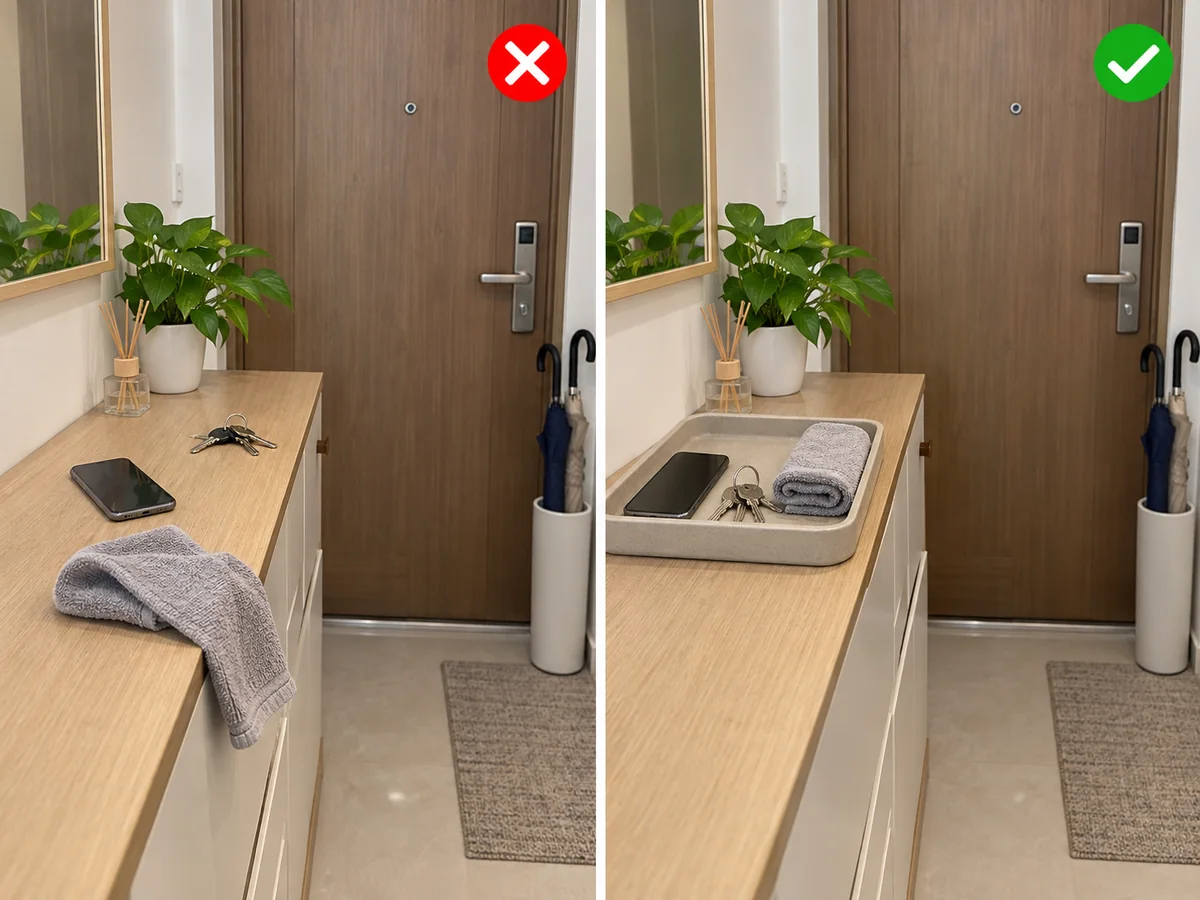
Keep a phone and door keys in a fixed accessible place and take a wet towel when escaping.
View safety lesson →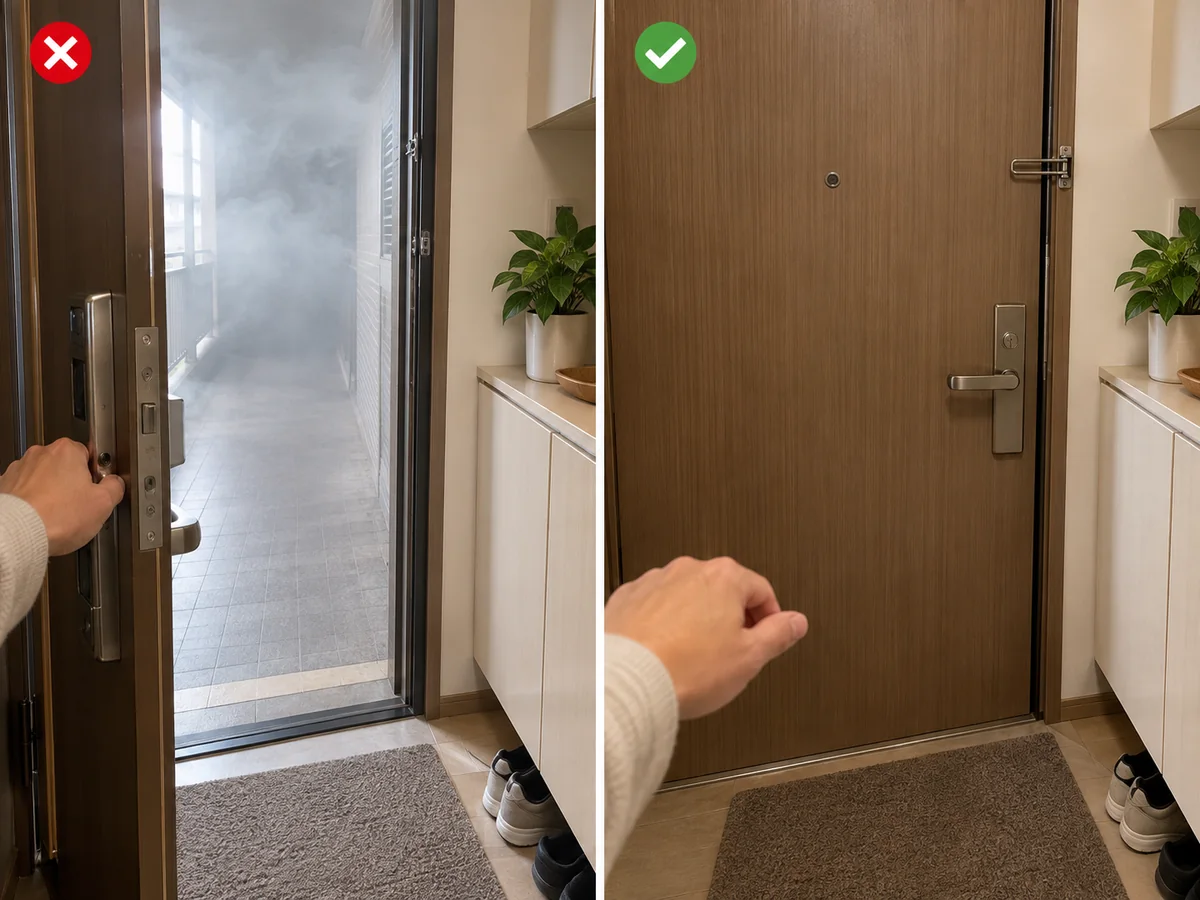
Check outside before opening; if the corridor is smoky or hot, stay inside, close the door, and call for help.
View safety lesson →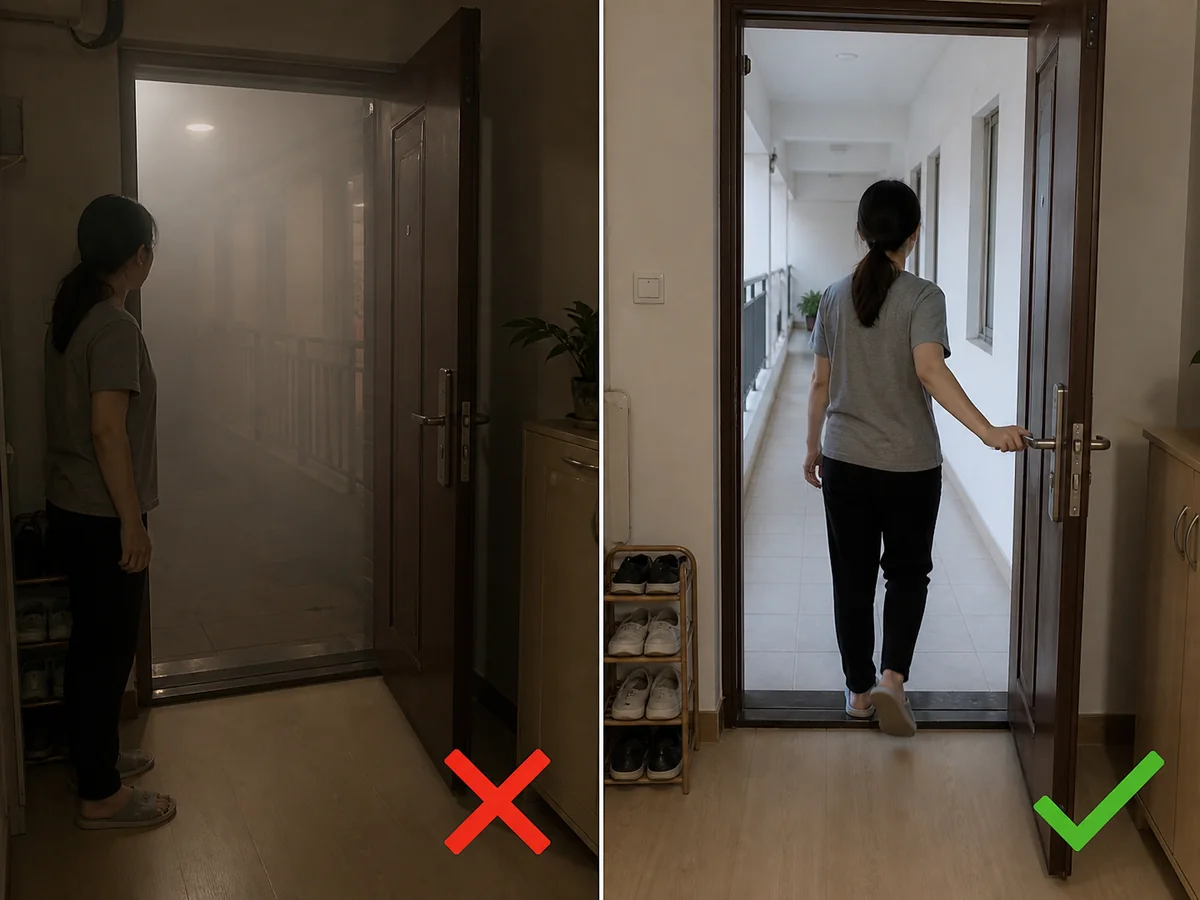
Check the corridor and escape route for smoke first; when it is safe to leave, close the unit door and do not return.
View safety lesson →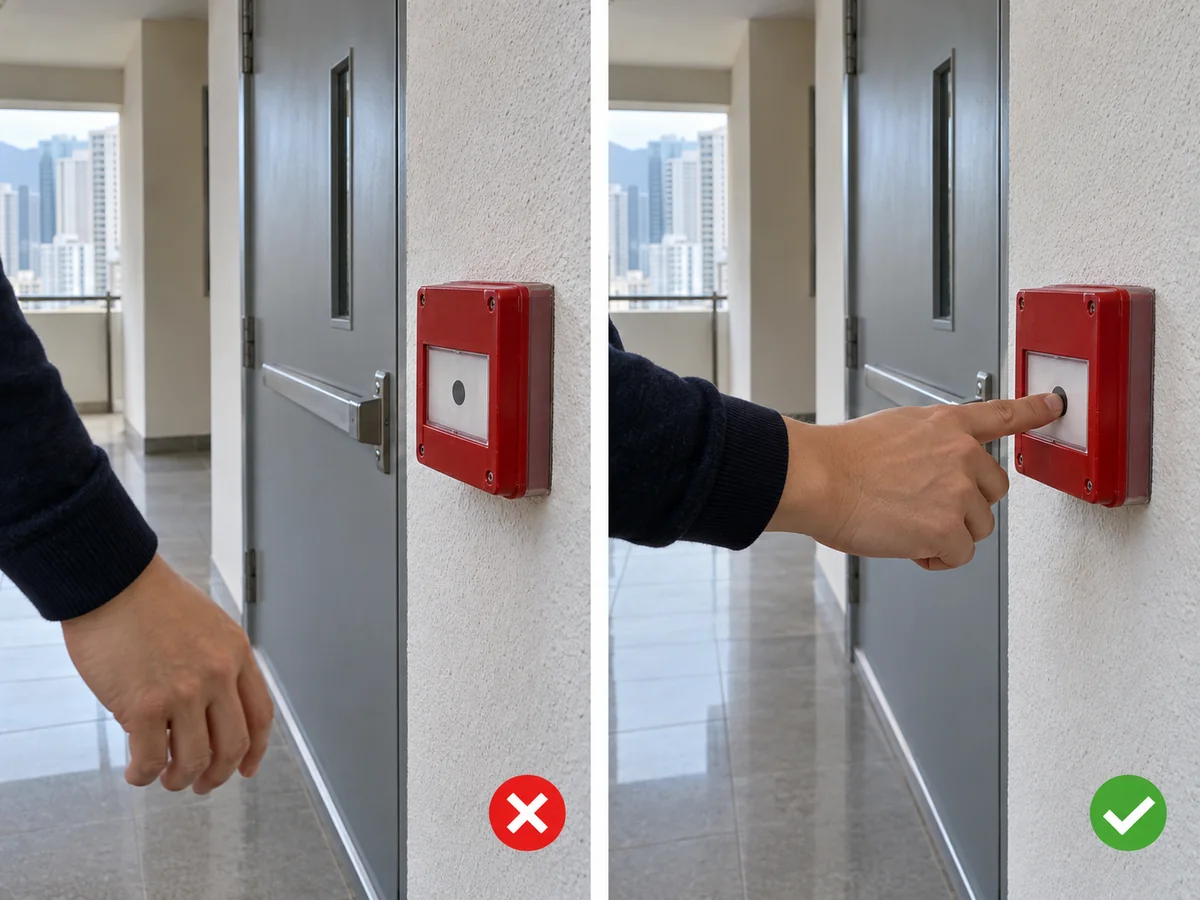
If the escape route is safe, press the nearest manual fire alarm after leaving the flat.
View safety lesson →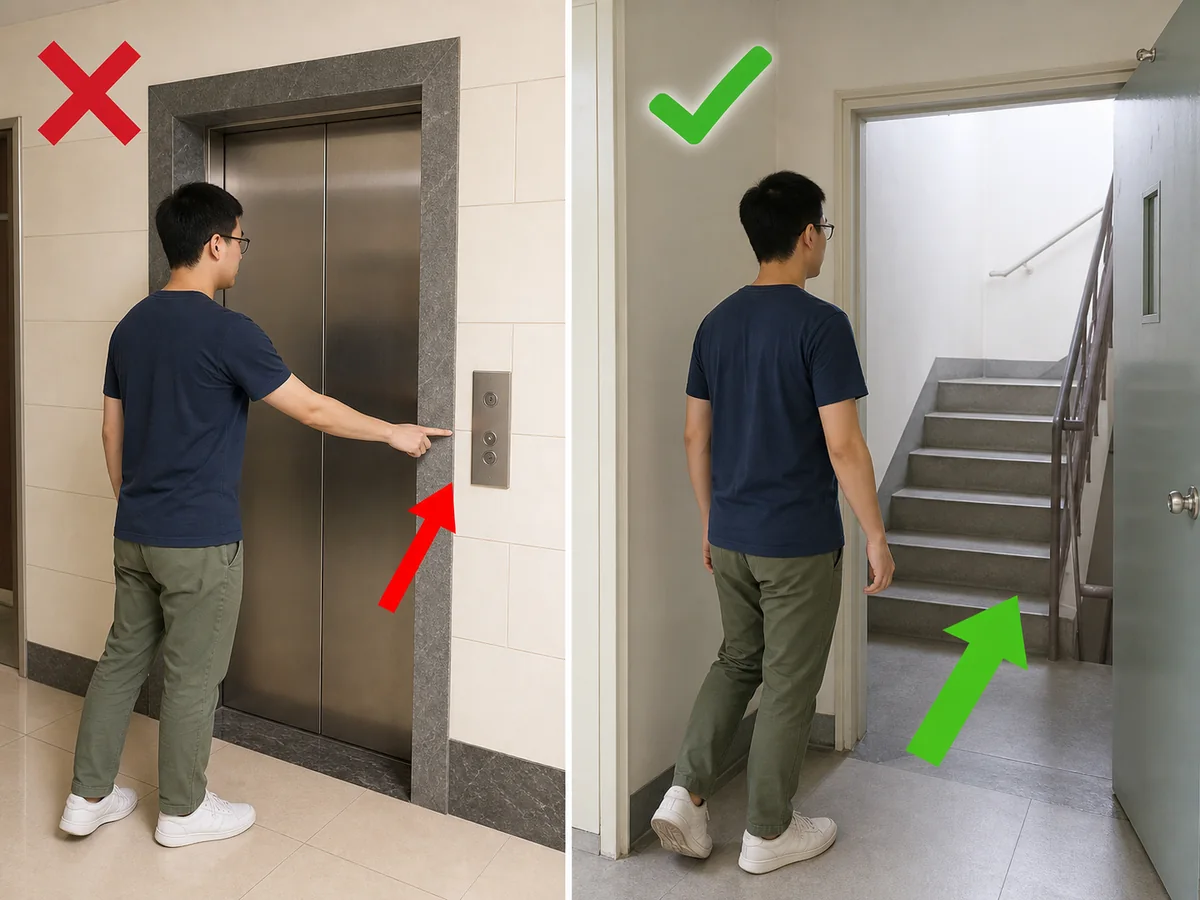
Do not use a lift; check the escape stairs for smoke and follow Fire Services guidance for the safest action.
View safety lesson →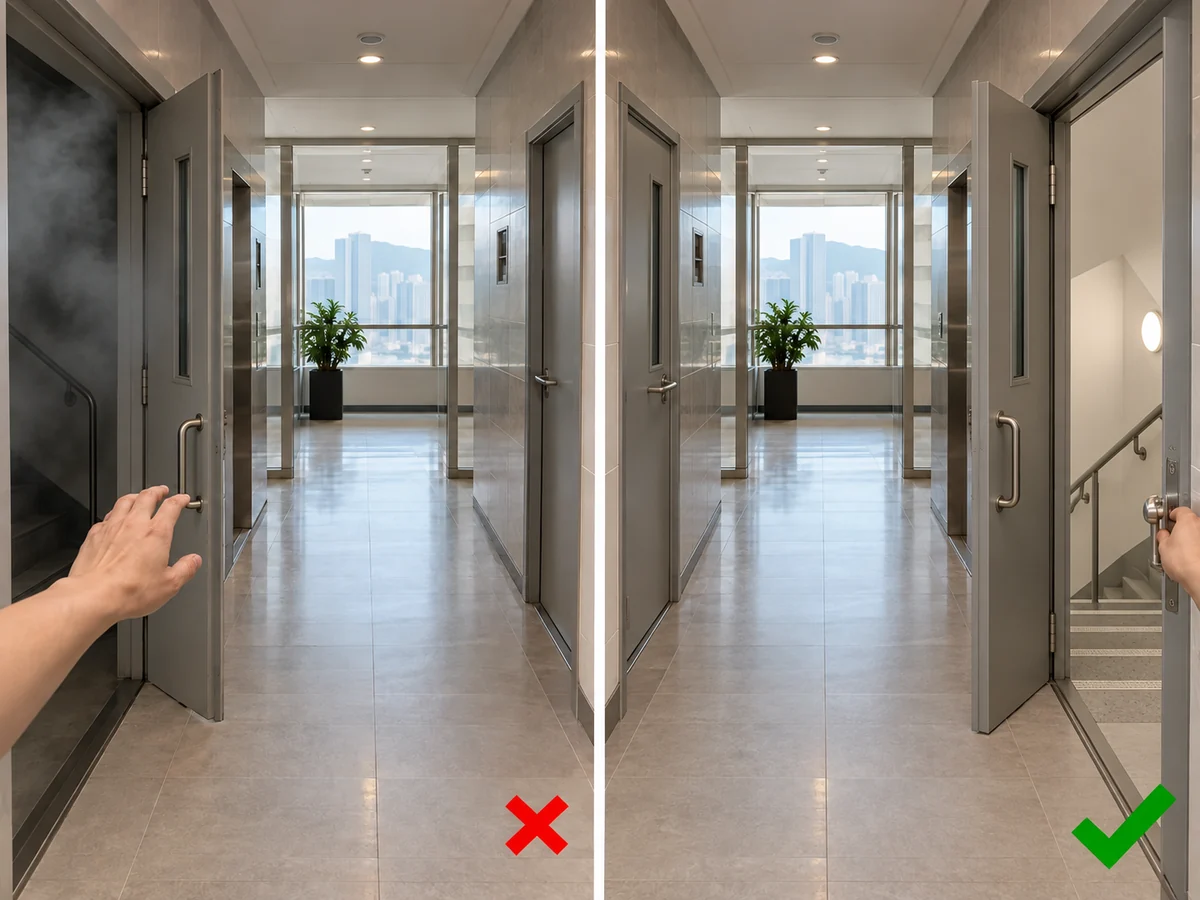
Do not pass through smoke; return to a safe junction and use another smoke-free staircase.
View safety lesson →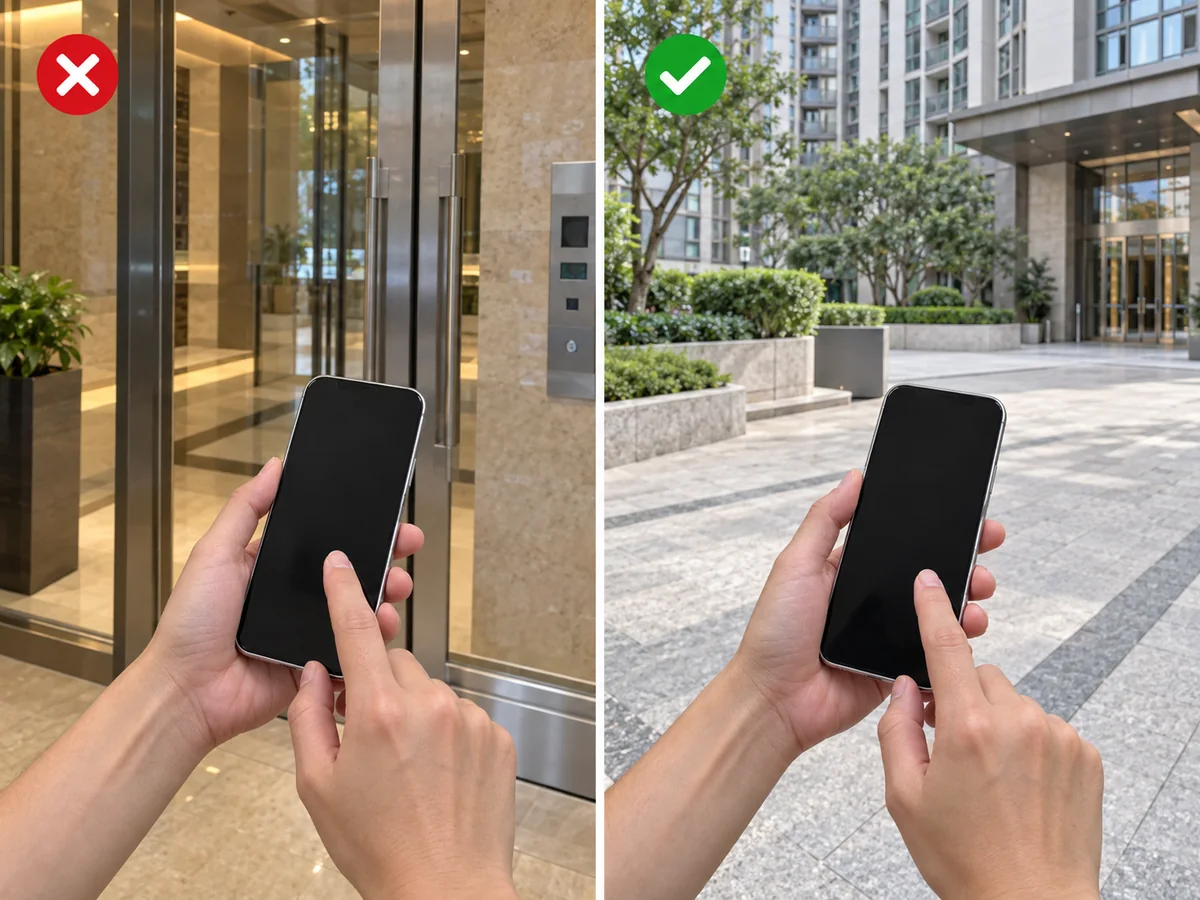
Leave the danger area first, then call 999 from safety and give the exact address.
View safety lesson →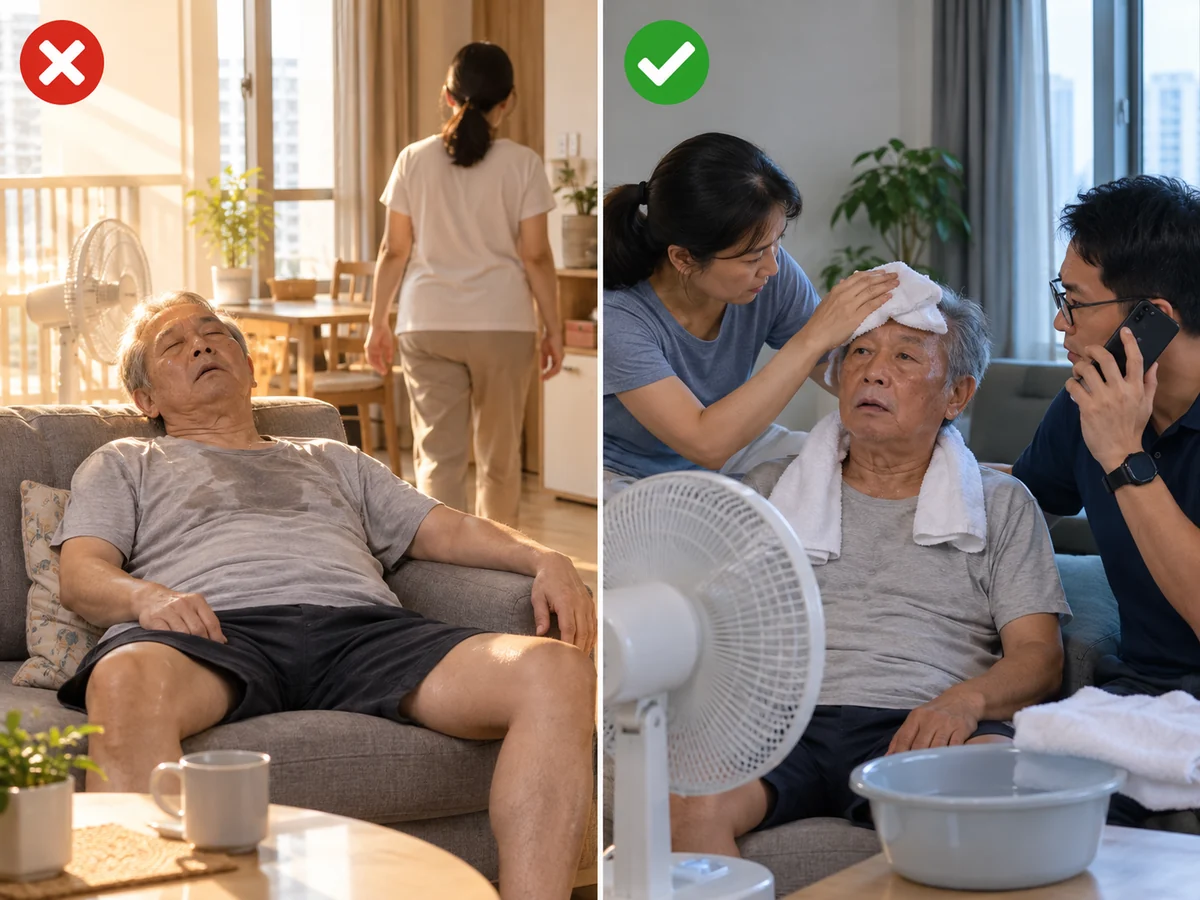
Call 999 and begin cooling in a safe cool place using wet towels and fanning. Give nothing by mouth unless fully alert and follow the ambulance operator's instructions.
View safety lesson →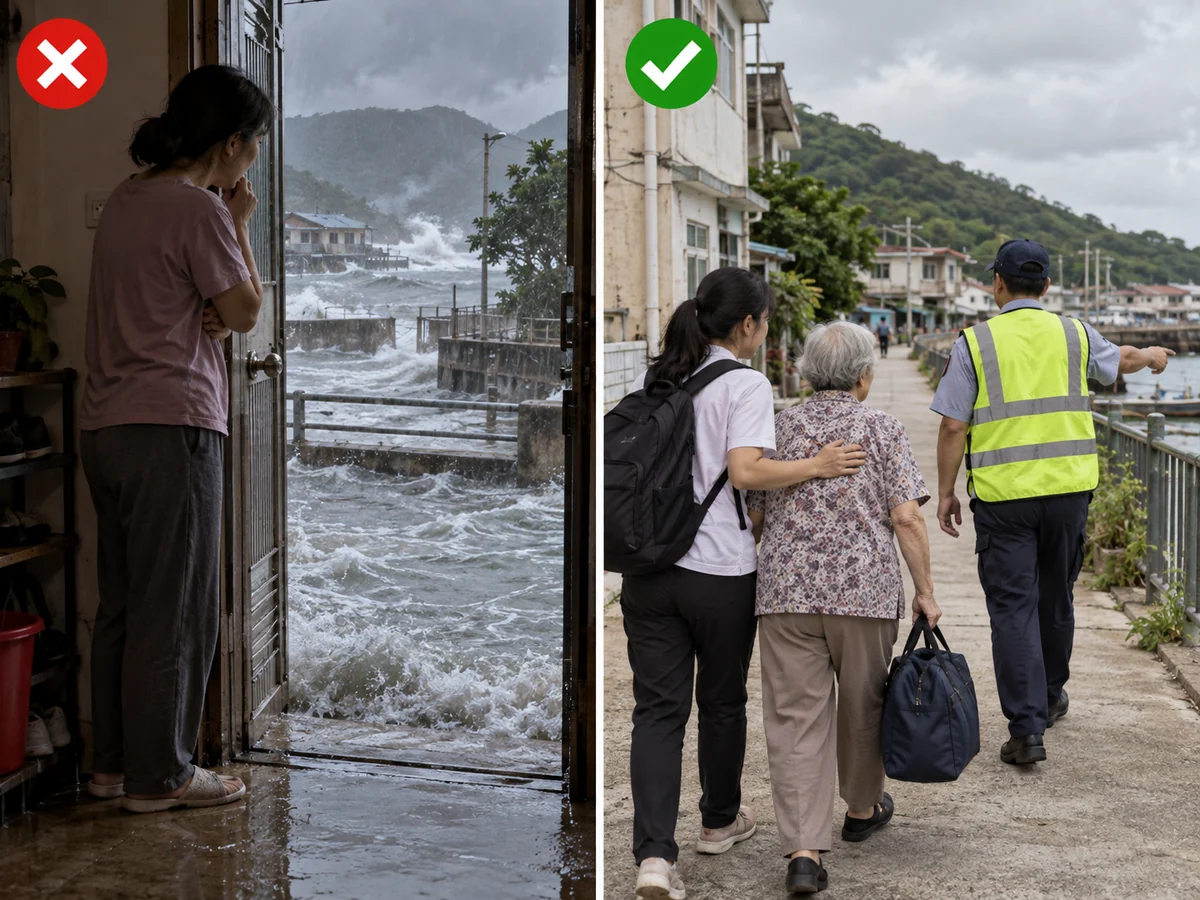
For a low-lying coastal home, arrange assistance and safe shelter early, following official surge and local instructions before weather worsens.
View safety lesson →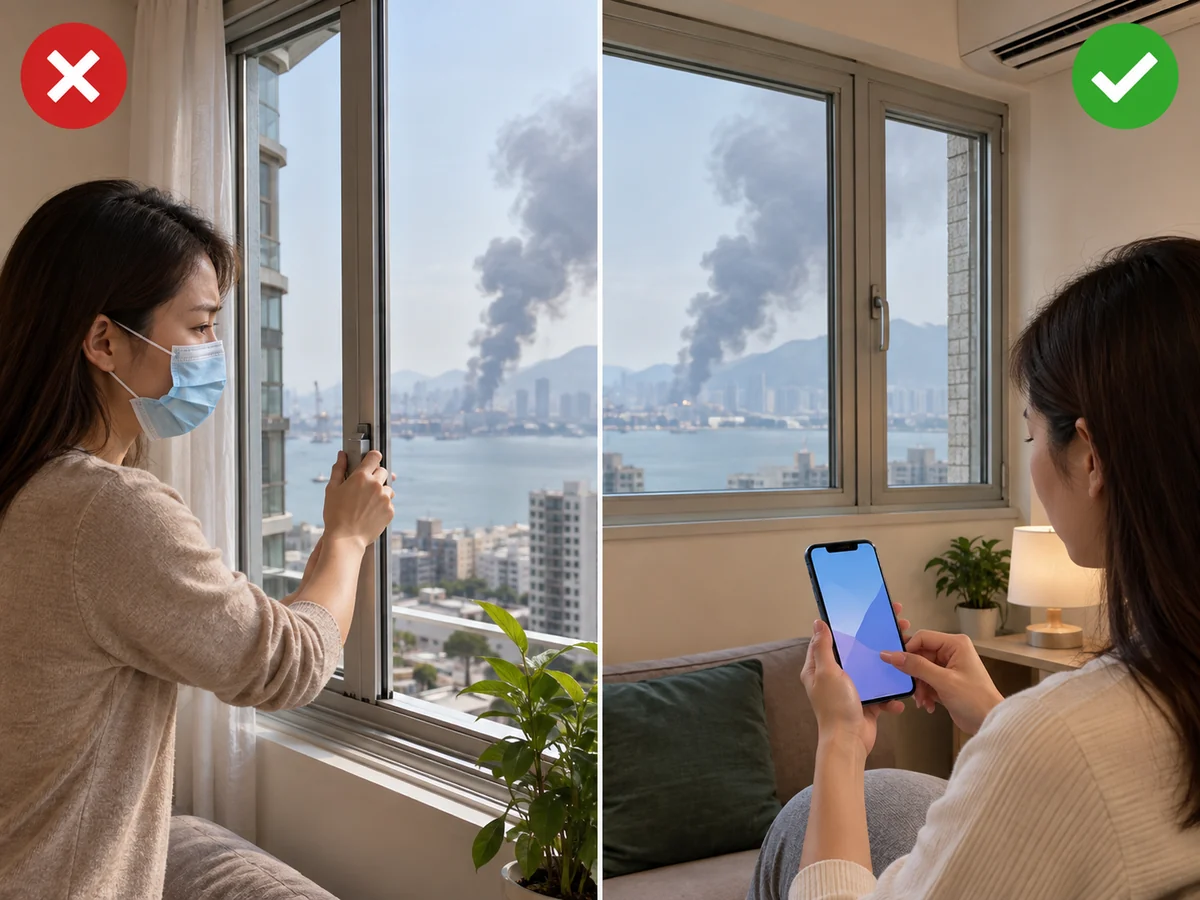
Only for outside smoke affecting an otherwise safe home, close windows and follow official advice; a fire in your building requires fire-escape instructions.
View safety lesson →